
📚 Regional Mango Names Guide
Did you know that Alphonso is called Badami in Karnataka and Hapus in Maharashtra? Explore our complete state-by-state guide mapping 30+ regional names across India.
Also known as: Fernandez, Fernandes, Fernandin
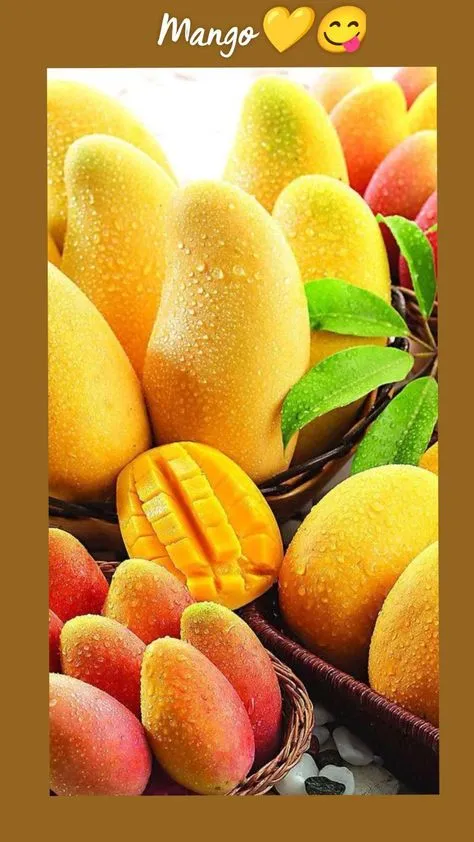
Typical diseases and disorders affecting this variety:
Detect these early using our Plant Guard AI.
Read our detailed Mango Diseases & Safety Guide.
Fernandina (also known as Fernandin) is a rare and highly prized heritage mango variety native to the state of Goa. It is considered one of the classic Goan 'premium' mangoes, often mentioned alongside the legendary Mankurad as a symbol of the region's rich horticultural history and Portuguese influence.
Physically, Fernandina is a medium to large mango, typically weighing between 300 and 450 grams. It has an attractive round-oval shape with a smooth, medium-thick skin. The most distinctive feature is its color: a light greenish-yellow skin that develops a beautiful, subtle pinkish-red blush on the shoulders when ripe.
The flavor profile is sophisticated and unique. It is sweet with a refreshing, slightly acidic tang and a complex, spicy undertone. The pulp is a bright yellow, firm, and extremely juicy. Unlike many other heritage varieties, it is 100% fiberless (none), offering a very refined eating experience.
The Fernandina season is mid-to-late, typically starting in late April and peaking in May. It is grown almost exclusively in the heritage orchards of Goa, particularly in the Salcete and Bardez regions. Its rarity and quality make it a highly sought-after delicacy during the Goan summer.
When comparing it to Mankurad or Alphonso, Fernandina is prized for its balanced sweetness and lack of turpentine notes. While Mankurad is honey-sweet, Fernandina offers a more complex, tangy-sweet profile with a firmer bite. Discover more Goan treasures at our Mango Identifier hub.
Post-harvest, Fernandina has a respectable shelf life of 5-7 days. Its firm flesh and medium-thick skin provide better protection than the delicate Mankurad, although it still requires careful handling. It is a preferred variety for fresh slicing and for making high-quality Goan 'Mango Miscut' (spiced preserves).
For comparisons with other regional and specialized cultivars, explore our profiles on Manjeera and Safdar Pasand.
Sweet with slight tang
Strong, fruity
Juicy, moderately fibrous
Moderate
How to tell if it's a genuine Fernandina:
Did you know that Alphonso is called Badami in Karnataka and Hapus in Maharashtra? Explore our complete state-by-state guide mapping 30+ regional names across India.
A classic Goan variety with strong Portuguese heritage, likely selected and named during the colonial era.
Deeply valued in Goan Catholic culinary traditions, often featured in heritage recipes for jams and pickles.
One of the few Goan varieties that is 100% fiberless, making it a favorite for children and high-end dessert preparations.
Quick reference for identifying common healthy vs. problematic conditions:
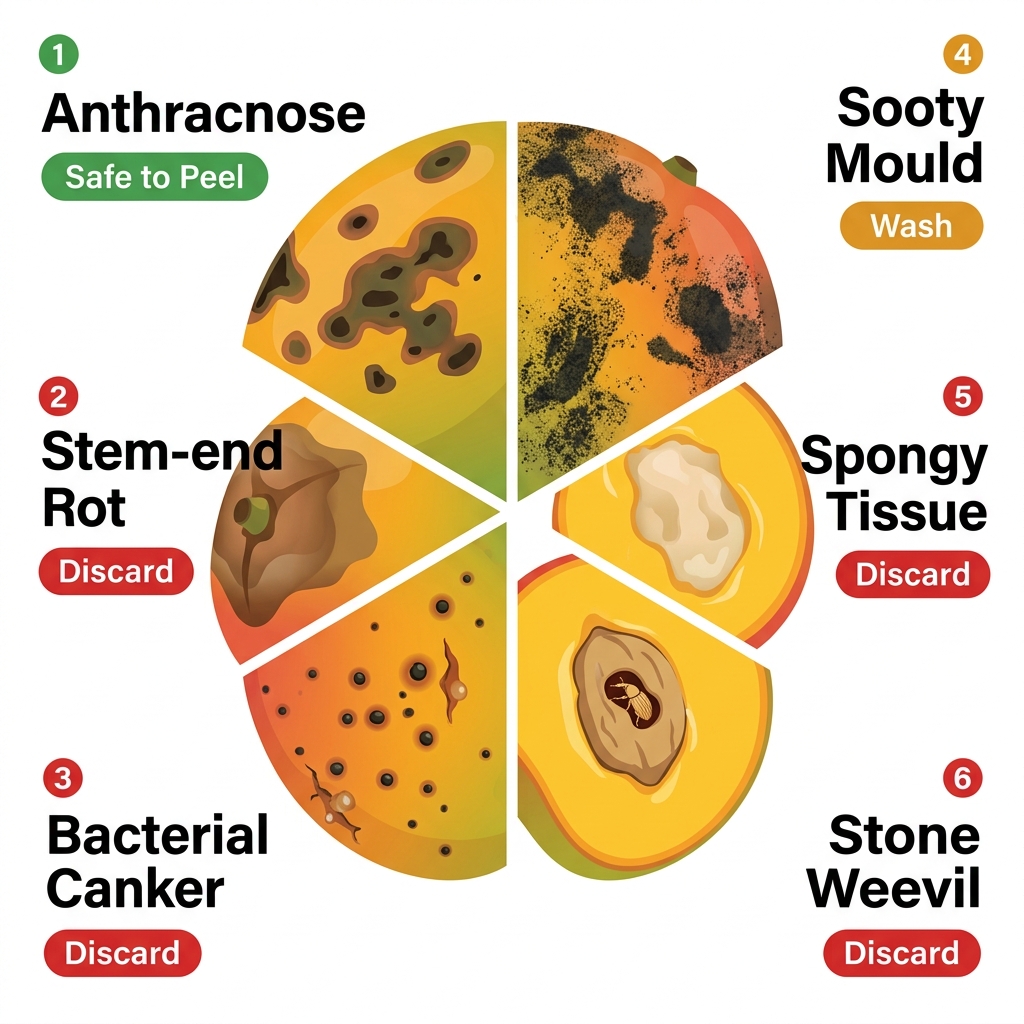
Pro Tip: Surface spots like Anthracnose are often harmless to the fruit inside, while Bacterial Canker or Stem-end Rot usually require discarding the fruit.
Ensure your Fernandina mango is naturally ripened. Use Food Guard to detect Calcium Carbide and other chemical ripeners.