
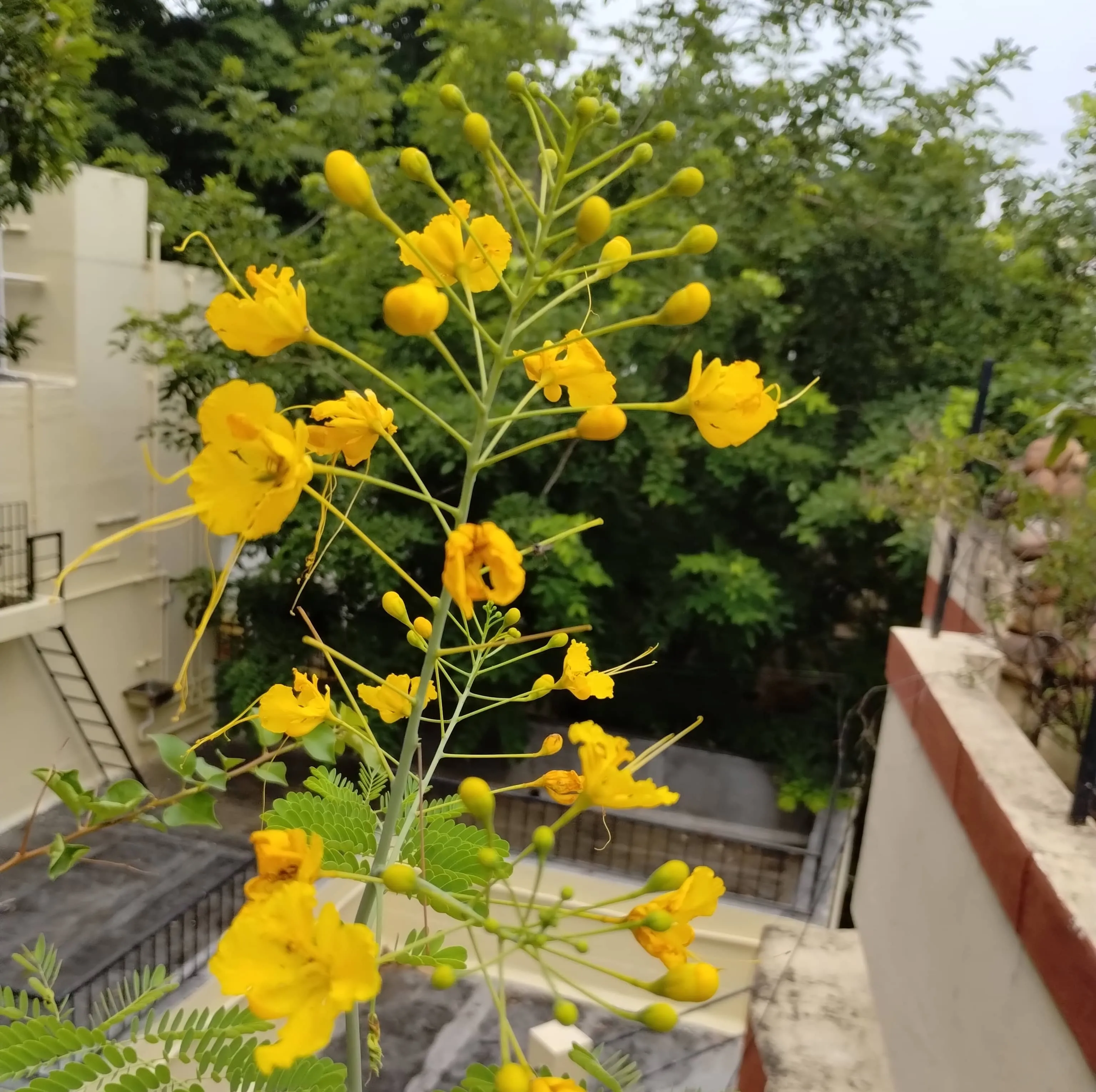
Peacock Flower (Caesalpinia)
Caesalpinia pulcherrima
How to Identify Peacock Flower (Caesalpinia)
TOXIC. Seeds and pods are toxic to cats, dogs, and horses if ingested, containing tannins and hydrocyanic acid. Human Safety: All parts of the plant are considered toxic if ingested; handle with care and keep away from children.
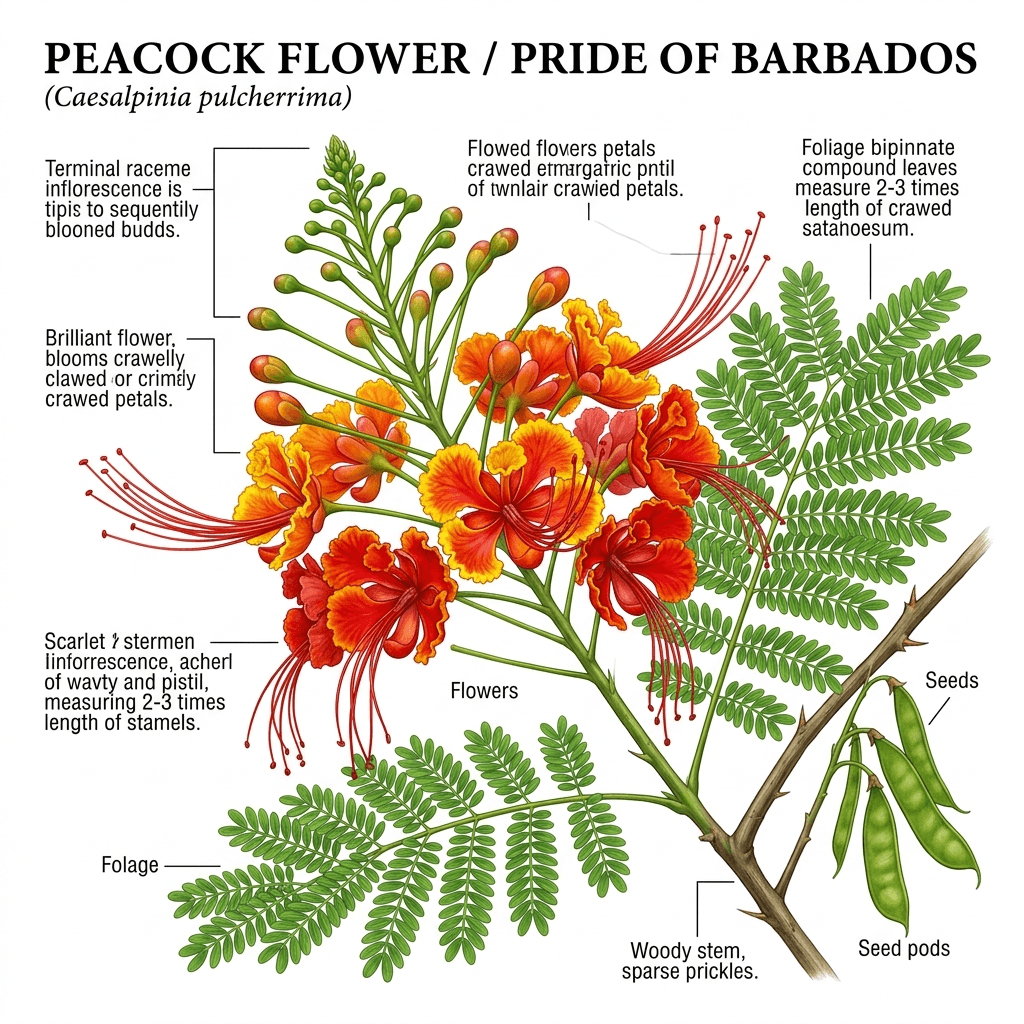
A detailed guide to identifying the Peacock Flower / Pride of Barbados (Caesalpinia pulcherrima) by its dramatic tropical traits:
- Fiery Crinkled Clawed Petals: Showy flowers measuring 2 to 3 inches across with five distinct, wavy, crinkled petals with narrow clawed bases. Blooms display vivid, fiery ombré combinations of scarlet red, glowing orange, and bright lemon-yellow margins.
- Exserted Filamentous Stamens: Ten extraordinarily long, scarlet-red or golden stamens and an arching pistil protrude 2 to 3 inches outward—two to three times the length of the flower petals—resembling the dramatic plumage of a peacock.
- Feathery Bipinnate Foliage: Lush, mimosa-like or fern-like compound leaves composed of 3 to 10 pairs of pinnae, each bearing 6 to 12 pairs of tiny, oblong, bright-green leaflets that fold slightly together in darkness.
- Terminal Raceme Inflorescence: Flowers are arranged in erect, candelabra-like terminal racemes up to 12 inches tall. Buds at the base open first, while new round, button-shaped green buds continue expanding at the spire apex.
- Flat Bean-Like Seed Pods: Following pollination, flowers produce oblong, flattened seed pods (legumes) measuring 3 to 4 inches long that mature from green to dark reddish-brown, twisting open explosively upon drying.
- Prickly Woody Branches: Smooth, pale green to brown woody branches sparsely armed with small, sharp prickles and thorns along the stems.
Flower Colors & Varieties of Peacock Flower
Caesalpinia pulcherrima is celebrated across several striking color variants:
- By Flower Coloration:
- Pride of Barbados (Standard Form): The classic and most widespread bi-colored form, featuring vibrant red petals edged in glowing golden-yellow with brilliant crimson stamens.
- Flava / Golden Peacock Flower ('Compton'): A breathtaking solid pure-yellow selection producing uniform canary-yellow blooms with golden-yellow filaments.
- Phoenix / Crimson Form: Rare selection with deep, saturated ruby-red to maroon petals without any yellow margin.
- Pink / Rosea Form: Displays soft coral-rose to blush pink petals with pale creamy margins and pinkish-red filaments.
- By Growth Habit:
- Shrub Form: Compact, multi-stemmed landscape specimen pruned regularly to 6 to 8 feet in height.
- Small Specimen Tree: In frost-free tropical landscapes, plants can be trained into a graceful, vase-shaped small flowering ornamental tree reaching 10 to 15 feet.
Care & Growing Guide
Peacock Flower (Pride of Barbados) Care & Growing Guide:
- Light: Full direct sunlight (at least 6 to 8 hours daily). Generous sun exposure is vital to maximize the fiery petal colors and promote non-stop blooming.
- Watering: Moderate to low moisture. Highly drought-tolerant once established. Water deeply during dry summer stretches, but allow the top several inches of soil to dry out between waterings.
- Soil & pH: Extremely well-draining soil is essential. Thrives in sandy, gravelly, or loamy alkaline-to-neutral soils with a pH between 6.0 and 7.5. Avoid heavy waterlogged soils that cause root rot.
- Temperature & Hardiness: Perennial shrub in USDA Zones 9 through 11; grown as a dieback perennial in Zone 8 and a summer container annual in colder zones. Extremely heat and humidity tolerant.
- Fertilization: Low fertility requirement. Excess fertilizer promotes soft foliage at the expense of blossoms. A light feeding in spring with a balanced slow-release formula is sufficient.
- Pruning & Maintenance: Prune back hard by one-half to two-thirds in late winter or early spring before new growth starts. This hard prune maintains a dense, compact form and stimulates abundant new blooming racemes.
Seasonal Blooming & Hardiness
Seasonal Blooming Calendar (US Hardiness Zones 9-11 as perennial; Zone 8 as dieback perennial):
- Peak Bloom: Late spring through autumn (typically May through November).
- Year-Round Potential: In tropical, frost-free climates (Zone 10b-11), Peacock Flower blooms nearly continuously 12 months a year.
- Pruning Window: Prune heavily in late winter (February to early March) before the spring warm-up triggers new growth.
Bloom Timeline
About Peacock Flower (Caesalpinia)
Caesalpinia pulcherrima, famously known as the "Peacock Flower," "Pride of Barbados," or "Red Bird of Paradise," is a breathtakingly vibrant tropical shrub that embodies the fiery spirit of the Caribbean. A member of the Fabaceae (Legume) family, this species is celebrated for its flamboyant, terminal clusters of flowers that seem to explode in shades of scarlet, orange, and golden yellow. Native to the tropical regions of the Americas, it has been naturalized across the globe's frost-free zones, where it is often the national pride—most notably as the national flower of Barbados. Its ability to thrive in scorching heat and poor soils makes it a resilient icon of tropical beauty.
The architectural detail of the Peacock Flower is a masterclass in botanical drama. Each individual blossom features five crinkly, clawed petals that surround a central spray of exceptionally long, slender red stamens. These stamens arch elegantly outward, mimicking the showy tail feathers of a peacock, which is the source of its most popular common name. The flowers are arranged in large, upright racemes that rise above the foliage, ensuring they are visible from a distance to their primary pollinators—hummingbirds and large butterflies. In its most common form, the flowers transition from red at the base to a sunny yellow at the margins, though pure yellow and pink cultivars also exist.
Complementing the vivid blooms is the plant's delicate, fern-like foliage. The leaves are bipinnately compound, consisting of numerous small, oval leaflets that give the shrub an airy, light-filtered texture. This refined foliage provides a soft backdrop to the intense floral display and contributes to the plant's overall grace. Growing as a multi-stemmed shrub or a small, spreading tree, the Peacock Flower typically reaches 10 to 15 feet in height, though it can be pruned to maintain a more compact, 6-foot hedge form. Its stems are often armed with small, sharp prickles, a reminder of its hardy, defensive nature in the wild.
Cultivation of Caesalpinia pulcherrima is remarkably easy in warm climates, as it is one of the most heat-tolerant flowering shrubs available. It demands full sun to produce its best floral display and prefers well-drained, slightly acidic-to-alkaline soil. While it is moderately drought-tolerant once established, regular watering during the first year of growth encourages a deep root system. In regions that experience light frosts (USDA Zone 9), the plant may die back to the ground in winter but will rapidly resprout from the roots in spring, often blooming again within the same season. Its fast growth rate makes it a favorite for new gardens needing immediate visual impact.
Beyond its ornamental value, the Peacock Flower holds significant cultural and ecological weight. It is a vital nectar source for biodiversity, and in many traditional Caribbean cultures, various parts of the plant have been used for medicinal purposes, though such uses require extreme caution due to the plant's toxicity. Its role as a nitrogen-fixing legume also makes it a valuable player in sustainable landscaping, as it naturally improves soil fertility. Whether used as a vibrant property screen, a spectacular specimen plant, or a butterfly garden anchor, the Peacock Flower remains a timeless symbol of tropical splendor and resilience.
For more botanical profiles and flower identification features, see our guides on Texas Bluebell (Lisianthus) and Cape Flower (Red Spider Lily).
Floral Formula & Features
Bracteate (bracts present), bilaterally symmetrical (slightly zygomorphic), bisexual, 5 free sepals, 5 free clawed petals (unequal sizes), 10 free stamens (declinate, curving downward), 1 free carpel (monocarpellary) with superior ovary
- Scientific Name & Classification: Caesalpinia pulcherrima (Fabaceae). Named after Andrea Caesalpino, a 16th-century Italian botanist. "Pulcherrima" means "most beautiful" in Latin.
- Identification Markers: Look for fiery red-orange flowers with crinkled petals and extremely long, protruding red stamens. The leaves are bipinnate (fern-like) and the stems may have small prickles.
- Floral Formula (↓ ⚥ K5 C5 A10 G1): Bilaterally symmetrical (zygomorphic), bisexual, with 5 free sepals, 5 free petals, 10 free stamens (the showy part), and a single superior ovary typical of the Caesalpinioideae subfamily.
- Growing Requirements: Thrives in full sun (USDA Zones 9-11). Requires well-drained soil and is highly heat-tolerant. Responds well to hard pruning in late winter to maintain shape and encourage new growth.
- Cultural Significance: National flower of Barbados (featured on its coat of arms). Symbolizes pride, beauty, and Caribbean heritage. Often called "Dwarf Poinciana" due to its resemblance to the larger Royal Poinciana tree.
- Safety & Toxicity: TOXIC. Seeds and pods are toxic to cats, dogs, and horses if ingested, containing tannins and hydrocyanic acid. Human Safety: All parts of the plant are considered toxic if ingested; handle with care and keep away from children.
- Similar Characteristics and Family: A member of the Fabaceae family, it shares the bipinnate foliage and pod-producing traits of the Mimosa and Delonix (Poinciana) genera. It is distinguished from the Royal Poinciana by its smaller shrubby habit and the significantly longer, arching stamens that characterize its "Peacock" appearance.
- Common Look-alikes: Often confused with the Delonix regia (Royal Poinciana) or Caesalpinia gilliesii (Yellow Bird of Paradise). Royal Poinciana is a massive canopy tree, while C. gilliesii has yellow petals with red stamens and is more cold-hardy.
- Internal Links: For more tropical brilliance, visit our Flower Identifier. You might also enjoy the Hibiscus, the Bougainvillea, or the Bird of Paradise for a spectacular garden.
Names in Different Languages
Botanical Classification: Peacock Flower (Caesalpinia) belongs to the Fabaceae family. Learn how to identify its floral symmetry, stamen arrangement, and structural formulas in our Botanical Family Classification Guide.
Toxicity & Safety
Frequently Asked Questions
What is Floral Formula?
A floral formula is a symbolic representation of a flower's structure using letters, numbers, and special symbols. It provides a concise way to describe the arrangement and number of floral parts.
This formula describes the flower's symmetry, sepals, petals, stamens, and carpels in a standardized format.
Formula Sequence
- Bract: Br or Ebr
- Bracteole: Brl or Ebrl
- Symmetry: % (Radial) or ⊕ (Bilateral)
- Sex: ♀ (Female), ♂ (Male), or ⚥ (Bisexual)
- Calyx/Sepal: K<number> (Free or Fused)
- Corolla/Petal: C<number> (Free or Fused)
- Androecium: A<number> (Free or Fused)
- Gynaecium: G<number> (Superior or Inferior Ovary)
Symbol Meanings
- Numbers: Indicate quantity of parts
- Parentheses (): Parts are fused together
- Plus (+): Parts in different whorls
- Underline: Superior ovary position
- Overline: Inferior ovary position
- ∞: Numerous parts (too many to count)
Understanding floral formulas helps botanists quickly identify and classify flowers based on their structural characteristics.
Similar Flowers
Discover flowers that share botanical characteristics
Same Family
4
Butterfly Pea
Clitoria ternatea
The Butterfly Pea (Clitoria ternatea), belonging to the Fabaceae (legume) family, is a captivating tropical climbing vine renowned for its vivid, jewel-toned blossoms. Originating in equatorial Asia, including India and Southeast Asia, it has successfully spread to tropical and subtropical zones...
Sweet Pea
Lathyrus odoratus
The Sweet Pea (Lathyrus odoratus) is a highly romanticized, climbing annual vine belonging to the Fabaceae (legume) family. Native to the Mediterranean regions of Sicily, southern Italy, and the Aegean Islands, it became an absolute sensation in Victorian England, where intensive botanical breedi...
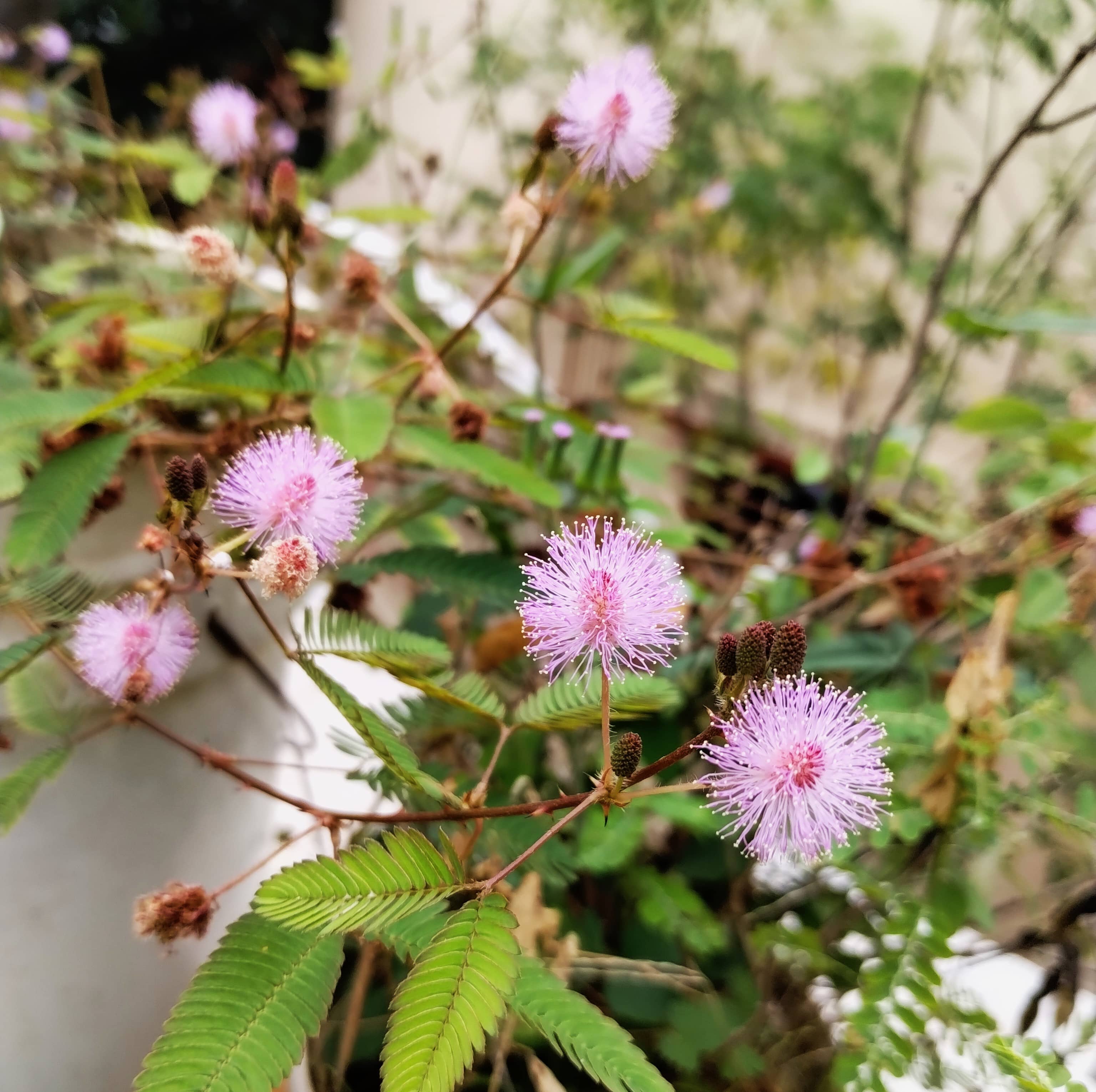
Touch Me Not
Mimosa pudica
Mimosa pudica, widely known as the "Touch-Me-Not" or "Sensitive Plant," is one of the most intriguing species in the botanical kingdom due to its rapid, touch-sensitive leaf movements. A member of the Fabaceae (Legume) family, this creeping perennial or subshrub is native to the tropical regions...
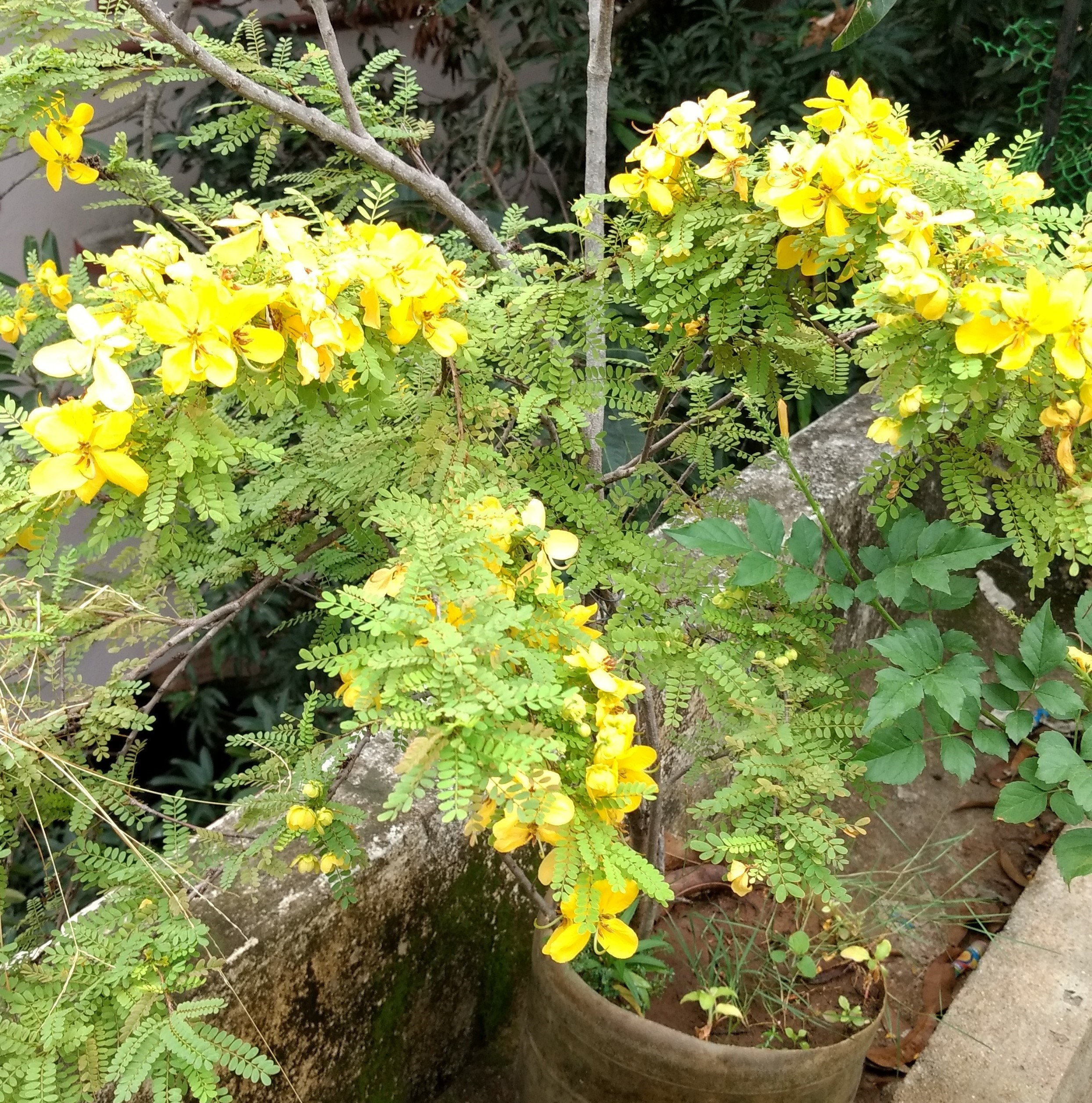
Tanner's Cassia
Senna Auriculata
Tanner's Cassia, botanically designated as Senna auriculata (formerly Cassia auriculata) and celebrated across southern India as Avarampoo, is an exceptionally hardy, drought-tolerant, and multi-purpose evergreen Indian shrub. Belonging to the family Fabaceae (the pea or legume family, subfamily...
Similar Characteristics
4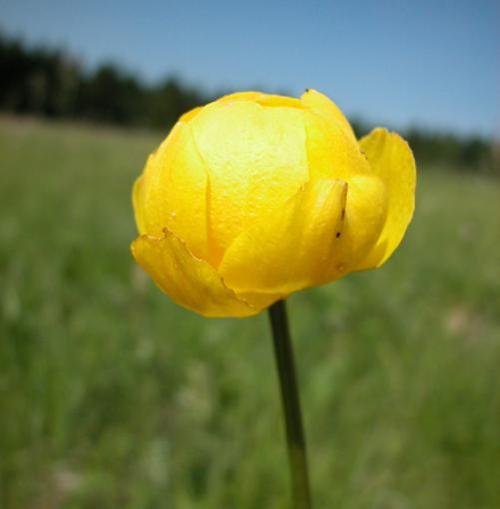
Globe flower
Trollius
The Globe Flower, botanically classified as Trollius and most famous as Trollius europaeus, is a whimsical, moisture-loving herbaceous perennial belonging to the Ranunculaceae (buttercup) family. Native to the cool temperate, alpine, and sub-boreal zones of Europe, northern Asia, and North Americ...
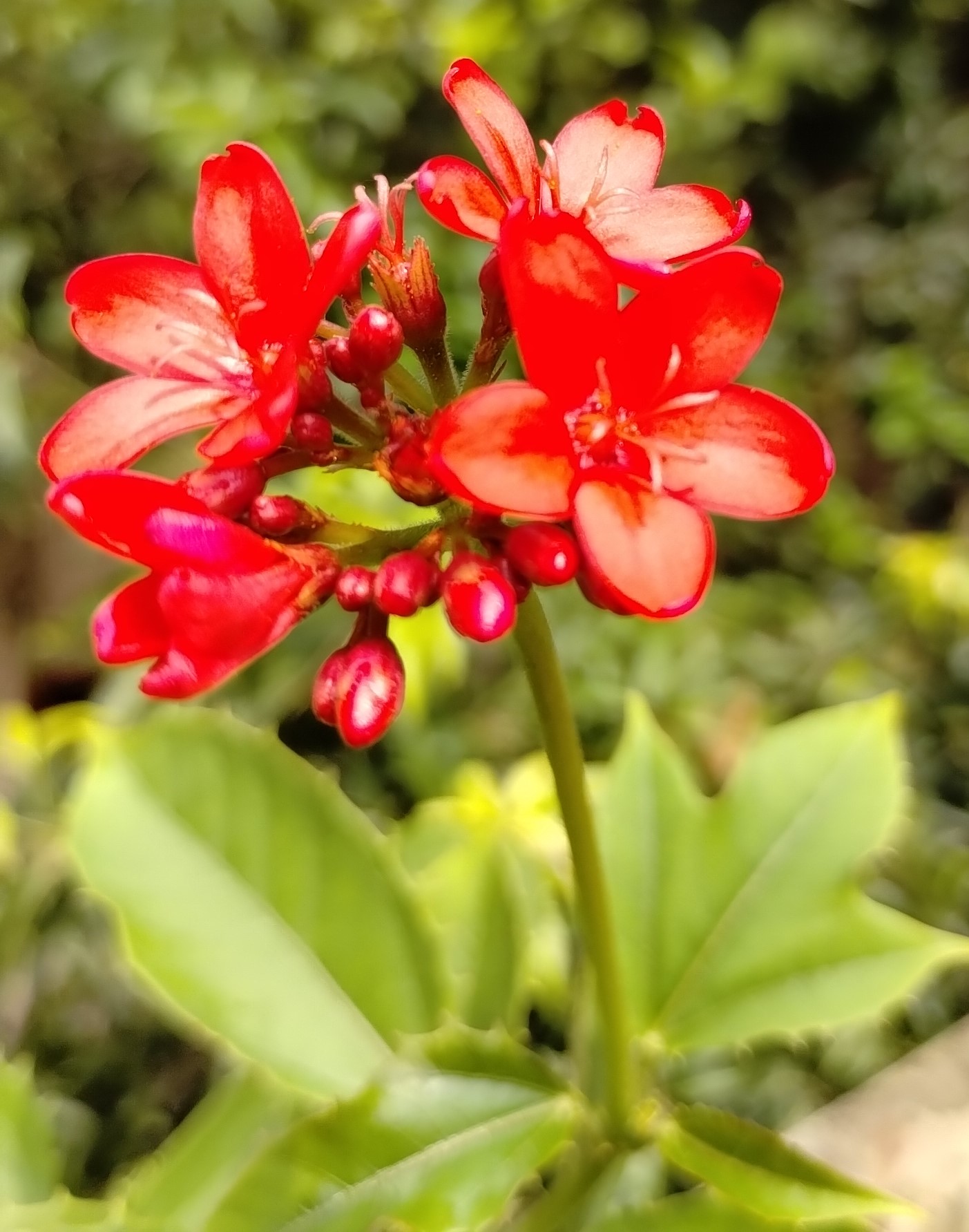
Jatropha (Spicy Jatropha)
Jatropha integerrima
Jatropha, specifically Jatropha integerrima (commonly known as Spicy Jatropha or Peregrina), is a stunning, ever-blooming evergreen shrub or small tree belonging to the Euphorbiaceae family. Native to Cuba and the West Indies, it is widely celebrated in tropical and subtropical landscaping for it...
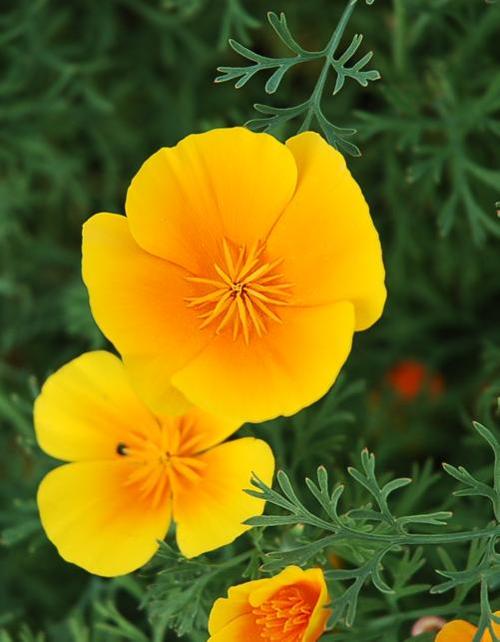
California poppy
Eschscholzia californica
Eschscholzia californica, famously known as the California Poppy or Golden Poppy, is a brilliant wildflower that serves as a luminous symbol of the American West. Belonging to the Papaveraceae (Poppy) family, this resilient species is celebrated for its silky, cup-shaped blossoms that range from...
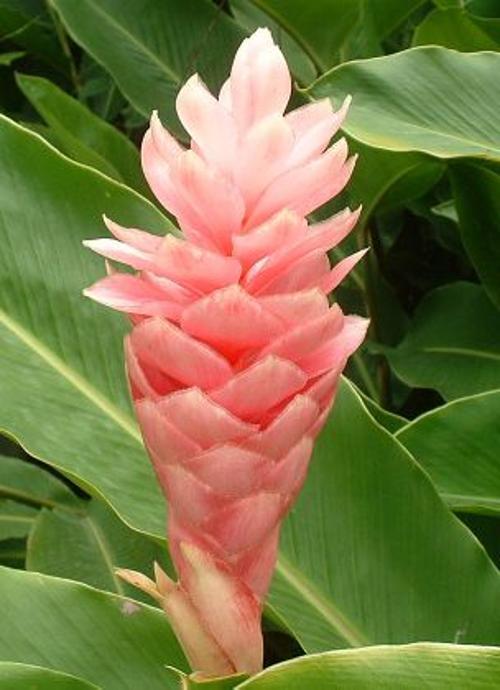
Red Ginger (Ostrich Plume)
Alpinia purpurata
The Red Ginger, botanically classified as Alpinia purpurata and commonly known as the Ostrich Plume, Tahitian Ginger, or Jungle King, is an exceptionally spectacular, exotic tropical rhizomatous perennial. Belonging to the family Zingiberaceae (the ginger family, tribe Alpinieae), this high-impac...