
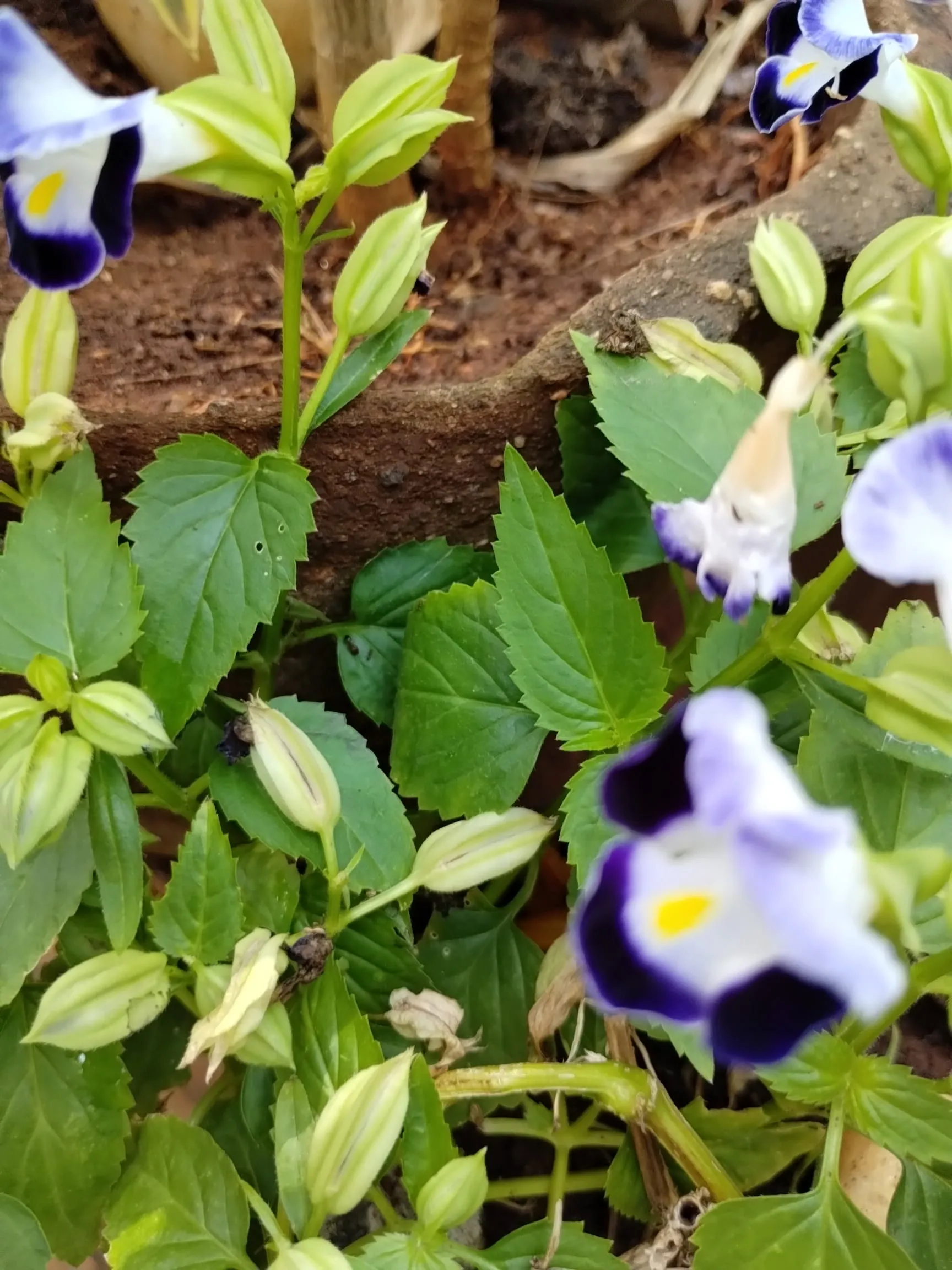
Bluewings
Torenia fournieri
How to Identify Bluewings
NON-TOXIC. 100% safe for cats, dogs, and horses, making it a premier, highly reliable selection for pet-safe shaded patios and balconies.
Care & Growing Guide
Seasonal Blooming & Hardiness
Seasonal Blooming Calendar:
- Peak Bloom: Spring to early summer (typically April through June).
- Planting Time: Sow seeds directly outdoors in early spring after the last frost, or transplant nursery starts in late spring.
Bloom Timeline
About Bluewings
The Wishbone Flower, botanically designated as Torenia fournieri and commonly called Bluewings, is an exceptionally charming, shade-loving tender annual. Belonging to the family Linderniaceae (formerly grouped under Scrophulariaceae), this beautiful plant is native to the moist, shady forest floors, humid riverbanks, and dapple-shaded valleys of tropical and subtropical Asia—specifically Vietnam, Thailand, and southern China. It is celebrated globally for its vibrant, multi-colored trumpet blooms and outstanding shade tolerance.
This fast-growing, compact annual exhibits a neat, bushy, or trailing growth habit, reaching a height of 8 to 12 inches with a spread of 6 to 18 inches. It features opposite, light green, ovate leaves with finely serrated margins. From late spring through the first frost of autumn (May through October), it blooms continuously, producing masses of small, trumpet-shaped flowers measuring 1 to 1.5 inches in length. Flowers are held prominently on short, upright stems, providing a striking, colorful carpet in shaded garden areas.
The individual blossoms of Torenia fournieri showcase a spectacular, two-lipped (bilabiate) corolla. The lateral petals are typically a velvety royal-blue or deep violet-purple (resembling tiny wings), the upper lip is a soft lavender-blue, and the lower lip features a prominent, bright yellow throat marking. This throat serves as a highly visible nectar guide for visiting pollinators. Spent flowers are self-cleaning, meaning they drop off naturally without requiring deadheading to stimulate fresh blooms.
The reproductive morphology of the Wishbone Flower is summarized by the zygomorphic floral formula % ⚥ K(5) C(5) A(2+2) G(2). This formula states that the flowers are bilaterally symmetrical (zygomorphic) and bisexual. The calyx features 5 fused sepals forming a winged, ridged tube. The corolla consists of 5 fused petals forming a two-lipped tube. The androecium consists of 4 didynamous stamens arranged in two pairs, where the filaments curve inward and join at their tips, forming a highly unique structure resembling a chicken wishbone. The gynoecium contains 2 fused carpels with a superior ovary.
The genus is named in honor of Olof Torén (1718–1753), a Swedish botanist and chaplain who collected exotic plant specimens in India and China for Carl Linnaeus. The specific epithet fournieri honors the 19th-century French botanist Eugène Pierre Nicolas Fournier. Famed in Sanskrit as Nilapushpa (नीलपुष्प, meaning 'blue flower') and in Hindi as Nila phool (नीला फूल), this sweet annual is celebrated in East Asian garden design as a classic symbol of cool, serene summer refreshment and beauty.
For pet owners and veterinarians, Bluewings is an exceptionally safe, worry-free, and pet-friendly choice. Torenia fournieri is classified as completely NON-TOXIC to cats, dogs, and horses by major global animal databases, including the ASPCA. If a curious pet plays with, chews on, or swallows the waxy leaves or colorful blooms, there is absolutely no danger of chemical poisoning. To discover more safe bedding plants and shade-loving annuals for your garden, visit our general Pet Guard page.
Wishbone Flower is occasionally confused with Monkey Flower (Mimulus) or Lobelia. It is easily distinguished because Torenia possesses the unique, united wishbone-like stamens inside its throat, larger two-lipped trumpets, and a distinctly winged calyx. It makes a magnificent choice for shaded hanging baskets, window boxes, and borders; we recommend pairing it alongside other safe, shade-loving classics like Begonia or trailing Wild Pansy. To explore more shade-tolerant annuals and custom design charts, browse our Flower Identifier.
For more botanical profiles and flower identification features, see our guides on Black eyed Susan and Texas Bluebell (Lisianthus).
Floral Formula & Features
Bilaterally symmetrical (zygomorphic), bisexual, 5 fused sepals, 5 fused petals forming two-lipped corolla, 4 stamens in 2 pairs (didynamous), 2 fused carpels with superior ovary. Filaments of stamens curve and touch at tips, resembling a wishbone
- Scientific Name & Classification: Torenia fournieri (Linderniaceae). Globally called Wishbone Flower, Bluewings, and Clown Flower.
- Identification Markers: Compact bushy or trailing habit, opposite serrated leaves, and two-lipped trumpet flowers in blue, purple, and white with yellow throats.
- Floral Formula (% ⚥ K(5) C(5) A(2+2) G(2)): Bilaterally symmetrical, bisexual flowers with 5 fused sepals, 5 fused petals, 4 didynamous stamens, and superior ovary.
- Growing Requirements: Partial to full shade (2-4 hours morning sun); consistently moist, well-draining soil rich in organic matter. Heat and humidity tolerant (annual).
- Cultural Significance: Named after Swedish chaplain Olof Torén. Common name 'Wishbone Flower' references the unique chicken wishbone-like pairing of its stamens.
- Safety & Toxicity: NON-TOXIC. 100% safe for cats, dogs, and horses, making it a premier, highly reliable selection for pet-safe shaded patios and balconies.
- Common Look-alikes: Confused with Mimulus or Lobelia, but distinguished by its prominent wishbone stamens, two-lipped trumpets, and winged calyx.
- Internal Links: Thrives spectacularly in shady container pots alongside other classic, non-toxic shade companions like Begonia or trailing Wild Pansy; find more in our Flower Identifier.
Names in Different Languages
Toxicity & Safety
Frequently Asked Questions
What is Floral Formula?
A floral formula is a symbolic representation of a flower's structure using letters, numbers, and special symbols. It provides a concise way to describe the arrangement and number of floral parts.
This formula describes the flower's symmetry, sepals, petals, stamens, and carpels in a standardized format.
Formula Sequence
- Bract: Br or Ebr
- Bracteole: Brl or Ebrl
- Symmetry: % (Radial) or ⊕ (Bilateral)
- Sex: ♀ (Female), ♂ (Male), or ⚥ (Bisexual)
- Calyx/Sepal: K<number> (Free or Fused)
- Corolla/Petal: C<number> (Free or Fused)
- Androecium: A<number> (Free or Fused)
- Gynaecium: G<number> (Superior or Inferior Ovary)
Symbol Meanings
- Numbers: Indicate quantity of parts
- Parentheses (): Parts are fused together
- Plus (+): Parts in different whorls
- Underline: Superior ovary position
- Overline: Inferior ovary position
- ∞: Numerous parts (too many to count)
Understanding floral formulas helps botanists quickly identify and classify flowers based on their structural characteristics.
Similar Flowers
Discover flowers that share botanical characteristics
Similar Colors
4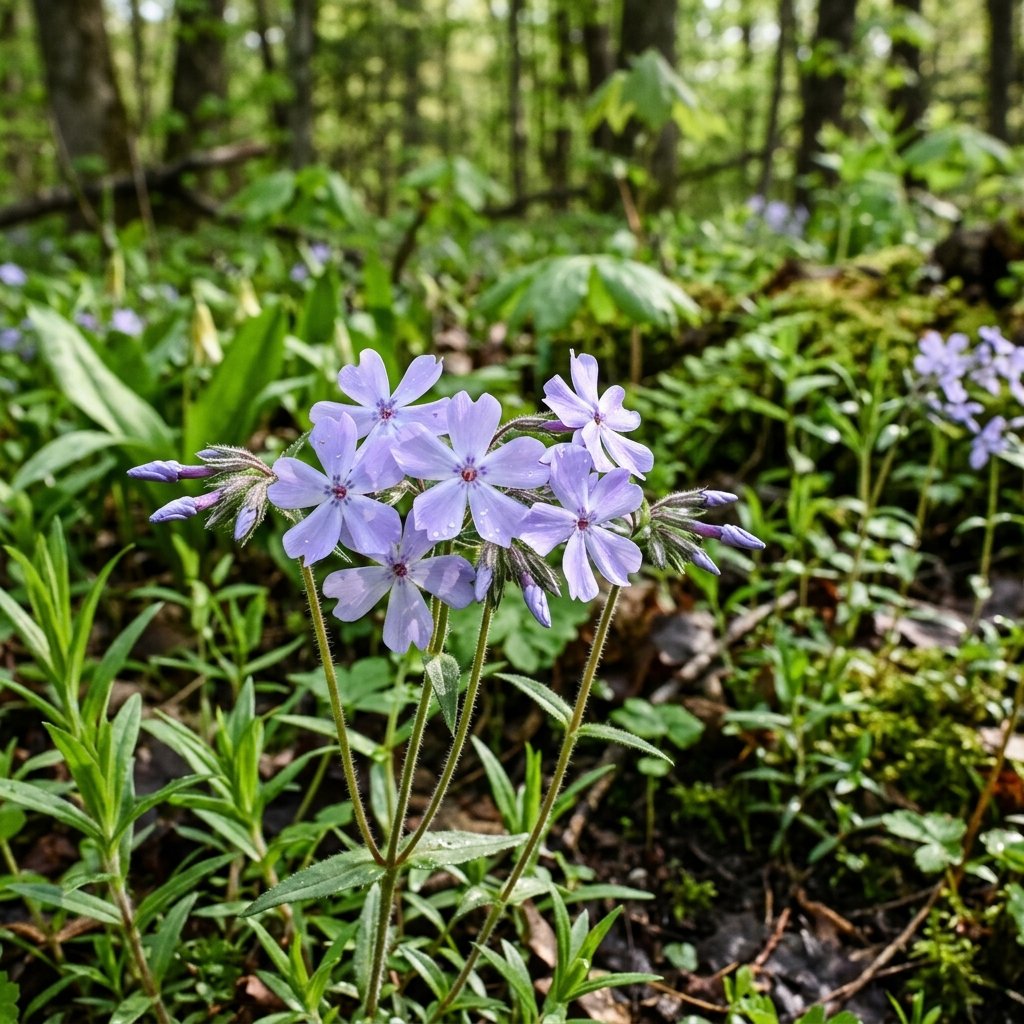
Wild Blue Phlox
Phlox divaricata
Wild Blue Phlox (*Phlox divaricata*), also widely known as Blue Phlox or Woodland Phlox, is one of the most fragrant and visually graceful native wildflowers of eastern North American woodlands, producing loose, open clusters of pale blue to lavender-blue flowers with a sweet, light perfume in Ap...
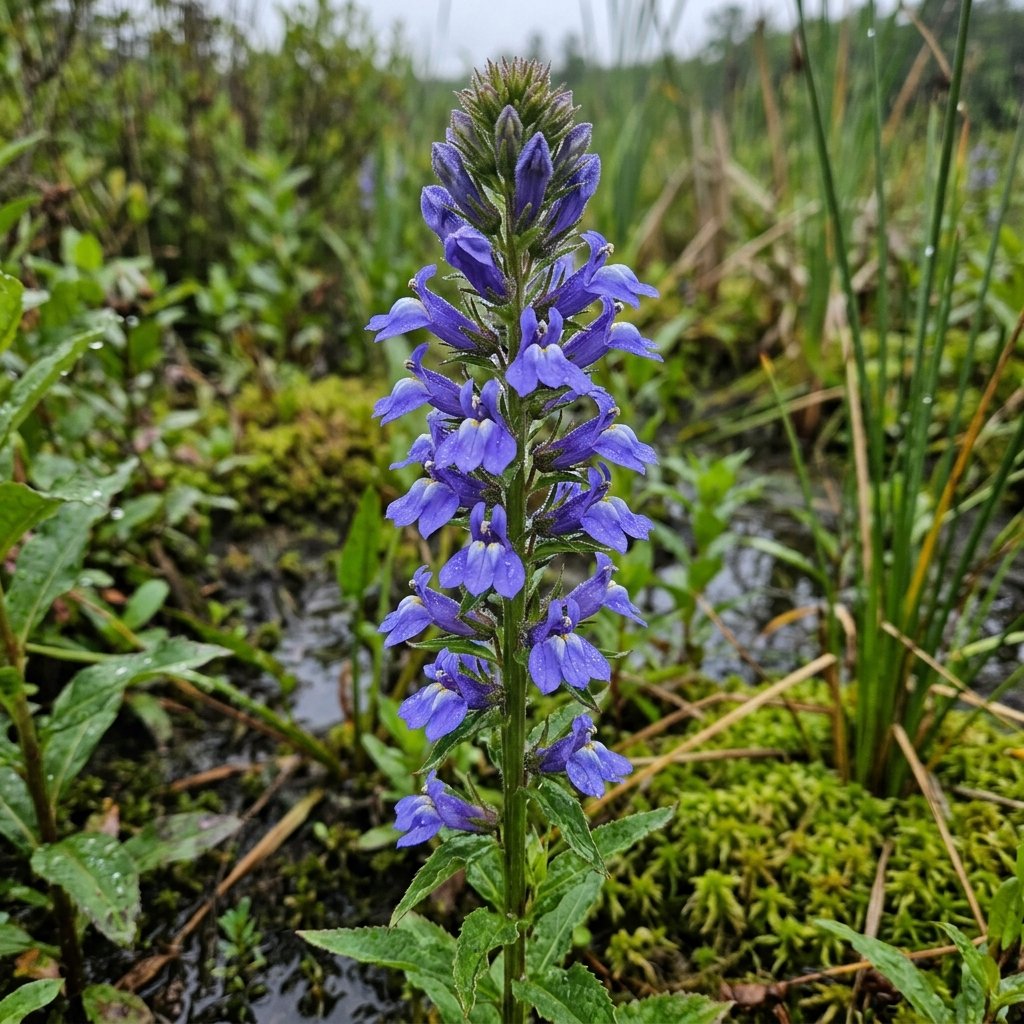
Great Blue Lobelia
Lobelia siphilitica
Great Blue Lobelia (*Lobelia siphilitica*) is a stunning native wildflower of eastern North America, producing tall spikes of vivid blue-violet to true blue flowers from late summer through fall in moist meadows, stream banks, and woodland edges. The blue-flowered counterpart to the scarlet Cardi...
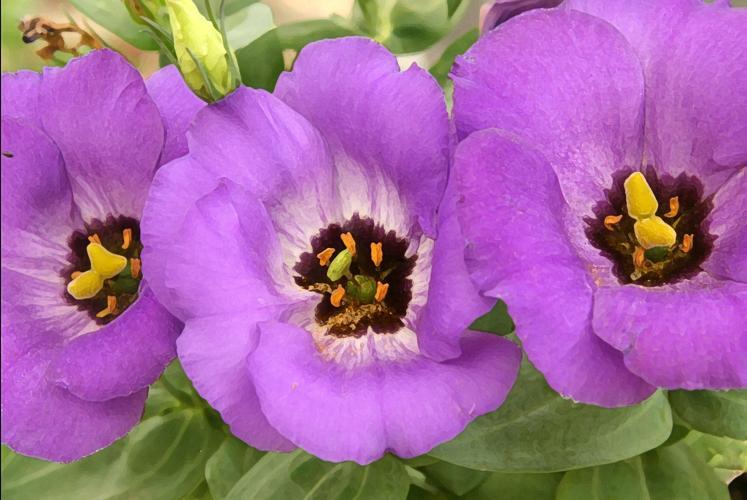
Texas Bluebell (Lisianthus)
Eustoma grandiflorum 'Bolero Deep Blue'
The 'Bolero Deep Blue' is a spectacular cultivar of Eustoma grandiflorum, widely known by its common names: Texas Bluebell, Prairie Gentian, or Lisianthus. Belonging to the Gentianaceae family, this elegant herbaceous annual (or short-lived perennial) is native to the warm, dry prairies and field...
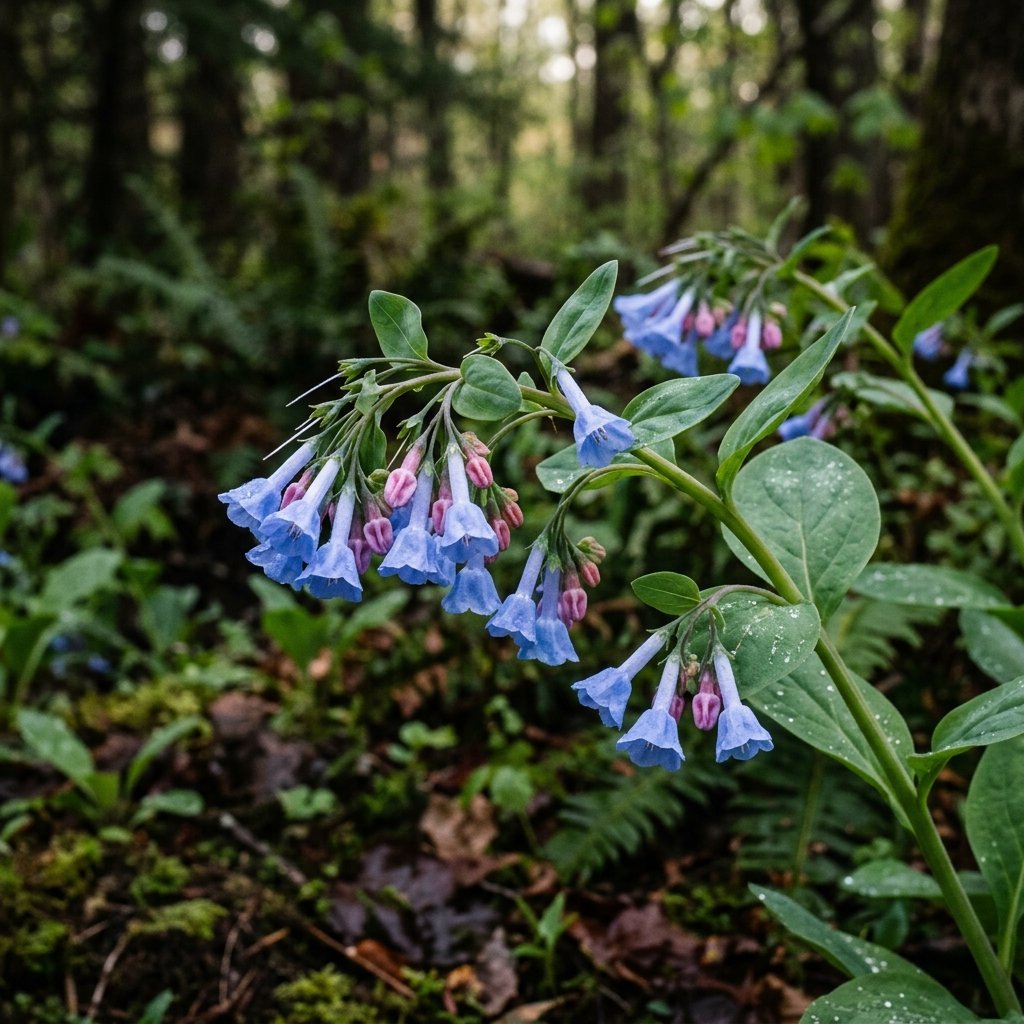
Virginia Bluebells
Mertensia virginica
Virginia Bluebells (*Mertensia virginica*) is among the most enchanting spring wildflowers of eastern North America, producing nodding clusters of sky-blue, trumpet-shaped flowers on arching stems in early spring. A member of the Boraginaceae (borage family), it is native to moist, rich floodplai...
Similar Characteristics
4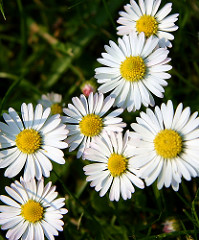
Daisy
Bellis perennis
The Common Daisy, botanically designated as *Bellis perennis* (and including related garden favorites like the English Daisy or Lawn Daisy), is an exceptionally cheerful, highly resilient herbaceous perennial. Belonging to the family Asteraceae (the daisy or sunflower family, tribe Astereae), thi...
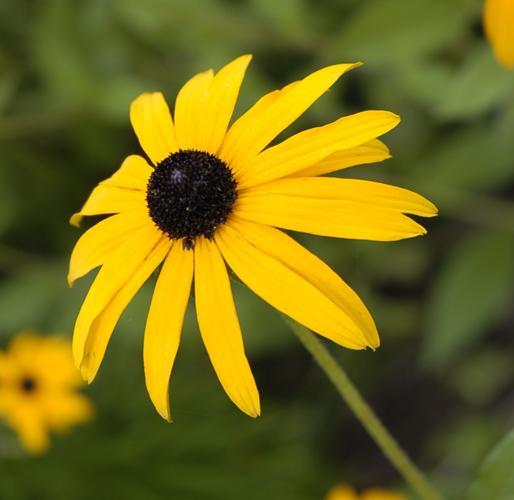
Black eyed Susan
Rudbeckia hirta
Rudbeckia hirta, famously known as the "Black-Eyed Susan" or "Yellow Ox-Eye Daisy," is a quintessentially American wildflower that brings a burst of radiant sunshine to North American landscapes. A member of the Asteraceae (Daisy) family, this resilient species is native to much of the central an...
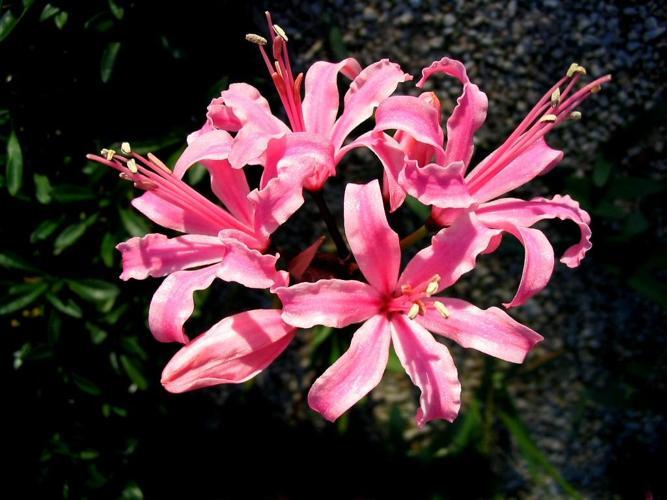
Cape Flower (Red Spider Lily)
Lycoris radiata
The Cape Flower, botanically designated as *Lycoris radiata* and globally celebrated as the Red Spider Lily, Japanese Spider Lily, Hurricane Lily, or Equinox Flower, is an exceptionally dramatic bulbous perennial. Belonging to the family Amaryllidaceae (the amaryllis family, tribe Lycorideae), th...
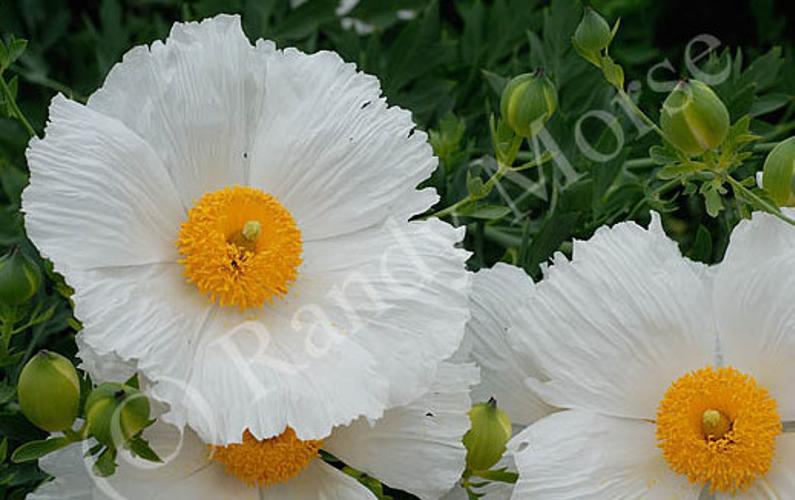
Tree Poppy
Dendromecon rigida
The Tree Poppy, scientifically known as Dendromecon rigida and commonly referred to as the Bush Poppy or California Tree Poppy, is a rare, spectacular evergreen shrub belonging to the Papaveraceae (poppy) family. Endemic to the dry, rocky chaparral slopes and coastal sage scrub of California and...