
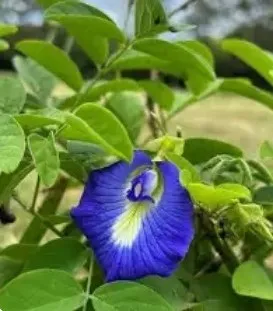
Butterfly Pea
Clitoria ternatea
How to Identify Butterfly Pea
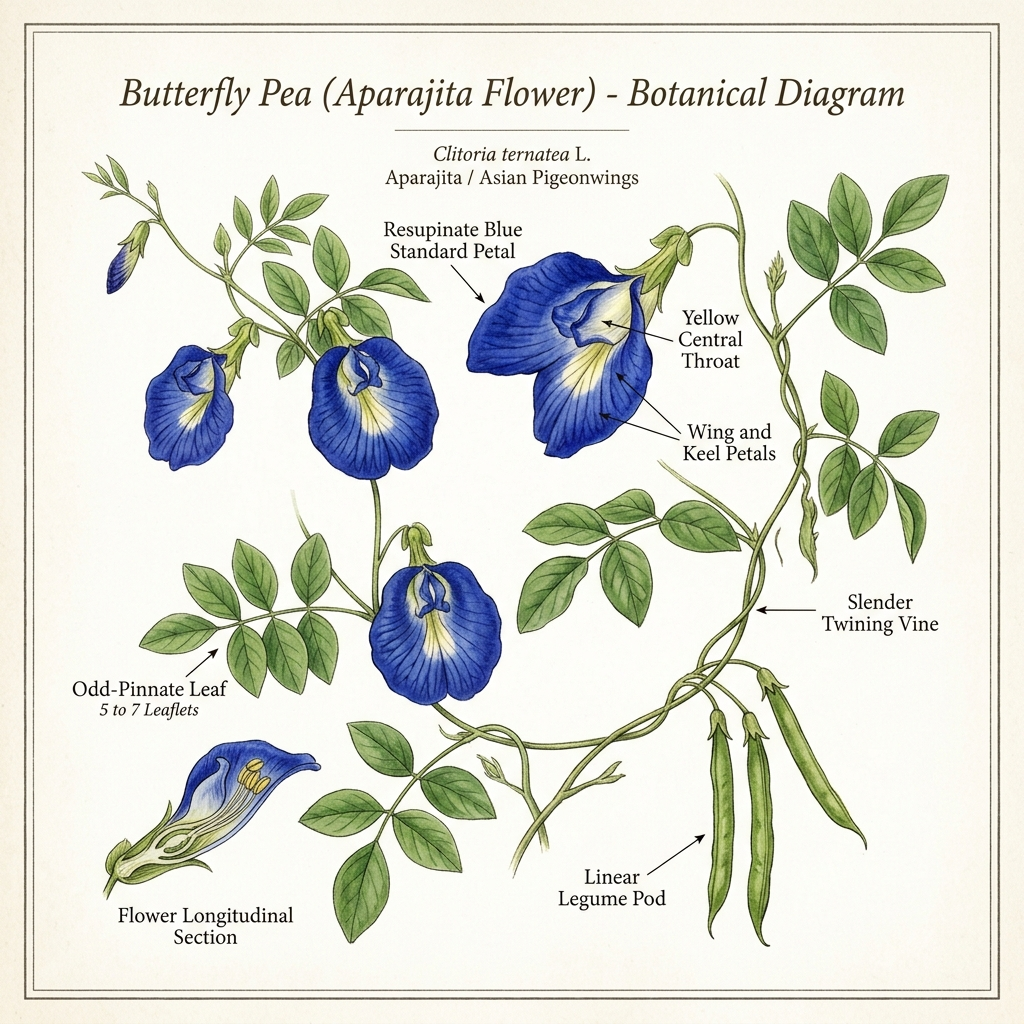
A detailed guide to identifying Butterfly Pea (Clitoria ternatea / Aparajita) by its key botanical features:
- Resupinate Cobalt-Blue Corolla: Distinctive inverted (resupinate) pea-like flowers featuring an expanded, solitary deep cobalt-blue or indigo standard petal (vexillum) surrounding a creamy-white and golden-yellow central throat.
- Slender Twining Climber: Fast-growing herbaceous perennial vine reaching 9 to 15 feet in length, climbing gracefully by twining its slender green stems around supports without tendrils.
- Odd-Pinnate Compound Leaves: Light green foliage arranged alternately, each leaf carrying 5 to 7 elliptic or oblong-oval leaflets with smooth margins.
- Linear Legume Pods: Flat, slender green seed pods (3 to 4 inches long) that mature to light brown and dehisce to disperse 6 to 10 dark, oblong seeds.
- Natural Anthocyanin Pigment: Petals are rich in natural water-soluble ternatins (anthocyanin pigments) that yield brilliant sapphire-blue herbal infusions, which magically turn violet when lemon juice or acidic citrus is added.
Varieties & Cultivar Types of Butterfly Pea
- By Flower Form:
- Single Butterfly Pea (Standard Wild Form): Features a single wide-flared banner petal highlighting the central conch-shaped throat (famed as 'Shankhapushpi').
- Double Butterfly Pea ('Double Blue'): Multi-layered, ruffled pom-pom blossoms packed with extra petals resembling miniature blue roses.
- By Flower Coloration:
- Royal Blue / Deep Indigo: The classic and most potent culinary and medicinal strain.
- White Butterfly Pea ('Alba' / Shweta Aparajita): Pure snow-white blossoms, deeply revered in traditional Ayurvedic rituals and sacred offerings.
- Lavender & Mauve Hybrids: Delicate pastel-violet selections bred for ornamental landscaping.
Care & Growing Guide
Butterfly Pea (Aparajita) Care & Growing Guide:
- Light: Full sun to light partial shade (at least 5 to 6 hours of direct sun daily). Direct sunlight fuels abundant continuous flowering.
- Soil: Rich, organic, well-draining sandy loam or garden compost (pH 6.6 to 7.5). As a legume, it fixes its own nitrogen in the soil.
- Watering: Keep soil evenly moist during the germination and juvenile climbing stages. Once established, it possesses excellent drought tolerance; water deeply once or twice a week.
- Support & Pruning: Provide a sturdy trellis, wire fence, or netting for the twining vines. Pinch growing stem tips in early summer to stimulate branching and denser blooms.
Seasonal Blooming & Hardiness
Seasonal Blooming Calendar (US Hardiness Zones 9b-11 as perennial; Zones 3-9 as warm-season annual):
- Peak Bloom: Summer through mid-autumn (typically June through October); blooms year-round in frost-free tropical environments.
- Planting Time: Sow seeds directly outdoors in late spring after soil reaches 70°F (21°C). Nick seeds or soak in warm water overnight to accelerate germination.
- Cold Sensitivity: Extremely frost-tender (Zones 9b-11). Vines will die back to the ground at the first winter freeze, returning in spring in warm climates.
Bloom Timeline
About Butterfly Pea
The Butterfly Pea (Clitoria ternatea), belonging to the Fabaceae (legume) family, is a captivating tropical climbing vine renowned for its vivid, jewel-toned blossoms. Originating in equatorial Asia, including India and Southeast Asia, it has successfully spread to tropical and subtropical zones globally. Its scientific name is derived from the flower's distinct structural resemblance to female anatomy, while its common name perfectly captures the visual of its wing-like petals fluttering delicately like a butterfly in the breeze.
Identification of this plant is highlighted by its striking, deep sky-blue, solitary pea-like flowers, which occasionally appear in white or pink varieties. These blossoms feature a distinctive yellow or white center marking. The flower is structured with 5 petals in a classic legume arrangement: one prominent standard petal, two wings, and two fused keel petals. The leaves are pinnate and elliptical, forming a lush green backdrop. As a twining vine, it uses structural support to climb gracefully, easily reaching heights of 6 to 15 feet.
The floral formula for the Butterfly Pea is EBr % ⚥ K(5) C5 A(9)+1 G1. This indicates an ebracteate, bilaterally symmetrical, and bisexual flower. It consists of a calyx of 5 fused sepals, 5 free petals, and diadelphous stamens (9 fused into a tube and 1 free standing). The gynoecium contains a single free carpel with a superior ovary. This specific structural arrangement—highly clicked and studied by botany enthusiasts—is perfectly adapted for pollination by specific insects like solitary bees.
When it comes to growing conditions, the Butterfly Pea thrives under full sun, requiring 6 to 8 hours of direct light daily, though it tolerates light shade. It demands moist but well-draining soil. As a warm-weather perennial (USDA zones 9-11), it is highly frost-sensitive and is frequently grown as a fast-growing annual in cooler temperate climates. Like many legumes, it is an excellent companion plant because it fixes atmospheric nitrogen, naturally enriching the soil it grows in.
Culturally, the plant is deeply revered. In India, it is known as Aparajita, which translates to 'unconquered' in Sanskrit, and is considered a sacred flower frequently offered in Hindu rituals to Lord Shiva and Goddess Durga. Globally, it has surged in popularity as its flowers yield a brilliant natural blue dye. This dye is used in teas and culinary dishes, famous for its dramatic color-changing property—shifting from deep blue to vibrant purple or pink when exposed to acidic ingredients like lemon juice.
The Butterfly Pea is completely NON-TOXIC. The flowers, leaves, and young pods are fully edible and have been widely consumed for centuries as a calming tea, natural food coloring, and in Ayurvedic medicine to enhance memory and reduce stress.
Common look-alikes include the Sweet Pea (Lathyrus odoratus) or the Morning Glory. Sweet Peas, however, are heavily fragrant and prefer cool weather, whereas the Butterfly Pea has no scent and thrives in high heat. Morning Glories have trumpet-shaped, unified petals, contrasting sharply with the distinct separated petals of the Butterfly Pea. Explore the Flower Identifier hub for more botanical wonders. You can pair this beautiful vine with the dramatic Fire Lily, the elegant Lotus, or the vibrant Pelargonium.
Floral Formula & Features
Ebracteate, bilaterally symmetrical, bisexual, 5 fused sepals, 5 petals (1 standard, 2 wings, 2 keel), diadelphous stamens (9 fused, 1 free), 1 free carpel with superior ovary
- Scientific Name & Classification: Clitoria ternatea (Fabaceae). Also known as Asian Pigeonwings and Aparajita.
- Identification Markers: Vivid deep-blue, solitary pea-shaped flowers with a yellowish-white center. Pinnate leaves on a climbing vine that can reach 15 feet.
- Floral Formula (EBr % ⚥ K(5) C5 A(9)+1 G1): Bilaterally symmetrical, bisexual, 5 fused sepals, 5 petals (standard, wings, keel), diadelphous stamens (9+1), 1 superior carpel.
- Growing Requirements: Full sun, moist well-draining soil, heat-loving. USDA zones 9-11 (perennial) or grown as an annual elsewhere.
- Cultural Significance: Sacred in Hindu rituals (Aparajita). Famous globally for its color-changing blue tea and natural food dye capabilities.
- Safety & Toxicity: NON-TOXIC. Edible flowers used in culinary and traditional Ayurvedic medicine.
- Common Look-alikes: Often confused with Morning Glory (which has a fused trumpet flower) or Sweet Pea (which is heavily fragrant and prefers cool weather).
- Internal Links: For more exotic climbers, visit the Flower Identifier or explore the Fire Lily and Lotus.
Names in Different Languages
Botanical Classification: Butterfly Pea belongs to the Fabaceae family. Learn how to identify its floral symmetry, stamen arrangement, and structural formulas in our Botanical Family Classification Guide.
Toxicity & Safety
Frequently Asked Questions
What is Floral Formula?
A floral formula is a symbolic representation of a flower's structure using letters, numbers, and special symbols. It provides a concise way to describe the arrangement and number of floral parts.
This formula describes the flower's symmetry, sepals, petals, stamens, and carpels in a standardized format.
Formula Sequence
- Bract: Br or Ebr
- Bracteole: Brl or Ebrl
- Symmetry: % (Radial) or ⊕ (Bilateral)
- Sex: ♀ (Female), ♂ (Male), or ⚥ (Bisexual)
- Calyx/Sepal: K<number> (Free or Fused)
- Corolla/Petal: C<number> (Free or Fused)
- Androecium: A<number> (Free or Fused)
- Gynaecium: G<number> (Superior or Inferior Ovary)
Symbol Meanings
- Numbers: Indicate quantity of parts
- Parentheses (): Parts are fused together
- Plus (+): Parts in different whorls
- Underline: Superior ovary position
- Overline: Inferior ovary position
- ∞: Numerous parts (too many to count)
Understanding floral formulas helps botanists quickly identify and classify flowers based on their structural characteristics.
Similar Flowers
Discover flowers that share botanical characteristics
Same Family
4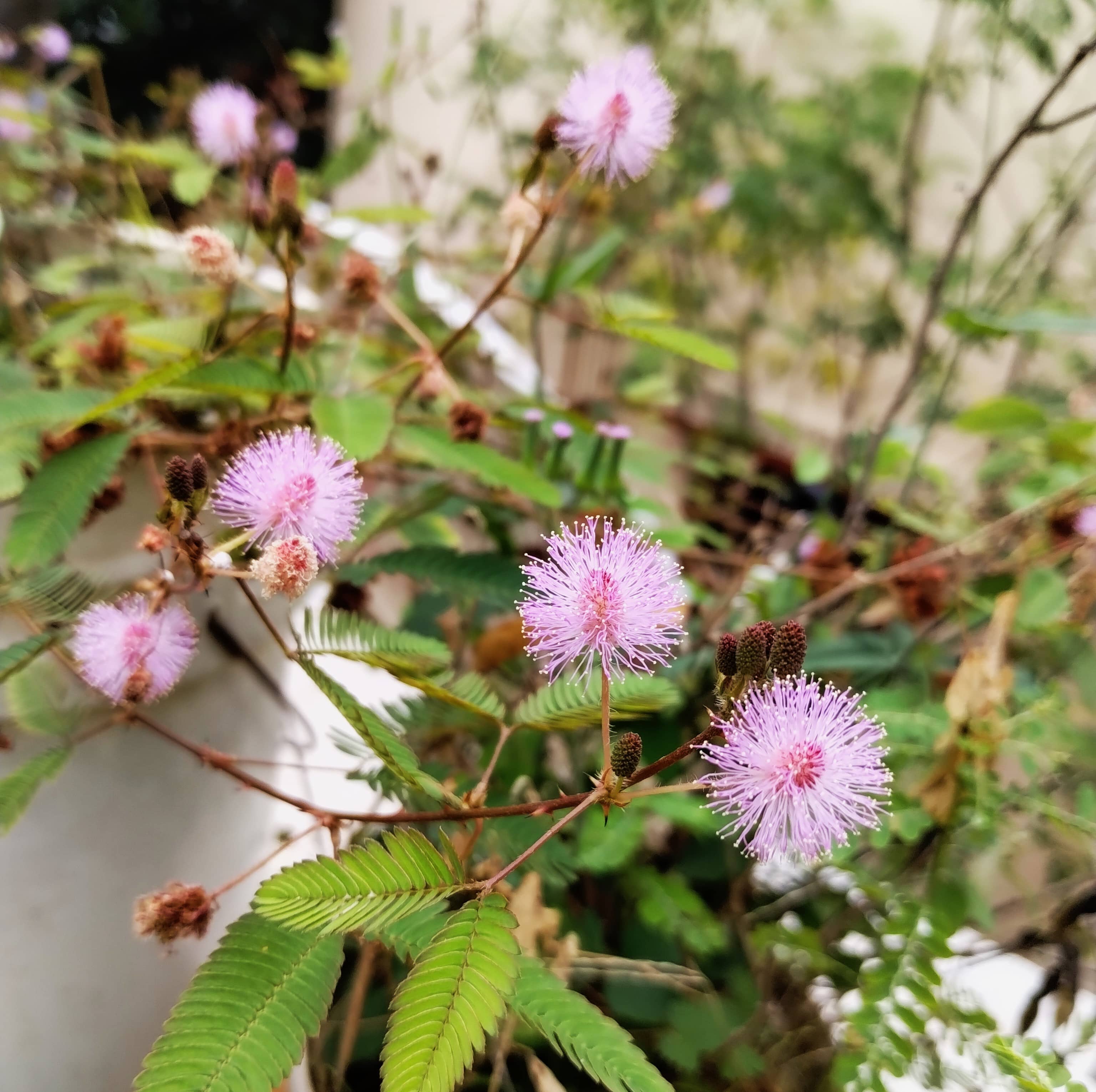
Touch Me Not
Mimosa pudica
Mimosa pudica, widely known as the "Touch-Me-Not" or "Sensitive Plant," is one of the most intriguing species in the botanical kingdom due to its rapid, touch-sensitive leaf movements. A member of the Fabaceae (Legume) family, this creeping perennial or subshrub is native to the tropical regions...
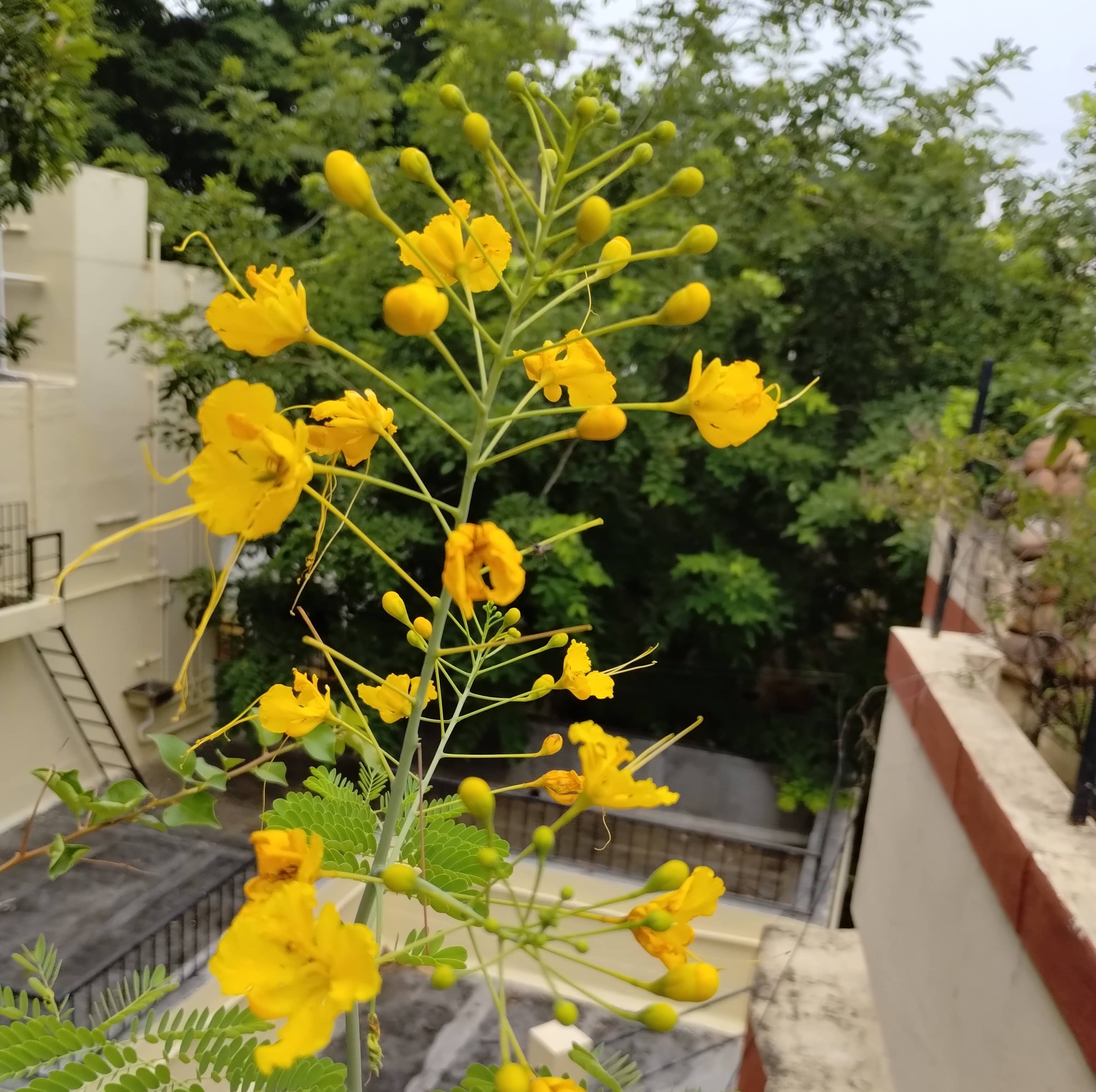
Peacock Flower (Caesalpinia)
Caesalpinia pulcherrima
Caesalpinia pulcherrima, famously known as the "Peacock Flower," "Pride of Barbados," or "Red Bird of Paradise," is a breathtakingly vibrant tropical shrub that embodies the fiery spirit of the Caribbean. A member of the Fabaceae (Legume) family, this species is celebrated for its flamboyant, ter...
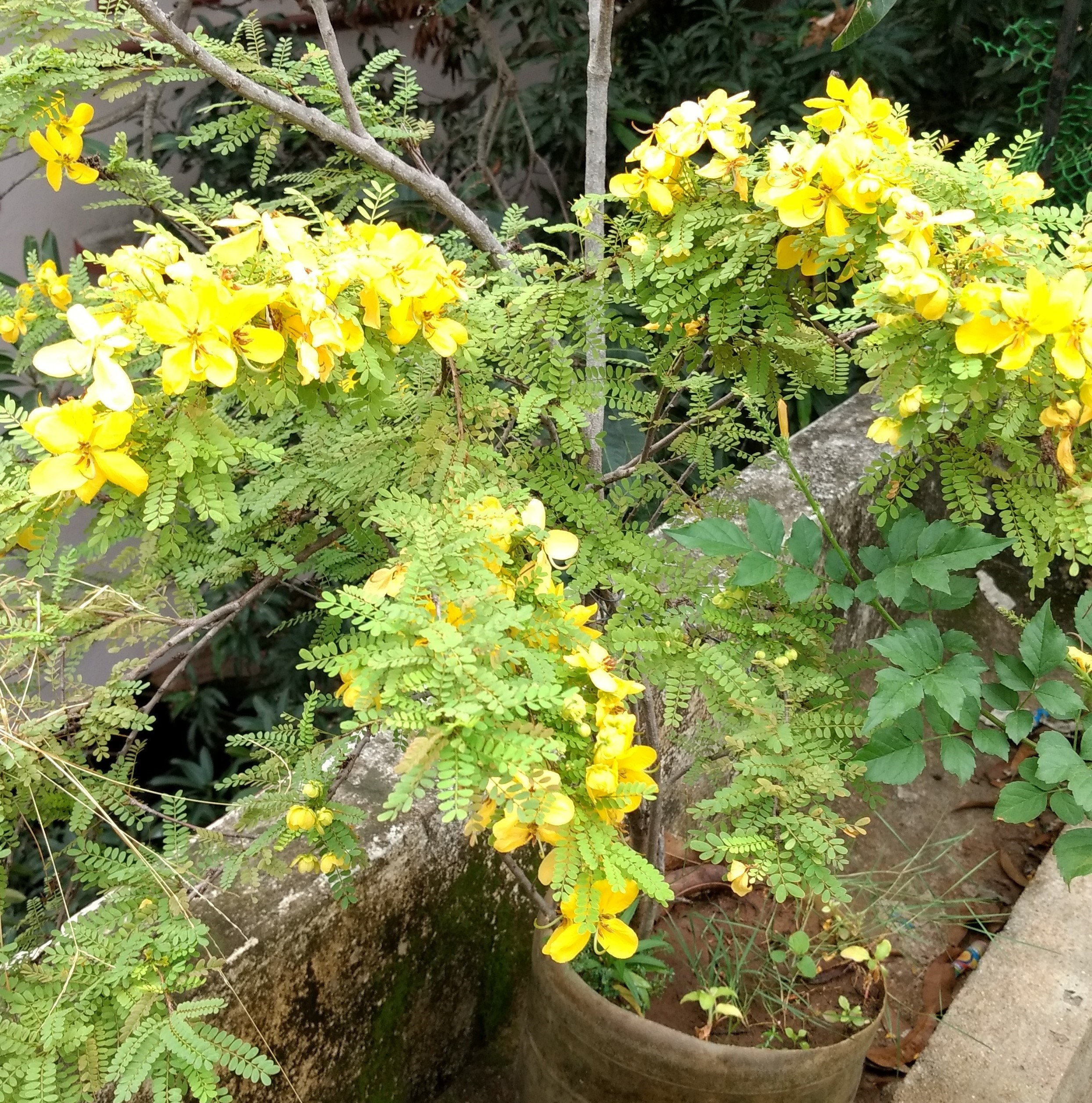
Tanner's Cassia
Senna Auriculata
Tanner's Cassia, botanically designated as Senna auriculata (formerly Cassia auriculata) and celebrated across southern India as Avarampoo, is an exceptionally hardy, drought-tolerant, and multi-purpose evergreen Indian shrub. Belonging to the family Fabaceae (the pea or legume family, subfamily...
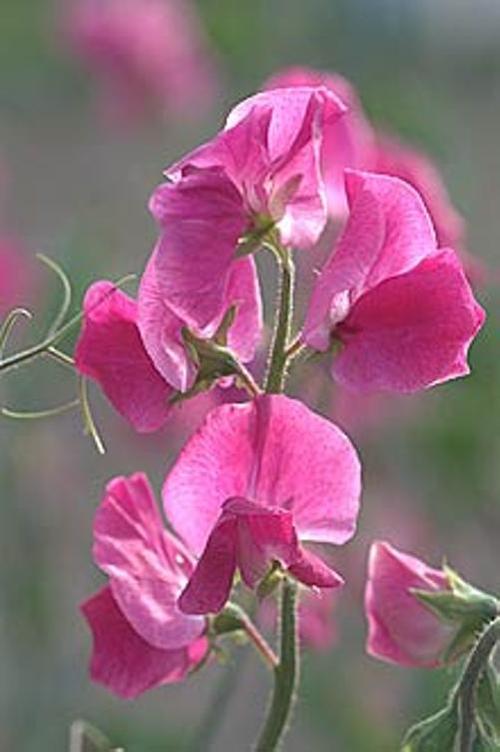
Sweet Pea
Lathyrus odoratus
The Sweet Pea (Lathyrus odoratus) is a highly romanticized, climbing annual vine belonging to the Fabaceae (legume) family. Native to the Mediterranean regions of Sicily, southern Italy, and the Aegean Islands, it became an absolute sensation in Victorian England, where intensive botanical breedi...
Similar Characteristics
4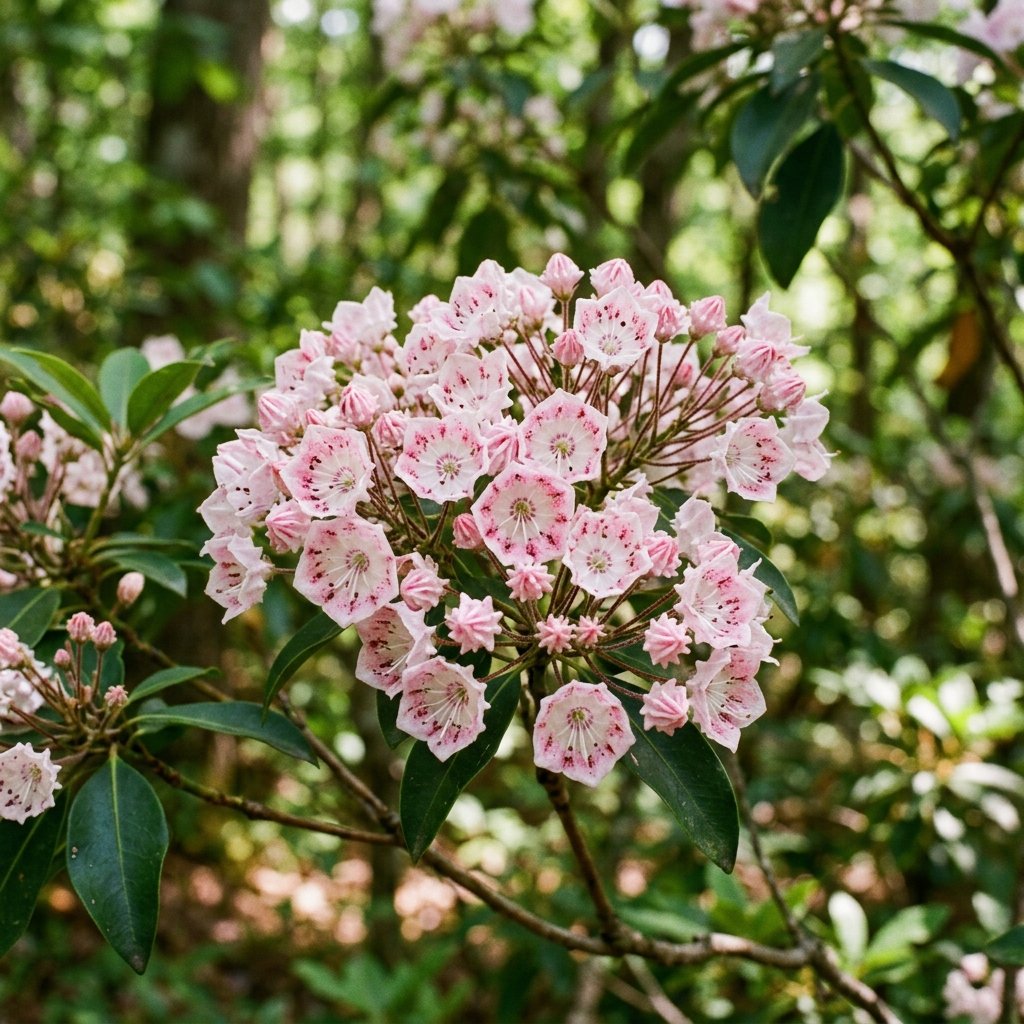
Mountain Laurel
Kalmia latifolia
Mountain Laurel (*Kalmia latifolia*) is one of the most spectacular native flowering shrubs of the eastern United States, producing extraordinary clusters of cup-shaped flowers in shades of white, pink, and deep rose — each blossom decorated with a ring of ten maroon spots and a unique pentagonal...
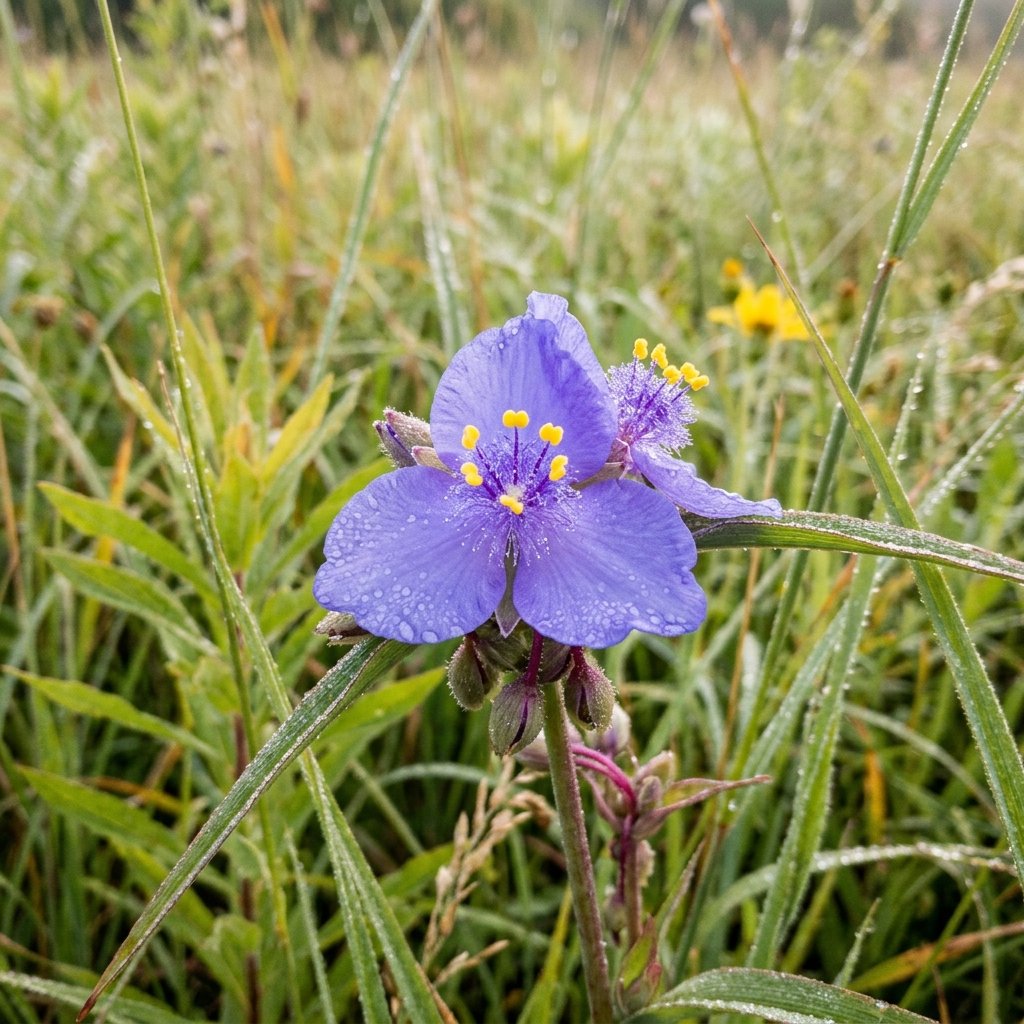
Spiderwort
Tradescantia ohiensis
Spiderwort (*Tradescantia ohiensis* and related species) is a quietly enchanting native wildflower of eastern North America, producing clusters of vivid three-petaled flowers in shades of deep blue-violet, blue, and occasionally white from late spring through summer. Belonging to the Commelinacea...
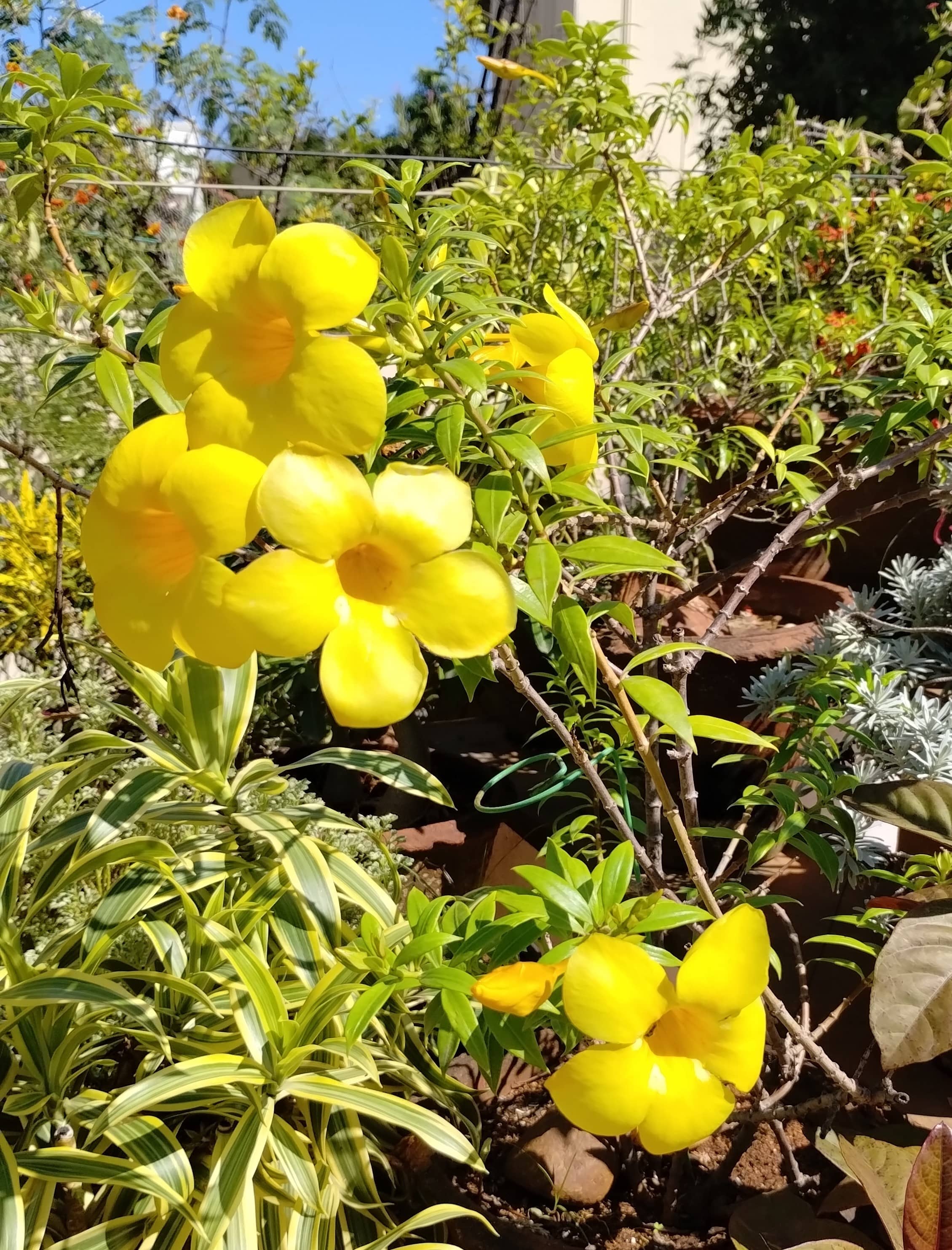
Allamanda
Allamanda cathartica
The Allamanda, botanically designated as Allamanda cathartica and commonly known as the Golden Trumpet, Common Trumpet Vine, or Yellow Bell, is a spectacular tropical evergreen perennial. Belonging to the family Apocynaceae (the dogbane family), this vigorous climbing vine or sprawling shrub is n...
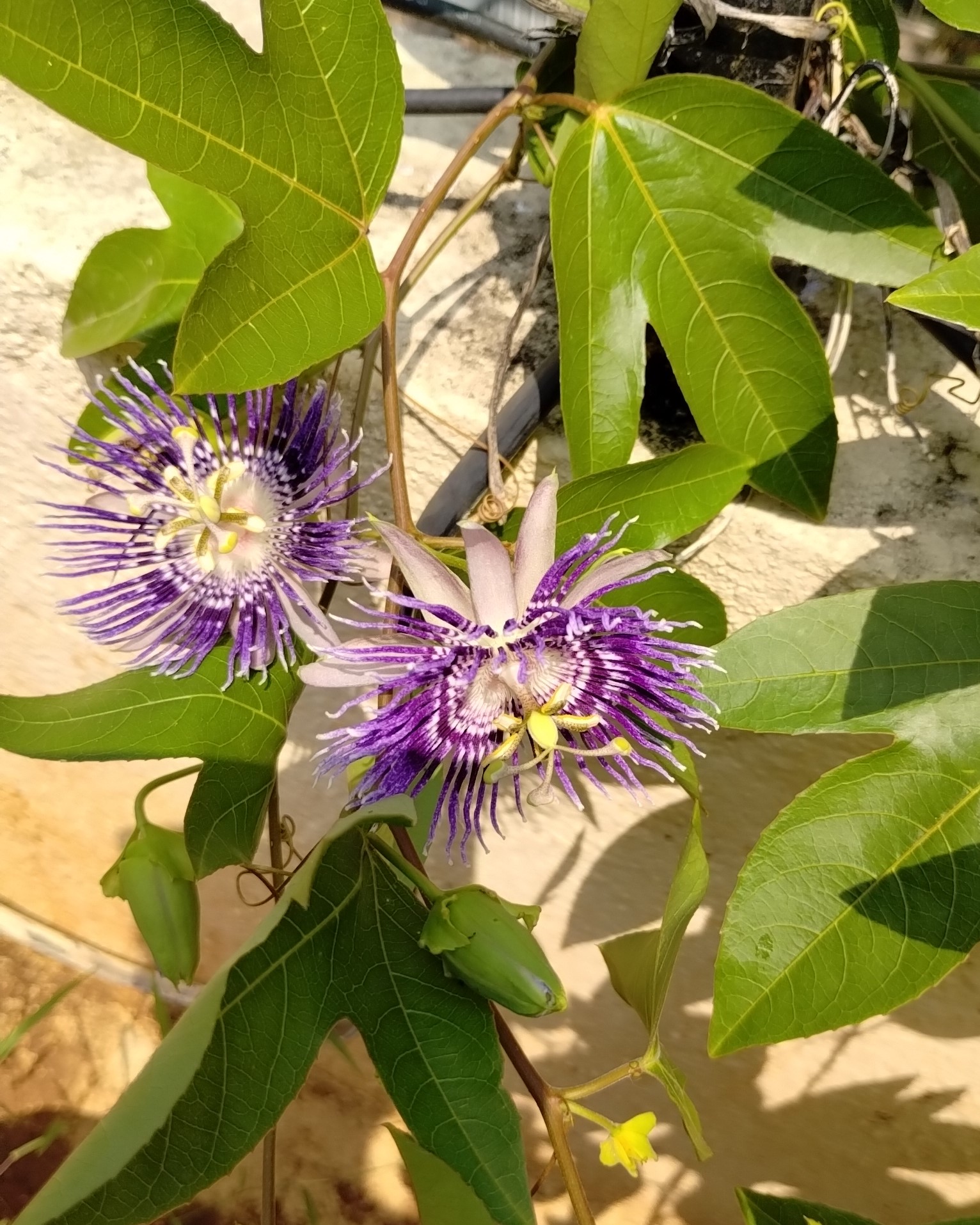
Passion Flower
Passiflora
Passiflora, known universally as the Passion Flower, is a genus of roughly 550 species that contains some of the most intricate and biologically fascinating blossoms on Earth. Primarily native to the tropical and subtropical regions of the Americas, these vigorous climbing vines belong to the Pas...