
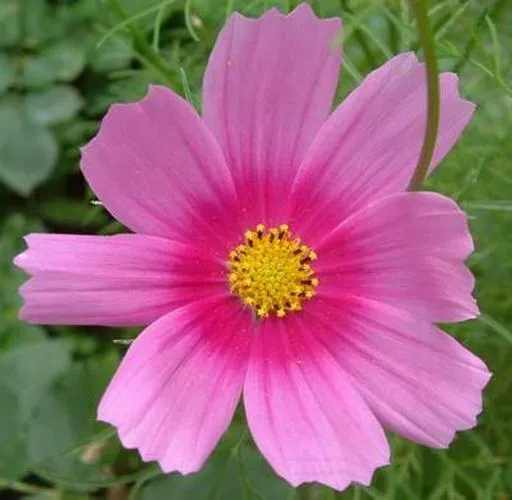
Mexican Aster
Cosmos bipinnatus
How to Identify Mexican Aster
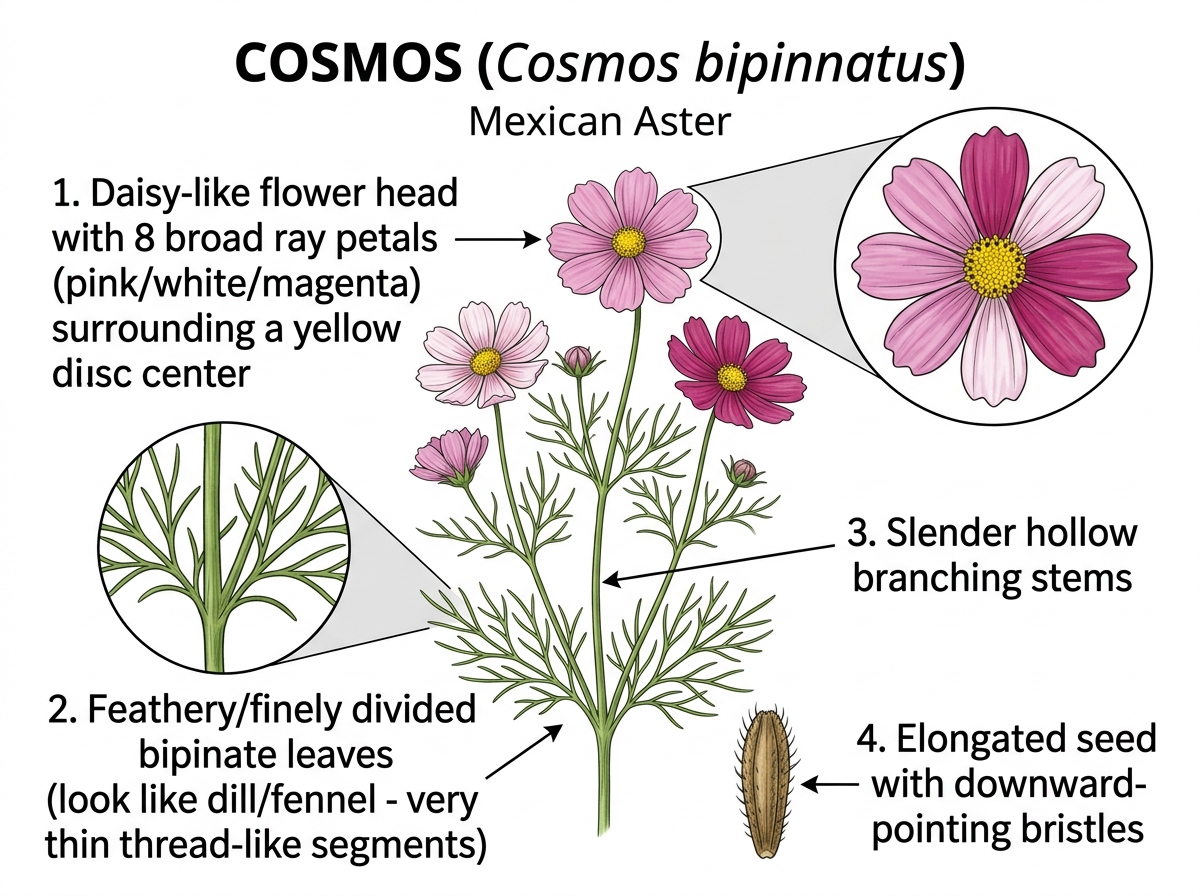
NON-TOXIC. 100% safe for cats, dogs, and horses. Provides a magnificent, low-maintenance, and pet-safe vertical accent for borders.
Care & Growing Guide
Seasonal Blooming & Hardiness
Seasonal Blooming Calendar:
- Peak Bloom: Late summer to autumn (August through October).
- Planting Time: Sow seeds directly outdoors in early spring after the last frost, or transplant nursery starts in late spring.
Bloom Timeline
About Mexican Aster
The Mexican Aster, botanically designated as Cosmos bipinnatus and commonly referred to as Garden Cosmos or simply Cosmos, is an exceptionally graceful, fast-growing, and heavy-blooming annual. Belonging to the family Asteraceae (the daisy or composite family), this beautiful plant is native to the dry scrublands, sunny open plains, and high-altitude fields of Mexico, Central America, and northern South America. Cultivated for centuries, it has naturalized globally, often growing wild along sunny roadsides.
This low-maintenance annual is celebrated for its highly distinct, airy, and light-textured appearance. It grows in upright, branching clumps standing 3 to 6 feet tall (with dwarf garden hybrids staying a compact 1 to 2 feet) with a spread of 1 to 2 feet. It features highly characteristic, delicate, and deeply divided feathery or fern-like green leaves. From early summer until the first hard frost of autumn (June through November), it blooms continuously, producing masses of star-shaped, daisy-like flowers.
The individual flower heads (capitula) measure 2 to 4 inches in diameter, displaying a ring of 8 broad, overlapping ray petals (bracts) that surround a dense, golden-yellow central disc packed with tiny, tubular disc florets. Blossoms are available in single or semi-double forms in stunning shades of rose-pink, white, lavender, deep magenta, scarlet-red, and striking bicolors. Individual flowers last 5 to 7 days on the plant, and their long, slender stems make them premier cut flowers lasting up to 10 days in a vase.
The reproductive morphology of the Cosmos capitulum is represented by the composite floral formula EBr ⊕ ⚥ K(pappus) C(5) A(5) G(2). This formula states that the individual florets within the flower head are ebracteate, radially symmetrical, and bisexual. The calyx is modified into a reduced pappus consisting of tiny bristles or scales. The corolla consists of 5 fused petals forming either the outer ray florets or the inner tubular disc florets. The 5 stamens are fused by their anthers, and the gynoecium contains 2 fused carpels with an inferior ovary.
The genus name Cosmos is derived from the ancient Greek word 'kosmos,' which translates to order, harmony, or the beauty of the universe, named by Spanish missionary priests in Mexico who were awed by the perfectly orderly and harmonious spacing of its ray petals. Famed in Sanskrit as Brahmanda Pushpam (ब्रह्माण्ड पुष्पम्, meaning 'universe flower') and in Hindi as Gulabi Tara (गुलाबी तारा), the cosmos is a classic symbol of peace, love, tranquil beauty, and emotional harmony.
For pet owners and veterinarians, the Mexican Aster is an exceptionally safe, low-risk, and pet-friendly choice. Cosmos bipinnatus is classified as completely NON-TOXIC to cats, dogs, and horses by major global animal databases, including the ASPCA. If a curious pet plays with the feathery leaves or chews on the waxy daisy-like blooms, there is absolutely no danger of chemical poisoning. To explore more safe annuals and discover how to design a pet-friendly cottage garden, visit our general Pet Guard page.
Mexican Aster is occasionally confused with wild coreopsis or marigolds. It is easily distinguished because Cosmos possesses extremely fine, thread-like feathery foliage and distinct 8-petaled star-shaped blossoms, whereas coreopsis has broader leaves and multi-toothed petals. It makes a stunning backdrop in cottage gardens and wildflower meadows; we recommend planting it beside other sun-loving favorites like Marigold or Gaillardia. To explore more easy-care annuals, browse our Flower Identifier.
Floral Formula & Features
Ebracteate, radially symmetrical (actinomorphic), bisexual, calyx modified into pappus (bristles or scales), 5 fused petals forming ray florets (outer) or disc florets (center), 5 stamens with fused anthers forming tube (syngenesious), 2 fused carpels with inferior ovary. Composite flower head (capitulum) typical of Asteraceae
- Scientific Name & Classification: Cosmos bipinnatus (Asteraceae). Globally known as Garden Cosmos, Mexican Aster, and Cosmea.
- Identification Markers: Upright branching stems, extremely fine feathery fern-like leaves, and 2-4 inch daisy-like flowers with 8 ray petals surrounding a yellow disc.
- Floral Formula (EBr ⊕ ⚥ K(pappus) C(5) A(5) G(2)): Radially symmetrical, bisexual florets with calyx modified to a pappus, 5 fused petals, 5 fused anthers, and inferior ovary.
- Growing Requirements: Full direct sun (6-8 hours daily); thrives in poor, sandy-loam, dry soils. Highly drought-tolerant; too much fertilizer reduces flowers (Zones 2-11).
- Cultural Significance: Greek name 'Kosmos' refers to harmony and order. Known in Sanskrit as Brahmanda Pushpam, symbolizing universe order and peace.
- Safety & Toxicity: NON-TOXIC. 100% safe for cats, dogs, and horses. Provides a magnificent, low-maintenance, and pet-safe vertical accent for borders.
- Common Look-alikes: Confused with wild Coreopsis or Marigolds, but easily distinguished by its exceptionally fine feathery foliage and smooth-edged 8 ray petals.
- Internal Links: Softens formal borders when planted in drifts alongside other durable, non-toxic favorites like Marigold or Gaillardia; check our Flower Identifier.
- Internal Links: Compare key differences in our Cosmos vs Zinnia comparison, or try our instant Flower Identifier.
Names in Different Languages
Botanical Classification: Mexican Aster belongs to the Asteraceae family. Learn how to identify its floral symmetry, stamen arrangement, and structural formulas in our Botanical Family Classification Guide.
Toxicity & Safety
Frequently Asked Questions
What is Floral Formula?
A floral formula is a symbolic representation of a flower's structure using letters, numbers, and special symbols. It provides a concise way to describe the arrangement and number of floral parts.
This formula describes the flower's symmetry, sepals, petals, stamens, and carpels in a standardized format.
Formula Sequence
- Bract: Br or Ebr
- Bracteole: Brl or Ebrl
- Symmetry: % (Radial) or ⊕ (Bilateral)
- Sex: ♀ (Female), ♂ (Male), or ⚥ (Bisexual)
- Calyx/Sepal: K<number> (Free or Fused)
- Corolla/Petal: C<number> (Free or Fused)
- Androecium: A<number> (Free or Fused)
- Gynaecium: G<number> (Superior or Inferior Ovary)
Symbol Meanings
- Numbers: Indicate quantity of parts
- Parentheses (): Parts are fused together
- Plus (+): Parts in different whorls
- Underline: Superior ovary position
- Overline: Inferior ovary position
- ∞: Numerous parts (too many to count)
Understanding floral formulas helps botanists quickly identify and classify flowers based on their structural characteristics.
Similar Flowers
Discover flowers that share botanical characteristics
Same Family
4
Sunflower
Helianthus annuus
The Sunflower, botanically classified as Helianthus annuus and commonly known as the Common Sunflower, is an exceptionally iconic, robust, and fast-growing annual plant. Belonging to the family Asteraceae (the daisy, aster, or composite family), this famous wildflower is native to the fertile pra...
Globe Thistle
Echinops
The Globe Thistle, botanically classified as Echinops ritro or simply Echinops, is a striking, deeply architectural herbaceous perennial plant belonging to the Asteraceae (sunflower or composite) family. Native to the dry, sun-drenched grasslands, stony hillsides, and rocky mountain slopes of cen...
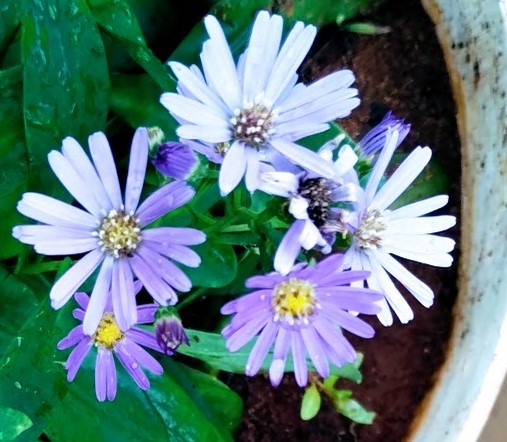
Aster (Michaelmas Daisy)
Symphyotrichum (formerly Aster)
The Aster, commonly known as the Michaelmas Daisy, is a quintessential late-summer and autumn bloomer belonging to the vast Asteraceae family. Native primarily to North America and Eurasia, these resilient perennials are absolute magnets for pollinators. Earning their name from the ancient Greek...
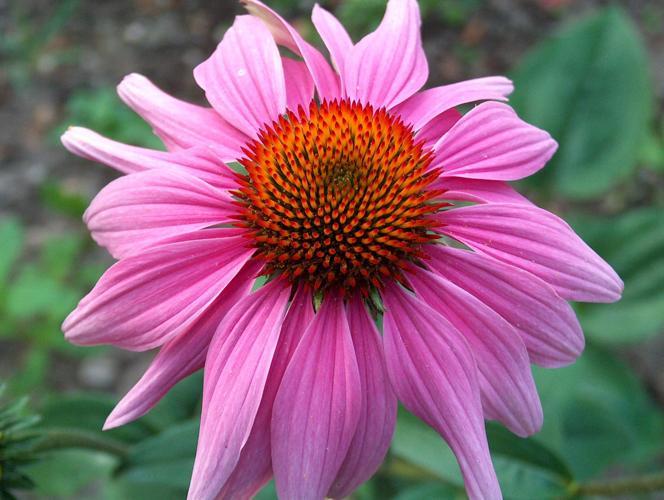
Purple Coneflower (Echinacea)
Echinacea purpurea
The Purple Coneflower (Echinacea purpurea) is a robust, iconic native North American perennial belonging to the Asteraceae family. Found thriving naturally in the prairies, open woods, and dry plains of the central and eastern United States, it has become a global favorite in both ornamental land...
Similar Characteristics
4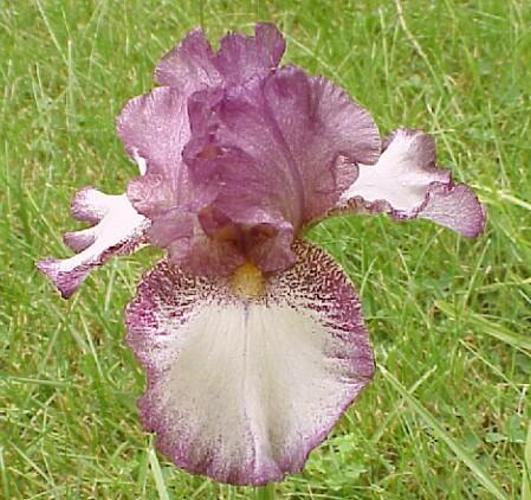
Bearded Iris
Iris germanica
The Bearded Iris, botanically designated under the genus *Iris* (particularly *Iris germanica*), is an exceptionally elegant, highly popular hardy perennial. Belonging to the family Iridaceae (the iris family, tribe Irideae), this spectacular garden favorite is native to the dry, sunny slopes and...
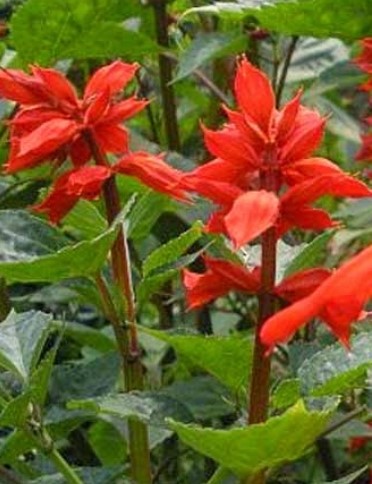
Salvia
Salvia
Salvia, botanically classified under the genus Salvia and commonly known as Sage, is an exceptionally diverse, versatile, and highly valuable plant genus. Belonging to the family Lamiaceae (the mint family, tribe Mentheae), this massive genus comprises nearly 1,000 distinct species distributed ac...
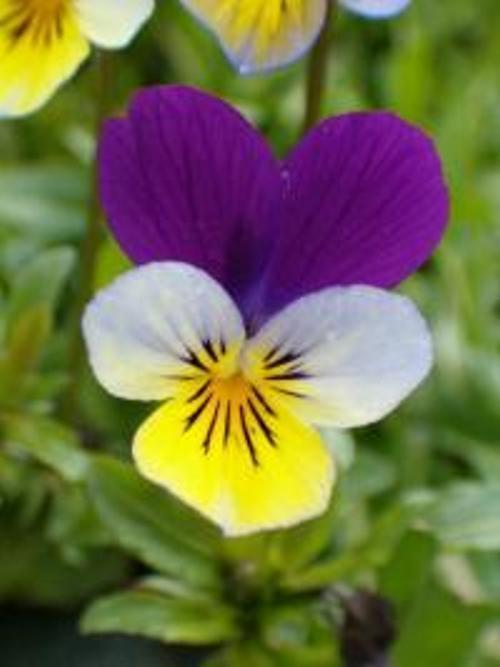
Wild Pansy
Viola tricolor
The Wild Pansy, scientifically known as Viola tricolor and popularly referred to as Johnny Jump Up or Heartsease, is an endearing European wildflower belonging to the Violaceae family. Native to Europe and temperate regions of Asia, this resilient little bloom has captured human hearts for centur...
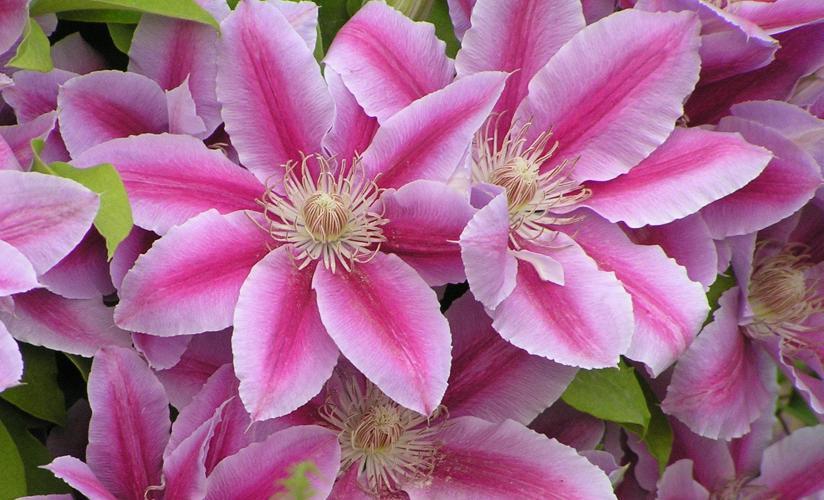
Clematis
Clematis
The Clematis, belonging to the genus Clematis within the family Ranunculaceae (the buttercup family), is a spectacular genus of perennial climbing vines widely hailed as the 'Queen of the Climbers.' Native to the temperate woodlands, rocky hillsides, and river hedgerows across the Northern Hemisp...