
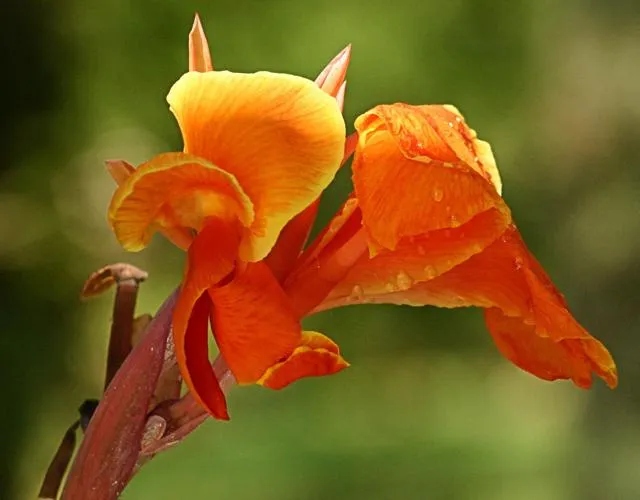
Canna lily
Canna indica
How to Identify Canna lily
NON-TOXIC. Unlike true lilies (Lilium spp.), Canna Lilies are safe for cats, dogs, and horses. They are an excellent choice for pet-friendly landscaping.
Care & Growing Guide
Seasonal Blooming & Hardiness
Seasonal Blooming Calendar:
- Peak Bloom: Spring to early summer (typically April through June).
- Planting Time: Sow seeds directly outdoors in early spring after the last frost, or transplant nursery starts in late spring.
Bloom Timeline
About Canna lily
Canna indica, commonly known as the Canna Lily, is a bold and flamboyant tropical perennial that brings a dramatic, exotic flair to temperate and tropical gardens alike. Despite its common name, it is not a true lily but rather the sole genus in the Cannaceae family, closely related to gingers and bananas. Native to the tropical and subtropical regions of the Americas—ranging from the southern United States to northern Argentina—Cannas are celebrated for their immense, paddle-shaped leaves and their striking, asymmetrical blossoms. They are the 'instant landscape' plants of the horticultural world, capable of growing from a dormant rhizome to a six-foot-tall flowering tower in a single warm season.
The flowers of the Canna Lily are a fascinating study in botanical modification. What appear to be large, vibrant petals are actually petal-like modified stamens known as staminodes. These structures come in a brilliant spectrum of sunset colors, including fiery reds, electric oranges, sunny yellows, and soft corals, often decorated with intricate spots or contrasting margins. The true petals and sepals are typically small and inconspicuous, hidden beneath the showy staminodes. This unique arrangement is designed to attract specialized pollinators, particularly hummingbirds and large bees, who are drawn to the nectar produced deep within the floral tube. Because of their continuous blooming habit from late spring until the first frost, they are invaluable for maintaining high-impact color in the garden.
The foliage of the Canna is just as significant as its floral display, often serving as a focal point even when the plant is not in bloom. The large, leathery leaves emerge in a spiraling fashion from the thick, reed-like stems, resembling the foliage of a banana plant. Depending on the cultivar, these leaves can be a lush emerald green, a deep chocolatey bronze, a regal burgundy, or even spectacularly variegated with stripes of white, yellow, and green. This diverse foliage makes them a favorite for tropical-themed landscaping, where they provide a dense, vertical screen or a lush backdrop for smaller perennials. Their ability to thrive in both garden soil and the boggy margins of ponds makes them one of the most versatile structural plants available to gardeners.
Beyond their ornamental value, Canna Lilies have a long history of practical and cultural utility. In their native South American habitats, they are known as 'Achira,' and their large, starch-rich rhizomes have been cultivated as a food source for thousands of years, producing a high-quality starch known as Queensland arrowroot. The plant is also famously called 'Indian Shot' due to its incredibly hard, round, black seeds. In the 19th century, these seeds were occasionally used as a substitute for lead shot in firearms, and today they remain popular for making sustainable jewelry and musical instruments like the hosho. Perhaps most importantly for modern homeowners, Canna Lilies are officially recognized as non-toxic to cats and dogs, making them an ideal 'Pet-Safe' alternative to the dangerously toxic true lilies.
Floral Formula & Features
Ebracteate (no bracts), bilaterally symmetrical (zygomorphic), bisexual, 3 free sepals, 3 free petals, 1 functional stamen (others modified into petal-like staminodes), 3 fused carpels with inferior ovary. Highly modified flower structure unique to Cannaceae
- Scientific Name & Classification: Canna indica (Cannaceae). A rhizomatous perennial native to the tropical Americas, often referred to as Indian Shot or Achira.
- Identification Markers: Large paddle-shaped leaves (green, bronze, or variegated). Asymmetrical flowers with 3 sepals, 3 petals, and multiple petal-like staminodes. Stems are thick and reed-like.
- Floral Formula (↯ ⚥ K3 C3 A1½ G(3)): Asymmetrical (bilateral), bisexual, 3 sepals, 3 petals, 1 functional stamen with half-anther, and 3 fused carpels with an inferior ovary.
- Growing Requirements: Prefers full sun (6-8 hours) and rich, consistently moist soil. Thrives in heat and humidity; can tolerate boggy or semi-aquatic conditions. USDA Zones 7-11.
- Cultural Significance: Known as 'Indian Shot' because the hard seeds were once used as shotgun pellets. Rhizomes are a source of edible arrowroot starch. A staple of tropical and Victorian-style gardens.
- Safety & Toxicity: NON-TOXIC. Unlike true lilies (Lilium spp.), Canna Lilies are safe for cats, dogs, and horses. They are an excellent choice for pet-friendly landscaping.
- Similar Characteristics and Family: Only member of the Cannaceae family, but shares the large-leaved, rhizomatous habit of the Zingiberaceae (Ginger) and Musaceae (Banana) families. It is distinguished from true lilies by its lack of bulbs and its asymmetrical, non-radially symmetrical flowers.
- Common Look-alikes: Often confused with True Lilies or Ginger Lilies. True lilies have narrow leaves and 6 symmetrical petals, while Gingers typically have a very different flower spike structure and more delicate foliage.
- Internal Links: For more bold tropicals, explore our Flower Identifier hub. You might also like the Red Ginger, the Bird of Paradise, and the Bearded Iris for a textured, high-impact garden.
Names in Different Languages
Toxicity & Safety
Frequently Asked Questions
What is Floral Formula?
A floral formula is a symbolic representation of a flower's structure using letters, numbers, and special symbols. It provides a concise way to describe the arrangement and number of floral parts.
This formula describes the flower's symmetry, sepals, petals, stamens, and carpels in a standardized format.
Formula Sequence
- Bract: Br or Ebr
- Bracteole: Brl or Ebrl
- Symmetry: % (Radial) or ⊕ (Bilateral)
- Sex: ♀ (Female), ♂ (Male), or ⚥ (Bisexual)
- Calyx/Sepal: K<number> (Free or Fused)
- Corolla/Petal: C<number> (Free or Fused)
- Androecium: A<number> (Free or Fused)
- Gynaecium: G<number> (Superior or Inferior Ovary)
Symbol Meanings
- Numbers: Indicate quantity of parts
- Parentheses (): Parts are fused together
- Plus (+): Parts in different whorls
- Underline: Superior ovary position
- Overline: Inferior ovary position
- ∞: Numerous parts (too many to count)
Understanding floral formulas helps botanists quickly identify and classify flowers based on their structural characteristics.
Similar Flowers
Discover flowers that share botanical characteristics
Similar Characteristics
4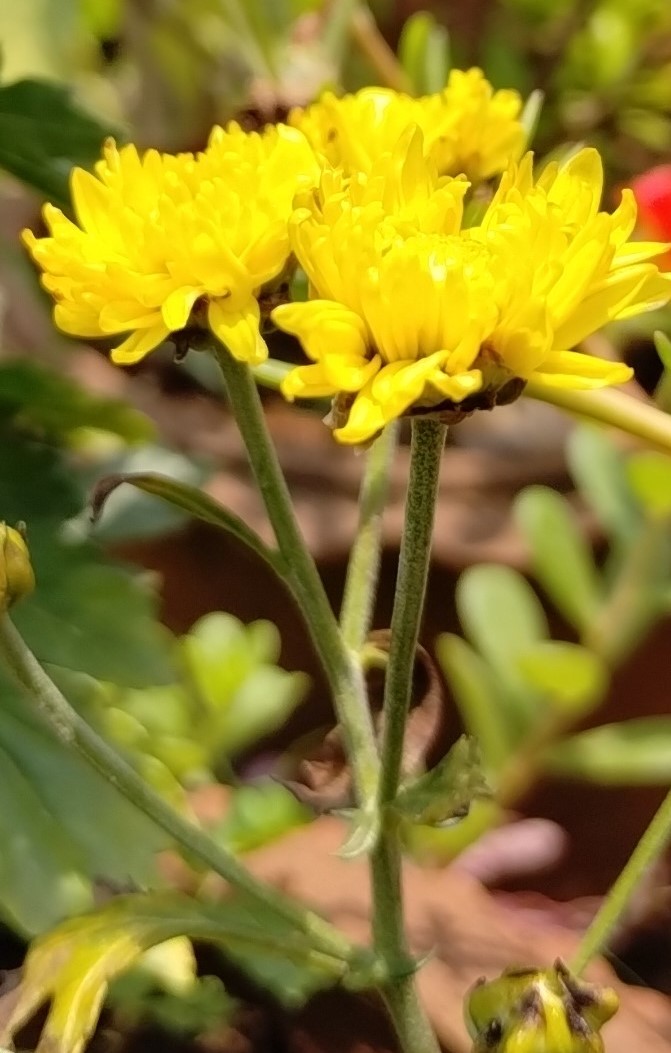
Chrysanthemum
Chrysanthemum morifolium
The Chrysanthemum, botanically classified as Chrysanthemum morifolium and affectionately known as the 'Mum,' is a magnificent, late-season flowering perennial belonging to the Asteraceae (sunflower) family. Native to East Asia, primarily China, where it has been cultivated and revered for over 3,...
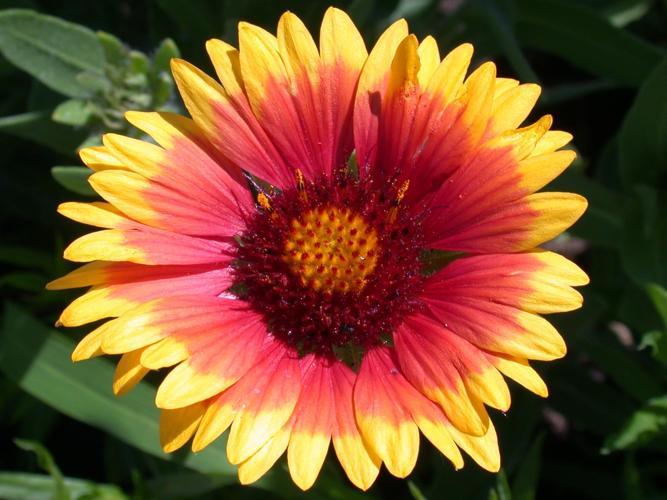
Gaillardia
Gaillardia
Gaillardia, botanically classified within the genus Gaillardia in the Asteraceae (sunflower) family and popularly known as the Blanket Flower or Indian Blanket, is a group of exceptionally cheerful, sun-loving annuals and short-lived perennials. Native to the dry prairies, sandy plains, and pine...
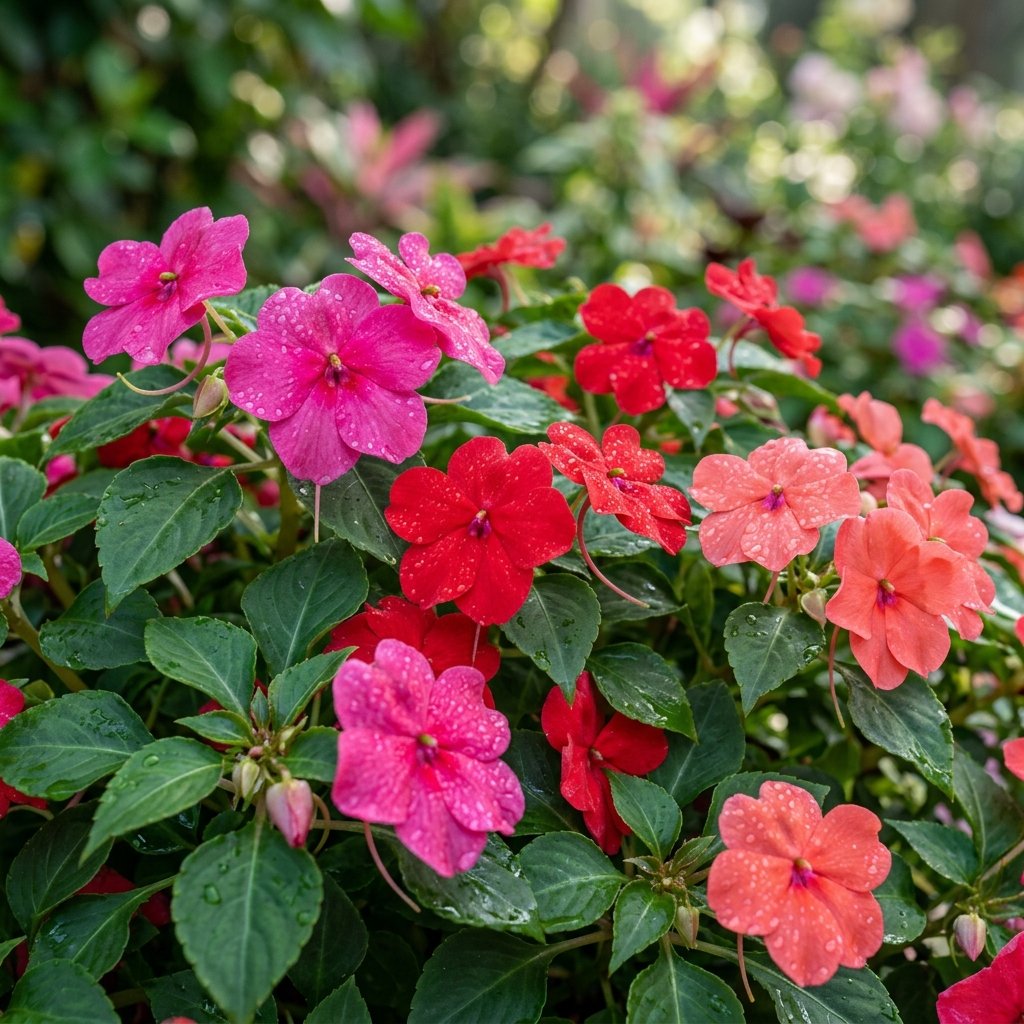
Impatiens Walleriana
Impatiens walleriana
Impatiens Walleriana, botanically classified as *Impatiens walleriana* and universally celebrated across the gardening world as Busy Lizzie, Sultana, or Patient Lucy, is an exceptionally popular, prolific, and shade-tolerant herbaceous perennial commonly cultivated as an annual. Belonging to the...
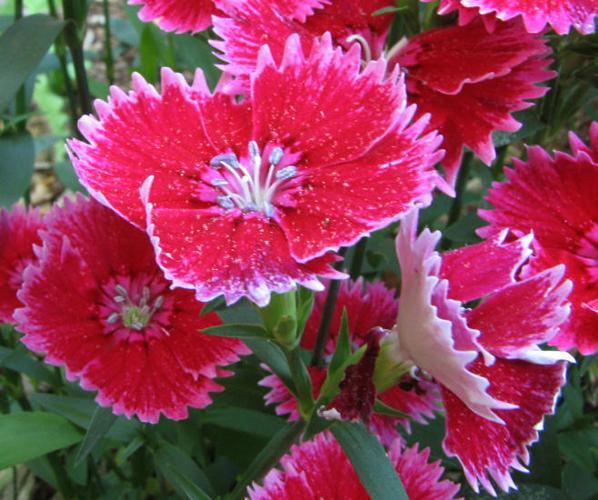
Sweet William (Dianthus barbatus)
Dianthus
Dianthus barbatus, universally cherished as Sweet William, is a charming, fragrant cottage garden biennial or short-lived perennial belonging to the Caryophyllaceae (pink or carnation) family. Native to the mountainous meadows, rocky slopes, and light woodlands of southern and southeastern Europe...