Demystifying the Clean Fifteen
While the Dirty Dozen highlights the most pesticide-laden produce in our markets, the Clean Fifteen is its reassuring counterpart. Every year, agricultural monitoring data reveals a select group of fruits and vegetables that consistently show extremely low or virtually non-existent levels of chemical residues—even when grown conventionally.
By understanding which crops are naturally protected, you can make smarter, highly cost-effective decisions at the grocery store. This guide covers the 3-year ranking trends (2024–2026) for the Clean Fifteen, explains the science of their natural crop defenses, and highlights the specific guides in our botanical database.
The 3-Year Clean Fifteen Trend Table (2024–2026)
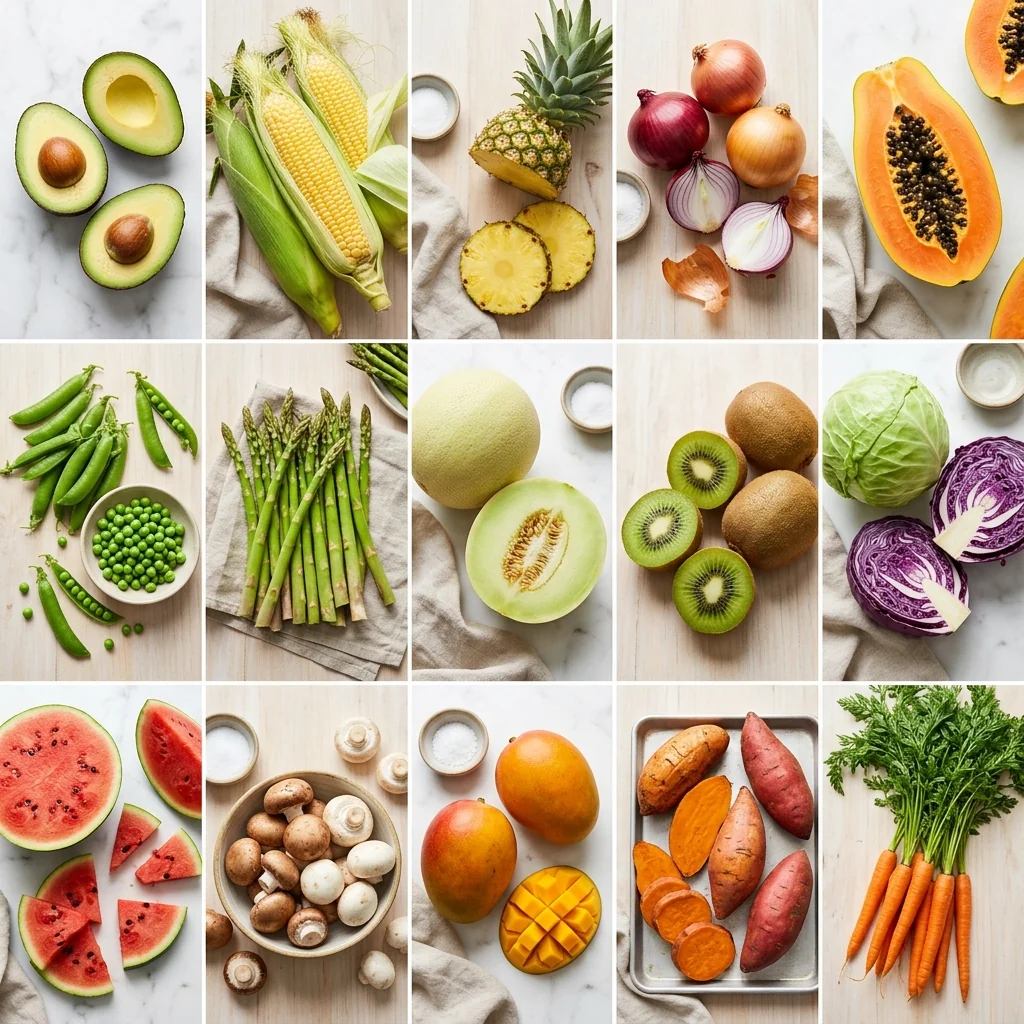
This table maps the rankings of the cleanest conventional produce over the last three years. Ranks are based on the percentage of samples showing zero or negligible pesticide residues:
| Produce Item | 2026 Rank | 2025 Rank | 2024 Rank | 3-Year Trend | Primary Defense | BioLens Safety Guide |
|---|---|---|---|---|---|---|
| Avocados | #1 | #1 | #1 | ➡️ Stable at #1 | Thick, leathery protective skin | Avocado Guide |
| Sweet Corn | #2 | #2 | #2 | ➡️ Stable at #2 | Tightly wrapped husk | Sweet Corn Guide |
| Pineapple | #3 | #3 | #3 | ➡️ Stable at #3 | Thick, spiky outer rind | Pineapple Guide |
| Onions | #4 | #4 | #4 | ➡️ Stable at #4 | Underground growth & sulfur compounds | Onion Guide |
| Papayas | #5 | #5 | #5 | ➡️ Stable at #5 | Milky latex sap & thick skin | Papaya Guide |
| Sweet Peas (Frozen) | #6 | #6 | #6 | ➡️ Stable at #6 | Protected in closed pods | Sweet Peas Guide |
| Asparagus | #7 | #7 | #7 | ➡️ Stable at #7 | Natural enzyme decomposition | Asparagus Guide |
| Honeydew Melon | #8 | #8 | #8 | ➡️ Stable at #8 | Thick outer rind | Honeydew Melon Guide |
| Kiwi | #9 | #9 | #9 | ➡️ Stable at #9 | Fuzzy protective skin | Kiwi Guide |
| Cabbage | #10 | #10 | #10 | ➡️ Stable at #10 | Peeling outer leaves | Cabbage Guide |
| Watermelon | #11 | #11 | #11 | ➡️ Stable at #11 | Ultra-thick rind | Watermelon Guide |
| Mushrooms | #12 | #12 | #12 | ➡️ Stable at #12 | Grown indoors in sterile compost | Mushrooms Guide |
| Mangoes | #13 | #13 | #13 | ➡️ Stable at #13 | Thick skin and resinous sap | Mango Guide |
| Sweet Potatoes | #14 | #14 | #14 | ➡️ Stable at #14 | Underground tuber structure | Sweet Potato Guide |
| Carrots | #15 | #15 | #15 | ➡️ Stable at #15 | Underground taproot | Carrots Guide |
Detailed Clean 15 Profiles in the BioLens Database
Many of the top Clean Fifteen items are fully mapped in the BioLens database. Here is a breakdown of their pesticide profiles, natural defenses, and buying tips:
1. Avocados
# Trend: ➡️ Stable at #1 across all three years.
Pesticide Profile: Fewer than 2% of conventional avocado samples show any detectable pesticide residues. The thick, leathery, pebbled skin of the avocado acts as a highly effective physical barrier, keeping all surface sprays completely isolated from the rich green pulp inside.
Buying & Eating Tip: Because the edible pulp is completely protected, conventional avocados are extremely safe to buy, allowing you to save your organic budget. Always wash the skin before slicing to prevent the knife from dragging any surface dust into the pulp.
2. Sweet Corn
# Trend: ➡️ Stable at #2 across all three years.
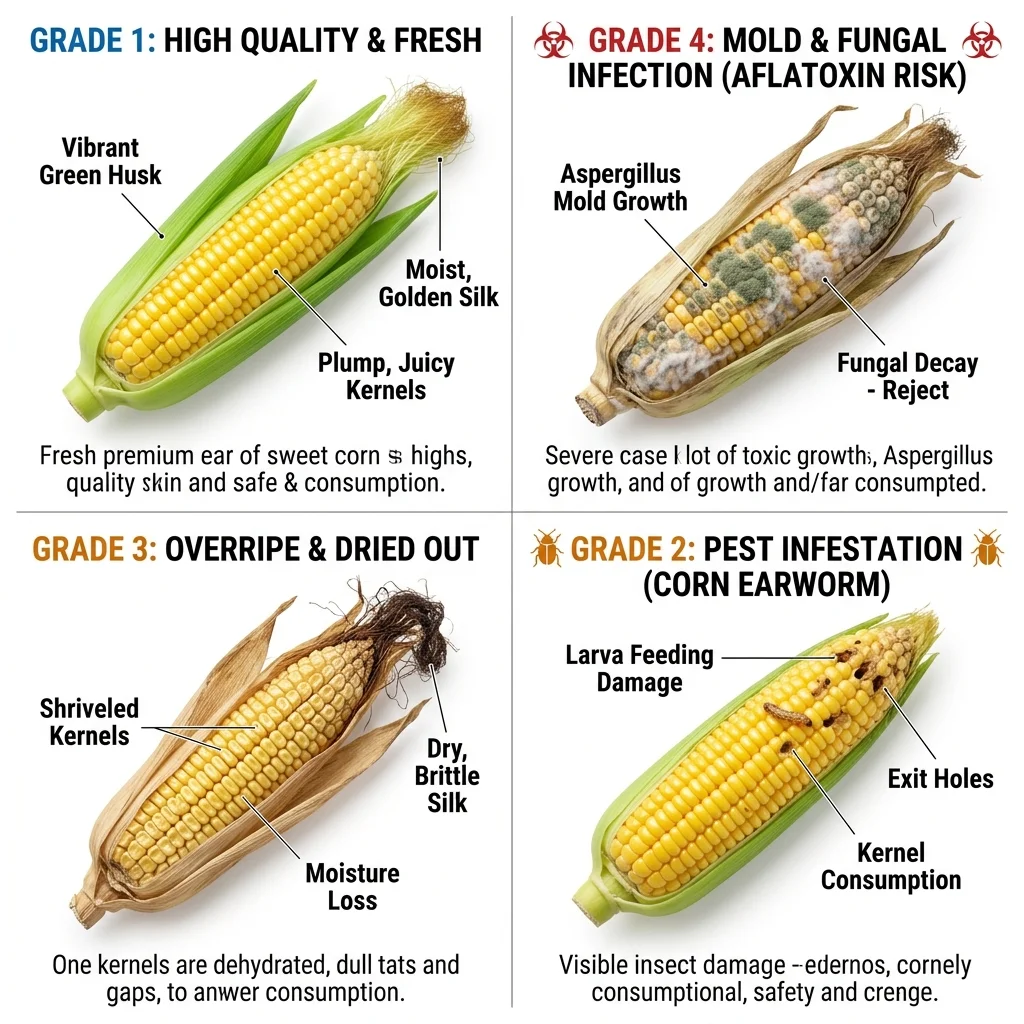
Pesticide Profile: Over 98% of sweet corn samples test completely free of pesticide residues. The tightly wrapped husk and silk sheath surrounding the ear of corn shield the tender kernels from external chemical applications.
Buying & Eating Tip: Conventional sweet corn is incredibly clean. Note that a small percentage of conventional sweet corn is grown from genetically modified (GMO) seeds; if you wish to avoid GMOs, choose organic sweet corn, but for pesticide avoidance, conventional is perfectly safe.
3. Pineapple
# Trend: ➡️ Stable at #3 across all three years.
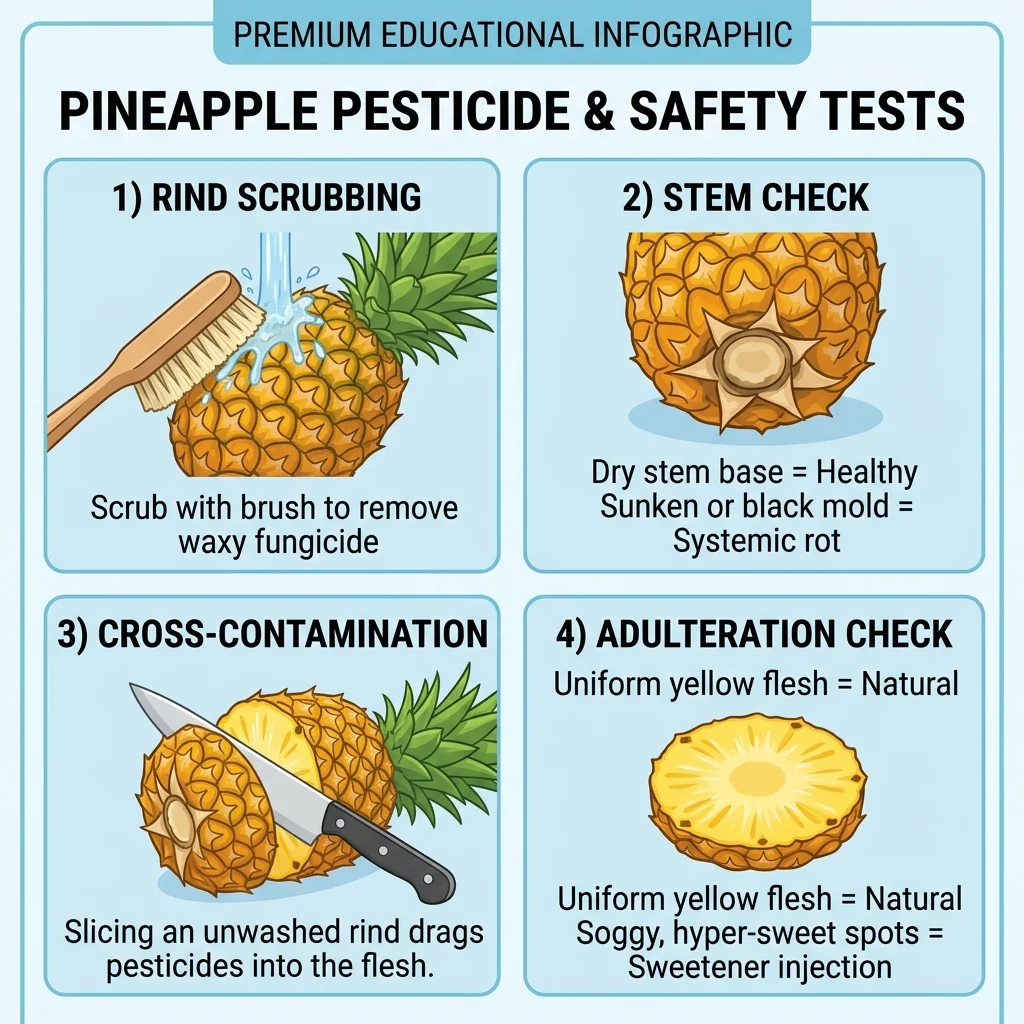
Pesticide Profile: Very few conventional pineapples test positive for residues. The thick, tough, spiky outer rind serves as an exceptionally robust protective barrier, completely shielding the sweet yellow flesh inside from direct exposure.
Buying & Eating Tip: Conventional pineapples are highly clean and safe. Always wash and scrub the spiky outer rind before cutting; this prevents your knife blade from transferring any post-harvest fungicides or rind dust into the edible flesh during slicing.
4. Onions
# Trend: ➡️ Stable at #4 across all three years.
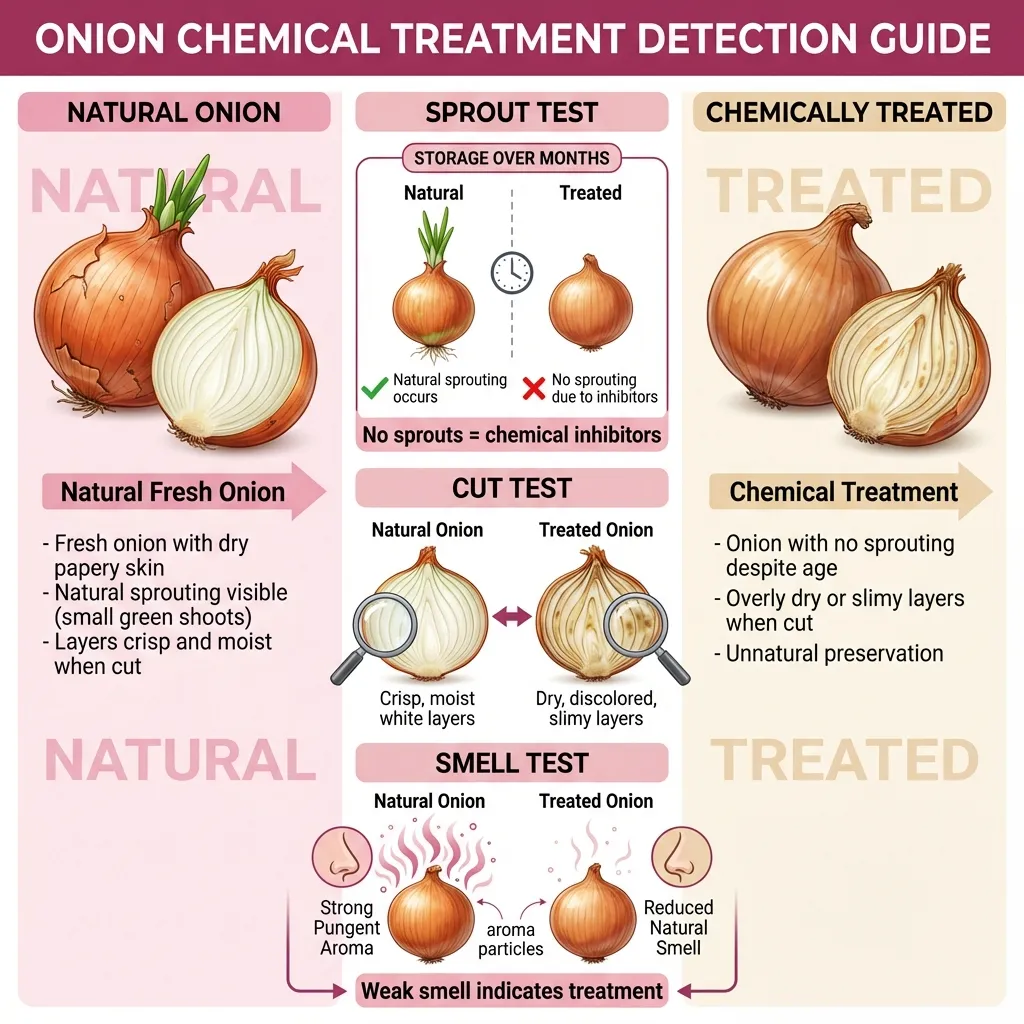
Pesticide Profile: Onions require very little chemical application because they grow underground. Additionally, they naturally produce pungent sulfur-based compounds that act as highly effective pest repellents, keeping insects away without human intervention.
Buying & Eating Tip: Peeling away the dry, papery outer layers of an onion removes virtually 100% of any potential surface residues. Conventional onions are a highly safe and economical purchase.
5. Papayas
# Trend: ➡️ Stable at #5 across all three years.
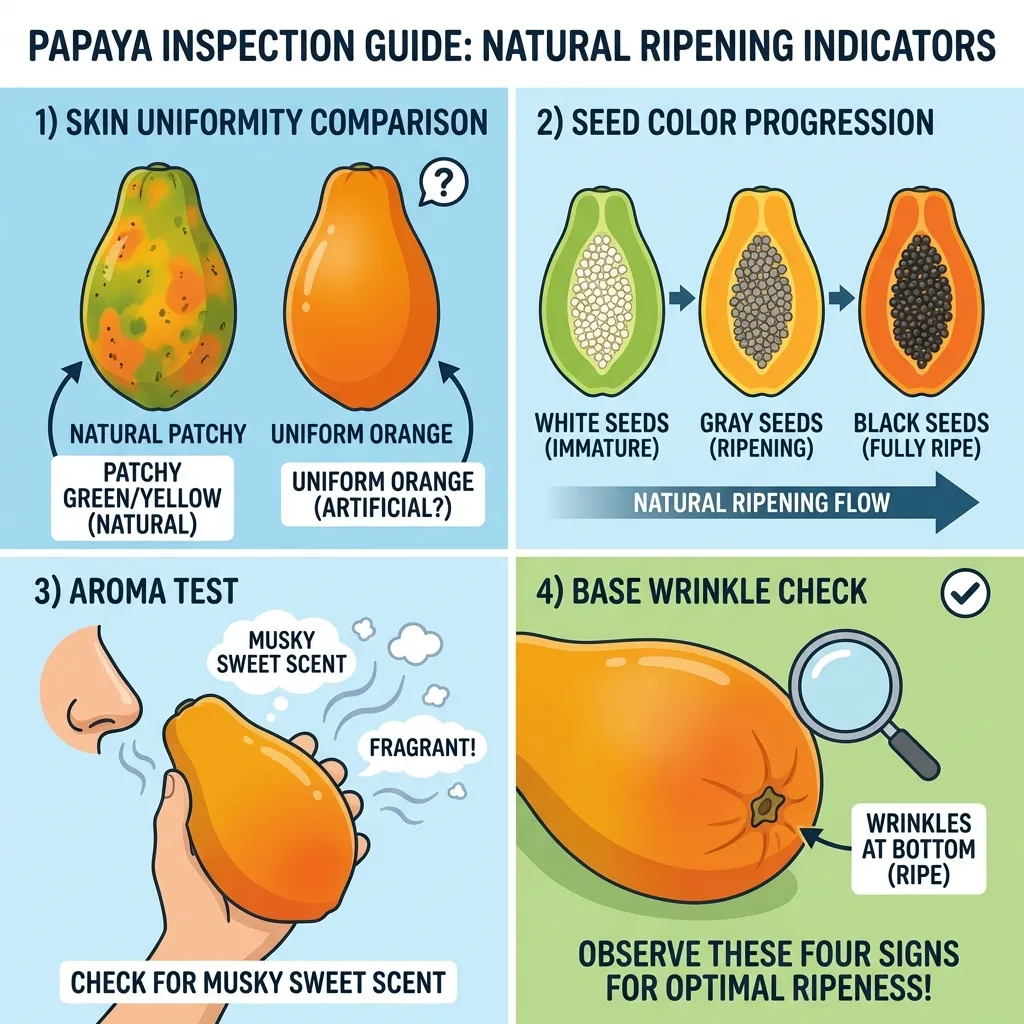
Pesticide Profile: Over 80% of papayas show zero pesticide residues. The thick skin and the plant's natural production of a sticky, milky latex sap deter insect feeding, making heavy pesticide applications unnecessary.
Buying & Eating Tip: Similar to sweet corn, some conventional papayas (particularly the Solo variety from Hawaii) are GMO. If GMO avoidance is a priority, choose organic; otherwise, conventional papayas are a clean and safe option.
6. Asparagus
# Trend: ➡️ Stable at #7 across all three years.
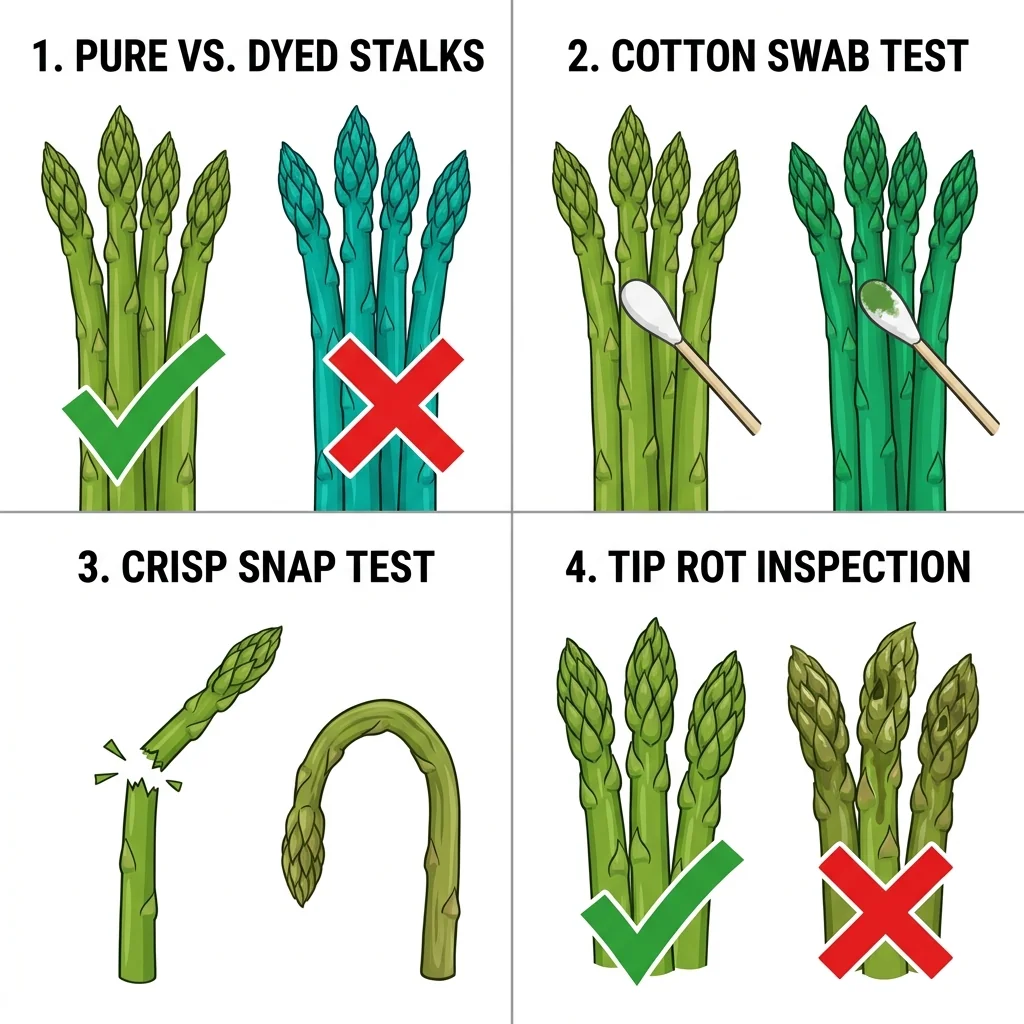
Pesticide Profile: Over 90% of asparagus samples show no pesticide residues. The plant produces a unique enzyme that helps degrade chemical agents, and its rapid growth cycle prevents deep accumulation of agricultural compounds.
Buying & Eating Tip: Choose firm stalks with tightly closed tips. Conventional asparagus is extremely clean, making it a safe choice for standard grocery budgets.
7. Honeydew Melon
# Trend: ➡️ Stable at #8 across all three years.
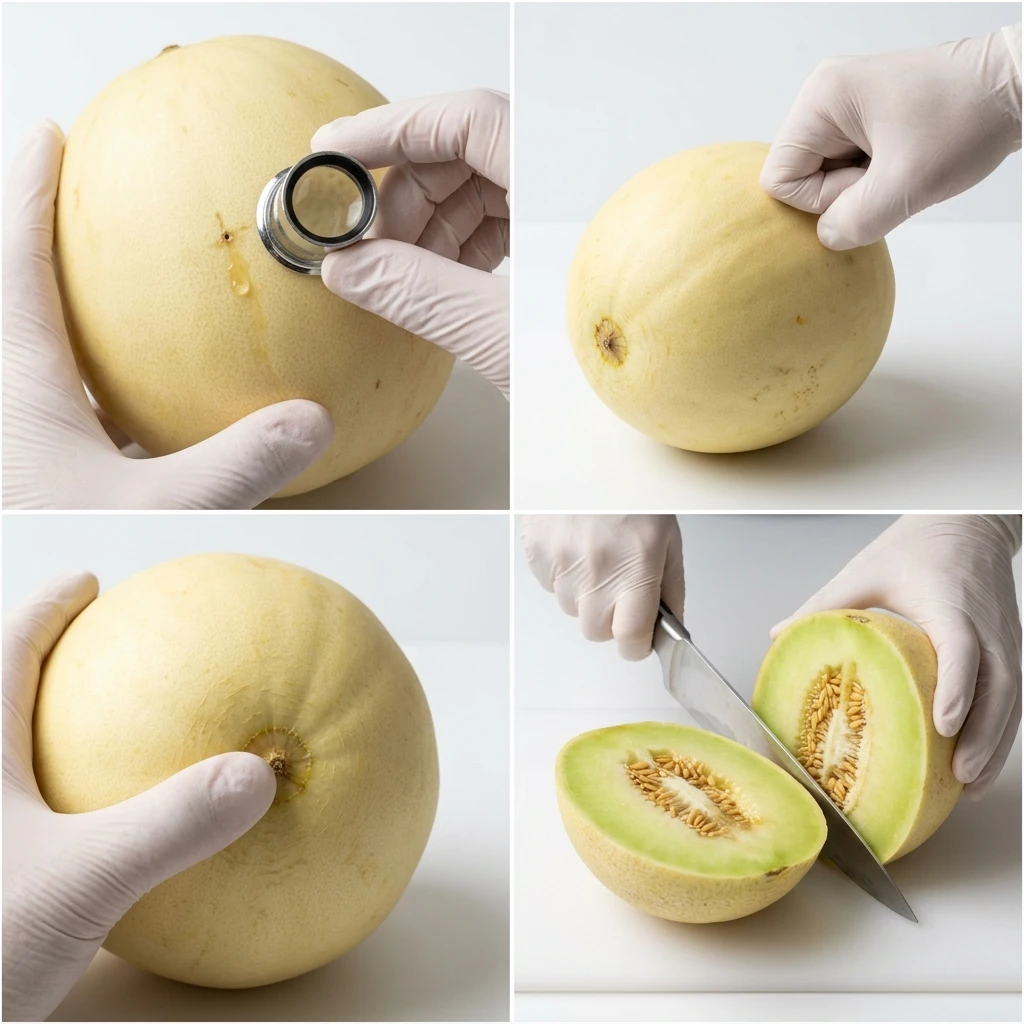
Pesticide Profile: The thick, waxy, and hard outer rind of the honeydew melon serves as an impermeable barrier. Approximately 85% of conventional honeydew melon samples test completely free of any pesticide residues.
Buying & Eating Tip: Look for melons that feel heavy for their size and have a slightly sweet scent near the stem end. Always wash the outer rind before cutting to prevent transferring surface contaminants to the edible flesh.
8. Kiwi
# Trend: ➡️ Stable at #9 across all three years.
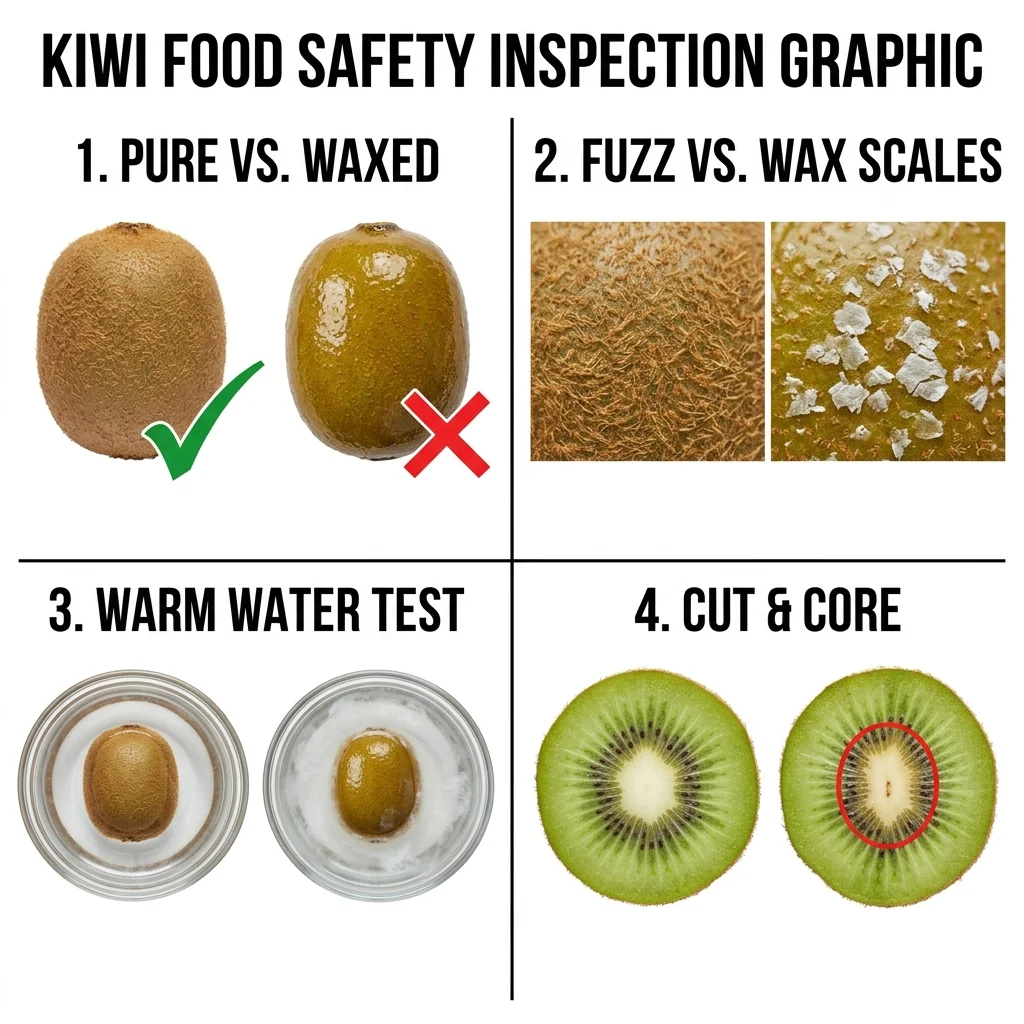
Pesticide Profile: Over 82% of kiwi fruits tested show no pesticide residues. The unique fuzzy skin of the kiwi behaves as a physical shield, intercepting surface sprays and preventing absorption into the green, nutrient-rich flesh inside.
Buying & Eating Tip: Kiwis are very clean and safe to buy conventional. Washing and peeling conventional kiwis removes any potential surface residues completely.
9. Cabbage
# Trend: ➡️ Stable at #10 across all three years.
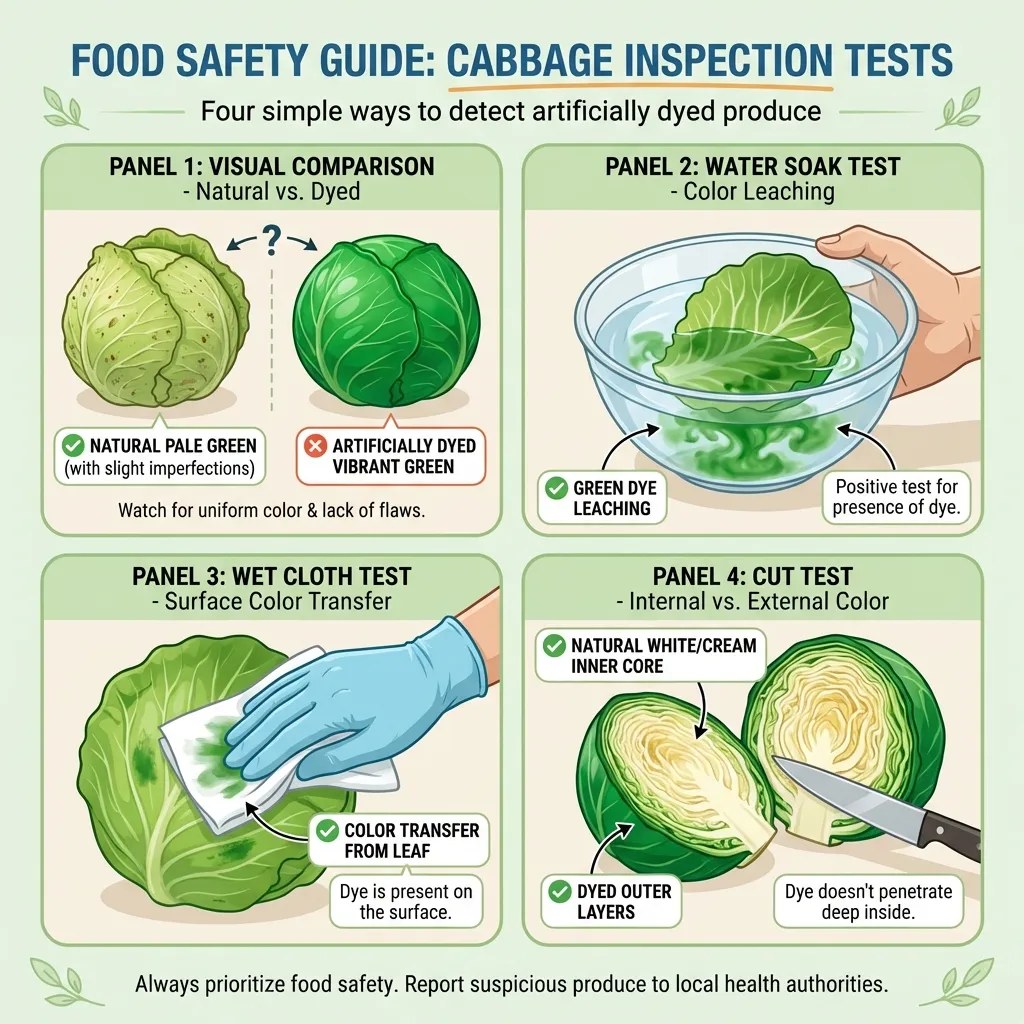
Pesticide Profile: Over 86% of cabbage heads contain no detectable residues. Cabbage grows in tight, compact heads where the outer leaves bear the brunt of any weather or environmental exposure. Peeling and discarding the outermost layer of leaves before preparation leaves the inner head completely clean.
Buying & Eating Tip: Simply discard the first two outer leaves and wash the head under running water. Conventional cabbage is a highly reliable and budget-friendly choice.
10. Watermelon
# Trend: ➡️ Stable at #11 across all three years.
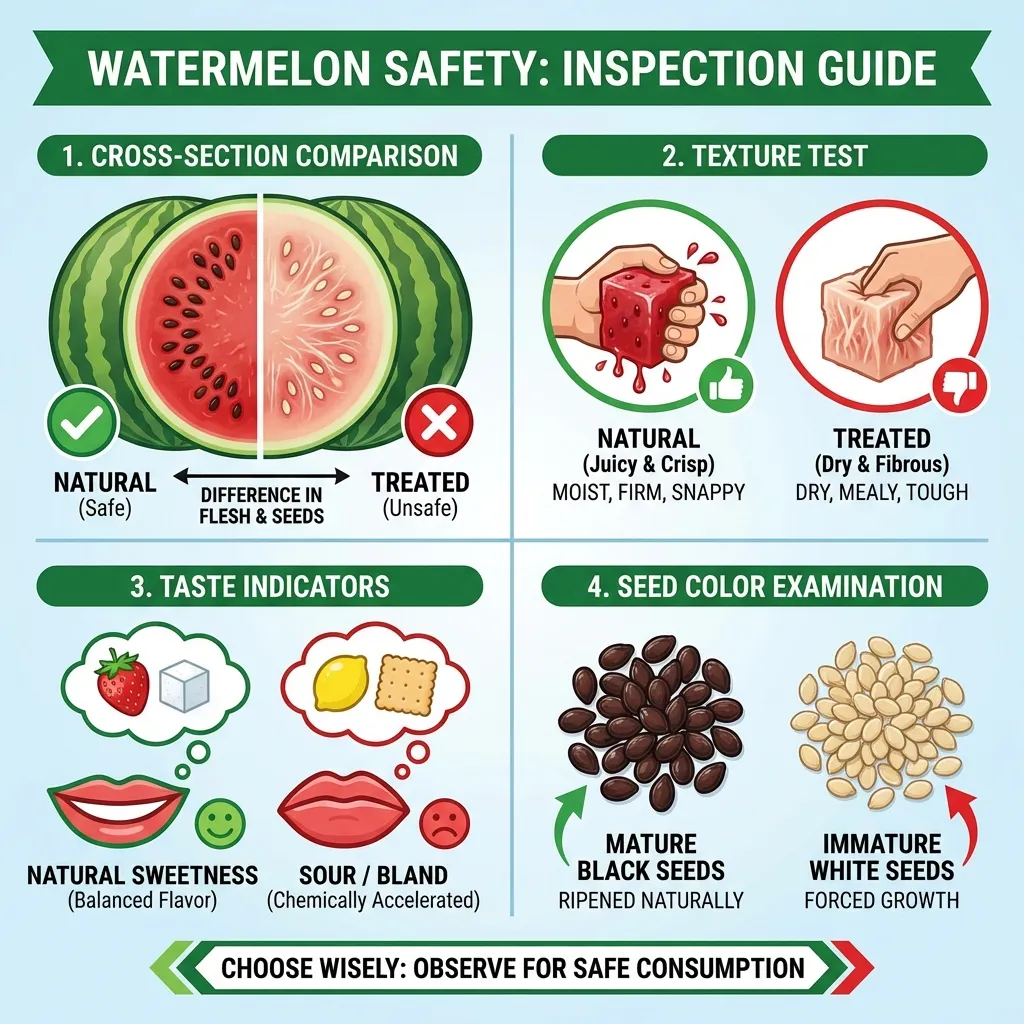
Pesticide Profile: The thick, heavy green rind of the watermelon is a highly effective shield against insects and chemical sprays. Less than 10% of watermelon samples show any trace of residues, and those are strictly confined to the rind.
Buying & Eating Tip: Always wash the outside of the watermelon before cutting. This prevents the blade from transferring surface dirt or rind residues into the sweet red pulp.
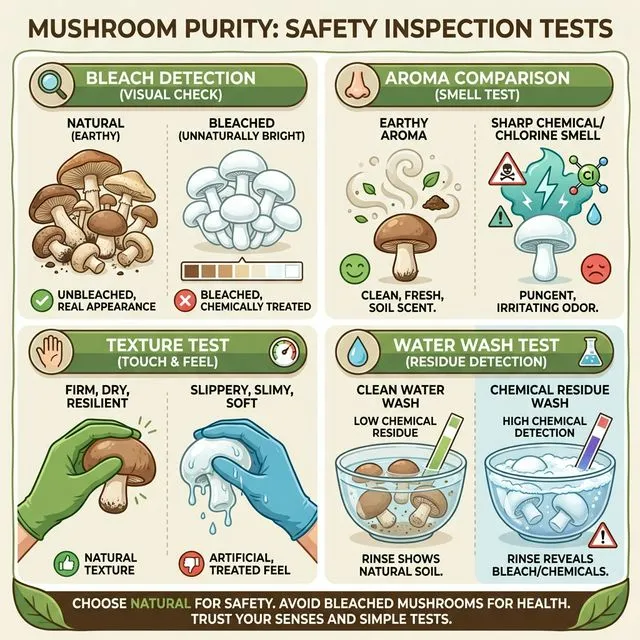
11. Mushrooms
# Trend: ➡️ Stable at #12 across all three years.
Pesticide Profile: Mushrooms are grown indoors in highly controlled, sterile darkrooms using pasteurized compost. Because they are raised in closed, sanitized environments, they require virtually no chemical pesticides or herbicides during their rapid growth cycle.
Buying & Eating Tip: Wipe mushrooms with a damp paper towel or rinse them quickly in cold water just before cooking. Conventional mushrooms are exceptionally clean and safe.
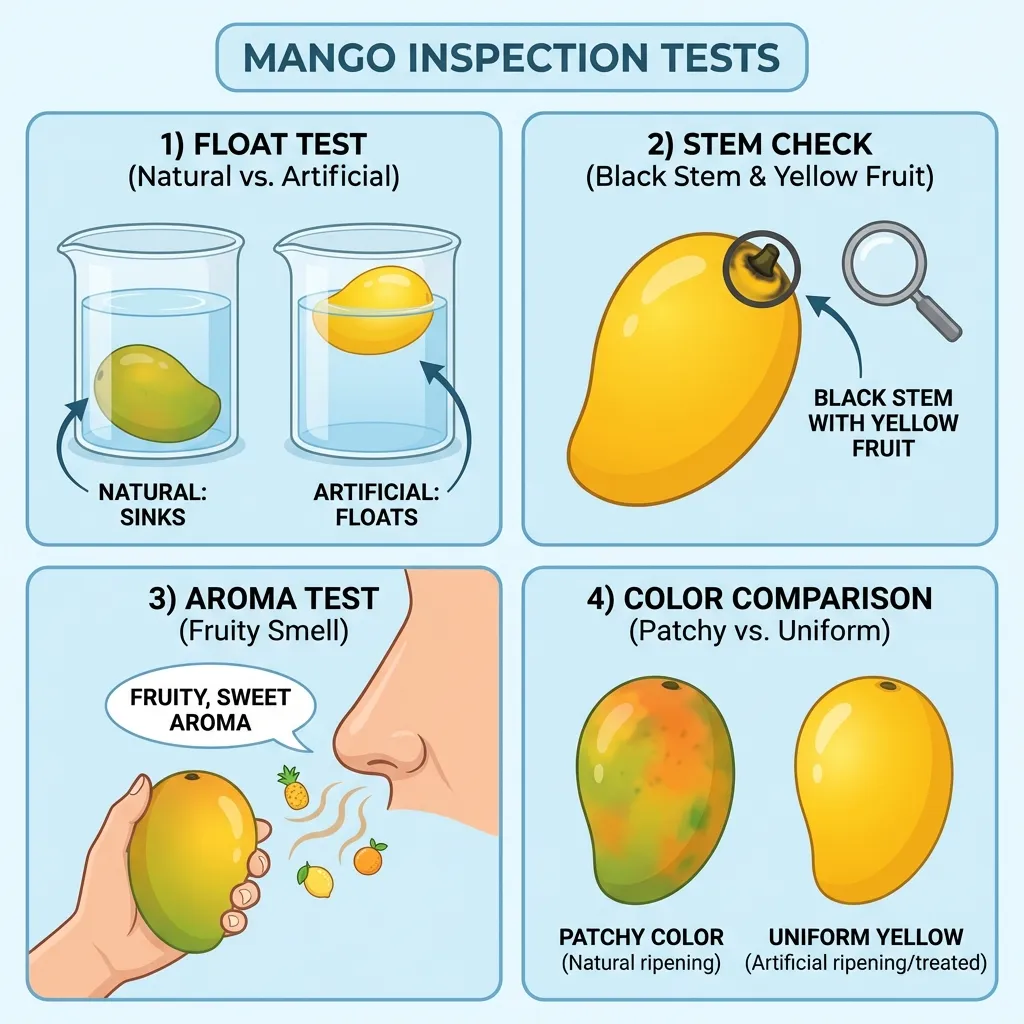
12. Mangoes
# Trend: ➡️ Stable at #13 across all three years.
Pesticide Profile: The thick, fibrous skin of the mango and the resinous sap produced by the tree naturally protect the fruit from pests. While fungicides are sometimes used post-harvest to prevent surface rot, these do not penetrate into the sweet golden pulp.
Buying & Eating Tip: Wash and peel the mango generously. The inner pulp is highly clean. Use our Food Guard guide to check for natural ripening and ensure no chemical ripeners were used.
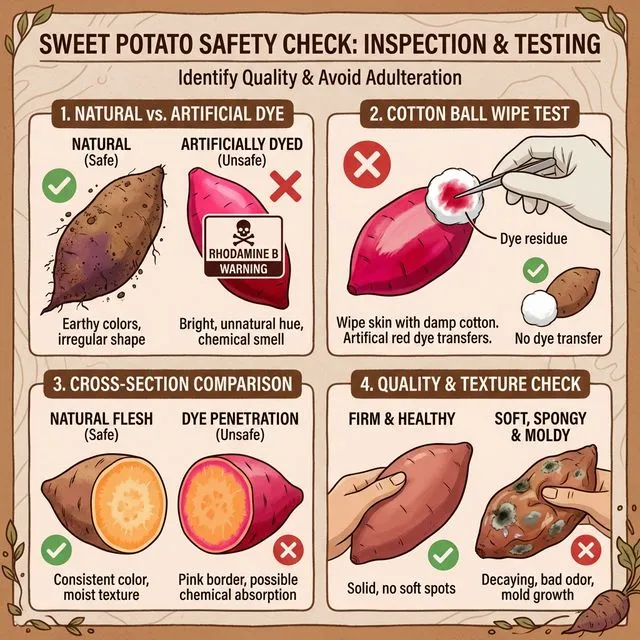
13. Sweet Potatoes
# Trend: ➡️ Stable at #14 across all three years.
Pesticide Profile: Sweet potatoes grow deep in the soil, protecting them from airborne pesticide sprays. Additionally, they are highly robust tubers that naturally resist most underground pests, requiring very little soil treatment.
Buying & Eating Tip: Scrub the skin thoroughly under running water with a vegetable brush. Peeling them removes any potential soil-bound residues completely, though conventional sweet potatoes are highly clean even with the skin on.
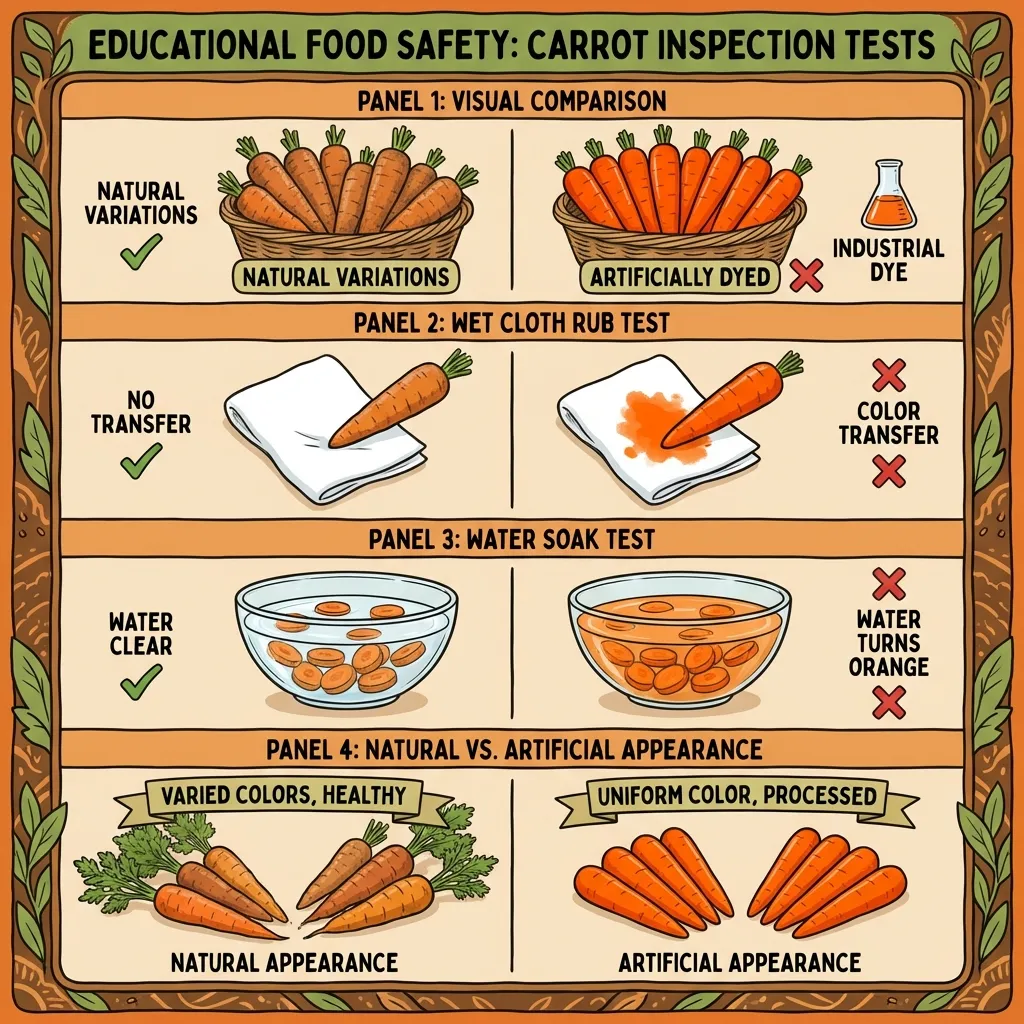
14. Carrots
# Trend: ➡️ Stable at #15 across all three years.
Pesticide Profile: As underground taproots, carrots are naturally shielded from direct foliar pesticide applications. While they can absorb soil-bound compounds, modern agricultural testing shows that conventional carrots remain well below safety thresholds.
Buying & Eating Tip: Peeling conventional carrots completely removes the outer skin layer where any soil-bound residues or dirt might reside, yielding a highly clean and safe vegetable.
The Science of Clean Crops: Why They Don't Need Sprays
Why do some crops rank so clean year after year while others fail? It comes down to botany:
- Thick Rinds and Shells: Crops like Avocados, Pineapples, and Melons possess thick, leathery, or spiky outer shells that are impervious to sprays and pests. The edible pulp is physically sealed.
- Tightly Wrapped Husks: Corn and Peas grow inside protective leaf husks or pods that shield the edible seeds from direct chemical exposure.
- Natural Pest Repellents: Onions and garlic produce volatile organic sulfur compounds when their tissues are disturbed. These pungent chemicals are natural insecticides that keep pests away naturally.
- Controlled Grow Environments: Mushrooms are cultivated indoors in sterilized beds, bypassing the outdoor ecosystem and its associated pest pressures entirely.
Smart Shopping: Conventional vs. Organic Budgets
Understanding the Clean Fifteen allows you to optimize your grocery budget. Rather than buying 100% organic, apply the BioLens Hybrid Shopping Strategy:
- Buy Conventional (Save Money): For all items on the Clean Fifteen (Avocados, Corn, Onions, Cabbages, etc.), conventional produce is highly safe, letting you enjoy these healthy foods at standard prices.
- Buy Organic (Invest in Safety): Reserve your organic food budget for items on the Dirty Dozen (Strawberries, Spinach, Nectarines, Apples, etc.) where pesticide residues are high and cannot be easily washed away.
To visually verify your fruits and vegetables and access guides on chemical ripening, use the BioLens AI Food Guard!