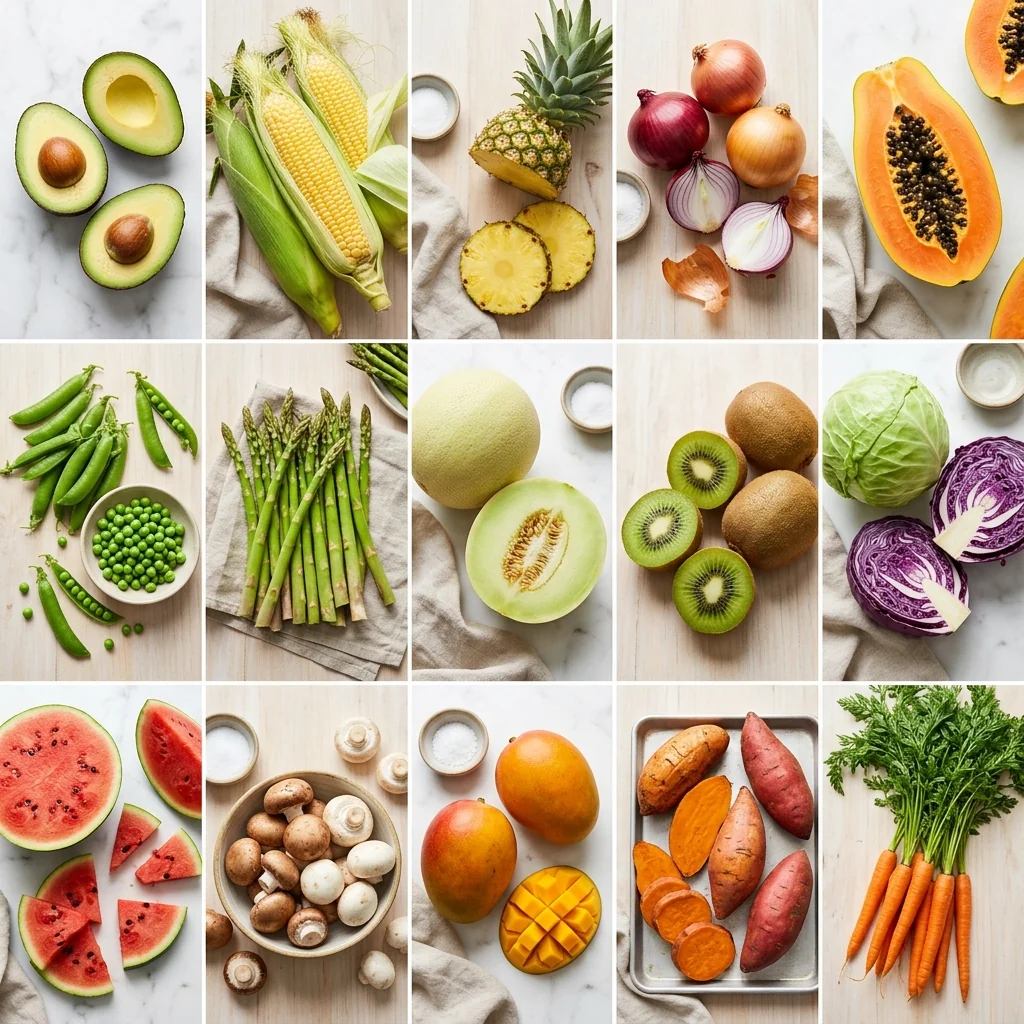
Is Honeydew Melon Safe to Eat? Sweetener Injection, Ripeness & Rind Safety — Complete Guide
⚡ Quick 60-Second Honeydew Melon Ripening & Sweetener Verdict
Calcium Carbide Ripening & Saccharin Injections: Unripe, hard honeydew melons are gas-ripened with calcium carbide and injected with artificial saccharin syrup at the stem scar to simulate honey sweetness.
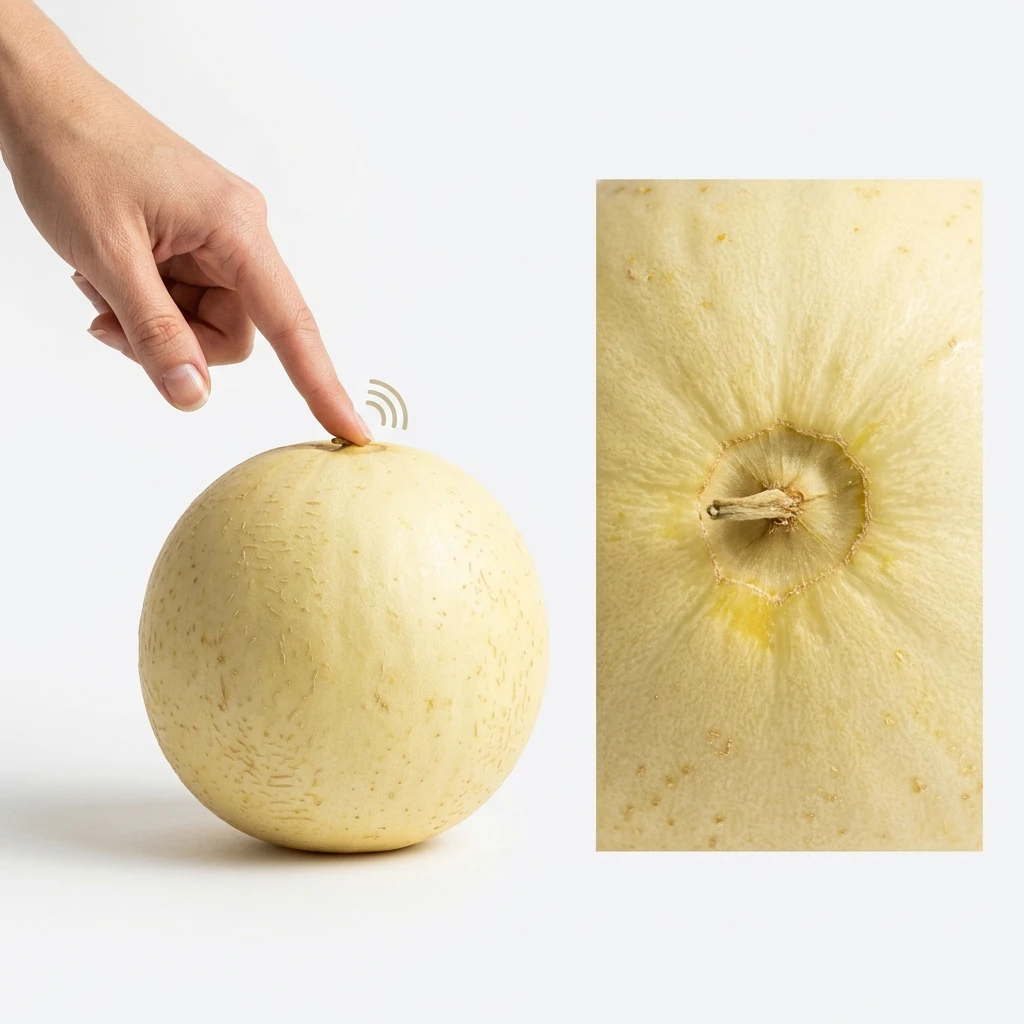
Press the blossom end (opposite the stem) with your thumb. A naturally ripe honeydew yields slightly with springy softness and releases a rich, sweet honey aroma. Hard, odorless melons were picked unripe.
Examine the stem depression under bright light. Look for small needle punctures, localized discoloration rings, or sticky crystalline dried syrup deposits indicating artificial sweetener injection.
Inspect the rind. Naturally ripe honeydew has a creamy ivory to warm pale-yellow skin with a subtle waxy, sticky feel. Stark chalky-white or greenish melons are immature and artificially softened.
To learn more about food safety tests and clean produce, read our guides on Watermelon and Mango.
Drop Honeydew Melon photo here to test purity
or click to browse • Supports JPG, PNG, WEBP • Paste with Ctrl+V
Inspection Guide
Click to enlarge
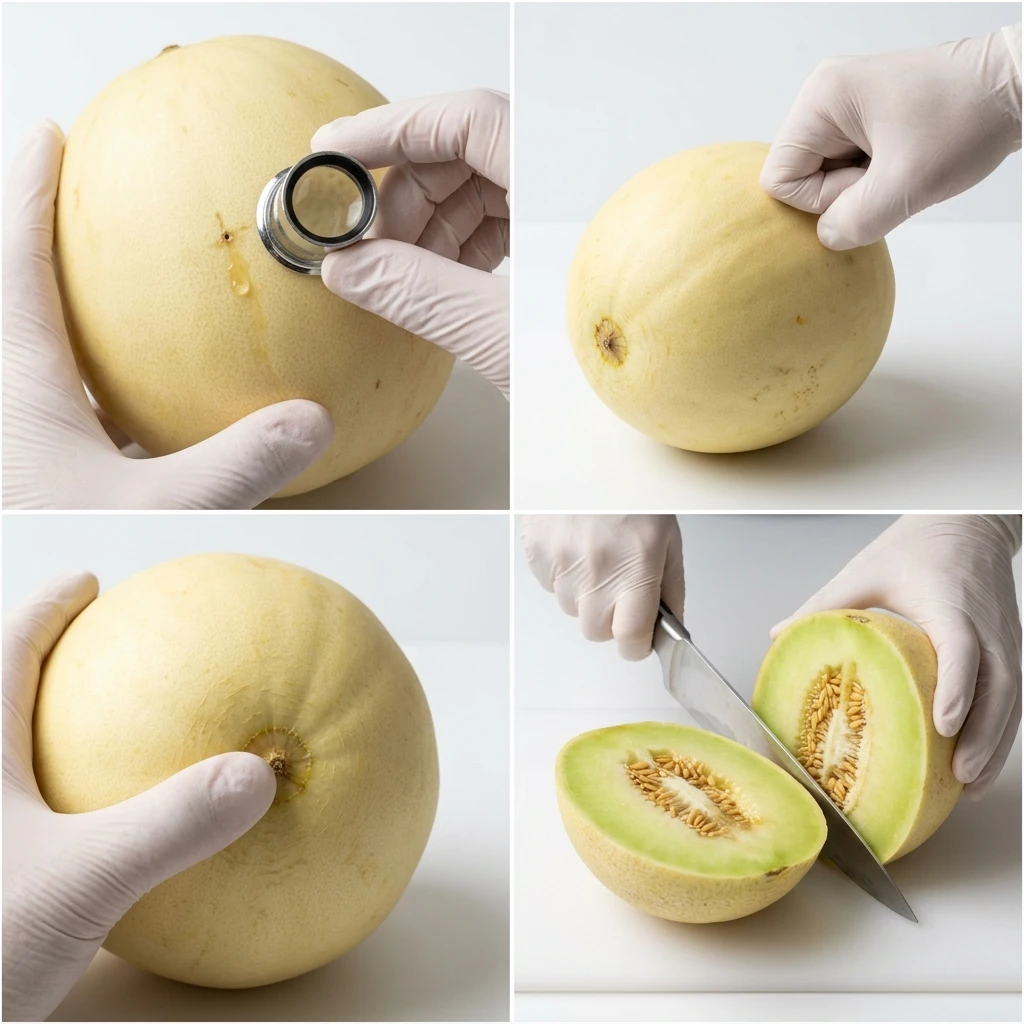
Honeydew Melon Adulteration & Ripeness Inspection — 5 Home Tests
Honeydew melons are naturally sweet and clean, but post-harvest adulteration and premature harvesting can compromise safety. Here is how to test them.
1. The Rind & Puncture Inspection (Sweetener Check):
Inspect the rind closely, especially near the stem end. Look for tiny, dark, circular puncture marks or sticky syrup residue on the skin. ✅ Smooth, dry, intact rind. ❌ Sticky sap or puncture holes indicate potential chemical sweetener injection.
2. The Sound Resonance (Knock) Test:
Thump the melon with your knuckles. ✅ Dull, deep, hollow sound = ripe, juicy, and full of water. ❌ High-pitched, metallic, or solid sound = unripe, dry, or mealy.
3. The Stem End Pressure Test:
Press your thumb gently against the circular indentation where the stem was attached. ✅ Yields slightly and has a sweet aroma = naturally ripe. ❌ Rock hard = unripe. ❌ Mushy or oozing = overripe or starting to rot.
4. The Surface Rub Test (Wax Check):
Rub the rind with a dark paper towel or scrape with your fingernail. ✅ A dry, slightly waxy but non-sticky feel. ❌ A thick, sticky, greasy residue indicates heavy paraffin wax treatment.
5. The Internal Cut Check:
Slice the melon open. ✅ Pale green, juicy, sweet-smelling flesh with seeds loosely suspended in the center cavity. ❌ Pale white, hard, scentless flesh with seeds firmly stuck together = unripe or chemically gassed to change rind color.
Click to enlarge
How to Select a Sweet Honeydew and When to Discard
Honeydew melons do not get sweeter after harvest. Selecting a mature melon is critical.
Ripeness Indicators:
✅ Creamy yellow rind: Look for a warm creamy-yellow color. A green rind means the melon was picked immature and will never sweeten.
✅ Waxy rind texture: A ripe honeydew has a slightly sticky or waxy feel on the rind. A smooth, dusty feel means it is unripe.
❌ Soft spots or sunken patches: Fungal rot starting. Discard immediately as the high water content allows mold spores to travel quickly through the pulp.
❌ Sour or alcoholic smell: Fermenting sugars. Discard.
Quick Safety Tips
- Always wash the outer rind thoroughly with water and vinegar before slicing to prevent transferring surface contaminants to the flesh
- Melons are in the Clean 15, meaning they have low pesticide loads: check the <a href='/blog/clean-15-pesticide-guide/'>Clean 15 Pesticide Guide</a>
- Refrigerate cut melon within two hours to prevent the growth of Listeria
Primary Chemical Concerns
Health Risks & Impacts
Multilingual Local Names
Common Storage Pests
Fusarium Rot (Fusarium spp.)
medium riskA common storage rot in melons that causes sunken spots covered in white or pink mold.
Detection
- Circular, sunken, soft spots on the rind during storage
- White or pink powdery mold growth over the soft spots
- Flesh beneath the spots turns mushy, bitter, and decays rapidly
Prevention
- Store melons in a dry, cool area with good air circulation
- Keep cut melon wrapped and refrigerated at all times
Corrective Action: What to do?
Discard the melon if soft spots have penetrated to the pulp. If restricted to a tiny superficial skin spot, cut it out generously, but check pulp quality before eating.
Regulatory Corner: FSSAI (Food Safety and Standards Authority of India) / US FDA / Codex Alimentarius (Codex Stan 193-1995)
Regulation: Food Safety and Standards (Prohibition and Restrictions on Sales) Regulations 2011, Regulation 2.3.5 & FSS Act 2006
Legal Limit:Calcium carbide (acetylene gas): Completely prohibited (0.0 ppm); Artificial non-nutritive sweeteners: Prohibited in fresh melons (0.0 ppm); Ethephon MRL: Max 2.0 ppm; Lead MRL: Max 0.1 ppm
Report Adulteration to FSSAI (Food Safety and Standards Authority of India) / US FDA / Codex Alimentarius (Codex Stan 193-1995)