
📚 Regional Mango Names Guide
Explore our complete state-by-state guide mapping 30+ regional names across India.
Also known as: Siroli, Saroli Aam, Early Saroli
Typical diseases and disorders affecting this variety:
Detect these early using our Plant Guard AI. Plant Guard AI.
Read our detailed Mango Diseases & Safety Guide.
Saroli (also widely written as Siroli) is one of the earliest heralds of the summer mango season in Pakistan, arriving in local bazaars and export stalls across Sindh and southern Punjab as early as late May.
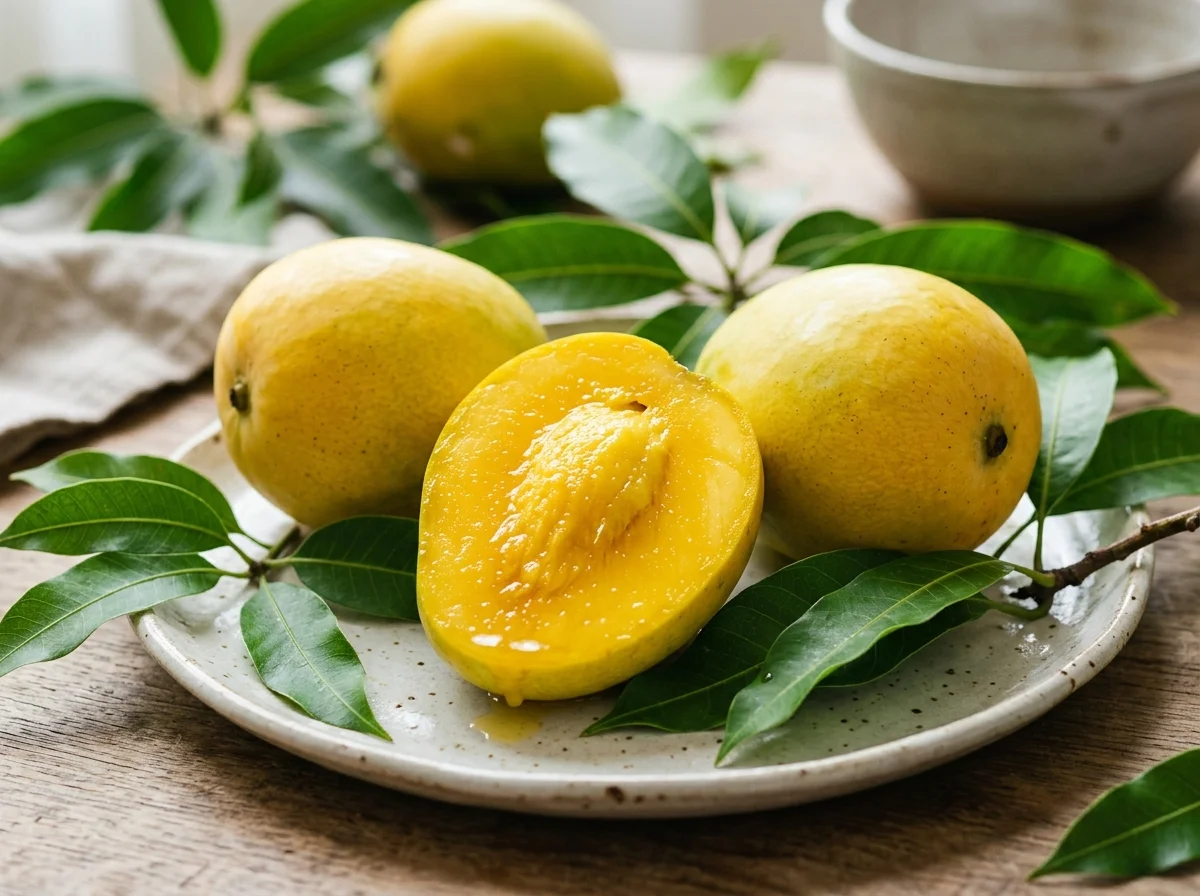
The fruit is medium-sized (220 to 320 grams) with a neat, balanced oval shape and smooth, pale yellow skin when ripe. Saroli is renowned for its high juice content and thin stone, making it a beloved choice for casual summer indulgence and wholesome mango juices.
Its flavor profile is light, refreshing, and pleasantly sweet without being overly cloying, featuring a subtle hint of citrus tang that makes it exceptionally thirst-quenching on hot subcontinental summer afternoons.
Light, sweet, refreshing with gentle citrus acidity
Fresh, mild, refreshing summer tropical scent
Juicy, soft, very tender with minimal fiber
Minimal
How to tell if it is a genuine Saroli:
Explore our complete state-by-state guide mapping 30+ regional names across India.
Traditional early-summer cultivar cultivated across rural orchards in Sindh and lower Punjab.
Historically celebrated as the first cultivar to satisfy mango cravings ahead of mid-season giants like Chaunsa and Sindhri.
Widely praised in regional folklore for its cooling, hydrating properties.
Quick reference for identifying common healthy vs. problematic conditions:
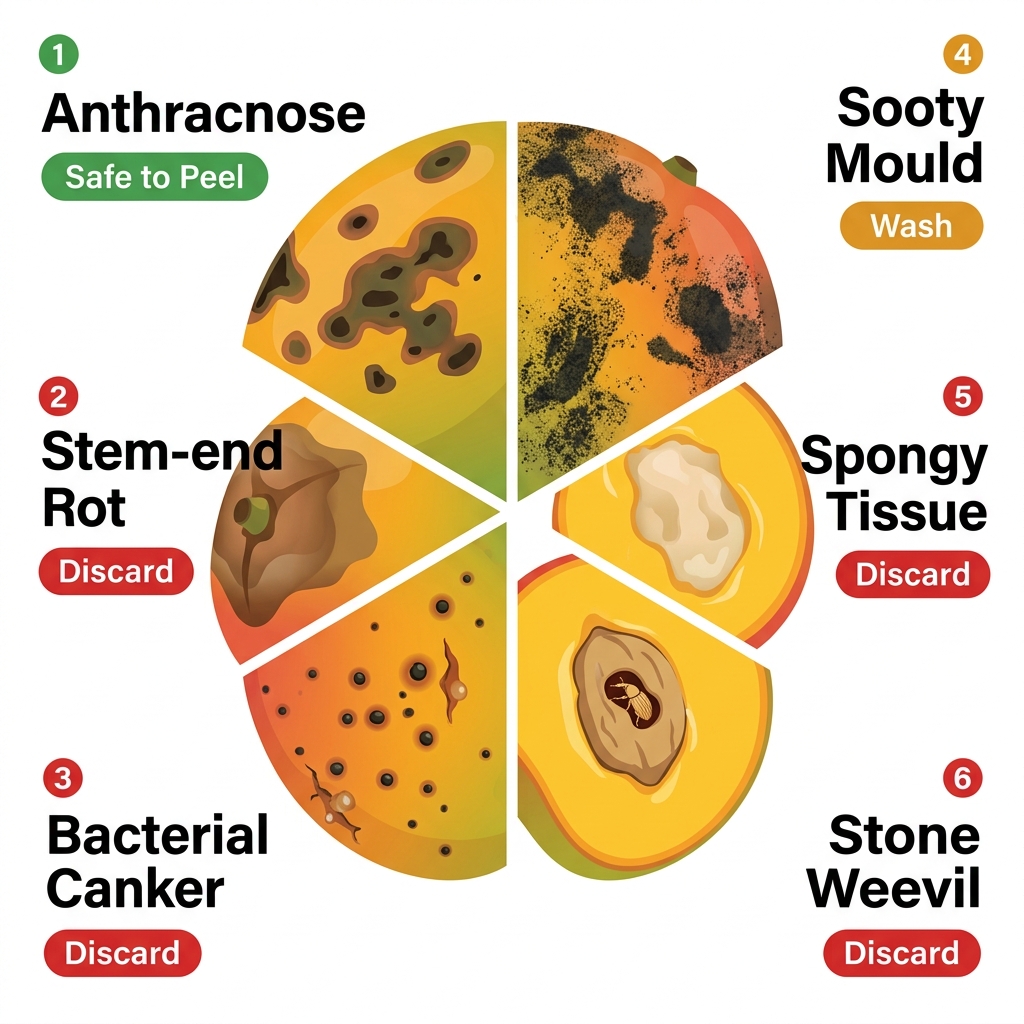
Pro Tip: Surface spots like Anthracnose are often harmless to the fruit inside, while Bacterial Canker or Stem-end Rot usually require discarding the fruit.
Ensure your Saroli mango is naturally ripened. Use Food Guard to detect Calcium Carbide and other chemical ripeners.