
📚 Regional Mango Names Guide
Did you know that Alphonso is called Badami in Karnataka and Hapus in Maharashtra? Explore our complete state-by-state guide mapping 30+ regional names across India.
Also known as: Madame Francis, Francine
Typical diseases and disorders affecting this variety:
Detect these early using our Plant Guard AI.
Read our detailed Mango Diseases & Safety Guide.
Francis (also known as Madame Francis) is a globally recognized premium mango variety that originated in Haiti. Known for its outstanding dessert quality and distinctive form, it has been successfully cultivated in select tropical horticultural zones in India, adding a unique international flair to the domestic market.
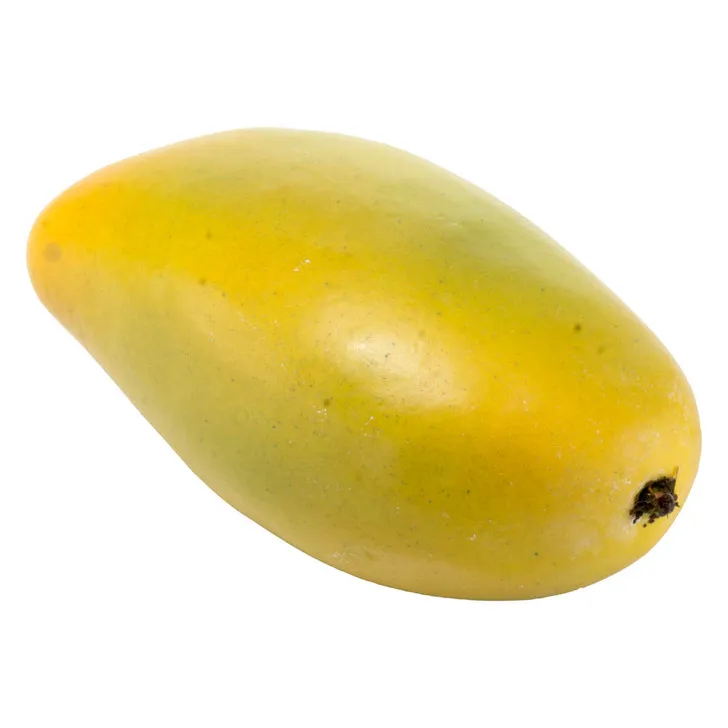
Physically, Francis is a large mango, typically weighing between 400 and 600 grams, with a highly unique, elongated kidney-like shape that is often flattened on the sides. The skin is smooth, thin, and ripens from a bright green to a brilliant, uniform lemon-yellow with light green undertones.
The flavor is extremely sweet, rich, and complex with distinct spicy, tropical, and nutmeg-like notes. The pulp is a bright yellow-orange, highly juicy, and soft, with a minimal to moderate fiber content that is fine and does not detract from the eating experience. It carries a strong, sweet, and tropical perfume.
The Francis season is mid-to-late, starting in mid-May, reaching its peak in June, and continuing through late July. In India, it is primarily grown in specialized orchards in Andhra Pradesh, Tamil Nadu, and parts of Karnataka that focus on premium and export-oriented varieties.
Compared to native elongated varieties like Totapuri, Francis is vastly superior in eating quality, offering a melting sweetness instead of Totapuri's woody, sour crunch. While Totapuri is highly commercial, Francis is a true gourmet dessert mango, although its soft skin makes it much more delicate to handle.
Storage and post-harvest characteristics of Francis are moderate. It has a shelf life of 4 to 6 days at ambient conditions. Due to its soft, juicy flesh and flattened shape, it requires highly careful hand-picking, custom tray packing, and rapid transport to premium retail outlets to prevent bruising.
For comparisons with other regional and international mango cultivars, explore our profiles on Mingolo and Miyazaki.
Sweet and bold with peachy and spicy notes
Strong, fruity, bold
Juicy, fibrous/stringy
Fibrous
How to tell if it's a genuine Francis:
Did you know that Alphonso is called Badami in Karnataka and Hapus in Maharashtra? Explore our complete state-by-state guide mapping 30+ regional names across India.
Francis is the most famous and highly exported mango variety from Haiti, where it is considered a national horticultural treasure.
Its introduction to Indian orchards has catered to high-end boutique fruit markets and international export houses looking for unique global shapes.
It remains a favorite among collectors of rare and international mango cultivars in southern India.
Quick reference for identifying common healthy vs. problematic conditions:
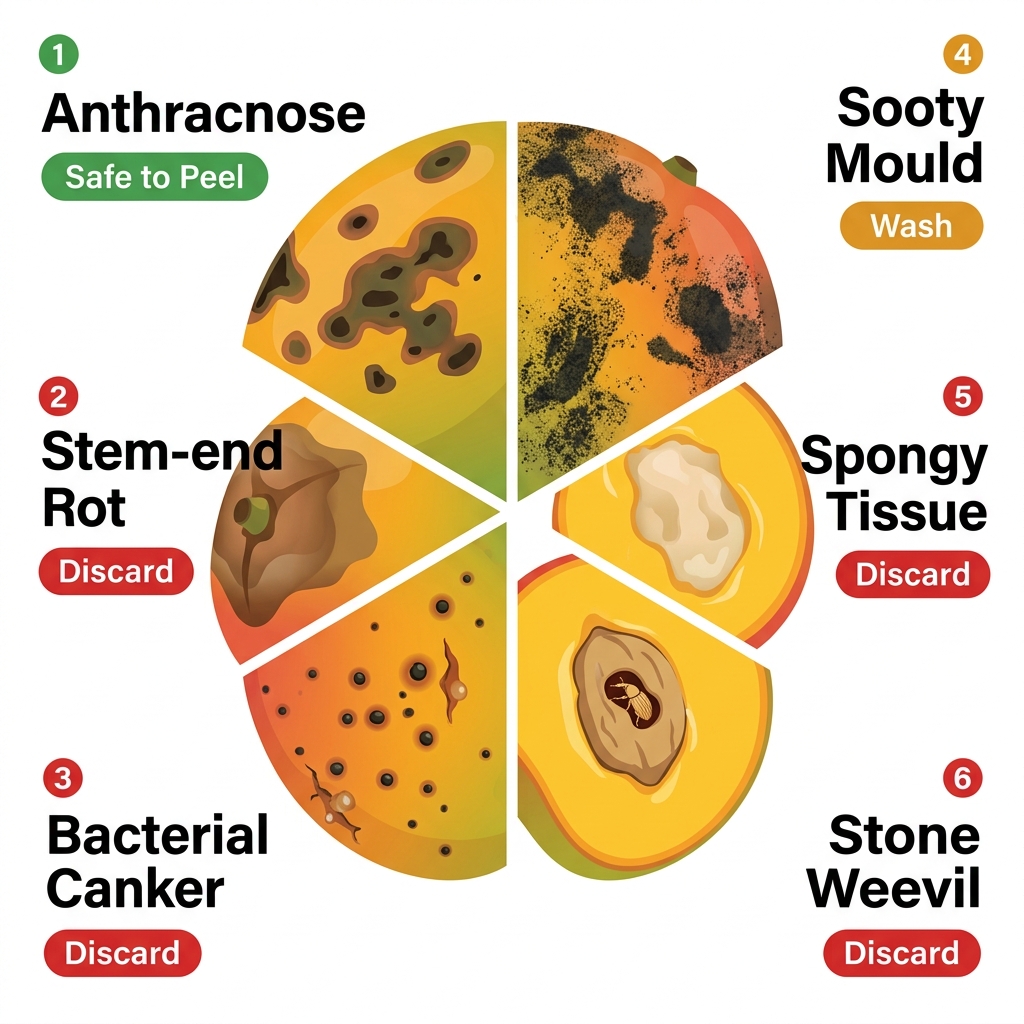
Pro Tip: Surface spots like Anthracnose are often harmless to the fruit inside, while Bacterial Canker or Stem-end Rot usually require discarding the fruit.
Ensure your Francis mango is naturally ripened. Use Food Guard to detect Calcium Carbide and other chemical ripeners.