How to Test Cucumber for Adulteration (Malachite Green, Formalin, Pesticide)
⚡ Quick 60-Second Cucumber Injection & Wax Verdict
Oxytocin Injections & Synthetic Gloss Wax: Immature cucumbers are injected with oxytocin hormone to swell in size overnight, and coated with petroleum wax to trap moisture.
Slice in half lengthwise. Naturally grown cucumbers have a dense, crisp seed cavity. Oxytocin-forced cucumbers have large hollow voids and watery, spongy pulp.
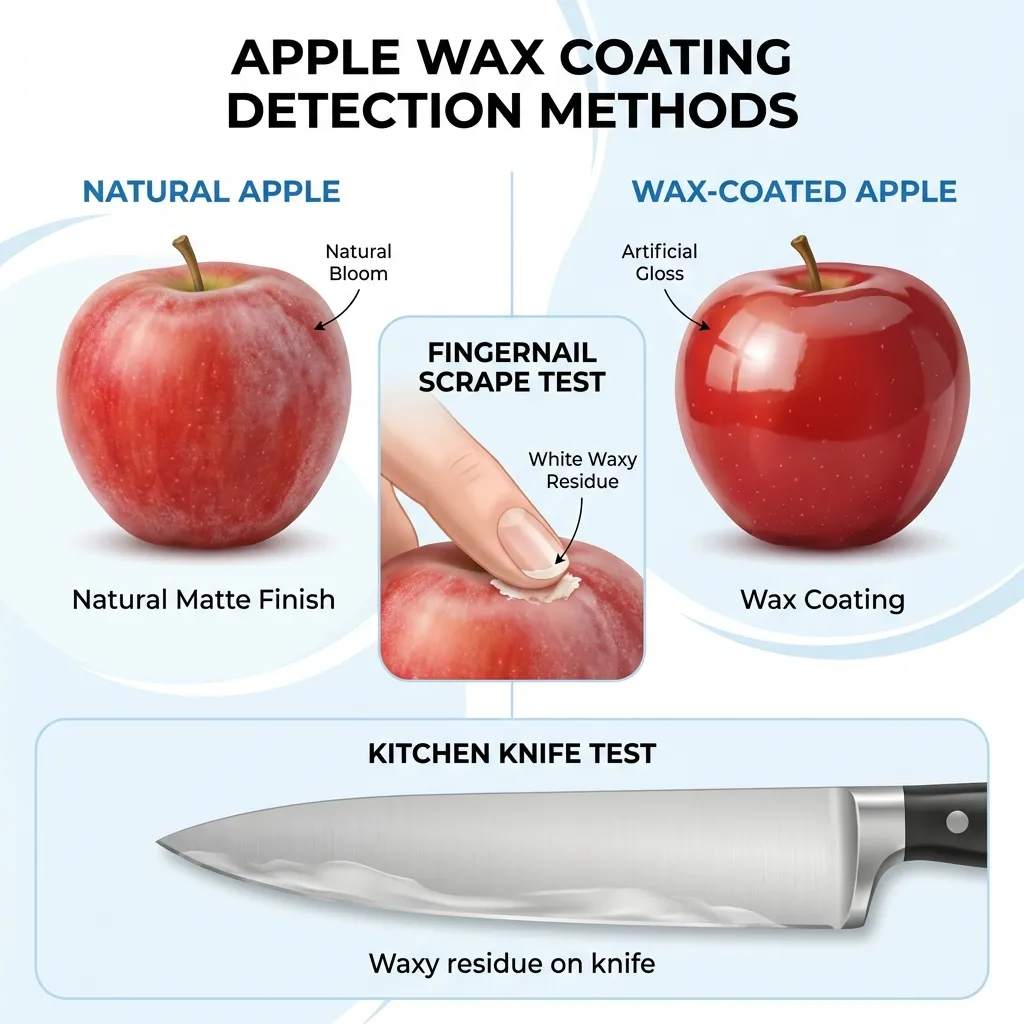
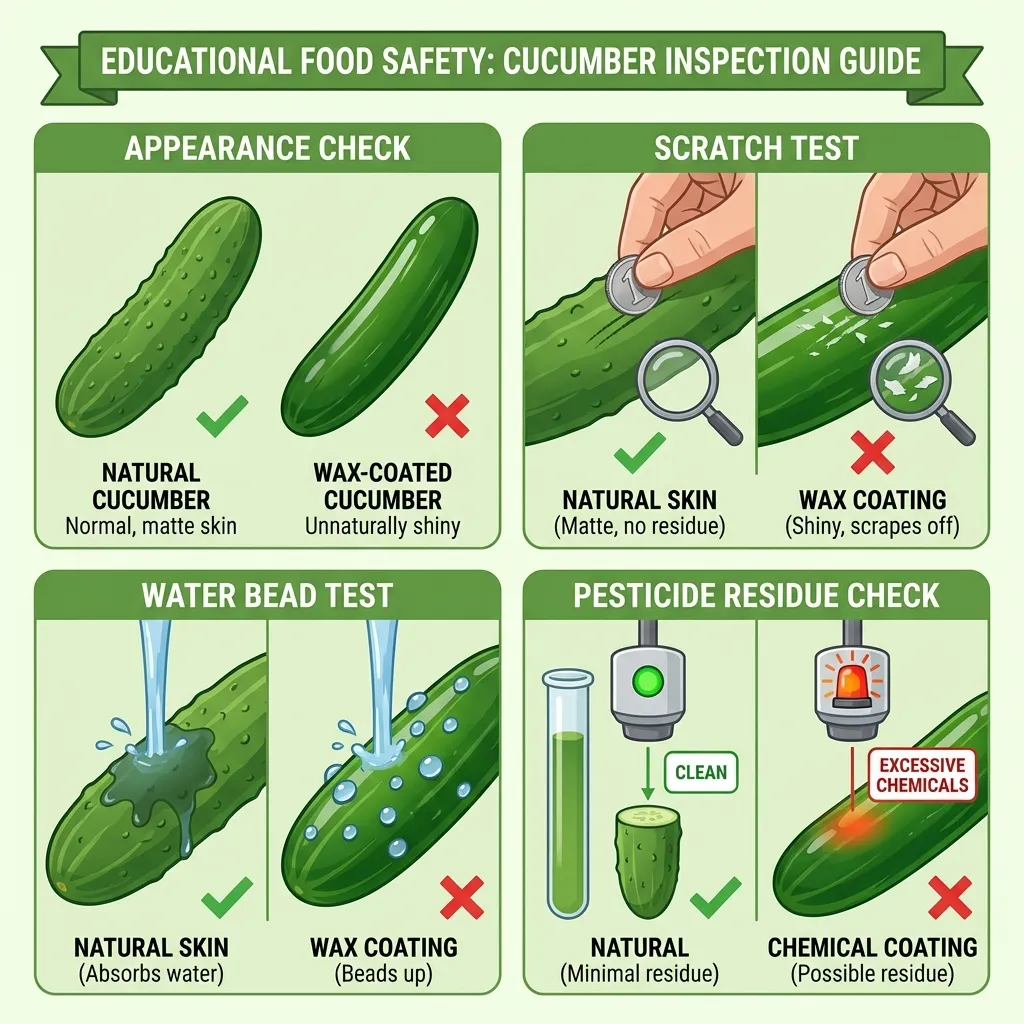
Scrape the outer skin with your thumbnail. If a white, flaky, waxy film comes off under your nail, the cucumber has been commercially waxed—peel thoroughly.
Slice 1/2 inch from the stem and taste. Excessive bitter cucurbitacin compounds indicate environmental stress or chemical growth stimulants.
To learn more about food safety tests and home adulteration detection, read our guides on Tomatillo, Bitter Gourd (Karela), Pumpkin (Kaddu), and our guide to dangerous vegetable look-alikes.
Drop Cucumber (Kheera) photo here to test purity
or click to browse • Supports JPG, PNG, WEBP • Paste with Ctrl+V
Inspection Guide
Click to enlarge
Cucumber Purity & Dye Detection
Cucumbers are frequently treated with Malachite Green dye to make old, yellowish cucumbers look vibrant and "vine-fresh."
1. The Cotton Rub Test (Dye):
Moisten a piece of white cotton with water or vegetable oil and rub the surface of the cucumber. If the cotton turns green, it confirms the presence of Malachite Green, a toxic industrial dye.
2. The Scent Test (Formalin):
Smell the stem end. If it has a sharp, "hospital-like" pungent smell, it has likely been treated with Formalin to extend its shelf life.
3. The Water Leaching Check:
Place a cut slice of cucumber in a glass of water. If the water turns green, it indicates the dye has penetrated the skin.
4. Visual Texture Check:
Naturally fresh cucumbers have a slight "dusty" or matte finish and tiny natural bumps. If they look unnaturally glossy and feel "waxy" or slippery, they may be coated with preservatives.
5. Green Veggie Dye Alert:
Preservatives and green dyes are also heavily applied to other green skin vegetables. Check our guides for Ridge Gourd and Bitter Gourd to detect artificial greening at home.
Quick Safety Tips
- Rub skin with wet cotton - check for green dye transfer
- Smell the ends for sharp chemical odors (Formalin)
- Always peel cucumbers if you suspect dye or heavy wax
- Soak in salt water for 20 minutes to reduce surface pesticides
Primary Chemical Concerns
Health Risks & Impacts
Multilingual Local Names
Common Storage Pests
Cucumber Beetle (Diabrotica)
medium riskSmall yellow-and-black beetles that feed on the fruit and spread wilt bacteria.
Detection
- Small, scarred tracks on the skin
- Yellow/black beetles near the produce
- Soft, mushy spots
Prevention
- Keep in the refrigerator
- Check for skin scars before buying
Corrective Action: What to do?
If you see scarred tracks or small holes, peel the cucumber deeply. If the fruit is soft or has internal rot, **discard it**, as these beetles often spread bacterial wilt.
Regulatory Corner: FSSAI (Food Safety and Standards Authority of India) / Codex Alimentarius (CXS 303-2011)
Regulation: Food Safety and Standards (Contaminants, Toxins and Residues) Regulations 2011, Schedule 2: MRLs in Cucurbits
Legal Limit:Copper sulfate dye wash (Malachite green / copper salts): 0.0% (Strict zero tolerance); Oxytocin growth injections: 0.0%; Imidacloprid: Max 1.0 ppm; Mancozeb: Max 2.0 ppm; Decay / rot: Max 1.0%
Report Adulteration to FSSAI (Food Safety and Standards Authority of India) / Codex Alimentarius (CXS 303-2011)