
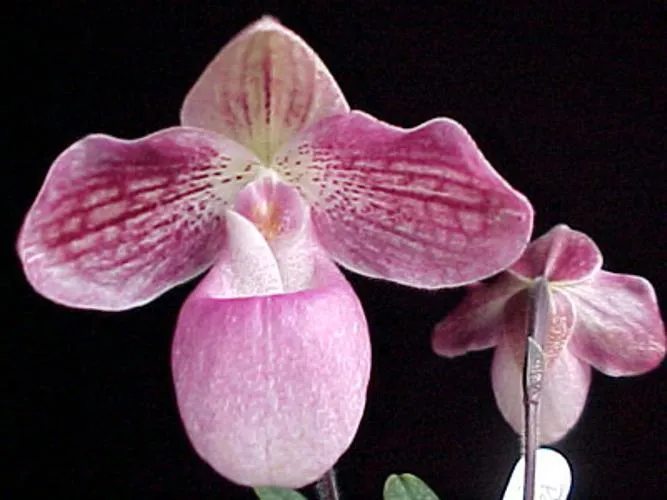
Silver Slipper Orchid
Paphiopedilum micranthum
How to Identify Silver Slipper Orchid
NON-TOXIC. 100% safe for cats and dogs. Integrates perfectly with our active, specialized Pet Guard Orchid safety guide.
Care & Growing Guide
Seasonal Blooming & Hardiness
Seasonal Blooming Calendar:
- Peak Bloom: Summer (typically June through September).
- Planting Time: Sow seeds directly outdoors in early spring after the last frost, or transplant nursery starts in late spring.
Bloom Timeline
About Silver Slipper Orchid
The Silver Slipper Orchid, botanically designated as Paphiopedilum micranthum and popularly known as the Pocket Orchid, is a critically endangered, terrestrial slipper orchid belonging to the Orchidaceae family. Native to the steep, mist-shrouded limestone cliffs and rocky moss-covered ravines of Southern China (Guangxi, Yunnan, and Guizhou provinces) and Northern Vietnam, this extraordinarily rare monocot is highly prized by collectors for its stunningly unique, inflated pocket-like pouch blossoms.
Standing as one of the smallest and most slow-growing members of the slipper orchid family, Paphiopedilum micranthum grows from a short creeping rhizome, lacking pseudobulbs. It produces a compact, handsome basal rosette composed of 4 to 6 thick, leathery, oblong leaves measuring 3 to 5 inches in length. The foliage features a striking dark-green marbled pattern with silver-white mottling on top and dense purplish-black spotting underneath.
The reproductive architecture of the Silver Slipper Orchid is represented by the botanical floral formula % ⚥ P3+3 A(1+1) G̅(3). This formula indicates that the flower is bilaterally symmetrical (zygomorphic) and bisexual. The perianth features 3 sepals (the upper sepal is white with rich pink-violet veining) and 3 petals, with the lower petal dramatically modified into an enormously inflated, egg-shaped pink pouch (slipper) that measures 2 inches in length. The column carries 2 functional stamens and a central sterile staminode.
Horticulturally, the Pocket Orchid is a highly specialized species that requires careful environmental control to mimic its limestone cliff habitat. It demands bright, indirect, filtered light with cool-to-intermediate temperatures (65 to 75°F during the day and a distinct drop to 50 to 60°F at night). It requires high relative humidity (60 to 80%) and a sharply draining, alkaline potting mix containing bark, perlite, and crushed limestone chips, keeping roots damp but never soggy.
The genus name Paphiopedilum is a classical combination of Paphos (the sacred Cypriot city of Venus, the goddess of love) and the Greek word 'pedilon' (meaning slipper), while the specific epithet micranthum paradoxically translates to 'small-flowered'—a name given because the original pressed botanical specimen featured an underdeveloped flower. Famed on the Indian subcontinent as Chappal Orchid (चप्पल ऑर्किड) in Hindi, it is a global botanical symbol of rarity, patience, and exquisite design.
For pet owners seeking to grow rare and exotic indoor plants, the Silver Slipper Orchid is a safe, chemical-free, and non-toxic selection. Paphiopedilum micranthum is classified as completely NON-TOXIC to cats, dogs, and horses by major global veterinary safety databases. Chewing on its leathery marbled leaves or inflated pouch poses no risk of chemical poisoning, making it a completely pet-friendly houseplant. To discover more safe, high-integrity orchids, check out our Pet Guard Orchid safety guide.
Silver Slipper Orchid is occasionally confused with wild Hyacinths or other terrestrial orchids like the Monkey Orchid. It is easily distinguished because true Paphiopedilum species feature spotted, non-tubular lanceolate basal leaves and distinct star-lipped, hooded flowers with a prominent pouch, whereas hyacinths have narrow strap leaves and bell-shaped flowers. It pairs beautifully with shade-loving perennials like Canterbury Bells or upright Tree Mallow. To explore more wild orchids, check out our Flower Identifier.
For more botanical profiles and flower identification features, see our guides on Silverbush and Spear Thistle (Bull Thistle).
Floral Formula & Features
Zygomorphic, bisexual, 3 sepals (lateral sepals fused), 3 petals (one modified into an inflated pink pouch slipper), 2 functional stamens plus a central shield-like staminode, 3 fused carpels with inferior ovary
- Scientific Name & Classification: Paphiopedilum micranthum (Orchidaceae). Famed as Silver Slipper Orchid, Pocket Orchid, and Chappal Orchid.
- Identification Markers: Marbled dark-green and silver leathery basal leaves. Single flower featuring an enormously inflated, egg-shaped pink slipper pouch.
- Floral Formula (% ⚥ P3+3 A(1+1) G̅(3)): Zygomorphic, bisexual flowers with a large pink slipper pouch, 2 fertile stamens, a shield-like staminode, and inferior ovary.
- Growing Requirements: Bright indirect light; cool-to-intermediate temperatures and high humidity. Demands an alkaline, sharply draining limestone-bark mix (Zones 10-11).
- Cultural Significance: Genus name honors Venus's slipper. Critically endangered in the wild due to habitat loss, with wild collection strictly illegal.
- Safety & Toxicity: NON-TOXIC. 100% safe for cats and dogs. Integrates perfectly with our active, specialized Pet Guard Orchid safety guide.
- Common Look-alikes: Confused with Phragmipedium orchids, but distinguished by its single-flowered habit and unique egg-shaped inflated pink pouch.
- Internal Links: Thrives in cool, shady greenhouse conditions beside moisture-loving Canterbury Bells or upright Tree Mallow; explore more in our Flower Identifier.
Names in Different Languages
Botanical Classification: Silver Slipper Orchid belongs to the Orchidaceae family. Learn how to identify its floral symmetry, stamen arrangement, and structural formulas in our Botanical Family Classification Guide.
Toxicity & Safety
Frequently Asked Questions
What is Floral Formula?
A floral formula is a symbolic representation of a flower's structure using letters, numbers, and special symbols. It provides a concise way to describe the arrangement and number of floral parts.
This formula describes the flower's symmetry, sepals, petals, stamens, and carpels in a standardized format.
Formula Sequence
- Bract: Br or Ebr
- Bracteole: Brl or Ebrl
- Symmetry: % (Radial) or ⊕ (Bilateral)
- Sex: ♀ (Female), ♂ (Male), or ⚥ (Bisexual)
- Calyx/Sepal: K<number> (Free or Fused)
- Corolla/Petal: C<number> (Free or Fused)
- Androecium: A<number> (Free or Fused)
- Gynaecium: G<number> (Superior or Inferior Ovary)
Symbol Meanings
- Numbers: Indicate quantity of parts
- Parentheses (): Parts are fused together
- Plus (+): Parts in different whorls
- Underline: Superior ovary position
- Overline: Inferior ovary position
- ∞: Numerous parts (too many to count)
Understanding floral formulas helps botanists quickly identify and classify flowers based on their structural characteristics.
Similar Flowers
Discover flowers that share botanical characteristics
Same Family
4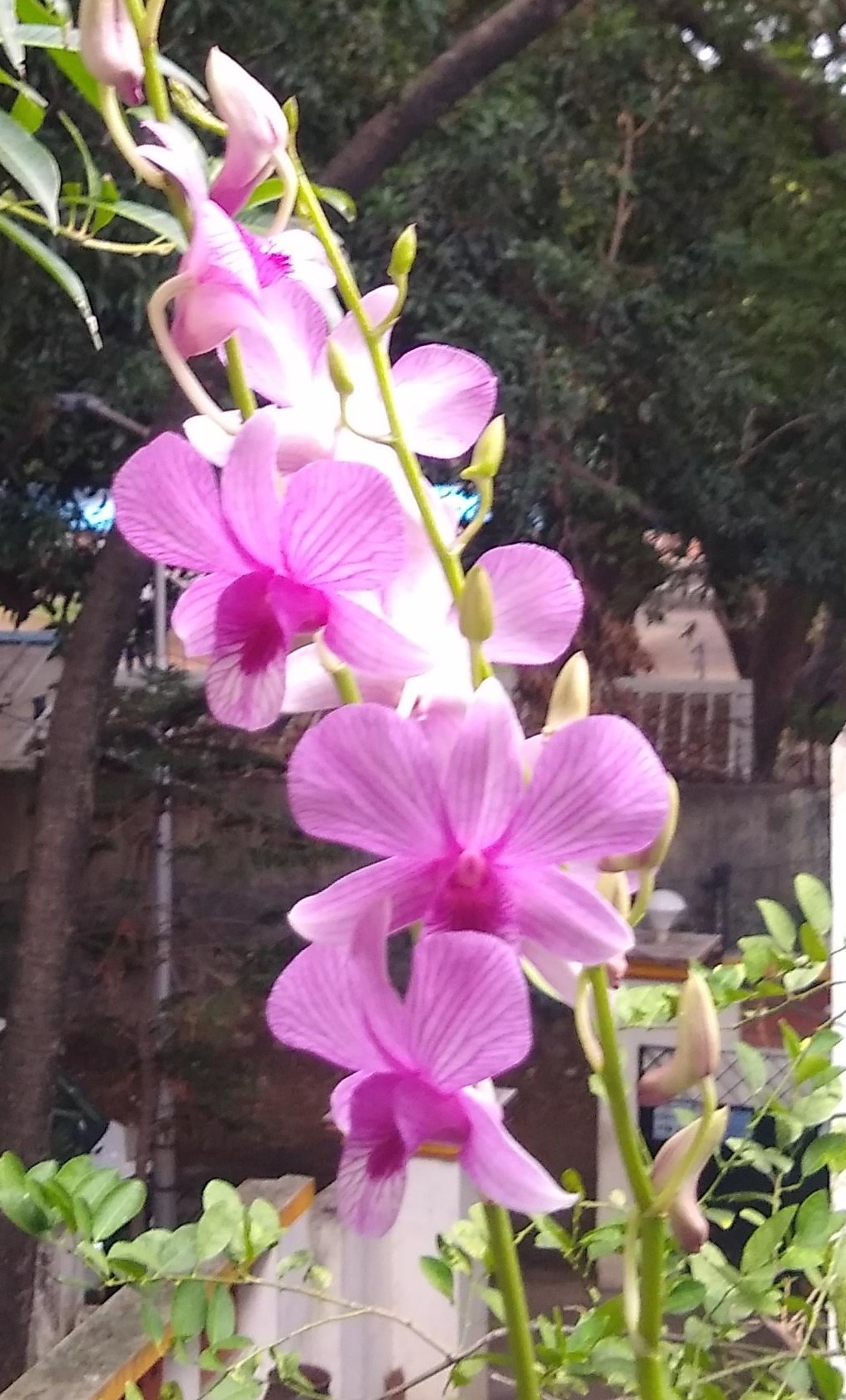
Dendrobium Orchid
Dendrobium
The Dendrobium Orchid, a diverse and captivating genus within the Orchidaceae family, stands as one of the most prolific and popular orchids in the world. With over 1,800 species and countless hybrids, these "tree-living" plants (the name *Dendrobium* literally means "life on a tree" in Greek) ar...
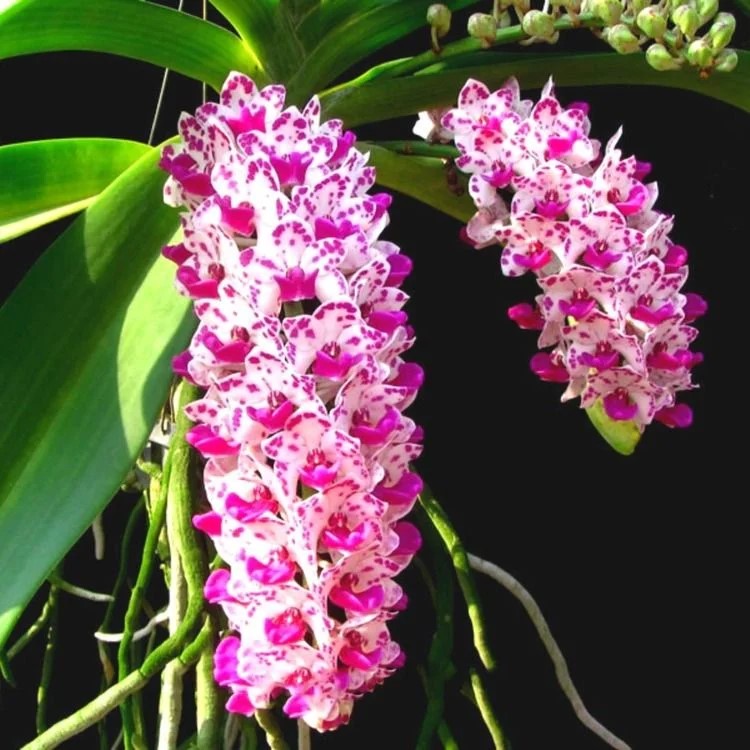
Fox Tail Orchid (Rhynchostylis)
Rhynchostylis retusa
The Fox Tail Orchid (Rhynchostylis retusa) is an extraordinary, highly fragrant epiphytic orchid belonging to the Orchidaceae family. Native to the warm, humid tropical forests of the Indian subcontinent, Southeast Asia, and Indonesia, it is globally celebrated for its incredibly unique and drama...
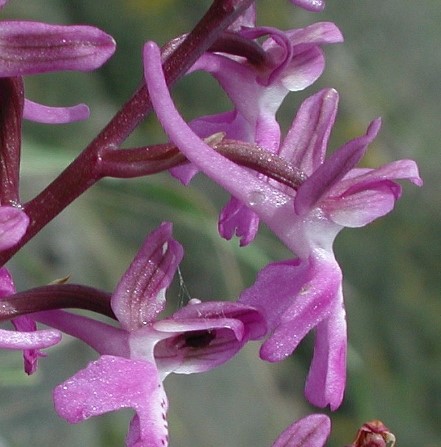
Orchis Orchid
Orchis
The Orchis Orchid, representing the eponymous genus Orchis within the family Orchidaceae, is a group of historically significant terrestrial orchids native to the meadows, grasslands, and light woodlands of Europe, North Africa, and the Mediterranean basin. Unlike common tropical epiphytic orchid...
Cattleya orchids
Cattleya
The Cattleya Orchid, botanically classified as Cattleya and celebrated globally as the 'Queen of Orchids' or 'Corsage Orchid,' is a spectacular genus of epiphytic perennial plants in the Orchidaceae family. Native to the tropical rain forests and elevated cloud forests of Central and South Americ...
Similar Characteristics
4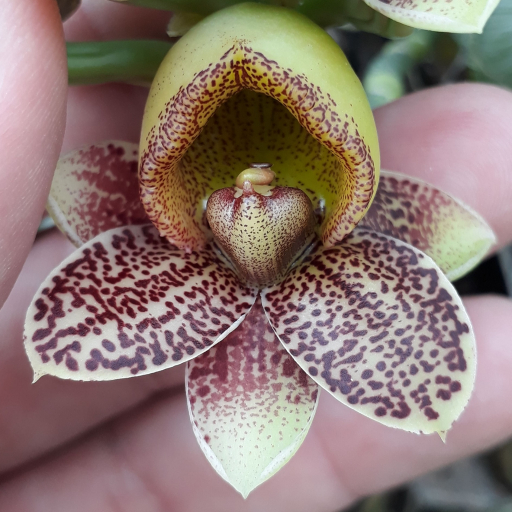
Catasetum Orchid
Catasetum
The Catasetum Orchid, belonging to the botanical genus Catasetum within the prominent Orchidaceae family, is a highly unique and fascinating group of epiphytic perennial orchids. Native to the warm, tropical lowlands and seasonally dry forest canopies of Central and South America—with particular...
Orchis Orchid
Orchis
The Orchis Orchid, representing the eponymous genus Orchis within the family Orchidaceae, is a group of historically significant terrestrial orchids native to the meadows, grasslands, and light woodlands of Europe, North Africa, and the Mediterranean basin. Unlike common tropical epiphytic orchid...
Boat Orchid
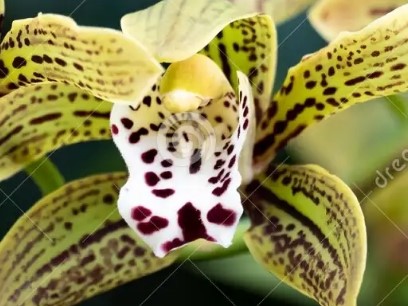
Cymbidium
The Boat Orchid, scientifically known as Cymbidium and belonging to the family Orchidaceae, is a highly popular, exceptionally elegant sympodial perennial orchid. Native to the tropical and subtropical regions of Asia—ranging from the high-altitude forests of the Himalayas through China, Japan, a...
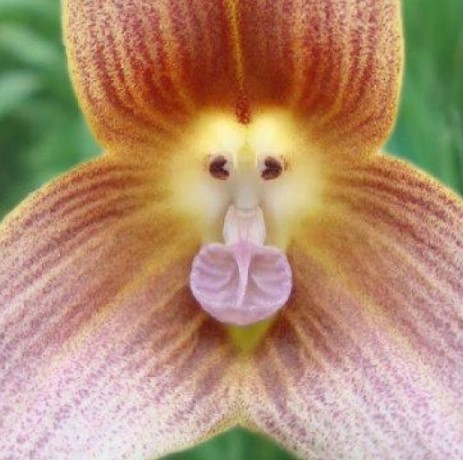
Monkey Orchid
Dracula simia
The Monkey Orchid, botanically designated as Dracula simia and belonging to the family Orchidaceae (the orchid family), is an extraordinary, globally famous epiphytic perennial. Native to the cool, misty, and high-elevation cloud forests of the Andes across Ecuador, Colombia, and Peru at altitude...