
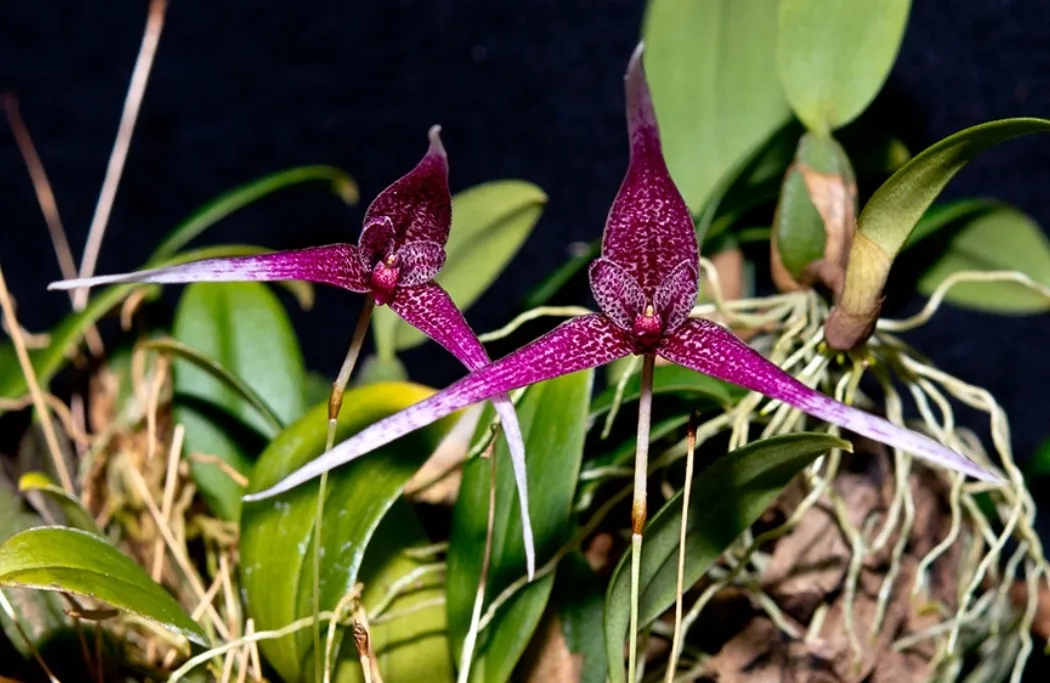
Bulbophyllum Orchid
Bulbophyllum
How to Identify Bulbophyllum Orchid
Care & Growing Guide
Seasonal Blooming & Hardiness
Seasonal Blooming Calendar:
- Peak Bloom: Summer (typically June through September).
- Planting Time: Sow seeds directly outdoors in early spring after the last frost, or transplant nursery starts in late spring.
Bloom Timeline
About Bulbophyllum Orchid
The Bulbophyllum orchid, representing the largest genus in the Orchidaceae family, is a true botanical marvel boasting over 2,000 highly diverse species. Native to tropical and subtropical rainforests across Asia, Africa, and the Americas, these epiphytic wonders grow primarily on tree bark in humid, high-canopy environments. They are widely considered the true eccentrics of the orchid world, famous for their bizarre, otherworldly floral structures and highly unique, often deceptive, pollination strategies.
Identification of Bulbophyllums is characterized by their creeping rhizomes bearing distinct, bulbous structures called pseudobulbs, each typically topped with a single leathery leaf. The flowers they produce are incredibly diverse, ranging from tiny 2mm blooms to spectacular 15-inch displays. The defining feature of this genus is their unique hinged lip (labellum), which is so delicately attached that it wobbles or bounces in the slightest breeze. Colors are often striking, mottled shades of red, purple, yellow, and brown, sometimes adorned with fleshy hairs or fringes that mimic the appearance of insects or decaying matter.
The floral formula for the Bulbophyllum is % ⚥ P3+3 A1 G(3). This denotes a bilaterally symmetrical and bisexual flower. It features a perianth of 6 tepals (3 outer sepals and 3 inner petals, with one highly modified into the mobile lip). The reproductive structure consists of a single stamen fused with the style to form a column, sitting atop an inferior ovary composed of 3 fused carpels. This complex architecture forces specific insects into a highly specialized pollination dance.
Growing Bulbophyllum orchids requires a dedicated environment that mimics their native tree-canopy habitats. They demand high humidity (60-80%), excellent air circulation, and bright, dappled shade. Direct, harsh sunlight will easily scorch their leaves. They thrive in warm to intermediate temperatures (65-85°F) and require a well-draining epiphytic mix, shallow pans, or to be mounted directly on cork bark or tree fern slabs, as their roots prefer to spread laterally rather than dig deep.
Culturally, these orchids are highly prized by specialized collectors for their strange beauty and foul odors. Many species have evolved to mimic the scent of decaying meat or fungus. This evolutionary trait specifically targets and attracts their primary pollinators: carrion flies. While unconventional, this fascinating adaptation makes them stand out in the botanical world.
Bulbophyllum orchids are generally NON-TOXIC to humans and pets, making them completely safe (though delicate) additions to indoor vivariums and greenhouses.
Common look-alikes include Cirrhopetalum (which is now largely grouped into the Bulbophyllum genus) or Masdevallia orchids. Masdevallias, however, require much cooler growing conditions and lack the distinctive, plump pseudobulbs scattered along a creeping rhizome that firmly characterize Bulbophyllums. To discover more unique species, explore our Flower Identifier. You can compare its epiphytic nature to the Ball Moss or its exotic flair to the Anthurium and Passion Flower.
Floral Formula & Features
Bilaterally symmetrical, bisexual, 6 tepals (3 sepals + 3 petals with one modified into a hinged lip), 1 stamen fused with style into column, 3 fused carpels with inferior ovary
- Scientific Name & Classification: Bulbophyllum spp. (Orchidaceae). Representing the largest genus of orchids globally.
- Identification Markers: Plump pseudobulbs growing on a creeping rhizome. Flowers feature a distinctive hinged lip that wobbles in the breeze to attract pollinators.
- Floral Formula (% ⚥ P3+3 A1 G(3)): Bilaterally symmetrical, bisexual, 6 tepals (3 sepals, 3 petals with one modified lip), 1 fused stamen/column, 3 fused carpels.
- Growing Requirements: Bright, dappled shade, high humidity (60-80%), and warm temperatures. Best grown mounted on bark or in shallow, well-draining orchid pans.
- Cultural Significance: Highly sought after by specialized collectors for their bizarre shapes and unique scents, which often mimic decaying matter to attract carrion flies.
- Safety & Toxicity: NON-TOXIC. Safe for households with pets, commonly grown in indoor terrariums.
- Common Look-alikes: Occasionally confused with Masdevallia orchids, but Masdevallias lack the prominent pseudobulbs characteristic of Bulbophyllum.
- Internal Links: Expand your orchid knowledge at our Flower Identifier or explore other exotic blooms like Anthurium and Passion Flower.
Names in Different Languages
Botanical Classification: Bulbophyllum Orchid belongs to the Orchidaceae family. Learn how to identify its floral symmetry, stamen arrangement, and structural formulas in our Botanical Family Classification Guide.
Toxicity & Safety
Frequently Asked Questions
What is Floral Formula?
A floral formula is a symbolic representation of a flower's structure using letters, numbers, and special symbols. It provides a concise way to describe the arrangement and number of floral parts.
This formula describes the flower's symmetry, sepals, petals, stamens, and carpels in a standardized format.
Formula Sequence
- Bract: Br or Ebr
- Bracteole: Brl or Ebrl
- Symmetry: % (Radial) or ⊕ (Bilateral)
- Sex: ♀ (Female), ♂ (Male), or ⚥ (Bisexual)
- Calyx/Sepal: K<number> (Free or Fused)
- Corolla/Petal: C<number> (Free or Fused)
- Androecium: A<number> (Free or Fused)
- Gynaecium: G<number> (Superior or Inferior Ovary)
Symbol Meanings
- Numbers: Indicate quantity of parts
- Parentheses (): Parts are fused together
- Plus (+): Parts in different whorls
- Underline: Superior ovary position
- Overline: Inferior ovary position
- ∞: Numerous parts (too many to count)
Understanding floral formulas helps botanists quickly identify and classify flowers based on their structural characteristics.
Similar Flowers
Discover flowers that share botanical characteristics
Same Family
4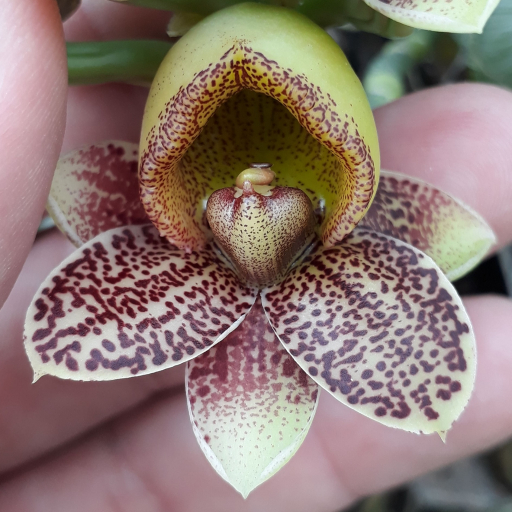
Catasetum Orchid
Catasetum
The Catasetum Orchid, belonging to the botanical genus Catasetum within the prominent Orchidaceae family, is a highly unique and fascinating group of epiphytic perennial orchids. Native to the warm, tropical lowlands and seasonally dry forest canopies of Central and South America—with particular...
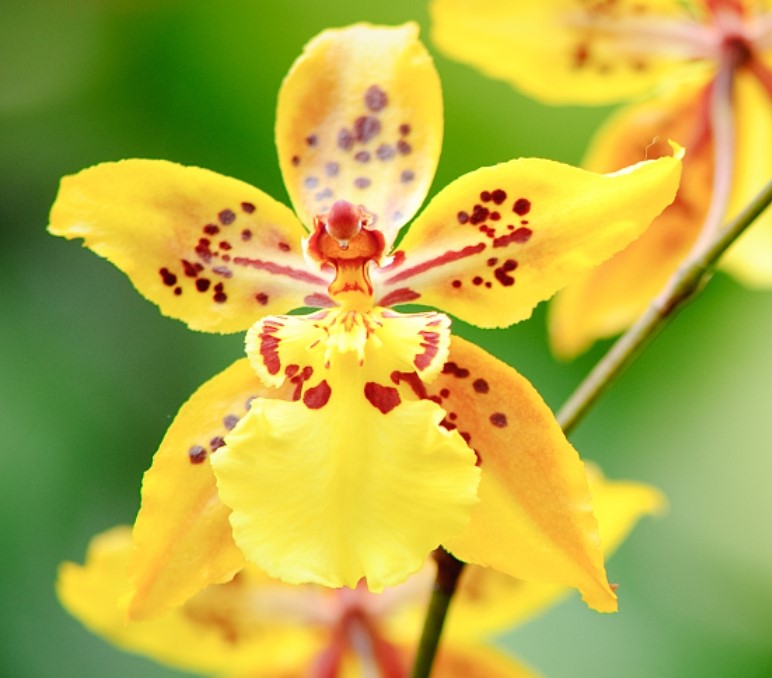
Tolumnia Orchid
Tolumnia
The Tolumnia Orchid, botanically classified under the genus Tolumnia and traditionally known in horticulture as the Equitant Oncidium or Dancing Lady Orchid, is an exceptionally charming, miniature epiphytic plant. Belonging to the family Orchidaceae (the orchid family, tribe Oncidiinae), this sp...
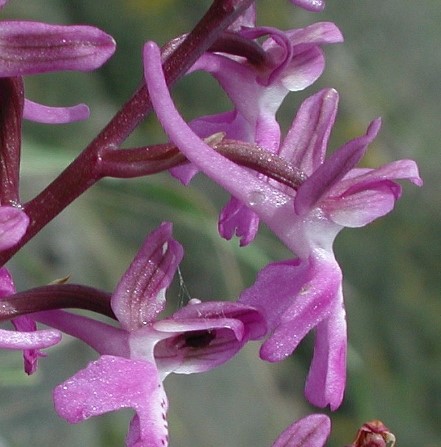
Orchis Orchid
Orchis
The Orchis Orchid, representing the eponymous genus Orchis within the family Orchidaceae, is a group of historically significant terrestrial orchids native to the meadows, grasslands, and light woodlands of Europe, North Africa, and the Mediterranean basin. Unlike common tropical epiphytic orchid...
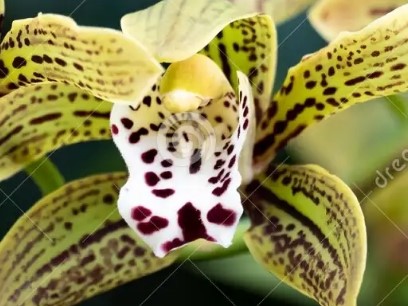
Boat Orchid
Cymbidium
The Boat Orchid, scientifically known as Cymbidium and belonging to the family Orchidaceae, is a highly popular, exceptionally elegant sympodial perennial orchid. Native to the tropical and subtropical regions of Asia—ranging from the high-altitude forests of the Himalayas through China, Japan, a...
Similar Characteristics
4Boat Orchid
Cymbidium
The Boat Orchid, scientifically known as Cymbidium and belonging to the family Orchidaceae, is a highly popular, exceptionally elegant sympodial perennial orchid. Native to the tropical and subtropical regions of Asia—ranging from the high-altitude forests of the Himalayas through China, Japan, a...
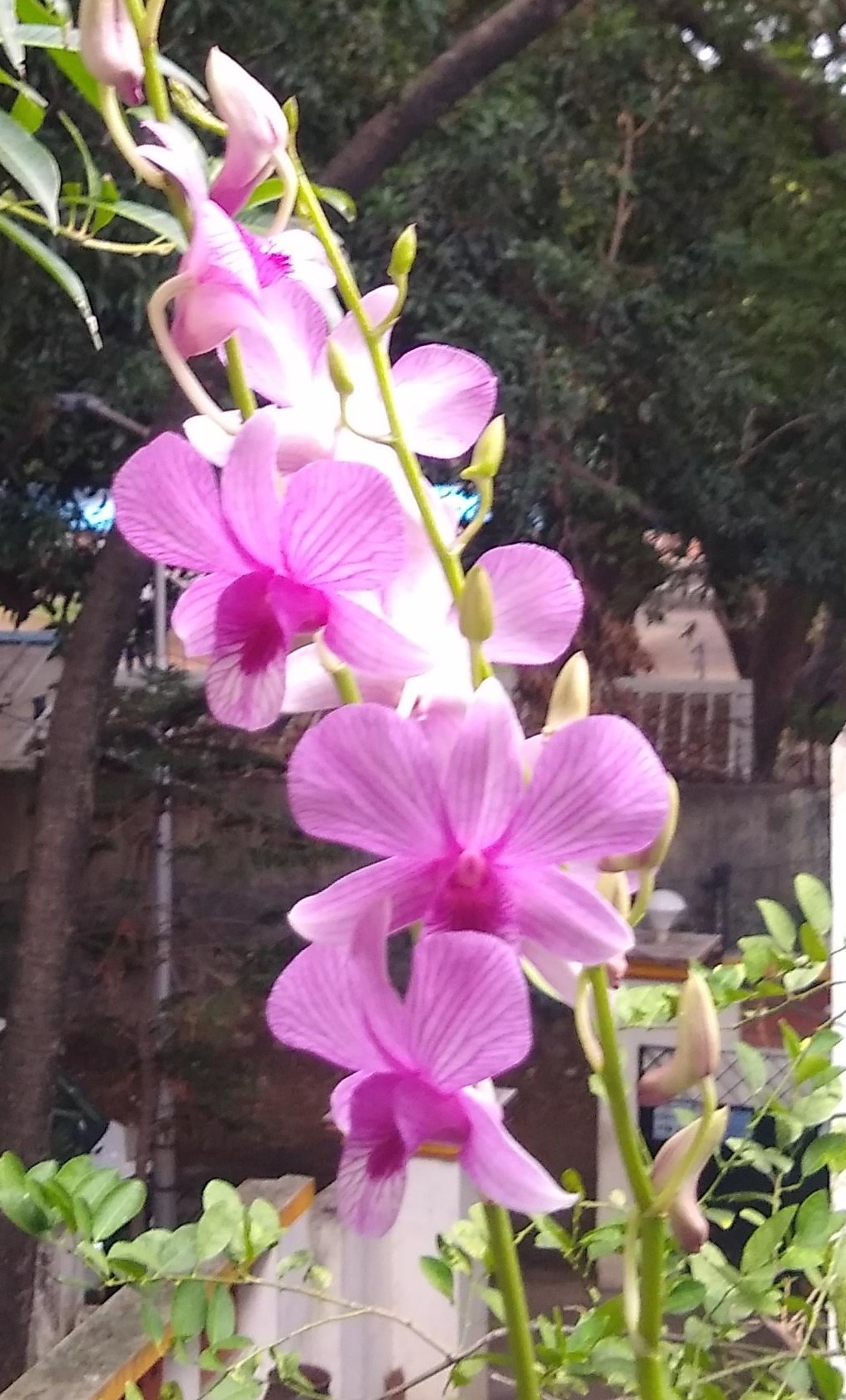
Dendrobium Orchid
Dendrobium
The Dendrobium Orchid, a diverse and captivating genus within the Orchidaceae family, stands as one of the most prolific and popular orchids in the world. With over 1,800 species and countless hybrids, these "tree-living" plants (the name *Dendrobium* literally means "life on a tree" in Greek) ar...
Catasetum Orchid
Catasetum
The Catasetum Orchid, belonging to the botanical genus Catasetum within the prominent Orchidaceae family, is a highly unique and fascinating group of epiphytic perennial orchids. Native to the warm, tropical lowlands and seasonally dry forest canopies of Central and South America—with particular...
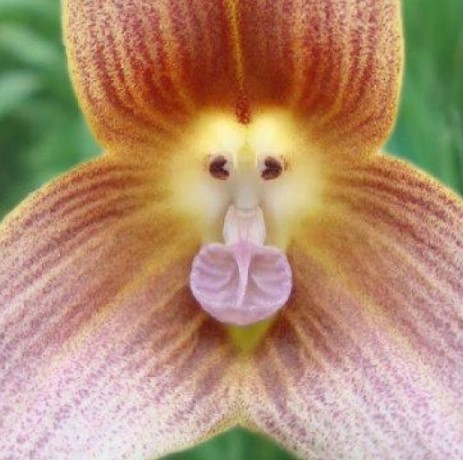
Monkey Orchid
Dracula simia
The Monkey Orchid, botanically designated as Dracula simia and belonging to the family Orchidaceae (the orchid family), is an extraordinary, globally famous epiphytic perennial. Native to the cool, misty, and high-elevation cloud forests of the Andes across Ecuador, Colombia, and Peru at altitude...