
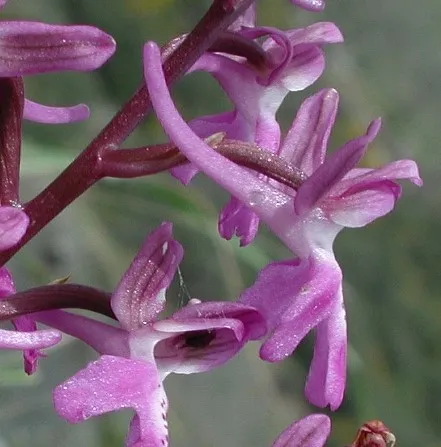
Orchis Orchid
Orchis
How to Identify Orchis Orchid
NON-TOXIC. 100% safe for cats, dogs, and horses, making them a safe and premium addition to modern botanical gardens.
Care & Growing Guide
Seasonal Blooming & Hardiness
Seasonal Blooming Calendar:
- Peak Bloom: Spring to early summer (typically April through June).
- Planting Time: Sow seeds directly outdoors in early spring after the last frost, or transplant nursery starts in late spring.
Bloom Timeline
About Orchis Orchid
The Orchis Orchid, representing the eponymous genus Orchis within the family Orchidaceae, is a group of historically significant terrestrial orchids native to the meadows, grasslands, and light woodlands of Europe, North Africa, and the Mediterranean basin. Unlike common tropical epiphytic orchids that grow on tree bark, this species is entirely ground-dwelling, growing from distinctive paired underground tubers. It stands as a timeless wild species of the European countryside, highly admired for its upright, spectacular flowering spikes that add intense colors to native meadows in spring.
Growing upright to heights of 6 to 24 inches, Orchis orchids produce fleshy, unbranched green stems that emerge from a basal rosette of lance-shaped, glossy leaves, which are often heavily spotted with purplish-black blotches. In spring and early summer (March to June), the stem terminates in a dense, cylindrical flower spike measuring 2 to 8 inches in length and bearing 10 to 50 hooded blossoms. The flowers display a dazzling range of purples, violets, rosy pinks, and pure whites, featuring a prominent, three-lobed lower lip and a backward-pointing, nectar-filled spur.
The reproductive architecture of the Orchis Orchid is highly specialized and represented by the classical floral formula % ⚥ P3+3 A1 G(3). This formula indicates that the flowers are bilaterally symmetrical (zygomorphic) and bisexual. The perianth consists of 6 tepals arranged in two whorls of 3; the upper sepals and petals fuse to form a protective 'helmet' or hood, while the lower petal is modified into a large, decorative three-lobed lip. The androecium and gynoecium are fused into a single central structure (the column or gynostemium) containing 1 functional stamen and an inferior ovary composed of 3 fused carpels.
Orchis species are hardy, cold-tolerant terrestrial perennials that require a distinct winter dormancy period to survive. They thrive in partial shade to full morning sun, demanding well-drained, alkaline to neutral soils rich in decayed organic humus. They are highly dependent on complex, symbiotic mycorrhizal fungi in the soil to germinate and establish, which makes them notoriously difficult to transplant or cultivate in domestic gardens. They perform beautifully in specialized rock gardens and wildflower lawns in USDA hardiness zones 5 through 9.
The genus name Orchis is derived from the ancient Greek word for 'testicle,' direct imagery inspired by the plant's paired, rounded underground tubers. This single genus gave rise to the family name Orchidaceae, making it the linguistic ancestor of all orchids. In Sanskrit, it is historically called वृषकन्दपुष्पम् (Vrishakandapushpam), while in Spanish it is Orquídea orchis. Culturally, the tubers were harvested to produce 'salep,' a highly nutritious, sweet flour used in traditional Mediterranean beverages and desserts.
For pet owners seeking a safe, worry-free garden, the Orchis Orchid is an absolute delight. Orchis orchids are classified as completely NON-TOXIC to cats, dogs, and horses by leading veterinary organizations. Chewing on its fleshy leaves or starch-rich tubers poses no chemical risk of poisoning, making it a highly premium choice for family landscaping. To discover more safe, high-integrity orchids and pet-friendly indoor or outdoor floral selections, please check out our specialized Pet Guard Orchid safety guide.
Orchis Orchid is occasionally confused with wild Hyacinths or other terrestrial orchids like the Monkey Orchid. It is easily distinguished because true Orchis species feature spotted, non-tubular lanceolate basal leaves and distinct star-lipped, hooded flowers with a prominent nectar spur on the back, whereas hyacinths have narrow strap leaves and bell-shaped flowers. It pairs beautifully with shade-loving perennials like Canterbury Bells or upright Tree Mallow. To explore more wild European orchids, check out our Flower Identifier.
For more botanical profiles and flower identification features, see our guides on Fox Tail Orchid (Rhynchostylis) and Monkey Orchid.
Floral Formula & Features
Zygomorphic, bisexual, 6 tepals in 2 whorls (3 sepals + 3 petals, lower modified into a lobed lip), 1 stamen fused with style into column, 3 fused carpels with inferior ovary
- Scientific Name & Classification: Orchis (Orchidaceae). The ancient genus that gave name to the entire orchid family.
- Identification Markers: Upright spikes of hooded purple, pink, or white flowers with 3-lobed lips and nectar spurs. Basal leaves are often dark-spotted.
- Floral Formula (% ⚥ P3+3 A1 G(3)): Bilaterally symmetrical flowers with a fused helmet hood, 3-lobed lip, fused reproductive column, and inferior ovary.
- Growing Requirements: Partial shade to morning sun; requires organic-rich, sharply draining neutral-to-alkaline soil. Demands cold winter dormancy (Zones 5-9).
- Cultural Significance: Name means testicle in Greek, inspired by paired tubers. Tubers historically ground into sweet 'salep' flour in Turkey and Greece.
- Safety & Toxicity: NON-TOXIC. 100% safe for cats, dogs, and horses, making them a safe and premium addition to modern botanical gardens.
- Common Look-alikes: Confused with wild Hyacinths, but distinguished by the highly intricate, helmeted three-lobed orchid flowers and spotted basal leaves.
- Internal Links: Complements other elegant perennials in woodland borders like Canterbury Bells or tall Tree Mallow; explore more orchids in our Flower Identifier.
Names in Different Languages
Botanical Classification: Orchis Orchid belongs to the Orchidaceae family. Learn how to identify its floral symmetry, stamen arrangement, and structural formulas in our Botanical Family Classification Guide.
Toxicity & Safety
Frequently Asked Questions
What is Floral Formula?
A floral formula is a symbolic representation of a flower's structure using letters, numbers, and special symbols. It provides a concise way to describe the arrangement and number of floral parts.
This formula describes the flower's symmetry, sepals, petals, stamens, and carpels in a standardized format.
Formula Sequence
- Bract: Br or Ebr
- Bracteole: Brl or Ebrl
- Symmetry: % (Radial) or ⊕ (Bilateral)
- Sex: ♀ (Female), ♂ (Male), or ⚥ (Bisexual)
- Calyx/Sepal: K<number> (Free or Fused)
- Corolla/Petal: C<number> (Free or Fused)
- Androecium: A<number> (Free or Fused)
- Gynaecium: G<number> (Superior or Inferior Ovary)
Symbol Meanings
- Numbers: Indicate quantity of parts
- Parentheses (): Parts are fused together
- Plus (+): Parts in different whorls
- Underline: Superior ovary position
- Overline: Inferior ovary position
- ∞: Numerous parts (too many to count)
Understanding floral formulas helps botanists quickly identify and classify flowers based on their structural characteristics.
Similar Flowers
Discover flowers that share botanical characteristics
Same Family
4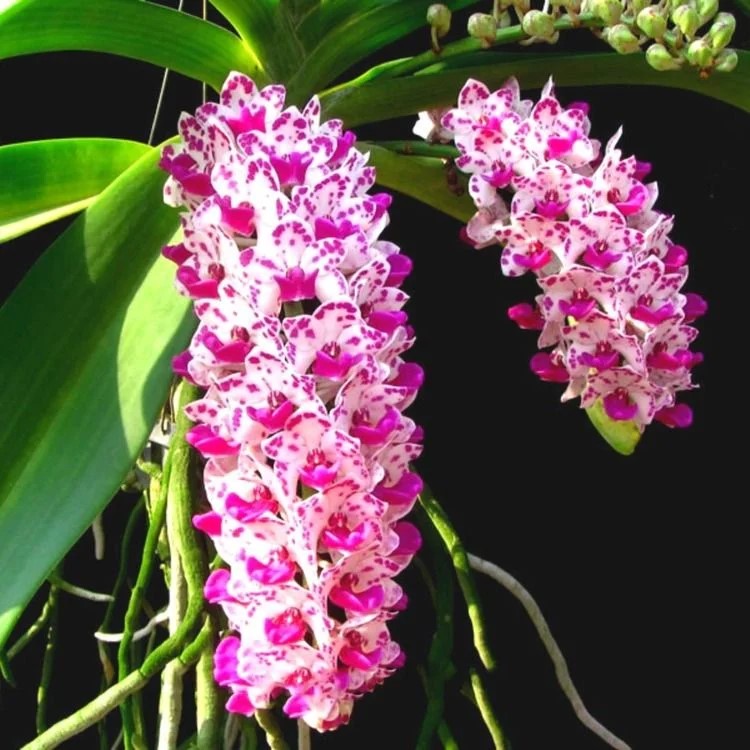
Fox Tail Orchid (Rhynchostylis)
Rhynchostylis retusa
The Fox Tail Orchid (Rhynchostylis retusa) is an extraordinary, highly fragrant epiphytic orchid belonging to the Orchidaceae family. Native to the warm, humid tropical forests of the Indian subcontinent, Southeast Asia, and Indonesia, it is globally celebrated for its incredibly unique and drama...
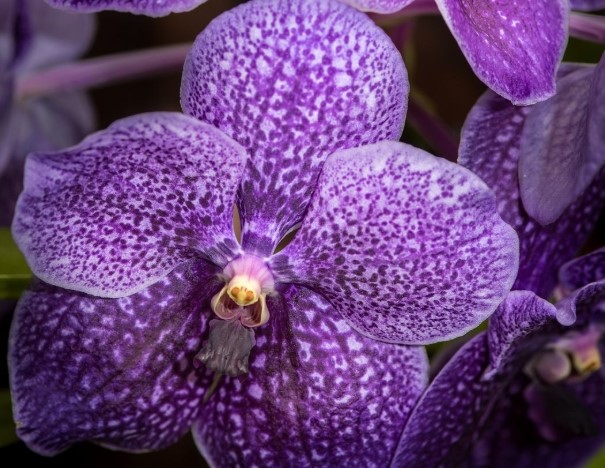
Vanda Orchid
Vanda
The Vanda Orchid, botanically designated under the genus *Vanda*, is an exceptionally spectacular, highly premium epiphytic perennial. Belonging to the family Orchidaceae (the orchid family, tribe Vandeae), this magnificent tropical orchid is native to the warm, highly humid rainforests, mist-shr...
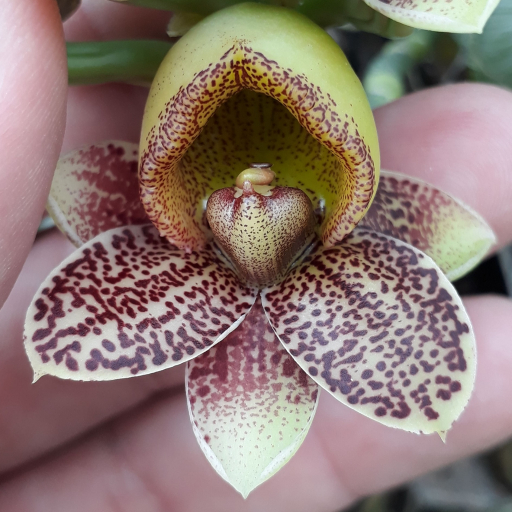
Catasetum Orchid
Catasetum
The Catasetum Orchid, belonging to the botanical genus Catasetum within the prominent Orchidaceae family, is a highly unique and fascinating group of epiphytic perennial orchids. Native to the warm, tropical lowlands and seasonally dry forest canopies of Central and South America—with particular...
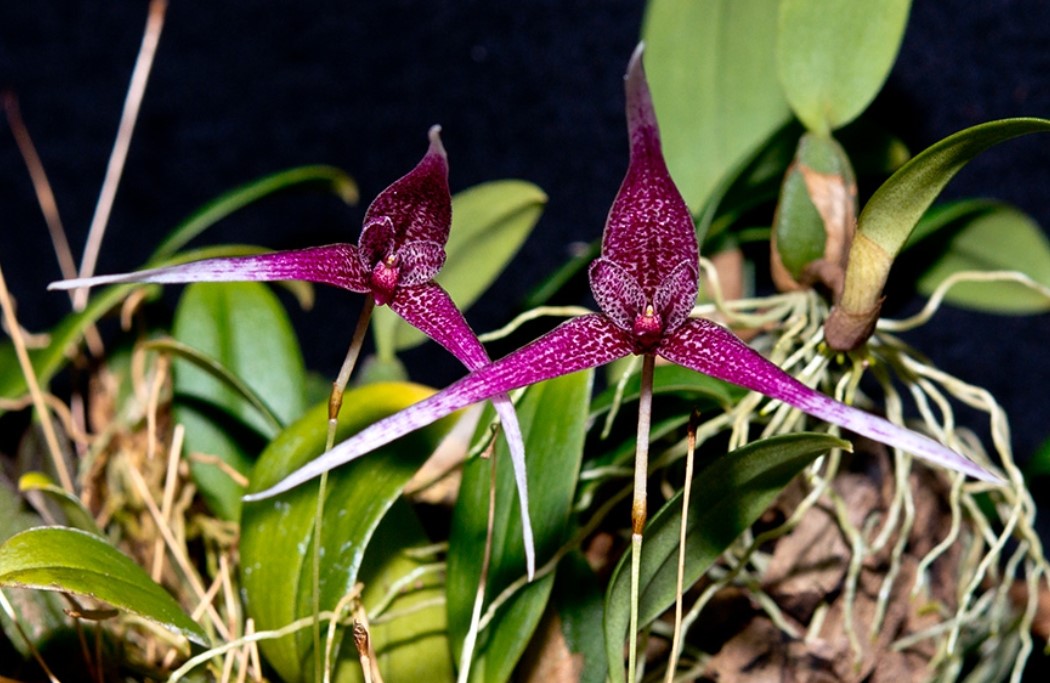
Bulbophyllum Orchid
Bulbophyllum
The Bulbophyllum orchid, representing the largest genus in the Orchidaceae family, is a true botanical marvel boasting over 2,000 highly diverse species. Native to tropical and subtropical rainforests across Asia, Africa, and the Americas, these epiphytic wonders grow primarily on tree bark in hu...
Similar Characteristics
4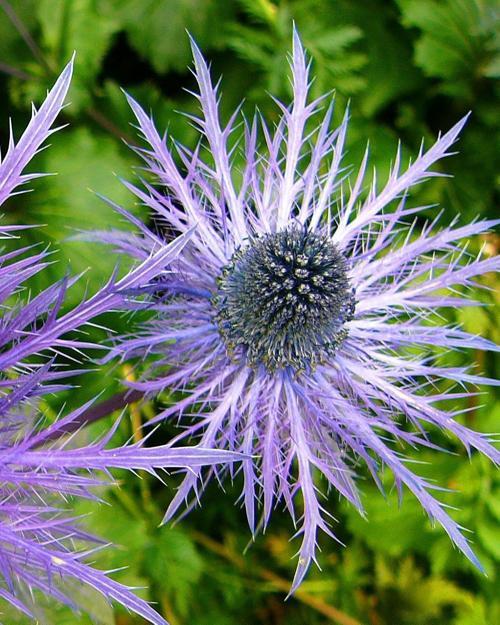
Alpine Sea Holly
Eryngium alpinum
The Alpine Sea Holly, botanically known as *Eryngium alpinum* and widely celebrated as the 'Queen of the Alps,' is an extraordinarily striking, architectural herbaceous perennial. Belonging to the family Apiaceae (the carrot or parsley family, tribe Saniculeae), this alpine masterpiece is native...
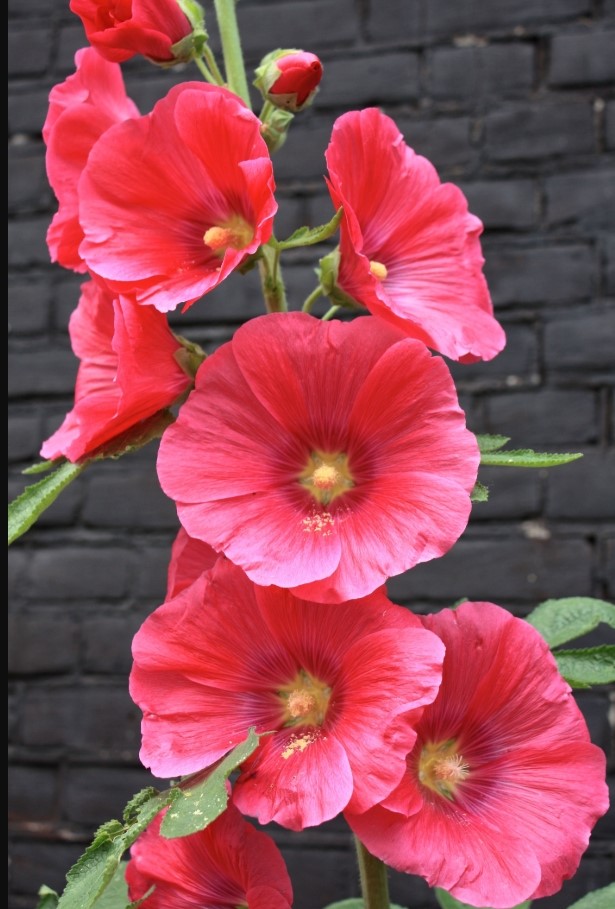
Hollyhock
Alcea rosea
The Hollyhock, botanically designated as Alcea rosea and belonging to the family Malvaceae (the mallow or hibiscus family), is a majestic, towering, and deeply romantic cottage garden classic. Native to the warm, temperate meadows, rocky slopes, and open woodlands of Turkey and southwestern Asia,...
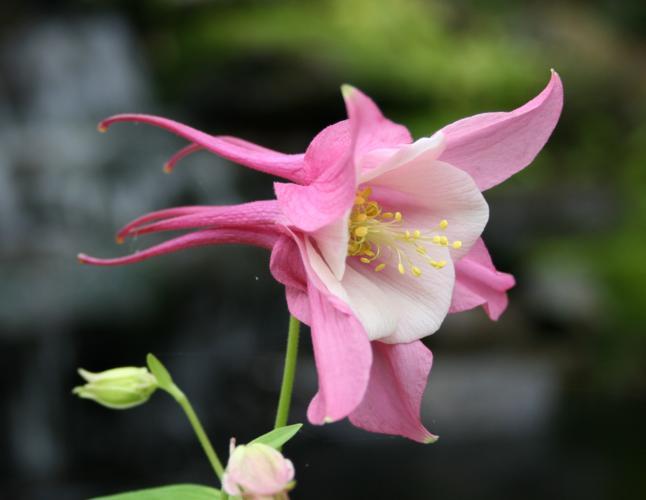
Columbine
Aquilegia
Columbine (Aquilegia), a member of the Ranunculaceae (Buttercup) family, is a gracefully elegant perennial known for its multi-colored, spurred blossoms and delicate, fern-like foliage. Native to the woodlands, meadows, and high-altitude slopes of the Northern Hemisphere—spanning across North Ame...
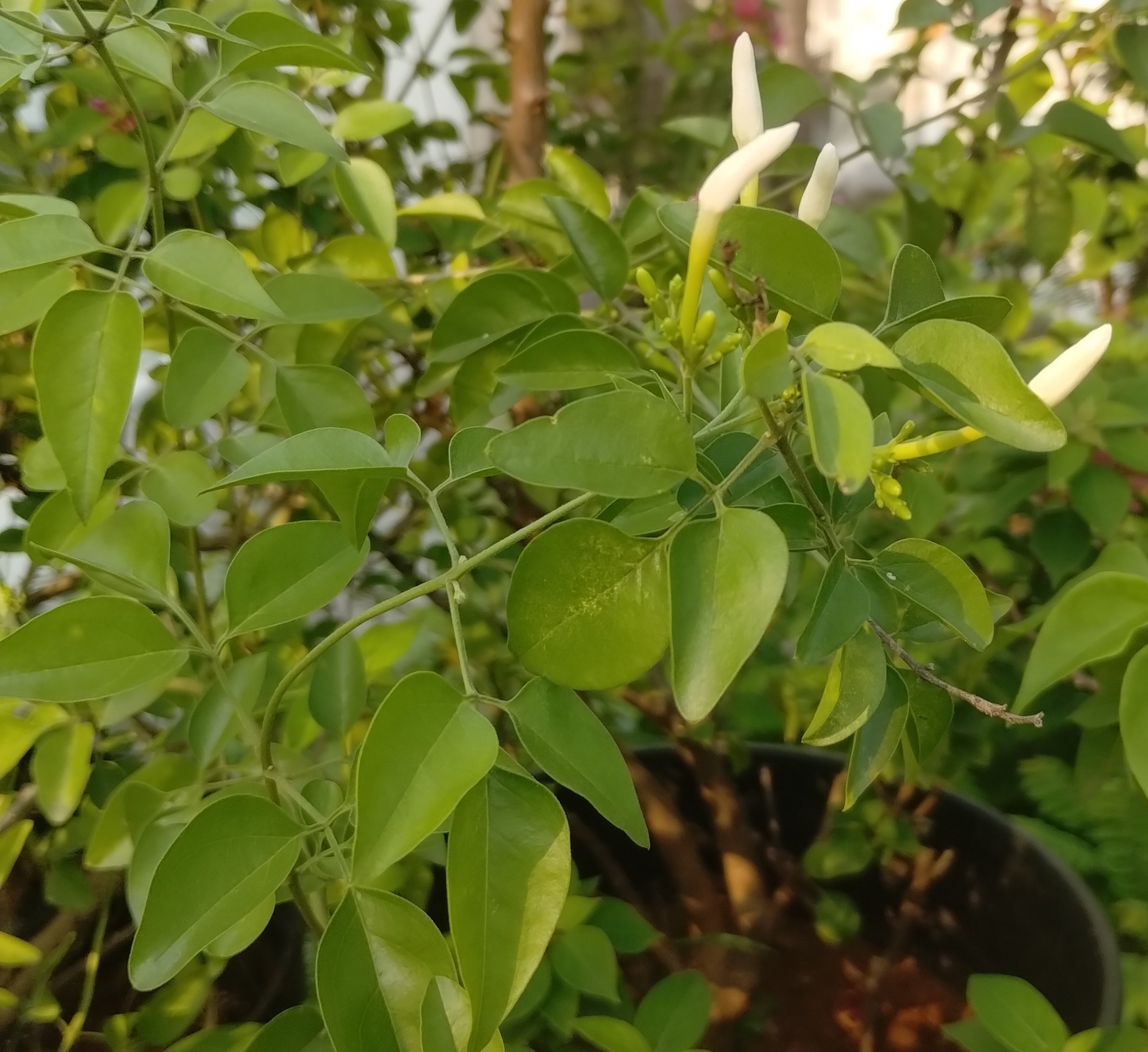
River Jasmine (Fluminense)
Jasminum fluminense
Jasminum fluminense, commonly known as the River Jasmine or Brazilian Jasmine—and widely known across South Asia as Nitya Malli or Nithya Malligai (meaning 'ever-blooming jasmine')—is a vigorous and aromatic evergreen climber that embodies the lush, tropical essence of South America. Native to th...