
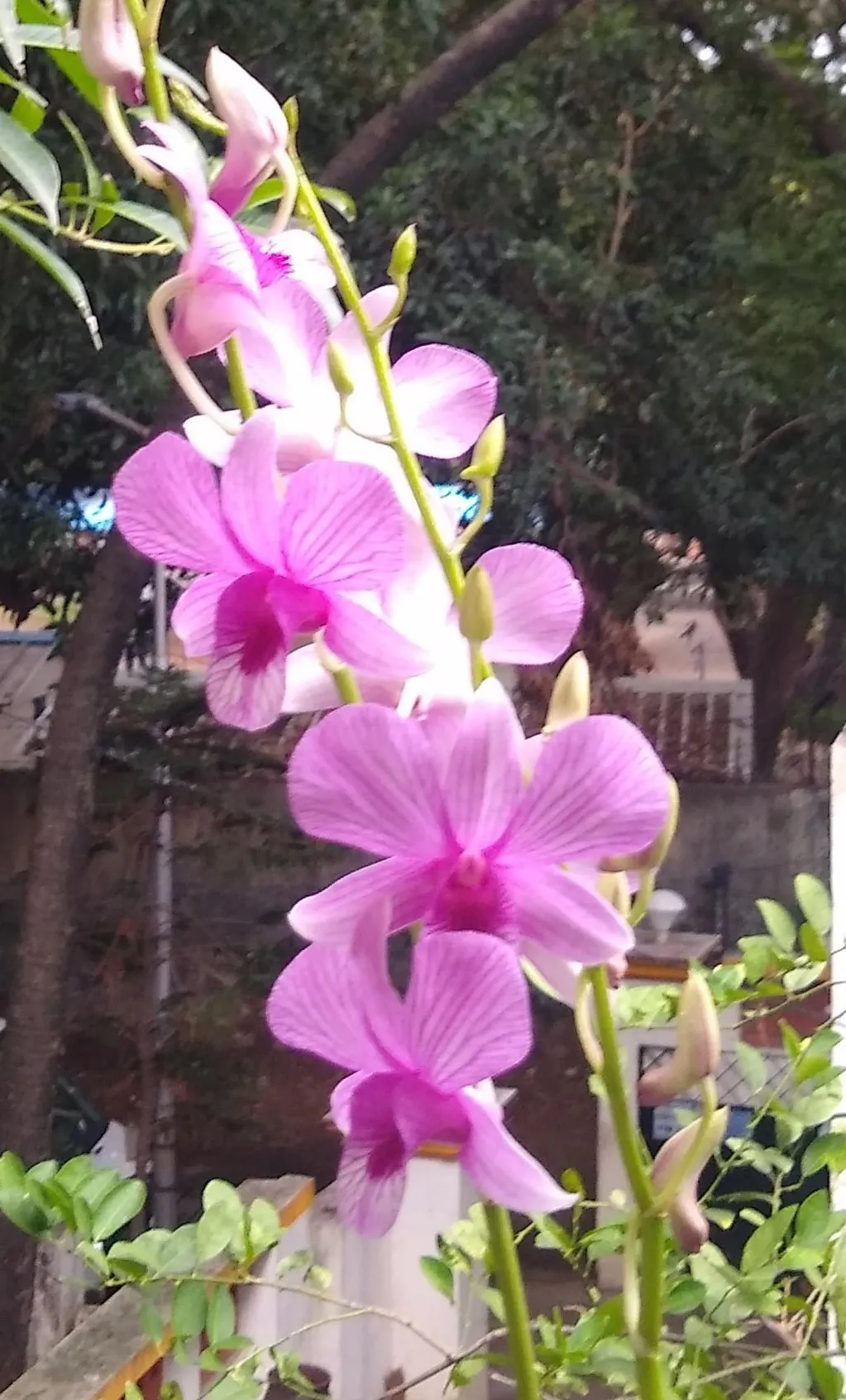
Dendrobium Orchid
Dendrobium
How to Identify Dendrobium Orchid
Care & Growing Guide
Seasonal Blooming & Hardiness
Seasonal Blooming Calendar:
- Peak Bloom: Late winter to early spring.
- Planting Time: Sow seeds directly outdoors in early spring after the last frost, or transplant nursery starts in late spring.
Bloom Timeline
About Dendrobium Orchid
The Dendrobium Orchid, a diverse and captivating genus within the Orchidaceae family, stands as one of the most prolific and popular orchids in the world. With over 1,800 species and countless hybrids, these "tree-living" plants (the name Dendrobium literally means "life on a tree" in Greek) are primarily epiphytic, though some are lithophytic (growing on rocks). Native to a vast region spanning from the Himalayas across tropical and subtropical Asia to Australia and the Pacific Islands, Dendrobiums have adapted to incredibly diverse habitats, ranging from hot, humid lowlands to cool mountain cloud forests.
Visually, Dendrobiums are distinguished by their unique growth habit, often producing tall, cane-like pseudobulbs that store water and nutrients, enabling them to survive dry periods. Their flowers are remarkably varied, appearing in elegant sprays that can contain anywhere from a few to dozens of individual blooms. These flowers range in color from pure, crystalline whites and soft lavenders to deep, velvety purples, vibrant yellows, and intricate bicolors. The characteristic "lip" or labellum of the flower often features contrasting patterns or fringed edges, serving as a specialized landing platform for specific pollinators like bees and butterflies.
Cultivating Dendrobiums is a rewarding endeavor that requires attention to their specific "type." The two most common groups are the "Nobile" type, which produces flowers along the entire length of the canes and usually requires a cool, dry winter rest to trigger blooming, and the "Phalaenopsis-type" (or "Bigibbum"), which produces flowers on terminal sprays and prefers constant warmth. Regardless of the type, most Dendrobiums thrive in bright, indirect sunlight and a well-draining orchid medium like fir bark or sphagnum moss. They appreciate high humidity and good air circulation, mimicking the breezy forest canopies of their ancestral homes.
Beyond their botanical allure, Dendrobium orchids hold significant cultural and practical value. In Hawaii, they are a staple in the creation of beautiful flower leis, symbolizing hospitality and love. In many Asian cultures, particularly in China, certain species like Dendrobium nobile are utilized in traditional medicine for their perceived strengthening and cooling properties. Economically, they are among the most important commercial orchids globally, supporting a massive international trade in both cut flowers and potted ornamental plants.
Whether you are a novice gardener or a seasoned orchid collector, the Dendrobium offers a perfect blend of hardy resilience and delicate, sophisticated beauty. Their long-lasting blooms, which can remain fresh for six to eight weeks, provide a spectacular and enduring display. As non-toxic plants, they are also a safe and elegant addition to homes with pets, offering peace of mind alongside their stunning visual appeal. Check out our guide to grow miniature Oncidium Orchids.
Floral Formula & Features
Bilaterally symmetrical, bisexual, 6 tepals in 2 whorls of 3 (3 sepals + 3 petals with one modified into lip), 1 stamen fused with style forming column, 3 fused carpels with inferior ovary typical of Orchidaceae
- Scientific Name & Classification: Dendrobium spp. (Orchidaceae). One of the largest orchid genera, primarily epiphytic, with a sympodial growth habit.
- Identification Markers: Characterized by tall, slender, cane-like pseudobulbs. Leaves are typically leathery and arranged alternately along the stems.
- Floral Formula (⊕ ⚥ K3 C3 A1 G(3)): Bilaterally symmetrical flowers with three sepals, three petals (one modified into a lip/labellum), one fused stamen (column), and an inferior ovary with three fused carpels.
- Growing Requirements: Prefer bright, filtered light (east or south windows). Temperature needs vary by type (cool-rest for Nobile, warm for Phalaenopsis-type). USDA Zones 9-11 for outdoor growth.
- Cultural Significance: Widely used in Hawaiian leis and Asian festivals. Certain species are important in Traditional Chinese Medicine (TCM).
- Pet Safety & Toxicity: NON-TOXIC. Safe for cats and dogs. Pet Guard: /pet-guard/orchid/. For a miniature windowsill highlight, grow Oncidium Orchid
- Common Look-alikes: Often confused with Phalaenopsis (Moth Orchids), but Dendrobiums are easily distinguished by their cane-like stems versus the Phalaenopsis' basal leaf arrangement.
Names in Different Languages
Botanical Classification: Dendrobium Orchid belongs to the Orchidaceae family. Learn how to identify its floral symmetry, stamen arrangement, and structural formulas in our Botanical Family Classification Guide.
Toxicity & Safety
Frequently Asked Questions
What is Floral Formula?
A floral formula is a symbolic representation of a flower's structure using letters, numbers, and special symbols. It provides a concise way to describe the arrangement and number of floral parts.
This formula describes the flower's symmetry, sepals, petals, stamens, and carpels in a standardized format.
Formula Sequence
- Bract: Br or Ebr
- Bracteole: Brl or Ebrl
- Symmetry: % (Radial) or ⊕ (Bilateral)
- Sex: ♀ (Female), ♂ (Male), or ⚥ (Bisexual)
- Calyx/Sepal: K<number> (Free or Fused)
- Corolla/Petal: C<number> (Free or Fused)
- Androecium: A<number> (Free or Fused)
- Gynaecium: G<number> (Superior or Inferior Ovary)
Symbol Meanings
- Numbers: Indicate quantity of parts
- Parentheses (): Parts are fused together
- Plus (+): Parts in different whorls
- Underline: Superior ovary position
- Overline: Inferior ovary position
- ∞: Numerous parts (too many to count)
Understanding floral formulas helps botanists quickly identify and classify flowers based on their structural characteristics.
Similar Flowers
Discover flowers that share botanical characteristics
Same Family
4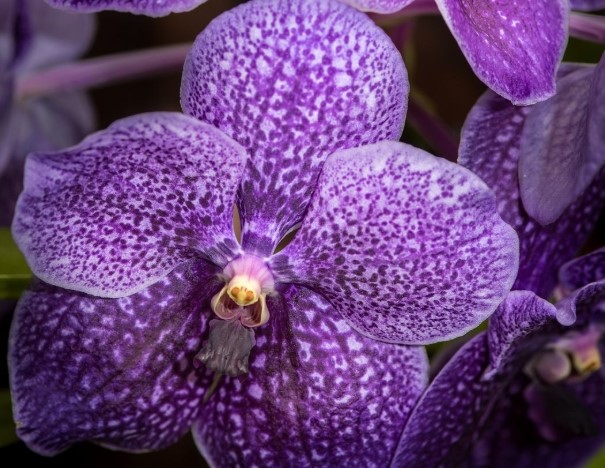
Vanda Orchid
Vanda
The Vanda Orchid, botanically designated under the genus *Vanda*, is an exceptionally spectacular, highly premium epiphytic perennial. Belonging to the family Orchidaceae (the orchid family, tribe Vandeae), this magnificent tropical orchid is native to the warm, highly humid rainforests, mist-shr...
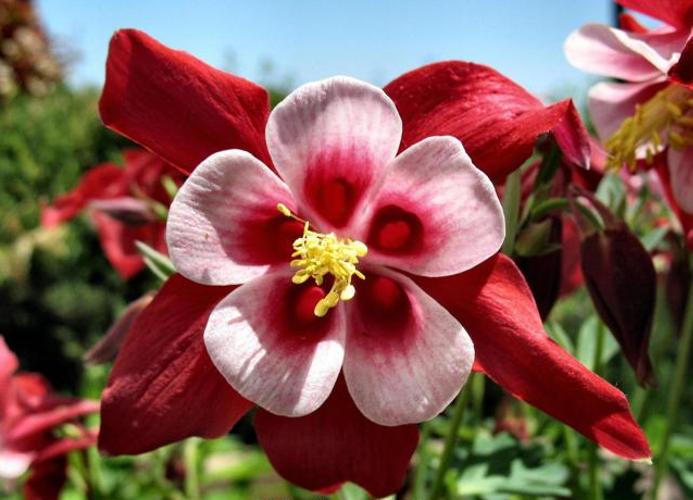
Cattleya orchids
Cattleya
The Cattleya Orchid, botanically classified as Cattleya and celebrated globally as the 'Queen of Orchids' or 'Corsage Orchid,' is a spectacular genus of epiphytic perennial plants in the Orchidaceae family. Native to the tropical rain forests and elevated cloud forests of Central and South Americ...
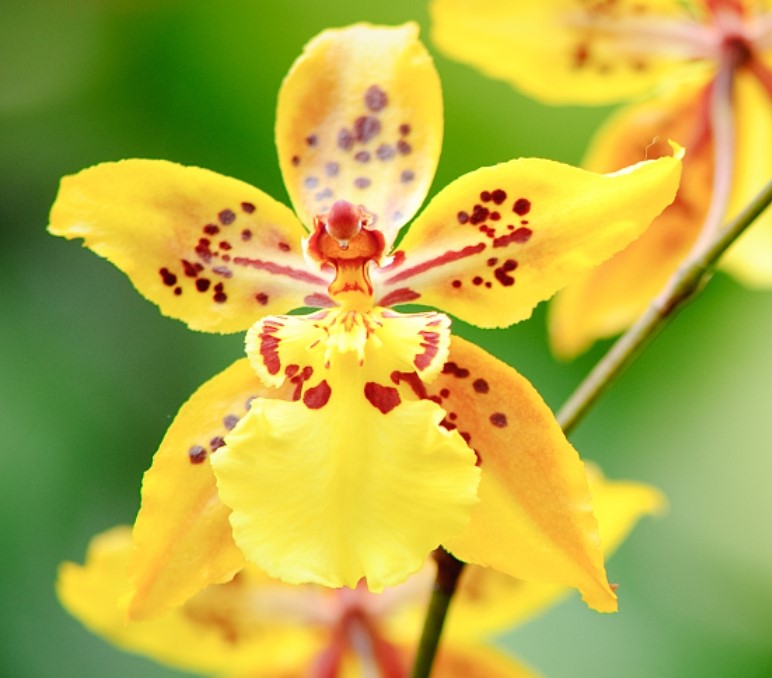
Tolumnia Orchid
Tolumnia
The Tolumnia Orchid, botanically classified under the genus Tolumnia and traditionally known in horticulture as the Equitant Oncidium or Dancing Lady Orchid, is an exceptionally charming, miniature epiphytic plant. Belonging to the family Orchidaceae (the orchid family, tribe Oncidiinae), this sp...
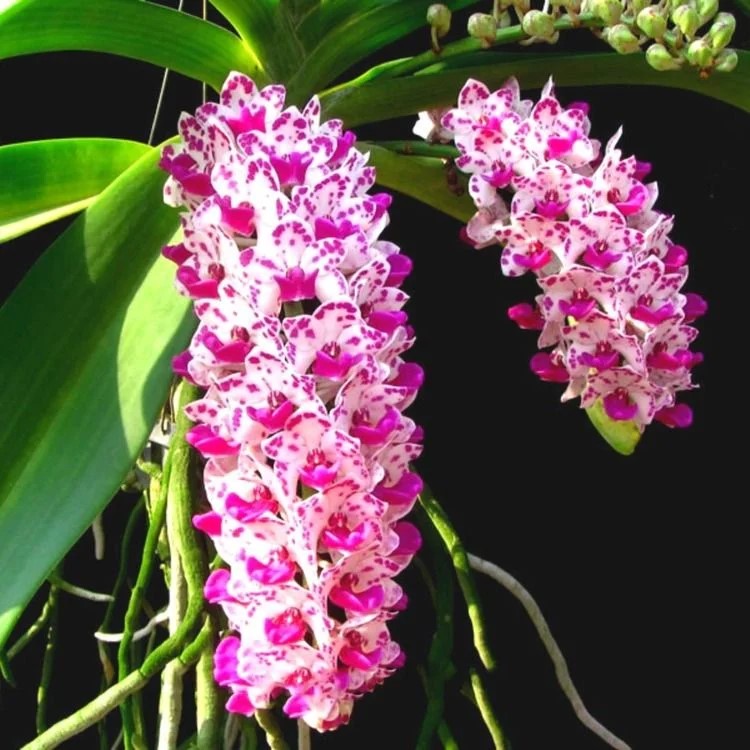
Fox Tail Orchid (Rhynchostylis)
Rhynchostylis retusa
The Fox Tail Orchid (Rhynchostylis retusa) is an extraordinary, highly fragrant epiphytic orchid belonging to the Orchidaceae family. Native to the warm, humid tropical forests of the Indian subcontinent, Southeast Asia, and Indonesia, it is globally celebrated for its incredibly unique and drama...
Similar Characteristics
4Cattleya orchids
Cattleya
The Cattleya Orchid, botanically classified as Cattleya and celebrated globally as the 'Queen of Orchids' or 'Corsage Orchid,' is a spectacular genus of epiphytic perennial plants in the Orchidaceae family. Native to the tropical rain forests and elevated cloud forests of Central and South Americ...
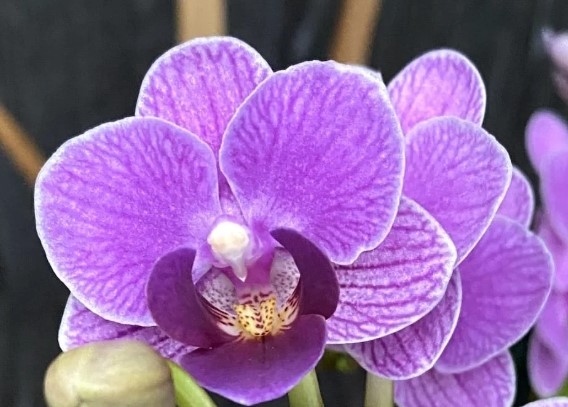
Moth Orchid (Phalaenopsis)
Phalaenopsis hybrids
The Moth Orchid, representing the broader genus Phalaenopsis, is undeniably the most popular and commercially successful orchid in the world. Belonging to the massive Orchidaceae family and native to the tropical canopies of Southeast Asia and Australia, these epiphytic marvels have been heavily...
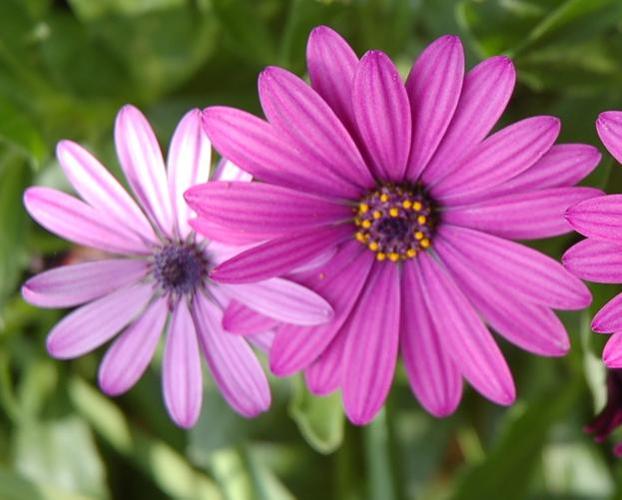
African Daisy (Osteospermum)
Dimorphotheca ecklonis
Osteospermum, commonly known as the African Daisy or Cape Daisy, is a genus of flowering plants that represents the sheer brilliance of the South African floral kingdom. Belonging to the Calenduleae tribe within the massive Asteraceae family, these daisies are celebrated for their sophisticated,...
Fox Tail Orchid (Rhynchostylis)
Rhynchostylis retusa
The Fox Tail Orchid (Rhynchostylis retusa) is an extraordinary, highly fragrant epiphytic orchid belonging to the Orchidaceae family. Native to the warm, humid tropical forests of the Indian subcontinent, Southeast Asia, and Indonesia, it is globally celebrated for its incredibly unique and drama...