
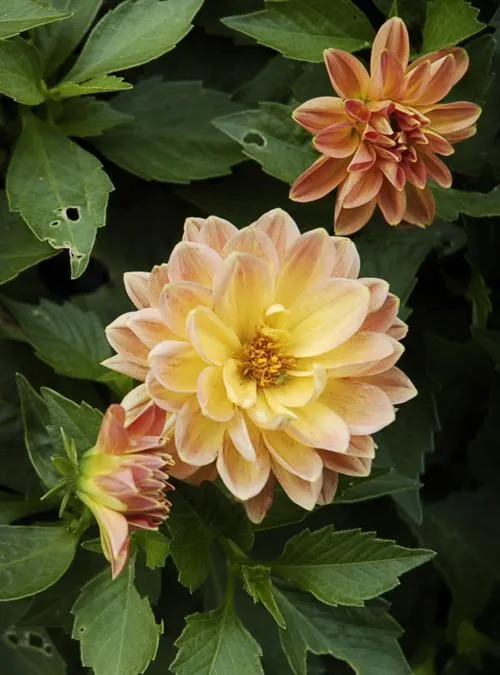
Pink-Yellow Dahlia
Dahlia pinnata (Hybrid)
How to Identify Pink-Yellow Dahlia
Care & Growing Guide
Seasonal Blooming & Hardiness
Seasonal Blooming Calendar:
- Peak Bloom: Late winter to early spring.
- Planting Time: Sow seeds directly outdoors in early spring after the last frost, or transplant nursery starts in late spring.
Bloom Timeline
About Pink-Yellow Dahlia
The Pink-Yellow Dahlia is a spectacular, tuberous herbaceous perennial belonging to the vast Asteraceae family. Native to the mountainous highlands of Mexico and Central America, Dahlias have been heavily hybridized by botanists to produce an astonishing variety of geometric forms and vivid colors. This specific bicolor variety is highly prized by florists, competitors, and home gardeners for its massive, intricate blooms that seamlessly blend vibrant pink outer petals with a glowing yellow center, creating a stunning sunset effect in the late summer garden.
Identification centers around its massive floral structure. The plant grows from thick, starchy underground tubers, producing hollow, sturdy green stems and pinnate, slightly toothed leaves. The inflorescence is a capitulum. Depending on the exact cultivar (often classified as 'Decorative' or 'Dinnerplate' dahlias), the flowers can range from 4 inches to an incredible 12 inches across. They consist of hundreds of perfectly arranged, flat or slightly rolled ray florets that densely pack the flower, completely hiding the central disc florets until the flower is very old and begins to fade.
The floral formula is ⊕ ⚥ (Disc) / % ♀ (Ray) K(pappus) C(5) A(5) G(2). The capitulum consists of central bisexual disc florets (which are hidden in these heavily hybridized double varieties) and numerous outer female ray florets. The inferior ovary produces a small, dry seed (achene).
Growing these massive Dahlias requires dedication. They demand full sun (6-8 hours minimum) and rich, highly fertile, well-draining soil. Because of the massive, heavy flowers, they almost always require rigorous staking; otherwise, a strong wind or heavy rain will snap the hollow stems immediately. As tropical highlands plants, they thrive in warm, sunny days but actually prefer cool nights. In zones colder than USDA 8, the frost-sensitive tubers must be meticulously dug up in autumn and stored indoors over winter.
Culturally, the Dahlia symbolizes inner strength, creativity, and standing out from the crowd. It is proudly recognized as the national flower of Mexico.
Dahlias are MILDLY TOXIC. The tubers and foliage contain phototoxic polyacetylene compounds. While not lethal, ingestion can cause mild gastrointestinal upset, vomiting, and mild skin irritation in dogs and cats.
They are often confused with large Chrysanthemums or Zinnias. Zinnias are grown from seed annually and lack tubers, while Chrysanthemums are generally cold-hardy perennials that bloom much later in the autumn. Contrast this soft bicolor bloom with the dark, dramatic foliage of the Dahlia 'Bishop of Llandaff' or pair it with the bright English Marigold in our Flower Identifier.
For more botanical profiles and flower identification features, see our guides on Peruvian Lily and Thorn Apple.
Floral Formula & Features
Capitulum inflorescence. In highly hybridized double dahlias, the zygomorphic female ray florets dominate entirely, hiding the actinomorphic bisexual disc florets in the center.
- Scientific Name & Classification: Dahlia hybrids (Asteraceae). Prized tuberous perennials originally from Mexico.
- Identification Markers: Massive, geometric 'double' flowers blending pink outer petals with yellow centers. Hollow stems and starchy, clustered tubers.
- Floral Formula (⊕ ⚥ / % ♀ K(pappus) C(5) A(5) G(2)): Composite flower head. Features heavily hybridized, overlapping ray florets that hide the central disc.
- Growing Requirements: Full sun, heavy fertilizer, and rigorous staking to support the massive flowers. Tubers must be dug up over winter in cold climates.
- Cultural Significance: The national flower of Mexico. A staple of competitive flower shows globally due to its intricate geometry.
- Safety & Toxicity: MILDLY TOXIC. Tubers and leaves contain compounds that can cause vomiting and skin irritation in dogs and cats.
- Common Look-alikes: Often confused with large Chrysanthemums or Zinnias. However, Chrysanthemums are cold-hardy, and Zinnias lack underground tubers.
- Internal Links: Compare with the dark-leaved Dahlia 'Bishop of Llandaff' or explore the Flower Identifier.
Names in Different Languages
Botanical Classification: Pink-Yellow Dahlia belongs to the Asteraceae family. Learn how to identify its floral symmetry, stamen arrangement, and structural formulas in our Botanical Family Classification Guide.
Toxicity & Safety
Always keep toxic plants out of reach of children and pets. Consult a veterinarian or medical professional immediately if ingestion is suspected.
Frequently Asked Questions
What is Floral Formula?
A floral formula is a symbolic representation of a flower's structure using letters, numbers, and special symbols. It provides a concise way to describe the arrangement and number of floral parts.
This formula describes the flower's symmetry, sepals, petals, stamens, and carpels in a standardized format.
Formula Sequence
- Bract: Br or Ebr
- Bracteole: Brl or Ebrl
- Symmetry: % (Radial) or ⊕ (Bilateral)
- Sex: ♀ (Female), ♂ (Male), or ⚥ (Bisexual)
- Calyx/Sepal: K<number> (Free or Fused)
- Corolla/Petal: C<number> (Free or Fused)
- Androecium: A<number> (Free or Fused)
- Gynaecium: G<number> (Superior or Inferior Ovary)
Symbol Meanings
- Numbers: Indicate quantity of parts
- Parentheses (): Parts are fused together
- Plus (+): Parts in different whorls
- Underline: Superior ovary position
- Overline: Inferior ovary position
- ∞: Numerous parts (too many to count)
Understanding floral formulas helps botanists quickly identify and classify flowers based on their structural characteristics.
Similar Flowers
Discover flowers that share botanical characteristics
Same Genus
2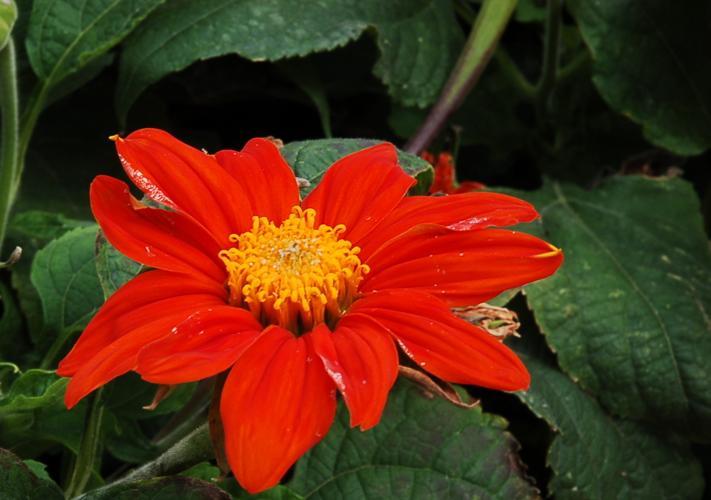
Orange Dahlia
Dahlia × hortensis
The Orange Dahlia, botanically designated under the genus *Dahlia* (particularly hybrids of *Dahlia pinnata*), is an exceptionally spectacular, highly vibrant tuberous perennial. Belonging to the family Asteraceae (the daisy or sunflower family, tribe Coreopsideae), this high-color classic is nat...
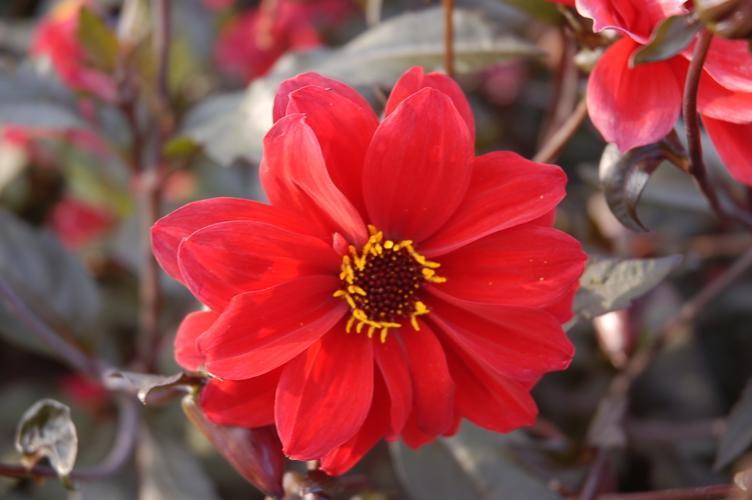
Dahlia 'Bishop of Llandaff'
Dahlia 'Bishop of Llandaff'
The Dahlia 'Bishop of Llandaff', a stunning member of the Asteraceae family, is a highly prized tuberous perennial native to the mountainous regions of Mexico. First introduced in the 1920s, it remains one of the most famous and beloved Dahlia cultivars in the world. It is renowned not just for i...
Same Family
4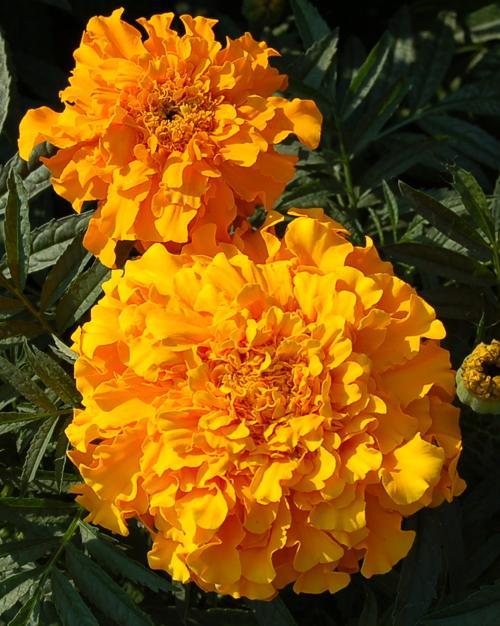
Marigold
Tagetes erecta
The Marigold, botanically classified under the genus Tagetes within the highly diverse Asteraceae (daisy or composite) family, is a cheerful, robust, and exceptionally popular herbaceous annual flower. Native to the warm, sun-drenched grasslands, mountain valleys, and open meadows of Mexico and C...
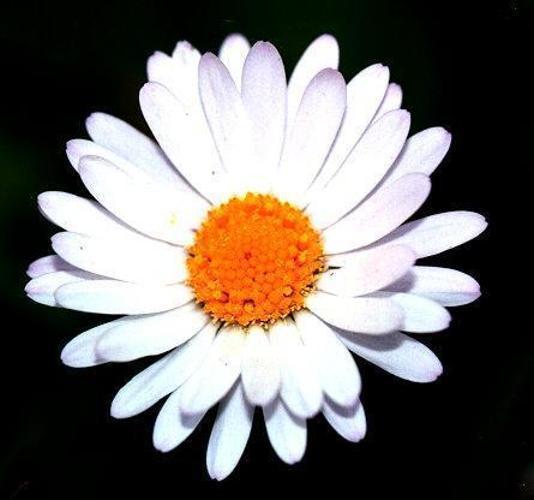
Oxeye Daisy
Leucanthemum vulgare
The Oxeye Daisy, botanically classified as Leucanthemum vulgare and historically celebrated as the Moon Daisy or Dog Daisy, is an exceptionally cheerful, rhizomatous herbaceous perennial belonging to the Asteraceae (daisy or composite) family. Native to the sweeping fields, dry pastures, and sunn...
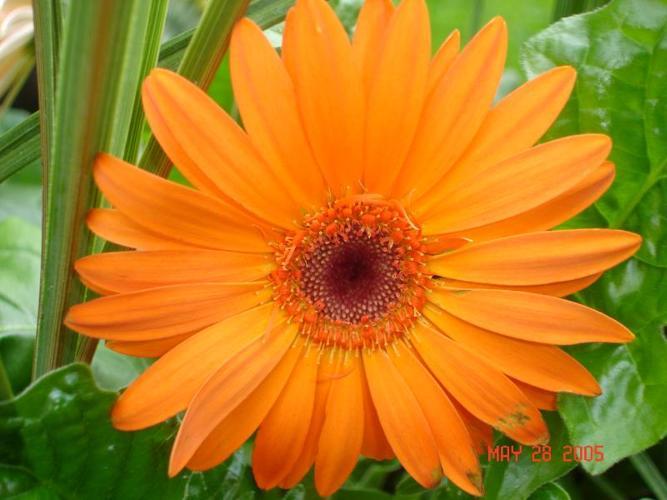
Barberton Daisy
Gerbera jamesonii
The Barberton Daisy, botanically known as Gerbera jamesonii and widely cherished as the Gerbera Daisy or Transvaal Daisy, is an exceptionally cheerful and colorful herbaceous perennial in the Asteraceae (sunflower) family. Native to the rich, subtropical valleys and grassy slopes of South Africa'...
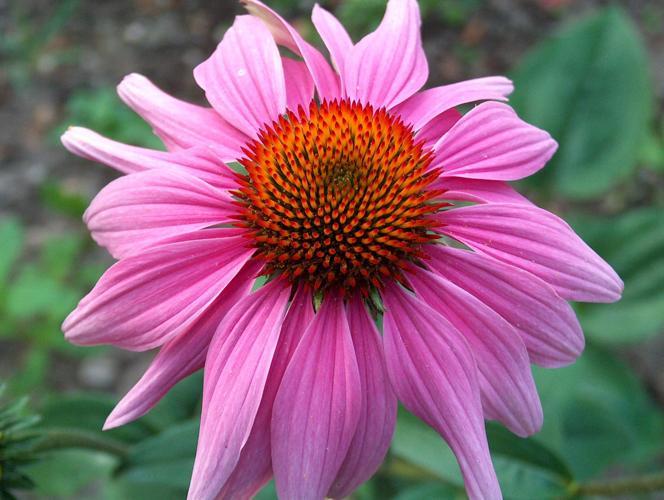
Purple Coneflower (Echinacea)
Echinacea purpurea
The Purple Coneflower (Echinacea purpurea) is a robust, iconic native North American perennial belonging to the Asteraceae family. Found thriving naturally in the prairies, open woods, and dry plains of the central and eastern United States, it has become a global favorite in both ornamental land...
Similar Colors
2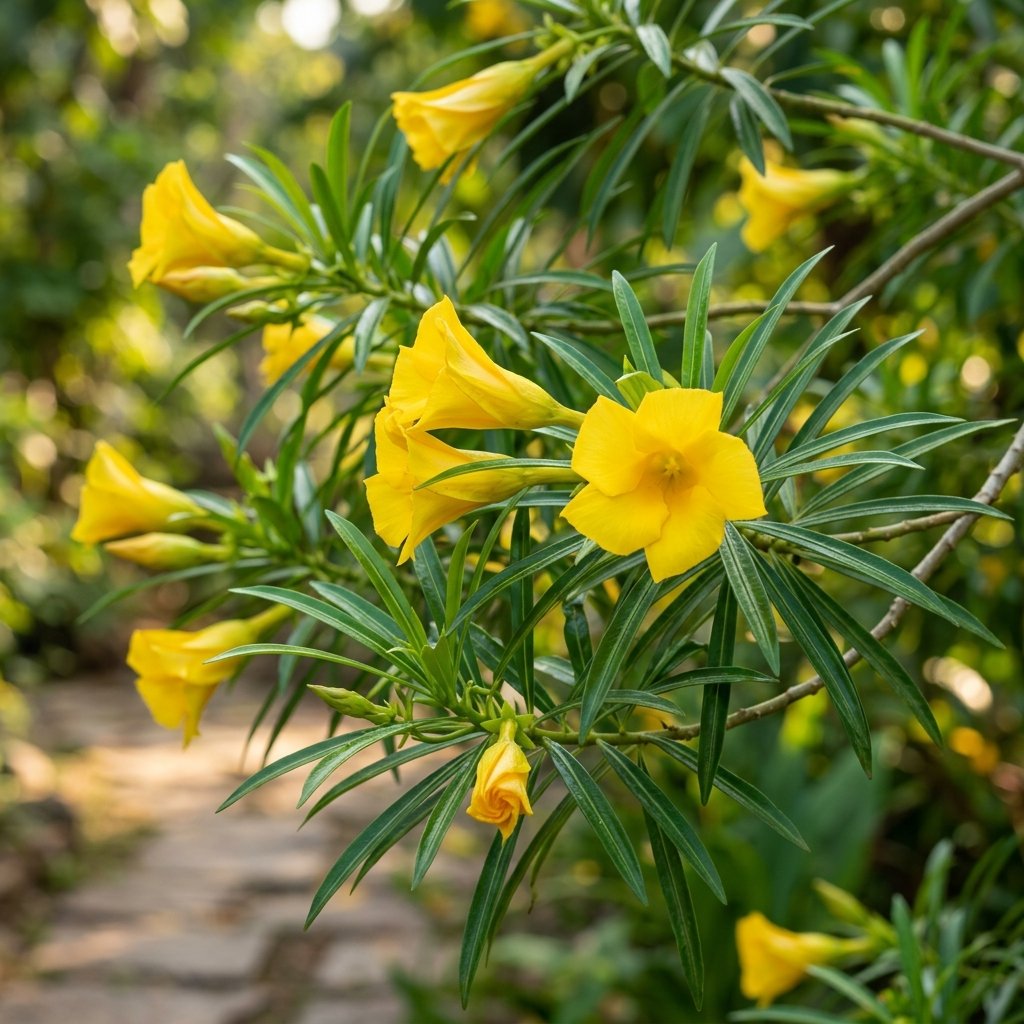
Yellow Oleander (Thevetia)
Cascabela thevetia
Yellow Oleander, botanically classified as *Cascabela thevetia* (formerly *Thevetia peruviana*) and famously celebrated in Indian culture as Pila Kaner, Lucky Nut, or the Be-still Tree, is a highly ornamental, heat-loving evergreen large shrub or small tree. Belonging to the dogbane family Apocyn...
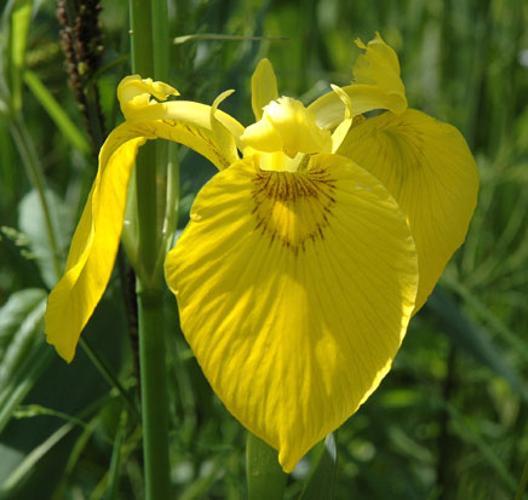
Yellow Iris
Iris pseudacorus
The Yellow Iris, scientifically classified as Iris pseudacorus and commonly known as the Yellow Flag or Water Flag, is a striking, highly vigorous wetland perennial plant belonging to the Iridaceae (iris) family. Native to Europe, Western Asia, and North Africa, this species thrives naturally in...
Similar Characteristics
4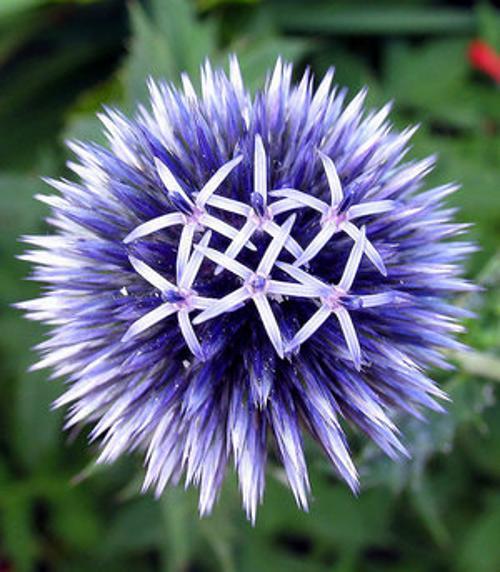
Globe Thistle
Echinops
The Globe Thistle, botanically classified as Echinops ritro or simply Echinops, is a striking, deeply architectural herbaceous perennial plant belonging to the Asteraceae (sunflower or composite) family. Native to the dry, sun-drenched grasslands, stony hillsides, and rocky mountain slopes of cen...
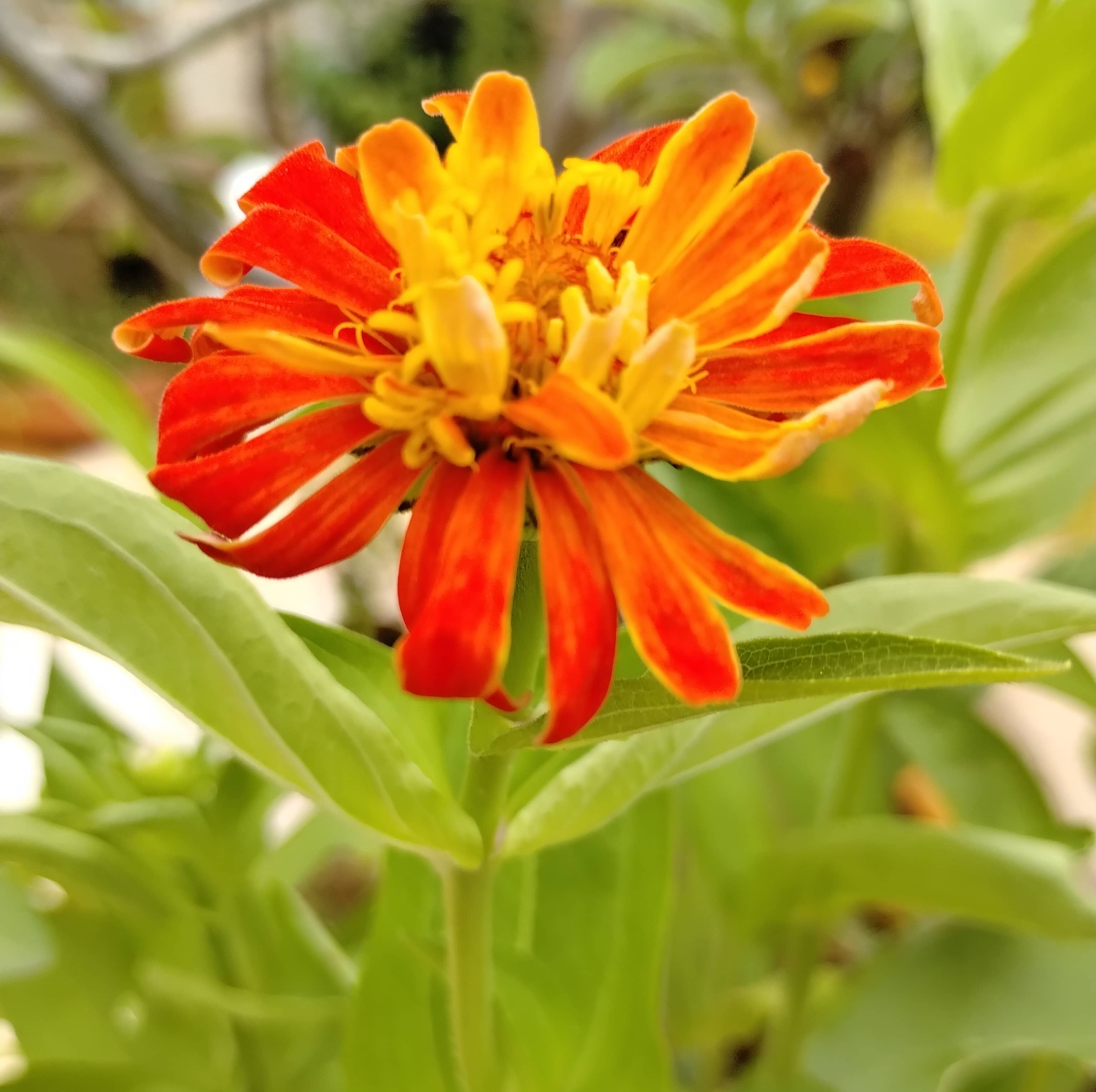
Zinnia
Zinnia elegans
Zinnias (Zinnia elegans), belonging to the Heliantheae tribe within the massive Asteraceae family, are among the most colorful, resilient, and popular warm-season annual flowers in modern horticulture. Native to the scrublands and dry grasslands of Mexico and Central America, these sun-loving pla...
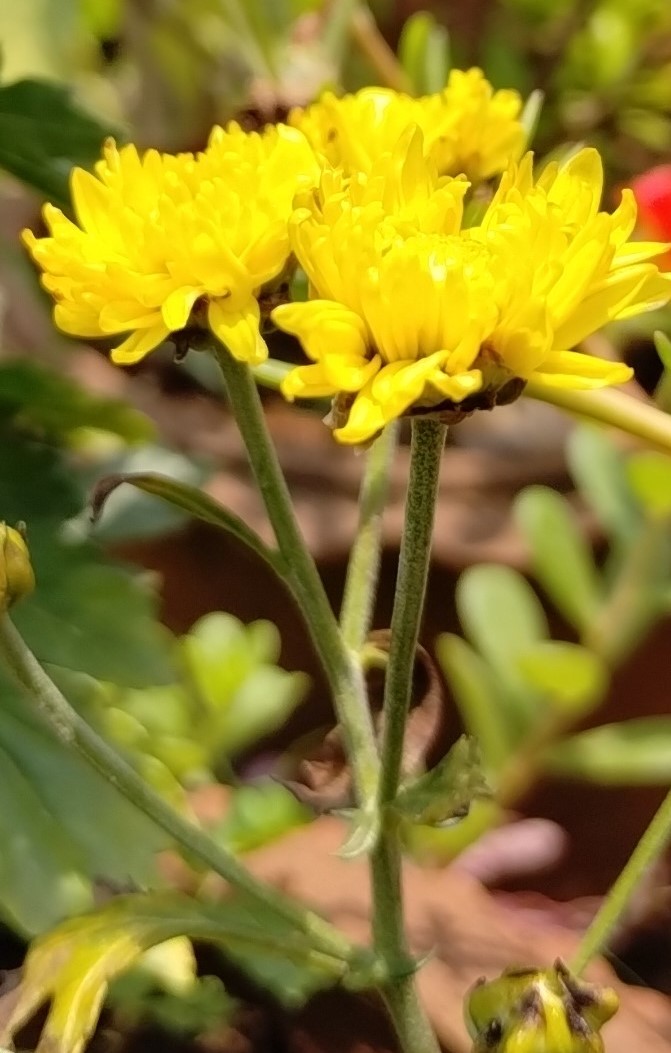
Chrysanthemum
Chrysanthemum morifolium
The Chrysanthemum, botanically classified as Chrysanthemum morifolium and affectionately known as the 'Mum,' is a magnificent, late-season flowering perennial belonging to the Asteraceae (sunflower) family. Native to East Asia, primarily China, where it has been cultivated and revered for over 3,...
Barberton Daisy
Gerbera jamesonii
The Barberton Daisy, botanically known as Gerbera jamesonii and widely cherished as the Gerbera Daisy or Transvaal Daisy, is an exceptionally cheerful and colorful herbaceous perennial in the Asteraceae (sunflower) family. Native to the rich, subtropical valleys and grassy slopes of South Africa'...