
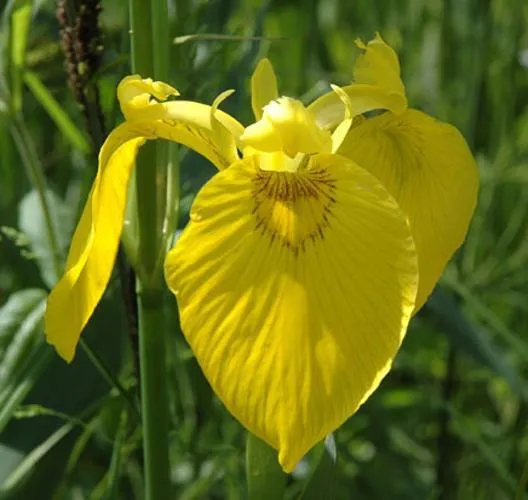
Yellow Iris
Iris pseudacorus
How to Identify Yellow Iris
TOXIC TO PETS & LIVESTOCK. Contains iridin glycoside which triggers intense salivation, bloody diarrhea, and severe stomach distress if eaten.
Care & Growing Guide
Seasonal Blooming & Hardiness
Seasonal Blooming Calendar:
- Peak Bloom: Late winter to early spring.
- Planting Time: Sow seeds directly outdoors in early spring after the last frost, or transplant nursery starts in late spring.
Bloom Timeline
About Yellow Iris
The Yellow Iris, scientifically classified as Iris pseudacorus and commonly known as the Yellow Flag or Water Flag, is a striking, highly vigorous wetland perennial plant belonging to the Iridaceae (iris) family. Native to Europe, Western Asia, and North Africa, this species thrives naturally in wet, organic-rich soils, marshes, and shallow waters. Although it is celebrated for its stately beauty and is frequently cultivated as an ornamental marginal plant in water gardens and ponds, it has naturalized aggressively throughout North America and other regions, earning classification as an invasive threat to native wetland ecosystems.
This clumping perennial typically grows 2 to 5 feet tall, instantly recognized by its erect, sword-shaped, grey-green leaves that persist through mild winters. The leaves are rigid, featuring a prominent midrib and sharp, clean margins. Rising above the foliage on branched stems are 4 to 12 spectacular golden-yellow blossoms. Each flower measures 3 to 4 inches across and showcases a classic 3-part iris structure: 3 large, drooping outer sepals called 'falls' decorated with brown or purple veining, and 3 smaller, upright inner petals called 'standards.'
The reproductive architecture of the Yellow Iris is represented by the formula EBr % ☿ P3+3 A3 G(3). This denotes that the flower is ebracteate, zygomorphic (bilaterally symmetrical), and bisexual. It features 6 petaloid tepals arranged in two whorls of three—the outer falls and the inner standards. The androecium consists of 3 stamens positioned directly beneath 3 petaloid, arching style branches. This arrangement sits above a syncarpous, inferior ovary composed of 3 fused carpels, which develops into a large, three-sided seed capsule.
In terms of cultivation, Yellow Iris is exceptionally hardy and adaptable, growing in USDA zones 3 through 9. It thrives in full sun to partial shade and requires saturated soils, growing comfortably in water up to 10 inches deep. It can tolerate a massive range of soil types, acidities, and salinities. However, outside its native range, its planting is highly discouraged or legally banned because it spreads aggressively via thick, pink tuberous rhizomes and buoyant seeds that float for months along waterways, establishing dense monocultures.
The genus name Iris comes from the Greek goddess of the rainbow, while 'pseudacorus' translates to 'false sweet flag,' highlighting its physical resemblance to Acorus calamus. Historically, the famous Fleur-de-lis of French royalty is thought to have been stylized after the Yellow Flag Iris rather than a lily. Known as पीला परितारिका in Hindi and Giaggiolo acquatico in Italian, the plant was historically utilized as a source of yellow dye and its roasted seeds were sometimes used as a caffeine-free coffee substitute.
For pet owners and livestock managers, the Yellow Iris is a toxic hazard. All parts of Iris pseudacorus—especially the creeping rhizomes—are highly TOXIC to dogs, cats, horses, and cattle. The plant contains a toxic glycoside called iridin and bitter resinous compounds. If chewed or ingested, it triggers severe clinical symptoms, including intense salivation, vomiting, bloody diarrhea, abdominal pain, and severe lethargy. Contact with the sap can also cause mild skin irritation and dermatitis in humans and pets. To learn more about pet safety around ponds, check our Pet Guard catalog.
Yellow Iris is sometimes confused with the native Blue Flag Iris (Iris versicolor) or Sweet Flag (Acorus calamus) in its vegetative state. It is easily distinguished by its massive, bright yellow blossoms and its lack of a citrus scent when the foliage is crushed (unlike Sweet Flag). Because of its highly invasive potential, we recommend planting non-invasive water garden alternatives; we suggest pairing or replacing it with Lotus or Water Lily. To discover more semi-aquatic and marginal species, browse our Flower Identifier.
Floral Formula & Features
Ebracteate (no bracts), Zygomorphic (bilateral symmetry), bisexual, 6 tepals in 2 whorls of 3 (3 falls + 3 standards, petaloid), 3 stamens, 3 fused carpels with inferior ovary, petaloid style branches typical of Iridaceae
- Scientific Name & Classification: Iris pseudacorus (Iridaceae). Known widely as Yellow Flag, Water Flag, and Pale Yellow Iris.
- Identification Markers: Tall erect sword-shaped leaves with distinct midribs. Bright golden-yellow 3-inch flowers featuring 3 drooping falls with brown veining and 3 standards.
- Floral Formula (EBr % ☿ P3+3 A3 G(3)): Bilaterally symmetrical, bisexual flowers with 6 tepals in 2 whorls, 3 stamens, and 3-carpellate inferior ovary.
- Growing Requirements: Full sun to partial shade; thrives in wet soils and water up to 10 inches deep. Extremely adaptable to salt, salinity, and drought (Zones 3-9).
- Cultural Significance: Fleur-de-lis heraldic symbol of France modeled after this flag iris; 'pseudacorus' means false sweet flag. Source of yellow dye.
- Safety & Toxicity: TOXIC TO PETS & LIVESTOCK. Contains iridin glycoside which triggers intense salivation, bloody diarrhea, and severe stomach distress if eaten.
- Common Look-alikes: Confused with native Blue Flag Iris or Sweet Flag, but distinguished by large yellow flowers and lack of citrus scent in leaves.
- Internal Links: Excellent marginal accent for controlled ponds beside Lotus or Water Lily; explore more aquatic plants in our Flower Identifier.
Names in Different Languages
Botanical Classification: Yellow Iris belongs to the Iridaceae family. Learn how to identify its floral symmetry, stamen arrangement, and structural formulas in our Botanical Family Classification Guide.
Toxicity & Safety
Always keep toxic plants out of reach of children and pets. Consult a veterinarian or medical professional immediately if ingestion is suspected.
Frequently Asked Questions
What is Floral Formula?
A floral formula is a symbolic representation of a flower's structure using letters, numbers, and special symbols. It provides a concise way to describe the arrangement and number of floral parts.
This formula describes the flower's symmetry, sepals, petals, stamens, and carpels in a standardized format.
Formula Sequence
- Bract: Br or Ebr
- Bracteole: Brl or Ebrl
- Symmetry: % (Radial) or ⊕ (Bilateral)
- Sex: ♀ (Female), ♂ (Male), or ⚥ (Bisexual)
- Calyx/Sepal: K<number> (Free or Fused)
- Corolla/Petal: C<number> (Free or Fused)
- Androecium: A<number> (Free or Fused)
- Gynaecium: G<number> (Superior or Inferior Ovary)
Symbol Meanings
- Numbers: Indicate quantity of parts
- Parentheses (): Parts are fused together
- Plus (+): Parts in different whorls
- Underline: Superior ovary position
- Overline: Inferior ovary position
- ∞: Numerous parts (too many to count)
Understanding floral formulas helps botanists quickly identify and classify flowers based on their structural characteristics.
Similar Flowers
Discover flowers that share botanical characteristics
Same Genus
2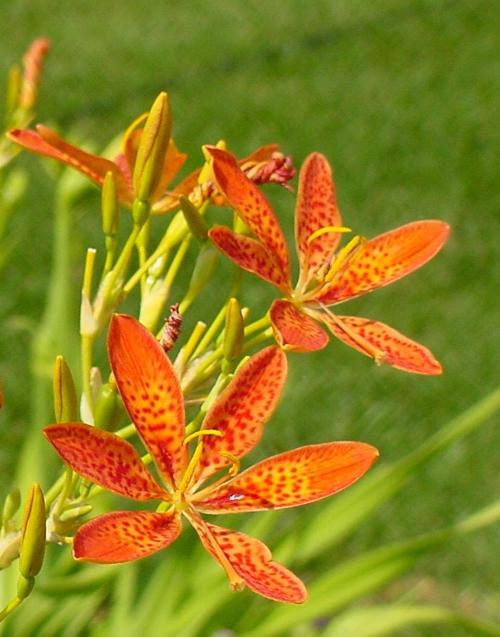
Leopard Lily
Iris domestica (syn. Belamcanda chinensis)
The Leopard Lily, botanically designated as *Iris domestica* (previously classified as *Belamcanda chinensis*, and commonly known as the Blackberry Lily or Leopard Flower), is an exceptionally distinct, highly ornamental perennial. Belonging to the family Iridaceae (the iris family, tribe Irideae...
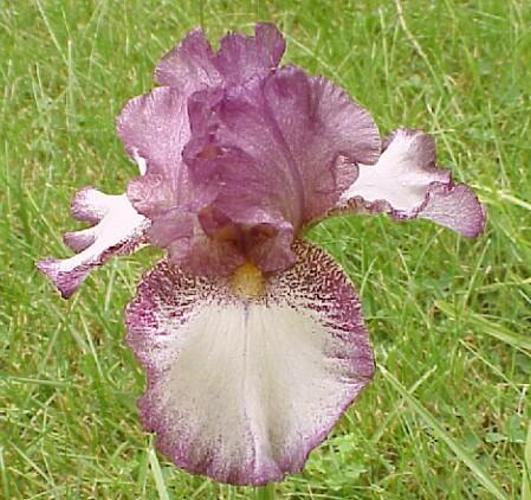
Bearded Iris
Iris germanica
The Bearded Iris, botanically designated under the genus *Iris* (particularly *Iris germanica*), is an exceptionally elegant, highly popular hardy perennial. Belonging to the family Iridaceae (the iris family, tribe Irideae), this spectacular garden favorite is native to the dry, sunny slopes and...
Same Family
3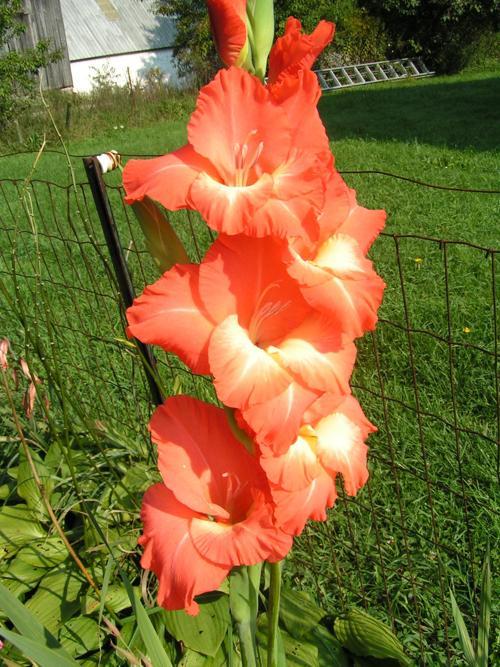
Gladiolus
Gladiolus
The Gladiolus, botanically designated as Gladiolus and commonly known as the Sword Lily or simply Glad, is a spectacular cormous perennial belonging to the family Iridaceae (the iris family). Native primarily to the warm, sun-drenched grasslands, savannas, and shrubby valleys (fynbos) of South Af...
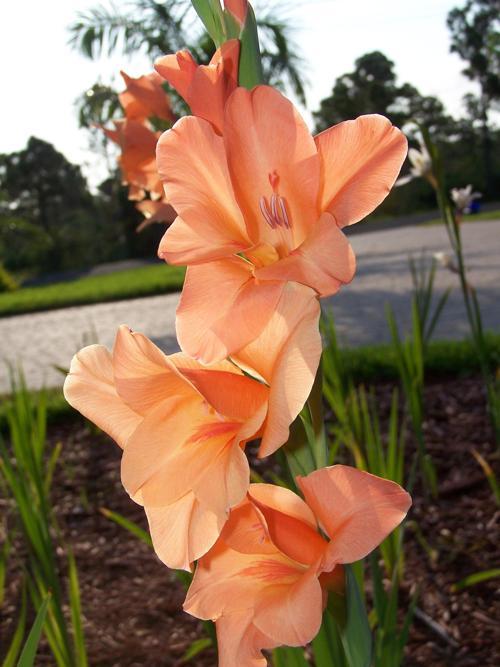
Sword Lily
Gladiolus
The Sword Lily, botanically classified under the genus Gladiolus and belonging to the family Iridaceae (the iris family), is an exceptionally dramatic, tall, and colorful perennial. Native primarily to the rich grasslands, dry scrub habitats, and mountain valleys of South and East Africa, with a...
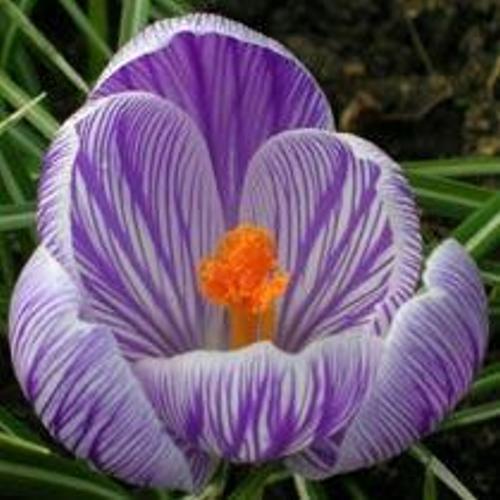
Spring Crocus
Crocus vernus
The Spring Crocus (Crocus vernus), also known as the Giant Crocus or Dutch Crocus, is a delicate, diminutive perennial belonging to the Iridaceae (Iris) family. Native to the alpine meadows and woodlands of central and southern Europe, it has become a globally beloved symbol of the end of winter....
Similar Colors
2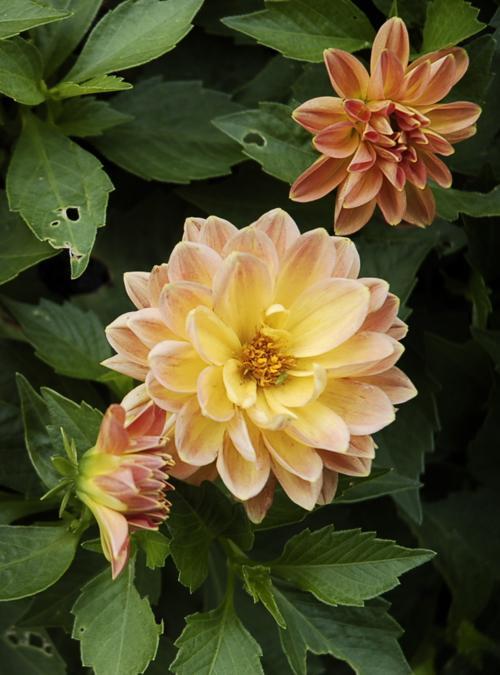
Pink-Yellow Dahlia
Dahlia pinnata (Hybrid)
The Pink-Yellow Dahlia is a spectacular, tuberous herbaceous perennial belonging to the vast Asteraceae family. Native to the mountainous highlands of Mexico and Central America, Dahlias have been heavily hybridized by botanists to produce an astonishing variety of geometric forms and vivid color...
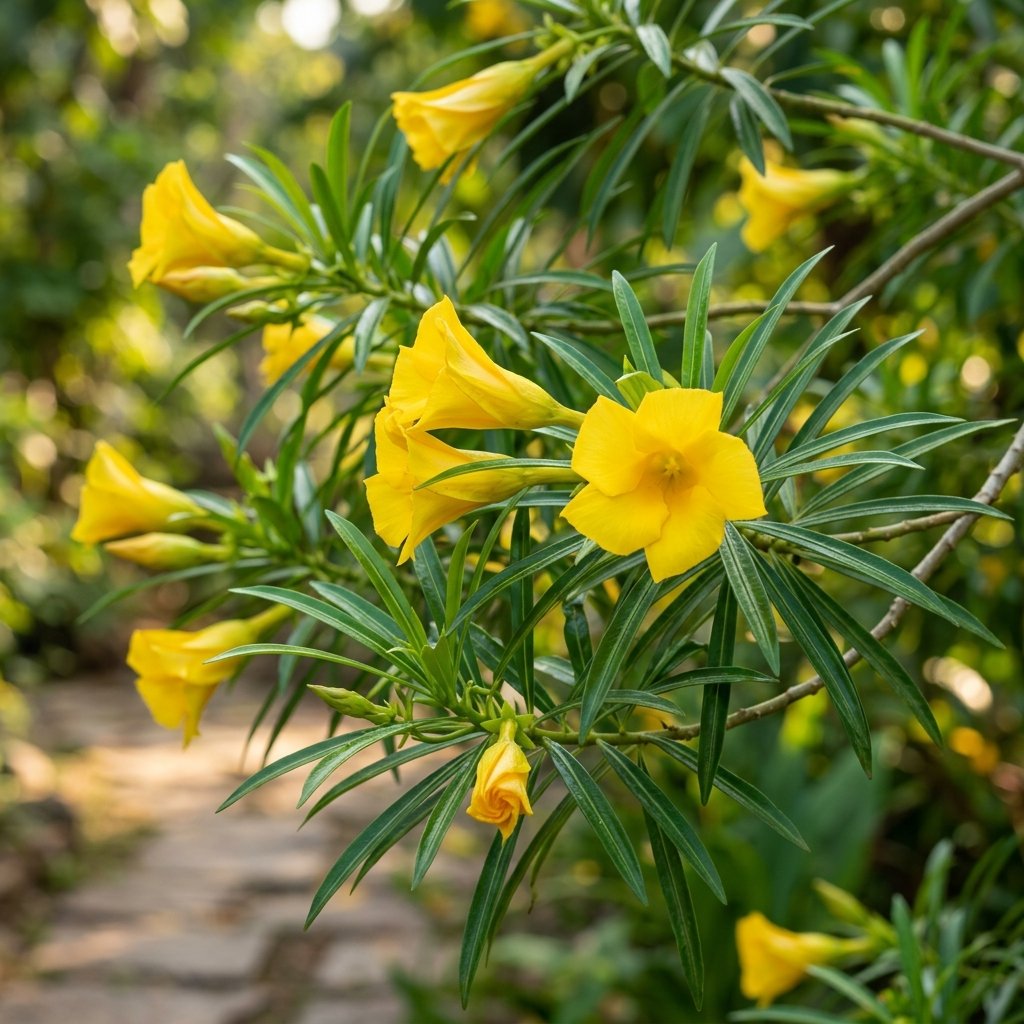
Yellow Oleander (Thevetia)
Cascabela thevetia
Yellow Oleander, botanically classified as *Cascabela thevetia* (formerly *Thevetia peruviana*) and famously celebrated in Indian culture as Pila Kaner, Lucky Nut, or the Be-still Tree, is a highly ornamental, heat-loving evergreen large shrub or small tree. Belonging to the dogbane family Apocyn...
Similar Characteristics
4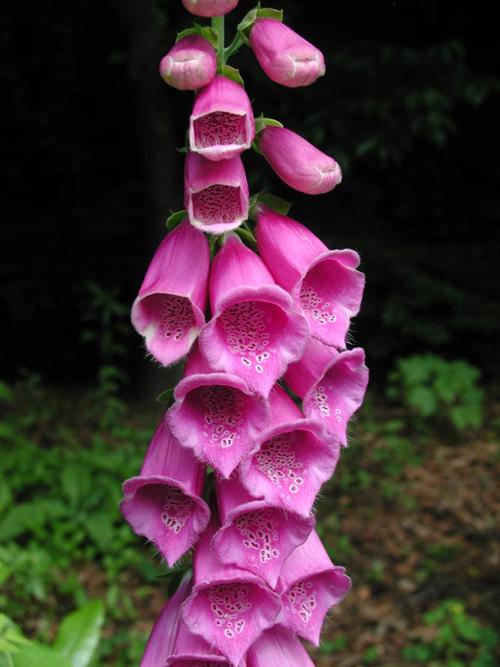
Foxglove
Digitalis purpurea
Digitalis purpurea, commonly known as Foxglove, is a majestic and iconic biennial plant belonging to the Plantaginaceae family. Native to the cool, temperate woodlands, hedgerows, and mountainous clearings of western and southwestern Europe, this striking species has naturalized throughout North...
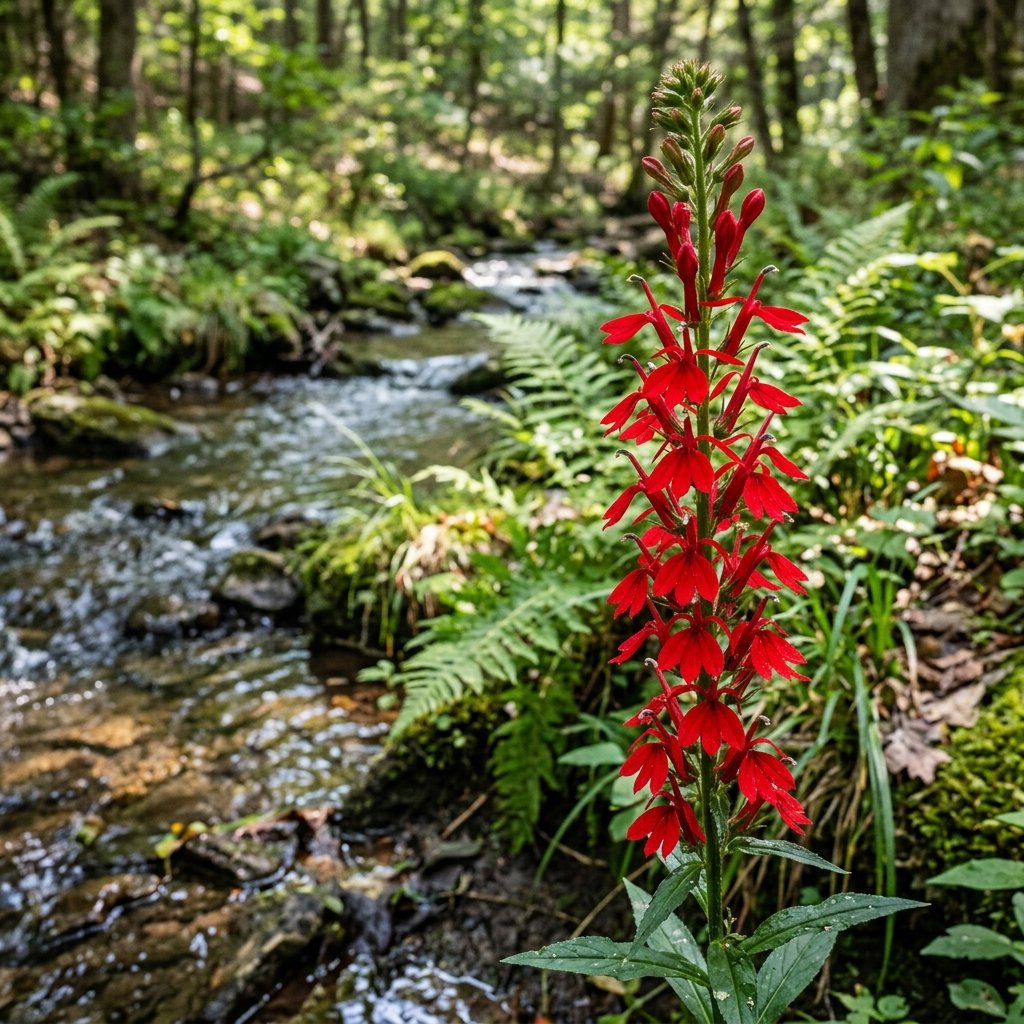
Cardinal Flower
Lobelia cardinalis
Cardinal Flower (*Lobelia cardinalis*) produces one of the most intensely saturated, brilliant scarlet-red flower spikes in all of North American horticulture, a vivid column of color that dominates moist meadows, stream banks, and woodland edges from July through September. Native throughout muc...
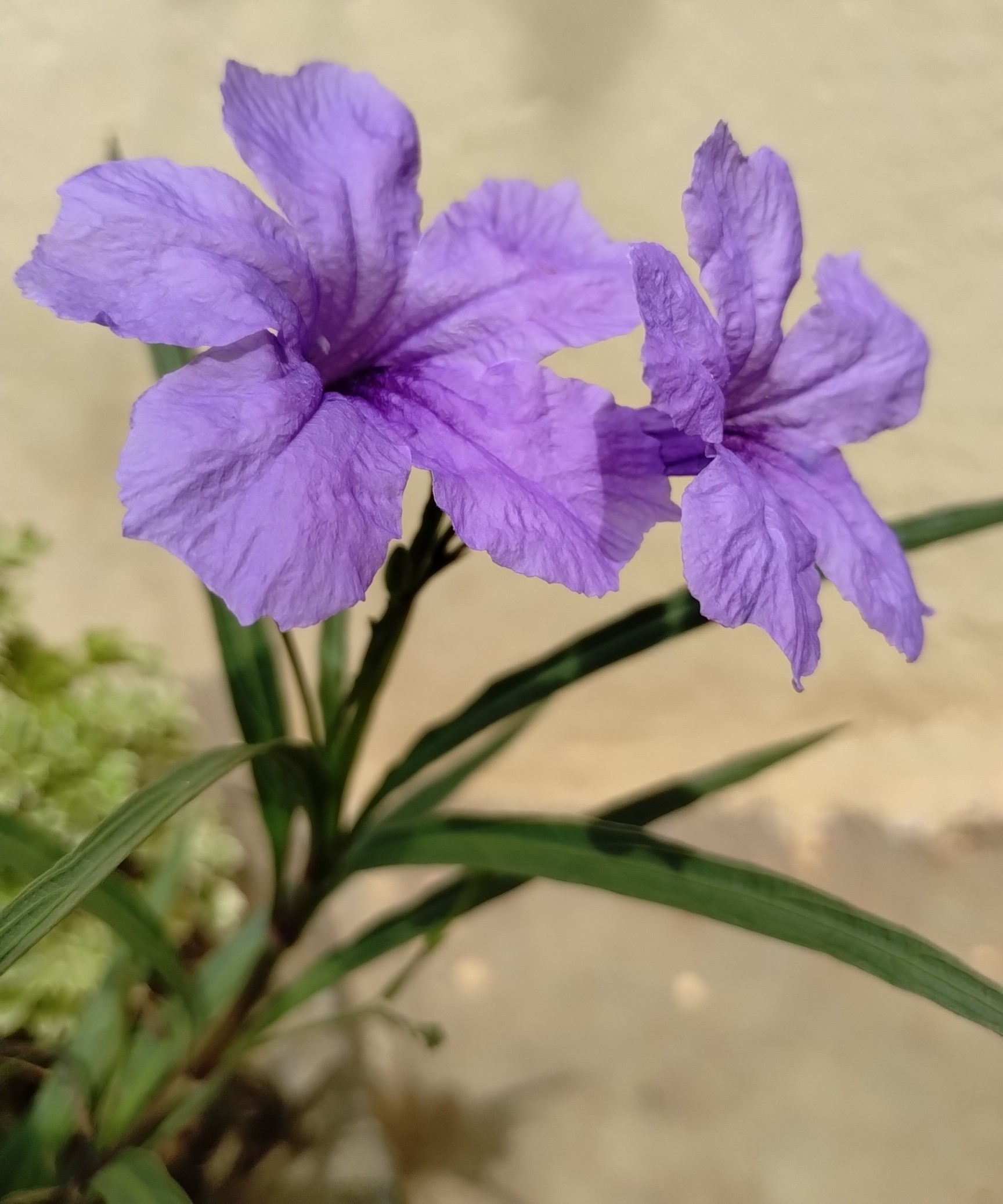
Mexican Petunia
Ruellia simplex
The Mexican Petunia, botanically classified as Ruellia simplex (and historically referred to as Ruellia brittoniana), is an exceptionally vigorous, upright herbaceous perennial belonging to the Acanthaceae (acanthus) family. Native to the warm, moisture-rich woodlands, riverbanks, and wet meadows...
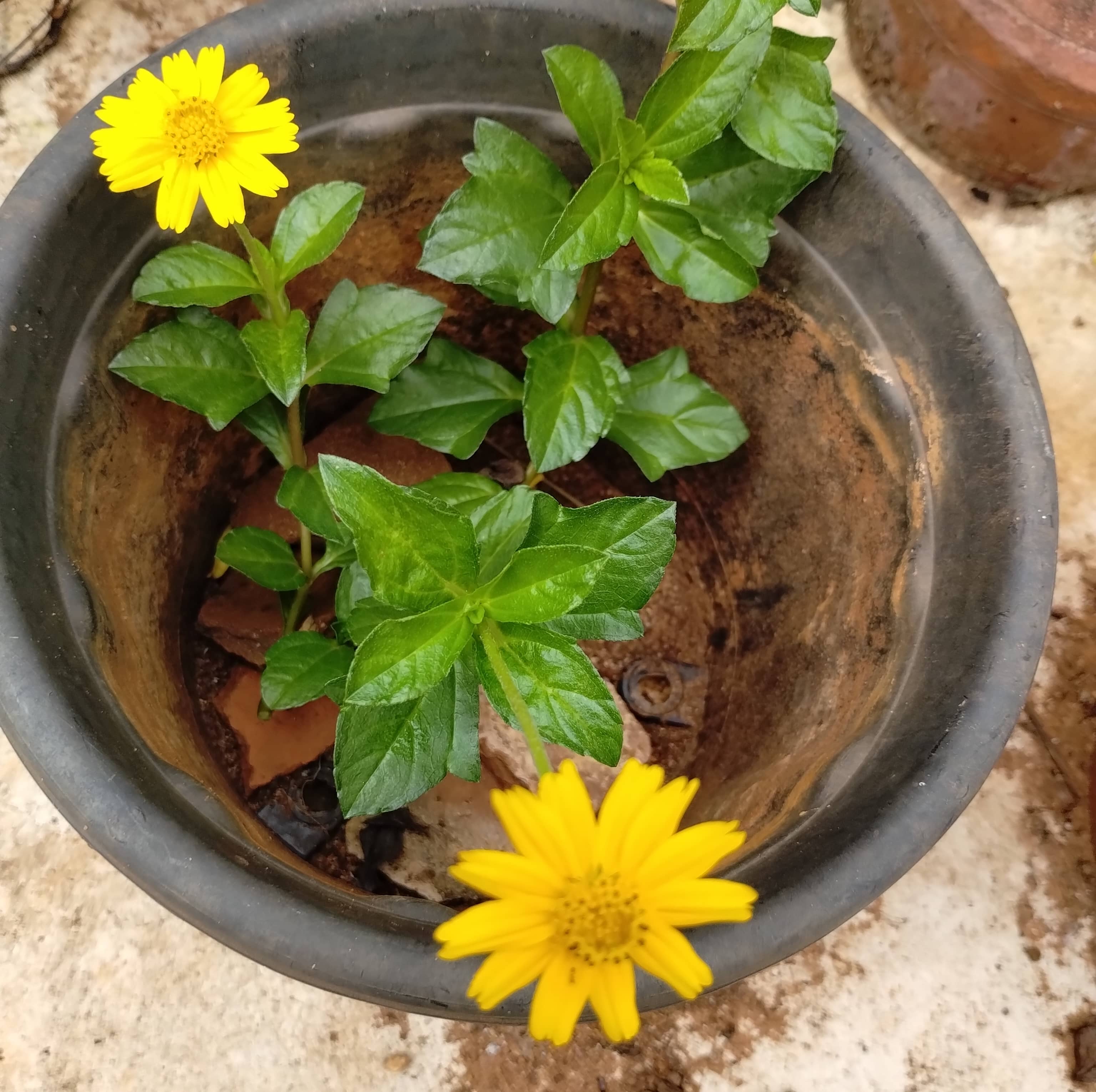
Wedelia Trilobata
Sphagneticola trilobata
Wedelia Trilobata, botanically classified as Sphagneticola trilobata and commonly known as the Creeping Daisy, Singapore Daisy, Trailing Daisy, or Creeping Oxeye, is an exceptionally fast-growing, mat-forming perennial herbaceous groundcover. Belonging to the family Asteraceae (the daisy or sunfl...