
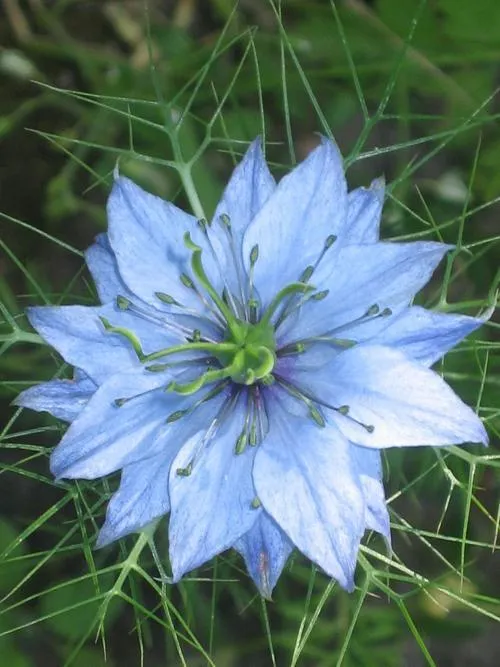
Love in a mist
Nigella damascena
How to Identify Love in a mist
NON-TOXIC. 100% safe for cats, dogs, and horses, making it an excellent, low-risk choice for active pet-safe cottage gardens.
Care & Growing Guide
Seasonal Blooming & Hardiness
Seasonal Blooming Calendar:
- Peak Bloom: Spring to early summer (typically April through June).
- Planting Time: Sow seeds directly outdoors in early spring after the last frost, or transplant nursery starts in late spring.
Bloom Timeline
About Love in a mist
The Love-in-a-mist, botanically designated as Nigella damascena and belonging to the family Ranunculaceae (the buttercup family), is a beloved, old-fashioned hardy annual flower. Native to the sunny hills, open meadows, and coastal fields of southern Europe, North Africa, and southwestern Asia—especially around the Mediterranean basin—this charming plant has been a cottage garden staple since medieval times. It is celebrated for its ethereal, romantic appearance, showcasing delicate jewel-like blossoms that seem to float inside a misty, lacy cloud of fine, feathery green foliage.
Typically growing in upright, multi-branching stems to a height of 12 to 24 inches with a spread of 8 to 12 inches, Nigella damascena is instantly recognized by its highly dissected, bright green thread-like foliage. In late spring and summer, the plant produces star-like blossoms measuring 1 to 1.5 inches across in dazzling shades of sky-blue, lavender, soft pink, deep purple, or pure white. Each bloom is nestled inside an elaborate, lacy collar of finely divided floral bracts. After flowering, it develops large, balloon-shaped, highly ornamental seed capsules decorated with vertical maroon stripes and horned tips.
The reproductive morphology of Love-in-a-mist is captured by the unique botanical floral formula EBr ⊕ ⚥ K5 C5-10 A∞ G(5). This formula denotes that the flowers are ebracteate (lacking typical sepals, though surrounded by fine involucral leaves), radially symmetrical (actinomorphic), and bisexual. Uniquely, the 5 large, colorful outer structures are actually petaloid sepals, while the 5 to 10 true petals are modified into tiny, tubular nectary glands. The androecium consists of numerous (∞) free, radiating stamens, and the gynoecium contains 5 fused carpels with a superior ovary that matures into the characteristic dry capsule.
Horticulturally, Love-in-a-mist is an exceptionally easy-to-grow annual that thrives in full sun to partial shade and performs best in well-drained, moderately fertile, neutral to slightly alkaline soils. It is a cool-season annual, meaning it grows and flowers best during the crisp months of spring and early summer, declining rapidly under intense summer heat and humidity. Because it possesses a long taproot, it dislikes transplanting and should be sown directly from seed where it is to grow. It is extremely drought-tolerant and self-seeds prolifically, returning year after year in USDA zones 2 through 11.
The poetic common name 'Love-in-a-mist' beautifully describes the delicate blue flowers nestled within their feathery, mist-like collar, while the contrasting name 'Devil-in-the-Bush' refers to the spiky, horned seed capsules emerging from the same foliage. Famed in Sanskrit as Krishnajeera Pushpam (कृष्णजीरक पुष्पम्) and in Hindi as Kalonji ka phool (कलौंजी का फूल), it is a relative of black cumin (Nigella sativa). In Victorian flower language, it was a symbol of perplexity, romantic bewilderment, and intricate attachment, widely featured in romantic floral bouquets.
For pet owners and gardeners, Love-in-a-mist is an exceptionally safe and worry-free choice. Unlike most members of the buttercup family, Nigella damascena is classified as completely NON-TOXIC to dogs, cats, and horses by major global animal safety databases. If a pet plays with or chews on the lacy leaves or dry seed capsules, there is absolutely no risk of toxic chemical poisoning. To discover more family-safe annuals and beautiful cottage garden selections, browse our general Pet Guard catalog. It looks spectacular in cottage borders alongside other non-toxic classics like Wild Pansy or golden Dandelion; find more in our Flower Identifier.
For more botanical profiles and flower identification features, see our guides on Leucas Aspera and Magnolia.
Floral Formula & Features
Ebracteate (no true bracts, but surrounded by finely divided involucral leaves), radially symmetrical (actinomorphic), bisexual, 5 large petal-like sepals (colorful), 5-10 small tubular petals modified as nectaries, numerous free stamens, 5 fused carpels with superior ovary. Similar structure to hellebores
- Scientific Name & Classification: Nigella damascena (Ranunculaceae). Commonly called Love-in-a-Mist, Devil-in-the-Bush, and Fennel Flower.
- Identification Markers: Finely dissected feathery thread-like green foliage, 1-1.5 inch star-shaped blue/white/pink flowers, and inflated horned seed pods with maroon stripes.
- Floral Formula (EBr ⊕ ⚥ K5 C5-10 A∞ G(5)): Radially symmetrical, bisexual flowers with 5 petaloid sepals, 5-10 tubular nectary-petals, numerous stamens, and 5 fused carpels.
- Growing Requirements: Full sun to partial shade; well-drained fertile soil. Dislikes transplanting due to taproot; direct-sow in spring or fall (Zones 2-11 as annual).
- Cultural Significance: Famed in Victorian language of flowers as a symbol of romantic perplexity. Relative of black cumin; seed capsules highly prized for dry bouquets.
- Safety & Toxicity: NON-TOXIC. 100% safe for cats, dogs, and horses, making it an excellent, low-risk choice for active pet-safe cottage gardens.
- Common Look-alikes: Confused with true black cumin (Nigella sativa), but easily distinguished by its much more prominent, misty feathery foliage and balloon-shaped pods.
- Internal Links: Creates a beautiful romantic display in cottage garden borders beside Wild Pansy or golden Dandelion; find more in our Flower Identifier.
Names in Different Languages
Botanical Classification: Love in a mist belongs to the Ranunculaceae family. Learn how to identify its floral symmetry, stamen arrangement, and structural formulas in our Botanical Family Classification Guide.
Toxicity & Safety
Frequently Asked Questions
What is Floral Formula?
A floral formula is a symbolic representation of a flower's structure using letters, numbers, and special symbols. It provides a concise way to describe the arrangement and number of floral parts.
This formula describes the flower's symmetry, sepals, petals, stamens, and carpels in a standardized format.
Formula Sequence
- Bract: Br or Ebr
- Bracteole: Brl or Ebrl
- Symmetry: % (Radial) or ⊕ (Bilateral)
- Sex: ♀ (Female), ♂ (Male), or ⚥ (Bisexual)
- Calyx/Sepal: K<number> (Free or Fused)
- Corolla/Petal: C<number> (Free or Fused)
- Androecium: A<number> (Free or Fused)
- Gynaecium: G<number> (Superior or Inferior Ovary)
Symbol Meanings
- Numbers: Indicate quantity of parts
- Parentheses (): Parts are fused together
- Plus (+): Parts in different whorls
- Underline: Superior ovary position
- Overline: Inferior ovary position
- ∞: Numerous parts (too many to count)
Understanding floral formulas helps botanists quickly identify and classify flowers based on their structural characteristics.
Similar Flowers
Discover flowers that share botanical characteristics
Same Family
4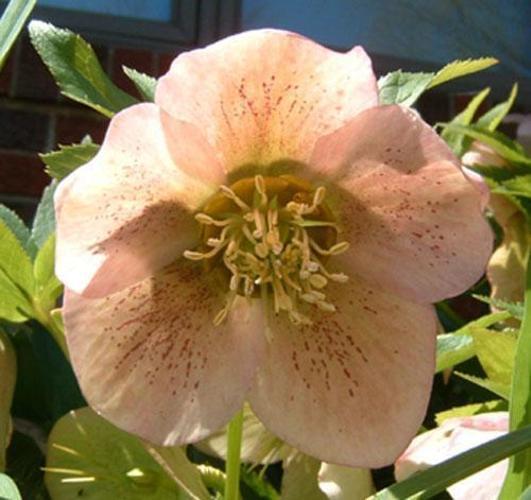
Hellebore (Lenten Rose)
Helleborus orientalis
Hellebores, widely known as the Lenten Rose, Christmas Rose, or Oracle Flower, are enchanting, evergreen perennials belonging to the Ranunculaceae (Buttercup) family. Native primarily to the mountainous and woodland regions of Europe and the Balkans, these remarkable plants are highly prized by g...
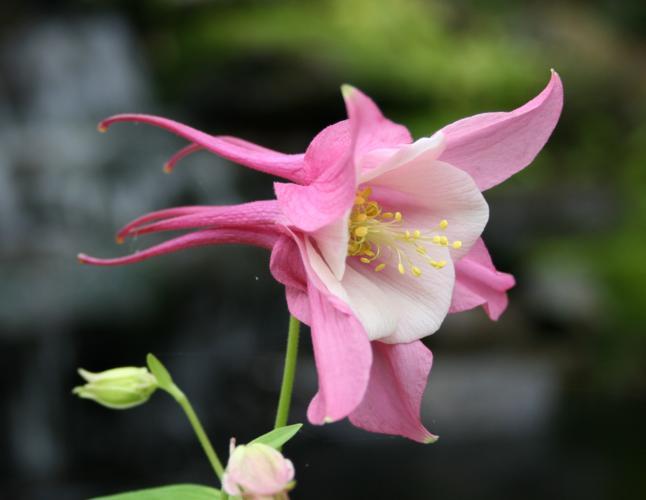
Columbine
Aquilegia
Columbine (Aquilegia), a member of the Ranunculaceae (Buttercup) family, is a gracefully elegant perennial known for its multi-colored, spurred blossoms and delicate, fern-like foliage. Native to the woodlands, meadows, and high-altitude slopes of the Northern Hemisphere—spanning across North Ame...
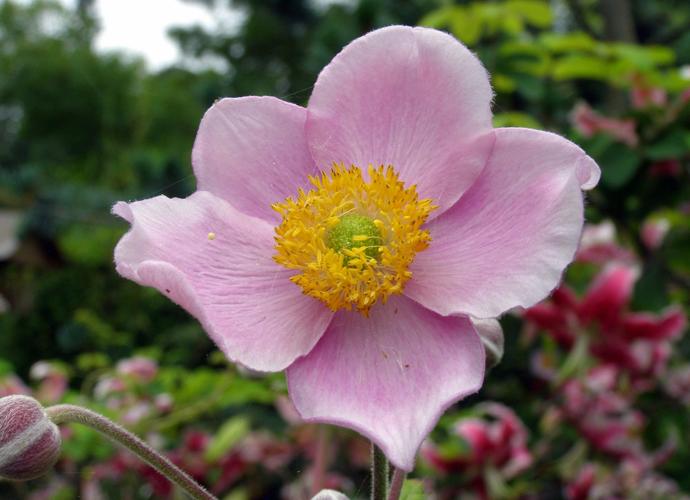
Japanese anemone
Anemone hupehensis, Anemone hybrida
The Japanese Anemone, botanically classified as Anemone hupehensis (and recently reclassified under the genus Eriocapitella), is an exceptionally graceful, late-blooming herbaceous perennial belonging to the Ranunculaceae (buttercup) family. Despite its common name, this elegant species is native...
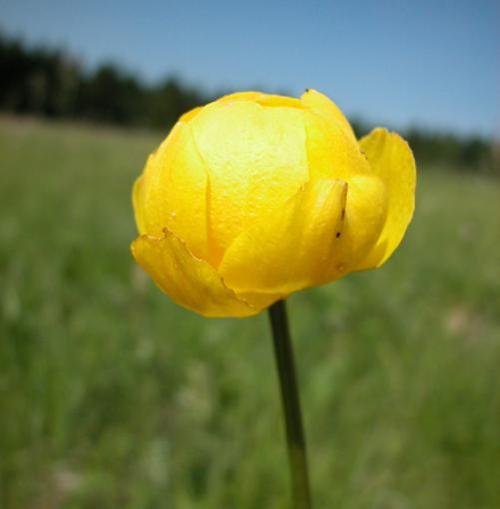
Globe flower
Trollius
The Globe Flower, botanically classified as Trollius and most famous as Trollius europaeus, is a whimsical, moisture-loving herbaceous perennial belonging to the Ranunculaceae (buttercup) family. Native to the cool temperate, alpine, and sub-boreal zones of Europe, northern Asia, and North Americ...
Similar Characteristics
4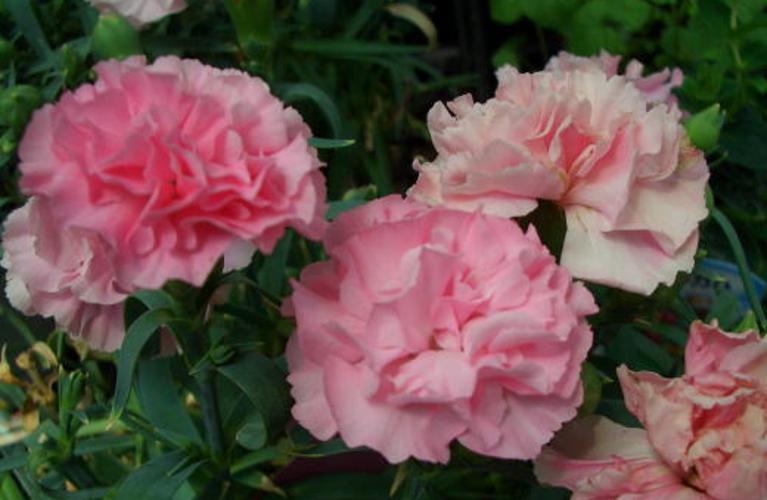
Carnation flower
Dianthus caryophyllus
The Carnation, botanically known as Dianthus caryophyllus and classically called the Clove Pink or Gillyflower, is an extraordinarily famous herbaceous perennial belonging to the Caryophyllaceae (pink or carnation) family. Native to the rocky slopes and coastal scrub of the Mediterranean region—p...
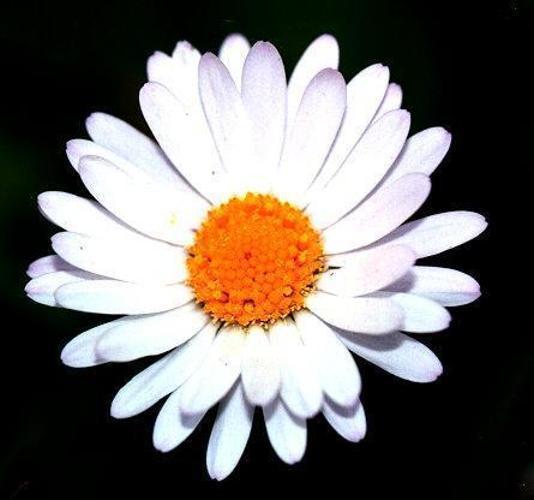
Oxeye Daisy
Leucanthemum vulgare
The Oxeye Daisy, botanically classified as Leucanthemum vulgare and historically celebrated as the Moon Daisy or Dog Daisy, is an exceptionally cheerful, rhizomatous herbaceous perennial belonging to the Asteraceae (daisy or composite) family. Native to the sweeping fields, dry pastures, and sunn...
Globe flower
Trollius
The Globe Flower, botanically classified as Trollius and most famous as Trollius europaeus, is a whimsical, moisture-loving herbaceous perennial belonging to the Ranunculaceae (buttercup) family. Native to the cool temperate, alpine, and sub-boreal zones of Europe, northern Asia, and North Americ...
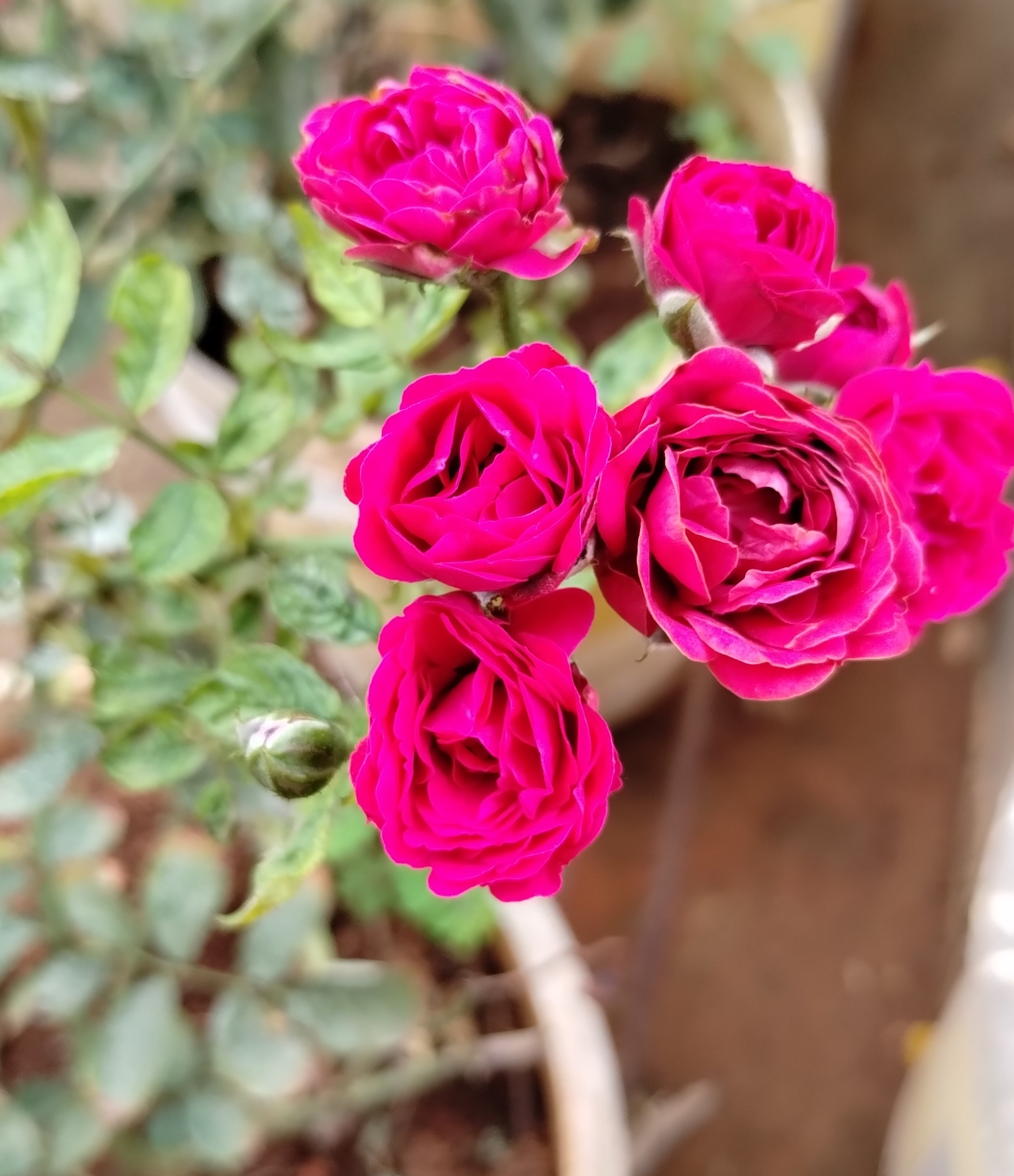
Rose
Rosa
The Rose, belonging to the genus Rosa and the eponymous family Rosaceae, is globally celebrated as the world's most popular and highly revered flower, with a rich history of cultivation spanning over 5,000 years. Famed across civilizations from ancient China, Persia, and Rome to the modern Englis...