
Larkspur
Delphinium
How to Identify Larkspur
Care & Growing Guide
Seasonal Blooming & Hardiness
Bloom Timeline
About Larkspur
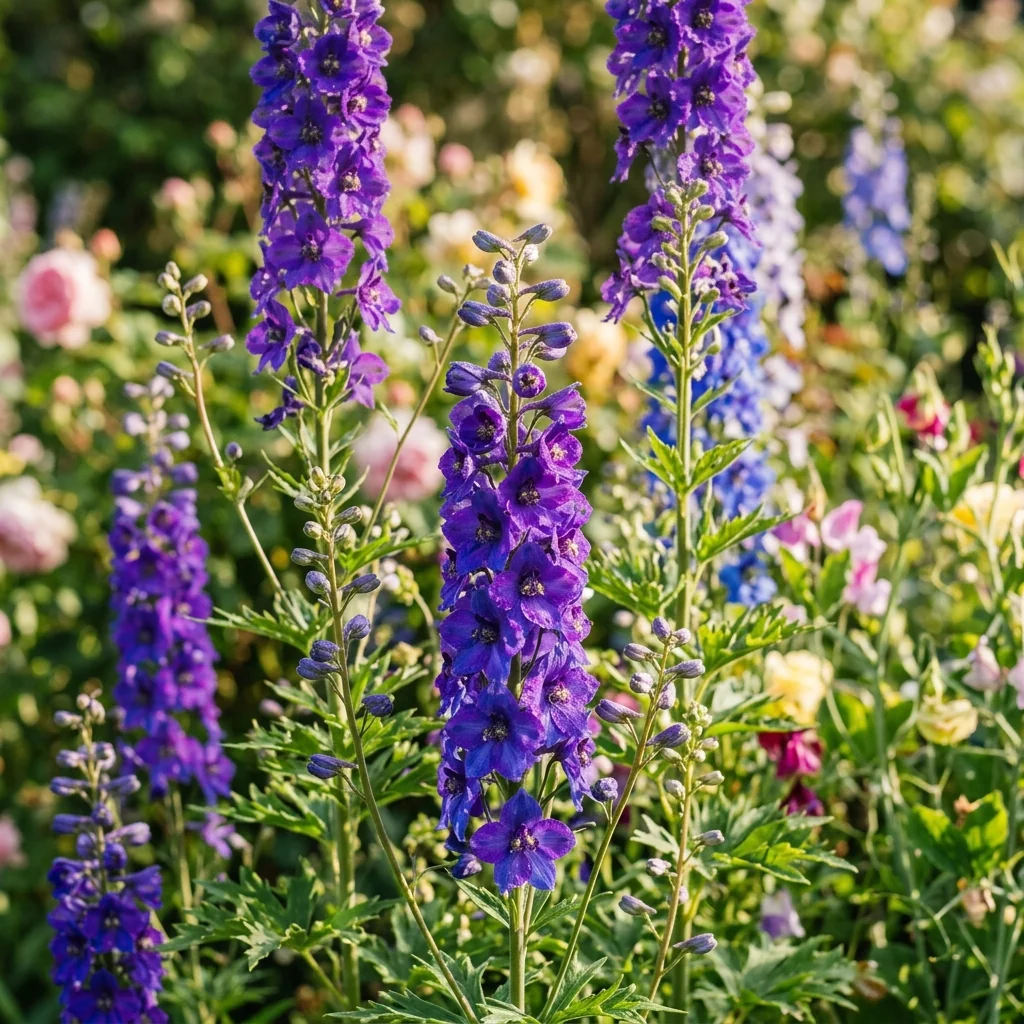
Larkspur, belonging to the genus Delphinium within the buttercup family Ranunculaceae, is a group of highly popular annual and perennial flowering plants famous for their towering, vertical flower spikes. Native throughout the Northern Hemisphere and high-altitude tropical mountains of Africa, larkspur has long been a staple of classic cottage gardens, admired for its intense blue and purple colors, which are rare in the botanical world.
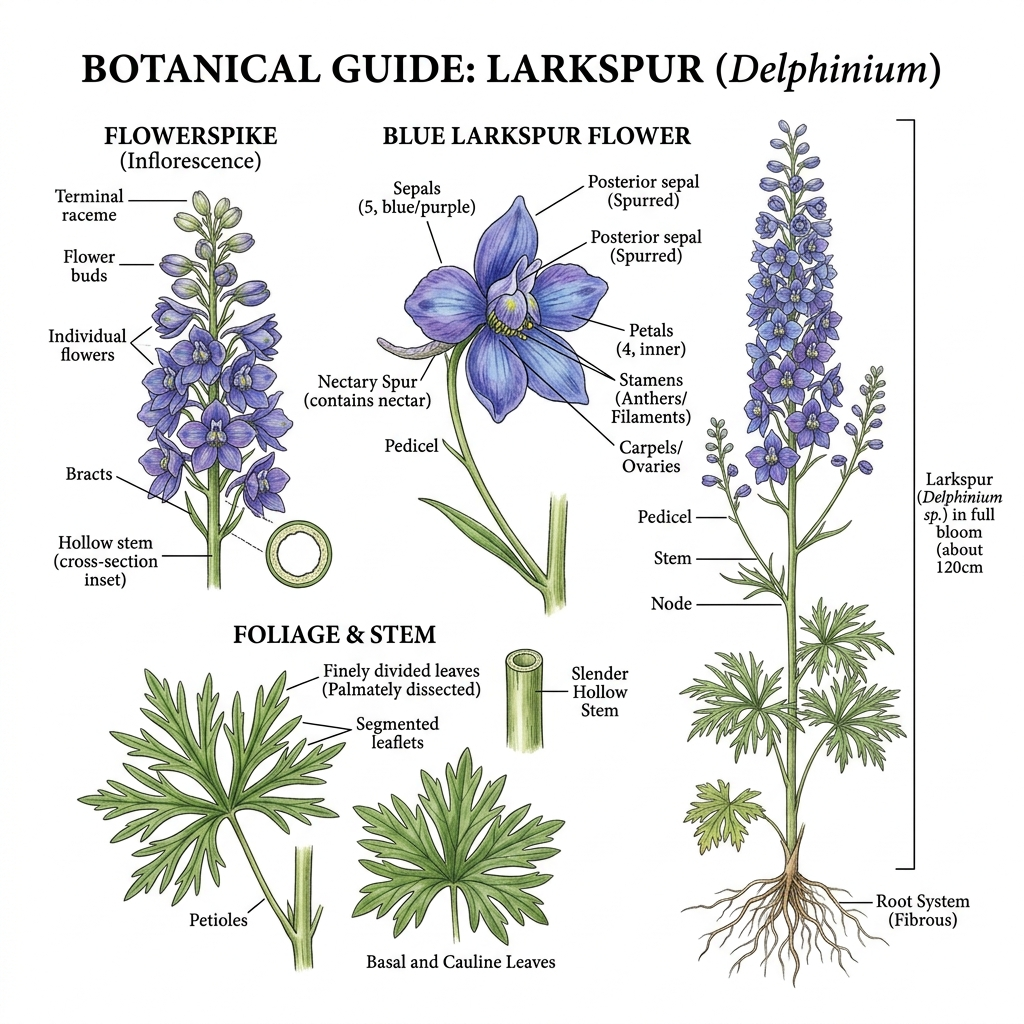
Growing as upright, slender herbaceous plants, larkspurs range from 2 to 6 feet in height. They feature deeply divided, feathery green leaves alternate on the stems. The spectacular flowers are arranged in dense terminal spikes, featuring a unique structure where a backward-pointing nectar spur is formed by the upper sepal, giving the flower its common name 'Larkspur' (resembling the spur of a lark's claw). The stems are hollow and lack thorns.
The reproductive morphology of Delphinium is represented by the formula % ⚥ K5 C4 A∞ G3-5. The flowers are bilaterally symmetrical (zygomorphic) and bisexual. The colorful 'petals' are actually 5 petal-like sepals, with the top one forming the long spur. The true corolla consists of 4 small petals (two forming nectar spurs inside the outer sepal spur, and two forming a fuzzy 'bee' center). The androecium has numerous stamens, and the gynoecium contains 3 to 5 separate carpels forming superior ovaries.
Larkspurs are cool-season plants that thrive in full sun and well-draining, moist, organic-rich alkaline soils. They require cool summers to perform well, as high heat and humidity will cause the plants to decline rapidly. They are easily grown from seeds sown directly in autumn or early spring. Larkspurs grow successfully in USDA zones 2 through 10.
Despite their visual appeal, larkspurs are extremely toxic to humans and household pets. All parts of the plant, especially young shoots and seeds, contain high levels of diterpene alkaloids (primarily delphinine). Ingestion triggers neuromuscular blockade, muscle stiffness, drooling, tremors, respiratory paralysis, convulsions, and cardiac arrest, which can be lethal within hours. Larkspur is a critical emergency hazard for cats and dogs.
Larkspur is easily identified by its tall vertical spikes of spurred blue/purple flowers and feathery leaves. It is often confused with Monkshood, but distinguished by the spur rather than a rounded hood. In cottage borders, it pairs beautifully with snapdragons and hollyhocks. To study more cottage garden annuals, browse our Flower Identifier.
Floral Formula & Features
Zygomorphic (bilaterally symmetrical), bisexual, 5 petal-like sepals (upper one forming a spur), 4 petals, numerous stamens, 3-5 distinct superior carpels.
- Scientific Name & Classification: *Delphinium* spp. (Ranunculaceae). Famed as Larkspur and Delphinium.
- Identification Markers: Tall, slender vertical spikes of spurred blue, purple, or pink flowers. Leaves are deeply divided, feathery, and alternate on a hollow stem.
- Floral Formula (% ⚥ K5 C4 A∞ G3-5): Bilaterally symmetrical, bisexual flowers with 5 petal-like sepals (top one spurred), 4 small petals, and 3-5 superior carpels.
- Growing Requirements: Full sun; requires cool, moist, organic-rich well-drained alkaline soil. Thrives in cool-summer climates (Zones 2-10).
- Cultural Significance: Associated with lightness, levity, and love in the language of flowers. A historic cottage garden favorite.
- Safety & Toxicity: HIGHLY TOXIC / LETHAL TO DOGS & CATS. Contains diterpene alkaloids causing rapid muscle tremors, paralysis, and cardiac arrest.
- Common Look-alikes: Confused with Monkshood, but distinguished by its distinct backward-pointing spur rather than a rounded helmet hood.
- Internal Links: Complements other tall vertical bloomers like Hollyhock-alcea_rosea or Antirrhinum-snapdragon; search in our Flower Identifier.
Names in Different Languages
Botanical Classification: Larkspur belongs to the Ranunculaceae family. Learn how to identify its floral symmetry, stamen arrangement, and structural formulas in our Botanical Family Classification Guide.
Toxicity & Safety
Always keep toxic plants out of reach of children and pets. Consult a veterinarian or medical professional immediately if ingestion is suspected.
Pet Safety Guide: For detailed toxicity symptoms, first-aid measures, and safe garden alternatives, see our full Pet Guard Profile for Larkspur.
Frequently Asked Questions
What is Floral Formula?
A floral formula is a symbolic representation of a flower's structure using letters, numbers, and special symbols. It provides a concise way to describe the arrangement and number of floral parts.
This formula describes the flower's symmetry, sepals, petals, stamens, and carpels in a standardized format.
Formula Sequence
- Bract: Br or Ebr
- Bracteole: Brl or Ebrl
- Symmetry: % (Radial) or ⊕ (Bilateral)
- Sex: ♀ (Female), ♂ (Male), or ⚥ (Bisexual)
- Calyx/Sepal: K<number> (Free or Fused)
- Corolla/Petal: C<number> (Free or Fused)
- Androecium: A<number> (Free or Fused)
- Gynaecium: G<number> (Superior or Inferior Ovary)
Symbol Meanings
- Numbers: Indicate quantity of parts
- Parentheses (): Parts are fused together
- Plus (+): Parts in different whorls
- Underline: Superior ovary position
- Overline: Inferior ovary position
- ∞: Numerous parts (too many to count)
Understanding floral formulas helps botanists quickly identify and classify flowers based on their structural characteristics.
Companion Plants & Garden Pairings
3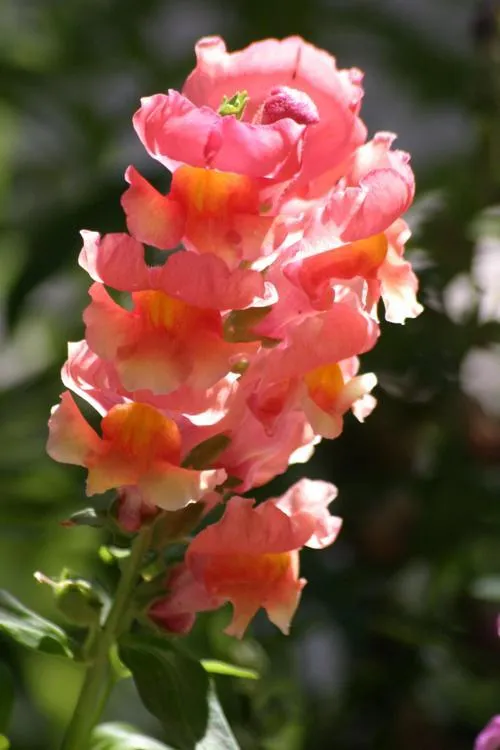
Snapdragon
Antirrhinum majus
Echoes the tall, vertical flower spikes of Larkspur, adding rich, warm colors to cottage borders.
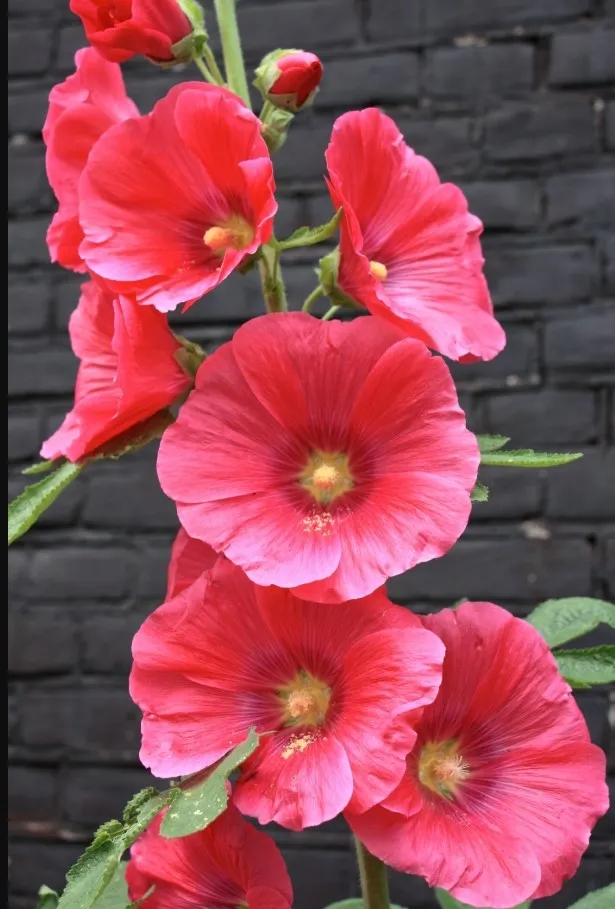
Hollyhock
Alcea rosea
Pairs as a vertical backdrop, extending the summer vertical interest along fences and walls.
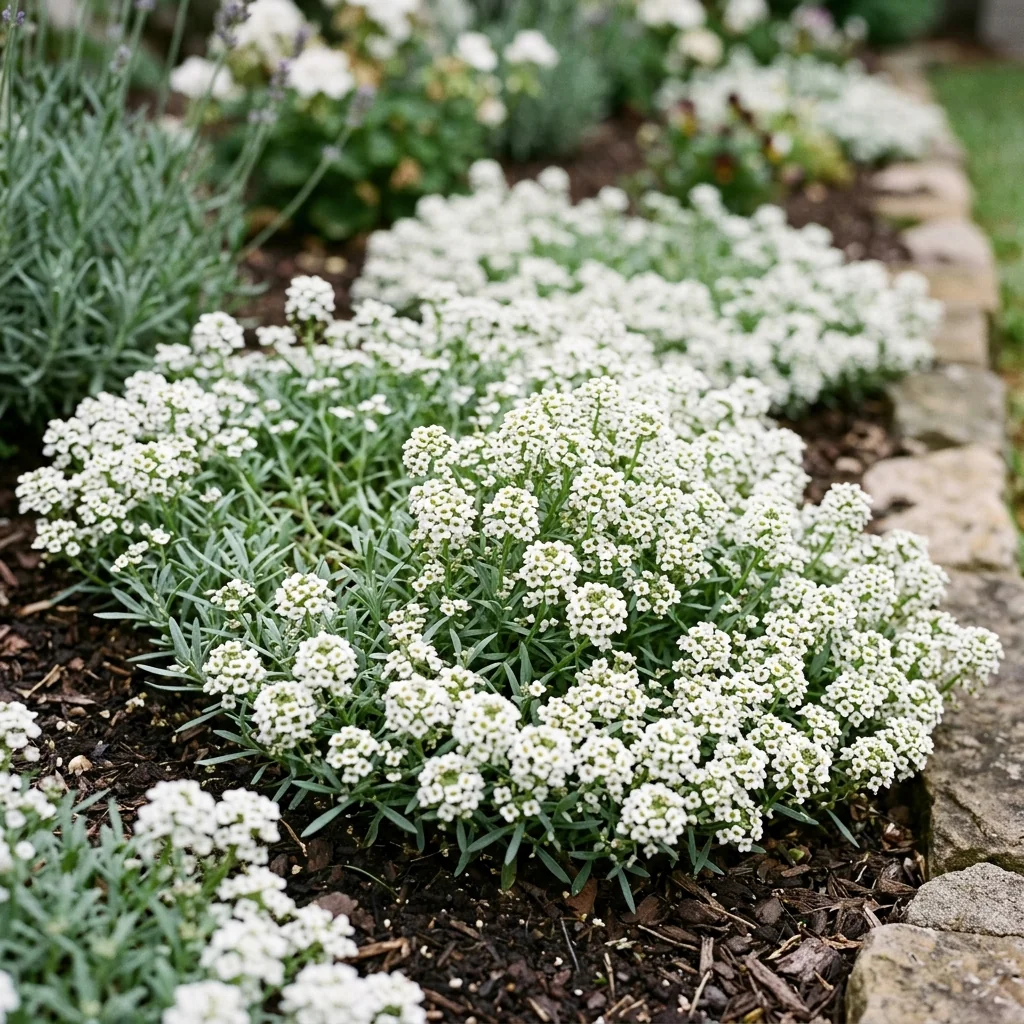
Sweet Alyssum
Lobularia maritima
Creates a low-growing, honey-scented ground cover at the foot of larkspur spikes, softening the borders.
Similar Flowers
Discover flowers that share botanical characteristics
Same Family
4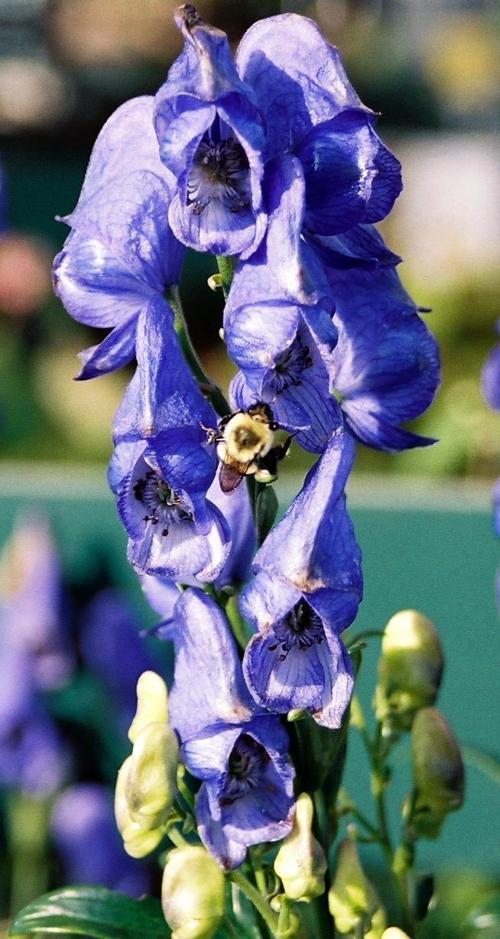
Monkshood
Aconitum napellus
Aconitum napellus, commonly known as Monkshood or Wolfsbane, is a plant of profound beauty and extreme danger, standing as one of the most toxic species in the Northern Hemisphere's temperate regions. A member of the Ranunculaceae (Buttercup) family, it is native to the moist, mountainous meadows...
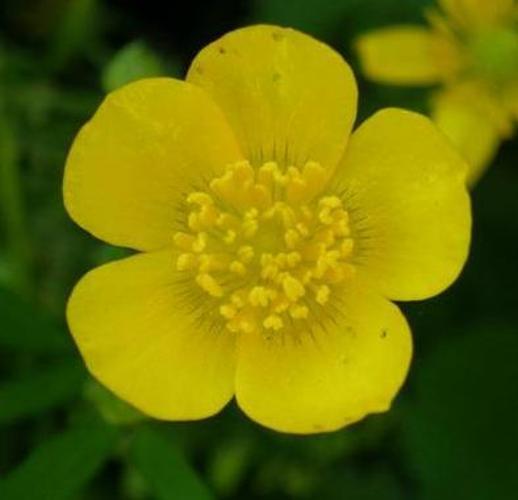
Meadow Buttercup
Ranunculus acris
The Meadow Buttercup (Ranunculus acris) is a ubiquitous, bright, and cheerful herbaceous perennial belonging to the Ranunculaceae family. Native to Europe and Eurasia, it has naturalized widely across North America and other temperate regions globally. While often viewed nostalgically as a classi...
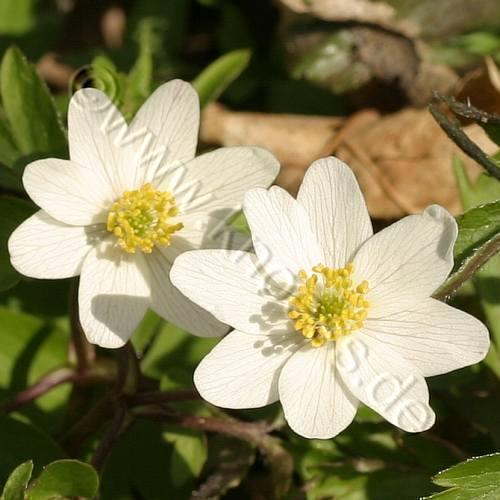
Windflower
Anemone
Windflower, botanically classified under the extensive genus Anemone within the Ranunculaceae (buttercup) family, comprises a spectacular and diverse group of herbaceous perennials beloved for their elegant, swaying blooms. Distributed throughout the temperate and cold regions of the Northern Hem...
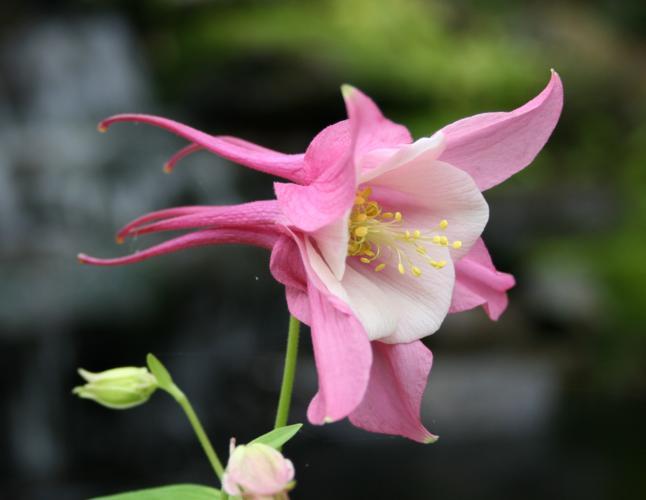
Columbine
Aquilegia
Columbine (Aquilegia), a member of the Ranunculaceae (Buttercup) family, is a gracefully elegant perennial known for its multi-colored, spurred blossoms and delicate, fern-like foliage. Native to the woodlands, meadows, and high-altitude slopes of the Northern Hemisphere—spanning across North Ame...
Similar Characteristics
4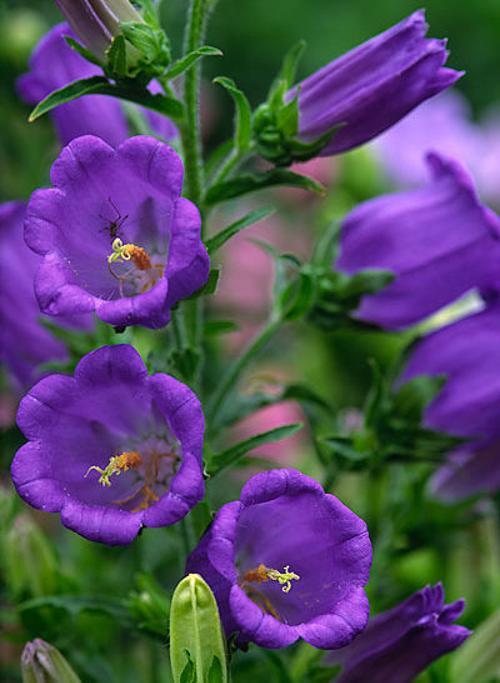
Canterbury bells
Campanula medium
Campanula medium, commonly known as Canterbury Bells, is a quintessential cottage garden biennial that brings a sense of Victorian elegance and whimsical charm to any landscape. Belonging to the Campanulaceae family, this species is native to the sun-drenched hills of Southern Europe, particularl...
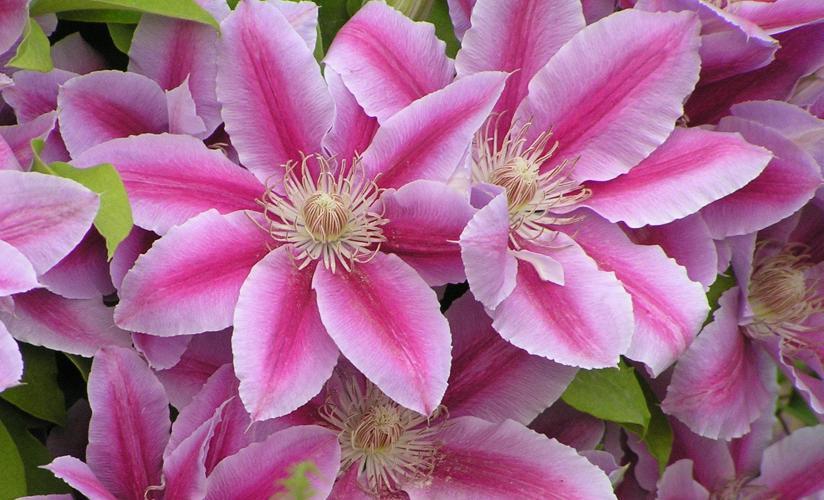
Clematis
Clematis
The Clematis, belonging to the genus Clematis within the family Ranunculaceae (the buttercup family), is a spectacular genus of perennial climbing vines widely hailed as the 'Queen of the Climbers.' Native to the temperate woodlands, rocky hillsides, and river hedgerows across the Northern Hemisp...
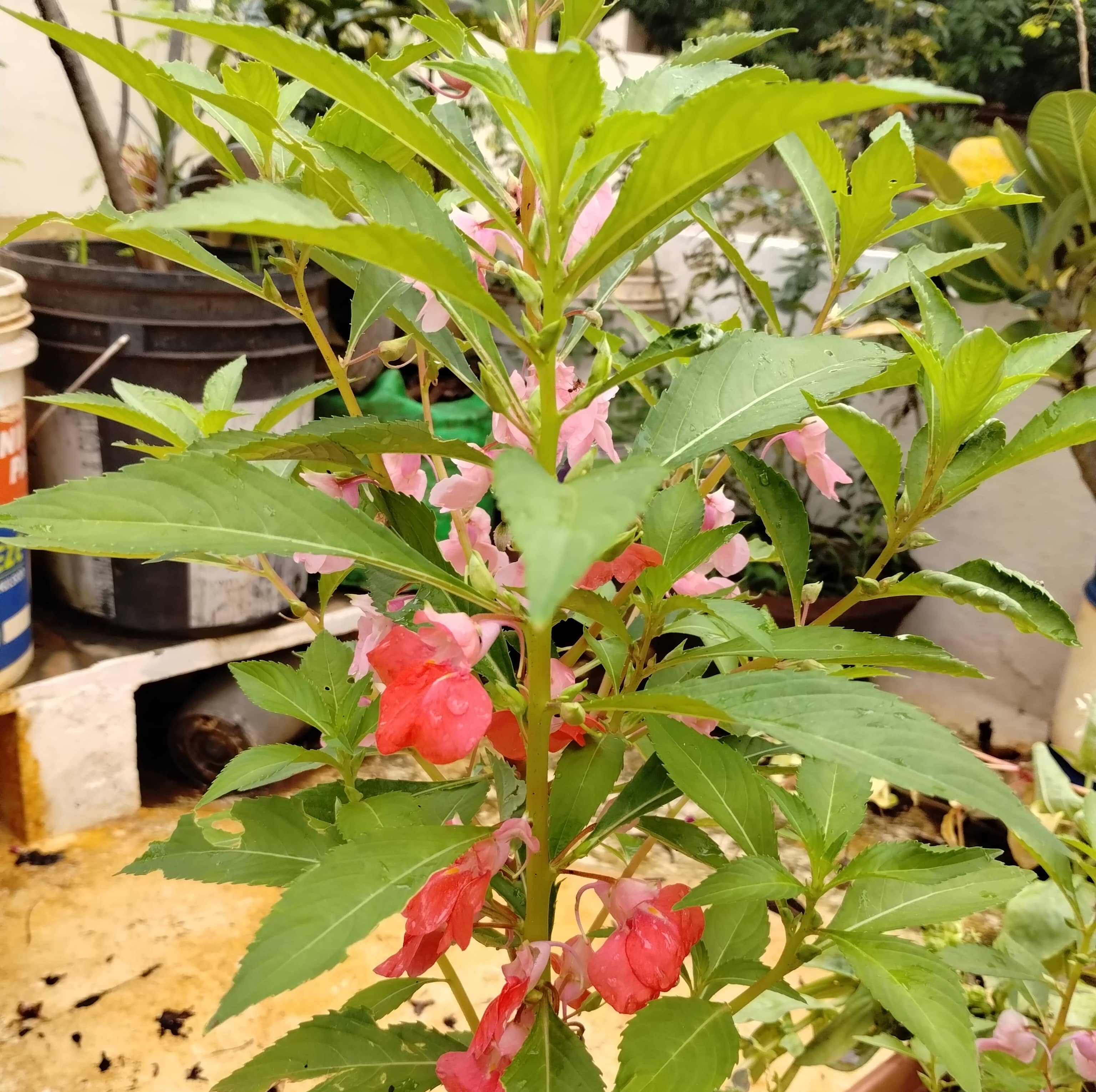
Balsam (Rose Balsam)
Impatiens balsamina
Balsam (Impatiens balsamina), commonly referred to as Rose Balsam or Touch-me-not, is a charming, old-fashioned annual belonging to the Balsaminaceae family. Native to South Asia and Southeast Asia, it has been a beloved staple in Victorian cottage gardens for over a century. It is highly valued...
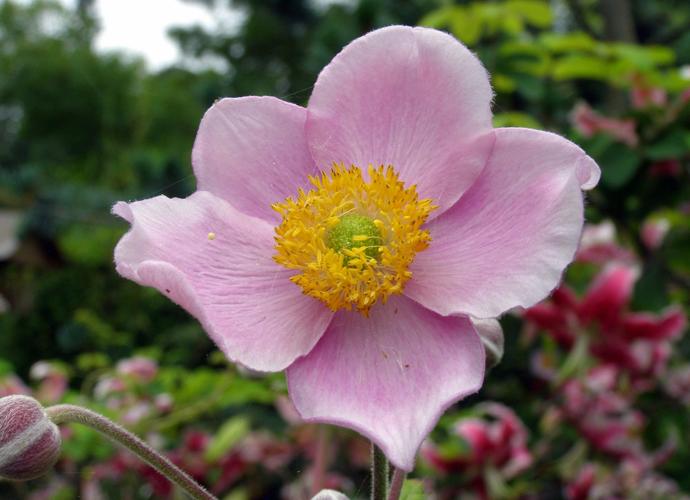
Japanese anemone
Anemone hupehensis, Anemone hybrida
The Japanese Anemone, botanically classified as Anemone hupehensis (and recently reclassified under the genus Eriocapitella), is an exceptionally graceful, late-blooming herbaceous perennial belonging to the Ranunculaceae (buttercup) family. Despite its common name, this elegant species is native...