
Magnolia
Magnolia
How to Identify Magnolia
Care & Growing Guide
Seasonal Blooming & Hardiness
Seasonal Blooming Calendar:
- Peak Bloom: Summer (typically June through September).
- Planting Time: Sow seeds directly outdoors in early spring after the last frost, or transplant nursery starts in late spring.
Bloom Timeline
About Magnolia
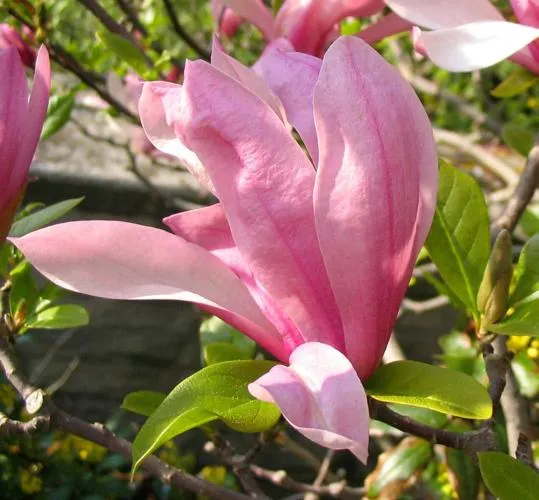
The Magnolia genus, the namesake of the Magnoliaceae family, represents one of the most ancient and majestic lineages of flowering plants on Earth. Fossil records indicate that Magnolias have existed for over 95 million years, flourishing long before the evolution of bees. This prehistoric origin is evident in their unique reproductive strategy; they are primarily pollinated by beetles, which were the dominant pollinators during the Cretaceous period. Consequently, Magnolia flowers have evolved tough, leathery carpels to withstand the nibbling and crawling of these armor-clad insects. Native to two distinct regions—East Asia and the Americas—Magnolias have become iconic symbols of perseverance and dignity across multiple cultures.
In terms of identification, Magnolias are recognized by their large, showy blooms that can range from 3 to 12 inches in diameter. These flowers do not possess distinct sepals and petals; instead, they have 'tepals,' which are undifferentiated perianth segments. The color palette is diverse, spanning from the classic creamy white of the Magnolia grandiflora to vibrant pinks, deep purples, and even subtle yellows. The foliage is equally impressive, featuring large, glossy, and often leathery leaves that provide year-round interest in evergreen species or dramatic seasonal shifts in deciduous varieties. Depending on the species, Magnolias can grow as compact shrubs or reach towering heights of up to 80 feet (24 meters).
From a botanical perspective, the Floral Formula (EBr ⊕ ⚥ P9-18 A∞ G∞) reveals a primitive but highly efficient structure. The flowers are radially symmetrical and bisexual, with numerous stamens and carpels arranged spirally on a cone-like receptacle. This spiral arrangement is a hallmark of primitive floral architecture, reflecting the evolutionary transition from cone-bearing plants to true flowering plants.
To thrive, Magnolias generally prefer full sun to partial shade and slightly acidic, moist, but well-drained soil rich in organic matter. They are hardy across USDA zones 4 through 10, though specific species requirements vary. Proper mulching is essential to protect their shallow root systems and maintain moisture levels. They are relatively slow-growing but can live for over a century, becoming more majestic and architectural with age.
Culturally, the Magnolia is deeply significant. In the American South, it is a symbol of hospitality and strength, while in China and Japan, it represents purity and nobility. It is known as Mùlán in Chinese, Mokuren in Japanese, and simply Magnolia in Italian. While the plant is generally considered non-toxic, pet owners should always exercise caution, as some species may cause mild gastrointestinal upset if large quantities of leaves or seeds are ingested.
Common look-alikes include the Camellia, which has smaller flowers and more serrated leaves, and the Gardenia, which is more compact and has a different fragrance profile. The Tulip Tree (Liriodendron) is a close relative but is distinguished by its distinctively lobed leaves. For more botanical discoveries, visit our Flower Identifier hub
For more botanical profiles and flower identification features, see our guides on Love in a mist and Mallow.
Floral Formula & Features
Ebracteate (no bracts), radially symmetrical (actinomorphic), bisexual, 9-18 tepals in 3-6 whorls of 3, numerous free stamens arranged spirally, numerous free carpels arranged spirally on elongated receptacle (apocarpous), each with superior ovary.
- Scientific Name & Classification: Magnolia (Genus) within the Magnoliaceae family. Ancient 'living fossils' dating back 95 million years, evolving before bees existed.
- Identification Markers: Large goblet or star-shaped flowers with 'tepals' (undifferentiated petals/sepals). Glossy, leathery leaves and cone-like aggregate fruit with red seeds.
- Floral Formula (EBr ⊕ ⚥ P9-18 A∞ G∞): Radially symmetrical, bisexual, with numerous spiral stamens and carpels. Primarily pollinated by beetles due to its ancient origin.
- Growing Requirements: USDA Zones 4-10. Prefers full sun to part shade, slightly acidic soil, and consistent moisture. Shallow, wide-spreading roots require protective mulching.
- Regional Names: Known as 木兰 (Mùlán) in Chinese, 木蓮 (Mokuren) in Japanese, Magnolia in Italian, and Sampangi in Telugu.
- Pet Safety & Toxicity: Generally non-toxic to dogs and cats. However, ingestion of massive quantities of foliage may cause mild gastrointestinal upset.
- Common Look-Alikes: Often confused with Camellias (smaller flowers) or Gardenias. The Tulip Tree shares similar floral traits but has uniquely lobed leaves.
Names in Different Languages
Botanical Classification: Magnolia belongs to the Magnoliaceae family. Learn how to identify its floral symmetry, stamen arrangement, and structural formulas in our Botanical Family Classification Guide.
Toxicity & Safety
Always keep toxic plants out of reach of children and pets. Consult a veterinarian or medical professional immediately if ingestion is suspected.
Frequently Asked Questions
What is Floral Formula?
A floral formula is a symbolic representation of a flower's structure using letters, numbers, and special symbols. It provides a concise way to describe the arrangement and number of floral parts.
This formula describes the flower's symmetry, sepals, petals, stamens, and carpels in a standardized format.
Formula Sequence
- Bract: Br or Ebr
- Bracteole: Brl or Ebrl
- Symmetry: % (Radial) or ⊕ (Bilateral)
- Sex: ♀ (Female), ♂ (Male), or ⚥ (Bisexual)
- Calyx/Sepal: K<number> (Free or Fused)
- Corolla/Petal: C<number> (Free or Fused)
- Androecium: A<number> (Free or Fused)
- Gynaecium: G<number> (Superior or Inferior Ovary)
Symbol Meanings
- Numbers: Indicate quantity of parts
- Parentheses (): Parts are fused together
- Plus (+): Parts in different whorls
- Underline: Superior ovary position
- Overline: Inferior ovary position
- ∞: Numerous parts (too many to count)
Understanding floral formulas helps botanists quickly identify and classify flowers based on their structural characteristics.
Similar Flowers
Discover flowers that share botanical characteristics
Similar Characteristics
4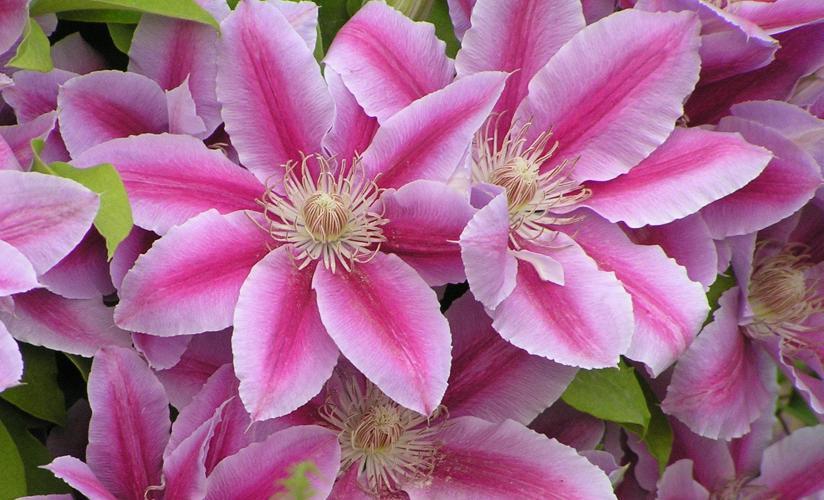
Clematis
Clematis
The Clematis, belonging to the genus Clematis within the family Ranunculaceae (the buttercup family), is a spectacular genus of perennial climbing vines widely hailed as the 'Queen of the Climbers.' Native to the temperate woodlands, rocky hillsides, and river hedgerows across the Northern Hemisp...
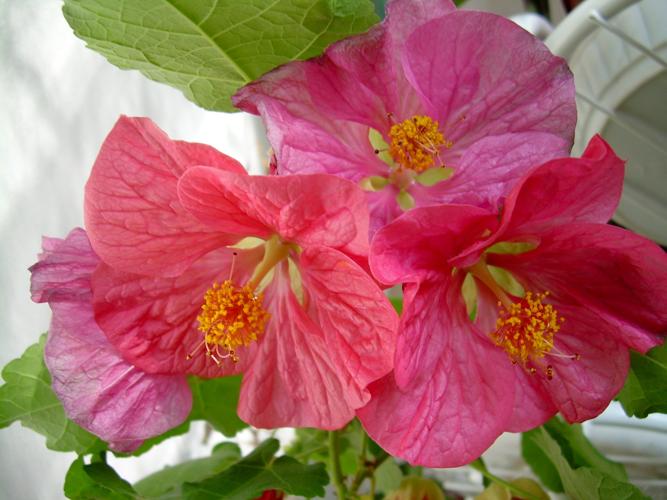
Mallow
Malva sylvestris
The Mallow, botanically designated as Malva sylvestris and commonly known as Common Mallow, High Mallow, Tall Mallow, or Cheeseweed, is an exceptionally versatile, hardy, and resilient biennial to short-lived perennial herb. Belonging to the family Malvaceae (the mallow family), this ancient plan...
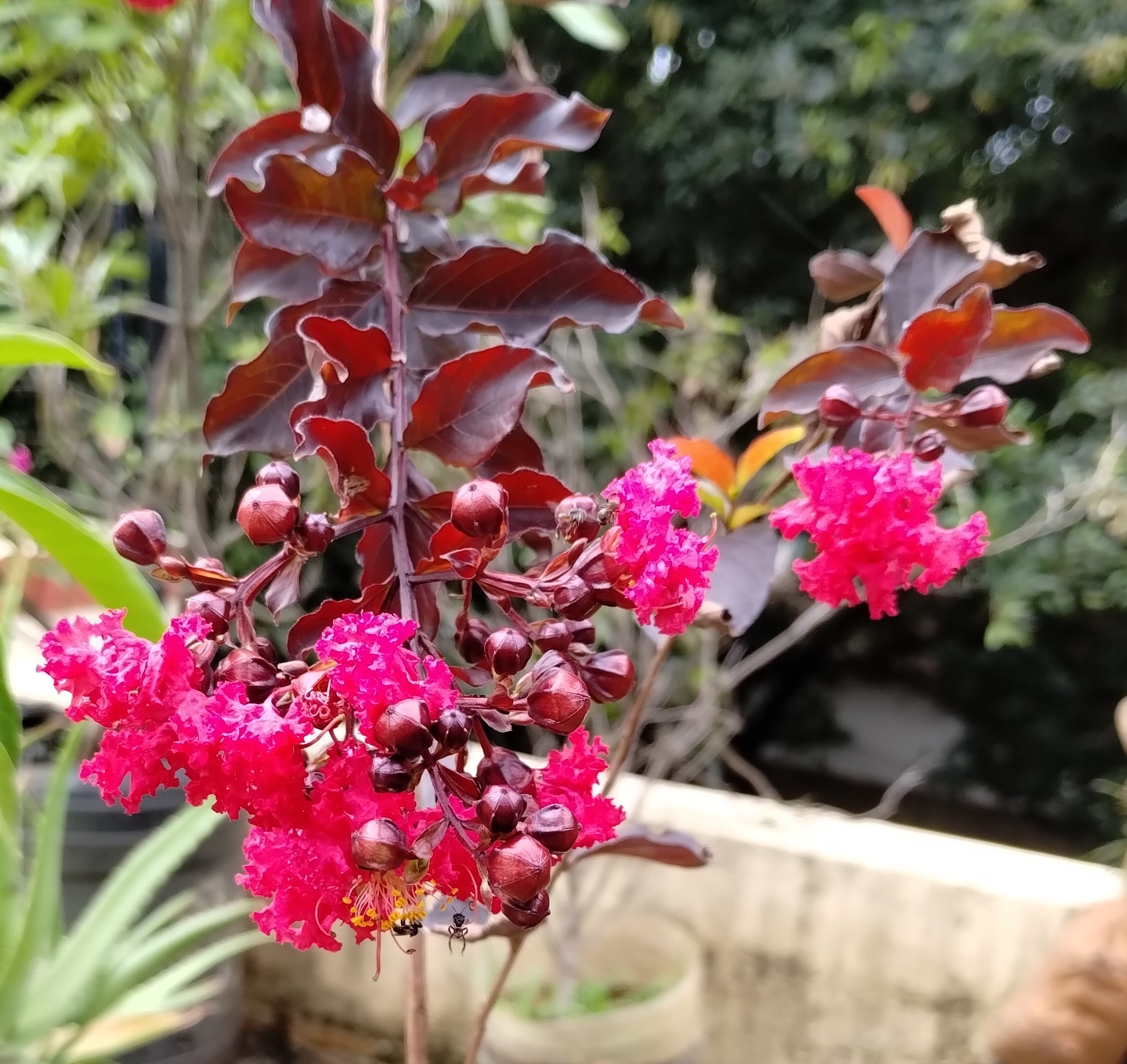
Crepe Myrtle
Lagerstroemia indica
The Crepe Myrtle, scientifically known as Lagerstroemia indica and affectionately called Furush on the Indian subcontinent, is a majestic deciduous shrub or small multi-trunked tree in the Lythraceae family. Native to a vast expanse of Asia—including India, China, Southeast Asia, Japan, and Korea...
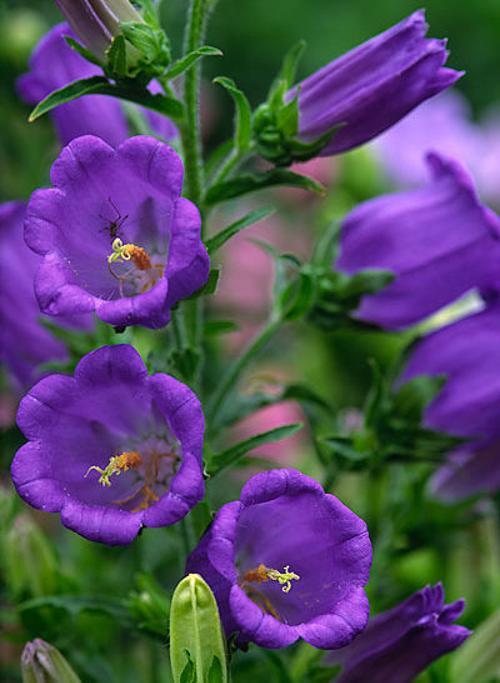
Canterbury bells
Campanula medium
Campanula medium, commonly known as Canterbury Bells, is a quintessential cottage garden biennial that brings a sense of Victorian elegance and whimsical charm to any landscape. Belonging to the Campanulaceae family, this species is native to the sun-drenched hills of Southern Europe, particularl...