
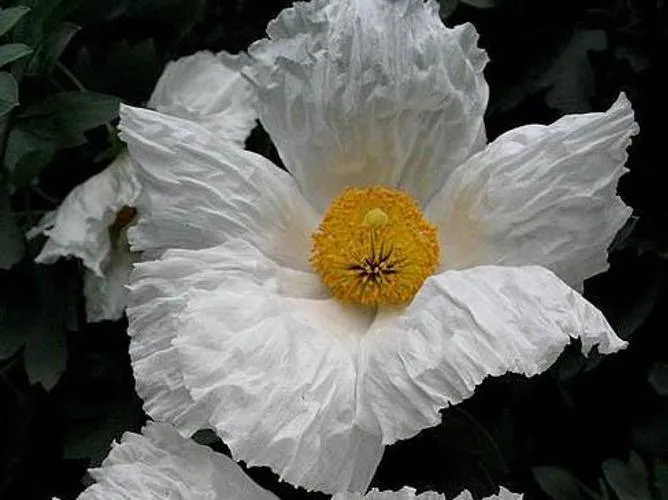
Pincushion
Scabiosa
How to Identify Pincushion
Care & Growing Guide
Seasonal Blooming & Hardiness
Seasonal Blooming Calendar:
- Peak Bloom: Spring to early summer (typically April through June).
- Planting Time: Sow seeds directly outdoors in early spring after the last frost, or transplant nursery starts in late spring.
Bloom Timeline
About Pincushion
The Pincushion Flower, botanically designated under the genus Scabiosa (particularly Scabiosa atropurpurea, known as the Sweet Scabious or Pincushion Flower), is an exceptionally charming, airy herbaceous perennial or annual. Belonging to the family Caprifoliaceae (the honeysuckle family, tribe Dipsaceae), this airy wildflower is native to the dry, rocky grasslands, open pine forests, and limestone scrublands of southern Europe, the Mediterranean basin, and western Asia.
Standing 1 to 2.5 feet (30 to 75 cm) tall, this clump-forming perennial features a low rosette of deeply divided, lance-shaped, and grey-green basal leaves. In late spring through autumn, slender, wiry, and branching stems rise high above the foliage, each carrying a single, dome-shaped composite flower head measuring 1.5 to 2.5 inches across. The flower heads are famous for their unique, textured appearance: a dense central dome of tiny, tubular florets surrounded by larger, ruffled outer florets, with long, white-tipped styles projecting outward like straight pins stuck into a pin cushion.
The highly scented blossoms display glowing shades of lavender-blue, deep burgundy, rose-pink, and pure white. The bilaterally symmetrical reproductive morphology is summarized by the floral formula % ⚥ K(pappus) [C(5) A4] G̅(2). This formula states that individual florets are bilaterally symmetrical and bisexual. The calyx is modified into a bristly crown, and the corolla has 5 fused petals forming a tubular or two-lipped mouth. The androecium contains 4 stamens, and the gynoecium contains 2 fused carpels with an inferior ovary that matures into a small dry achene.
Cultivating Pincushion Flowers is remarkably easy, as they are tough, low-maintenance plants. They require full, direct sunlight (at least 6 hours daily) to maximize flower production; they will become floppy and stop blooming in shady spots. They prefer average, moderately fertile, gravelly, and exceptionally well-draining neutral to alkaline soils; they are highly drought-tolerant once established but hate wet, waterlogged winter soils, which cause root rot. Extremely cold-hardy across USDA zones 3 through 9.
The genus name Scabiosa is derived from the Latin scabies, meaning itch, celebrating the plant's classical herbal use in treating scabies and other skin rashes. Famed in Sanskrit as Scabiosa (स्केबियोसा) and in Hindi as Pincushion (पिनकुशन), in the traditional Victorian language of flowers, the dark burgundy varieties represent unfortunate love or widowhood, while lavender varieties represent sweet, enduring grace and connection to nature.
For pet owners and veterinarians, the Pincushion Flower represents an exceptionally safe, low-risk, and non-toxic choice. It contains no toxic alkaloids or chemical irritants, making it a highly recommended, worry-free selection for butterfly gardens and pet-friendly yards. For complete safety guidelines, visit our general Pet Guard page. It is easily distinguished from bachelor's buttons by its protruding pin-like styles. It pairs beautifully with Salvia or Coreopsis. To find more butterfly-loving species, search our Flower Identifier.
For more botanical profiles and flower identification features, see our guides on Russelia and Fox Tail Orchid (Rhynchostylis).
Floral Formula & Features
This formula indicates a % represents that the flower is zygomorphic (bilaterally symmetrical), K5 represents the calyx, which consists of 5 sepals, C5 represents the corolla, which is composed of 5 petals, A4 indicates the androecium, consisting of 4 stamens, G(2) represents the gynoecium, which is made up of 2 fused carpels, ovary is inferior
- Etymology: Name 'Scabiosa' from Latin 'scabies' (itch or scab), as plant was historically used to treat skin conditions and scabies. 'Pincushion' describes flower heads with pin-like stamens protruding from cushion-shaped center. 'Mourning Bride' refers to dark purple/black centers resembling Victorian mourning attire. About 80-100 Scabiosa species worldwide
- Unique Characteristics: Flower heads composed of outer ring of larger ray florets surrounding dense center of smaller disc florets. Stamens and styles protrude prominently, creating distinctive pincushion appearance. Flowers have sweet, honey-like fragrance. Excellent cut flowers lasting 7-10 days in vase. Attracts wide variety of pollinators including butterflies, bees, and hummingbirds. Blooms continuously with deadheading
- Plant Type & Blooming: Herbaceous perennial (some species annual or biennial). Blooms late spring through fall (May-October), peak summer. Flowers last 5-7 days individually, continuous blooming with deadheading. Each bloom 1.5-3 inches (4-7.5 cm) across. Flowers held on long, wiry stems 12-24 inches (30-60 cm) above foliage
- Size, Lifespan & Propagation: Height: 12-36 inches (30-90 cm) depending on species. Spread: 12-18 inches (30-45 cm). Lifespan: 3-5 years (perennials), self-seeds readily. Propagation: seeds (sow spring or fall), division (spring), basal cuttings. Seeds germinate in 14-21 days. Moderate growth rate
- Native Region & Distribution: Native to Europe, Mediterranean region, Caucasus Mountains, and temperate Asia. S. columbaria (Small Scabious) widespread across Europe. S. caucasica (Caucasian Scabious) from Caucasus region. Naturalized in North America (California, Pacific Northwest). Grows in meadows, grasslands, rocky slopes, and limestone areas
- Climate & Growing Conditions: Thrives in full sun (6-8 hours daily). Prefers cool to moderate climates (USDA zones 3-9 depending on species). Temperature: 50-75°F (10-24°C) ideal. Soil: well-drained, alkaline to neutral (pH 6.5-8.0), tolerates poor, rocky, chalky soils. Loves limestone. Water: moderate, drought-tolerant once established. Avoid wet, heavy soils. Deadhead for continuous blooms. Cut back after flowering for rebloom
Names in Different Languages
Toxicity & Safety
Frequently Asked Questions
What is Floral Formula?
A floral formula is a symbolic representation of a flower's structure using letters, numbers, and special symbols. It provides a concise way to describe the arrangement and number of floral parts.
This formula describes the flower's symmetry, sepals, petals, stamens, and carpels in a standardized format.
Formula Sequence
- Bract: Br or Ebr
- Bracteole: Brl or Ebrl
- Symmetry: % (Radial) or ⊕ (Bilateral)
- Sex: ♀ (Female), ♂ (Male), or ⚥ (Bisexual)
- Calyx/Sepal: K<number> (Free or Fused)
- Corolla/Petal: C<number> (Free or Fused)
- Androecium: A<number> (Free or Fused)
- Gynaecium: G<number> (Superior or Inferior Ovary)
Symbol Meanings
- Numbers: Indicate quantity of parts
- Parentheses (): Parts are fused together
- Plus (+): Parts in different whorls
- Underline: Superior ovary position
- Overline: Inferior ovary position
- ∞: Numerous parts (too many to count)
Understanding floral formulas helps botanists quickly identify and classify flowers based on their structural characteristics.
Similar Flowers
Discover flowers that share botanical characteristics
Similar Characteristics
4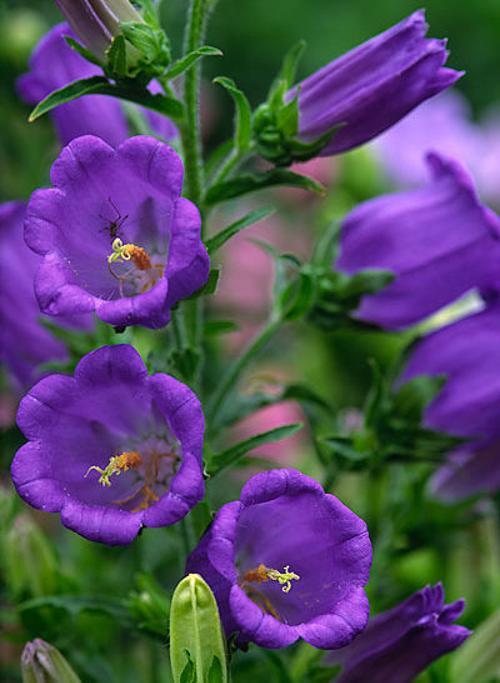
Canterbury bells
Campanula medium
Campanula medium, commonly known as Canterbury Bells, is a quintessential cottage garden biennial that brings a sense of Victorian elegance and whimsical charm to any landscape. Belonging to the Campanulaceae family, this species is native to the sun-drenched hills of Southern Europe, particularl...
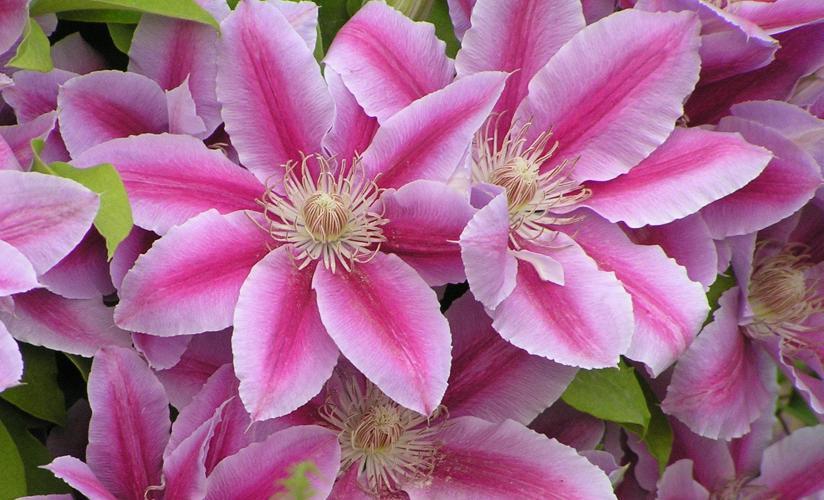
Clematis
Clematis
The Clematis, belonging to the genus Clematis within the family Ranunculaceae (the buttercup family), is a spectacular genus of perennial climbing vines widely hailed as the 'Queen of the Climbers.' Native to the temperate woodlands, rocky hillsides, and river hedgerows across the Northern Hemisp...
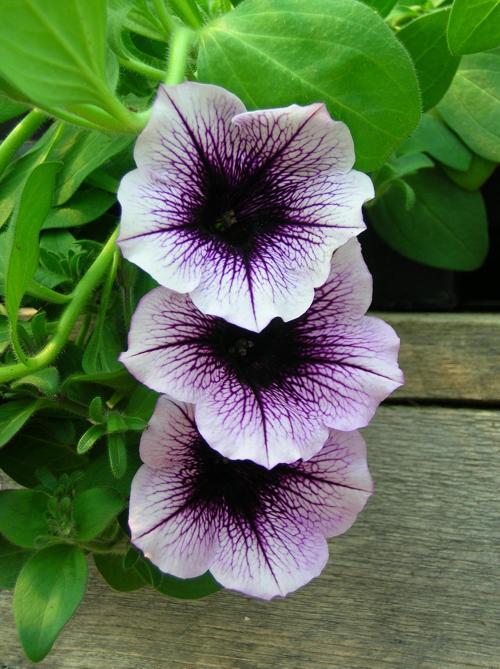
Petunia
Petunia
The Petunia, botanically designated under the genus *Petunia* (particularly the widely grown garden hybrid *Petunia × atkinsiana*), is an exceptionally popular, highly prolific annual or tender perennial. Belonging to the family Solanaceae (the nightshade family, tribe Petunioideae), this South A...
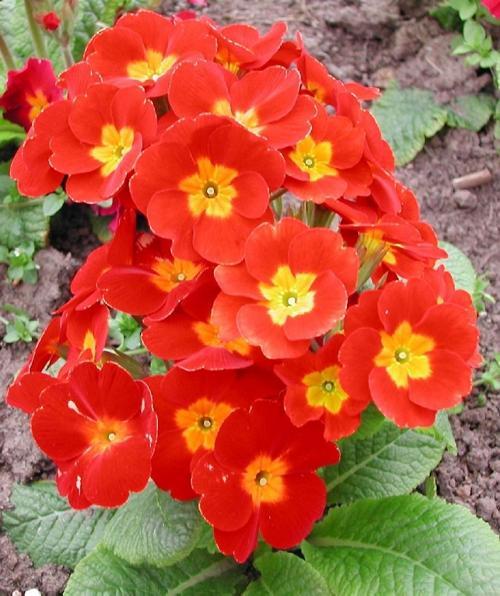
Primula (Common Primrose)
Primula vulgaris
The Primrose, botanically designated as Primula vulgaris and commonly known as the Common Primrose or English Primrose, is an exceptionally charming, early-blooming herbaceous perennial. Belonging to the family Primulaceae (the primrose family), this historic woodland flower is native to the cool...