
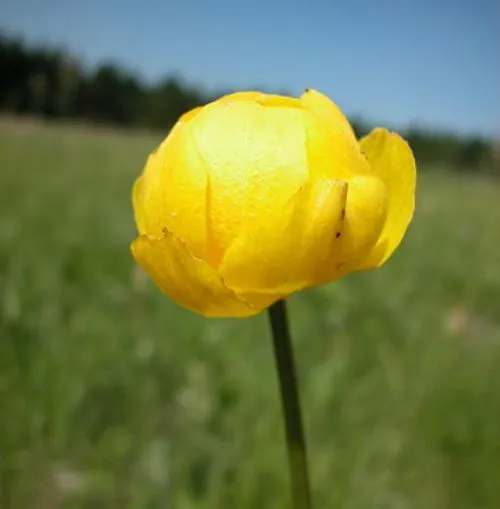
Globe flower
Trollius
How to Identify Globe flower
TOXIC TO PETS. Contains protoanemonin which causes mouth blistering, intense drooling, severe colic, and bloody vomiting if chewed.
Care & Growing Guide
Seasonal Blooming & Hardiness
Seasonal Blooming Calendar:
- Peak Bloom: Spring to early summer (typically April through June).
- Planting Time: Sow seeds directly outdoors in early spring after the last frost, or transplant nursery starts in late spring.
Bloom Timeline
About Globe flower
The Globe Flower, botanically classified as Trollius and most famous as Trollius europaeus, is a whimsical, moisture-loving herbaceous perennial belonging to the Ranunculaceae (buttercup) family. Native to the cool temperate, alpine, and sub-boreal zones of Europe, northern Asia, and North America, this plant is famously adapted to damp marshes, wet meadows, peat bogs, and stream banks. It is celebrated worldwide for its perfectly spherical, golden-yellow blooms that resemble giant, double buttercups, bringing structural interest and luminous color to moist, shady corners of the garden.
Growing in neat, upright clumps that reach heights of 1 to 3 feet, the Globe Flower features deeply divided, palmately-lobed dark green leaves with sharply toothed segments. In late spring and early summer, the plant produces single, spectacular, globe-shaped flowers measuring 1 to 2 inches across, borne on sturdy, upright stems. Unlike most flowers where petals provide the color, the showy portion of the Globe Flower consists of 5 to 15 large, petal-like sepals that curve tightly inward to shield the reproductive organs.
The reproductive architecture of the Globe Flower is represented by the formula EBr ⊕ ⚥ K5-15 C5-15 A∞ G5-15. This indicates that the flower is ebracteate, radially symmetrical (actinomorphic), and bisexual. It features 5 to 15 large, colorful petal-like sepals (calyx), and 5 to 15 small, linear true petals that are modified into nectar-producing glands hidden completely inside the golden sphere. The androecium consists of numerous (infinity) stamens, surrounding 5 to 15 free carpels with superior ovaries.
Trollius is a specialized garden selection, requiring cool, moist conditions where many traditional perennials fail. It thrives in partial shade—or full sun in cool-summer regions—and must have consistently moist, heavy clay or humus-rich organic soil that is never allowed to dry out. It performs beautifully along the shallow margins of garden ponds, bog gardens, or damp woodland paths, and is extremely cold-hardy, performing best in USDA hardiness zones 3 through 7.
The genus name Trollius is believed to be derived from the old German word 'Trollblume' (meaning troll flower) or from the Latin 'trulleus' (referring to a round basin or ladle) in reference to the flower's distinctively cupped, spherical shape. In European folklore, these glowing globes were thought to be sacred to forest trolls and fairies, who brewed secret herbal medicines inside the golden chambers. In regional languages, it is known as Botton d'oro in Italian and キンバイソウ (Kinbaisō) in Japanese.
For pet owners, caution is required. Like all members of the Ranunculaceae (buttercup) family, the Globe Flower is TOXIC to dogs, cats, and livestock. The plant produces a bitter, irritating chemical compound called protoanemonin when its stems or leaves are crushed or chewed. Ingestion can cause immediate mouth blistering, excessive salivation, severe colic, abdominal pain, vomiting, and bloody diarrhea. It is highly recommended to plant this species in areas inaccessible to curious domestic pets. For safe pond-margin alternatives, browse our Pet Guard safety directory.
Globe Flower is occasionally confused with double Buttercups (Ranunculus) or Marsh Marigolds (Caltha palustris). It is easily distinguished because the Globe Flower has tightly spherical, globe-like blooms with sepals curving completely inward, whereas Marsh Marigolds and Buttercups have open, flat-faced, cup-shaped yellow flowers with spreading petals. It pairs beautifully in moist beds with other shade-lovers; we suggest planting it with Begonia or Canterbury Bells. Discover more moist-loving Ranunculaceae in our Flower Identifier.
Floral Formula & Features
Ebracteate (no bracts), radially symmetrical (actinomorphic), bisexual, 5-15 petal-like sepals (showy), 5-15 small petals modified into nectaries (hidden inside globe), numerous stamens, 5-15 free carpels with superior ovaries
- Scientific Name & Classification: Trollius spp. (Ranunculaceae). Commonly known as Globeflower, Butterball, and Goldhead.
- Identification Markers: Deeply divided, sharply toothed dark green foliage. Perfectly spherical, globe-shaped golden-yellow or orange flowers with tightly inward-curving sepals on tall rigid stems.
- Floral Formula (EBr ⊕ ⚥ K5-15 C5-15 A∞ G5-15): Radially symmetrical, bisexual flowers featuring 5-15 showy sepals, 5-15 small nectar-gland petals, and numerous free carpels.
- Growing Requirements: Partial shade; requires heavy, consistently wet, clay or humus-rich organic soil that never dries out. Thrives near pond edges (Zones 3-7).
- Cultural Significance: Name derived from 'Trollblume' in German folklore; associated with woodland fairies. Historically used as a symbol of vibrant energy.
- Safety & Toxicity: TOXIC TO PETS. Contains protoanemonin which causes mouth blistering, intense drooling, severe colic, and bloody vomiting if chewed.
- Common Look-alikes: Confused with Marsh Marigolds, but easily distinguished by its tightly curved, spherical ball-like blooms rather than flat open-faced flowers.
- Internal Links: Excellent moisture-loving accent planted beside shade-tolerant Begonia or vertical Canterbury Bells; find more alpine choices in our Flower Identifier.
Names in Different Languages
Botanical Classification: Globe flower belongs to the Ranunculaceae family. Learn how to identify its floral symmetry, stamen arrangement, and structural formulas in our Botanical Family Classification Guide.
Toxicity & Safety
Always keep toxic plants out of reach of children and pets. Consult a veterinarian or medical professional immediately if ingestion is suspected.
Frequently Asked Questions
What is Floral Formula?
A floral formula is a symbolic representation of a flower's structure using letters, numbers, and special symbols. It provides a concise way to describe the arrangement and number of floral parts.
This formula describes the flower's symmetry, sepals, petals, stamens, and carpels in a standardized format.
Formula Sequence
- Bract: Br or Ebr
- Bracteole: Brl or Ebrl
- Symmetry: % (Radial) or ⊕ (Bilateral)
- Sex: ♀ (Female), ♂ (Male), or ⚥ (Bisexual)
- Calyx/Sepal: K<number> (Free or Fused)
- Corolla/Petal: C<number> (Free or Fused)
- Androecium: A<number> (Free or Fused)
- Gynaecium: G<number> (Superior or Inferior Ovary)
Symbol Meanings
- Numbers: Indicate quantity of parts
- Parentheses (): Parts are fused together
- Plus (+): Parts in different whorls
- Underline: Superior ovary position
- Overline: Inferior ovary position
- ∞: Numerous parts (too many to count)
Understanding floral formulas helps botanists quickly identify and classify flowers based on their structural characteristics.
Similar Flowers
Discover flowers that share botanical characteristics
Same Family
4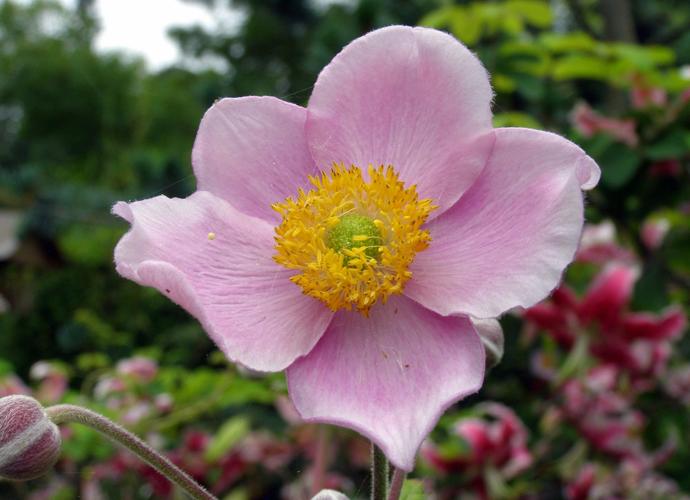
Japanese anemone
Anemone hupehensis, Anemone hybrida
The Japanese Anemone, botanically classified as Anemone hupehensis (and recently reclassified under the genus Eriocapitella), is an exceptionally graceful, late-blooming herbaceous perennial belonging to the Ranunculaceae (buttercup) family. Despite its common name, this elegant species is native...
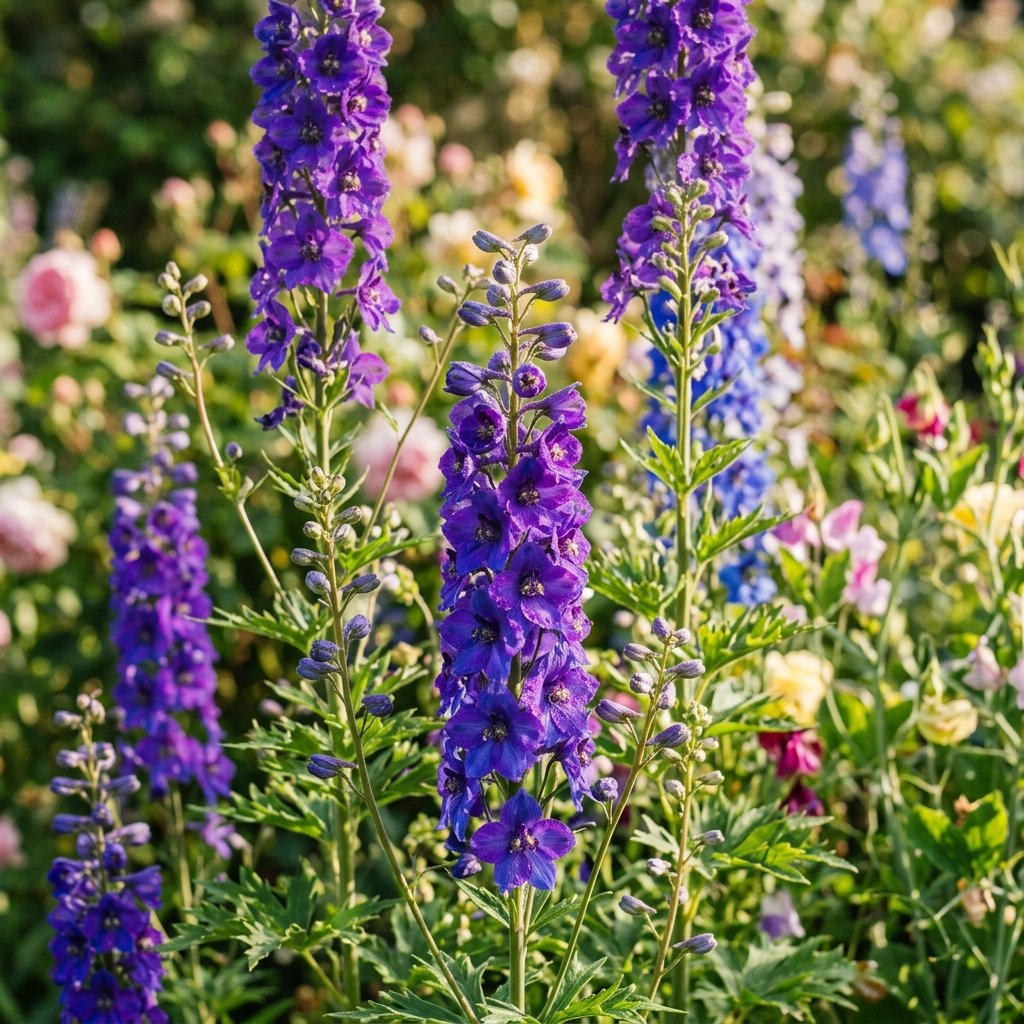
Larkspur
Delphinium
Larkspur, belonging to the genus Delphinium within the buttercup family Ranunculaceae, is a group of highly popular annual and perennial flowering plants famous for their towering, vertical flower spikes. Native throughout the Northern Hemisphere and high-altitude tropical mountains of Africa, la...
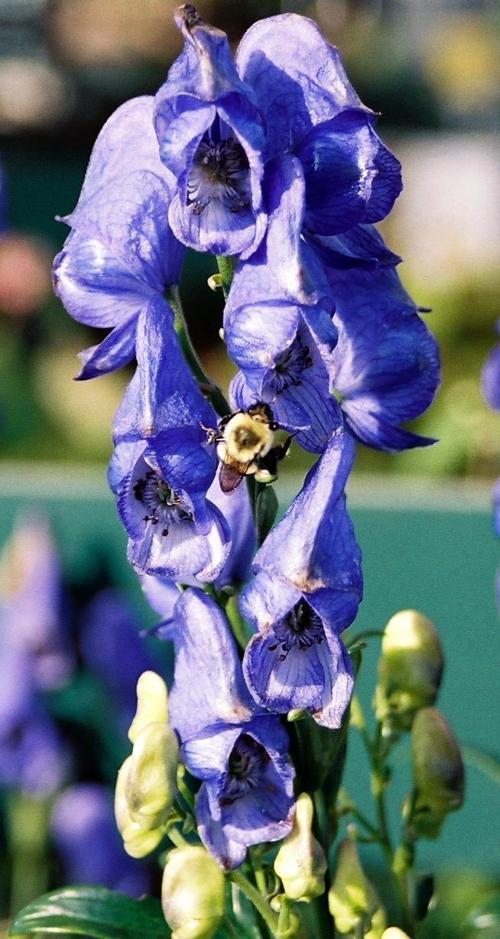
Monkshood
Aconitum napellus
Aconitum napellus, commonly known as Monkshood or Wolfsbane, is a plant of profound beauty and extreme danger, standing as one of the most toxic species in the Northern Hemisphere's temperate regions. A member of the Ranunculaceae (Buttercup) family, it is native to the moist, mountainous meadows...
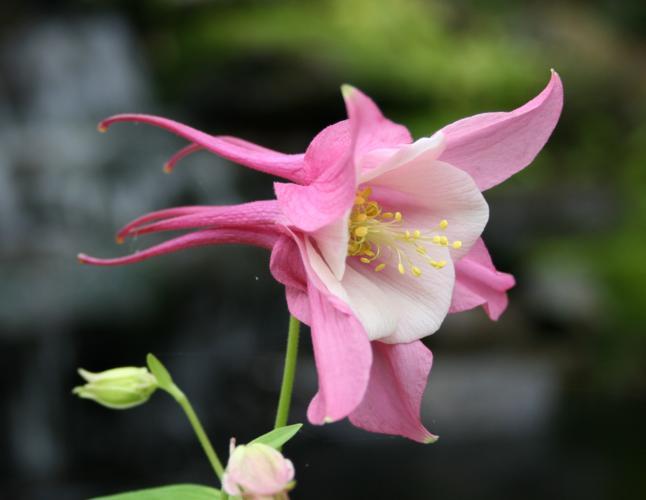
Columbine
Aquilegia
Columbine (Aquilegia), a member of the Ranunculaceae (Buttercup) family, is a gracefully elegant perennial known for its multi-colored, spurred blossoms and delicate, fern-like foliage. Native to the woodlands, meadows, and high-altitude slopes of the Northern Hemisphere—spanning across North Ame...
Similar Characteristics
4Japanese anemone
Anemone hupehensis, Anemone hybrida
The Japanese Anemone, botanically classified as Anemone hupehensis (and recently reclassified under the genus Eriocapitella), is an exceptionally graceful, late-blooming herbaceous perennial belonging to the Ranunculaceae (buttercup) family. Despite its common name, this elegant species is native...
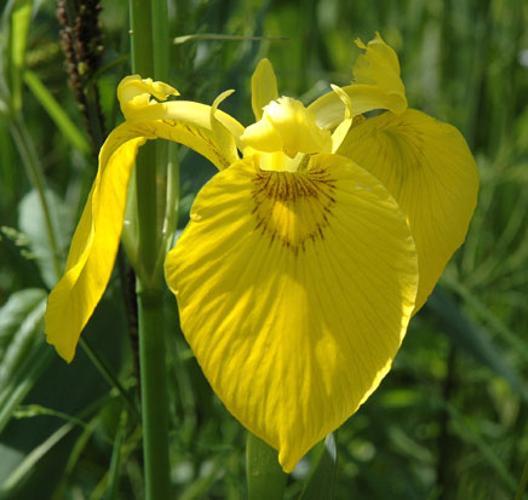
Yellow Iris
Iris pseudacorus
The Yellow Iris, scientifically classified as Iris pseudacorus and commonly known as the Yellow Flag or Water Flag, is a striking, highly vigorous wetland perennial plant belonging to the Iridaceae (iris) family. Native to Europe, Western Asia, and North Africa, this species thrives naturally in...
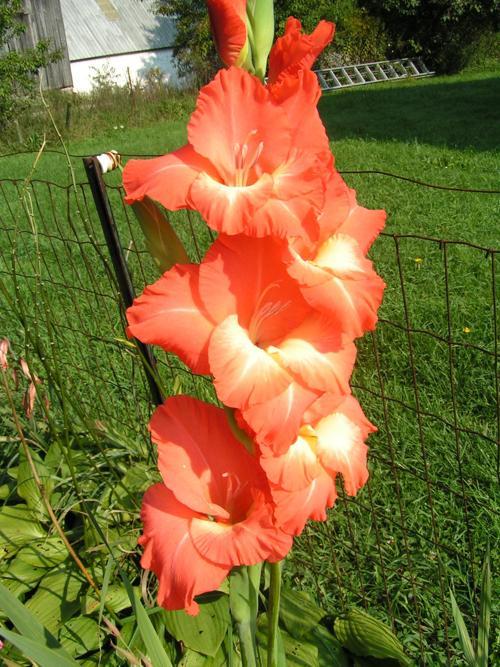
Gladiolus
Gladiolus
The Gladiolus, botanically designated as Gladiolus and commonly known as the Sword Lily or simply Glad, is a spectacular cormous perennial belonging to the family Iridaceae (the iris family). Native primarily to the warm, sun-drenched grasslands, savannas, and shrubby valleys (fynbos) of South Af...
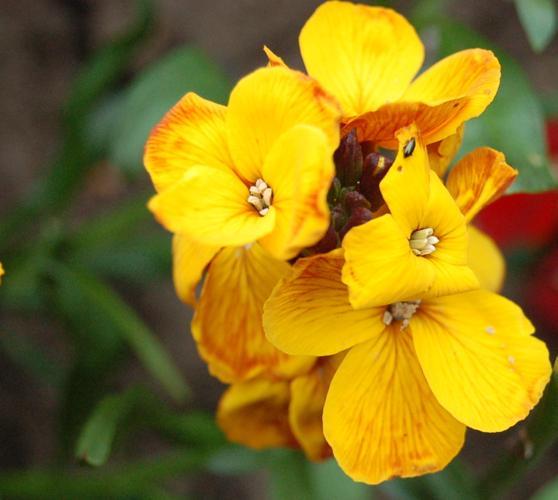
Wallflower
Erysimum cheiri
The Wallflower, botanically known as Erysimum cheiri (formerly classified as Cheiranthus cheiri), is a charming and historic woody-based biennial or short-lived perennial flower belonging to the Brassicaceae (mustard or cabbage) family. Native to the rocky cliffs, coastal regions, and warm sunny...