
Clematis
Clematis
How to Identify Clematis
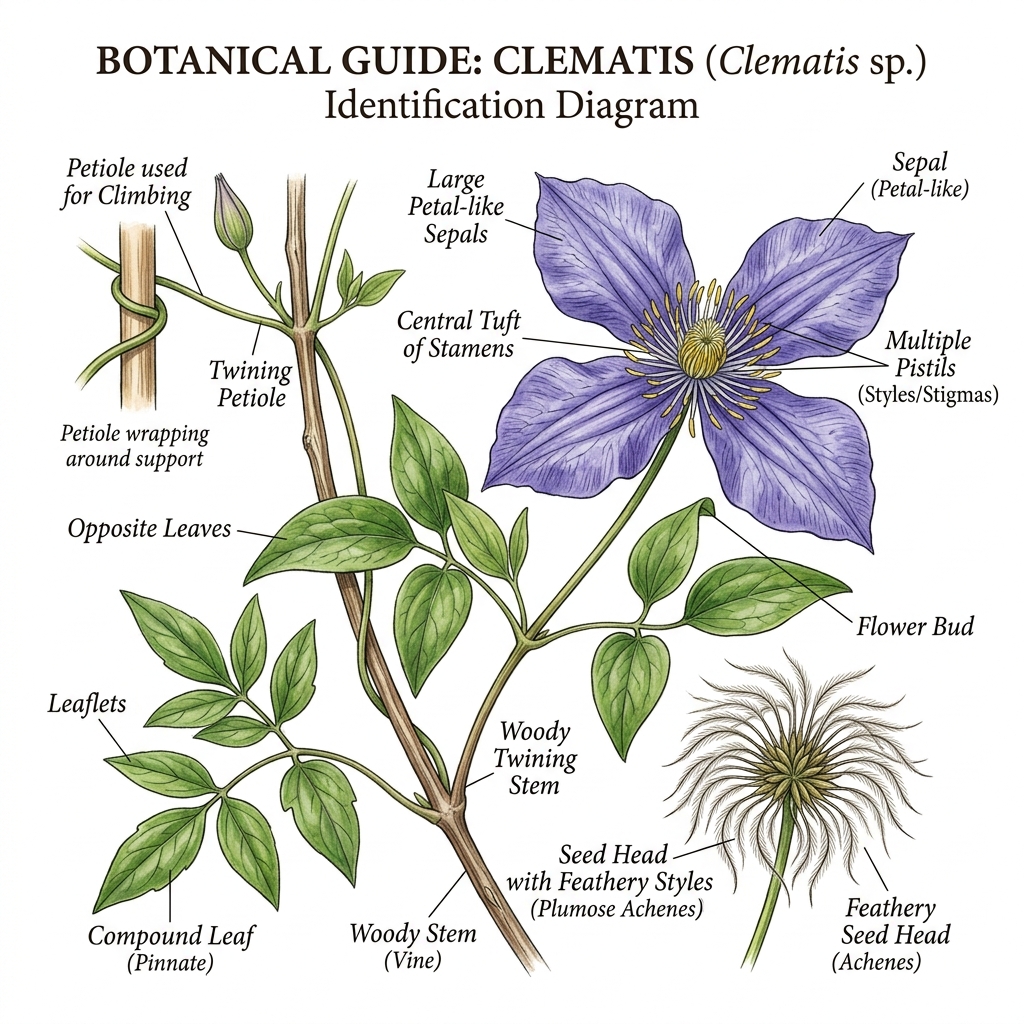
How to identify Clematis (Clematis genus):
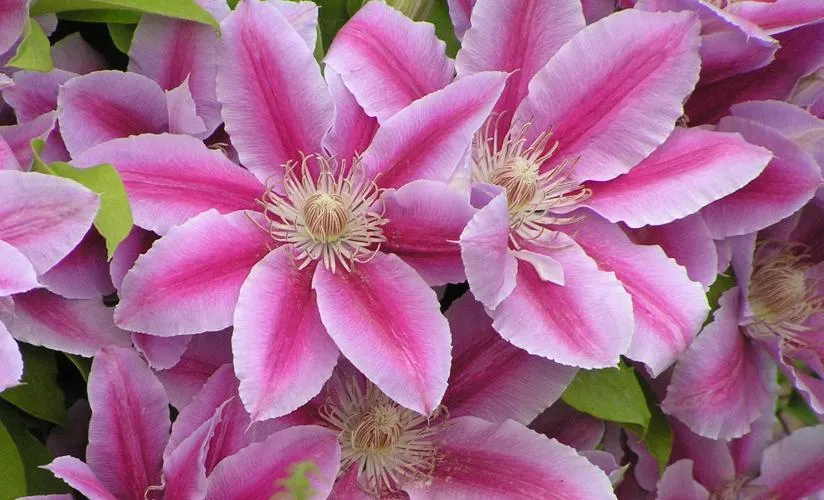
- Star-Shaped Sepals: Large, flat flowers composed of 4 to 8 showy, petal-like sepals (true petals are absent) in purple, pink, red, or white.
- Tuft of Central Stamens: A prominent, fuzzy cluster of stamens at the center of the sepals.
- Climbing Leaf Petioles: Climbs by wrapping its slender leaf stems (petioles) around physical supports (trellises, wires).
- Opposite Leaves: Compound or simple leaves arranged directly opposite each other along the woody vine stems.
Pruning Groups of Clematis
Clematis are divided into three groups based on blooming wood:
- Group 1 (Spring Bloomers): Bloom on old wood from the previous year. Prune immediately after spring flowering.
- Group 2 (Repeat Bloomers): Large-flowered hybrids that bloom in early summer on old wood and late summer on new wood. Light prune in early spring.
- Group 3 (Summer Bloomers): Bloom on new wood in mid-to-late summer. Hard prune down to 12 inches from the ground in late winter.
Care & Growing Guide
Clematis Care & Growing Guide:
- Light: Full sun for the vines (at least 6 hours daily), but keep the roots cool, shaded, and heavily mulched.
- Soil: Deep, fertile, moist, neutral to alkaline soil with excellent drainage.
- Watering: Water deeply once a week at the base of the plant to encourage deep root systems. Do not splash foliage.
- Support: Provide a sturdy trellis, arbor, or thin mesh fence for the leaf petioles to climb immediately upon planting.
Seasonal Blooming & Hardiness
Seasonal Blooming Calendar (US Hardiness Zones 4-9):
- Blooming Season: Late spring (Group 1) through mid-summer (Group 2) and late summer/early autumn (Group 3).
- Planting Time: Plant container-grown clematis in early spring or autumn when weather is cool.
Bloom Timeline
About Clematis
The Clematis, belonging to the genus Clematis within the family Ranunculaceae (the buttercup family), is a spectacular genus of perennial climbing vines widely hailed as the 'Queen of the Climbers.' Native to the temperate woodlands, rocky hillsides, and river hedgerows across the Northern Hemisphere—including Europe, temperate Asia, and North America—this extraordinary vine has been hybridized extensively for centuries. It is celebrated worldwide for its stunning, large star-like blossoms and highly ornamental vertical display.
Clematis climbs dynamically by wrapping its thin, highly sensitive, twining leaf stalks (petioles) around structures, reaching lengths from 6 feet in compact dwarf hybrids to over 30 feet in vigorous wild species. It features opposite, compound leaves with deep-green leaflets. From spring through fall, depending on the specific pruning group and variety, the vine is covered in magnificent star- or bell-shaped flowers measuring 2 to 10 inches across. Blossoms come in rich shades of purple, violet-blue, soft pink, deep red, white, and yellow, followed by decorative, fluffy, silvery-feathered seed heads.
The reproductive architecture of the Clematis genus is defined by the botanical floral formula EBr ⊕ ⚥ K4-8 C0 A∞ G∞. This formula reveals that the flowers are ebracteate (lacking traditional green bracts directly beneath the flower), radially symmetrical (actinomorphic), and bisexual. Uniquely, Clematis flowers have no true petals (C0); instead, the showy, petal-like structures are actually 4 to 8 (typically 6) highly colorful sepals (tepals). The androecium contains numerous (∞) free, radiating stamens, and the gynoecium contains numerous (∞) apocarpous free carpels with superior ovaries.
Horticulturally, Clematis is famous for the gardening rule: 'head in the sun, feet in the shade.' The climbing stems require at least 6 hours of direct sunlight to bloom profusely, but the delicate roots must be kept cool, shaded, and moist with organic mulch, flat stones, or low-growing companion perennials. Clematis thrives in rich, humusy, consistently moist, but exceptionally well-drained, slightly alkaline soils (pH 6.5 to 7.5). They require sturdy structures like trellises, fences, or arbors to twine around, and are cold-hardy across USDA zones 4 through 9.
The genus name Clematis is derived from the ancient Greek word 'klematis,' which translates to 'climbing plant' or 'vine shoot.' Known in Sanskrit as Morat (मोरट) or Murva (मूर्वा) and in Hindi as Klematis (क्लेमाटिस), the plant has a rich history in European cottage gardens and traditional botany. In Victorian flower language, Clematis symbolized mental beauty, high intelligence, and ingenuity, a metaphor inspired by the vine's clever ability to climb and adapt to almost any supporting framework.
For pet owners and veterinarians, Clematis represents a notable hazard. The plant is classified as TOXIC TO PETS, including dogs, cats, and horses. Like other members of the buttercup family, Clematis contains protoanemonin, an extremely bitter, irritating chemical compound. Ingestion of the leaves or stems triggers severe clinical symptoms such as intense oral irritation, excessive drooling (salivation), vomiting, and diarrhea. Skin contact with the crushed foliage or sap can also cause mild skin dermatitis in humans and animals. (Note: Since there is no existing pet-guard page in our database for this species, we do NOT include a pet-guard link here; we advise training the vines on high arbors out of reach.)
Clematis is occasionally confused with passion flower or morning glory, or wild Bindweed vines. It is easily distinguished by its compound, opposite leaf structure, its lack of true petals, and its unique feathery, silvery-grey seed heads. It makes a stunning companion alongside other late-season climbers or shade-lovers; we recommend pairing it with Japanese Anemone or December Barleria to create a vertical wall of color. To learn more about selecting the perfect varieties and understanding pruning groups, browse our Flower Identifier.
Floral Formula & Features
Ebracteate, actinomorphic (radially symmetrical), bisexual, 4 to 8 colorful petaloid sepals, no true petals, numerous stamens, numerous apocarpous free carpels with superior ovaries
- Scientific Name & Classification: Clematis (Ranunculaceae). Globally hailed as Clematis, Queen of Climbers, and Old Man's Beard.
- Identification Markers: Twining leaf climbers, opposite compound leaves, large star-shaped 4-8 sepaled flowers, and fluffy, silvery feathery seed heads.
- Floral Formula (EBr ⊕ ⚥ K4-8 C0 A∞ G∞): Radially symmetrical, bisexual flowers with 4-8 colorful petal-like sepals, no true petals, numerous stamens, and free superior carpels.
- Growing Requirements: 'Head in sun, feet in shade' rule. Demands rich, moist, well-draining neutral-alkaline soil, and a sturdy support structure (Zones 4-9).
- Cultural Significance: Symbol of mental beauty and ingenuity in Victorian flower lore. Name comes from Greek 'klematis' (vine shoot).
- Safety & Toxicity: TOXIC TO PETS. Contains protoanemonin, causing severe oral salivation, vomiting, diarrhea, and stomach pain in dogs and cats.
- Common Look-alikes: Confused with passion flowers, but easily distinguished by its twining leaf stalks, lack of petals, and fluffy winter seed heads.
- Internal Links: Looks beautiful climbing up trellises behind late-season blooming shade plants like Japanese Anemone or December Barleria; find more in our Flower Identifier.
- Internal Links: Compare key differences in our Wisteria vs Clematis comparison, or try our instant Flower Identifier.
- Internal Links: Compare key differences in our Passion Flower vs Clematis comparison, or try our instant Flower Identifier.
Names in Different Languages
Botanical Classification: Clematis belongs to the Ranunculaceae family. Learn how to identify its floral symmetry, stamen arrangement, and structural formulas in our Botanical Family Classification Guide.
Toxicity & Safety
Always keep toxic plants out of reach of children and pets. Consult a veterinarian or medical professional immediately if ingestion is suspected.
Pet Safety Guide: For detailed toxicity symptoms, first-aid measures, and safe garden alternatives, see our full Pet Guard Profile for Clematis.
Frequently Asked Questions
What is Floral Formula?
A floral formula is a symbolic representation of a flower's structure using letters, numbers, and special symbols. It provides a concise way to describe the arrangement and number of floral parts.
This formula describes the flower's symmetry, sepals, petals, stamens, and carpels in a standardized format.
Formula Sequence
- Bract: Br or Ebr
- Bracteole: Brl or Ebrl
- Symmetry: % (Radial) or ⊕ (Bilateral)
- Sex: ♀ (Female), ♂ (Male), or ⚥ (Bisexual)
- Calyx/Sepal: K<number> (Free or Fused)
- Corolla/Petal: C<number> (Free or Fused)
- Androecium: A<number> (Free or Fused)
- Gynaecium: G<number> (Superior or Inferior Ovary)
Symbol Meanings
- Numbers: Indicate quantity of parts
- Parentheses (): Parts are fused together
- Plus (+): Parts in different whorls
- Underline: Superior ovary position
- Overline: Inferior ovary position
- ∞: Numerous parts (too many to count)
Understanding floral formulas helps botanists quickly identify and classify flowers based on their structural characteristics.
Similar Flowers
Discover flowers that share botanical characteristics
Same Family
4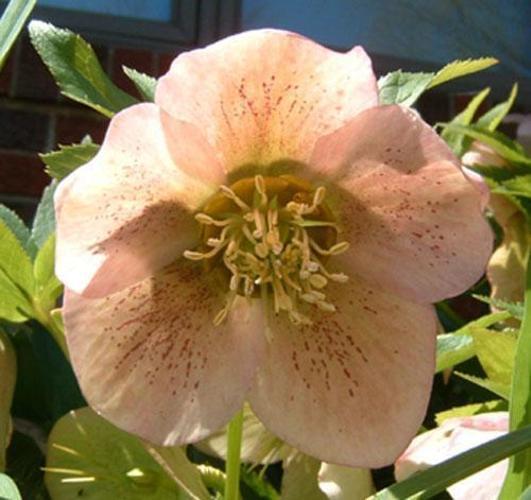
Hellebore (Lenten Rose)
Helleborus orientalis
Hellebores, widely known as the Lenten Rose, Christmas Rose, or Oracle Flower, are enchanting, evergreen perennials belonging to the Ranunculaceae (Buttercup) family. Native primarily to the mountainous and woodland regions of Europe and the Balkans, these remarkable plants are highly prized by g...
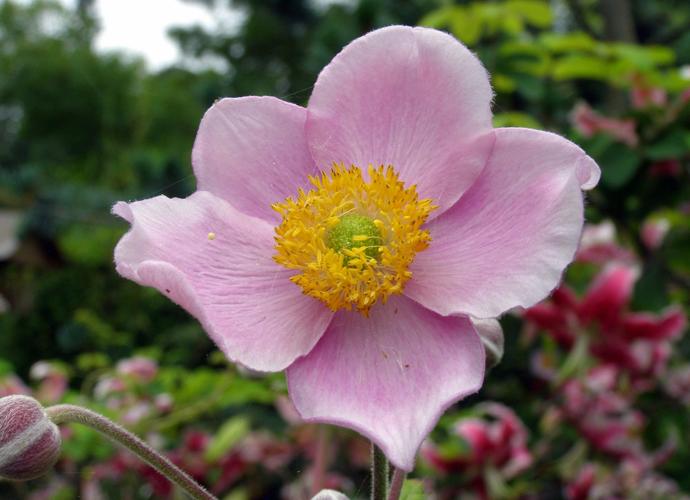
Japanese anemone
Anemone hupehensis, Anemone hybrida
The Japanese Anemone, botanically classified as Anemone hupehensis (and recently reclassified under the genus Eriocapitella), is an exceptionally graceful, late-blooming herbaceous perennial belonging to the Ranunculaceae (buttercup) family. Despite its common name, this elegant species is native...
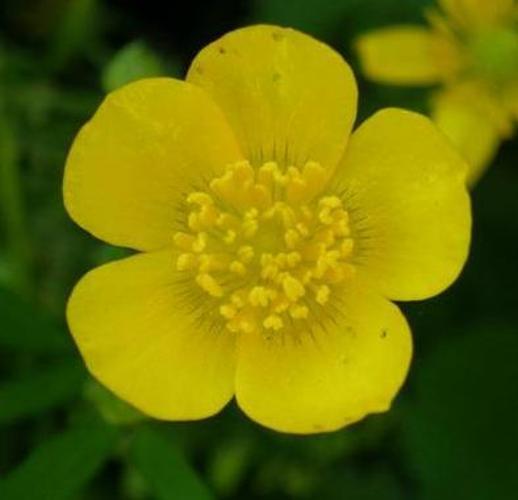
Meadow Buttercup
Ranunculus acris
The Meadow Buttercup (Ranunculus acris) is a ubiquitous, bright, and cheerful herbaceous perennial belonging to the Ranunculaceae family. Native to Europe and Eurasia, it has naturalized widely across North America and other temperate regions globally. While often viewed nostalgically as a classi...
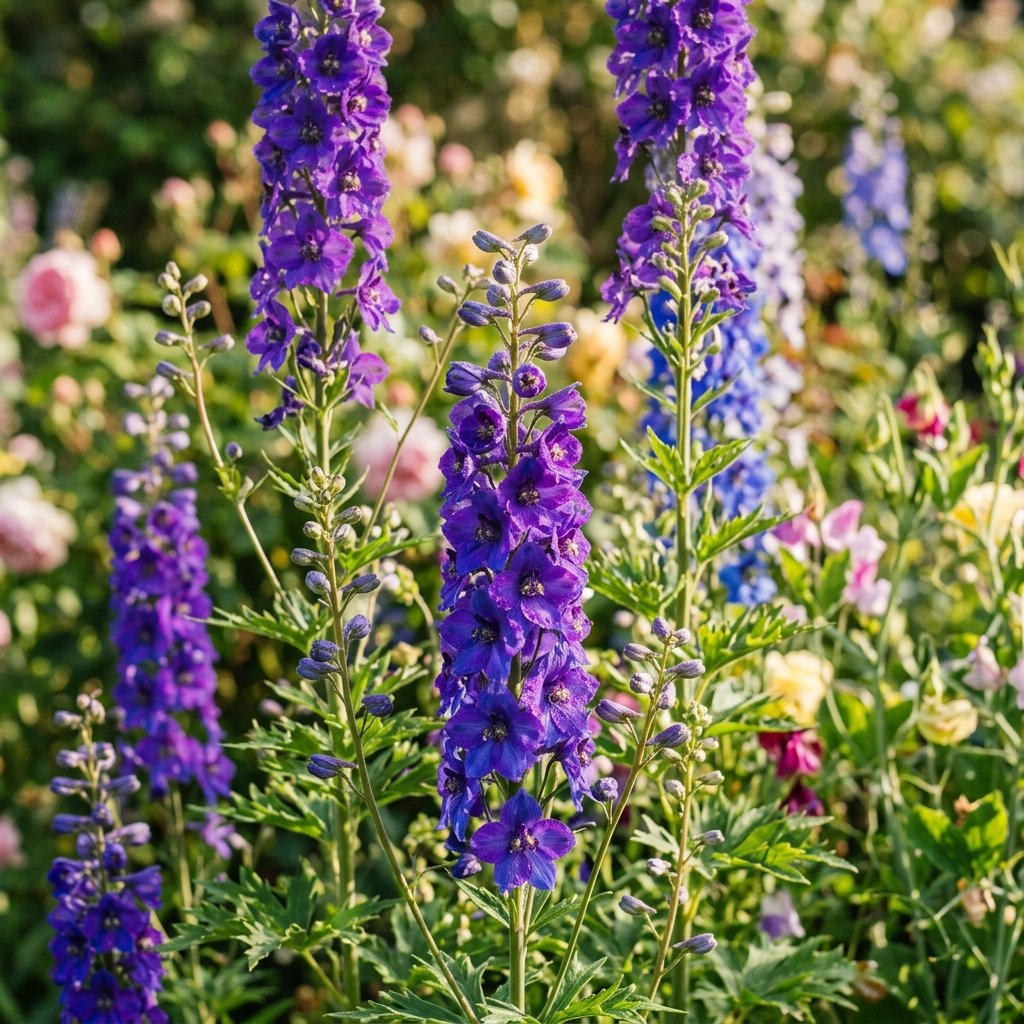
Larkspur
Delphinium
Larkspur, belonging to the genus Delphinium within the buttercup family Ranunculaceae, is a group of highly popular annual and perennial flowering plants famous for their towering, vertical flower spikes. Native throughout the Northern Hemisphere and high-altitude tropical mountains of Africa, la...
Similar Characteristics
4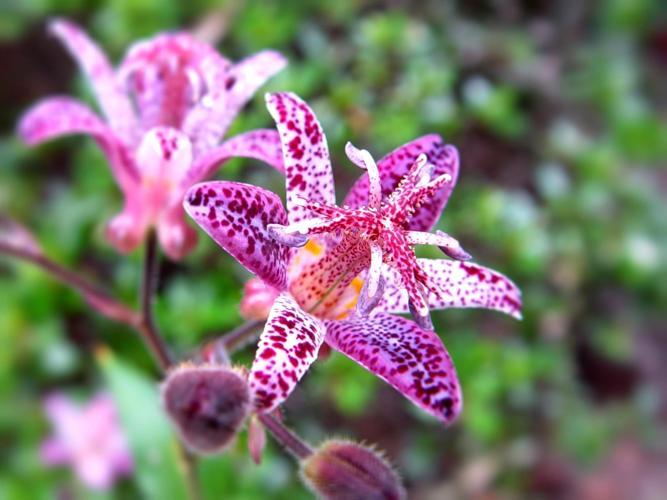
Toad Lily
Tricyrtis
The Toad Lily, botanically classified under the genus Tricyrtis and belonging to the family Liliaceae (the lily family, tribe Lilieae), is an exceptionally exotic, shade-loving perennial. Native to the damp forest understories, shaded mountain valleys, and rocky stream banks of eastern Asia—with...
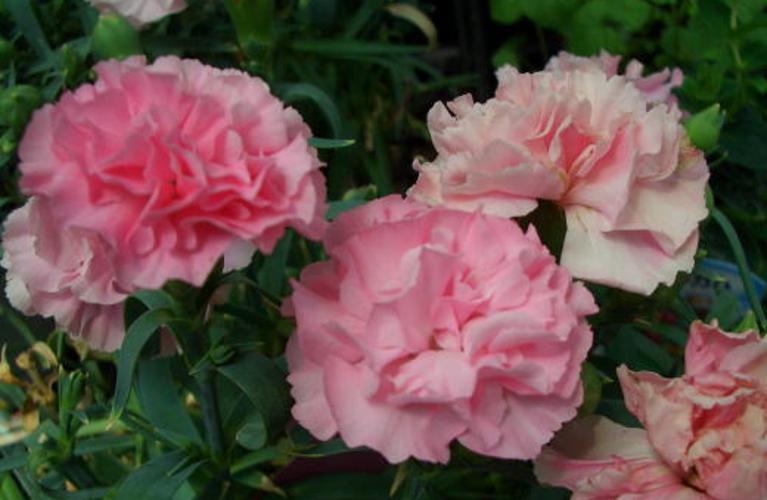
Carnation flower
Dianthus caryophyllus
The Carnation, botanically known as Dianthus caryophyllus and classically called the Clove Pink or Gillyflower, is an extraordinarily famous herbaceous perennial belonging to the Caryophyllaceae (pink or carnation) family. Native to the rocky slopes and coastal scrub of the Mediterranean region—p...
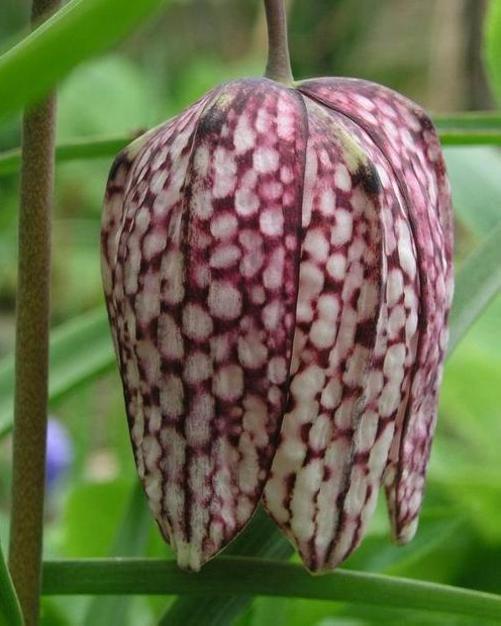
Fritillaria
Fritillaria
The Fritillaria, botanically designated as Fritillaria within the Liliaceae (lily) family, is an extraordinarily elegant and exotic genus of spring-flowering bulbous perennials. Native to the temperate latitudes of the Northern Hemisphere—spanning the grassy floodplains of Europe, the Mediterrane...
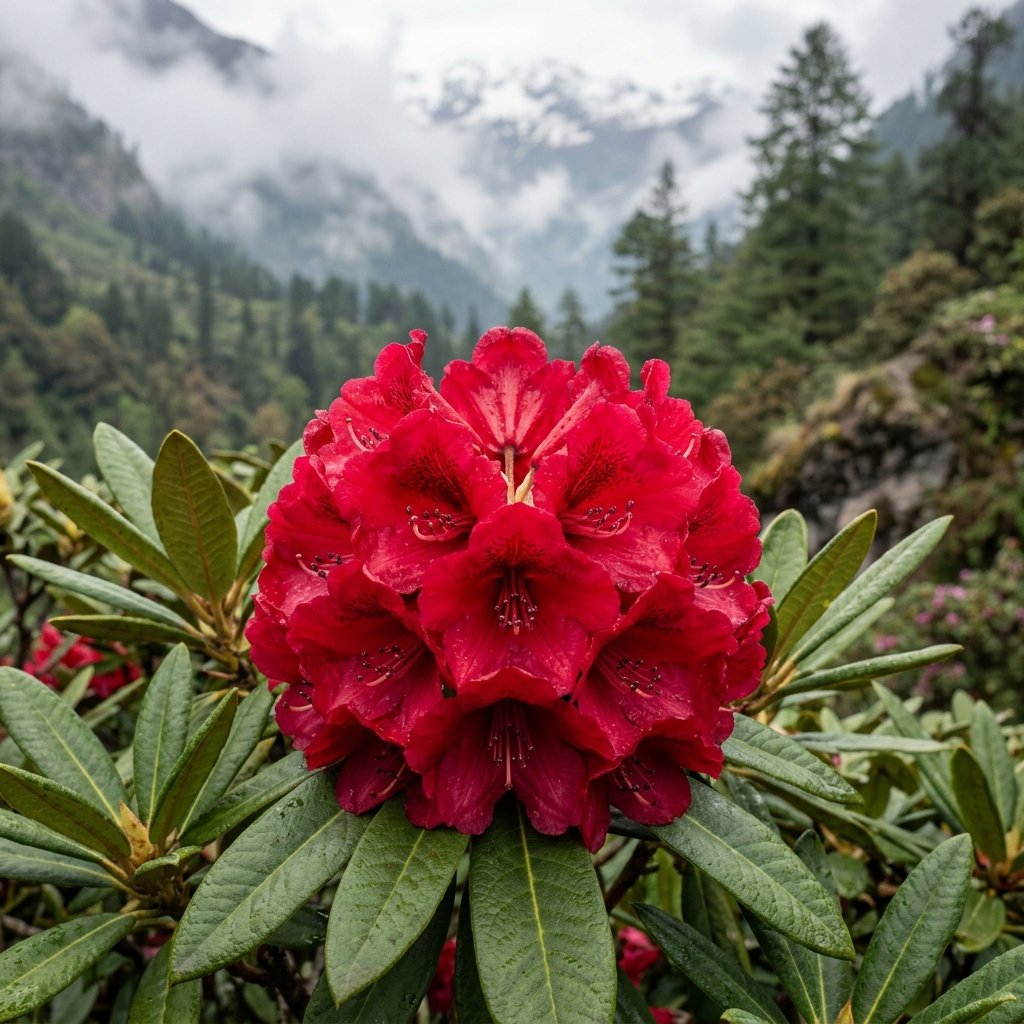
Rhododendron (Burans)
Rhododendron arboreum
Rhododendron, botanically classified within the grand genus *Rhododendron* (exemplified by the majestic tree species *Rhododendron arboreum*) and celebrated across the Himalayas as Burans or the Rose Tree, is an exceptionally magnificent, woody evergreen flowering tree or large shrub. Belonging t...