
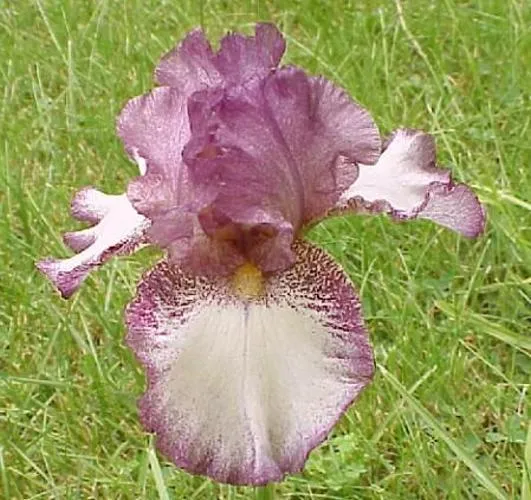
Bearded Iris
Iris germanica
How to Identify Bearded Iris
Care & Growing Guide
Seasonal Blooming & Hardiness
Seasonal Blooming Calendar:
- Peak Bloom: Spring to early summer (typically April through June).
- Planting Time: Sow seeds directly outdoors in early spring after the last frost, or transplant nursery starts in late spring.
Bloom Timeline
About Bearded Iris
The Bearded Iris, botanically designated under the genus Iris (particularly Iris germanica), is an exceptionally elegant, highly popular hardy perennial. Belonging to the family Iridaceae (the iris family, tribe Irideae), this spectacular garden favorite is native to the dry, sunny slopes and open woodland margins of southern Europe and the Mediterranean basin, and has been hybridized into thousands of breathtaking cultivars grown globally.
Standing 1 to 3 feet (30 to 90 cm) tall, this rhizomatous perennial features distinctive, fan-shaped clusters of erect, sword-like, and glaucous blue-green leaves that remain architectural throughout the growing season. In late spring and early summer, sturdy, branching flower stems emerge, each carrying several large, spectacular flowers. These blossoms exhibit a unique six-part structure: 3 upright petals called 'standards' and 3 drooping lower petals called 'falls,' with the falls featuring a prominent, fuzzy, caterpillar-like strip of soft yellow, orange, or white hairs (the 'beard') at their base.
The radially symmetrical reproductive morphology is summarized by the family-specific floral formula ⊕ ⚥ P3+3 A3 G̅(3). This formula states that the flowers are actinomorphic and bisexual. The perianth consists of 6 tepals in two distinct whorls of 3 (the standards and falls). The androecium contains 3 stamens situated directly underneath the large, petal-like style branches. The gynoecium contains 3 fused carpels forming a large inferior ovary that matures into a three-valved woody capsule containing dark seeds.
Cultivating Bearded Irises requires full, direct, and intense sunlight (at least 6 hours daily) and exceptionally well-draining, fertile, sandy, or gravelly soils; waterlogged soils will rapidly trigger bacterial rhizome rot. When planting, the thick underground rhizomes must be set shallowly, with the top of the rhizome exposed to the sun. They are highly cold-hardy across USDA zones 3 through 9 and require dividing every 3 to 4 years to maintain vigor and flowering.
The genus name Iris honors the Greek goddess of the rainbow, celebrating the flower's spectacular range of colors, which spans deep violet, sky blue, lemon yellow, copper, pink, and bicolors. Famed in Sanskrit as Gaurasaranga (गौरसारङ्ग) and in Hindi as Aairis (आइरिस), the iris was historically used as a royal symbol of the French monarchy (the Fleur-de-lis).
For pet owners, the Bearded Iris requires high caution. All parts of the plant—especially the underground rhizomes—are TOXIC to dogs, cats, and horses due to the presence of irisin, a toxic glycoside. Ingestion causes drooling, severe vomiting, diarrhea, lethargy, and contact with the sap can trigger mild skin irritation. For safety guidance, visit our general Pet Guard page. It is distinguished from siberian irises by its fuzzy beard and thick rhizomes. It pairs beautifully with Fritillaria. For more iris-family cultivars, browse our Flower Identifier.
Floral Formula & Features
Bilaterally symmetrical, bisexual, 6 tepals in 2 whorls of 3 (perianth - no distinction between sepals and petals), 3 free stamens, 3 fused carpels with inferior ovary
- Botanical Heritage and Classification: Iris germanica is the type species for the bearded iris group within the Iridaceae family. The genus Iris dates back to ancient times, with the fleur-de-lis symbol often inspired by its form. They are rhizomatous perennials, spreading via thick underground stems. They are native to the Mediterranean region but have been naturalized worldwide for centuries.
- Visual Identification: Identification is based on the 'beard'—the fuzzy strip on the falls. The flowers are 3–6 inches wide, with upright standards and downward-curving falls. The leaves are sword-shaped (glaucous), arranged in fans. Stems are stout and branched, bearing multiple buds. The height varies significantly by group: Miniature Dwarf (under 8 inches) to Tall Bearded (over 27 inches).
- Floral Formula and Pollination: The floral formula is % ⚥ P3+3 A3 G(3). This denotes a zygomorphic (bilaterally symmetrical) bisexual flower with six tepals in two whorls (standards and falls), three stamens hidden under petal-like style branches, and a three-celled inferior ovary. The beard is a highly evolved structure designed to help bees land and navigate toward the nectar.
- Growing Conditions and Care: Bearded Irises demand full sun (at least 6-8 hours) and exceptionally well-drained soil. They are prone to rhizome rot in soggy conditions. A key planting tip: the top of the rhizome should be exposed to the sun and air, not buried deep. They are quite drought-tolerant and hardy in USDA zones 3–9. Divide every 3–4 years to maintain vigor and flowering.
- Cultural Significance: The Iris has been a symbol of royalty, wisdom, and faith for millennia. It is the national flower of France (as the stylized fleur-de-lis) and was famously painted by artists like Vincent van Gogh. In the language of flowers, the iris represents eloquence and hope. The rhizomes of certain species (Orris root) are used in perfumery and gin production.
- Pet Toxicity Warning: IMPORTANT: Bearded Irises are TOXIC to dogs and cats, particularly the rhizomes. Ingestion can cause salivation, vomiting, diarrhea, and lethargy due to the presence of irisatins (glycosides). The sap can also cause skin irritation in some people and animals. Protect your pets by checking our Pet Guard section for safe alternatives.
- Common Look-alikes: Often confused with Siberian Irises (Iris sibirica) or Japanese Irises (Iris ensata). However, these groups lack the fuzzy 'beard' (they have a smooth 'signal' patch instead) and have narrower, more grass-like foliage. Siberian irises also prefer much moister soil conditions than the desert-loving Bearded Iris.
- Internal Links: For more spring beauty, check our Flower Identifier. Explore the Leopard Lily, the Tulip, and the Stately Artichoke for a diverse and long-blooming perennial garden.
Names in Different Languages
Botanical Classification: Bearded Iris belongs to the Iridaceae family. Learn how to identify its floral symmetry, stamen arrangement, and structural formulas in our Botanical Family Classification Guide.
Toxicity & Safety
Always keep toxic plants out of reach of children and pets. Consult a veterinarian or medical professional immediately if ingestion is suspected.
Frequently Asked Questions
What is Floral Formula?
A floral formula is a symbolic representation of a flower's structure using letters, numbers, and special symbols. It provides a concise way to describe the arrangement and number of floral parts.
This formula describes the flower's symmetry, sepals, petals, stamens, and carpels in a standardized format.
Formula Sequence
- Bract: Br or Ebr
- Bracteole: Brl or Ebrl
- Symmetry: % (Radial) or ⊕ (Bilateral)
- Sex: ♀ (Female), ♂ (Male), or ⚥ (Bisexual)
- Calyx/Sepal: K<number> (Free or Fused)
- Corolla/Petal: C<number> (Free or Fused)
- Androecium: A<number> (Free or Fused)
- Gynaecium: G<number> (Superior or Inferior Ovary)
Symbol Meanings
- Numbers: Indicate quantity of parts
- Parentheses (): Parts are fused together
- Plus (+): Parts in different whorls
- Underline: Superior ovary position
- Overline: Inferior ovary position
- ∞: Numerous parts (too many to count)
Understanding floral formulas helps botanists quickly identify and classify flowers based on their structural characteristics.
Similar Flowers
Discover flowers that share botanical characteristics
Same Genus
2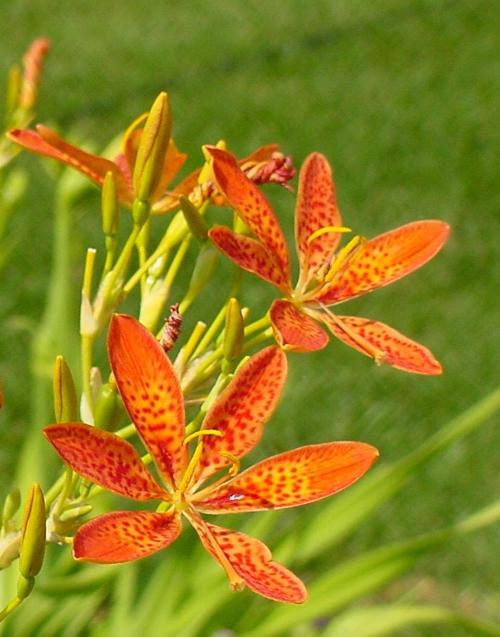
Leopard Lily
Iris domestica (syn. Belamcanda chinensis)
The Leopard Lily, botanically designated as *Iris domestica* (previously classified as *Belamcanda chinensis*, and commonly known as the Blackberry Lily or Leopard Flower), is an exceptionally distinct, highly ornamental perennial. Belonging to the family Iridaceae (the iris family, tribe Irideae...
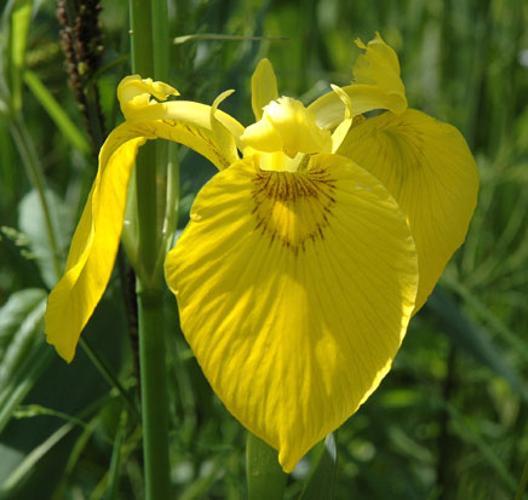
Yellow Iris
Iris pseudacorus
The Yellow Iris, scientifically classified as Iris pseudacorus and commonly known as the Yellow Flag or Water Flag, is a striking, highly vigorous wetland perennial plant belonging to the Iridaceae (iris) family. Native to Europe, Western Asia, and North Africa, this species thrives naturally in...
Same Family
3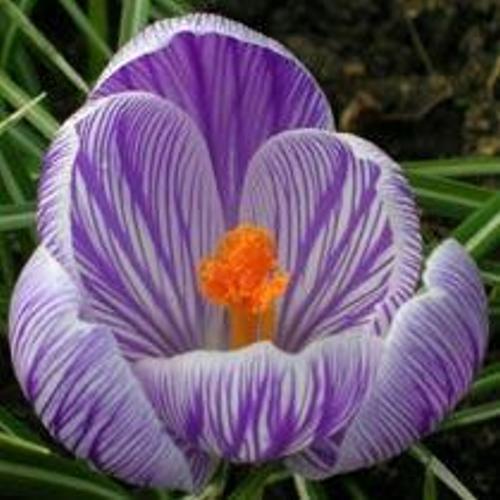
Spring Crocus
Crocus vernus
The Spring Crocus (Crocus vernus), also known as the Giant Crocus or Dutch Crocus, is a delicate, diminutive perennial belonging to the Iridaceae (Iris) family. Native to the alpine meadows and woodlands of central and southern Europe, it has become a globally beloved symbol of the end of winter....
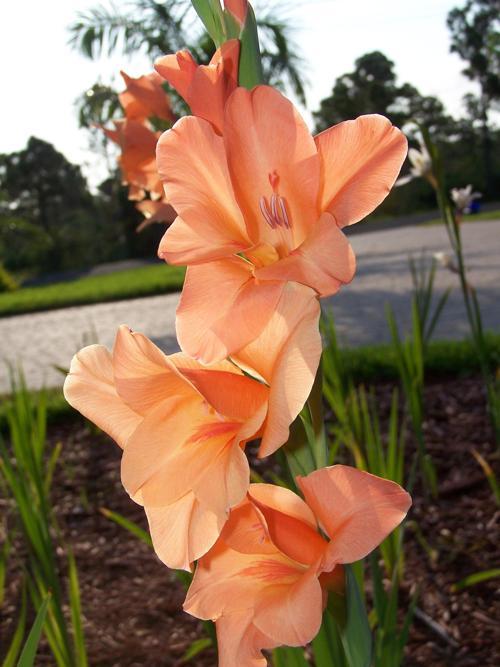
Sword Lily
Gladiolus
The Sword Lily, botanically classified under the genus Gladiolus and belonging to the family Iridaceae (the iris family), is an exceptionally dramatic, tall, and colorful perennial. Native primarily to the rich grasslands, dry scrub habitats, and mountain valleys of South and East Africa, with a...
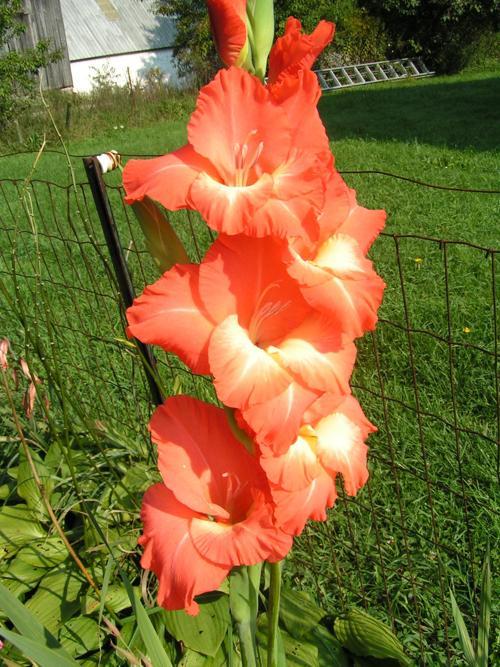
Gladiolus
Gladiolus
The Gladiolus, botanically designated as Gladiolus and commonly known as the Sword Lily or simply Glad, is a spectacular cormous perennial belonging to the family Iridaceae (the iris family). Native primarily to the warm, sun-drenched grasslands, savannas, and shrubby valleys (fynbos) of South Af...
Similar Characteristics
4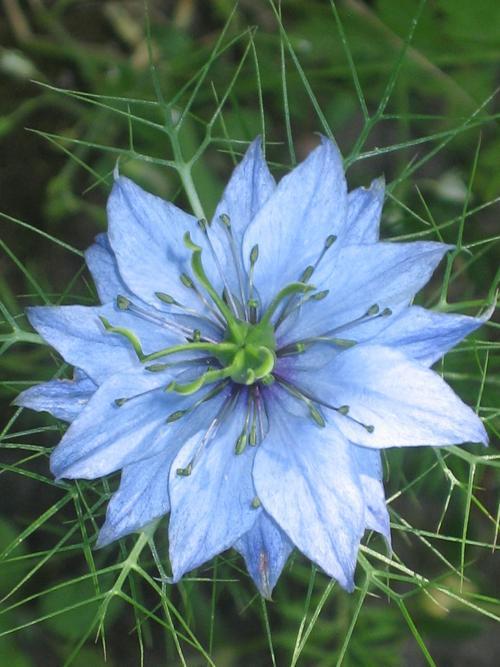
Love in a mist
Nigella damascena
The Love-in-a-mist, botanically designated as Nigella damascena and belonging to the family Ranunculaceae (the buttercup family), is a beloved, old-fashioned hardy annual flower. Native to the sunny hills, open meadows, and coastal fields of southern Europe, North Africa, and southwestern Asia—es...
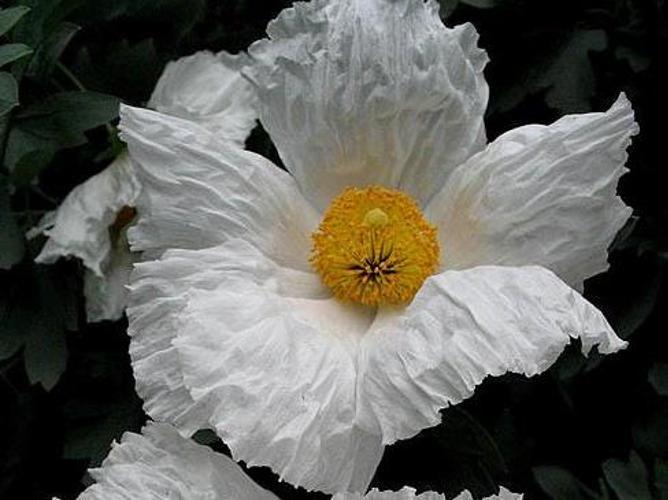
Pincushion
Scabiosa
The Pincushion Flower, botanically designated under the genus *Scabiosa* (particularly *Scabiosa atropurpurea*, known as the Sweet Scabious or Pincushion Flower), is an exceptionally charming, airy herbaceous perennial or annual. Belonging to the family Caprifoliaceae (the honeysuckle family, tri...
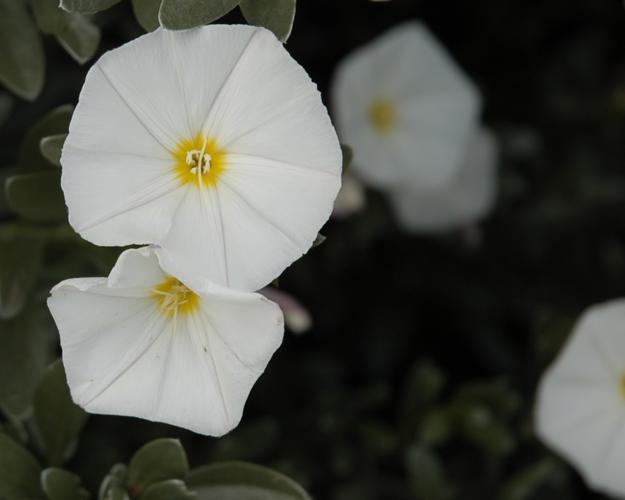
Silverbush
Convolvulus cneorum
The Silverbush, botanically classified as Convolvulus cneorum and widely referred to as the Silvery Bindweed or Bush Morning Glory, is an exceptionally elegant, compact evergreen shrub belonging to the Convolvulaceae (morning glory) family. Unlike its sprawling, climbing vine cousins, this specie...
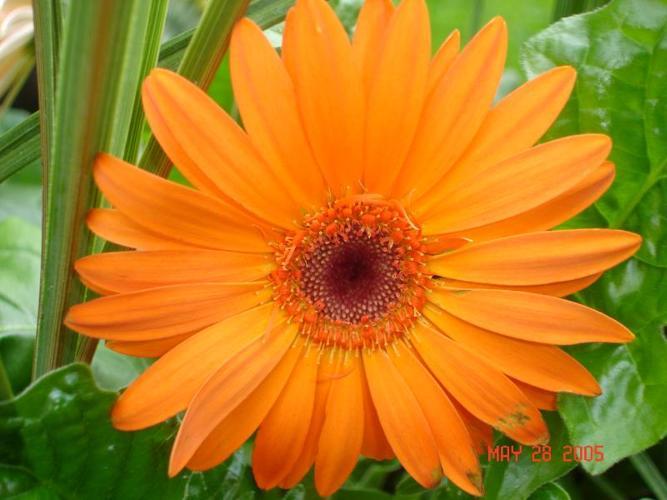
Barberton Daisy
Gerbera jamesonii
The Barberton Daisy, botanically known as Gerbera jamesonii and widely cherished as the Gerbera Daisy or Transvaal Daisy, is an exceptionally cheerful and colorful herbaceous perennial in the Asteraceae (sunflower) family. Native to the rich, subtropical valleys and grassy slopes of South Africa'...