
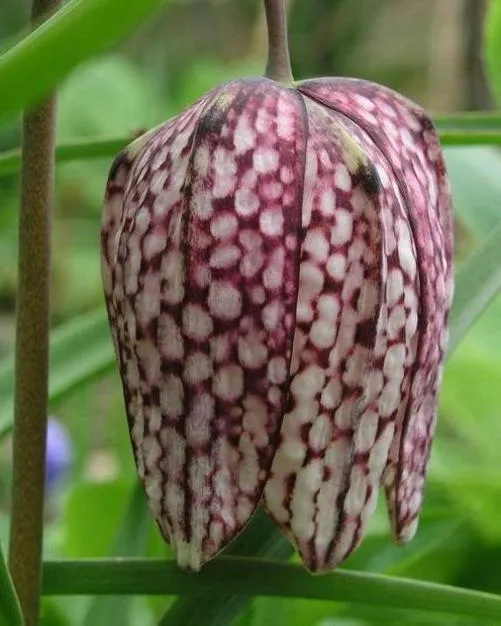
Fritillaria
Fritillaria
How to Identify Fritillaria
TOXIC TO PETS. Contains imperialine cardiotonic alkaloids, causing severe vomiting, depression, and dangerous heart issues in cats and dogs.
Care & Growing Guide
Seasonal Blooming & Hardiness
Seasonal Blooming Calendar:
- Peak Bloom: Spring to early summer (typically April through June).
- Planting Time: Sow seeds directly outdoors in early spring after the last frost, or transplant nursery starts in late spring.
Bloom Timeline
About Fritillaria
The Fritillaria, botanically designated as Fritillaria within the Liliaceae (lily) family, is an extraordinarily elegant and exotic genus of spring-flowering bulbous perennials. Native to the temperate latitudes of the Northern Hemisphere—spanning the grassy floodplains of Europe, the Mediterranean basin, the rocky slopes of western and central Asia, and western North America—these unique plants have been highly prized by horticultural collectors since the Elizabethan era. They are globally celebrated for their striking, downward-facing, bell-like blossoms.
This bulbous genus exhibits diverse growth forms, ranging in height from the delicate, 6-to-12-inch Snake's Head Fritillary (Fritillaria meleagris) to the majestic, 3-to-4-foot tall Crown Imperial (Fritillaria imperialis). The foliage is typically light-green, narrow, and arranged alternately or in whorls along upright, fleshy stems. In spring (March through May), they produce nodding, downward-facing bells. Fritillaria meleagris is famous for its intricate, checkered or tessellated patterns of reddish-purple and white, while Fritillaria imperialis features a terminal ring of large orange-red bells topped by a leafy green crown.
The reproductive morphology of Fritillaria is represented by the classical lily floral formula EBr ⊕ ⚥ P3+3 A3+3 G(3). This formula denotes that the flowers are ebracteate (lacking typical green bracts directly beneath the calyx), radially symmetrical (acting as actinomorphic), and bisexual. The perianth comprises 6 petal-like tepals arranged in two concentric whorls of three, featuring prominent nectar-secreting glands (nectaries) at the base of each tepal. The androecium contains 6 fertile stamens in two whorls, and the gynoecium contains 3 fused carpels forming a superior ovary.
Horticulturally, Fritillaria bulbs are highly sensitive and require very specific cultural conditions. They demand full sun to light, dappled shade and perform best in rich, organic, moisture-retentive, yet exceptionally well-drained soils. Because the fleshy bulbs are naked (lacking a tough protective outer tunic), they dry out and bruise very easily, requiring immediate planting in early autumn. To prevent moisture from collecting in the central crown of Fritillaria imperialis bulbs and causing rot, they are traditionally planted on their sides. Bulbs require winter cold (vernalization) to bloom (Zones 3-8).
The genus name Fritillaria is derived from the Latin word 'fritillus,' which means 'dice box' or 'checkerboard,' directly describing the unusual checkered coloration of Fritillaria meleagris. Famed in Sanskrit as Mayurashikha (मयूरशिखा) or Kakoli (काकोली) and in Hindi as Jangli Lahsun (जंगली लहसुन), various Asian species are utilized in traditional Ayurvedic and Chinese herbalism. In art history, the Crown Imperial was a recurring star of 17th-century Dutch Master still-life paintings, symbolizing regal beauty, rarity, wealth, and spiritual grace.
For pet owners and veterinarians, Fritillaria represents a significant toxic concern. The plant is classified as TOXIC TO PETS, including dogs, cats, and horses. Fritillaria bulbs and foliage contain concentrated levels of cardiotonic alkaloids, primarily imperialine, alongside tuliposide compounds. Ingestion of any part of the plant triggers severe clinical symptoms, including intense vomiting, bloody diarrhea, lethargy, decreased heart rate, dangerous heart irregularities, and sudden cardiovascular collapse. (Note: Since there is no existing pet-guard page in our database for this species, we do NOT include a pet-guard link here; we suggest placing bulbs away from pets.)
Fritillaria is occasionally confused with other spring bulbs like tulips or lilies. It is easily distinguished by its downward-pointing, nodding bell flowers, unique checkered coloring, or Crown-like tuft of foliage. It makes a magnificent, exotic addition to spring gardens; we recommend pairing it alongside other safe, moisture-loving woodland plants like Boat Orchid or Catasetum Orchid to create a striking contrast. To discover more rare spring-flowering bulbs and advanced growing methods, browse our Flower Identifier.
Floral Formula & Features
Ebracteate, actinomorphic (radially symmetrical), bisexual, 6 petal-like tepals in 2 whorls of 3 with basal nectaries, 6 stamens in 2 whorls, 3 fused carpels with superior ovary typical of Liliaceae
- Scientific Name & Classification: Fritillaria (Liliaceae). Known as Snake's Head Fritillary, Checkered Lily, and Crown Imperial.
- Identification Markers: Nodding downward bell flowers, intricate purple-white checkered petals (F. meleagris), or rings of orange bells beneath leafy tufts (F. imperialis).
- Floral Formula (EBr ⊕ ⚥ P3+3 A3+3 G(3)): Radially symmetrical, bisexual flowers with 6 tepals, 6 stamens in two whorls, and 3 fused carpels.
- Growing Requirements: Full sun to light shade; rich, organic, exceptionally well-draining soil. Plant fragile naked bulbs on their sides in early fall (Zones 3-8).
- Cultural Significance: Name comes from Latin 'fritillus' (checkerboard). Widely featured in Dutch still-life art. Historically used in traditional Ayurvedic herbology.
- Safety & Toxicity: TOXIC TO PETS. Contains imperialine cardiotonic alkaloids, causing severe vomiting, depression, and dangerous heart issues in cats and dogs.
- Common Look-alikes: Confused with standard tulips or wild lilies, but easily distinguished by its nodding, bell-shaped flowers and tessellated chessboard patterns.
- Internal Links: Looks magnificent as an exotic accent beside non-toxic spring-blooming lilies and shade companions like Boat Orchid or Catasetum Orchid; find more in our Flower Identifier.
Names in Different Languages
Botanical Classification: Fritillaria belongs to the Liliaceae family. Learn how to identify its floral symmetry, stamen arrangement, and structural formulas in our Botanical Family Classification Guide.
Toxicity & Safety
Always keep toxic plants out of reach of children and pets. Consult a veterinarian or medical professional immediately if ingestion is suspected.
Frequently Asked Questions
What is Floral Formula?
A floral formula is a symbolic representation of a flower's structure using letters, numbers, and special symbols. It provides a concise way to describe the arrangement and number of floral parts.
This formula describes the flower's symmetry, sepals, petals, stamens, and carpels in a standardized format.
Formula Sequence
- Bract: Br or Ebr
- Bracteole: Brl or Ebrl
- Symmetry: % (Radial) or ⊕ (Bilateral)
- Sex: ♀ (Female), ♂ (Male), or ⚥ (Bisexual)
- Calyx/Sepal: K<number> (Free or Fused)
- Corolla/Petal: C<number> (Free or Fused)
- Androecium: A<number> (Free or Fused)
- Gynaecium: G<number> (Superior or Inferior Ovary)
Symbol Meanings
- Numbers: Indicate quantity of parts
- Parentheses (): Parts are fused together
- Plus (+): Parts in different whorls
- Underline: Superior ovary position
- Overline: Inferior ovary position
- ∞: Numerous parts (too many to count)
Understanding floral formulas helps botanists quickly identify and classify flowers based on their structural characteristics.
Similar Flowers
Discover flowers that share botanical characteristics
Same Family
4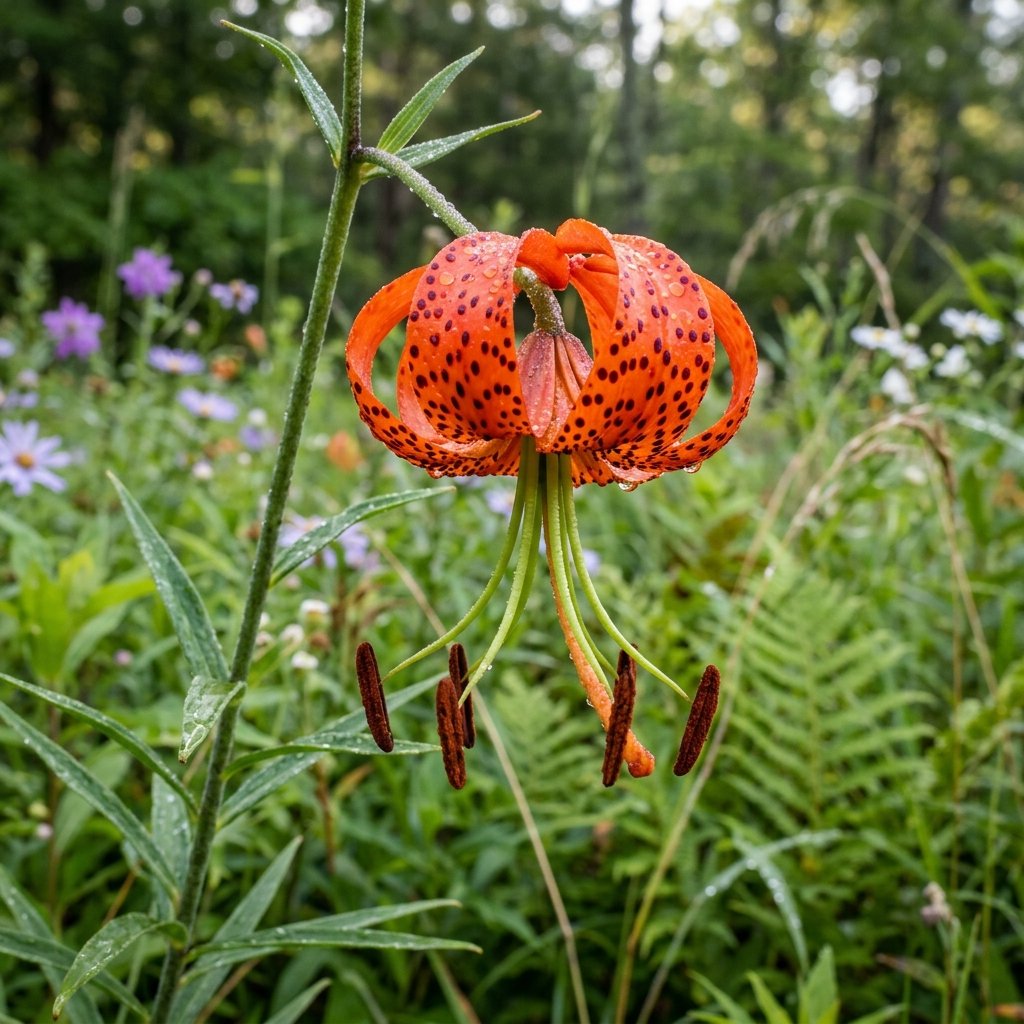
Turk's Cap Lily
Lilium superbum
Turk's Cap Lily (*Lilium superbum*) is the tallest native lily in North America and one of the most spectacular wildflowers of the eastern United States, reaching heights of 4 to 8 feet with multiple nodding, bright orange flowers dramatically spotted with purple-brown and with their petals fully...
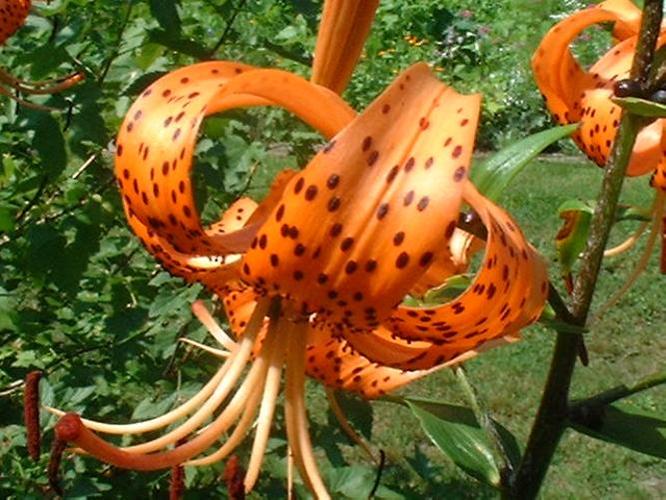
Tiger Lily
Lilium lancifolium
The Tiger Lily (Lilium lancifolium), a standout member of the Liliaceae family, is one of the most recognizable and striking lilies in the world. Native to the temperate regions of Eastern Asia, including China, Japan, and Korea, this herbaceous perennial has captivated gardeners for centuries wi...
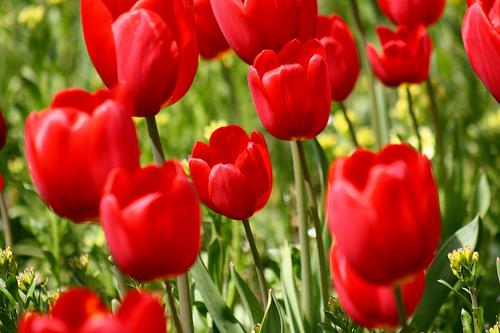
Tulip
Tulipa
The Tulip, botanically designated under the genus Tulipa and belonging to the family Liliaceae (the lily family, tribe Lilieae), is an exceptionally iconic, globally celebrated spring-blooming bulbous herbaceous perennial. Native to the dry, mountainous heights, rocky slopes, and sweeping grassla...
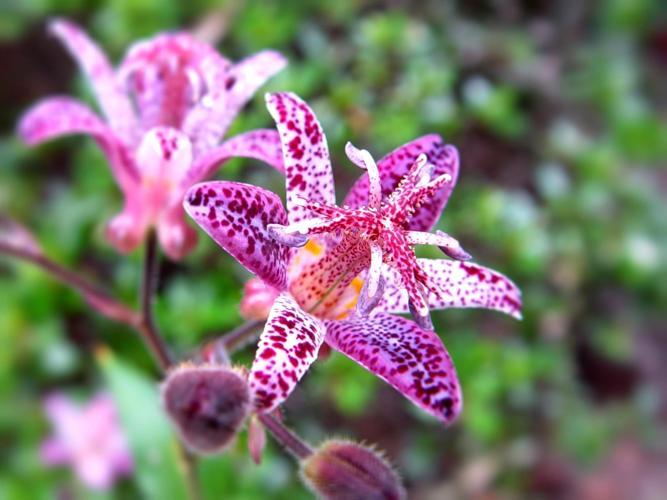
Toad Lily
Tricyrtis
The Toad Lily, botanically classified under the genus Tricyrtis and belonging to the family Liliaceae (the lily family, tribe Lilieae), is an exceptionally exotic, shade-loving perennial. Native to the damp forest understories, shaded mountain valleys, and rocky stream banks of eastern Asia—with...
Similar Characteristics
4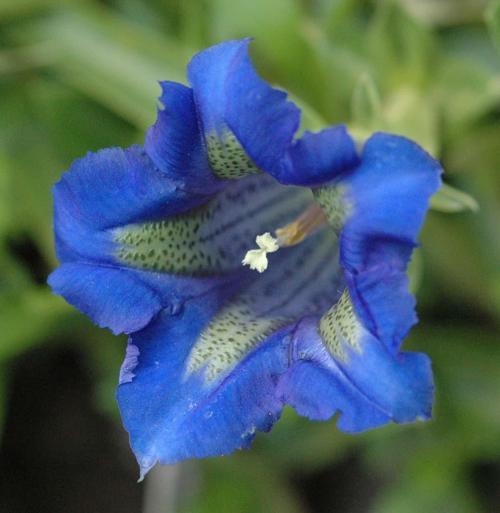
Stemless Gentian
Gentiana acaulis
The Stemless Gentian, botanically classified as Gentiana acaulis and commonly known as the Trumpet Gentian, Large-flowered Gentian, or Gentianella, is an exceptionally exquisite, low-growing alpine perennial. Belonging to the family Gentianaceae (the gentian family, tribe Gentianeae), this high-a...
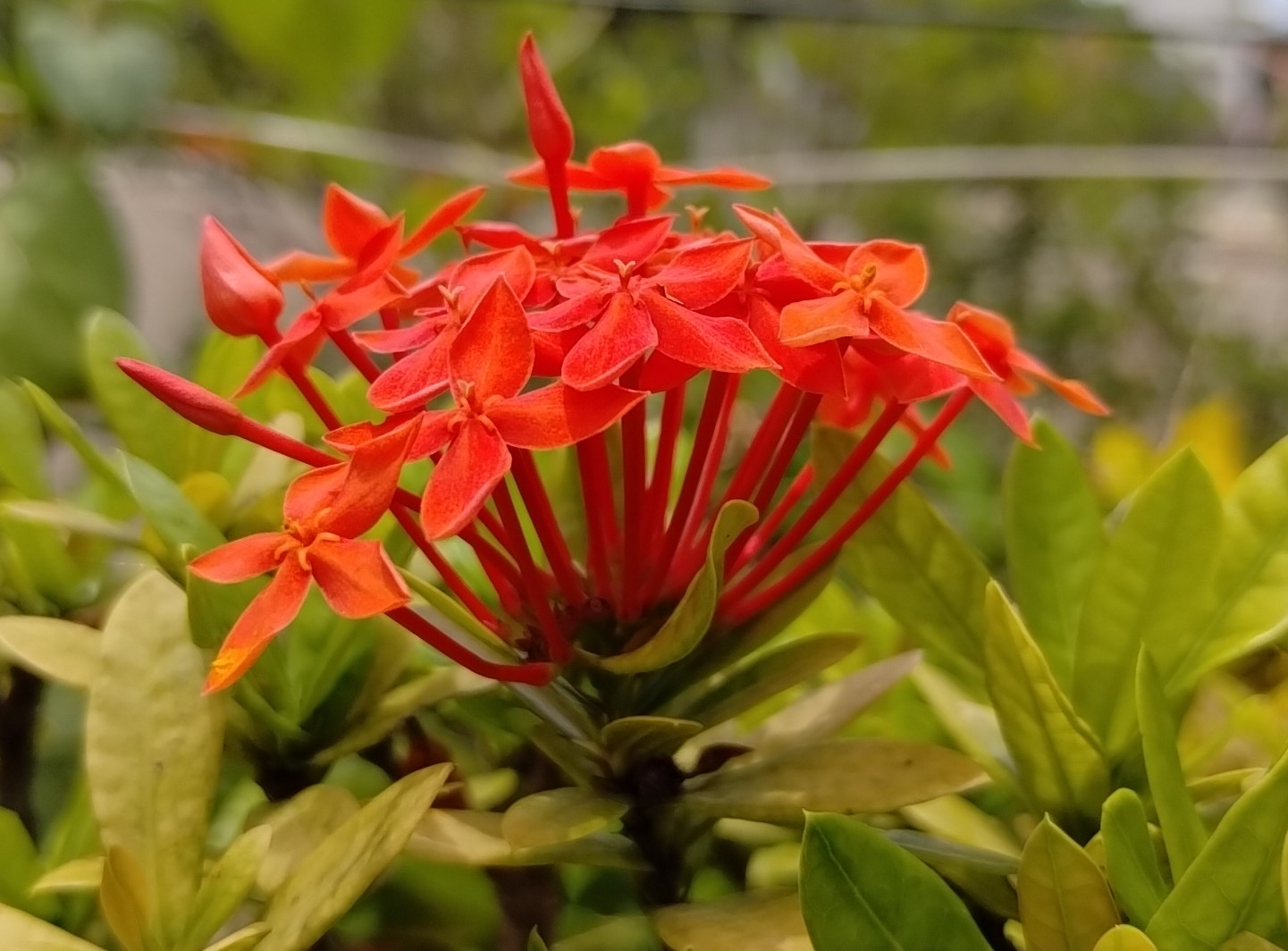
Ixora
Ixora coccinea
Ixora, botanically classified as Ixora coccinea and colloquially celebrated as the Jungle Flame or Flame of the Woods, is an exceptionally vibrant, evergreen flowering shrub belonging to the Rubiaceae (madder or coffee) family. Native to the damp tropical forests, rocky hillsides, and coastal scr...
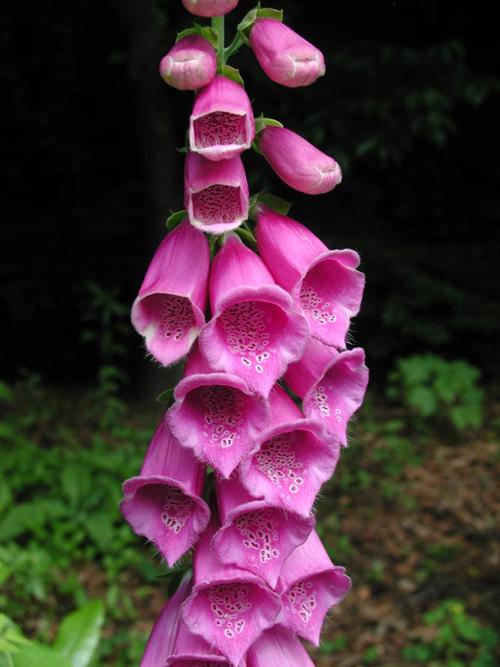
Foxglove
Digitalis purpurea
Digitalis purpurea, commonly known as Foxglove, is a majestic and iconic biennial plant belonging to the Plantaginaceae family. Native to the cool, temperate woodlands, hedgerows, and mountainous clearings of western and southwestern Europe, this striking species has naturalized throughout North...
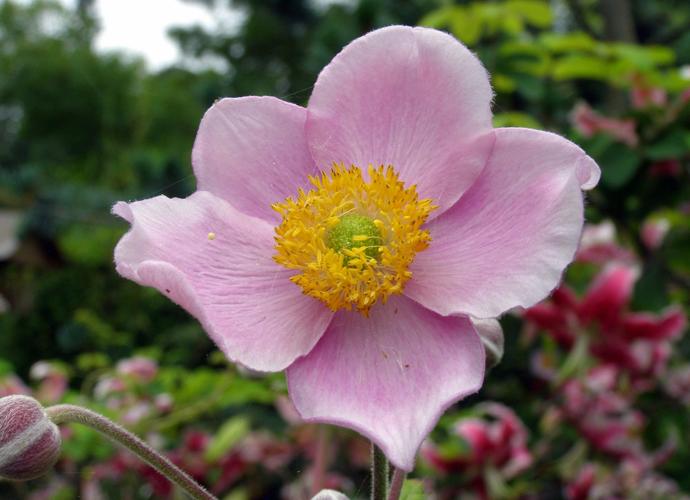
Japanese anemone
Anemone hupehensis, Anemone hybrida
The Japanese Anemone, botanically classified as Anemone hupehensis (and recently reclassified under the genus Eriocapitella), is an exceptionally graceful, late-blooming herbaceous perennial belonging to the Ranunculaceae (buttercup) family. Despite its common name, this elegant species is native...