
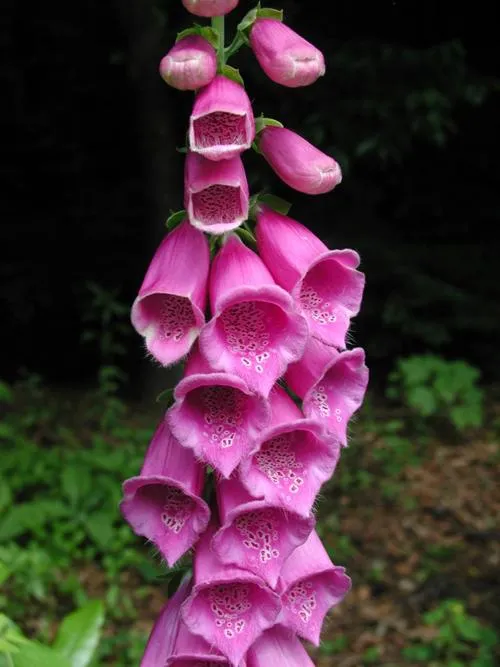
Foxglove
Digitalis purpurea
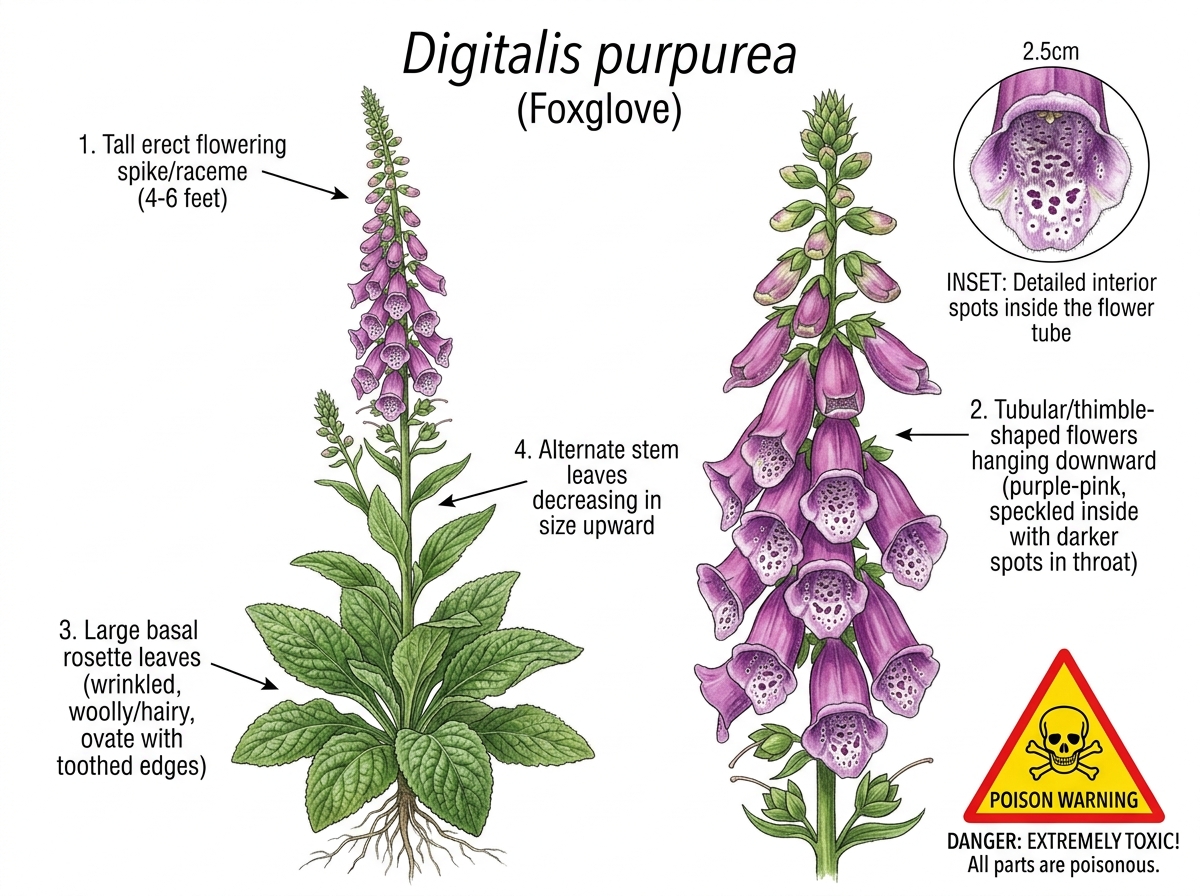
How to Identify Foxglove
Care & Growing Guide
Seasonal Blooming & Hardiness
Seasonal Blooming Calendar:
- Peak Bloom: Spring to early summer (typically April through June).
- Planting Time: Sow seeds directly outdoors in early spring after the last frost, or transplant nursery starts in late spring.
Bloom Timeline
About Foxglove
Digitalis purpurea, commonly known as Foxglove, is a majestic and iconic biennial plant belonging to the Plantaginaceae family. Native to the cool, temperate woodlands, hedgerows, and mountainous clearings of western and southwestern Europe, this striking species has naturalized throughout North America, Australia, and New Zealand. Renowned for its towering, dramatic spikes of downward-pointing, glove-finger-like blossoms, Foxglove is a beloved cornerstone of traditional English cottage gardens. It represents a fascinating botanical duality, serving as both a source of life-saving cardiac medicine and a highly toxic hazard.
This imposing plant follows a two-year biennial lifecycle. In its first year, it produces a low-growing basal rosette of large, soft, fuzzy, ovate-lanceolate leaves with wrinkled textures and finely toothless margins. In the second spring, the plant bolts dramatically, sending up a single, sturdy, unbranched flowering stem that can reach heights of 2 to 6 feet. The flowers are arranged in a long, dense, spectacular, one-sided terminal spike, featuring 20 to 80 tubular, bell-shaped blooms. The blossoms range in color from deep purple, rose-pink, and pale apricot to pristine white, each showcasing a throat heavily speckled with dark spots encircled in white.
The architectural design of the bloom is represented by the floral formula EBr % ⚥ K(5) C(5) A4 G(2). This indicates that the flower is ebracteate, bilaterally symmetrical (zygomorphic), and bisexual. It features a calyx of 5 fused sepals and a tubular, bell-shaped corolla of 5 fused petals with 4 shallow lobes (the upper 2 lobes are highly fused). The androecium consists of 4 stamens arranged in 2 pairs of unequal length (didynamous) fused to the inside of the corolla tube, surrounding a syncarpous gynoecium of 2 fused carpels with a superior ovary.
Foxglove is exceptionally shade-tolerant, making it a premier selection for woodland gardens, dappled borders, and shaded landscapes in USDA hardiness zones 4 through 9. It thrives in rich, moist, organic-rich, slightly acidic soils that are consistently moist but exceptionally well-drained. It does not tolerate heavy clay or prolonged waterlogged conditions, which can cause crown rot, and it is highly sensitive to severe drought. While it is a biennial, it self-seeds so prolifically that it easily establishes a permanent, self-sustaining presence in the garden.
Steeped in rich European folklore, the common name 'Foxglove' is thought to be derived from 'folks' glove,' referring to the mythical fairy folk who supposedly wore the blossoms as gloves. Folk names like 'Dead Men's Bells' and 'Witches' Gloves' served as historical warnings of its extreme toxicity. In 1785, Scottish physician William Withering discovered that the leaves contained digitalis (specifically the cardiac glycosides digitoxin and digoxin), which remain highly vital modern cardiac medications used to treat congestive heart failure. In regional languages, it is known as तिलापुष्पि (Tilapuspi) in Sanskrit and Dedalera in Spanish.
Due to its chemical properties, Foxglove is classified as EXTREMELY TOXIC and potentially LETHAL to dogs, cats, horses, and humans. All parts of the plant—including the seeds, leaves, stems, and flowers—contain powerful cardiac glycosides. Ingesting even a small amount can trigger severe clinical symptoms, including intense nausea, vomiting, drooling, severe cardiac arrhythmia, slowed heart rate (bradycardia), dilated pupils, tremors, seizures, and fatal cardiac arrest. Gardeners with pets or young children must exercise extreme caution. For safe, non-toxic alternatives, consult our Pet Guard safety directory.
Foxglove is occasionally confused with Campanula medium (Canterbury Bells) or common mullein (Verbascum) in its vegetative state. However, it is easily distinguished by its one-sided, hanging, speckled tubular bells and its distinctly soft, fuzzy, non-clasping basal leaves. It serves as an incredible vertical backdrop paired with shade-loving companions; we recommend pairing it with Canterbury Bells or Sweet Pea. To see more members of the Plantaginaceae family, explore our Flower Identifier.
Floral Formula & Features
Ebracteate (no bracts), bilaterally symmetrical (zygomorphic), bisexual, 5 fused sepals, 5 fused petals forming tubular bell with 4 lobes (upper 2 fused), 4 stamens in 2 pairs (didynamous), 2 fused carpels with superior ovary
- Scientific Name & Classification: Digitalis purpurea (Plantaginaceae). Known historically as Fairy Bells, Witches Gloves, and Dead Men's Bells.
- Identification Markers: Tall, unbranched 2-6 foot flowering spikes. Tubular bell-shaped pink, purple, or white hanging flowers with heavily spotted throats.
- Floral Formula (EBr % ⚥ K(5) C(5) A4 G(2)): Bilaterally symmetrical, bisexual flowers with 4 didynamous stamens fused to corolla tube and superior ovary.
- Growing Requirements: Prefers partial shade to full shade; thrives in rich, moist, organic-rich, acidic, well-draining soils. Prolifically self-seeding (Zones 4-9).
- Cultural Significance: Source of the crucial heart medication digitalis discovered in 1785. Symbolizes both healing and extreme danger in Victorian language.
- Safety & Toxicity: EXTREMELY TOXIC & LETHAL. Contains powerful cardiac glycosides (digoxin) that cause severe arrhythmia, vomiting, and cardiac arrest.
- Common Look-alikes: Confused with Canterbury Bells, but distinguished by hanging, speckled, one-sided flower tubes and soft, fuzzy basal rosettes.
- Internal Links: Stunning backdrop paired alongside shade classics like Canterbury Bells or Sweet Pea; browse more shade perennials in our Flower Identifier.
- Internal Links: Compare key differences in our Foxglove vs Monkshood or Snapdragon vs Foxglove comparison, or try our instant Flower Identifier.
Names in Different Languages
Botanical Classification: Foxglove belongs to the Plantaginaceae family. Learn how to identify its floral symmetry, stamen arrangement, and structural formulas in our Botanical Family Classification Guide.
Toxicity & Safety
Always keep toxic plants out of reach of children and pets. Consult a veterinarian or medical professional immediately if ingestion is suspected.
Pet Safety Guide: For detailed toxicity symptoms, first-aid measures, and safe garden alternatives, see our full Pet Guard Profile for Foxglove.
Frequently Asked Questions
What is Floral Formula?
A floral formula is a symbolic representation of a flower's structure using letters, numbers, and special symbols. It provides a concise way to describe the arrangement and number of floral parts.
This formula describes the flower's symmetry, sepals, petals, stamens, and carpels in a standardized format.
Formula Sequence
- Bract: Br or Ebr
- Bracteole: Brl or Ebrl
- Symmetry: % (Radial) or ⊕ (Bilateral)
- Sex: ♀ (Female), ♂ (Male), or ⚥ (Bisexual)
- Calyx/Sepal: K<number> (Free or Fused)
- Corolla/Petal: C<number> (Free or Fused)
- Androecium: A<number> (Free or Fused)
- Gynaecium: G<number> (Superior or Inferior Ovary)
Symbol Meanings
- Numbers: Indicate quantity of parts
- Parentheses (): Parts are fused together
- Plus (+): Parts in different whorls
- Underline: Superior ovary position
- Overline: Inferior ovary position
- ∞: Numerous parts (too many to count)
Understanding floral formulas helps botanists quickly identify and classify flowers based on their structural characteristics.
Similar Flowers
Discover flowers that share botanical characteristics
Same Family
3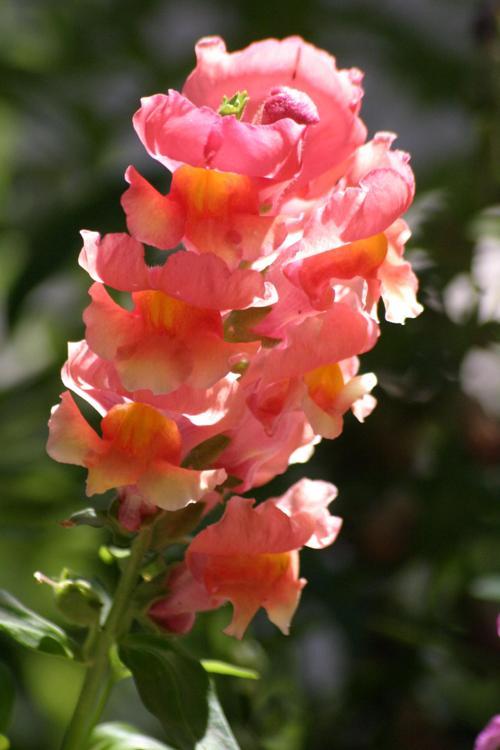
Antirrhinum
Antirrhinum
The Snapdragon, botanically designated as Antirrhinum majus and belonging to the family Plantaginaceae (the plantain family, formerly grouped under Scrophulariaceae), is an exceptionally charming and iconic herbaceous perennial. Native to the rocky screes, ancient ruins, and coastal cliffs of the...
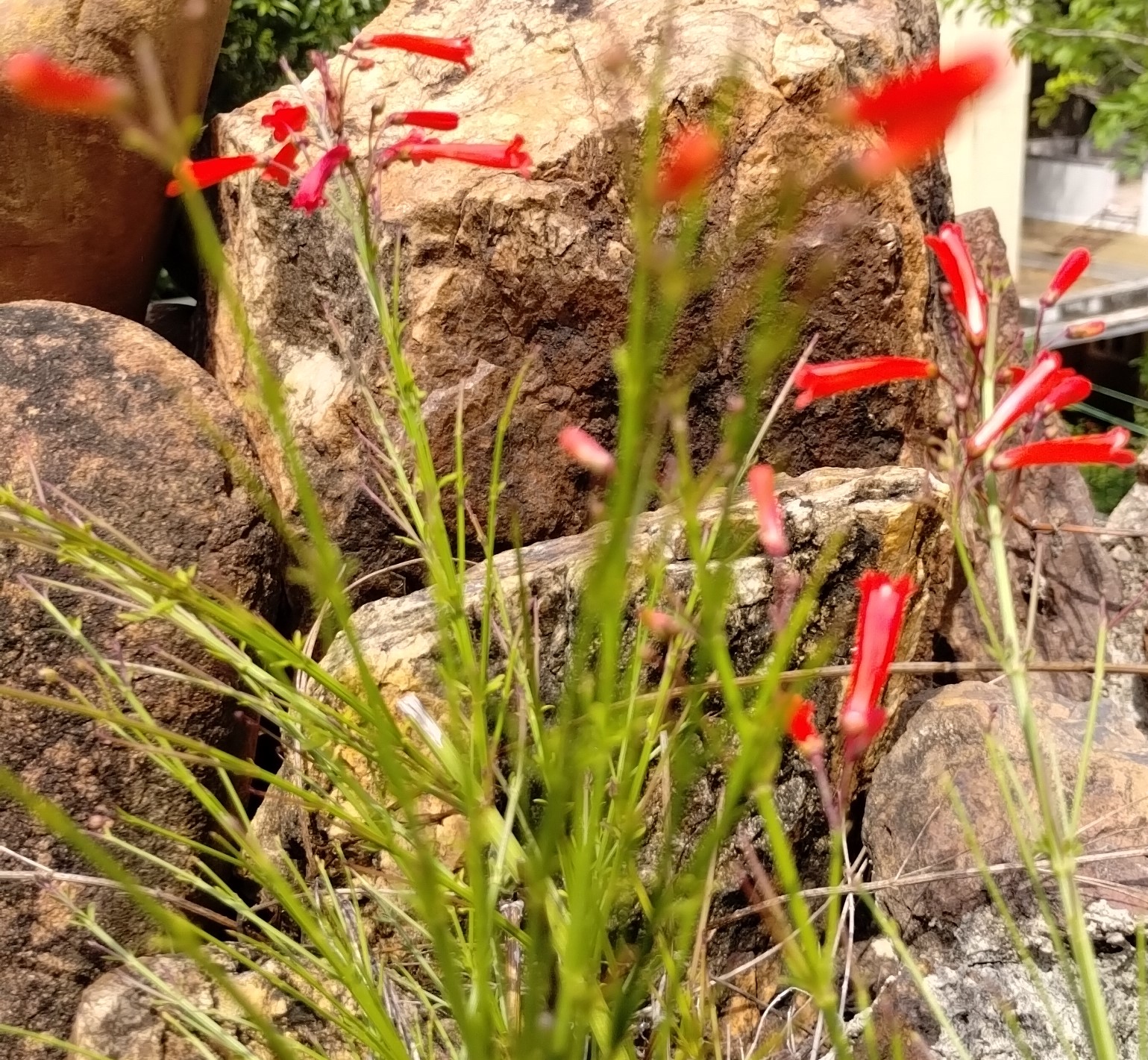
Russelia (Coral Fountain)
Russelia equisetiformis
Russelia, botanically designated as Russelia equisetiformis and popularly celebrated as the Coral Fountain or Firecracker Plant, is a spectacular, weeping tropical subshrub belonging to the Plantaginaceae (plantain) family. Native to the warm, sun-drenched woodlands and dry limestone rocky cliffs...
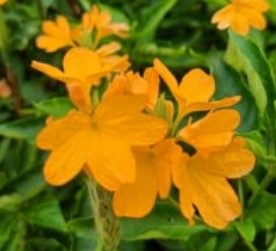
Crossandra Firecracker
Crossandra infundibuliformis
The Firecracker Flower, scientifically known as Crossandra infundibuliformis and popularly called Aboli or Kanakambaram in India, is a beautiful tropical evergreen shrub belonging to the Acanthaceae family. Native to the shady forest understories of southern India and Sri Lanka, particularly the...
Similar Characteristics
4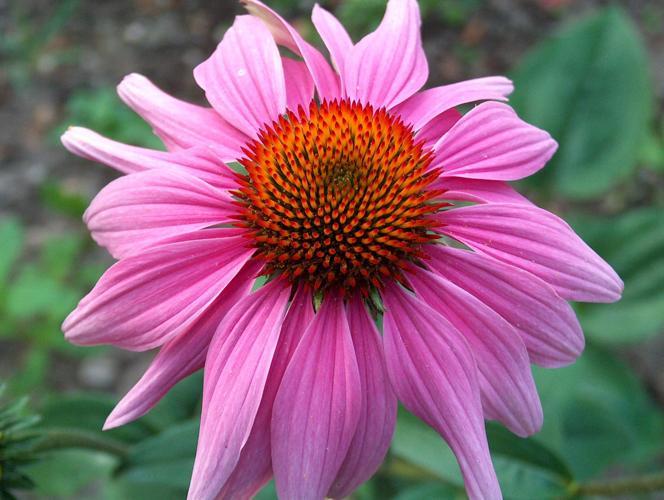
Purple Coneflower (Echinacea)
Echinacea purpurea
The Purple Coneflower (Echinacea purpurea) is a robust, iconic native North American perennial belonging to the Asteraceae family. Found thriving naturally in the prairies, open woods, and dry plains of the central and eastern United States, it has become a global favorite in both ornamental land...
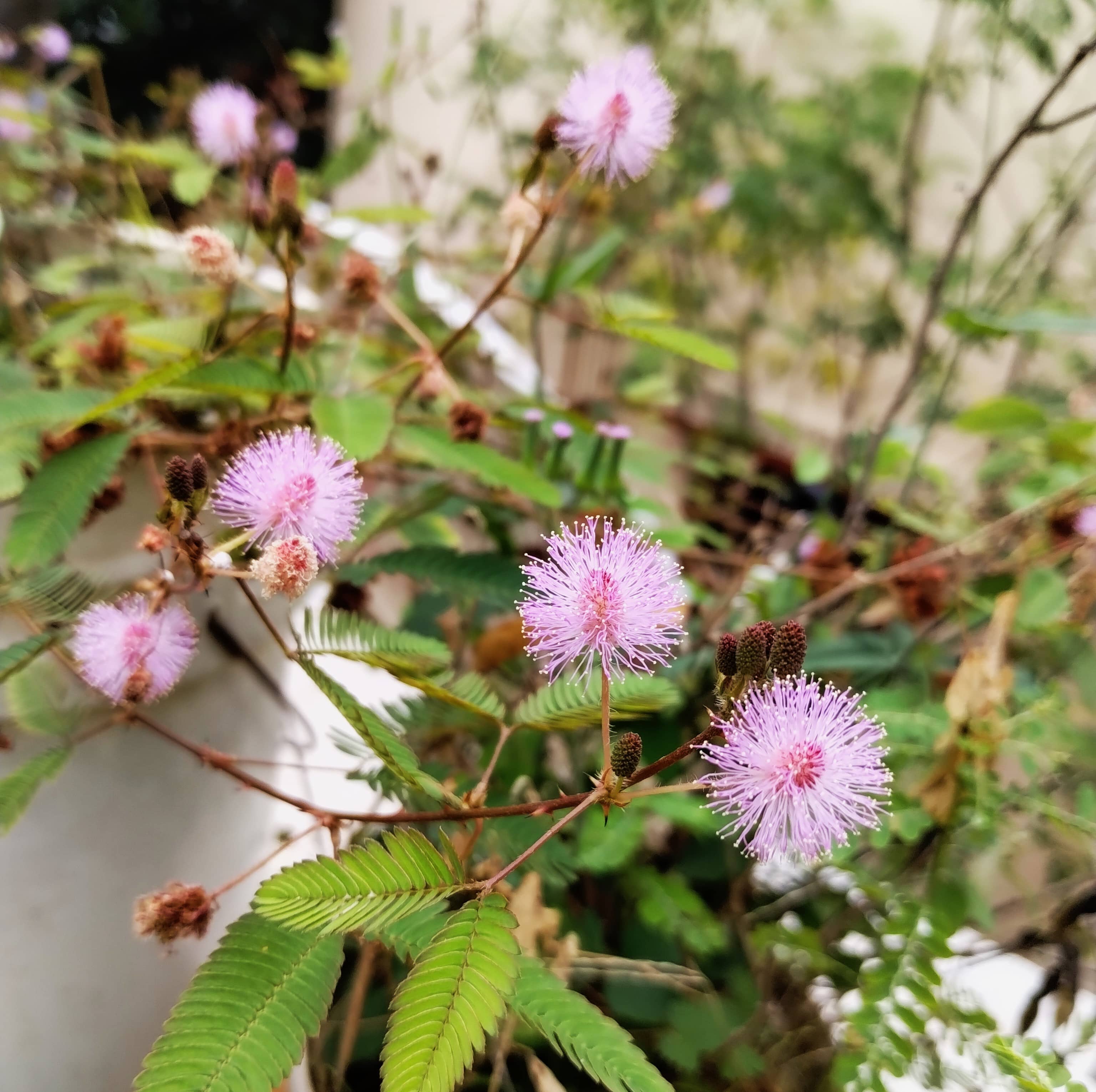
Touch Me Not
Mimosa pudica
Mimosa pudica, widely known as the "Touch-Me-Not" or "Sensitive Plant," is one of the most intriguing species in the botanical kingdom due to its rapid, touch-sensitive leaf movements. A member of the Fabaceae (Legume) family, this creeping perennial or subshrub is native to the tropical regions...
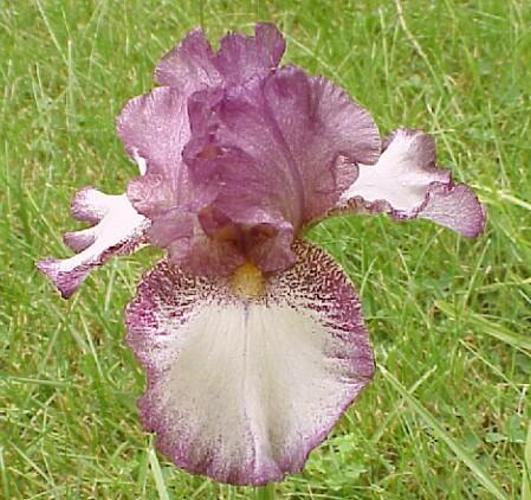
Bearded Iris
Iris germanica
The Bearded Iris, botanically designated under the genus *Iris* (particularly *Iris germanica*), is an exceptionally elegant, highly popular hardy perennial. Belonging to the family Iridaceae (the iris family, tribe Irideae), this spectacular garden favorite is native to the dry, sunny slopes and...
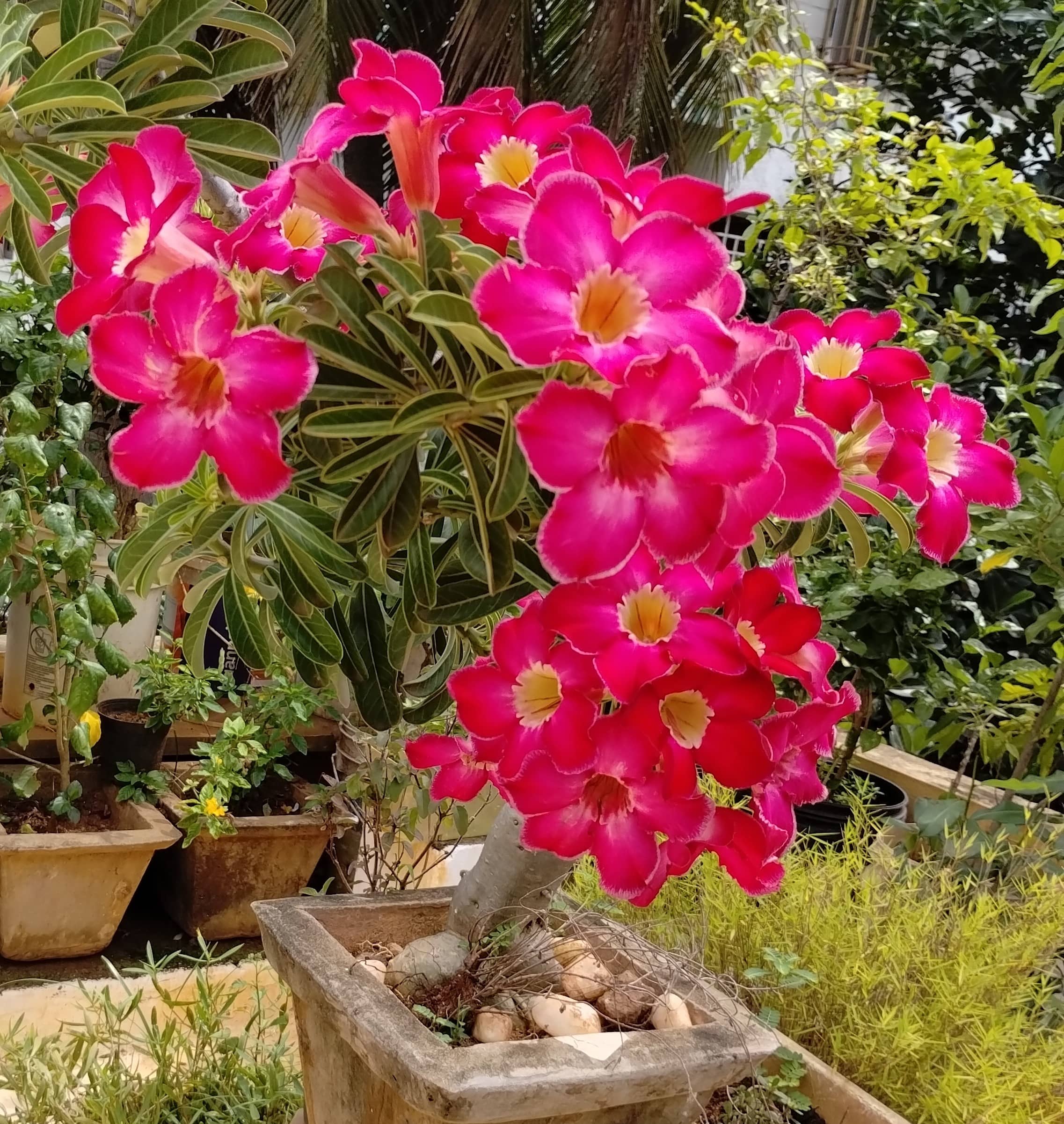
Desert Rose
Adenium obesum
The Desert Rose (Adenium obesum), a member of the Apocynaceae (Dogbane) family, is one of the most sculptural and striking succulent shrubs in the botanical world. Native to the arid regions of sub-Saharan Africa and the Arabian Peninsula, this plant has developed extraordinary adaptations to sur...