
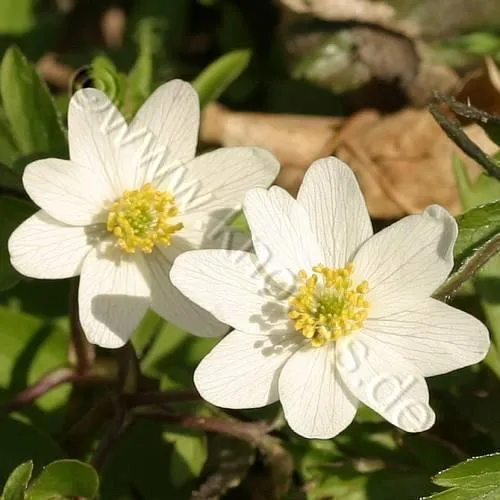
Windflower
Anemone
How to Identify Windflower
TOXIC TO PETS. Contains volatile protoanemonin, causing severe mouth blistering, drooling, and vomiting if chewed. Wear gloves when handling.
Care & Growing Guide
Seasonal Blooming & Hardiness
Seasonal Blooming Calendar:
- Peak Bloom: Spring to early summer (typically April through June).
- Planting Time: Sow seeds directly outdoors in early spring after the last frost, or transplant nursery starts in late spring.
Bloom Timeline
About Windflower
Windflower, botanically classified under the extensive genus Anemone within the Ranunculaceae (buttercup) family, comprises a spectacular and diverse group of herbaceous perennials beloved for their elegant, swaying blooms. Distributed throughout the temperate and cold regions of the Northern Hemisphere, this genus includes early spring ephemerals like the European Wood Anemone (Anemone nemorosa) and tall, dramatic autumn stars like the Japanese Anemone (Anemone hupehensis). They are collectively celebrated for bringing delicate textures and movement to shaded woodland borders.
Physically identifying Windflowers depends on the species, but they share a common structural elegance. In spring or fall, they produce upright, slender, wiring stems rising from deeply lobed, palm-like or fern-like basal foliage. At the tips of these stems are solitary or clustered cup-shaped flowers measuring 1 to 3 inches across. The blooms are unique because they lack true petals; instead, they feature 5 to 20 highly colorful, petal-like sepals (tepals) in brilliant whites, soft pinks, deep purples, and rich scarlets, surrounding a dense central cluster of yellow stamens.
The reproductive morphology of the Windflower genus is represented by the classical Ranunculaceae floral formula EBr ⊕ ☿ P5-20 A∞ G∞. This formula indicates that the flowers are ebracteate, radially symmetrical (actinomorphic), and bisexual. There are 5 to 20 free, petaloid tepals arranged in a spiral whorl rather than distinct sepals and petals. The androecium contains numerous (infinity) free stamens arranged spirally around a highly dense gynoecium composed of numerous (infinity) free, superior carpels that mature into small, fuzzy achenes.
Horticultural requirements of Anemone vary. Spring-blooming wood anemones are classic shade ephemerals that prefer acidic, consistently moist, humus-rich woodland soils and partial to full shade under deciduous trees. Late-blooming Japanese anemones prefer neutral to slightly alkaline, highly organic-rich, moist loam and partial shade, growing into tall, semi-woody clumps that easily withstand summer heat. They spread effectively via underground rhizomes or tubers and are hardy across USDA zones 3 through 8.
The genus name Anemone is derived from the ancient Greek word 'anemos,' meaning 'wind,' directly translating to 'Windflower,' because the delicate, papery blooms dance and sway in the slightest breeze. In classical Spanish, they are called Anémona, in French, une anémone, and in Hindi, Pawan Pushp (पवन पुष्प). Culturally, in Greek mythology, the anemone is linked to Adonis; from his blood rose red anemones, cementing the flower as a classical symbol of anticipation, fleeting beauty, and deep, enduring protection.
While Windflowers are a visual masterpiece, gardeners with pets must practice strict safety measures. All species of Anemone are highly TOXIC to dogs, cats, and horses due to the presence of protoanemonin, a volatile toxin common in the Ranunculaceae family. Chewing or ingesting the foliage, flowers, or roots causes intense oral pain, blistering of the mouth, excessive drooling, vomiting, and severe gastroenteritis. Because there is no specific anemone pet-guard page, we link to our general Pet Guard page for safety alternatives.
Windflowers are occasionally confused with wild Buttercups or Poppy flowers. They are easily distinguished from Buttercups by their larger, multi-tepaled pastel blooms and deeply lobed leaves, and from true poppies by their distinct lack of a green calyx below the petals. In shaded gardens, they create gorgeous layered borders when planted alongside shade-loving Hellebore or trailing Wild Pansy. For more shade-tolerant species, explore our Flower Identifier.
For more botanical profiles and flower identification features, see our guides on Thorn Apple and Zephyr Lily.
Floral Formula & Features
Ebracteate, actinomorphic, bisexual, 5-20 free petal-like tepals, numerous spiral stamens, numerous free carpels with superior ovaries typical of Ranunculaceae
- Scientific Name & Classification: Anemone (Ranunculaceae). Popularly known as Windflower, Japanese Anemone, and Pawan Pushp.
- Identification Markers: Graceful cup-shaped blooms with 5-20 colorful petaloid sepals (no true petals) rising on slender, swaying stems above dissected foliage.
- Floral Formula (EBr ⊕ ☿ P5-20 A∞ G∞): Radially symmetrical, bisexual flowers with spiral petaloid tepals, infinite stamens, and infinite free carpels.
- Growing Requirements: Partial to full shade; requires organic-rich, consistently moist, and well-drained loamy soil. Ephemerals require organic leaf mold (Zones 3-8).
- Cultural Significance: Name derived from Greek 'anemos' (wind). Associated in Greek myth with the blood of Adonis; symbol of anticipation and protection.
- Safety & Toxicity: TOXIC TO PETS. Contains volatile protoanemonin, causing severe mouth blistering, drooling, and vomiting if chewed. Wear gloves when handling.
- Common Look-alikes: Confused with Buttercups or Poppies, but distinguished by the complete absence of a separate outer green calyx beneath the petaloid sepals.
- Internal Links: Beautiful woodland associate planted alongside shade-loving Hellebore or trailing Wild Pansy; find more choices in our Flower Identifier.
Names in Different Languages
Botanical Classification: Windflower belongs to the Ranunculaceae family. Learn how to identify its floral symmetry, stamen arrangement, and structural formulas in our Botanical Family Classification Guide.
Toxicity & Safety
Always keep toxic plants out of reach of children and pets. Consult a veterinarian or medical professional immediately if ingestion is suspected.
Frequently Asked Questions
What is Floral Formula?
A floral formula is a symbolic representation of a flower's structure using letters, numbers, and special symbols. It provides a concise way to describe the arrangement and number of floral parts.
This formula describes the flower's symmetry, sepals, petals, stamens, and carpels in a standardized format.
Formula Sequence
- Bract: Br or Ebr
- Bracteole: Brl or Ebrl
- Symmetry: % (Radial) or ⊕ (Bilateral)
- Sex: ♀ (Female), ♂ (Male), or ⚥ (Bisexual)
- Calyx/Sepal: K<number> (Free or Fused)
- Corolla/Petal: C<number> (Free or Fused)
- Androecium: A<number> (Free or Fused)
- Gynaecium: G<number> (Superior or Inferior Ovary)
Symbol Meanings
- Numbers: Indicate quantity of parts
- Parentheses (): Parts are fused together
- Plus (+): Parts in different whorls
- Underline: Superior ovary position
- Overline: Inferior ovary position
- ∞: Numerous parts (too many to count)
Understanding floral formulas helps botanists quickly identify and classify flowers based on their structural characteristics.
Similar Flowers
Discover flowers that share botanical characteristics
Same Family
4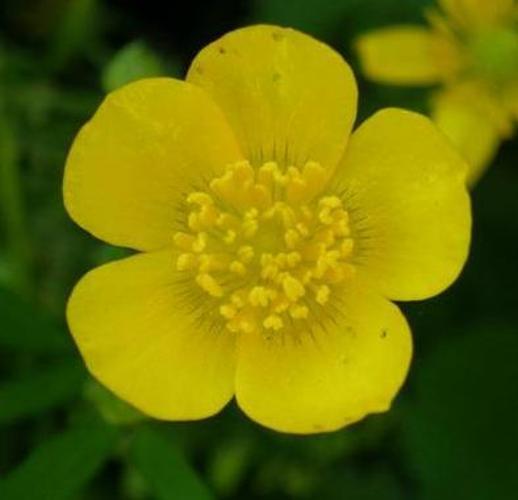
Meadow Buttercup
Ranunculus acris
The Meadow Buttercup (Ranunculus acris) is a ubiquitous, bright, and cheerful herbaceous perennial belonging to the Ranunculaceae family. Native to Europe and Eurasia, it has naturalized widely across North America and other temperate regions globally. While often viewed nostalgically as a classi...
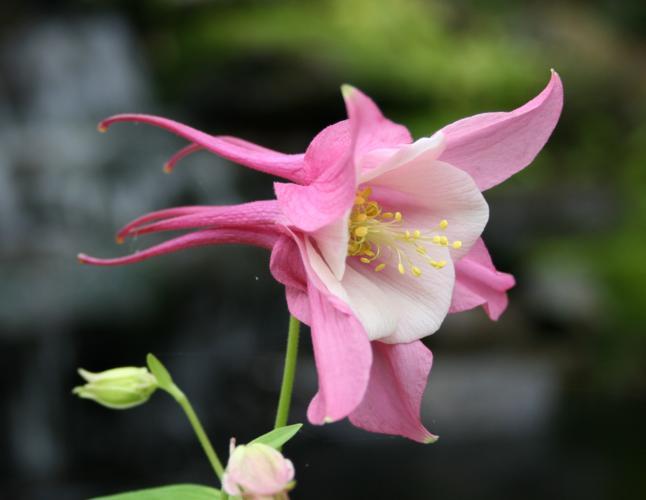
Columbine
Aquilegia
Columbine (Aquilegia), a member of the Ranunculaceae (Buttercup) family, is a gracefully elegant perennial known for its multi-colored, spurred blossoms and delicate, fern-like foliage. Native to the woodlands, meadows, and high-altitude slopes of the Northern Hemisphere—spanning across North Ame...
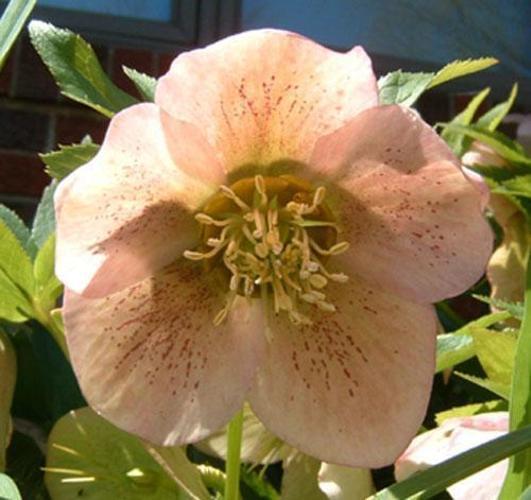
Hellebore (Lenten Rose)
Helleborus orientalis
Hellebores, widely known as the Lenten Rose, Christmas Rose, or Oracle Flower, are enchanting, evergreen perennials belonging to the Ranunculaceae (Buttercup) family. Native primarily to the mountainous and woodland regions of Europe and the Balkans, these remarkable plants are highly prized by g...
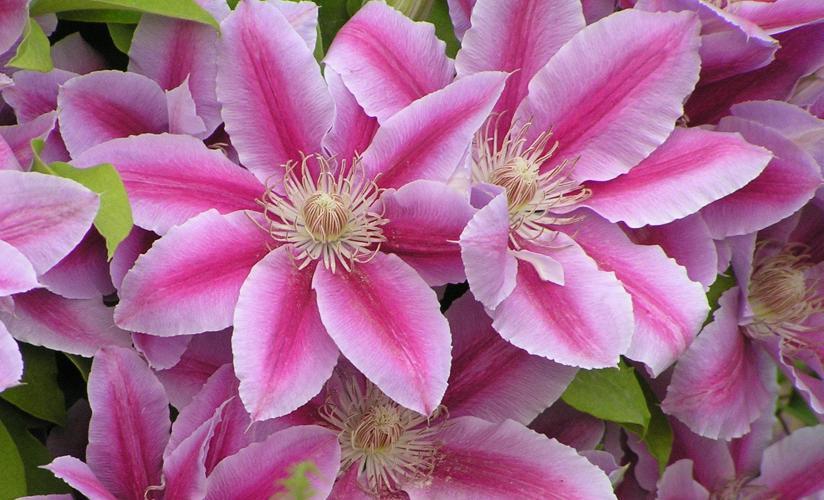
Clematis
Clematis
The Clematis, belonging to the genus Clematis within the family Ranunculaceae (the buttercup family), is a spectacular genus of perennial climbing vines widely hailed as the 'Queen of the Climbers.' Native to the temperate woodlands, rocky hillsides, and river hedgerows across the Northern Hemisp...
Similar Characteristics
4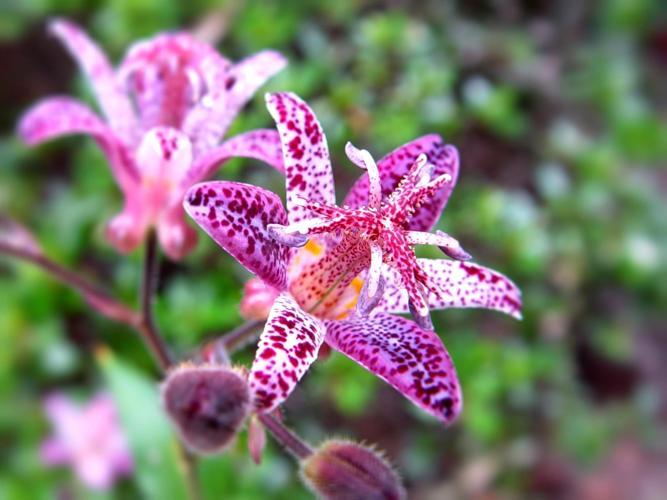
Toad Lily
Tricyrtis
The Toad Lily, botanically classified under the genus Tricyrtis and belonging to the family Liliaceae (the lily family, tribe Lilieae), is an exceptionally exotic, shade-loving perennial. Native to the damp forest understories, shaded mountain valleys, and rocky stream banks of eastern Asia—with...
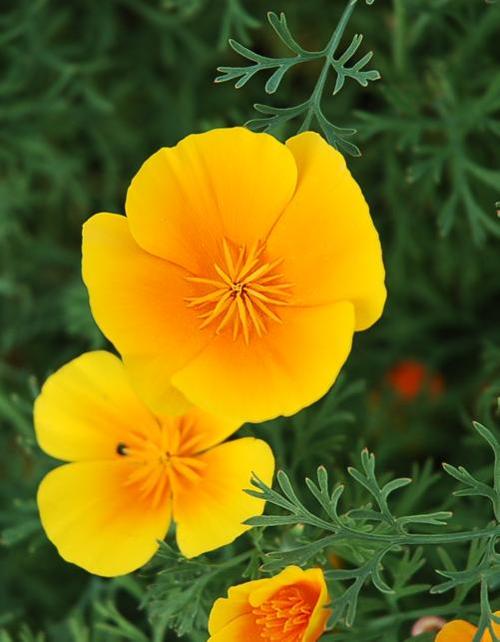
California poppy
Eschscholzia californica
Eschscholzia californica, famously known as the California Poppy or Golden Poppy, is a brilliant wildflower that serves as a luminous symbol of the American West. Belonging to the Papaveraceae (Poppy) family, this resilient species is celebrated for its silky, cup-shaped blossoms that range from...
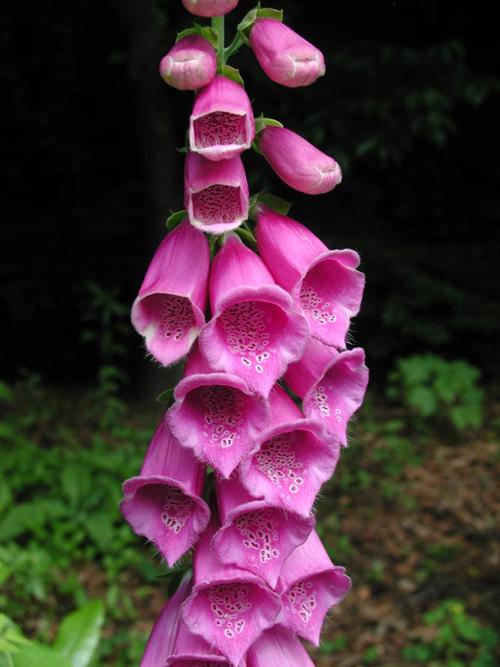
Foxglove
Digitalis purpurea
Digitalis purpurea, commonly known as Foxglove, is a majestic and iconic biennial plant belonging to the Plantaginaceae family. Native to the cool, temperate woodlands, hedgerows, and mountainous clearings of western and southwestern Europe, this striking species has naturalized throughout North...
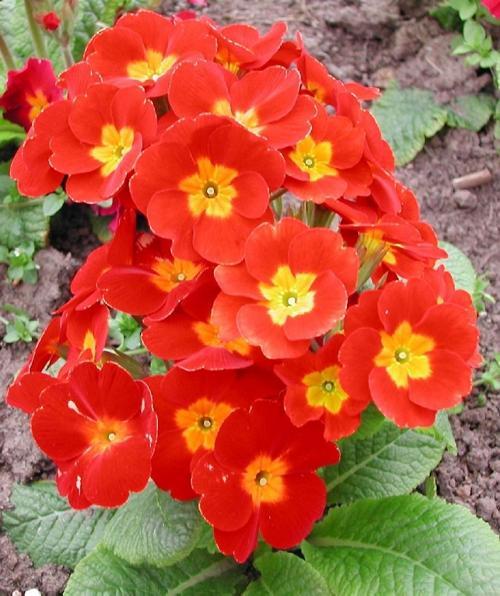
Primula (Common Primrose)
Primula vulgaris
The Primrose, botanically designated as Primula vulgaris and commonly known as the Common Primrose or English Primrose, is an exceptionally charming, early-blooming herbaceous perennial. Belonging to the family Primulaceae (the primrose family), this historic woodland flower is native to the cool...