
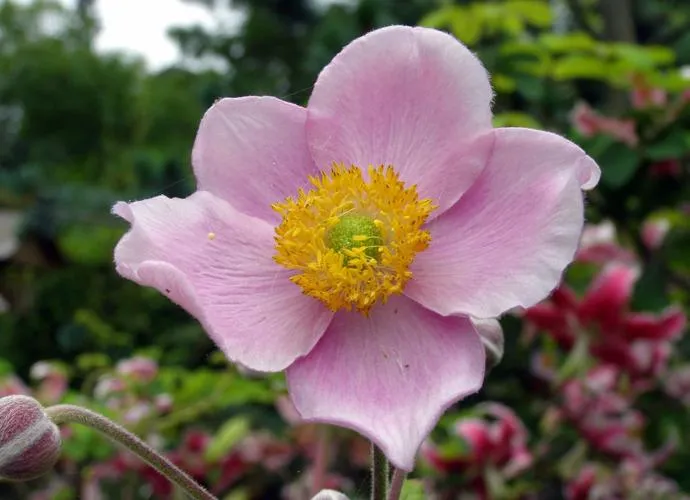
Japanese anemone
Anemone hupehensis, Anemone hybrida
How to Identify Japanese anemone
TOXIC TO PETS. Contains protoanemonin, causing severe oral pain, drooling, vomiting, and stomach irritation in dogs and cats.
Care & Growing Guide
Seasonal Blooming & Hardiness
Seasonal Blooming Calendar:
- Peak Bloom: Late winter to early spring.
- Planting Time: Sow seeds directly outdoors in early spring after the last frost, or transplant nursery starts in late spring.
Bloom Timeline
About Japanese anemone
The Japanese Anemone, botanically classified as Anemone hupehensis (and recently reclassified under the genus Eriocapitella), is an exceptionally graceful, late-blooming herbaceous perennial belonging to the Ranunculaceae (buttercup) family. Despite its common name, this elegant species is native to central and western China, particularly the Hupeh province. It was introduced to Japan centuries ago, where it naturalized widely and captured the hearts of local gardeners before being brought to the Western world in the mid-19th century. Today, it is highly celebrated for bringing refreshing, long-lasting color to shade gardens in late summer and autumn.
Growing into a beautiful, leafy mound that stands 2 to 5 feet tall when in full bloom, the Japanese Anemone features deeply lobed, dark green leaves that resemble grape foliage. The foliage remains close to the ground, while slender, wiry, branching stems rise elegantly above. From August through October, these stems carry clusters of delicate, saucer-shaped blossoms measuring 2 to 3 inches across. The flowers, which sway with the slightest breeze, showcase a range of colors from soft pastel pinks and deep rose-mauve to shimmering pure whites, all highlighted by a prominent, ring of golden-yellow stamens surrounding a green center.
The reproductive architecture of the Japanese Anemone is defined by the botanical floral formula EBr ⊕ ⚥ K0 P5-20 A∞ G∞. This formula reveals that the flowers are ebracteate (lacking true green bracts directly beneath the calyx), radially symmetrical (actinomorphic), and bisexual. Uniquely, they possess no true petals; instead, they display 5 to 20 highly colorful, petaloid sepals (tepals) that function visually as petals. The androecium consists of numerous (∞) stamens with bright yellow anthers, while the gynoecium contains multiple (∞) free, superior carpels that mature into dry, woolly seed heads called achenes.
Horticulturally, Japanese Anemones are exceptionally long-lived and require minimal maintenance once they are established. They perform best in partial shade to full shade, thriving in rich, humusy, consistently moist, and well-drained soils. They are highly intolerant of dry soils and will quickly wilt if water is scarce, though they also resent waterlogged soil during the winter. They typically take 2 to 3 years to fully settle into the garden, spreading slowly via underground rhizomes to form lovely colonies. They are cold hardy across USDA hardiness zones 4 through 8.
The common name 'Anemone' is derived from the Greek word 'anemos', meaning 'wind,' directly referencing how the saucer-shaped blossoms dance on their wiry, slender stems in the autumn breeze. Cultivated in Chinese temple gardens for centuries, the flower is known in Sanskrit as Vatapushpam (वातपुष्पम्) and in Hindi as Ratnajyoti phool (रत्नज्योति फूल). Today, it is highly valued as a late-season nectar source for bees and butterflies, symbolizing anticipation, adaptation, and resilient beauty in the late-autumn landscape.
For pet owners and gardeners, Japanese Anemones represent a notable safety hazard. The plant is classified as TOXIC TO PETS, including dogs, cats, and horses. Like most members of the buttercup family, it contains protoanemonin, an irritating chemical compound released when the plant tissue is crushed or chewed. Ingestion triggers clinical symptoms such as severe oral irritation, excessive salivation, vomiting, diarrhea, and abdominal distress. Contact with the milky sap can also cause mild dermatitis in humans; therefore, gloves are recommended when handling. (Note: Since there is no existing pet-guard page for this species, we advise keeping pets at a safe distance from shade borders containing these autumn bloomers.)
Japanese Anemone is sometimes confused with wild wood anemones or late-blooming buttercups. It is easily distinguished by its much larger size, grape-like leaves, and distinct late-summer and fall blooming window. It makes a stunning companion for other late-season shade plants; we recommend planting it alongside moisture-loving Balloon Flower or golden Globe Flower to create a tapestry of color. To learn more about selecting the perfect varieties for shade gardens, explore our Flower Identifier.
Floral Formula & Features
Ebracteate (no bracts), radially symmetrical (actinomorphic), bisexual, no sepals, 5-20 petal-like sepals (tepals, no true petals), numerous stamens, numerous free carpels (apocarpous) with superior ovaries
- Scientific Name & Classification: Anemone hupehensis / Eriocapitella hupehensis (Ranunculaceae). Famed as Japanese Anemone and Windflower.
- Identification Markers: Deep green grape-like foliage mounds, tall wiry stems, and 2-3 inch saucer-shaped pink or white flowers with central rings of golden stamens.
- Floral Formula (EBr ⊕ ⚥ K0 P5-20 A∞ G∞): Radially symmetrical, bisexual flowers with 5-20 colorful petaloid tepals, numerous stamens, and superior free carpels.
- Growing Requirements: Partial to full shade; rich, consistently moist, well-drained soil. Intolerant of dry conditions; takes 2-3 years to establish (Zones 4-8).
- Cultural Significance: Name comes from Greek 'anemos' (wind), as blooms sway on slender stems. Symbolizes autumn grace and late-season anticipation.
- Safety & Toxicity: TOXIC TO PETS. Contains protoanemonin, causing severe oral pain, drooling, vomiting, and stomach irritation in dogs and cats.
- Common Look-alikes: Confused with wood anemones or buttercups, but distinguished by its towering height, leaf shape, and autumn bloom time.
- Internal Links: Complements other late-blooming shade lovers beautifully; pair with Balloon Flower or Globe Flower, and check our Flower Identifier.
Names in Different Languages
Botanical Classification: Japanese anemone belongs to the Ranunculaceae family. Learn how to identify its floral symmetry, stamen arrangement, and structural formulas in our Botanical Family Classification Guide.
Toxicity & Safety
Always keep toxic plants out of reach of children and pets. Consult a veterinarian or medical professional immediately if ingestion is suspected.
Frequently Asked Questions
What is Floral Formula?
A floral formula is a symbolic representation of a flower's structure using letters, numbers, and special symbols. It provides a concise way to describe the arrangement and number of floral parts.
This formula describes the flower's symmetry, sepals, petals, stamens, and carpels in a standardized format.
Formula Sequence
- Bract: Br or Ebr
- Bracteole: Brl or Ebrl
- Symmetry: % (Radial) or ⊕ (Bilateral)
- Sex: ♀ (Female), ♂ (Male), or ⚥ (Bisexual)
- Calyx/Sepal: K<number> (Free or Fused)
- Corolla/Petal: C<number> (Free or Fused)
- Androecium: A<number> (Free or Fused)
- Gynaecium: G<number> (Superior or Inferior Ovary)
Symbol Meanings
- Numbers: Indicate quantity of parts
- Parentheses (): Parts are fused together
- Plus (+): Parts in different whorls
- Underline: Superior ovary position
- Overline: Inferior ovary position
- ∞: Numerous parts (too many to count)
Understanding floral formulas helps botanists quickly identify and classify flowers based on their structural characteristics.
Similar Flowers
Discover flowers that share botanical characteristics
Same Family
4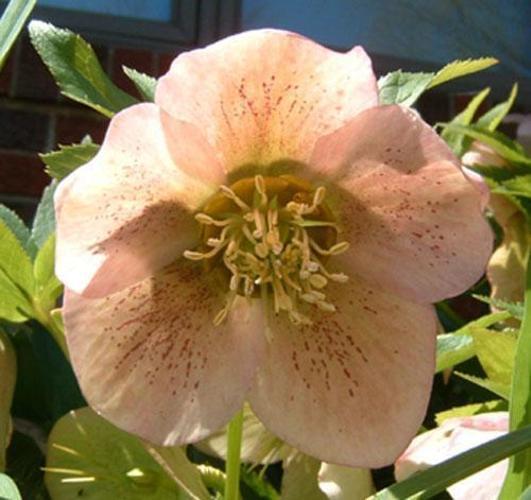
Hellebore (Lenten Rose)
Helleborus orientalis
Hellebores, widely known as the Lenten Rose, Christmas Rose, or Oracle Flower, are enchanting, evergreen perennials belonging to the Ranunculaceae (Buttercup) family. Native primarily to the mountainous and woodland regions of Europe and the Balkans, these remarkable plants are highly prized by g...
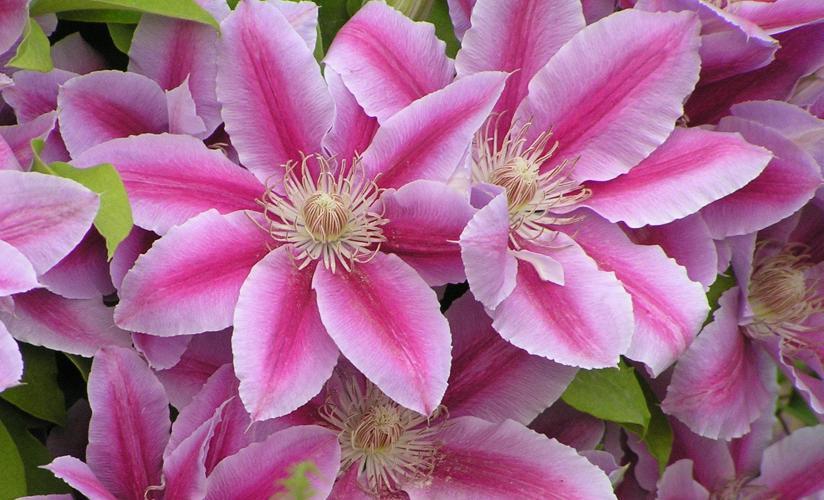
Clematis
Clematis
The Clematis, belonging to the genus Clematis within the family Ranunculaceae (the buttercup family), is a spectacular genus of perennial climbing vines widely hailed as the 'Queen of the Climbers.' Native to the temperate woodlands, rocky hillsides, and river hedgerows across the Northern Hemisp...
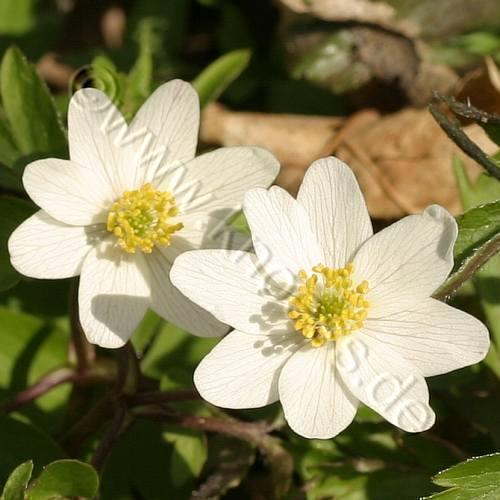
Windflower
Anemone
Windflower, botanically classified under the extensive genus Anemone within the Ranunculaceae (buttercup) family, comprises a spectacular and diverse group of herbaceous perennials beloved for their elegant, swaying blooms. Distributed throughout the temperate and cold regions of the Northern Hem...
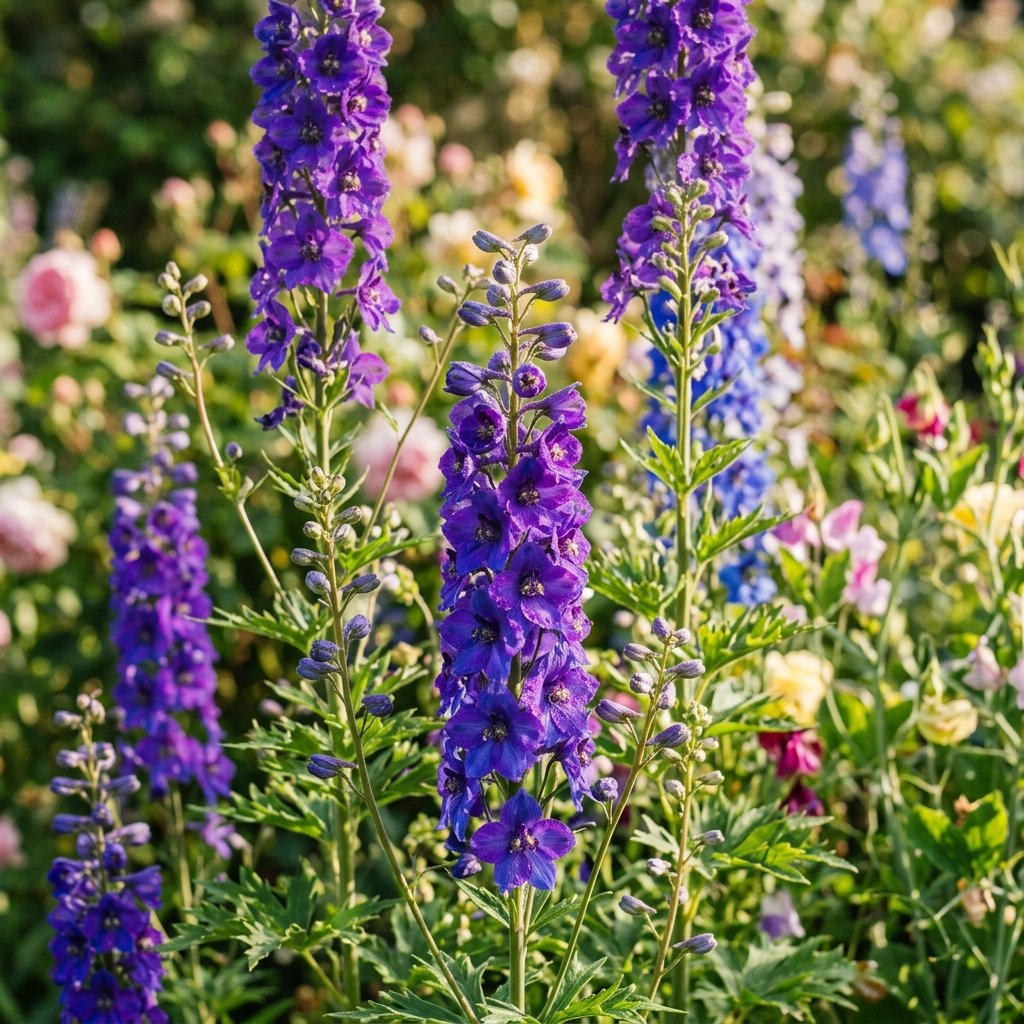
Larkspur
Delphinium
Larkspur, belonging to the genus Delphinium within the buttercup family Ranunculaceae, is a group of highly popular annual and perennial flowering plants famous for their towering, vertical flower spikes. Native throughout the Northern Hemisphere and high-altitude tropical mountains of Africa, la...
Similar Characteristics
4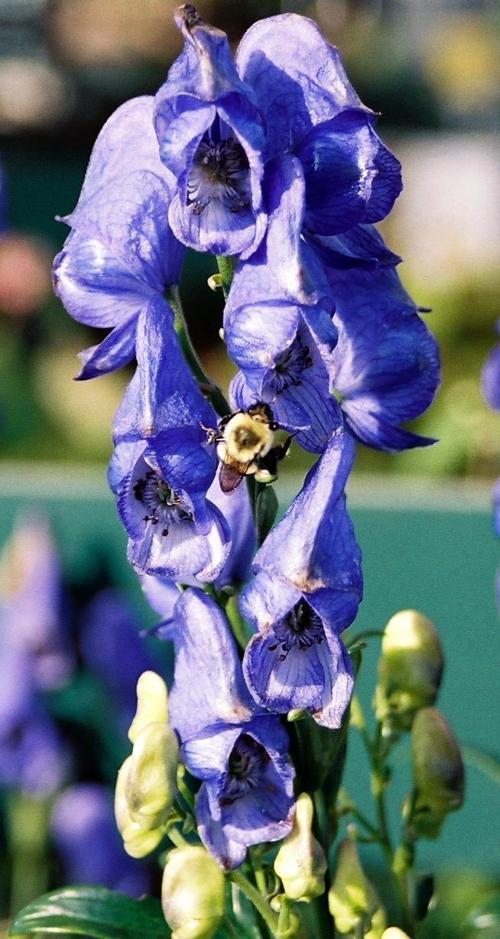
Monkshood
Aconitum napellus
Aconitum napellus, commonly known as Monkshood or Wolfsbane, is a plant of profound beauty and extreme danger, standing as one of the most toxic species in the Northern Hemisphere's temperate regions. A member of the Ranunculaceae (Buttercup) family, it is native to the moist, mountainous meadows...
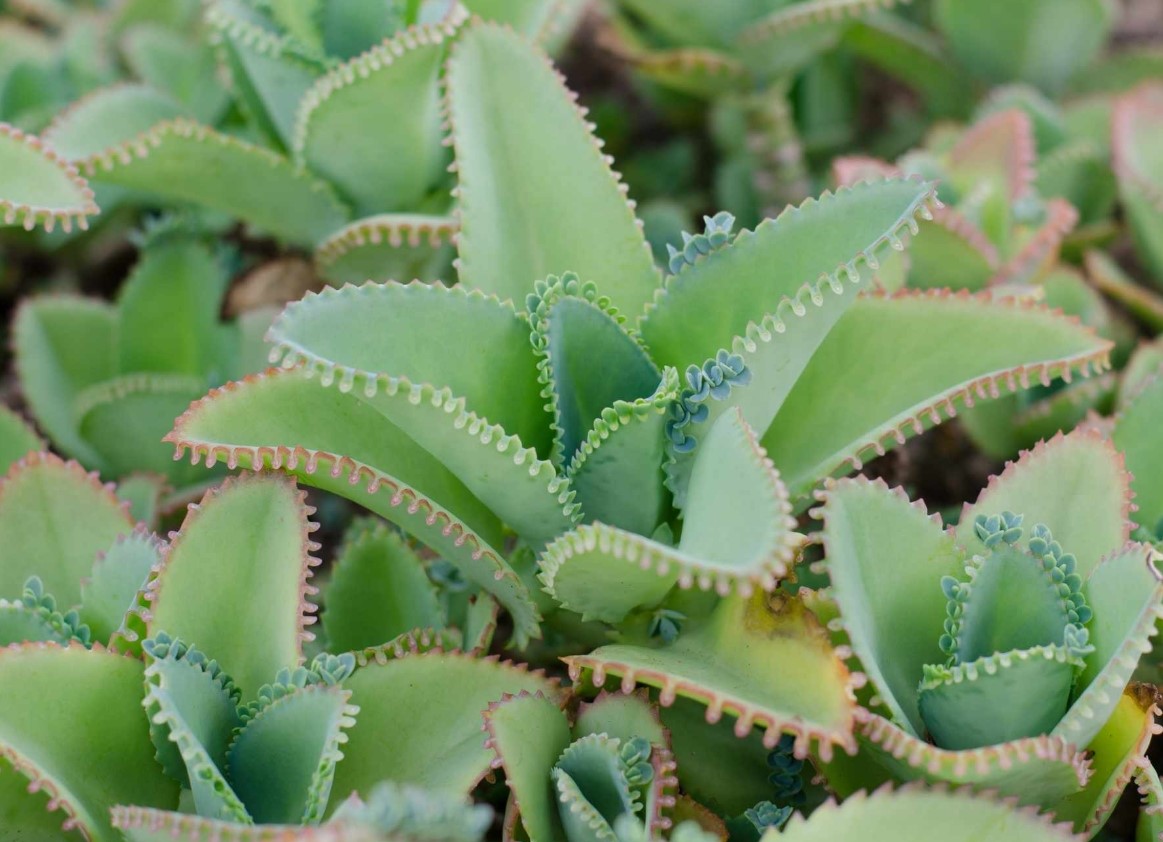
Kalanchoe
Kalanchoe
Kalanchoe, belonging to the Crassulaceae (stonecrop) family, is a highly popular and stunning genus of tropical flowering succulent plants. Comprising approximately 125 distinct species, this genus is predominantly native to the dry, arid, sun-baked landscape of Madagascar, with a few species ori...
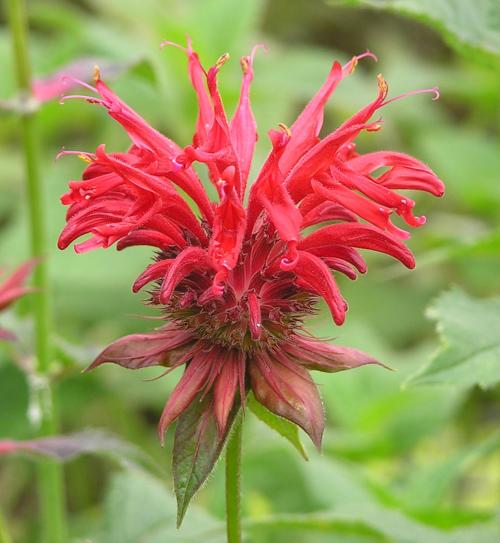
Beebalm
Monarda didyma, Monarda fistulosa
Bee Balm, botanically classified under the genus Monarda within the family Lamiaceae (the mint family), is a spectacular and highly aromatic clump-forming herbaceous perennial. Native to the rich floodplains, moist meadows, woodland margins, and stream banks of eastern North America—ranging from...
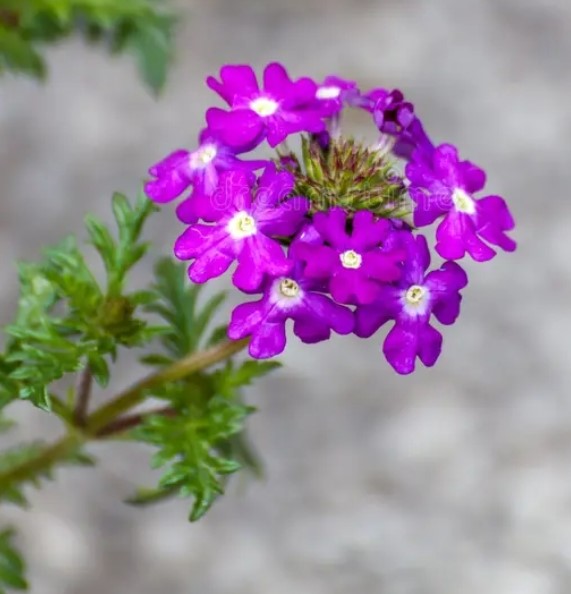
Verbena
Verbena
The Verbena, botanically classified under the genus Verbena and belonging to the family Verbenaceae (the verbena or vervain family), is an exceptionally tough, colorful, and resilient perennial (often cultivated as a warm-season annual in cooler temperate zones). Native primarily to the sunny gra...