
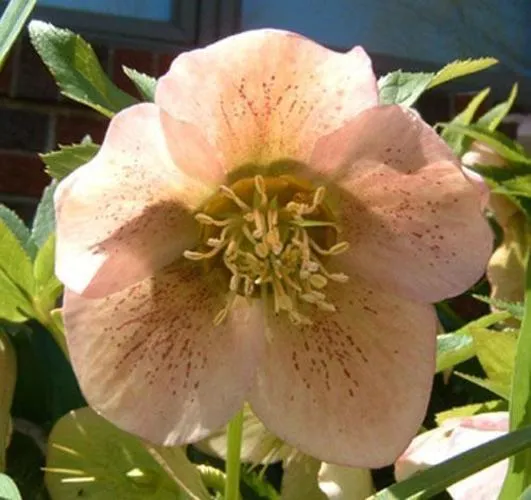
Hellebore (Lenten Rose)
Helleborus orientalis
How to Identify Hellebore (Lenten Rose)
Care & Growing Guide
Seasonal Blooming & Hardiness
Seasonal Blooming Calendar:
- Peak Bloom: Spring to early summer (typically April through June).
- Planting Time: Sow seeds directly outdoors in early spring after the last frost, or transplant nursery starts in late spring.
Bloom Timeline
About Hellebore (Lenten Rose)
Hellebores, widely known as the Lenten Rose, Christmas Rose, or Oracle Flower, are enchanting, evergreen perennials belonging to the Ranunculaceae (Buttercup) family. Native primarily to the mountainous and woodland regions of Europe and the Balkans, these remarkable plants are highly prized by gardeners for a very specific reason: they bloom in the dead of winter and early spring, often pushing their delicate blossoms straight through a layer of snow when the rest of the garden is entirely dormant.
Identification of a Hellebore is characterized by its thick, leathery, deeply lobed, and palmate evergreen foliage. The flowers themselves are a fascinating botanical trick. What appear to be large, beautiful petals (ranging in color from pure white and soft pink to deep plum and even near-black) are actually five modified sepals. The true petals have evolved into tiny, tubular nectaries located just inside the sepals, designed specifically to hold nectar for early-emerging bumblebees.
The floral formula for Helleborus is ⊕ ⚥ K5 C5-many A∞ G3-10. It is a radially symmetrical, bisexual flower. It features 5 large, petaloid sepals (K5), while the true petals are modified into numerous small, cup-like nectaries (C5-many). The flower is packed with numerous stamens (A∞) and has 3 to 10 distinct, slightly fused carpels forming a superior ovary.
Growing Hellebores requires a woodland-like environment. They are the ultimate shade-lovers, thriving in partial to full shade, making them perfect for planting under deciduous trees. They prefer rich, well-draining, slightly alkaline soil. Once established, their deep root systems make them surprisingly drought-tolerant. They are cold-hardy in USDA zones 4-9 and are famous for being highly deer and rabbit resistant due to their tough, toxic leaves.
Historically, Hellebores were known as 'Oracle Flowers' in ancient Greece and were steeped in folklore, often associated with witchcraft and warding off evil spirits. They were also used in ancient medicine to cure madness, though this was incredibly dangerous.
Warning: Hellebores are HIGHLY TOXIC. All parts of the plant, especially the roots, contain powerful cardiac glycosides (like helleborin) and ranunculin. Ingestion can cause severe burning of the mouth, abdominal cramps, and irregular heartbeat in humans, dogs, and cats. The sap can also cause mild skin blistering.
They are sometimes visually compared to wild Roses, but they are entirely unrelated and bloom in opposite seasons. Pair these shade-loving winter bloomers with the delicate Hydrangea for summer continuity, or contrast them with the sun-loving English Marigold in our Flower Identifier.
Floral Formula & Features
Radially symmetrical, bisexual. 5 petaloid sepals. True petals are modified into numerous small, tubular nectaries. Numerous stamens and 3-10 free carpels.
- Scientific Name & Classification: Helleborus spp. (Ranunculaceae). Commonly known as Lenten Rose or Christmas Rose.
- Identification Markers: Thick, leathery, palmate leaves. Large, nodding flowers (which are actually sepals) in shades of white, pink, purple, and black.
- Floral Formula (⊕ ⚥ K5 C5-many A∞ G3-10): Features 5 large petaloid sepals. True petals are reduced to tiny nectar-holding cups.
- Growing Requirements: Partial to full shade. Prefers rich, well-draining soil. Hardy in USDA zones 4-9. Blooms in late winter/early spring.
- Cultural Significance: Steeped in ancient Greek folklore as the 'Oracle Flower'. Symbolizes serenity, tranquility, and survival.
- Safety & Toxicity: HIGHLY TOXIC. Contains cardiac glycosides. Causes severe gastrointestinal distress and heart issues in pets and humans if eaten.
- Common Look-alikes: The flower shape resembles a wild rose, but Hellebores bloom in the snow and lack woody, thorny stems.
- Internal Links: Explore more woodland plants in our Flower Identifier or compare with the bold Dahlia.
Names in Different Languages
Botanical Classification: Hellebore (Lenten Rose) belongs to the Ranunculaceae family. Learn how to identify its floral symmetry, stamen arrangement, and structural formulas in our Botanical Family Classification Guide.
Toxicity & Safety
Always keep toxic plants out of reach of children and pets. Consult a veterinarian or medical professional immediately if ingestion is suspected.
Frequently Asked Questions
What is Floral Formula?
A floral formula is a symbolic representation of a flower's structure using letters, numbers, and special symbols. It provides a concise way to describe the arrangement and number of floral parts.
This formula describes the flower's symmetry, sepals, petals, stamens, and carpels in a standardized format.
Formula Sequence
- Bract: Br or Ebr
- Bracteole: Brl or Ebrl
- Symmetry: % (Radial) or ⊕ (Bilateral)
- Sex: ♀ (Female), ♂ (Male), or ⚥ (Bisexual)
- Calyx/Sepal: K<number> (Free or Fused)
- Corolla/Petal: C<number> (Free or Fused)
- Androecium: A<number> (Free or Fused)
- Gynaecium: G<number> (Superior or Inferior Ovary)
Symbol Meanings
- Numbers: Indicate quantity of parts
- Parentheses (): Parts are fused together
- Plus (+): Parts in different whorls
- Underline: Superior ovary position
- Overline: Inferior ovary position
- ∞: Numerous parts (too many to count)
Understanding floral formulas helps botanists quickly identify and classify flowers based on their structural characteristics.
Similar Flowers
Discover flowers that share botanical characteristics
Same Family
4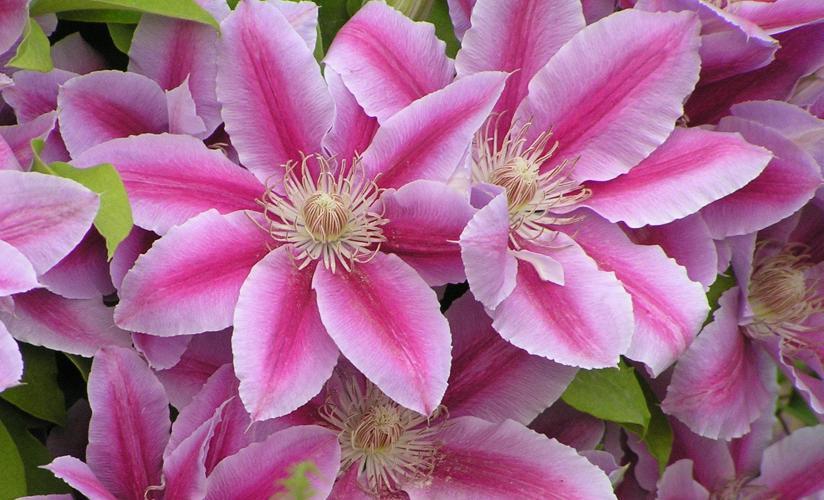
Clematis
Clematis
The Clematis, belonging to the genus Clematis within the family Ranunculaceae (the buttercup family), is a spectacular genus of perennial climbing vines widely hailed as the 'Queen of the Climbers.' Native to the temperate woodlands, rocky hillsides, and river hedgerows across the Northern Hemisp...
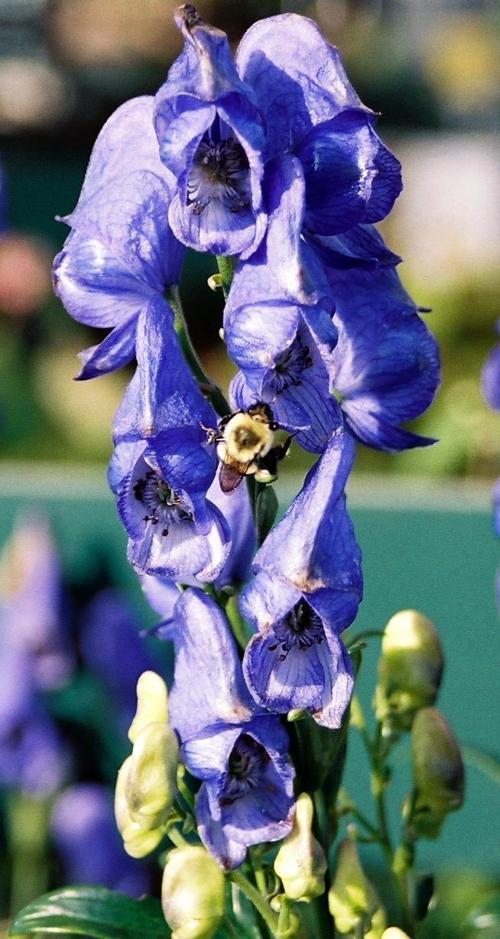
Monkshood
Aconitum napellus
Aconitum napellus, commonly known as Monkshood or Wolfsbane, is a plant of profound beauty and extreme danger, standing as one of the most toxic species in the Northern Hemisphere's temperate regions. A member of the Ranunculaceae (Buttercup) family, it is native to the moist, mountainous meadows...
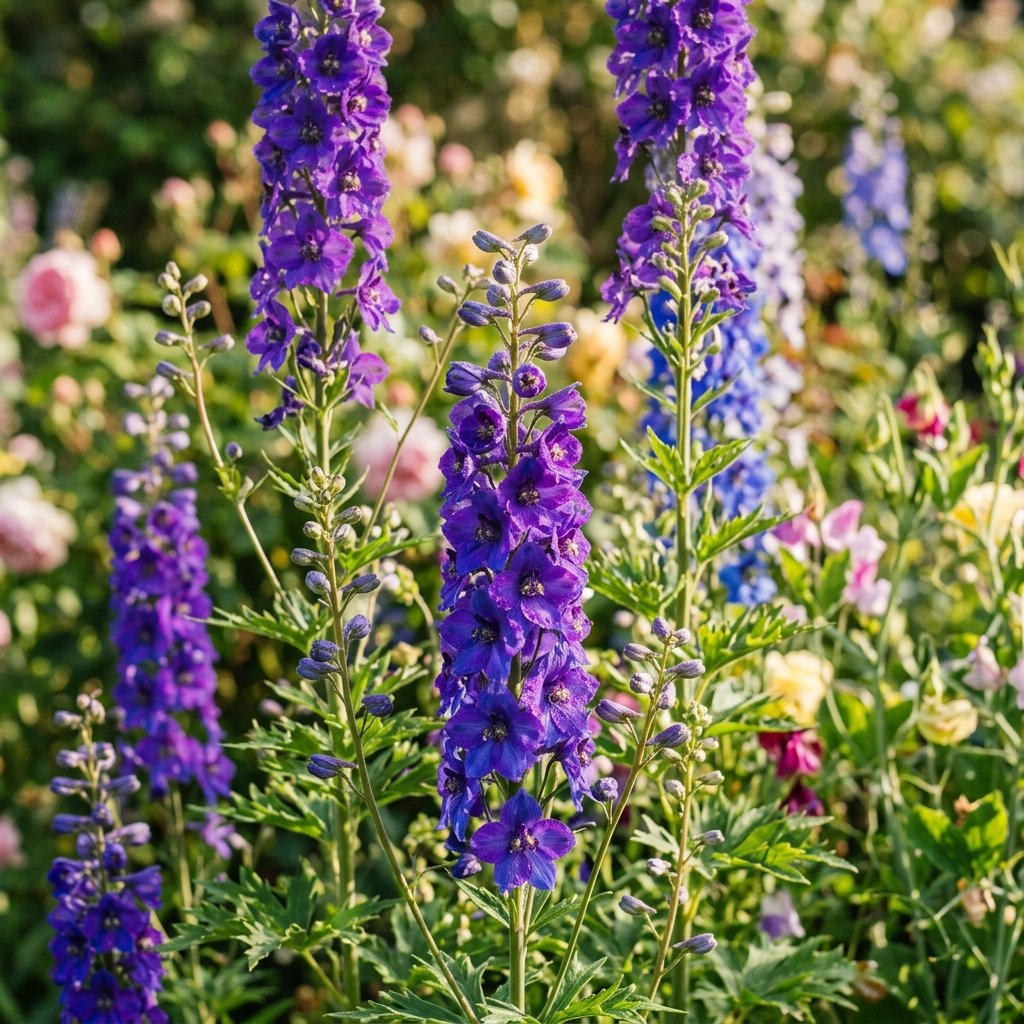
Larkspur
Delphinium
Larkspur, belonging to the genus Delphinium within the buttercup family Ranunculaceae, is a group of highly popular annual and perennial flowering plants famous for their towering, vertical flower spikes. Native throughout the Northern Hemisphere and high-altitude tropical mountains of Africa, la...
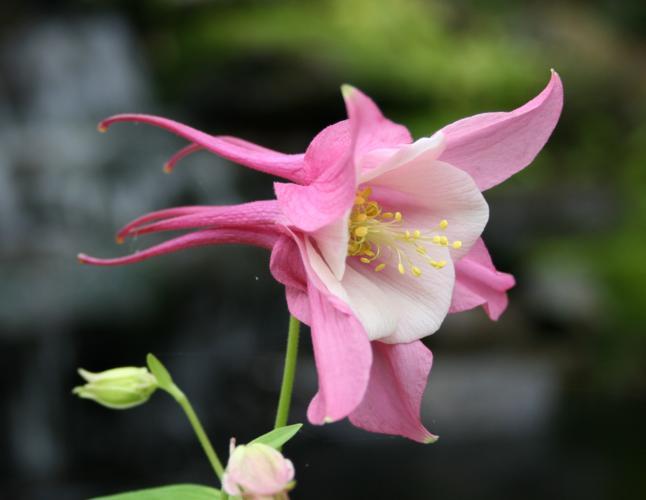
Columbine
Aquilegia
Columbine (Aquilegia), a member of the Ranunculaceae (Buttercup) family, is a gracefully elegant perennial known for its multi-colored, spurred blossoms and delicate, fern-like foliage. Native to the woodlands, meadows, and high-altitude slopes of the Northern Hemisphere—spanning across North Ame...
Similar Characteristics
4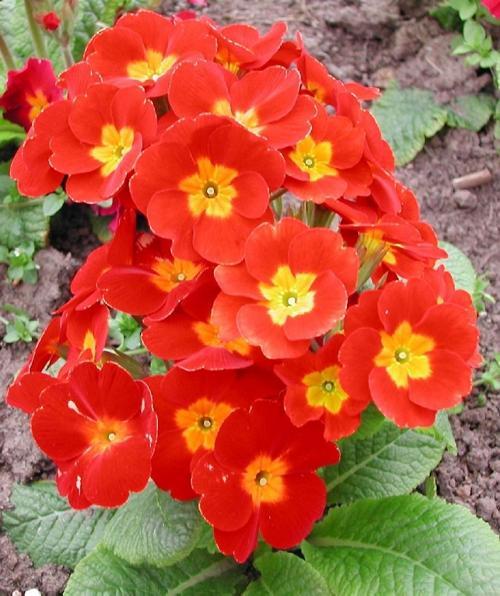
Primula (Common Primrose)
Primula vulgaris
The Primrose, botanically designated as Primula vulgaris and commonly known as the Common Primrose or English Primrose, is an exceptionally charming, early-blooming herbaceous perennial. Belonging to the family Primulaceae (the primrose family), this historic woodland flower is native to the cool...
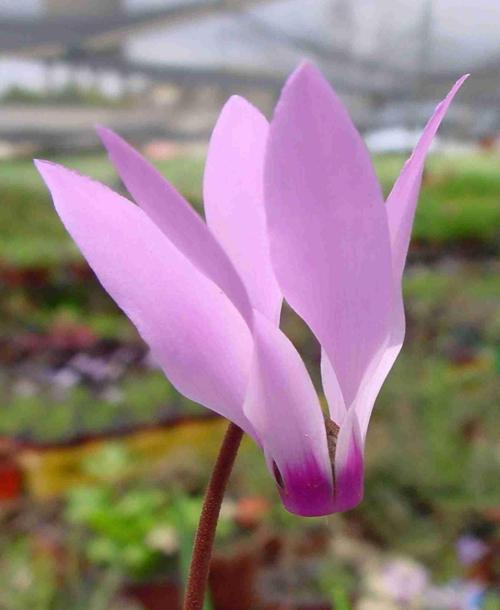
Cyclamen
Cyclamen persicum
Cyclamen (Cyclamen persicum), often referred to as the Persian Cyclamen or Sowbread, is a captivating tuberous perennial that has enchanted gardeners for centuries with its unique, upswept blossoms and elegantly patterned foliage. Native to the rocky hillsides and woodlands of the Mediterranean r...
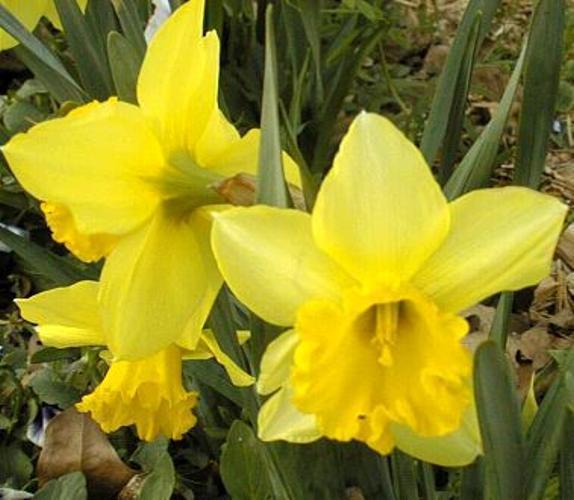
Daffodil
Narcissus pseudonarcissus
The Daffodil, botanically classified under the genus Narcissus and most famously represented by Narcissus pseudonarcissus (the wild daffodil), is a cheerful, spring-flowering bulbous perennial belonging to the Amaryllidaceae (amaryllis) family. Native to the damp meadows, light deciduous woodland...
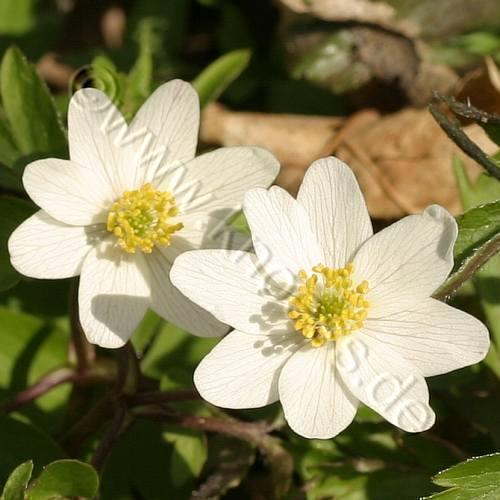
Windflower
Anemone
Windflower, botanically classified under the extensive genus Anemone within the Ranunculaceae (buttercup) family, comprises a spectacular and diverse group of herbaceous perennials beloved for their elegant, swaying blooms. Distributed throughout the temperate and cold regions of the Northern Hem...