
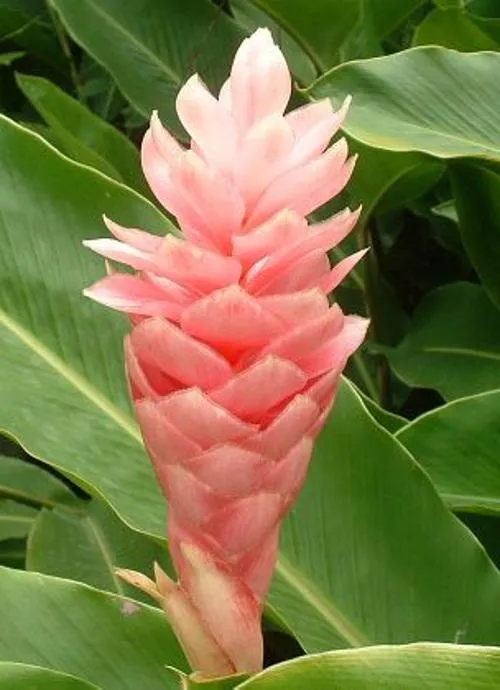
Red Ginger (Ostrich Plume)
Alpinia purpurata
How to Identify Red Ginger (Ostrich Plume)
NON-TOXIC. 100% safe for cats, dogs, and horses. Provides a majestic, lush, and completely pet-safe tropical architectural feature for landscaping and indoor pots.
Care & Growing Guide
Seasonal Blooming & Hardiness
Seasonal Blooming Calendar:
- Peak Bloom: Summer (typically June through September).
- Planting Time: Sow seeds directly outdoors in early spring after the last frost, or transplant nursery starts in late spring.
Bloom Timeline
About Red Ginger (Ostrich Plume)
The Red Ginger, botanically classified as Alpinia purpurata and commonly known as the Ostrich Plume, Tahitian Ginger, or Jungle King, is an exceptionally spectacular, exotic tropical rhizomatous perennial. Belonging to the family Zingiberaceae (the ginger family, tribe Alpinieae), this high-impact rainforest plant is native to the warm, wet, and highly humid forest understories, coastal valleys, and river margins of Malaysia, Indonesia, New Guinea, and southwestern Pacific islands like Samoa and Vanuatu.
This robust perennial grows from a network of slow-expanding, starch-rich underground rhizomes. It produces thick, upright, cane-like stems standing 3 to 8 feet tall (and up to 10 feet in ideal equatorial zones) with a spread of 3 to 5 feet, closely resembling the foliage and growth habit of banana plants. It carries large, leathery, and alternate lance-shaped leaves measuring 12 to 24 inches in length, which remain lush and evergreen in completely frost-free climates.
The plant is globally celebrated for its magnificent, cone-shaped, and feathery terminal flower spikes measuring 6 to 12 inches long, which resemble elegant ostrich plumes. What appear to be showy petals are actually highly modified, waxy, and tightly layered bracts in brilliant shades of crimson-red or neon-pink (pink cultivars are often named Jungle Queen). The true flowers are small, tubular, and pure white, nesting inconspicuously between the protective waxy bracts.
The reproductive morphology of individual flowers is represented by the ginger-family floral formula EBr % ⚥ K(3) C(3) A1 G(3). This formula states that the flowers are zygomorphic (bilaterally symmetrical) and bisexual. The calyx is composed of 3 fused sepals forming a narrow protective tube, and the corolla has 3 fused petals, with one modified as a small labellum (lip). The androecium contains exactly 1 fertile functional stamen (paired with sterile staminodes), and the gynoecium contains 3 fused carpels forming an inferior ovary.
The common name 'Ostrich Plume' celebrates the unique feathery, tiered appearance of its waxy bracts. Famed in Samoa as Teuila, it is proudly celebrated as their national flower. Famed in Sanskrit as Syandana (संय्यन्दना) and in Hindi as Kushtha (कुष्ठ) or Adrak (अदरक), its extremely durable flower spikes can remain pristine for 2 to 3 weeks after harvest, making them a major commercial export crop for tropical arrangements and leis.
For pet owners and veterinarians, Red Ginger represents an exceptionally safe, low-risk, and pet-safe tropical landscape selection. Alpinia purpurata is classified as completely NON-TOXIC to cats, dogs, and horses by major global animal safety databases, including the ASPCA. If a curious pet plays with or chews on the broad leathery foliage or waxy red bracts, there is absolutely no danger of chemical poisoning. To discover more safe tropical houseplant selections, visit our general Pet Guard page.
Red Ginger is occasionally confused with heliconias or shampoo ginger plants. It is easily distinguished because true Red Ginger produces rigid, upright, cone-like flower spikes of bright red or pink waxy bracts at the tips of leafy canes, whereas shampoo gingers produce pine-cone-shaped basal bracts directly from the soil. It is an outstanding tropical border centerpiece; we recommend pairing it alongside Canna Lily or Water Lily. To explore more bold rainforest specimens, browse our Flower Identifier.
For more botanical profiles and flower identification features, see our guides on Purple Coneflower (Echinacea) and Ruby Lipped Cattleya.
Floral Formula & Features
Ebracteate (but showy bracts present), zygomorphic (bilateral symmetry), bisexual, 3 fused sepals forming tube, 3 fused petals (one modified as lip), 1 fertile stamen (plus sterile staminodes), 3 fused carpels with inferior ovary. Typical of Zingiberaceae family
- Scientific Name & Classification: Alpinia purpurata (Zingiberaceae). Globally famed as Red Ginger, Ostrich Plume, and Pink Cone Ginger.
- Identification Markers: Cane-like stems, large banana-like leaves, and 6-12 inch cone-shaped terminal spikes of waxy crimson-red or pink bracts hiding tiny white tubular flowers.
- Floral Formula (EBr % ⚥ K(3) C(3) A1 G(3)): Bilaterally symmetrical, bisexual flowers with 3 fused sepals, 3 fused petals (one modified into a lip), 1 functional stamen, and inferior ovary.
- Growing Requirements: Bright indirect light with partial shade; rich, organic, wet-to-moist, highly well-draining soils. Thrives in high humidity and warm temperatures (Zones 10-12).
- Cultural Significance: National flower of Samoa known as 'Teuila.' Famed in Sanskrit as 'Syandana.' Highly prized globally for waxy cut spikes that last up to 3 weeks in arrangements.
- Safety & Toxicity: NON-TOXIC. 100% safe for cats, dogs, and horses. Provides a majestic, lush, and completely pet-safe tropical architectural feature for landscaping and indoor pots.
- Common Look-alikes: Confused with Heliconias or shampoo gingers, but easily distinguished by its terminal, upright plume-like waxy spikes of brilliant pink or red bracts.
- Internal Links: Pairs beautifully to create a high-impact, layered jungle backdrop beside other moisture-loving specimens like Canna Lily or Water Lily; find more in our Flower Identifier.
Names in Different Languages
Botanical Classification: Red Ginger (Ostrich Plume) belongs to the Zingiberaceae family. Learn how to identify its floral symmetry, stamen arrangement, and structural formulas in our Botanical Family Classification Guide.
Toxicity & Safety
Frequently Asked Questions
What is Floral Formula?
A floral formula is a symbolic representation of a flower's structure using letters, numbers, and special symbols. It provides a concise way to describe the arrangement and number of floral parts.
This formula describes the flower's symmetry, sepals, petals, stamens, and carpels in a standardized format.
Formula Sequence
- Bract: Br or Ebr
- Bracteole: Brl or Ebrl
- Symmetry: % (Radial) or ⊕ (Bilateral)
- Sex: ♀ (Female), ♂ (Male), or ⚥ (Bisexual)
- Calyx/Sepal: K<number> (Free or Fused)
- Corolla/Petal: C<number> (Free or Fused)
- Androecium: A<number> (Free or Fused)
- Gynaecium: G<number> (Superior or Inferior Ovary)
Symbol Meanings
- Numbers: Indicate quantity of parts
- Parentheses (): Parts are fused together
- Plus (+): Parts in different whorls
- Underline: Superior ovary position
- Overline: Inferior ovary position
- ∞: Numerous parts (too many to count)
Understanding floral formulas helps botanists quickly identify and classify flowers based on their structural characteristics.
Similar Flowers
Discover flowers that share botanical characteristics
Same Family
2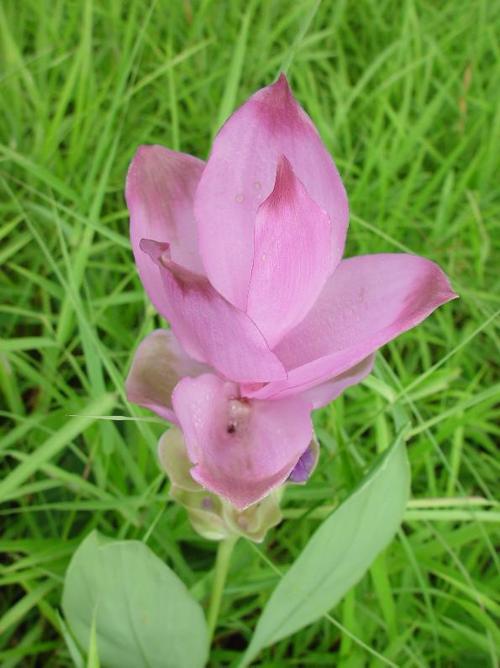
Siam Tulip
Curcuma alismatifolia
Despite its extremely misleading common name, the Siam Tulip (Curcuma alismatifolia) is not a tulip at all. It is actually a stunning, tropical herbaceous perennial belonging to the Zingiberaceae (Ginger) family. Native to the monsoon forests of northern Thailand, Laos, and Cambodia, it has surge...
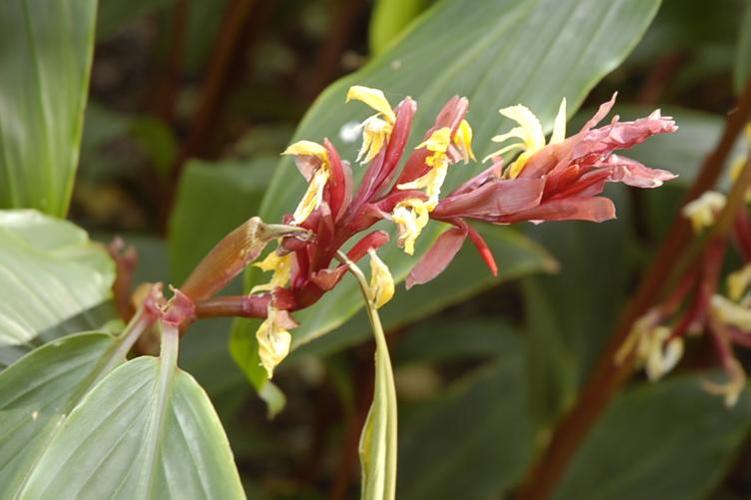
Spiked Shaded Ginger
Cautleya spicata
Cautleya spicata, often referred to as the Spiked Shaded Ginger, is a remarkably resilient, rhizomatous perennial belonging to the Zingiberaceae (Ginger) family. Unlike the vast majority of tropical gingers that demand sweltering lowland heat, this unique species is native to the high-altitude, c...
Similar Characteristics
4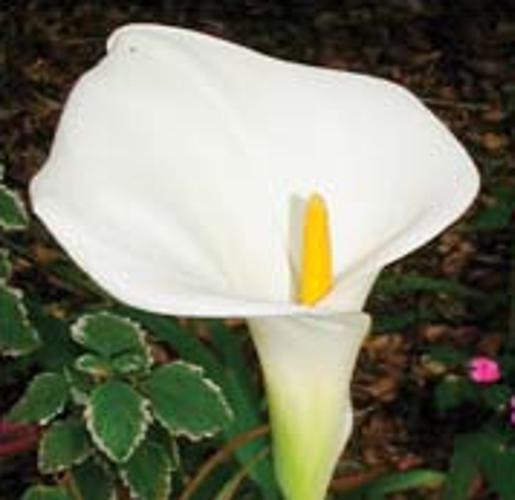
Arum Lily
Zantedeschia aethiopica
The Arum Lily, botanically designated as Zantedeschia aethiopica and universally celebrated as the Calla Lily, is an exceptionally elegant, clump-forming rhizomatous perennial. Belonging to the family Araceae (the arum or aroid family), this majestic plant is native to the streams, damp marshland...
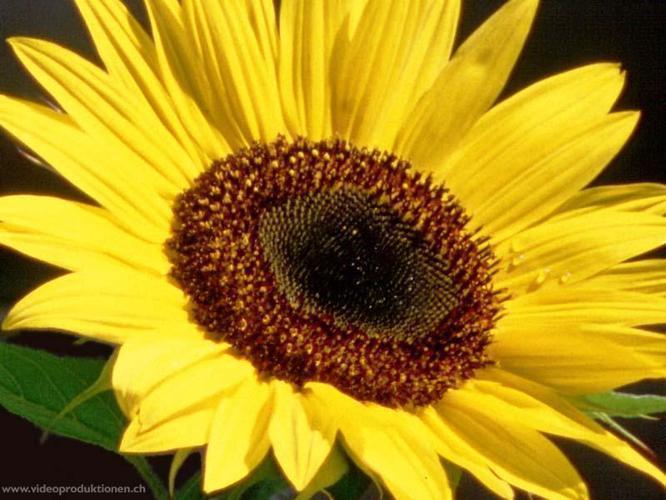
Sunflower
Helianthus annuus
The Sunflower, botanically classified as Helianthus annuus and commonly known as the Common Sunflower, is an exceptionally iconic, robust, and fast-growing annual plant. Belonging to the family Asteraceae (the daisy, aster, or composite family), this famous wildflower is native to the fertile pra...
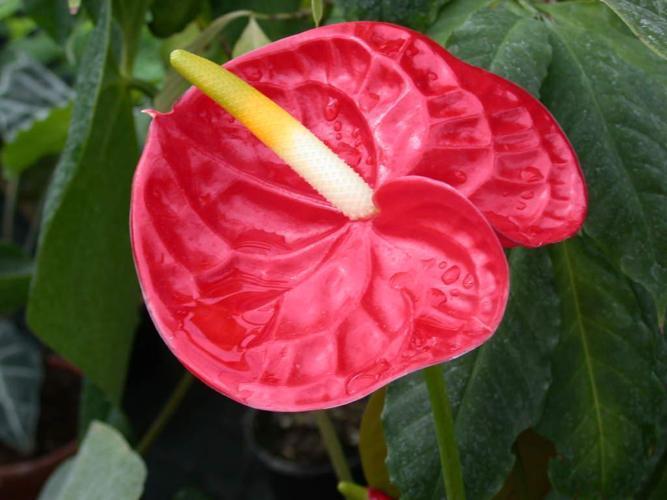
Anthurium
Anthurium andraeanum
The Anthurium, botanically designated as Anthurium andraeanum and commonly known as the Flamingo Flower, Tailflower, or Painter's Palette, is a spectacular tropical evergreen perennial. Belonging to the family Araceae (the arum or aroid family), this extraordinary plant is native to the wet, humi...
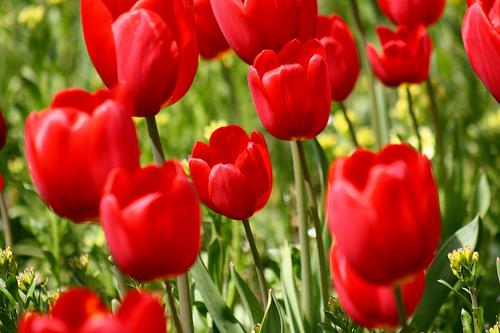
Tulip
Tulipa
The Tulip, botanically designated under the genus Tulipa and belonging to the family Liliaceae (the lily family, tribe Lilieae), is an exceptionally iconic, globally celebrated spring-blooming bulbous herbaceous perennial. Native to the dry, mountainous heights, rocky slopes, and sweeping grassla...