
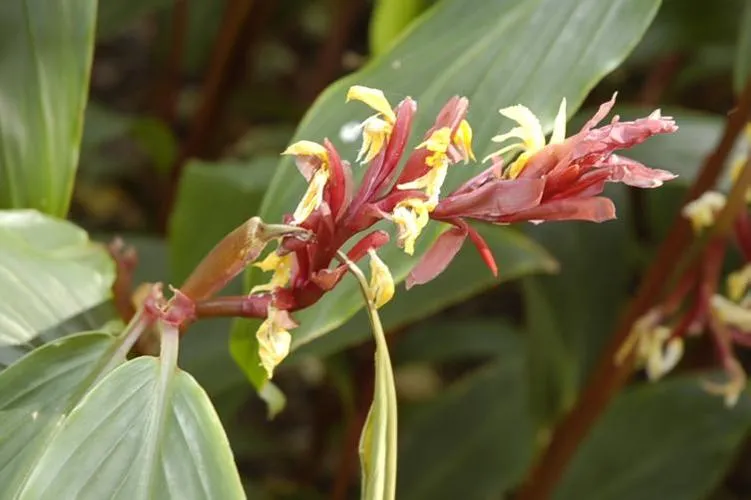
Spiked Shaded Ginger
Cautleya spicata
How to Identify Spiked Shaded Ginger
Care & Growing Guide
Seasonal Blooming & Hardiness
Seasonal Blooming Calendar:
- Peak Bloom: Late winter to early spring.
- Planting Time: Sow seeds directly outdoors in early spring after the last frost, or transplant nursery starts in late spring.
Bloom Timeline
About Spiked Shaded Ginger
Cautleya spicata, often referred to as the Spiked Shaded Ginger, is a remarkably resilient, rhizomatous perennial belonging to the Zingiberaceae (Ginger) family. Unlike the vast majority of tropical gingers that demand sweltering lowland heat, this unique species is native to the high-altitude, cool, moist, and deeply shaded temperate forests of the Himalayas. Its ability to tolerate cool conditions makes it an exceptionally prized ornamental ginger for gardeners living outside of strictly tropical zones.
Identification of Cautleya spicata is characterized by its lush, tropical-looking foliage and striking inflorescences. The plant produces sturdy, upright pseudostems reaching 2 to 3 feet in height, adorned with broad, dark green, lance-shaped leaves that frequently feature a rich maroon or burgundy tint on their undersides. In mid-to-late summer, it produces dense, terminal flower spikes. The spike consists of vibrant, deep red or maroon bracts, from which highly contrasting, brilliant golden-yellow or bright orange tubular flowers emerge.
The floral formula is % ⚥ K(3) C(3) A1 G(3). Like its tropical cousin, the Siam Tulip, it features a bilaterally symmetrical, bisexual flower. It has 3 fused sepals and a tubular corolla of 3 fused petals. It possesses only 1 fertile stamen, with the remaining stamens heavily modified into petal-like structures (staminodes) to aid in attracting specific pollinators. The ovary is inferior and consists of 3 fused carpels.
Growing the Spiked Shaded Ginger requires emulating its Himalayan understory habitat. It is one of the few gingers that strictly demands partial to full shade; direct, intense sunlight will quickly scorch and bleach its beautiful foliage. It requires consistently moist, humus-rich, well-draining soil. Remarkably cold-hardy for a ginger, it can survive outdoors in USDA zones 7-9, provided the underground rhizomes are heavily mulched during freezing winter months.
Culturally, while it does not possess the culinary value of edible ginger root (Zingiber officinale), it is highly sought after by landscape architects seeking to inject a distinctly exotic, tropical architectural feel into cool, heavily shaded, temperate woodland gardens where traditional tropicals would immediately perish.
Importantly, the Spiked Shaded Ginger is completely NON-TOXIC. It poses no threat to dogs, cats, or horses, making it an excellent, pet-safe addition to shaded borders.
It is sometimes confused with the related Hedychium (Garland Lily) species. However, Hedychiums generally require much more sun, grow significantly taller, and feature highly fragrant flowers, whereas Cautleya thrives in deep shade and has virtually no scent. Pair this shade-lover with the early-blooming Hellebore or explore the Flower Identifier.
For more botanical profiles and flower identification features, see our guides on Spear Thistle (Bull Thistle) and Tiger Lily.
Floral Formula & Features
Bilaterally symmetrical, bisexual. 3 fused sepals, 3 fused petals. Only 1 fertile stamen; other stamens modified into petal-like staminodes. Inferior ovary.
- Scientific Name & Classification: Cautleya spicata (Zingiberaceae). A cold-hardy ginger native to the high Himalayas.
- Identification Markers: Dark red or maroon bracts housing bright golden-yellow tubular flowers. Broad, lush green leaves often with burgundy undersides.
- Floral Formula (% ⚥ K(3) C(3) A1 G(3)): Bilaterally symmetrical. Features only 1 fertile stamen, a defining trait of the ginger family.
- Growing Requirements: Strict partial to full shade. Prefers cool, moist, humus-rich soil. Surprisingly cold-hardy for a ginger (USDA zones 7-9).
- Cultural Significance: Highly prized in landscaping for bringing an exotic, tropical aesthetic into cool, shaded, temperate woodland gardens.
- Safety & Toxicity: NON-TOXIC. Completely safe for households with dogs, cats, and livestock.
- Common Look-alikes: Often confused with Hedychium (Garland Lilies), but Hedychium requires far more sun and grows much taller.
- Internal Links: Compare its floral structure with another ginger, the Siam Tulip, or explore the Flower Identifier.
Names in Different Languages
Botanical Classification: Spiked Shaded Ginger belongs to the Zingiberaceae family. Learn how to identify its floral symmetry, stamen arrangement, and structural formulas in our Botanical Family Classification Guide.
Toxicity & Safety
Frequently Asked Questions
What is Floral Formula?
A floral formula is a symbolic representation of a flower's structure using letters, numbers, and special symbols. It provides a concise way to describe the arrangement and number of floral parts.
This formula describes the flower's symmetry, sepals, petals, stamens, and carpels in a standardized format.
Formula Sequence
- Bract: Br or Ebr
- Bracteole: Brl or Ebrl
- Symmetry: % (Radial) or ⊕ (Bilateral)
- Sex: ♀ (Female), ♂ (Male), or ⚥ (Bisexual)
- Calyx/Sepal: K<number> (Free or Fused)
- Corolla/Petal: C<number> (Free or Fused)
- Androecium: A<number> (Free or Fused)
- Gynaecium: G<number> (Superior or Inferior Ovary)
Symbol Meanings
- Numbers: Indicate quantity of parts
- Parentheses (): Parts are fused together
- Plus (+): Parts in different whorls
- Underline: Superior ovary position
- Overline: Inferior ovary position
- ∞: Numerous parts (too many to count)
Understanding floral formulas helps botanists quickly identify and classify flowers based on their structural characteristics.
Similar Flowers
Discover flowers that share botanical characteristics
Same Family
2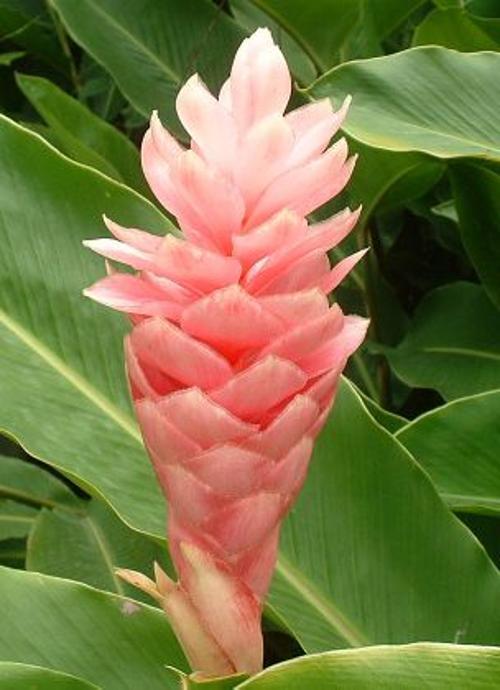
Red Ginger (Ostrich Plume)
Alpinia purpurata
The Red Ginger, botanically classified as Alpinia purpurata and commonly known as the Ostrich Plume, Tahitian Ginger, or Jungle King, is an exceptionally spectacular, exotic tropical rhizomatous perennial. Belonging to the family Zingiberaceae (the ginger family, tribe Alpinieae), this high-impac...
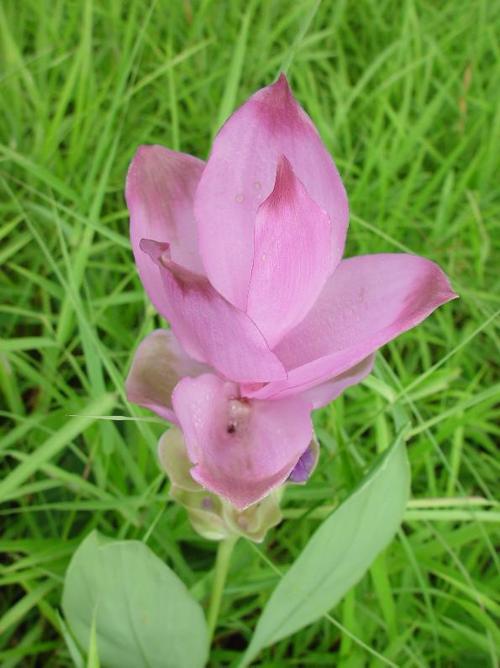
Siam Tulip
Curcuma alismatifolia
Despite its extremely misleading common name, the Siam Tulip (Curcuma alismatifolia) is not a tulip at all. It is actually a stunning, tropical herbaceous perennial belonging to the Zingiberaceae (Ginger) family. Native to the monsoon forests of northern Thailand, Laos, and Cambodia, it has surge...
Similar Characteristics
2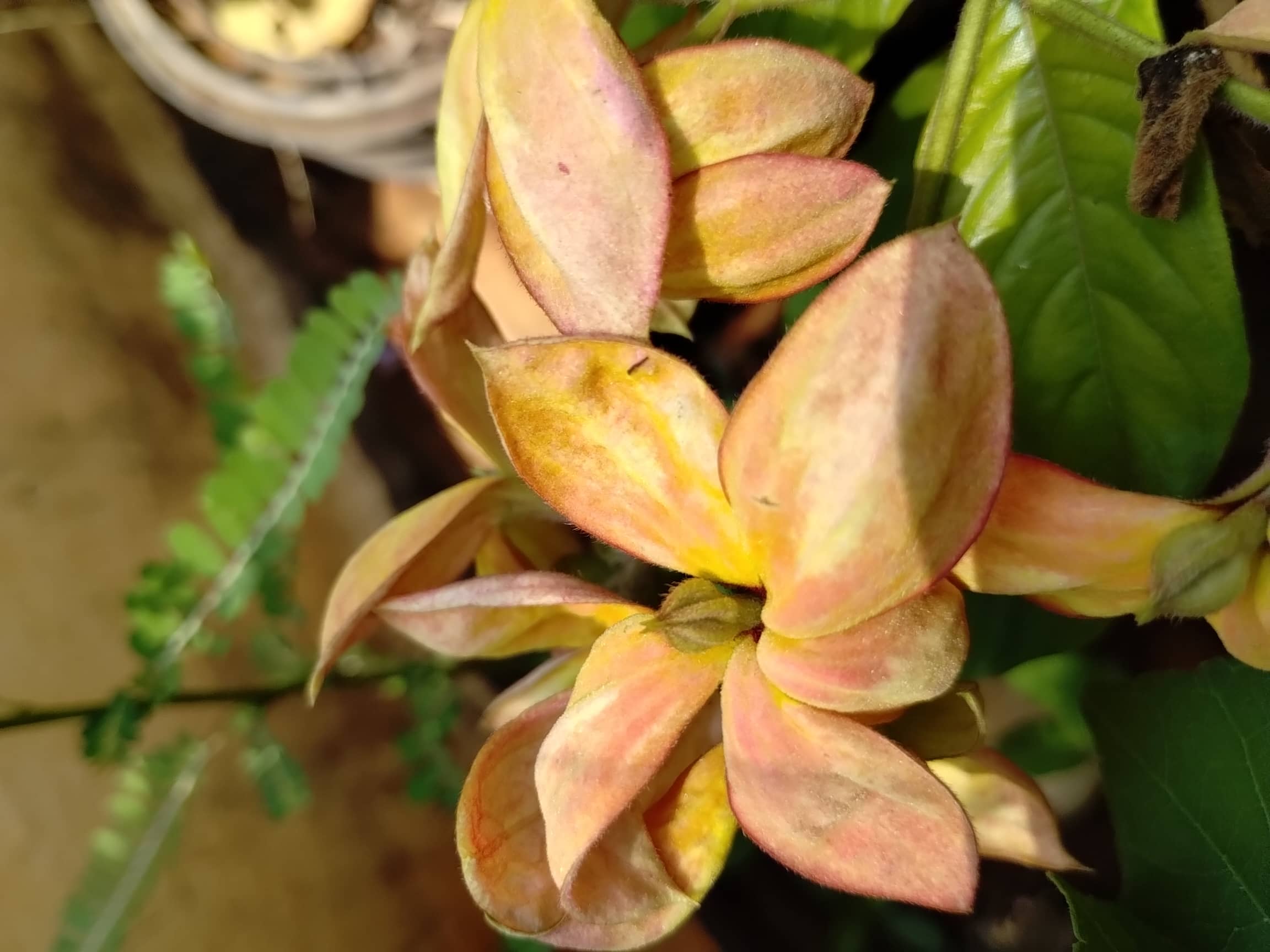
Mussaenda
Mussaenda erythrophylla
Mussaenda, botanically designated as Mussaenda erythrophylla and commonly known as the Ashanti Blood, Red Flag Bush, or Bangkok Rose, is an exceptionally striking, high-impact tropical evergreen shrub or sprawling semi-climber. Belonging to the family Rubiaceae (the coffee or madder family, tribe...
Red Ginger (Ostrich Plume)
Alpinia purpurata
The Red Ginger, botanically classified as Alpinia purpurata and commonly known as the Ostrich Plume, Tahitian Ginger, or Jungle King, is an exceptionally spectacular, exotic tropical rhizomatous perennial. Belonging to the family Zingiberaceae (the ginger family, tribe Alpinieae), this high-impac...