
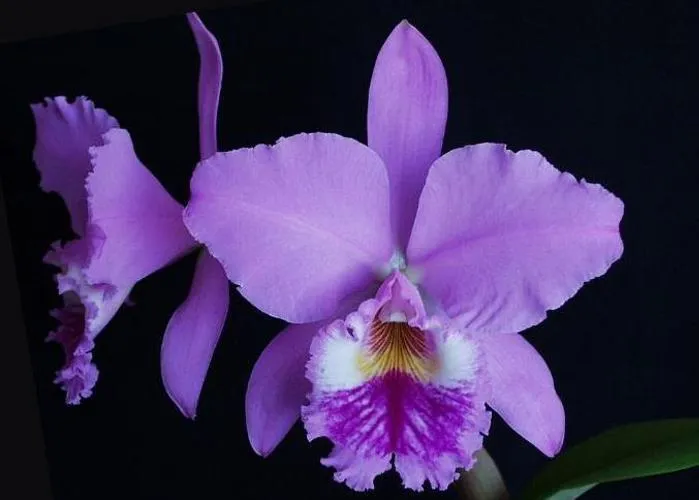
Ruby Lipped Cattleya
Cattleya labiata
How to Identify Ruby Lipped Cattleya
Care & Growing Guide
Seasonal Blooming & Hardiness
Seasonal Blooming Calendar:
- Peak Bloom: Summer (typically June through September).
- Planting Time: Sow seeds directly outdoors in early spring after the last frost, or transplant nursery starts in late spring.
Bloom Timeline
About Ruby Lipped Cattleya
The Ruby Lipped Cattleya (Cattleya labiata), often heralded globally as the 'Queen of Orchids', is a legendary epiphytic orchid belonging to the Orchidaceae family. Discovered completely by accident in the Organ Mountains of northeastern Brazil in the early 19th century, its introduction to Europe sparked an absolute frenzy among botanists and collectors known as 'Orchidelirium'. Today, it remains the quintessential, classic corsage orchid, famous for its massive, intensely fragrant, and flamboyantly ruffled blooms.
Identification of this majestic plant is straightforward. It grows via a sympodial habit, meaning it creeps along a rhizome, producing thick, club-shaped stems known as pseudobulbs. Each pseudobulb is topped with a single, stiff, leathery leaf. The spectacular flowers it produces are massive—often measuring 5 to 6 inches across. They feature broad, pale pink to deep lilac sepals and petals, but the defining characteristic is the enormous, deeply ruffled, intensely crimson-ruby lip (labellum) prominently marked with a bright yellow throat. The fragrance is intoxicatingly sweet, heavy, and floral.
The floral formula is % ⚥ P3+3 A1 G(3). It boasts a bilaterally symmetrical, bisexual flower. It features 6 tepals (3 outer sepals and 3 inner petals, with the massive, ruffled ruby lip being a highly modified lower petal designed as an extravagant landing pad for specific bees). It features 1 stamen fused firmly into a prominent central column and an inferior ovary comprised of 3 fused carpels.
Growing the Cattleya demands mimicking its high-canopy Brazilian habitat. It requires very bright, filtered light (such as a south or east-facing window with a sheer curtain). If the leaves are dark forest green, the light is too low; they should be a light, grassy yellow-green. As an epiphyte, it must never be planted in soil. It must be grown in a coarse, very airy medium like chunky fir bark. Most importantly, it requires a strict wet-dry cycle—water it thoroughly, then allow the roots to dry out completely before watering again.
Culturally, this was the very first Cattleya to be cultivated in Europe. It set the absolute global standard for what a luxury, high-end orchid should look like and remains heavily utilized in the luxury floral and wedding industries.
Like the vast majority of orchids, the Cattleya is completely NON-TOXIC. It is entirely safe to cultivate around pets and young children.
It can sometimes be confused with Laelia orchids, which are closely related and frequently hybridized with Cattleyas. However, pure Cattleyas generally have much broader, fuller petals and significantly larger, more prominently ruffled lips. Compare it with the common Phalaenopsis Orchid or explore the Flower Identifier.
For more botanical profiles and flower identification features, see our guides on Red Ginger (Ostrich Plume) and Siam Tulip.
Floral Formula & Features
Bilaterally symmetrical, bisexual. 6 tepals (3 sepals + 3 petals, with the lower petal highly modified into a massive, ruffled labellum), 1 stamen fused with style into a column, 3 fused carpels with inferior ovary.
- Scientific Name & Classification: Cattleya labiata (Orchidaceae). Heralded globally as the 'Queen of Orchids'.
- Identification Markers: Club-shaped pseudobulbs with a single leathery leaf. Massive 5-inch pink/lilac flowers featuring a deeply ruffled, intense crimson-ruby lip.
- Floral Formula (% ⚥ P3+3 A1 G(3)): Bilaterally symmetrical. 6 tepals (including the massive modified ruby lip), 1 fused stamen column, 3 fused carpels.
- Growing Requirements: Bright, filtered light. Must be potted in coarse, chunky bark (epiphyte). Requires a strict wet-then-dry watering cycle.
- Cultural Significance: The original orchid that sparked 'Orchidelirium' in 19th-century Europe. The classic, highly fragrant 'corsage orchid'.
- Safety & Toxicity: NON-TOXIC. Completely safe for households with dogs, cats, and young children.
- Common Look-alikes: Often confused with Laelia orchids, but Cattleyas feature much broader petals and a distinctly larger, more ruffled labellum.
- Internal Links: Compare with the vastly different Moon Orchid or explore the Flower Identifier.
Names in Different Languages
Botanical Classification: Ruby Lipped Cattleya belongs to the Orchidaceae family. Learn how to identify its floral symmetry, stamen arrangement, and structural formulas in our Botanical Family Classification Guide.
Toxicity & Safety
Frequently Asked Questions
What is Floral Formula?
A floral formula is a symbolic representation of a flower's structure using letters, numbers, and special symbols. It provides a concise way to describe the arrangement and number of floral parts.
This formula describes the flower's symmetry, sepals, petals, stamens, and carpels in a standardized format.
Formula Sequence
- Bract: Br or Ebr
- Bracteole: Brl or Ebrl
- Symmetry: % (Radial) or ⊕ (Bilateral)
- Sex: ♀ (Female), ♂ (Male), or ⚥ (Bisexual)
- Calyx/Sepal: K<number> (Free or Fused)
- Corolla/Petal: C<number> (Free or Fused)
- Androecium: A<number> (Free or Fused)
- Gynaecium: G<number> (Superior or Inferior Ovary)
Symbol Meanings
- Numbers: Indicate quantity of parts
- Parentheses (): Parts are fused together
- Plus (+): Parts in different whorls
- Underline: Superior ovary position
- Overline: Inferior ovary position
- ∞: Numerous parts (too many to count)
Understanding floral formulas helps botanists quickly identify and classify flowers based on their structural characteristics.
Similar Flowers
Discover flowers that share botanical characteristics
Same Family
4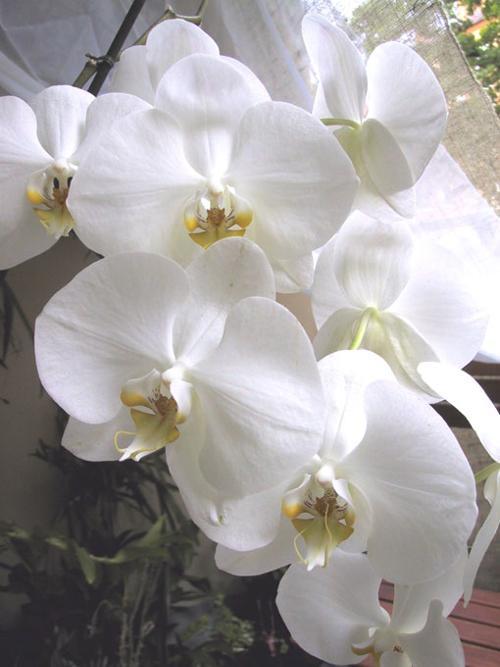
Moon Orchid (Phalaenopsis)
Phalaenopsis amabilis
The Moon Orchid (Phalaenopsis amabilis) is an elegant, highly coveted epiphytic orchid belonging to the massive Orchidaceae family. Native to the lush, humid rainforests of Southeast Asia, Indonesia, the Philippines, and northern Australia, it grows high in the tree canopy, clinging securely to b...
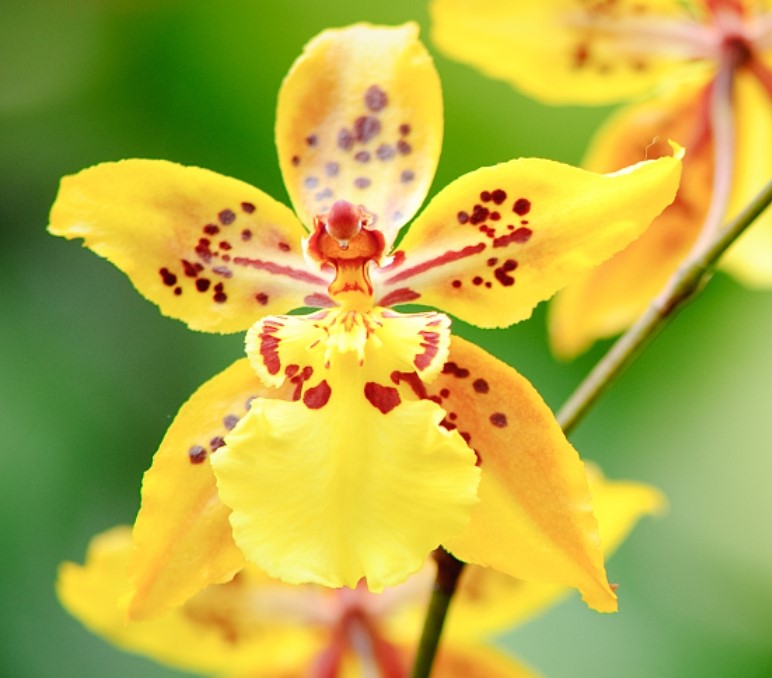
Tolumnia Orchid
Tolumnia
The Tolumnia Orchid, botanically classified under the genus Tolumnia and traditionally known in horticulture as the Equitant Oncidium or Dancing Lady Orchid, is an exceptionally charming, miniature epiphytic plant. Belonging to the family Orchidaceae (the orchid family, tribe Oncidiinae), this sp...
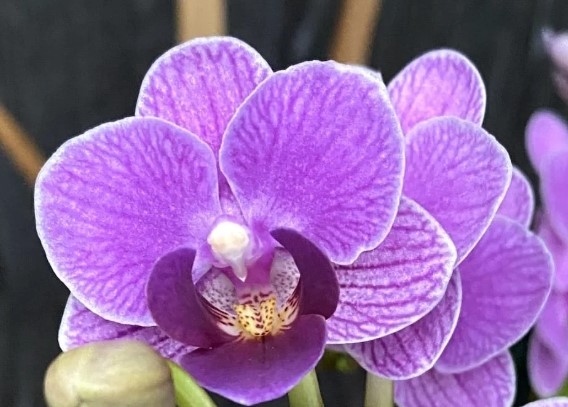
Moth Orchid (Phalaenopsis)
Phalaenopsis hybrids
The Moth Orchid, representing the broader genus Phalaenopsis, is undeniably the most popular and commercially successful orchid in the world. Belonging to the massive Orchidaceae family and native to the tropical canopies of Southeast Asia and Australia, these epiphytic marvels have been heavily...
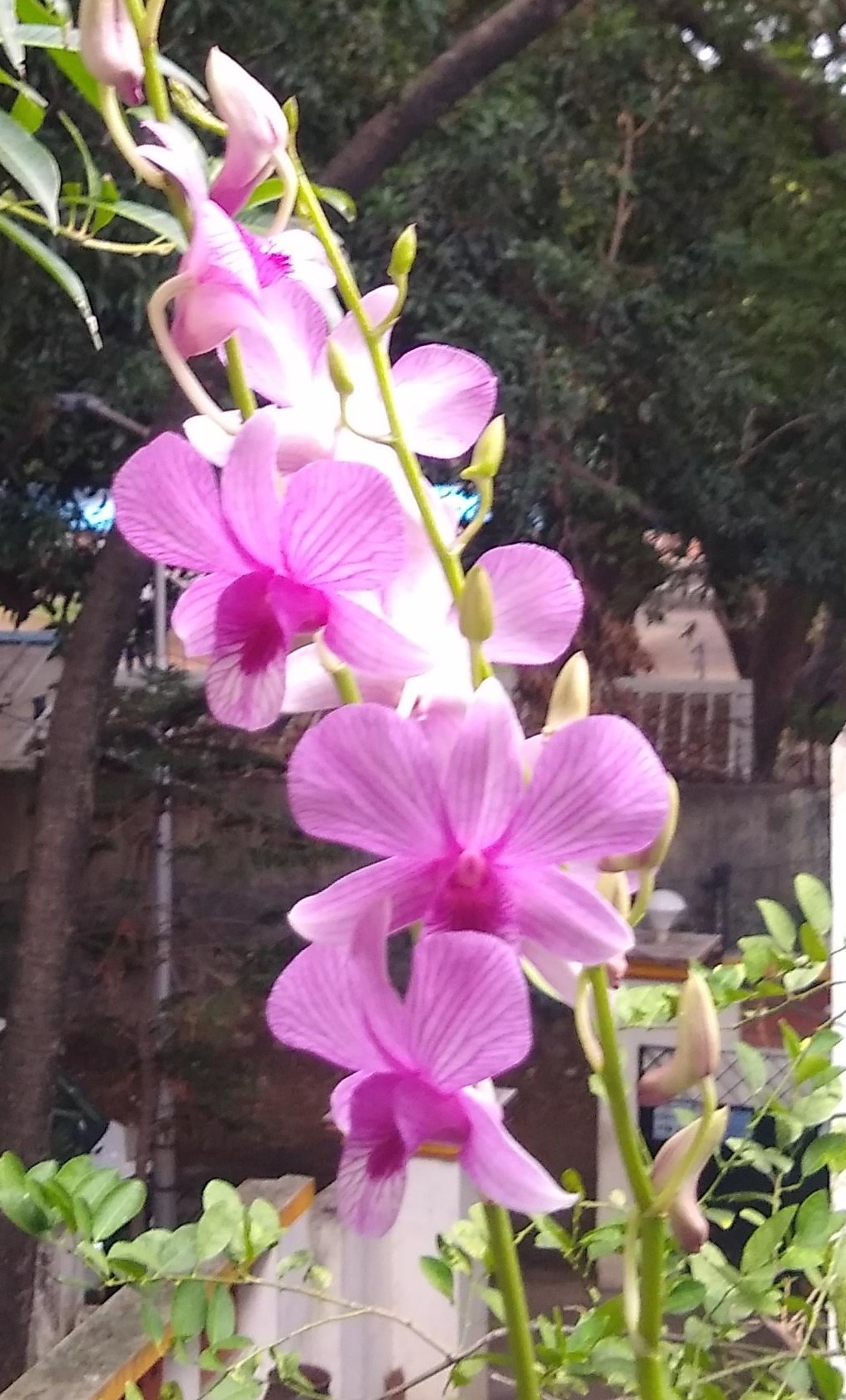
Dendrobium Orchid
Dendrobium
The Dendrobium Orchid, a diverse and captivating genus within the Orchidaceae family, stands as one of the most prolific and popular orchids in the world. With over 1,800 species and countless hybrids, these "tree-living" plants (the name *Dendrobium* literally means "life on a tree" in Greek) ar...
Similar Characteristics
4Moon Orchid (Phalaenopsis)
Phalaenopsis amabilis
The Moon Orchid (Phalaenopsis amabilis) is an elegant, highly coveted epiphytic orchid belonging to the massive Orchidaceae family. Native to the lush, humid rainforests of Southeast Asia, Indonesia, the Philippines, and northern Australia, it grows high in the tree canopy, clinging securely to b...
Dendrobium Orchid
Dendrobium
The Dendrobium Orchid, a diverse and captivating genus within the Orchidaceae family, stands as one of the most prolific and popular orchids in the world. With over 1,800 species and countless hybrids, these "tree-living" plants (the name *Dendrobium* literally means "life on a tree" in Greek) ar...
Tolumnia Orchid
Tolumnia
The Tolumnia Orchid, botanically classified under the genus Tolumnia and traditionally known in horticulture as the Equitant Oncidium or Dancing Lady Orchid, is an exceptionally charming, miniature epiphytic plant. Belonging to the family Orchidaceae (the orchid family, tribe Oncidiinae), this sp...
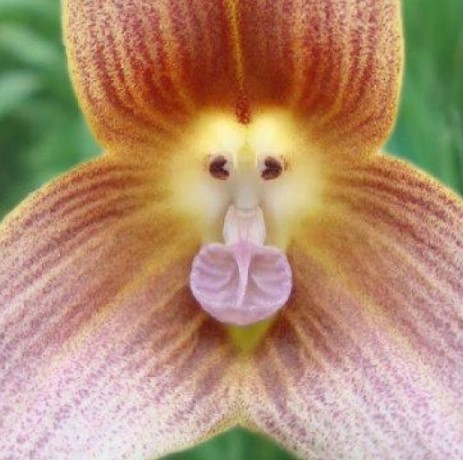
Monkey Orchid
Dracula simia
The Monkey Orchid, botanically designated as Dracula simia and belonging to the family Orchidaceae (the orchid family), is an extraordinary, globally famous epiphytic perennial. Native to the cool, misty, and high-elevation cloud forests of the Andes across Ecuador, Colombia, and Peru at altitude...