
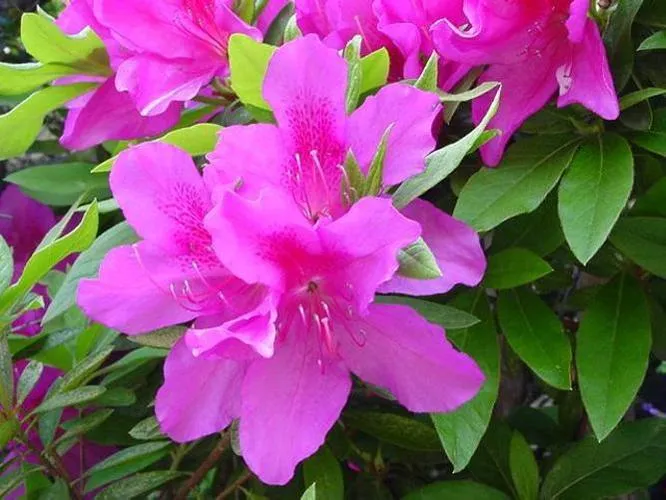
Azalea
Rhododendron (subgenus Tsutsusi)
How to Identify Azalea
Care & Growing Guide
Seasonal Blooming & Hardiness
Seasonal Blooming Calendar:
- Peak Bloom: Spring to early summer (typically April through June).
- Planting Time: Sow seeds directly outdoors in early spring after the last frost, or transplant nursery starts in late spring.
Bloom Timeline
About Azalea
The Azalea, botanically classified as Rhododendron (specifically under the subgenera Tsutsusi and Pentanthera) and belonging to the family Ericaceae (the heath family), is an exceptionally spectacular, heavy-blooming woody perennial shrub. Native primarily to the cool, damp woodlands, mountain slopes, and forest margins of East Asia (particularly China, Japan, and Korea) and eastern North America, with a few species native to southern Europe, this historic genus has been cultivated for over a thousand years and comprises thousands of distinct cultivars.
This beloved ornamental shrub displays a dense, branching, and compact growth habit, standing 2 to 8 feet tall with a similar spread (depending on whether it is a deciduous or evergreen variety). It features small, leathery, dark-green oval leaves, which are often covered in fine, stiff bristly hairs. In mid-to-late spring (April through June), it transforms completely, producing a dense blanket of flowers that covers the shrub so heavily that the underlying foliage is virtually hidden.
Individual flowers measure 1 to 3 inches across, featuring a highly distinct funnel or trumpet-like shape with 5 broad, spreading petals (though double forms exist with multiple layers of petals). Blossoms open in massive, crowded clusters of 2 to 20 flowers at the stem tips, exhibiting a dazzling range of colors including electric pinks, ruby reds, snow whites, deep purples, brilliant oranges, and warm salmon-corals. Many deciduous varieties are also intensely, sweet-scented.
The reproductive structure of the Azalea is defined by the zygomorphic floral formula % ⚥ K5 C(5) A5 G(5). This formula states that the flowers are bilaterally symmetrical (slightly zygomorphic) and bisexual. The calyx is composed of 5 small, green free sepals, and the corolla has 5 fused petals forming the funnel shape. Crucially, the androecium contains exactly 5 free, elongated stamens that protrude far beyond the petals (a primary botanical difference from true Rhododendrons, which possess 10 or more stamens), and the gynoecium contains 5 fused carpels with a superior ovary.
The genus name Azalea is derived from the ancient Greek word 'azaleos,' which translates to 'dry,' in reference to the plant's dry, woody, and highly branched stems. Famed in Sanskrit as Raktapushpah (रक्तपुष्पः, meaning 'red flower') and in Hindi as Azeliya (अज़ेलिया) or Burans (बुरांस), it holds deep cultural value in China as the 'thinking-of-home bush' (Xiangsi shu), symbolizing nostalgic longing, womanhood, passion, and temperance.
For pet owners and veterinarians, Azalea represents an extreme chemical hazard. The plant is classified as HIGHLY TOXIC & LETHAL TO PETS, including dogs, cats, and livestock. All parts of the plant—especially the leaves, pollen, and nectar—contain high concentrations of toxic grayanotoxins. If chewed or swallowed, ingestion of even a few leaves triggers severe clinical symptoms, including heavy oral salivation (drooling), vomiting, diarrhea, dangerous cardiac arrhythmias, low blood pressure, muscle weakness, and fatal central nervous system depression. For complete medical guidelines, visit our specific Pet Guard Azalea page.
Azalea is occasionally confused with other spring-flowering shrubs like hydrangeas or true rhododendrons. It is easily distinguished because true Azalea flowers possess zygomorphic funnel-like blossoms and exactly 5 protruding stamens, whereas true rhododendrons have large, bell-shaped flowers with 10 or more stamens. It thrives beautifully in acidic, dappled woodland settings; we recommend pairing it alongside other classic semi-shade favorites like Oleander-rosebay or Wallflower-erysimum. To explore more acid-loving garden shrubs, browse our Flower Identifier.
Floral Formula & Features
Bilaterally symmetrical (slightly zygomorphic), bisexual, 5 free sepals, 5 fused petals forming funnel shape, 5 free stamens (key difference from rhododendrons which have 10+), 5 fused carpels with superior ovary
- Scientific Name & Classification: Rhododendron subgenus Tsutsusi (Ericaceae). Globally known as Azalea, Flame Azalea, and Swamp Azalea.
- Identification Markers: Dense branching habit, small hairy oval leaves, and mass spring displays of 1-3 inch funnel-shaped flowers with exactly 5 protruding stamens.
- Floral Formula (% ⚥ K5 C(5) A5 G(5)): Bilaterally symmetrical, bisexual flowers with 5 free sepals, 5 fused petals forming a funnel, 5 stamens, and superior ovary.
- Growing Requirements: Dappled morning sun with afternoon shade; highly acidic (pH 4.5-6.0), organic, humus-rich, well-draining soil with organic mulch (Zones 5-9).
- Cultural Significance: Name comes from Greek 'azaleos' (dry). Celebrated in Chinese culture as 'thinking-of-home bush,' representing nostalgia and passion.
- Safety & Toxicity: HIGHLY TOXIC & LETHAL TO PETS. High concentrations of grayanotoxins in leaves, pollen, and nectar, triggering severe drooling, vomiting, heart arrhythmias, and death.
- Common Look-alikes: Confused with true Rhododendrons, but easily distinguished by its smaller, delicate leaves and exactly 5 stamens (compared to 10+ in Rhododendrons).
- Internal Links: Softens woodland gardens when planted in sweeps alongside other classic, moisture-loving specimens like Oleander-rosebay or Wallflower-erysimum; find more in our Flower Identifier.
Names in Different Languages
Toxicity & Safety
Always keep toxic plants out of reach of children and pets. Consult a veterinarian or medical professional immediately if ingestion is suspected.
Pet Safety Guide: For detailed toxicity symptoms, first-aid measures, and safe garden alternatives, see our full Pet Guard Profile for Azalea.
Frequently Asked Questions
What is Floral Formula?
A floral formula is a symbolic representation of a flower's structure using letters, numbers, and special symbols. It provides a concise way to describe the arrangement and number of floral parts.
This formula describes the flower's symmetry, sepals, petals, stamens, and carpels in a standardized format.
Formula Sequence
- Bract: Br or Ebr
- Bracteole: Brl or Ebrl
- Symmetry: % (Radial) or ⊕ (Bilateral)
- Sex: ♀ (Female), ♂ (Male), or ⚥ (Bisexual)
- Calyx/Sepal: K<number> (Free or Fused)
- Corolla/Petal: C<number> (Free or Fused)
- Androecium: A<number> (Free or Fused)
- Gynaecium: G<number> (Superior or Inferior Ovary)
Symbol Meanings
- Numbers: Indicate quantity of parts
- Parentheses (): Parts are fused together
- Plus (+): Parts in different whorls
- Underline: Superior ovary position
- Overline: Inferior ovary position
- ∞: Numerous parts (too many to count)
Understanding floral formulas helps botanists quickly identify and classify flowers based on their structural characteristics.
Similar Flowers
Discover flowers that share botanical characteristics
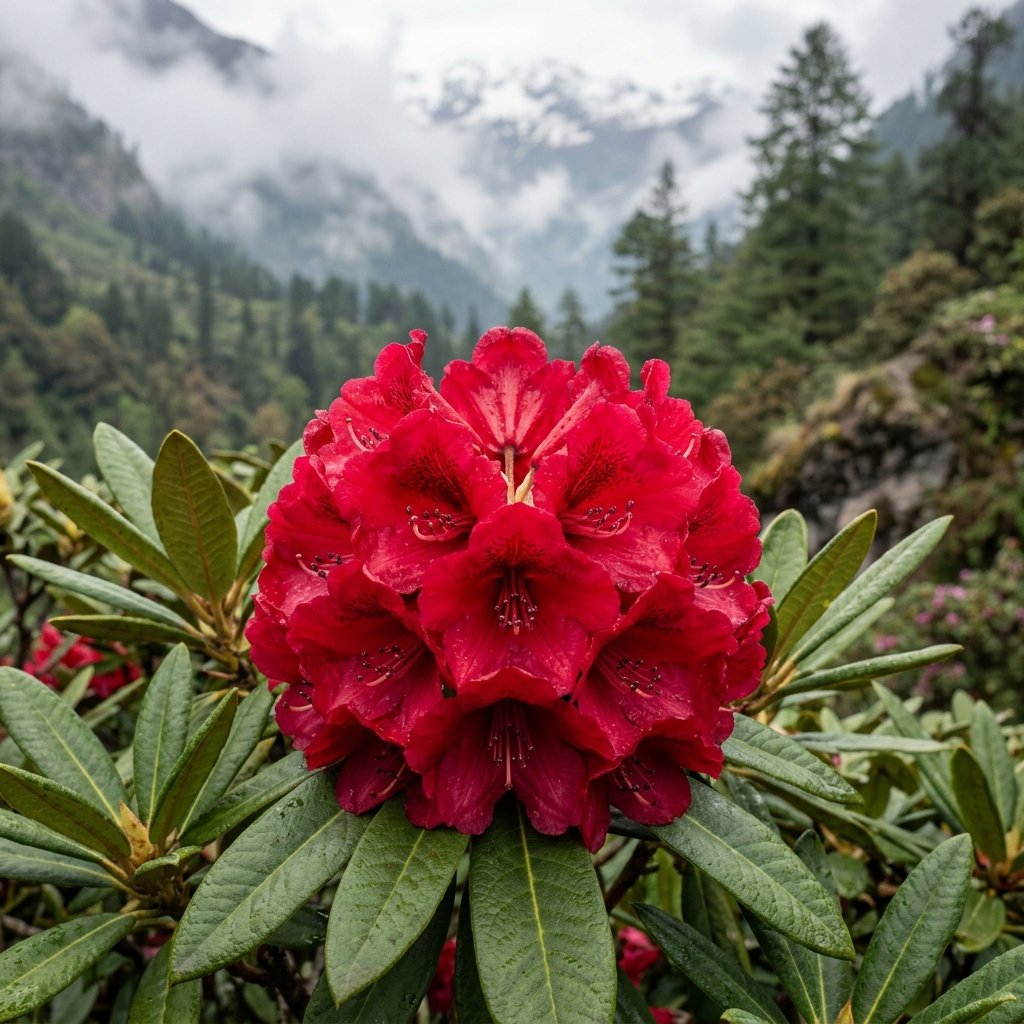
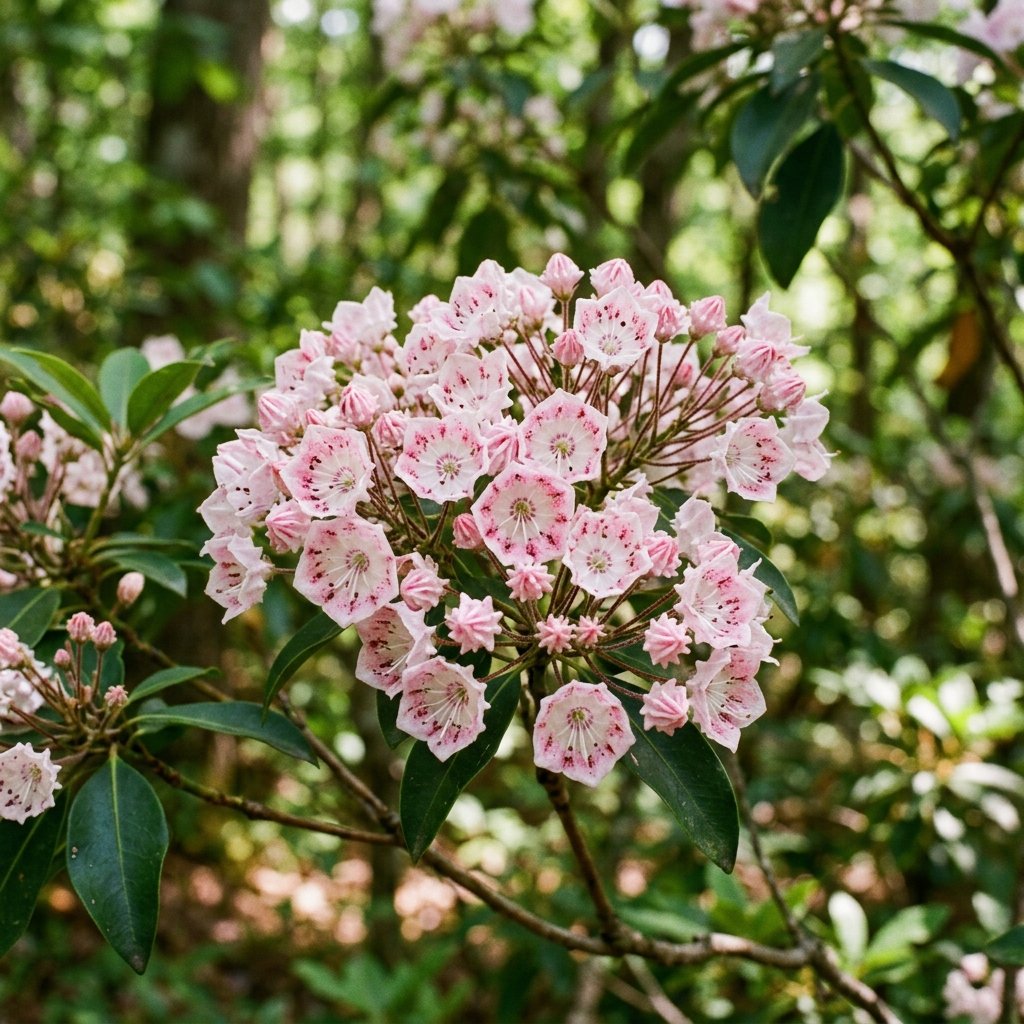
Similar Characteristics
4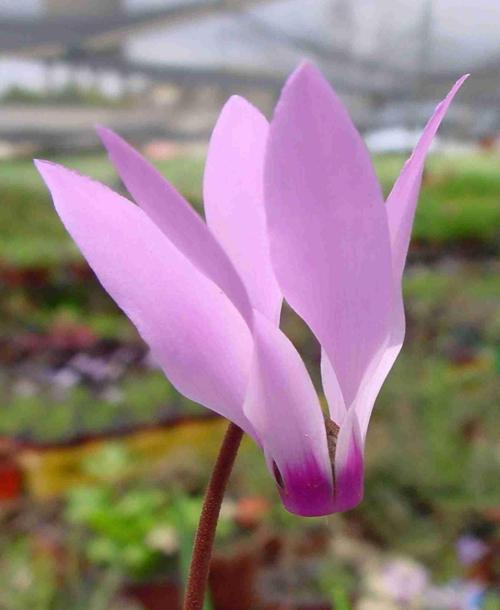
Cyclamen
Cyclamen persicum
Cyclamen (Cyclamen persicum), often referred to as the Persian Cyclamen or Sowbread, is a captivating tuberous perennial that has enchanted gardeners for centuries with its unique, upswept blossoms and elegantly patterned foliage. Native to the rocky hillsides and woodlands of the Mediterranean r...
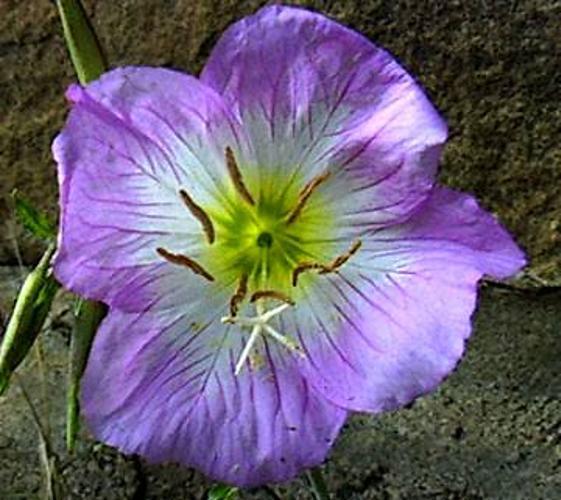
Primrose (Cowslip)
Primula veris
Cheerful spring wildflower with clusters of nodding yellow flowers on tall stems above rosettes of wrinkled leaves. One of first flowers to bloom in spring, earning name from Latin 'prima rosa' (first rose). Sweet honey scent attracts early bees. Used in herbal medicine for centuries. Popular in...
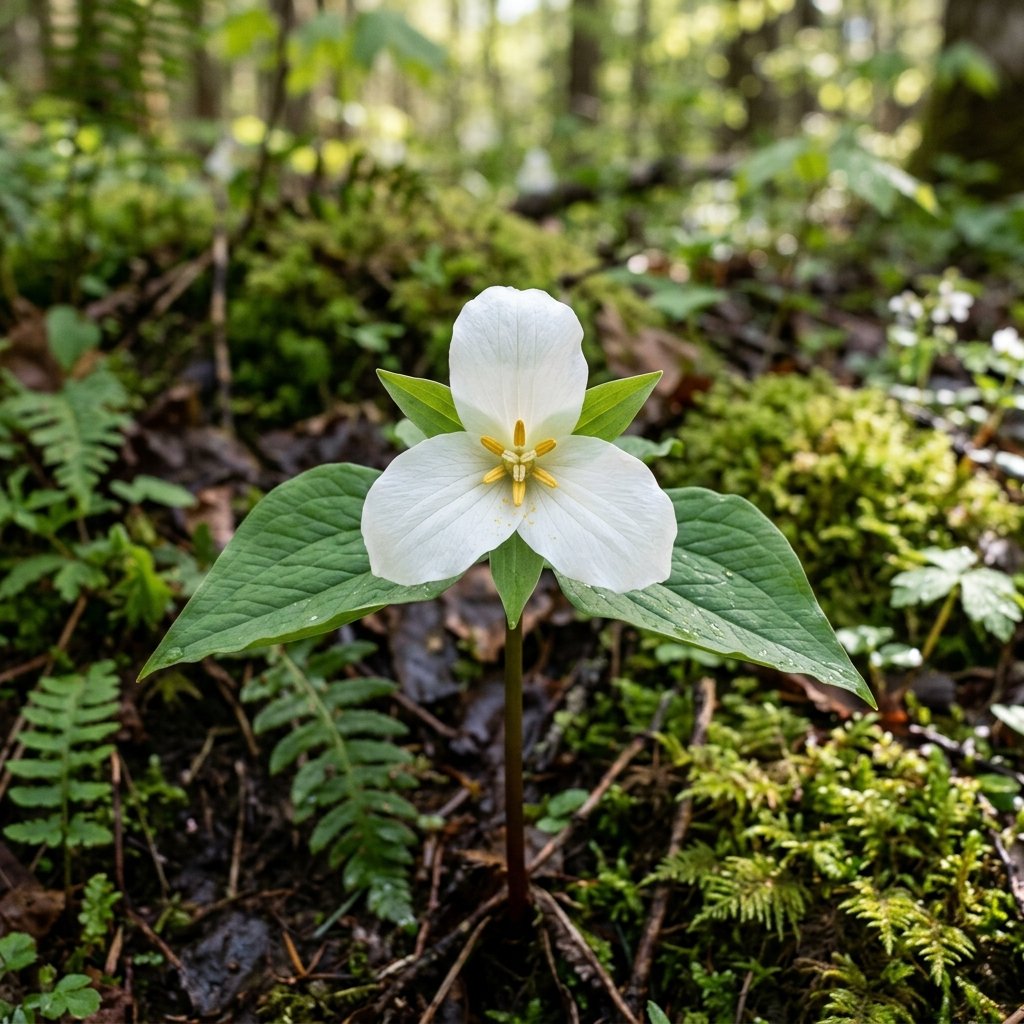
Trillium
Trillium grandiflorum
Trillium is one of the most iconic and beloved wildflowers of North American deciduous forests, instantly recognized by its distinctive three-part symmetry — three leaves, three sepals, and three petals arranged in perfect whorls around a single stout stem. Belonging to the family Melanthiaceae,...
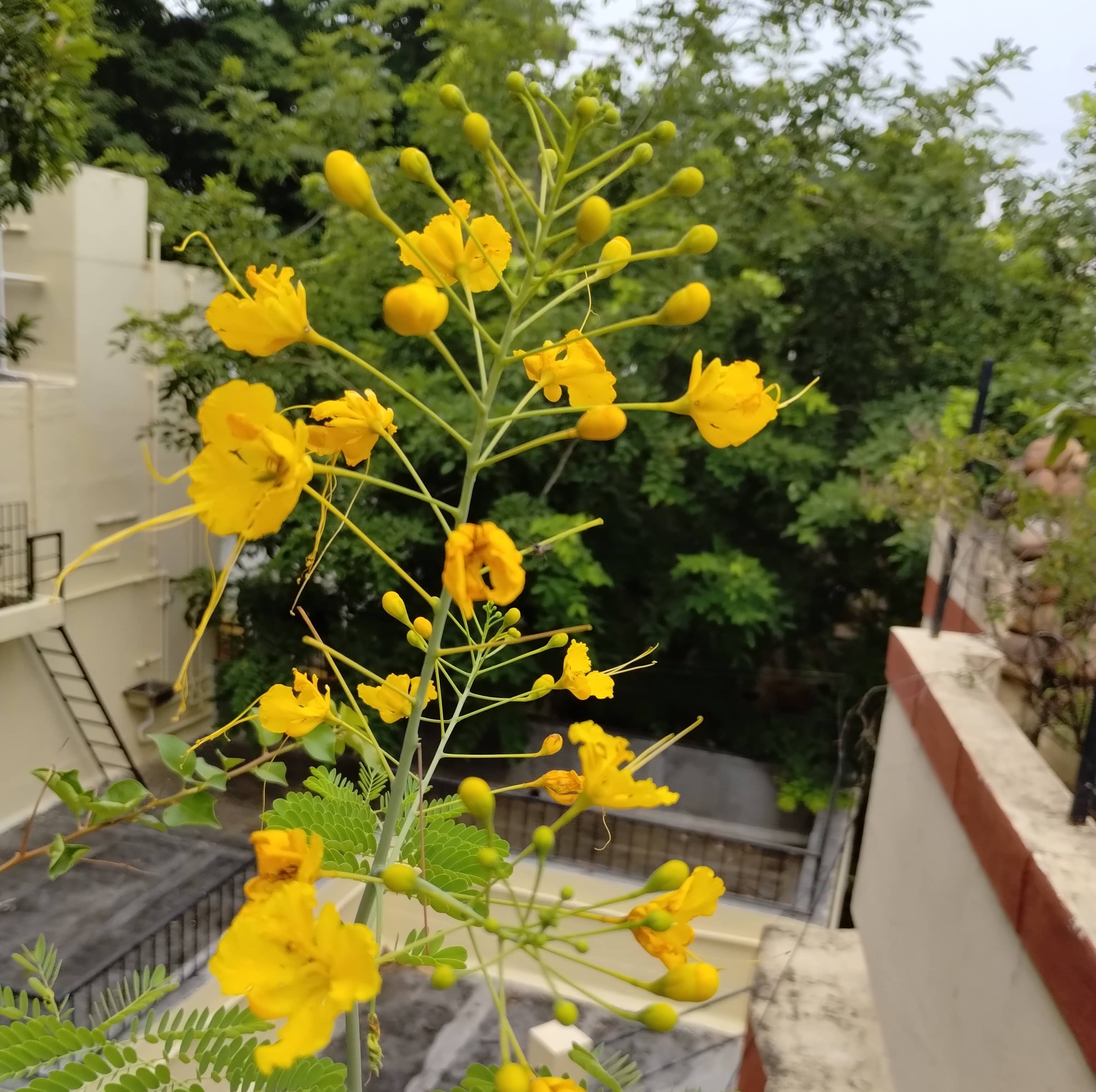
Peacock Flower (Caesalpinia)
Caesalpinia pulcherrima
Caesalpinia pulcherrima, famously known as the "Peacock Flower," "Pride of Barbados," or "Red Bird of Paradise," is a breathtakingly vibrant tropical shrub that embodies the fiery spirit of the Caribbean. A member of the Fabaceae (Legume) family, this species is celebrated for its flamboyant, ter...