
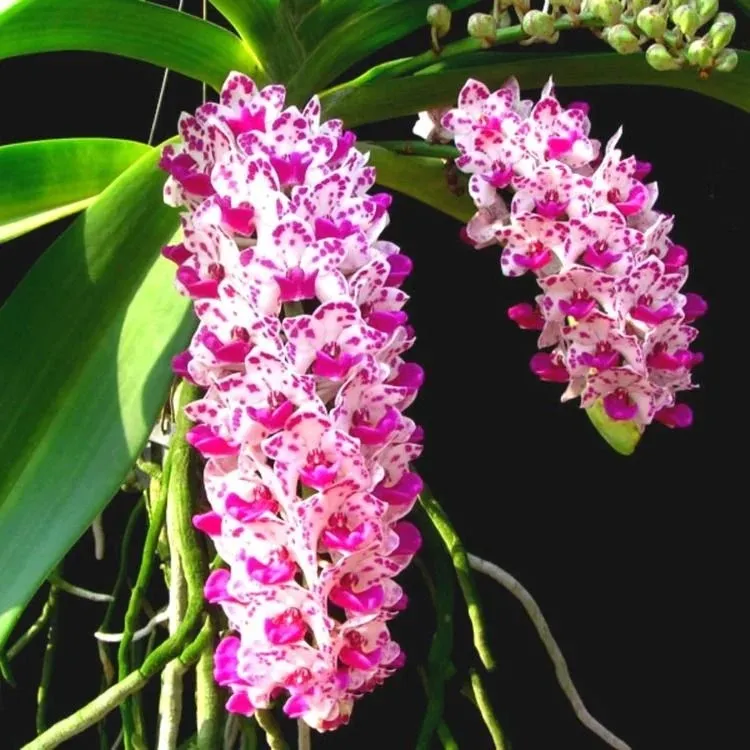
Fox Tail Orchid (Rhynchostylis)
Rhynchostylis retusa
How to Identify Fox Tail Orchid (Rhynchostylis)
Care & Growing Guide
Seasonal Blooming & Hardiness
Seasonal Blooming Calendar:
- Peak Bloom: Spring to early summer (typically April through June).
- Planting Time: Sow seeds directly outdoors in early spring after the last frost, or transplant nursery starts in late spring.
Bloom Timeline
About Fox Tail Orchid (Rhynchostylis)
The Fox Tail Orchid (Rhynchostylis retusa) is an extraordinary, highly fragrant epiphytic orchid belonging to the Orchidaceae family. Native to the warm, humid tropical forests of the Indian subcontinent, Southeast Asia, and Indonesia, it is globally celebrated for its incredibly unique and dramatic blooming habit. Unlike orchids that produce upright spikes, the Fox Tail produces dense, pendulous (drooping) inflorescences that look exactly like a fluffy, brightly colored animal's tail.
Identification is defined by its robust, Vanda-like monopodial growth. It produces thick, leathery, strap-shaped leaves with distinctively uneven, jagged tips. The massive root system is entirely aerial, producing thick, silvery-white roots that cling to tree bark. In late spring or early summer, it sends out drooping flower spikes that can reach over a foot in length. Each spike is densely packed with over 100 tiny, pristine white flowers heavily splashed and dotted with vibrant magenta or pink. The fragrance is intoxicating—a powerful, sweet, citrusy-spice scent that intensifies in the evening.
The floral formula is % ⚥ P3+3 A1 G(3). It features a bilaterally symmetrical, bisexual flower. The perianth consists of 6 tepals (3 sepals and 3 petals, with the lower petal heavily modified into a spurred labellum). It has a single fertile stamen fused into a central column and an inferior ovary comprised of 3 fused carpels.
Growing the Fox Tail Orchid requires emulating a tropical canopy. It is strictly epiphytic and must never be planted in standard soil. Most growers cultivate it in slatted wooden baskets without any potting medium at all, leaving the roots completely exposed to the air. It requires very bright, indirect light, massive amounts of humidity (70%+), and daily watering or misting of its exposed roots. It is highly frost-sensitive and thrives in USDA zones 10-11.
Culturally, it holds profound significance in India. Known as 'Kopou Phool', it is the official state flower of both Assam and Arunachal Pradesh. It is an integral, sacred part of the traditional Bihu festival in Assam, where female dancers weave the blooming fox tails directly into their hair.
Like almost all commercial orchids, the Fox Tail Orchid is completely NON-TOXIC. It is a perfectly safe, intensely fragrant addition to households with dogs, cats, and children.
It is often grown alongside Vanda orchids due to their identical care requirements, but Vandas typically produce large, flat flowers on upright spikes, whereas Rhynchostylis produces tiny flowers on long, drooping tails. Compare its epiphytic nature with the beginner-friendly Phalaenopsis Orchid or explore the Flower Identifier.
For more botanical profiles and flower identification features, see our guides on Pincushion and Orchis Orchid.
Floral Formula & Features
Bilaterally symmetrical, bisexual. 6 tepals (3 sepals + 3 petals, with the labellum being spurred), 1 stamen fused with style into a column, 3 fused carpels forming an inferior ovary.
- Scientific Name & Classification: Rhynchostylis retusa (Orchidaceae). Closely related to Vanda orchids.
- Identification Markers: Thick, leathery leaves with jagged tips. Produces long, drooping, tail-like spikes densely packed with over 100 tiny, pink-spotted white flowers.
- Floral Formula (% ⚥ P3+3 A1 G(3)): Bilaterally symmetrical. Features a spurred labellum (lip), a single fused stamen column, and an inferior ovary.
- Growing Requirements: Strict epiphyte; best grown in wooden baskets with no soil. Requires very bright indirect light, high humidity, and daily watering of its exposed roots.
- Cultural Significance: Deeply sacred in India. The state flower of Assam ('Kopou Phool') and widely worn by Bihu dancers during spring festivals.
- Safety & Toxicity: NON-TOXIC. Completely safe for households with dogs, cats, and young children.
- Common Look-alikes: Requires identical care to Vanda orchids, but Vandas have large, flat blooms rather than dense, drooping fox-tail spikes.
- Internal Links: Compare with another famous epiphytic orchid, the Ruby Lipped Cattleya, or check the Flower Identifier.
Names in Different Languages
Botanical Classification: Fox Tail Orchid (Rhynchostylis) belongs to the Orchidaceae family. Learn how to identify its floral symmetry, stamen arrangement, and structural formulas in our Botanical Family Classification Guide.
Toxicity & Safety
Frequently Asked Questions
What is Floral Formula?
A floral formula is a symbolic representation of a flower's structure using letters, numbers, and special symbols. It provides a concise way to describe the arrangement and number of floral parts.
This formula describes the flower's symmetry, sepals, petals, stamens, and carpels in a standardized format.
Formula Sequence
- Bract: Br or Ebr
- Bracteole: Brl or Ebrl
- Symmetry: % (Radial) or ⊕ (Bilateral)
- Sex: ♀ (Female), ♂ (Male), or ⚥ (Bisexual)
- Calyx/Sepal: K<number> (Free or Fused)
- Corolla/Petal: C<number> (Free or Fused)
- Androecium: A<number> (Free or Fused)
- Gynaecium: G<number> (Superior or Inferior Ovary)
Symbol Meanings
- Numbers: Indicate quantity of parts
- Parentheses (): Parts are fused together
- Plus (+): Parts in different whorls
- Underline: Superior ovary position
- Overline: Inferior ovary position
- ∞: Numerous parts (too many to count)
Understanding floral formulas helps botanists quickly identify and classify flowers based on their structural characteristics.
Similar Flowers
Discover flowers that share botanical characteristics
Same Family
4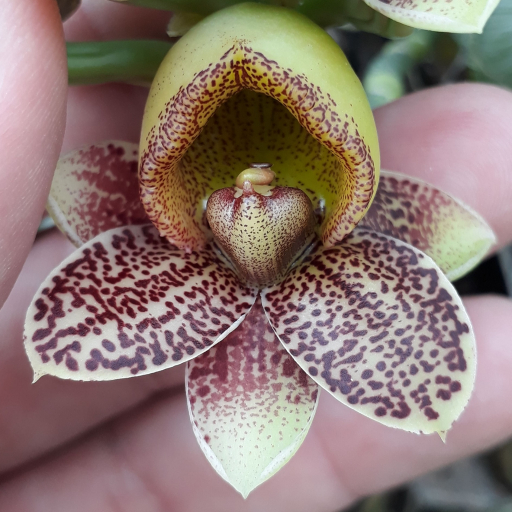
Catasetum Orchid
Catasetum
The Catasetum Orchid, belonging to the botanical genus Catasetum within the prominent Orchidaceae family, is a highly unique and fascinating group of epiphytic perennial orchids. Native to the warm, tropical lowlands and seasonally dry forest canopies of Central and South America—with particular...
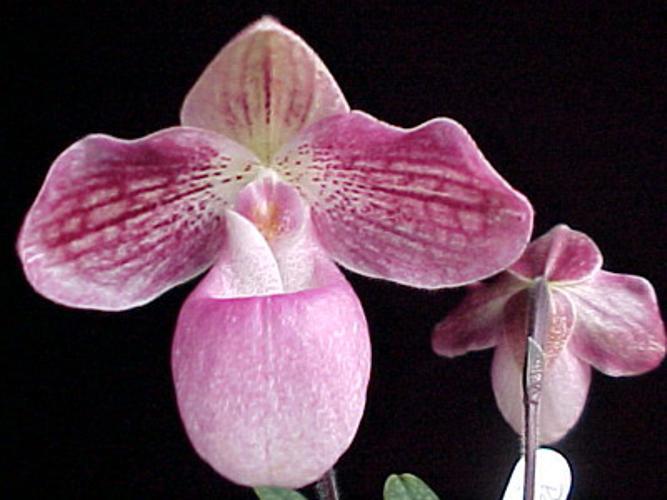
Silver Slipper Orchid
Paphiopedilum micranthum
The Silver Slipper Orchid, botanically designated as Paphiopedilum micranthum and popularly known as the Pocket Orchid, is a critically endangered, terrestrial slipper orchid belonging to the Orchidaceae family. Native to the steep, mist-shrouded limestone cliffs and rocky moss-covered ravines of...
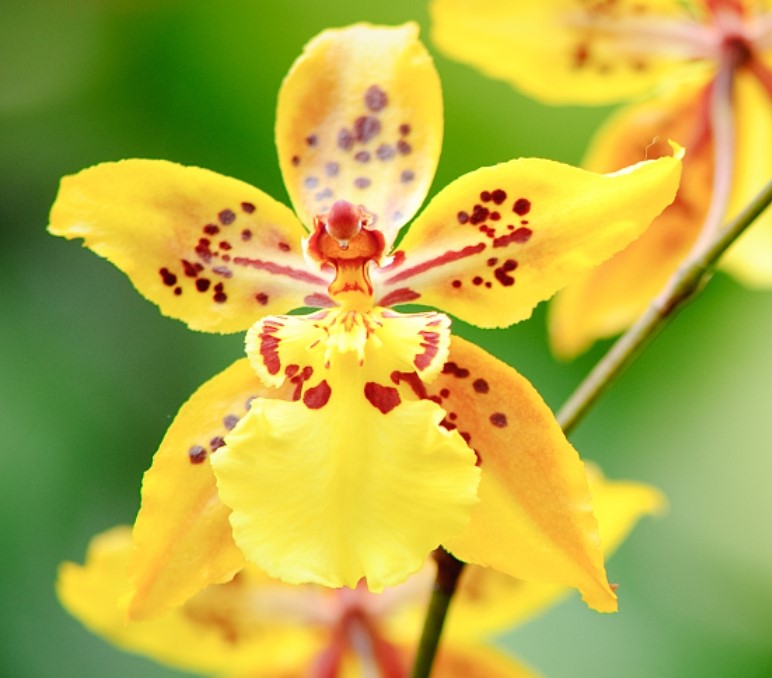
Tolumnia Orchid
Tolumnia
The Tolumnia Orchid, botanically classified under the genus Tolumnia and traditionally known in horticulture as the Equitant Oncidium or Dancing Lady Orchid, is an exceptionally charming, miniature epiphytic plant. Belonging to the family Orchidaceae (the orchid family, tribe Oncidiinae), this sp...
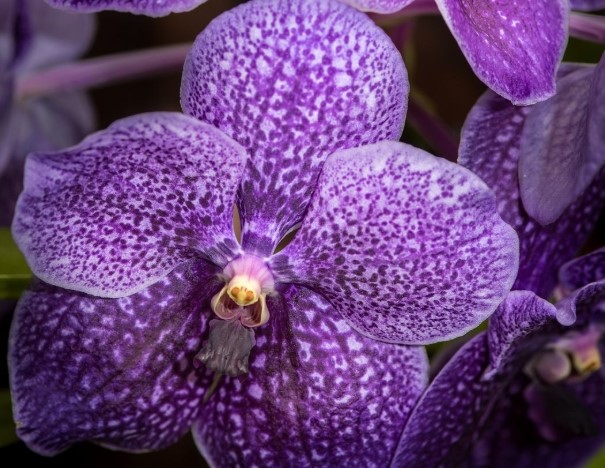
Vanda Orchid
Vanda
The Vanda Orchid, botanically designated under the genus *Vanda*, is an exceptionally spectacular, highly premium epiphytic perennial. Belonging to the family Orchidaceae (the orchid family, tribe Vandeae), this magnificent tropical orchid is native to the warm, highly humid rainforests, mist-shr...
Similar Characteristics
4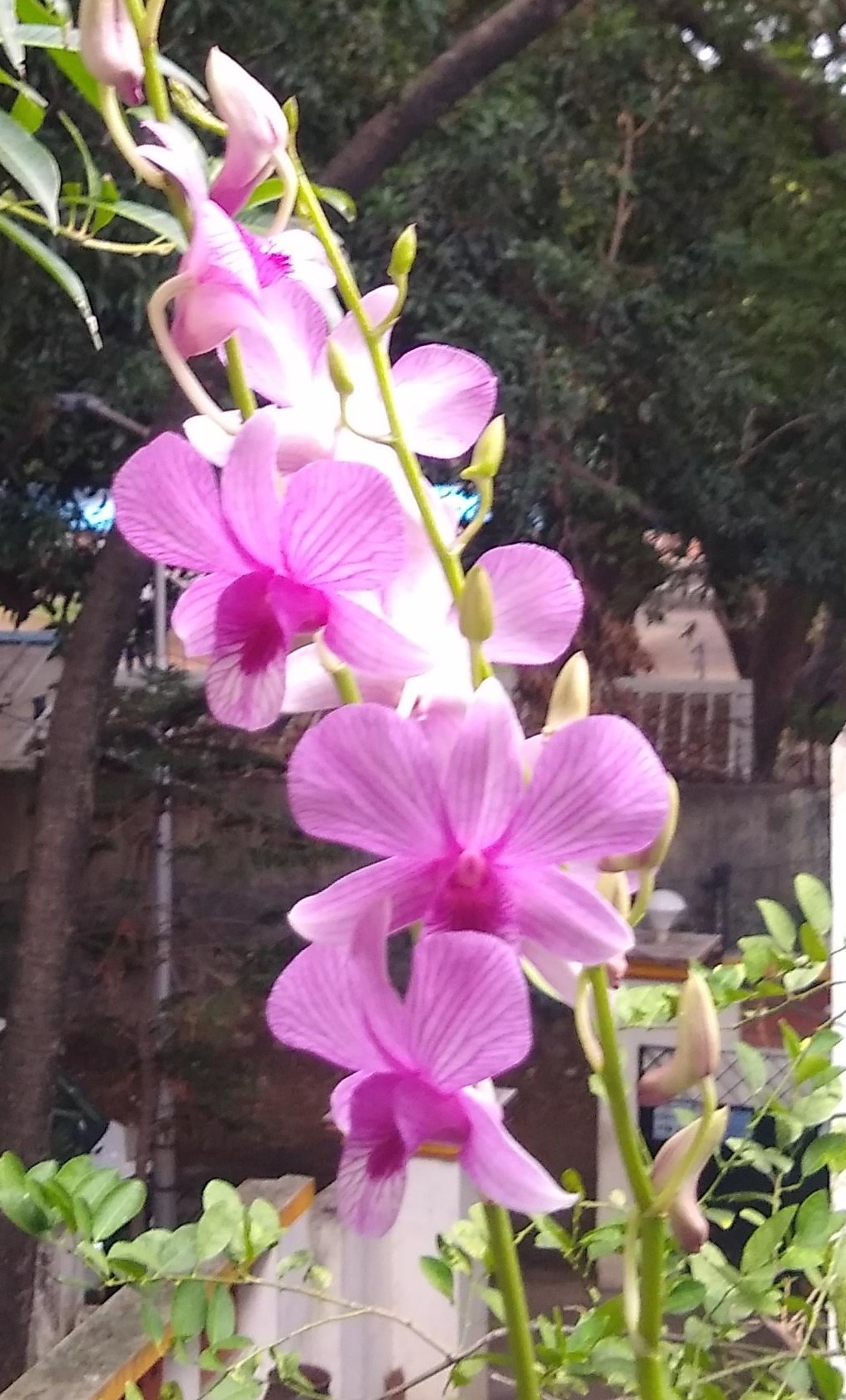
Dendrobium Orchid
Dendrobium
The Dendrobium Orchid, a diverse and captivating genus within the Orchidaceae family, stands as one of the most prolific and popular orchids in the world. With over 1,800 species and countless hybrids, these "tree-living" plants (the name *Dendrobium* literally means "life on a tree" in Greek) ar...
Vanda Orchid
Vanda
The Vanda Orchid, botanically designated under the genus *Vanda*, is an exceptionally spectacular, highly premium epiphytic perennial. Belonging to the family Orchidaceae (the orchid family, tribe Vandeae), this magnificent tropical orchid is native to the warm, highly humid rainforests, mist-shr...
Boat Orchid
Cymbidium
The Boat Orchid, scientifically known as Cymbidium and belonging to the family Orchidaceae, is a highly popular, exceptionally elegant sympodial perennial orchid. Native to the tropical and subtropical regions of Asia—ranging from the high-altitude forests of the Himalayas through China, Japan, a...
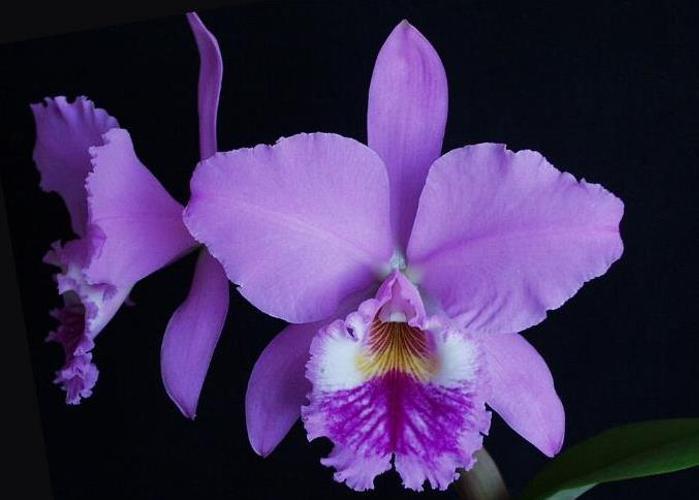
Ruby Lipped Cattleya
Cattleya labiata
The Ruby Lipped Cattleya (Cattleya labiata), often heralded globally as the 'Queen of Orchids', is a legendary epiphytic orchid belonging to the Orchidaceae family. Discovered completely by accident in the Organ Mountains of northeastern Brazil in the early 19th century, its introduction to Europ...