
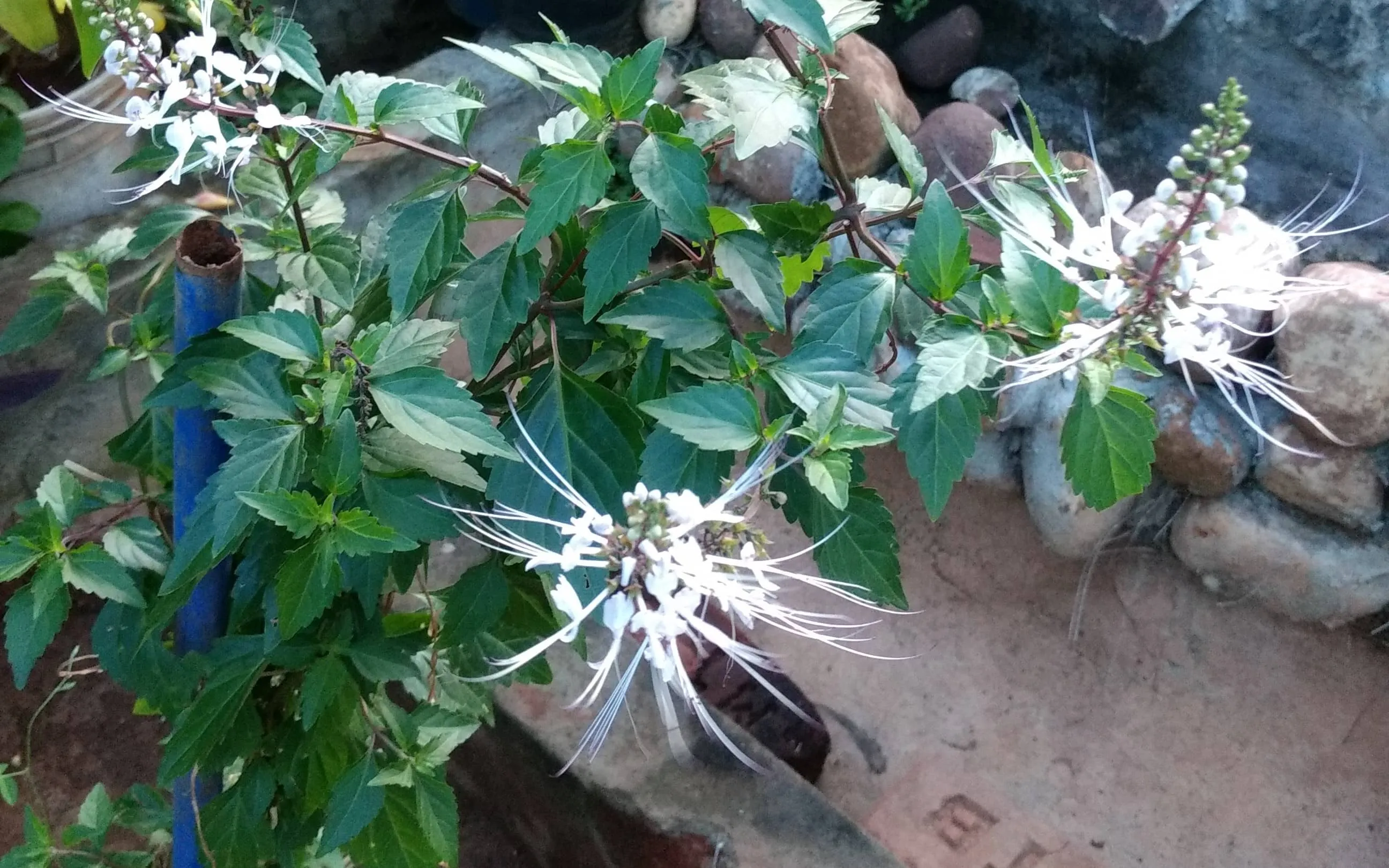
Cat's whiskers
Orthosiphon aristatus
How to Identify Cat's whiskers
NON-TOXIC. 100% safe for cats, dogs, and horses, making it an ideal choice for low garden paths and borders.
Care & Growing Guide
Seasonal Blooming & Hardiness
Seasonal Blooming Calendar:
- Peak Bloom: Summer (typically June through September).
- Planting Time: Sow seeds directly outdoors in early spring after the last frost, or transplant nursery starts in late spring.
Bloom Timeline
About Cat's whiskers
The Cat's Whisker, botanically classified as Orthosiphon aristatus (and often called Orthosiphon stamineus), is an extraordinarily distinctive, fast-growing herbaceous perennial shrub in the Lamiaceae (mint) family. Native to the damp, shaded margins, grassy valleys, and riverbanks of tropical Southeast Asia—including Indonesia, Malaysia, Thailand, and southern China—this unique plant has captivated both gardeners and traditional healers for generations. It is celebrated worldwide for its whimsical, spiked flower heads that showcase dramatic, whisper-thin stamens which protrude far beyond the flower petals, perfectly mimicking the delicate whiskers of a cat.
This upright, multi-branched shrub grows rapidly, reaching a height of 2 to 4 feet with a bushy spread of 2 to 3 feet in a single season. It features the square, purple-toned stems characteristic of the mint family, adorned with opposite, ovate leaves that are sharply serrated and emit a rich, herbal aroma when crushed. The flowers are arranged in dramatic, terminal spikes that grow 4 to 8 inches long. Each tiny, two-lipped tubular flower is white, pale lavender, or delicate violet, serving as a launching pad for 4 extremely long, elegant, sweeping stamens that curve gracefully upward.
The botanical anatomy of the bloom is represented by the floral formula EBr % ⚥ K(5) C(5) A4 G(2). This formula indicates that the flower is ebracteate, bilaterally symmetrical (zygomorphic), and bisexual. It features a calyx of 5 fused sepals forming a bell-shaped calyx tube, and a corolla of 5 fused petals forming a two-lipped, tubular corolla. The androecium consists of 4 stamens in 2 pairs (didynamous) that extend dramatically 1 to 2 inches beyond the corolla lip, surrounding a syncarpous gynoecium of 2 fused carpels with a superior ovary that is deeply 4-lobed.
Orthosiphon aristatus thrives in warm, humid, tropical and subtropical climates, growing outdoors in USDA zones 9 through 11 and performing beautifully as a patio annual or container plant in cooler climates. It prefers partial shade—particularly needing protection from hot afternoon sun—though it can handle full sun in highly humid coastal environments. It requires rich, loamy, organic soil that is consistently moist and exceptionally well-drained. The plant wilts dramatically if allowed to dry out, but recovers with remarkable speed once watered.
Known as Kumis Kucing in Indonesia and Misai Kucing in Malaysia (both translating literally to 'cat's whiskers'), the plant is highly revered in traditional Eastern medicine. Its dried leaves are brewed to make 'Java Tea,' a powerful herbal beverage used for centuries to promote kidney health, dissolve kidney stones, treat urinary tract infections, and relieve gout due to its high concentration of rosmarinic acid and potassium. In regional languages, it is known as मुतरी तुलसी (Mutari Tulasi) in Hindi and பூனை மீசை (Poonai Meesai) in Tamil.
For pet-owning families, the Cat's Whisker is a wonderful addition to the landscape or home. Despite its common name, it is completely NON-TOXIC to cats, dogs, and horses. Its delicate flowers and aromatic foliage can be grown on low borders, garden paths, or inside pots without any risk of chemical toxicity to curious pets who might explore or nibble on it. To discover more about curating a safe, functional pet-safe garden, cross-reference our Pet Guard safety listings.
Cat's Whisker is occasionally confused with wild Basils (Ocimum) or other spiked mints when not in full bloom. However, it is instantly distinguished from all other Lamiaceae members by its spectacular, long, sweeping whisker-like stamens and its upright, terminal flower racemes. It makes an excellent companion for other moisture-loving tropical plants; we recommend planting it beside Firecracker Crossandra, Balsam, Lavender, or Bee Balm. To find more exotic Lamiaceae herbs, visit our Flower Identifier.
Floral Formula & Features
Ebracteate (no bracts), bilaterally symmetrical (zygomorphic), bisexual, 5 fused sepals forming calyx tube, 5 fused petals forming two-lipped corolla, 4 stamens in 2 pairs (didynamous, 2 long + 2 short), 2 fused carpels with superior ovary deeply 4-lobed
- Scientific Name & Classification: Orthosiphon aristatus (Lamiaceae). Commonly known as Cat's Whiskers, Java Tea, and Kumis Kucing.
- Identification Markers: Upright square stems with opposite sharply serrated aromatic leaves. Spiked flower heads featuring long sweeping stamens that resemble cat whiskers.
- Floral Formula (EBr % ⚥ K(5) C(5) A4 G(2)): Bilaterally symmetrical, bisexual flowers with two-lipped corolla and 4 didynamous, extremely long stamens.
- Growing Requirements: Enjoys partial shade; requires organic-rich, consistently moist, well-draining soil. Thrives in high heat and humidity; frost tender (Zones 9-11).
- Cultural Significance: Leaves brewed to make 'Java Tea' for kidney and urinary health; known as Kumis Kucing in Indonesia. Symbol of whimsical design.
- Safety & Toxicity: NON-TOXIC. 100% safe for cats, dogs, and horses, making it an ideal choice for low garden paths and borders.
- Common Look-alikes: Confused with basils when not in bloom, but instantly distinguished by the long, protruding whisker stamens during flowering.
- Internal Links: Pairs beautifully in tropical shade borders with Firecracker Crossandra, Balsam, Lavender, or Bee Balm; find more mint family relatives in our Flower Identifier.
Names in Different Languages
Botanical Classification: Cat's whiskers belongs to the Lamiaceae family. Learn how to identify its floral symmetry, stamen arrangement, and structural formulas in our Botanical Family Classification Guide.
Toxicity & Safety
Frequently Asked Questions
What is Floral Formula?
A floral formula is a symbolic representation of a flower's structure using letters, numbers, and special symbols. It provides a concise way to describe the arrangement and number of floral parts.
This formula describes the flower's symmetry, sepals, petals, stamens, and carpels in a standardized format.
Formula Sequence
- Bract: Br or Ebr
- Bracteole: Brl or Ebrl
- Symmetry: % (Radial) or ⊕ (Bilateral)
- Sex: ♀ (Female), ♂ (Male), or ⚥ (Bisexual)
- Calyx/Sepal: K<number> (Free or Fused)
- Corolla/Petal: C<number> (Free or Fused)
- Androecium: A<number> (Free or Fused)
- Gynaecium: G<number> (Superior or Inferior Ovary)
Symbol Meanings
- Numbers: Indicate quantity of parts
- Parentheses (): Parts are fused together
- Plus (+): Parts in different whorls
- Underline: Superior ovary position
- Overline: Inferior ovary position
- ∞: Numerous parts (too many to count)
Understanding floral formulas helps botanists quickly identify and classify flowers based on their structural characteristics.
Similar Flowers
Discover flowers that share botanical characteristics
Same Family
4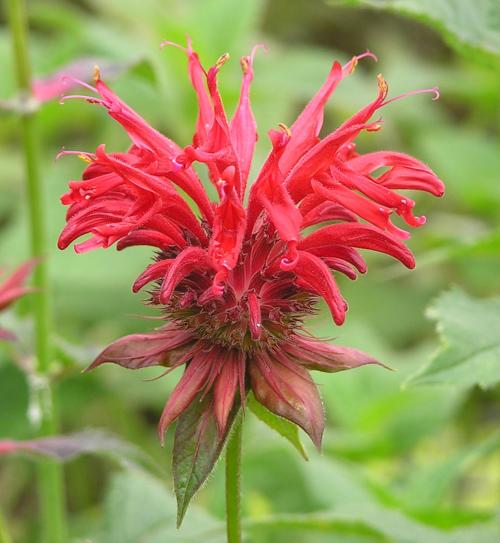
Beebalm
Monarda didyma, Monarda fistulosa
Bee Balm, botanically classified under the genus Monarda within the family Lamiaceae (the mint family), is a spectacular and highly aromatic clump-forming herbaceous perennial. Native to the rich floodplains, moist meadows, woodland margins, and stream banks of eastern North America—ranging from...
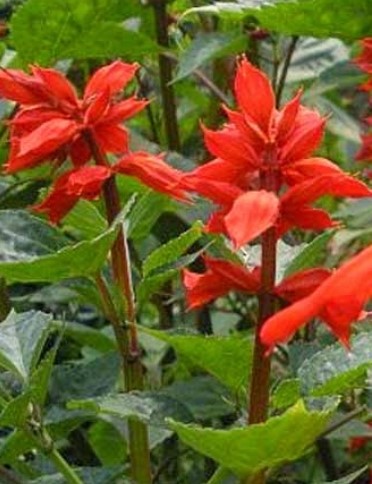
Salvia
Salvia
Salvia, botanically classified under the genus Salvia and commonly known as Sage, is an exceptionally diverse, versatile, and highly valuable plant genus. Belonging to the family Lamiaceae (the mint family, tribe Mentheae), this massive genus comprises nearly 1,000 distinct species distributed ac...
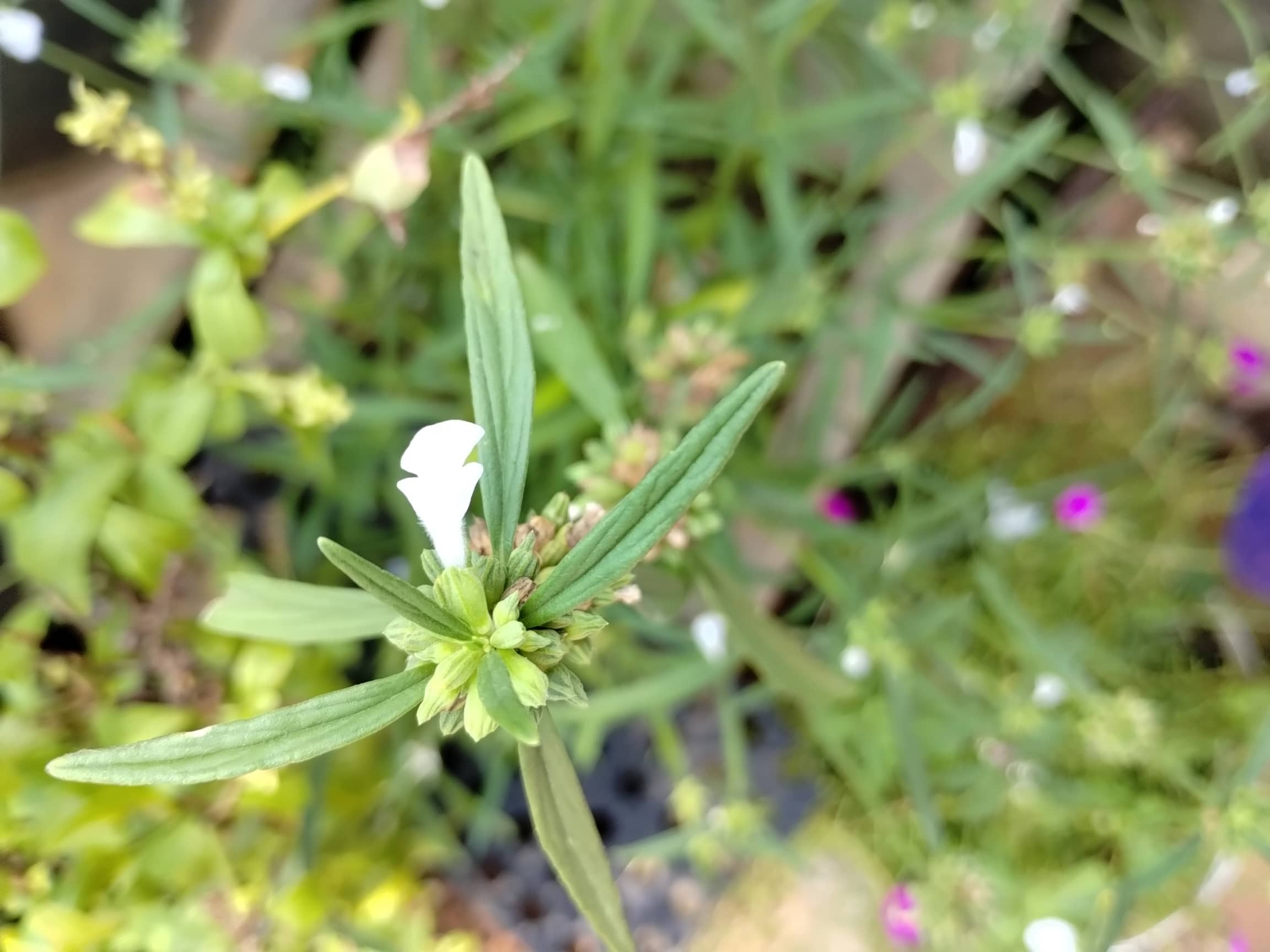
Leucas Aspera
Leucas aspera
Leucas Aspera, botanically classified as Leucas aspera and celebrated in Tamil heritage as Thumbai or in Sanskrit as Dronapushpi, is an exceptionally valuable, resilient, and highly aromatic annual or short-lived perennial herb. Belonging to the family Lamiaceae (the mint family, tribe Leucadeae)...
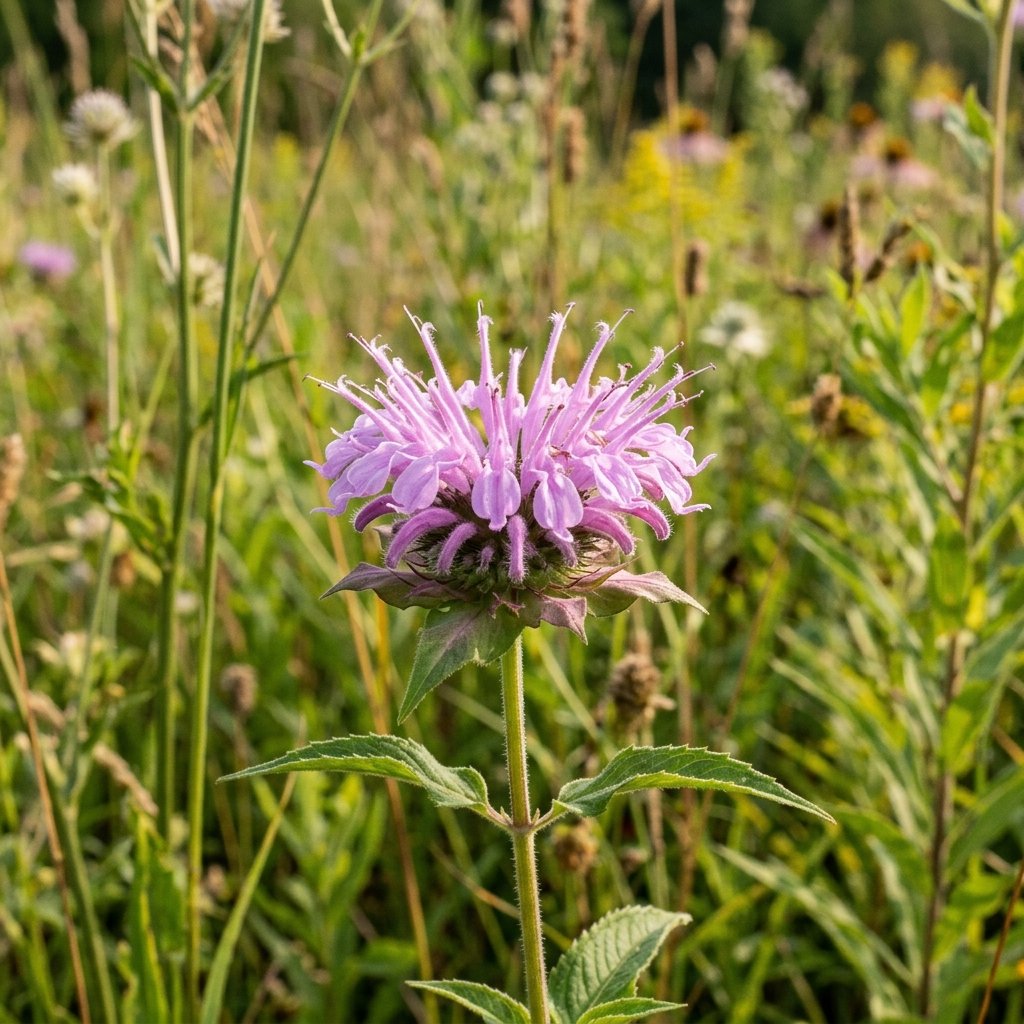
Wild Bergamot
Monarda fistulosa
Wild Bergamot (*Monarda fistulosa*) is one of the most important and widely distributed native wildflowers and medicinal herbs of North America, producing shaggy, globe-shaped heads of tubular lavender to pale pink flowers on sturdy, square stems throughout summer. A member of the mint family (La...
Similar Characteristics
4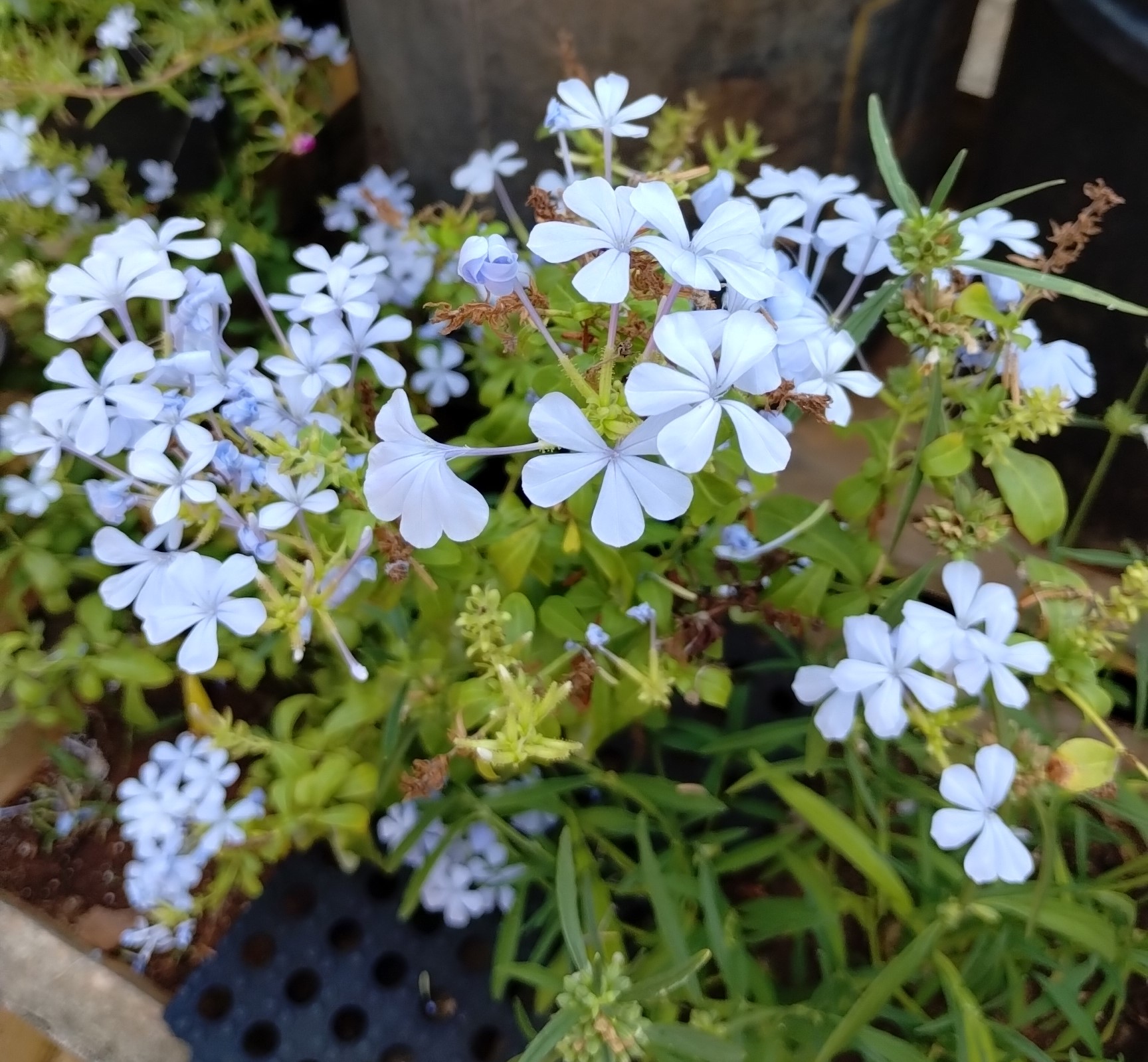
Leadwort
Plumbago auriculata
The Leadwort, botanically designated as Plumbago auriculata and commonly known as the Cape Leadwort, Blue Plumbago, or Sky Flower, is an exceptionally vigorous, sprawling evergreen shrub. Belonging to the family Plumbaginaceae (the leadwort family), this resilient and floriferous plant is native...
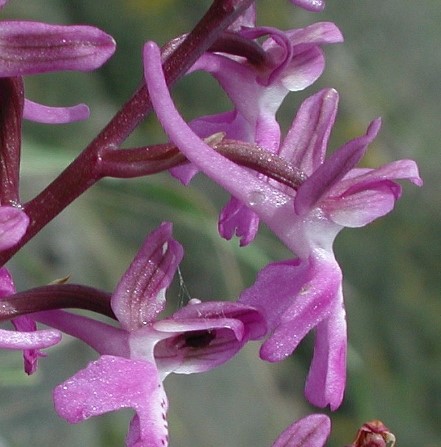
Orchis Orchid
Orchis
The Orchis Orchid, representing the eponymous genus Orchis within the family Orchidaceae, is a group of historically significant terrestrial orchids native to the meadows, grasslands, and light woodlands of Europe, North Africa, and the Mediterranean basin. Unlike common tropical epiphytic orchid...
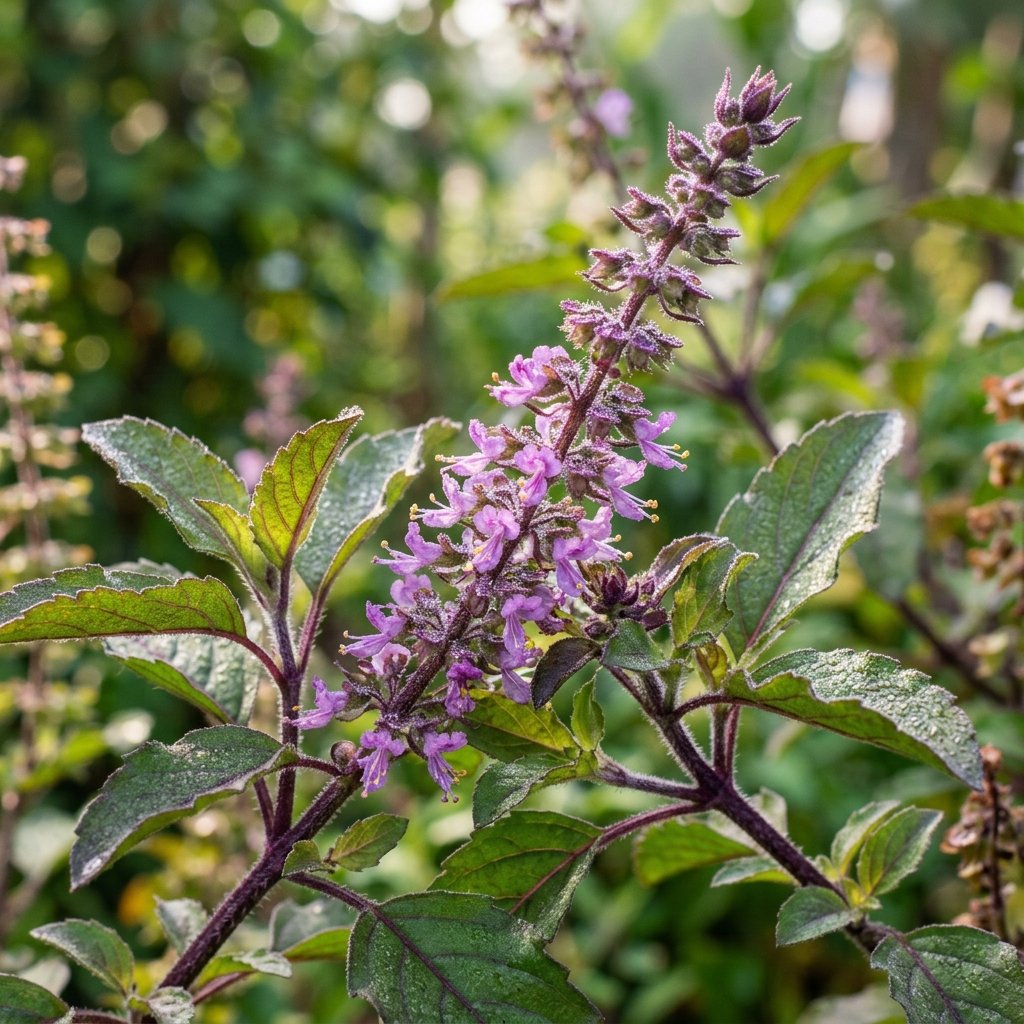
Holy Basil (Tulsi)
Ocimum tenuiflorum
Holy Basil, botanically classified as *Ocimum tenuiflorum* (synonymous with *Ocimum sanctum*) and universally revered throughout India and the Eastern world as Tulsi (the 'Incomparable One'), is a profoundly sacred, highly aromatic, and therapeutically celebrated perennial subshrub. Belonging to...
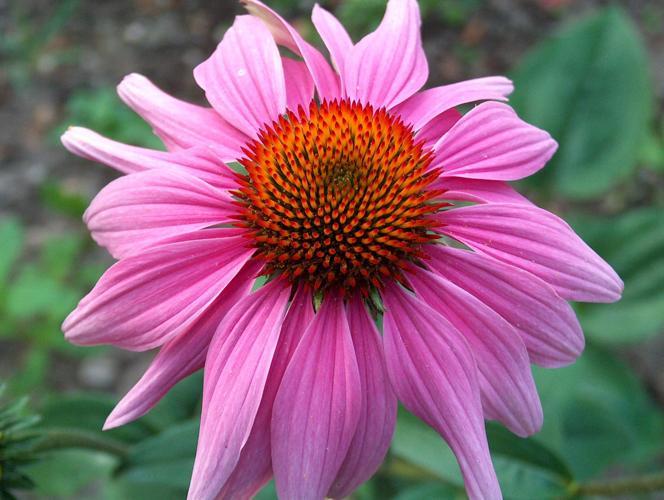
Purple Coneflower (Echinacea)
Echinacea purpurea
The Purple Coneflower (Echinacea purpurea) is a robust, iconic native North American perennial belonging to the Asteraceae family. Found thriving naturally in the prairies, open woods, and dry plains of the central and eastern United States, it has become a global favorite in both ornamental land...