
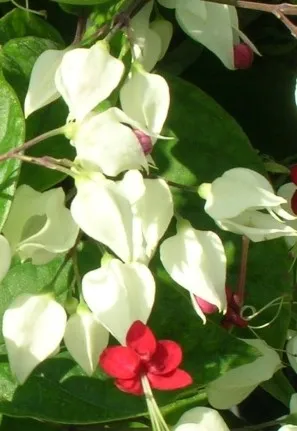
Bleeding Heart Vine
Clerodendrum thomsoniae
How to Identify Bleeding Heart Vine
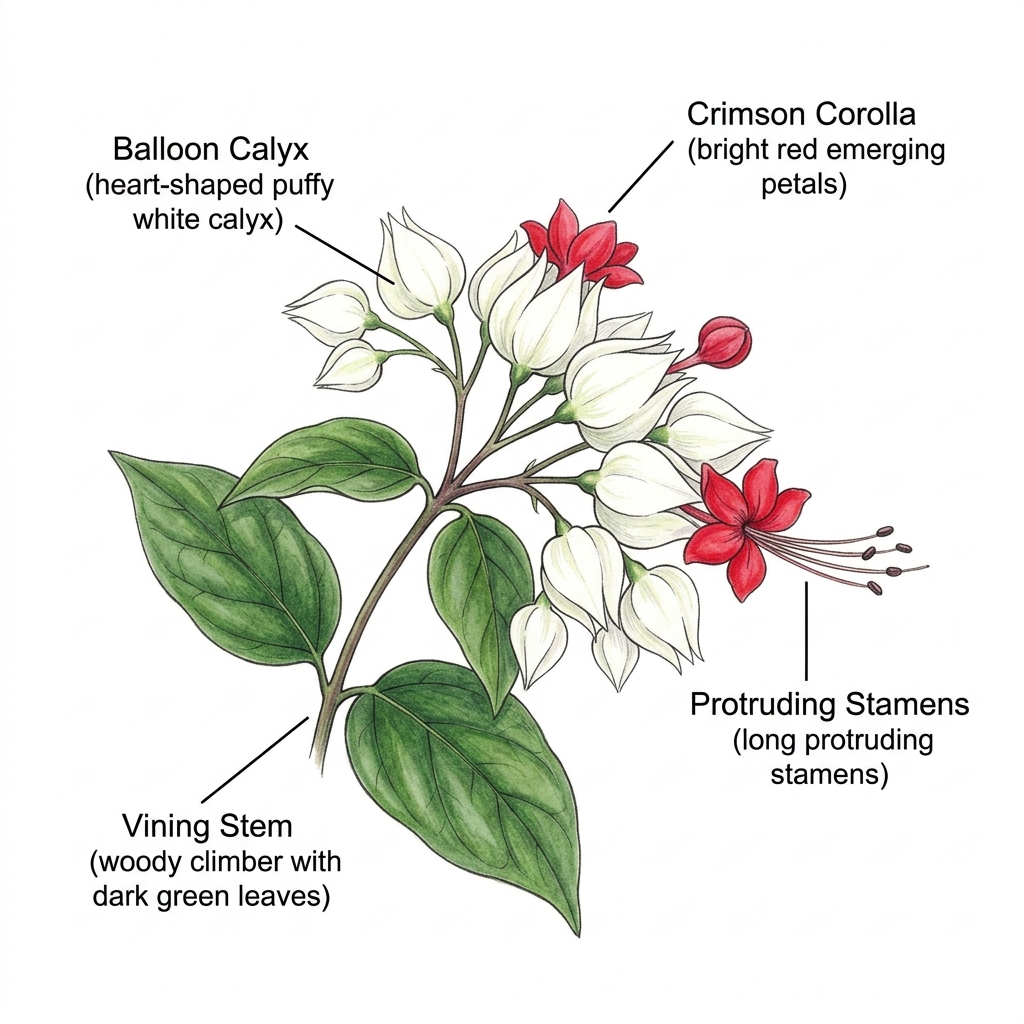
A detailed guide to identifying the Bleeding Heart Vine (Clerodendrum thomsoniae) by its key features:
- Balloon Calyces: Heart-shaped, puffy calyces that start out pure white and mature to a soft lavender-pink.
- Crimson Corolla: Bright red, star-shaped petals emerge from the tip of the white calyx balloon.
- Protruding Stamens: Four long, slender, curved stamens extend well beyond the red petals.
- Woody Vining Habit: Climbing woody stems with opposite, deeply-veined, dark green oval leaves.
Care & Growing Guide
Bleeding Heart Vine Care & Growing Guide:
- Light: Bright indirect light or filtered morning sun. Avoid direct, harsh afternoon sun which burns the leaves.
- Soil: Rich, organic, fertile, moist but sharply well-drained soil. Use a peat-rich potting mix.
- Watering: Keep soil consistently moist during active growth. Reduce watering in winter when growth slows.
- Humidity & Temperature: Needs warm temperatures (above 55°F/13°C) and high humidity. Mist foliage regularly or use a pebble tray.
Seasonal Blooming & Hardiness
Seasonal Blooming Calendar (US Hardiness Zones 9-11 / Indoors):
- Blooming Season: Late spring through autumn (typically May through October).
- Planting Time: Repot or plant in early spring. Propagate using stem cuttings in warm spring weather.
- Winter Dormancy: Bring container plants indoors in autumn before temperatures drop. They may drop leaves in winter.
Bloom Timeline
About Bleeding Heart Vine
The Bleeding Heart Vine, botanically classified as Clerodendrum thomsoniae, is an exceptionally striking, evergreen tropical climbing woody vine belonging to the Lamiaceae (mint) family. Native to the warm, humid, rain-rich forest margins of tropical West Africa (ranging from Cameroon to Senegal), this highly ornamental liana is universally beloved for its spectacular, bicolored flowers. It is highly valued in modern landscape design for its ability to produce rich clusters of contrast-rich, heart-shaped blooms that bring dramatic color to vertical trellises.
Growing as a vigorous climber that reaches lengths of 10 to 15 feet in ideal conditions, Clerodendrum thomsoniae features dark-green, deeply veined, opposite oval leaves that measure 3 to 5 inches in length. From late spring through autumn, the vine produces large, dense terminal clusters of flowers. The blooms are a visual masterpiece of contrast: each flower features a large, puffy, heart-shaped pure white calyx (composed of fused sepals) from which a bright crimson-red corolla of petals emerges, followed by long, sweeping stamens.
The reproductive morphology of the Bleeding Heart Vine is represented by the botanical floral formula % ⚥ K(5) C(5) A4 G(2). This formula indicates that the flower is bilaterally symmetrical (zygomorphic) and bisexual. The prominent white calyx is composed of 5 sepals fused into a five-angled star balloon, while the corolla is composed of 5 petals fused into a tube that flares into 5 rich crimson lobes. The androecium contains 4 highly exerted (protruding) stamens, surrounding a 2-carpellate superior ovary.
Horticulturally, Clerodendrum thomsoniae is a warm-climate tropical beauty that requires bright, indirect sunlight to partial afternoon shade to prevent foliage burn. It demands rich, fertile, moist, organic humus-heavy soils with exceptional drainage, requiring consistent moisture without sitting in stagnant water. It benefits from high relative humidity and regular winter protection, making it an excellent candidate for large container pots that can be brought indoors in cooler USDA zones (hardy to zones 9 through 11).
The genus name Clerodendrum is a classical combination of the Greek words 'kleros,' meaning 'chance' or 'fate,' and 'dendron,' meaning 'tree,' historically referencing the variable medicinal virtues of species in this genus, while the specific epithet thomsoniae honors the wife of William Cooper Thomson, a 19th-century Scottish missionary and physician in Nigeria. Famed on the Indian subcontinent as Kadala Poo (கடல பூ) and in Bengali as Jalāmukhī Latā (জ্বালামুখী লতা), it represents intense passion, dualities, and exotic grace.
For pet owners, it is vital to make a crucial botanical distinction: while the common temperate garden Bleeding Heart plant (Dicentra spectabilis) is highly toxic, the tropical Bleeding Heart Vine (Clerodendrum thomsoniae) is completely NON-TOXIC to cats, dogs, and horses. Chewing on its glossy leaves or star-shaped calyces poses no threat of alkaloid poisoning, making it a highly premium, pet-friendly choice for patio trellises. To learn more about pet safety in tropical garden spaces, please visit our Pet Guard catalog.
Bleeding Heart Vine is occasionally confused with the herbaceous Dicentra or vining Bougainvillea. It is easily distinguished because Clerodendrum thomsoniae features rigid, woody climbing stems with large opposite leaves and distinct white-and-red balloon flowers, whereas Dicentra is a soft, fleshy shade-loving herb with pink nodding hearts. It creates a stunning tropical tapestry when grown beside Passion Flower or climbing Morning Glory. Discover more vining selections in our Flower Identifier.
Floral Formula & Features
Zygomorphic, bisexual, 5 fused sepals forming a heart calyx, 5 fused petals forming a tubular red corolla, 4 protruding stamens, 2 fused carpels with superior ovary
- Scientific Name & Classification: Clerodendrum thomsoniae (Lamiaceae). Widely known as Bleeding Heart Vine, Glory Bower, and Bagflower.
- Identification Markers: Glossy, deeply veined opposite dark-green leaves. Drooping clusters of puffy, heart-shaped white calyces with emerging crimson-red petals.
- Floral Formula (% ⚥ K(5) C(5) A4 G(2)): Zygomorphic, bisexual flowers with 5 fused sepals forming a heart balloon, 5 fused petals, and 4 exerted stamens.
- Growing Requirements: Bright indirect light or partial shade; prefers fertile, consistently moist, well-drained organic humus (Zones 9-11).
- Cultural Significance: Genus name means fate tree in Greek. Epithet honors the wife of Scottish missionary Dr. William Cooper Thomson.
- Safety & Toxicity: NON-TOXIC. Safe for cats and dogs, unlike the unrelated temperate Bleeding Heart (Dicentra), which is highly poisonous.
- Common Look-alikes: Confused with Dicentra spectabilis, but distinguished by being a woody tropical climbing vine with white calyces rather than a low pink herb.
- Internal Links: Looks stunning on modern trellises paired with vining Passion Flower or climbing Morning Glory; search for others in our Flower Identifier.
- Internal Links: Compare key differences in our Bleeding Heart Vine vs Dutchman's Breeches comparison, or try our instant Flower Identifier.
Names in Different Languages
Botanical Classification: Bleeding Heart Vine belongs to the Lamiaceae family. Learn how to identify its floral symmetry, stamen arrangement, and structural formulas in our Botanical Family Classification Guide.
Toxicity & Safety
Frequently Asked Questions
What is Floral Formula?
A floral formula is a symbolic representation of a flower's structure using letters, numbers, and special symbols. It provides a concise way to describe the arrangement and number of floral parts.
This formula describes the flower's symmetry, sepals, petals, stamens, and carpels in a standardized format.
Formula Sequence
- Bract: Br or Ebr
- Bracteole: Brl or Ebrl
- Symmetry: % (Radial) or ⊕ (Bilateral)
- Sex: ♀ (Female), ♂ (Male), or ⚥ (Bisexual)
- Calyx/Sepal: K<number> (Free or Fused)
- Corolla/Petal: C<number> (Free or Fused)
- Androecium: A<number> (Free or Fused)
- Gynaecium: G<number> (Superior or Inferior Ovary)
Symbol Meanings
- Numbers: Indicate quantity of parts
- Parentheses (): Parts are fused together
- Plus (+): Parts in different whorls
- Underline: Superior ovary position
- Overline: Inferior ovary position
- ∞: Numerous parts (too many to count)
Understanding floral formulas helps botanists quickly identify and classify flowers based on their structural characteristics.
Companion Plants & Garden Pairings
3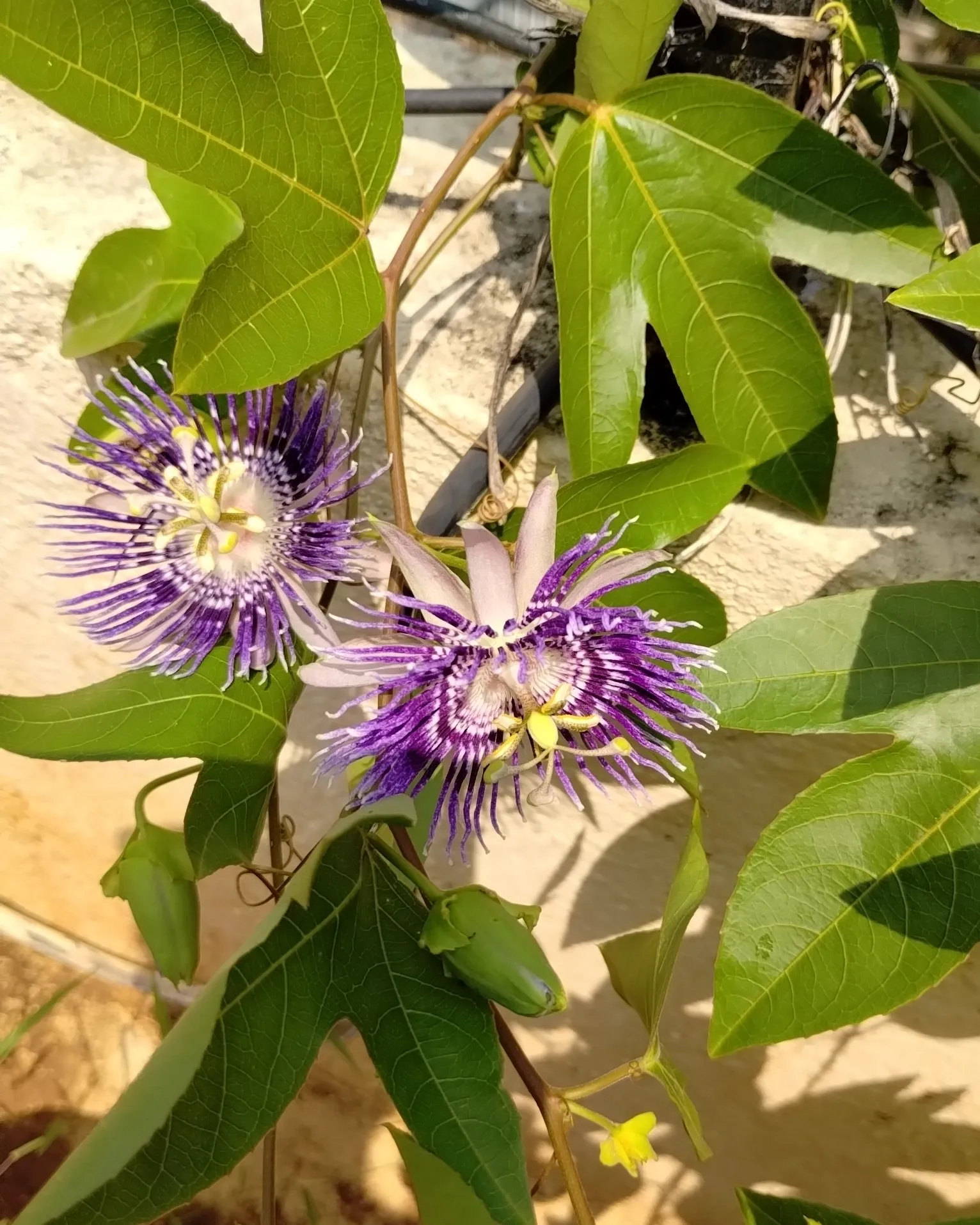
Passion Flower
Passiflora
Shares identical tropical vining habits and humidity requirements, combining exotic complex blooms on shared trellises.
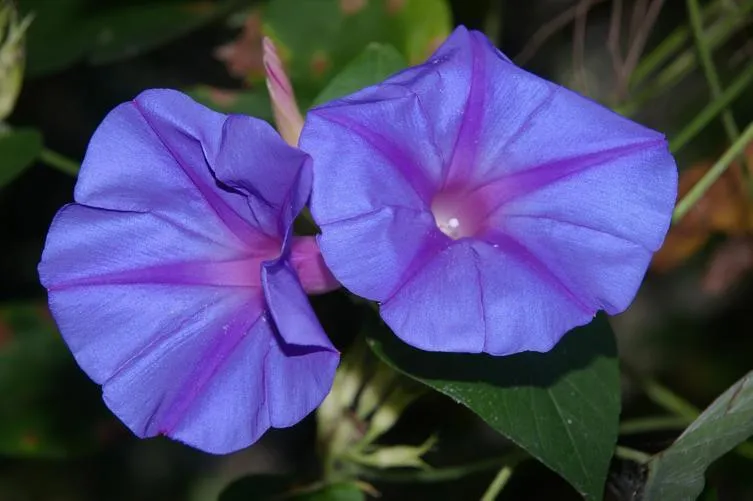
Morning Glory
Ipomoea
A fast-growing annual climber that weaves beautifully through the woody vines, adding soft blue and purple trumpet highlights.
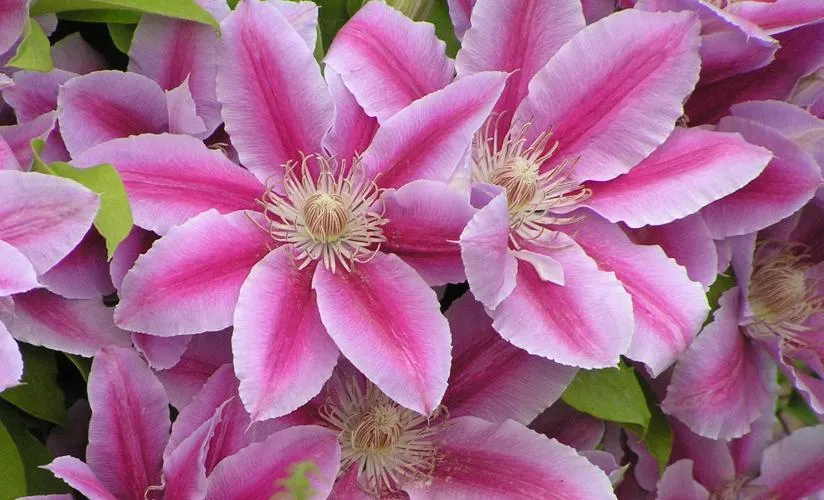
Clematis
Clematis
Offers complementary vertical structure with large, open star-shaped blossoms that offset the delicate white calyces.
Similar Flowers
Discover flowers that share botanical characteristics
Same Family
4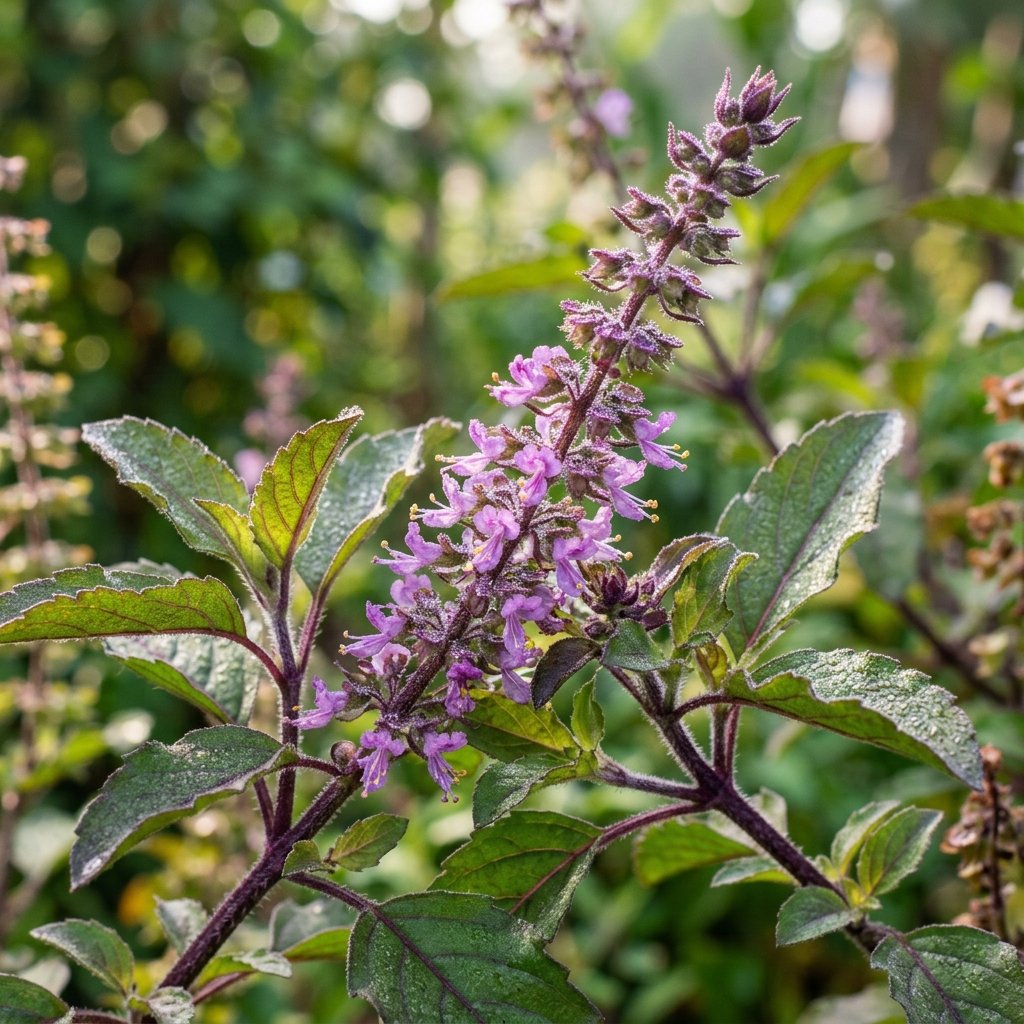
Holy Basil (Tulsi)
Ocimum tenuiflorum
Holy Basil, botanically classified as *Ocimum tenuiflorum* (synonymous with *Ocimum sanctum*) and universally revered throughout India and the Eastern world as Tulsi (the 'Incomparable One'), is a profoundly sacred, highly aromatic, and therapeutically celebrated perennial subshrub. Belonging to...
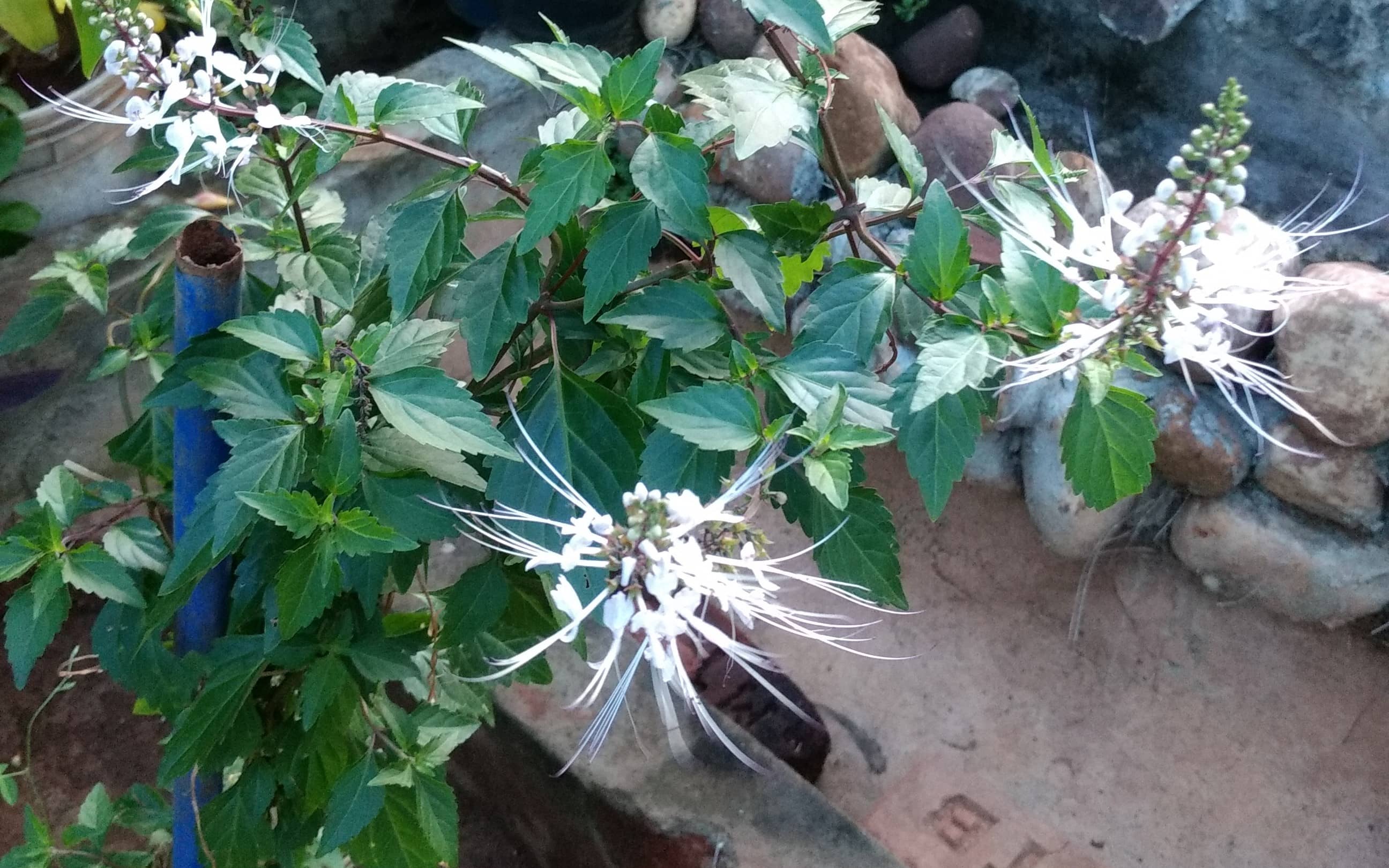
Cat's whiskers
Orthosiphon aristatus
The Cat's Whisker, botanically classified as Orthosiphon aristatus (and often called Orthosiphon stamineus), is an extraordinarily distinctive, fast-growing herbaceous perennial shrub in the Lamiaceae (mint) family. Native to the damp, shaded margins, grassy valleys, and riverbanks of tropical So...
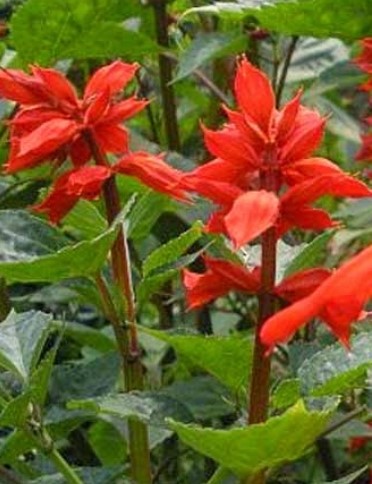
Salvia
Salvia
Salvia, botanically classified under the genus Salvia and commonly known as Sage, is an exceptionally diverse, versatile, and highly valuable plant genus. Belonging to the family Lamiaceae (the mint family, tribe Mentheae), this massive genus comprises nearly 1,000 distinct species distributed ac...
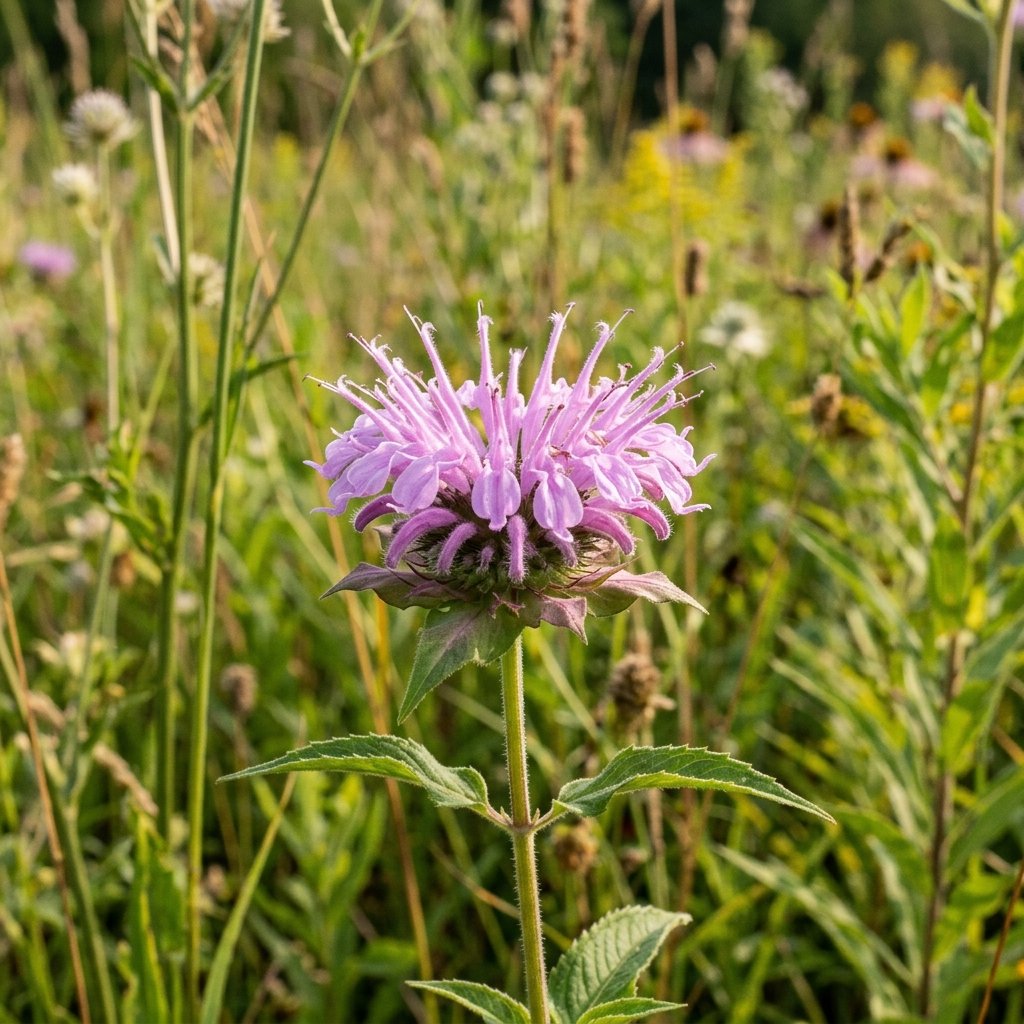
Wild Bergamot
Monarda fistulosa
Wild Bergamot (*Monarda fistulosa*) is one of the most important and widely distributed native wildflowers and medicinal herbs of North America, producing shaggy, globe-shaped heads of tubular lavender to pale pink flowers on sturdy, square stems throughout summer. A member of the mint family (La...