
Salvia
Salvia
How to Identify Salvia
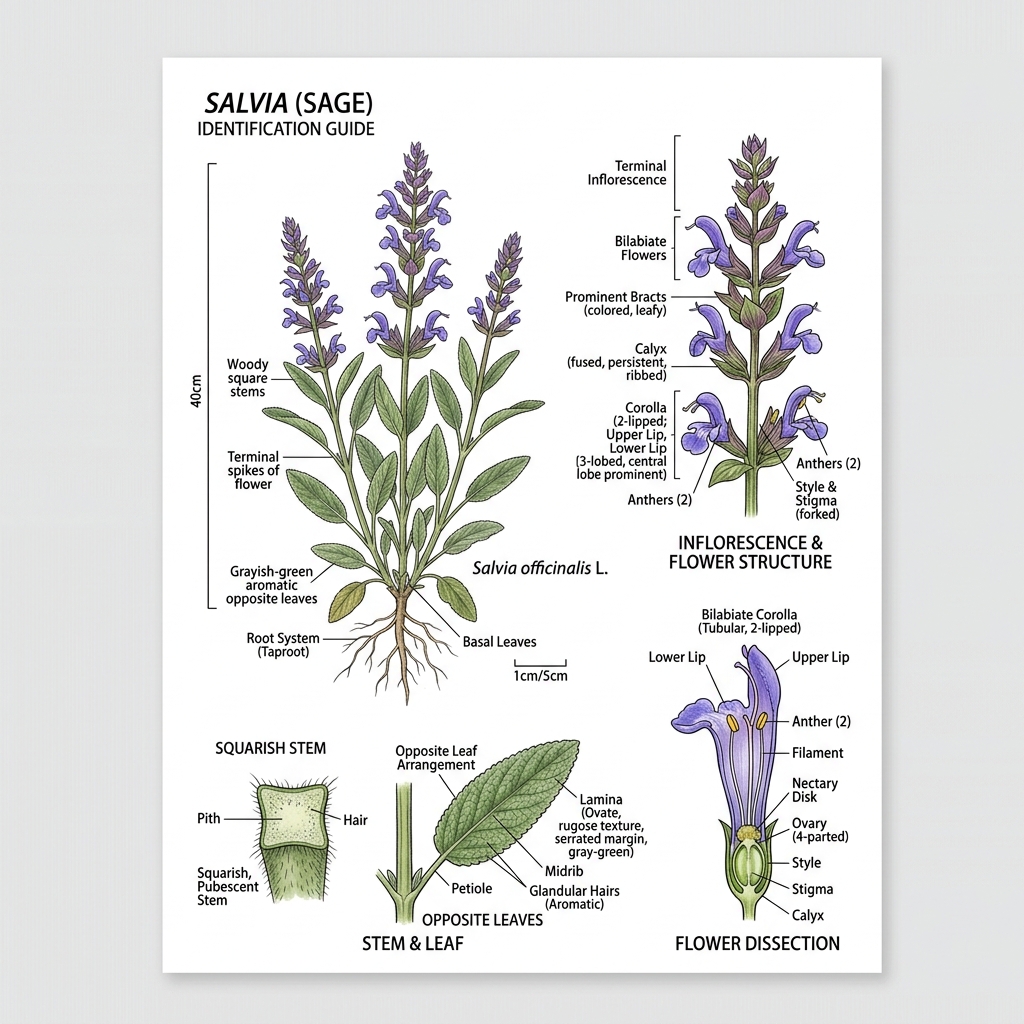
How to identify Salvia (Sage genus):
- Square Stems: Rolling the stem between your fingers reveals 4 distinct flat sides (characteristic of the Lamiaceae family).
- Two-Lipped Spikes (Bilabiate): Upright spikes of tubular flowers with a distinct upper lip and a broader lower lip, sitting inside colored calyces.
- Aromatic Opposite Leaves: Opposite leaves that release a rich, herbal scent when crushed.
- Two Stamens: The flowers contain only 2 stamens, a unique botanical marker within the mint family.
Types of Salvias
Salvias are divided by growth habit and longevity:
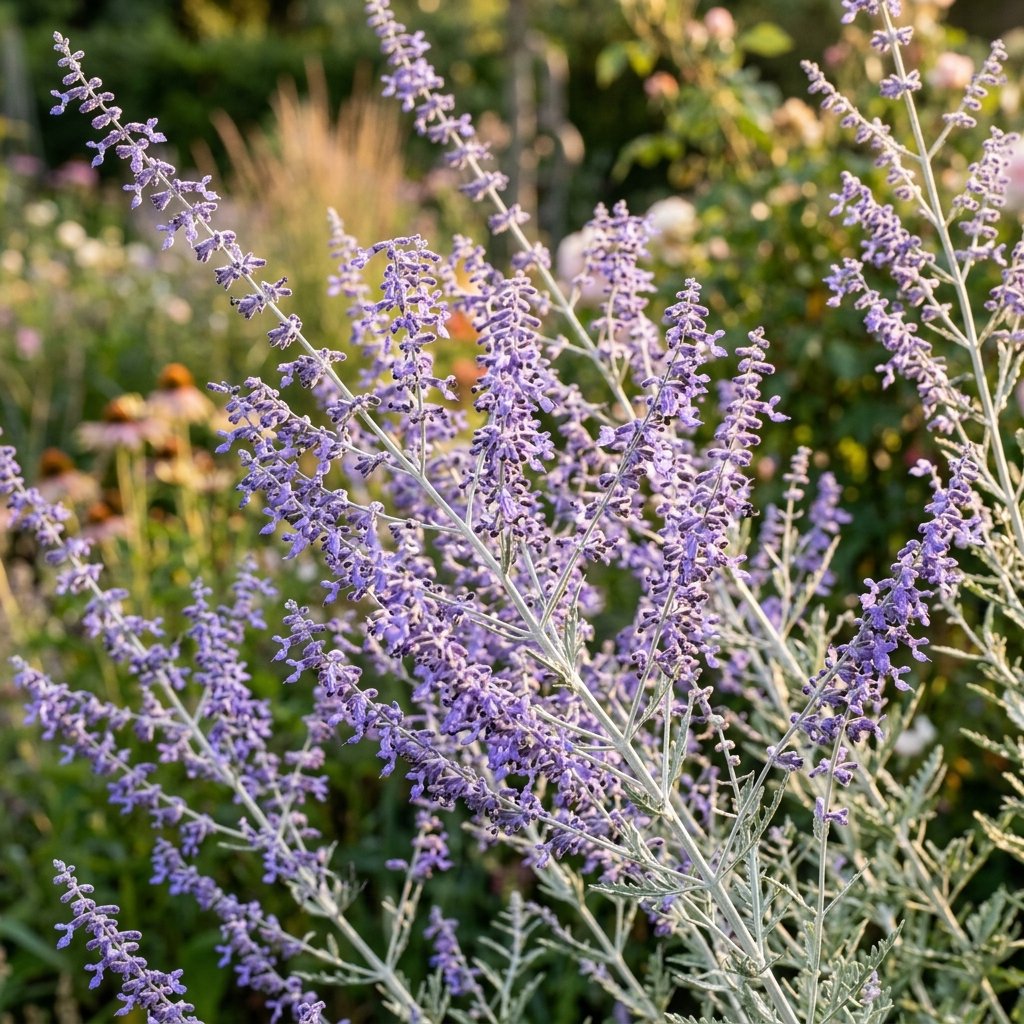
- Herbaceous Perennials (e.g., Salvia nemorosa): Cold-hardy plants that form clumps of purple-blue spikes, die back in winter, and return in spring.
- Woody Shrubs (e.g., Salvia officinalis / Culinary Sage): Evergreen woody shrubs with textured grey-green foliage.
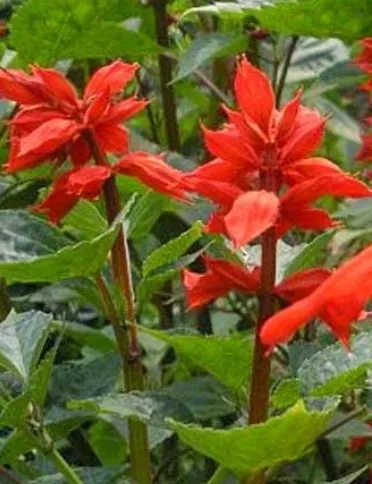
- Annual Salvias (e.g., Salvia splendens / Scarlet Sage): Tender tropical species grown as summer bedding annuals for their neon red/purple spikes.
Care & Growing Guide
Salvia Care & Growing Guide:
- Light: Full, direct sun. Shady spots cause leggy stems and poor flower production.
- Soil: Average, sandy, or gravelly soils. Exceptional drainage is critical; salvias will rot in heavy, clay-rich winter wet soils.
- Watering: Low water needs. Water regularly until established; once mature, they are highly drought-tolerant.
- Pruning: Deadhead spent flower spikes to encourage repeat blooming. Cut herbaceous perennials back to the ground in late winter.
Seasonal Blooming & Hardiness
Seasonal Blooming Calendar (US Hardiness Zones 4-11 depending on species):
- Blooming Season: Late spring through mid-autumn (typically May to October in most US zones).
- Planting Time: Sow seeds or plant transplants in spring after the last frost.
Bloom Timeline
About Salvia
Salvia, botanically classified under the genus Salvia and commonly known as Sage, is an exceptionally diverse, versatile, and highly valuable plant genus. Belonging to the family Lamiaceae (the mint family, tribe Mentheae), this massive genus comprises nearly 1,000 distinct species distributed across temperate and tropical regions worldwide, with three prominent centers of biodiversity: Central and South America, the Mediterranean basin, and eastern Asia.
The genus exhibits an extraordinary range of growth habits, including herbaceous perennials that die back to the ground in winter, semi-woody evergreen subshrubs, and showy tender annuals. Salvias feature the characteristic square-shaped stems of the mint family, carrying opposite pairs of highly textured, lance-shaped, or oval leaves. These leaves contain specialized glandular hairs that release pleasant, aromatic oils when brushed—with scents ranging from classic savory culinary sage to pineapple, peach, and citrus fruits.
Salvia is celebrated globally for its long-lasting, upright spikes carrying dense, whorled clusters of tubular, two-lipped flowers. The blossoms showcase a magnificent spectrum of intense colors, including brilliant scarlet-reds, deep royal purples, electric blues, pastel pinks, and pure whites. Individual flowers possess a highly specialized, lever-like stamen mechanism that swings down to deposit pollen on the backs of visiting bees, butterflies, and hummingbirds.
The zygomorphic reproductive morphology of Salvia is represented by the family-specific floral formula % ⚥ K(5) C(5) A2+2 G(2). This formula states that the flowers are bilaterally symmetrical and bisexual. The calyx is composed of 5 fused sepals forming a two-lipped protective tube, and the corolla has 5 fused petals forming a highly distinct two-lipped structure. The upper lip forms a protective hood over the reproductive organs, while the lower lip serves as a wide landing platform. The androecium contains 4 stamens in 2 unequal pairs, and the gynoecium contains 2 fused carpels with a superior ovary.
The genus name Salvia is derived from the ancient Latin verb 'salvare,' which translates to heal or to save, directly reflecting the legendary medicinal and culinary status of species like Common Sage (Salvia officinalis). Famed in Sanskrit as Salviya (सल्विया) or Sugandhipushpam (सुगन्धिपुष्पम्) and in Hindi as Salvia (साल्विया) or Sej (सेज), it has been revered for thousands of years in European and Asian folk medicine to clear the mind, enhance memory, and treat respiratory or digestive ailments.
For pet owners and veterinarians, Salvia represents an exceptionally safe, low-risk, and pet-safe landscape choice. Standard garden salvias and culinary sage (Salvia officinalis) are classified as completely NON-TOXIC to cats, dogs, and horses by major global animal safety databases, including the ASPCA. If a pet brushes against its fragrant foliage or nibbles on its colorful flower spikes, there is absolutely no danger of chemical poisoning. (Note: One exception is Salvia divinorum, a psychoactive sage, but this is a rare restricted species not found in standard nurseries). To explore more safe aromatic herbs, visit our general Pet Guard page.
Salvia is occasionally confused with lavender, hyssop, or veronica. It is easily distinguished because true Salvia possesses highly distinct two-lipped tubular flowers along square stems and strongly aromatic foliage when crushed, whereas veronica lacks aromatic leaves. It is a premier pollinator magnet; we recommend pairing it in sunny beds beside Bee_balm-horse_mint or Verbena. To explore more sun-loving, drought-tolerant spikes, browse our Flower Identifier.
Floral Formula & Features
Bilaterally symmetrical, bisexual, 5 fused sepals forming calyx, 5 fused petals forming two-lipped corolla, 4 stamens in 2 pairs (didynamous - 2 long, 2 short), 2 fused carpels with superior ovary typical of Lamiaceae
- Scientific Name & Classification: Salvia (Lamiaceae). Globally famed as Sage, Scarlet Sage, Mealy Cup Sage, and Ornamental Sage.
- Identification Markers: Square stems, opposite paired aromatic leaves releasing sage or fruity scents, and upright spikes of tubular, two-lipped flowers in red, blue, purple, pink, or white.
- Floral Formula (% ⚥ K(5) C(5) A2+2 G(2)): Bilaterally symmetrical, bisexual flowers with 5 fused sepals, 5 fused petals forming a hooded upper lip and wide lower landing platform, 4 stamens, and superior ovary.
- Growing Requirements: Full direct sun (6-8 hours daily); average, lean, gravelly, highly well-draining soils. Highly drought, heat, and cold-hardy once established (Zones 4-11).
- Cultural Significance: Name derived from Latin 'salvare' (to heal). Revered in folk medicine for memory enhancement. Essential culinary herb used worldwide in savory dishes.
- Safety & Toxicity: NON-TOXIC. 100% safe for cats, dogs, and horses. Provides a resilient, aromatic, and completely pet-safe choice for landscape beds, borders, and pots.
- Common Look-alikes: Confused with Lavender or Veronica, but easily distinguished by its highly distinct two-lipped tubular blooms, strongly aromatic foliage, and square-edged green stems.
- Internal Links: Attracts clouds of hummingbirds and butterflies when planted in sunny sweeps alongside other tough favorites like Bee_balm-horse_mint or Verbena; find more in our Flower Identifier.
- Internal Links: Compare key differences in our Lavender vs Salvia comparison, or try our instant Flower Identifier.
Names in Different Languages
Botanical Classification: Salvia belongs to the Lamiaceae family. Learn how to identify its floral symmetry, stamen arrangement, and structural formulas in our Botanical Family Classification Guide.
Toxicity & Safety
Frequently Asked Questions
What is Floral Formula?
A floral formula is a symbolic representation of a flower's structure using letters, numbers, and special symbols. It provides a concise way to describe the arrangement and number of floral parts.
This formula describes the flower's symmetry, sepals, petals, stamens, and carpels in a standardized format.
Formula Sequence
- Bract: Br or Ebr
- Bracteole: Brl or Ebrl
- Symmetry: % (Radial) or ⊕ (Bilateral)
- Sex: ♀ (Female), ♂ (Male), or ⚥ (Bisexual)
- Calyx/Sepal: K<number> (Free or Fused)
- Corolla/Petal: C<number> (Free or Fused)
- Androecium: A<number> (Free or Fused)
- Gynaecium: G<number> (Superior or Inferior Ovary)
Symbol Meanings
- Numbers: Indicate quantity of parts
- Parentheses (): Parts are fused together
- Plus (+): Parts in different whorls
- Underline: Superior ovary position
- Overline: Inferior ovary position
- ∞: Numerous parts (too many to count)
Understanding floral formulas helps botanists quickly identify and classify flowers based on their structural characteristics.
Similar Flowers
Discover flowers that share botanical characteristics
Same Family
4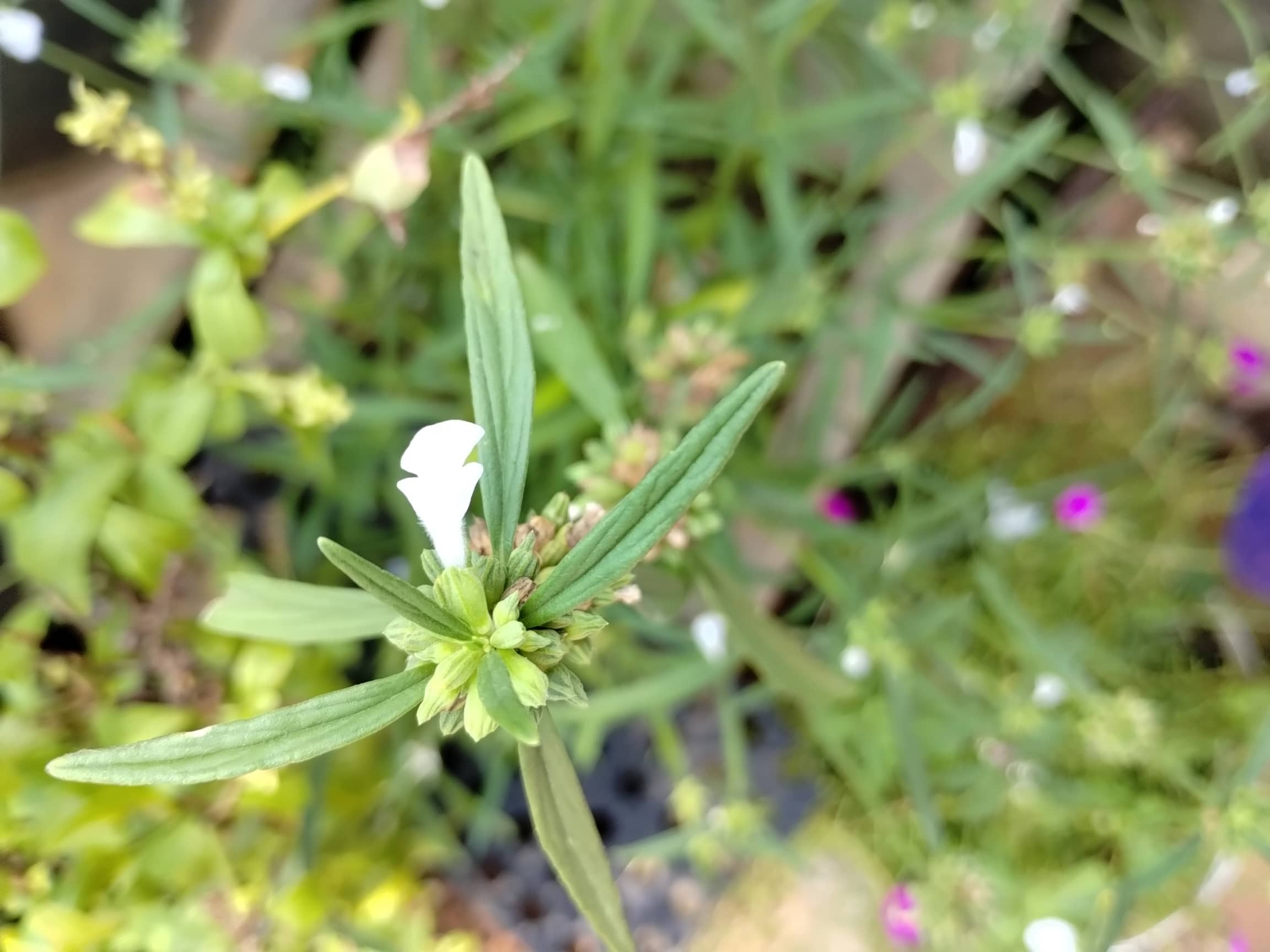
Leucas Aspera
Leucas aspera
Leucas Aspera, botanically classified as Leucas aspera and celebrated in Tamil heritage as Thumbai or in Sanskrit as Dronapushpi, is an exceptionally valuable, resilient, and highly aromatic annual or short-lived perennial herb. Belonging to the family Lamiaceae (the mint family, tribe Leucadeae)...
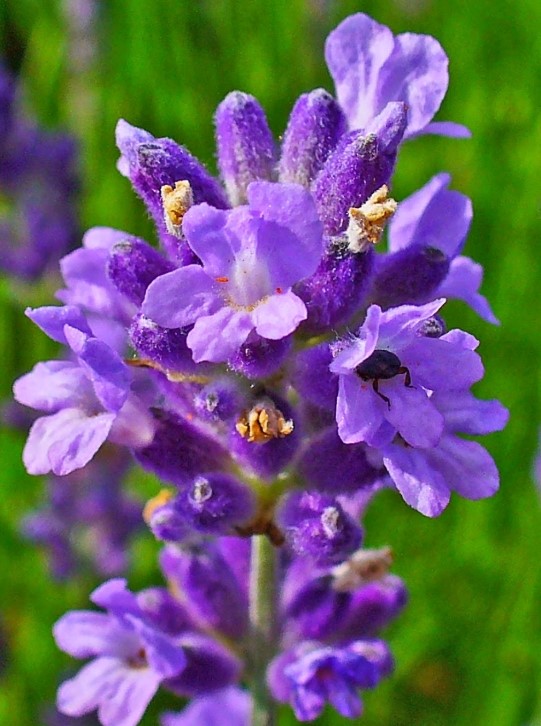
Lavender
Lavandula angustifolia
Lavender, botanically designated under the genus Lavandula and most widely represented by Lavandula angustifolia (English Lavender), is an exceptionally famous, highly aromatic evergreen perennial shrub belonging to the Lamiaceae (mint) family. Native to the sun-baked, rocky limestone hillsides a...
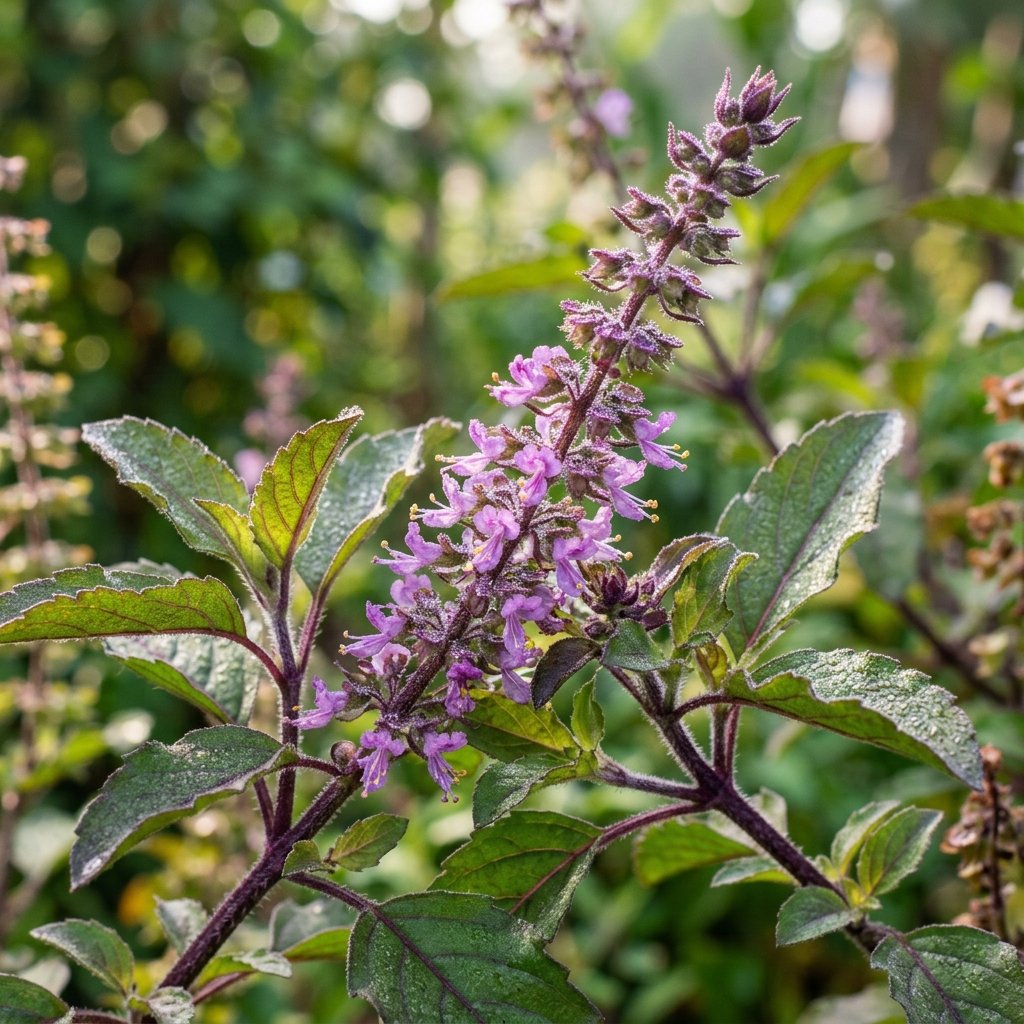
Holy Basil (Tulsi)
Ocimum tenuiflorum
Holy Basil, botanically classified as *Ocimum tenuiflorum* (synonymous with *Ocimum sanctum*) and universally revered throughout India and the Eastern world as Tulsi (the 'Incomparable One'), is a profoundly sacred, highly aromatic, and therapeutically celebrated perennial subshrub. Belonging to...
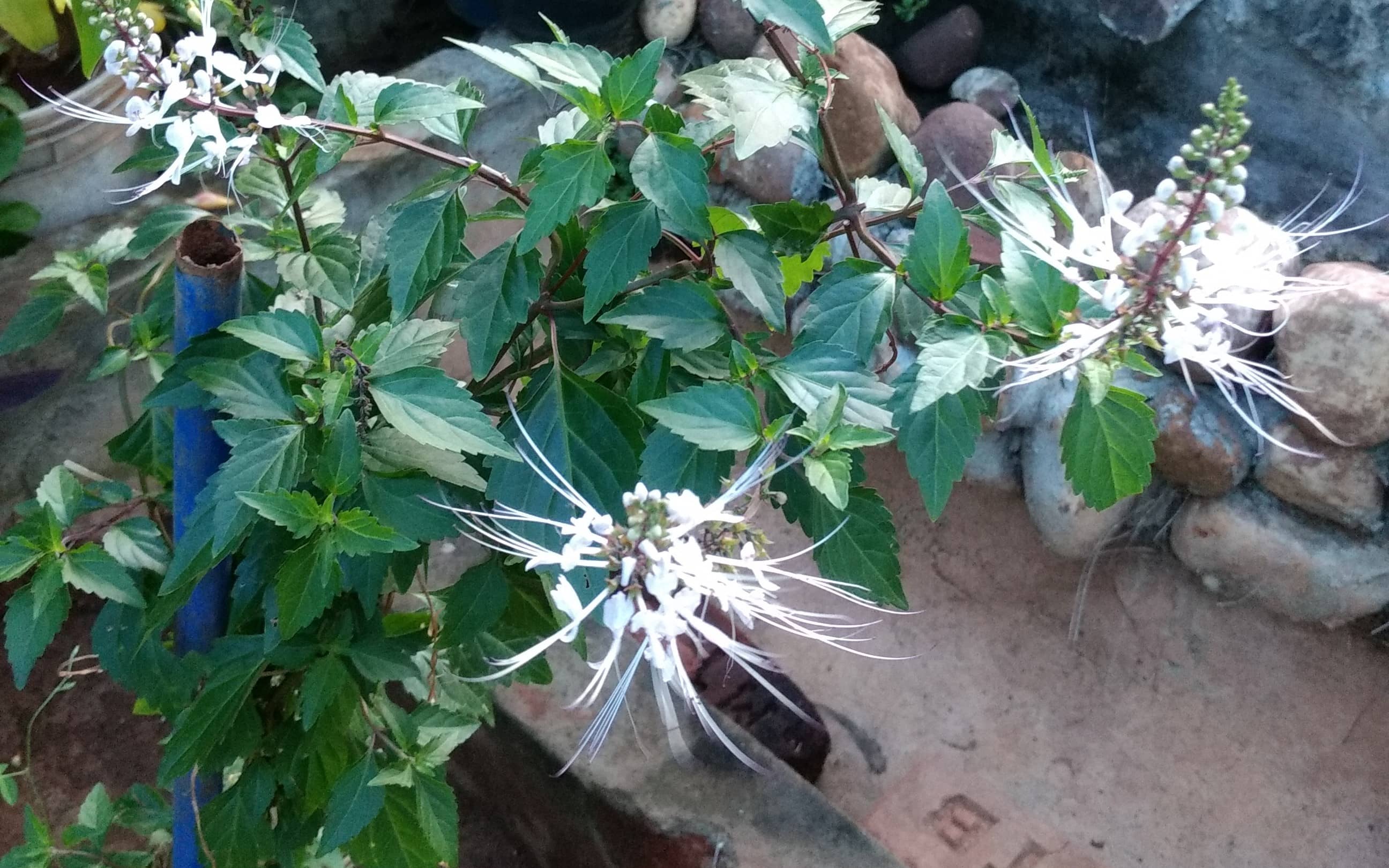
Cat's whiskers
Orthosiphon aristatus
The Cat's Whisker, botanically classified as Orthosiphon aristatus (and often called Orthosiphon stamineus), is an extraordinarily distinctive, fast-growing herbaceous perennial shrub in the Lamiaceae (mint) family. Native to the damp, shaded margins, grassy valleys, and riverbanks of tropical So...
Similar Characteristics
4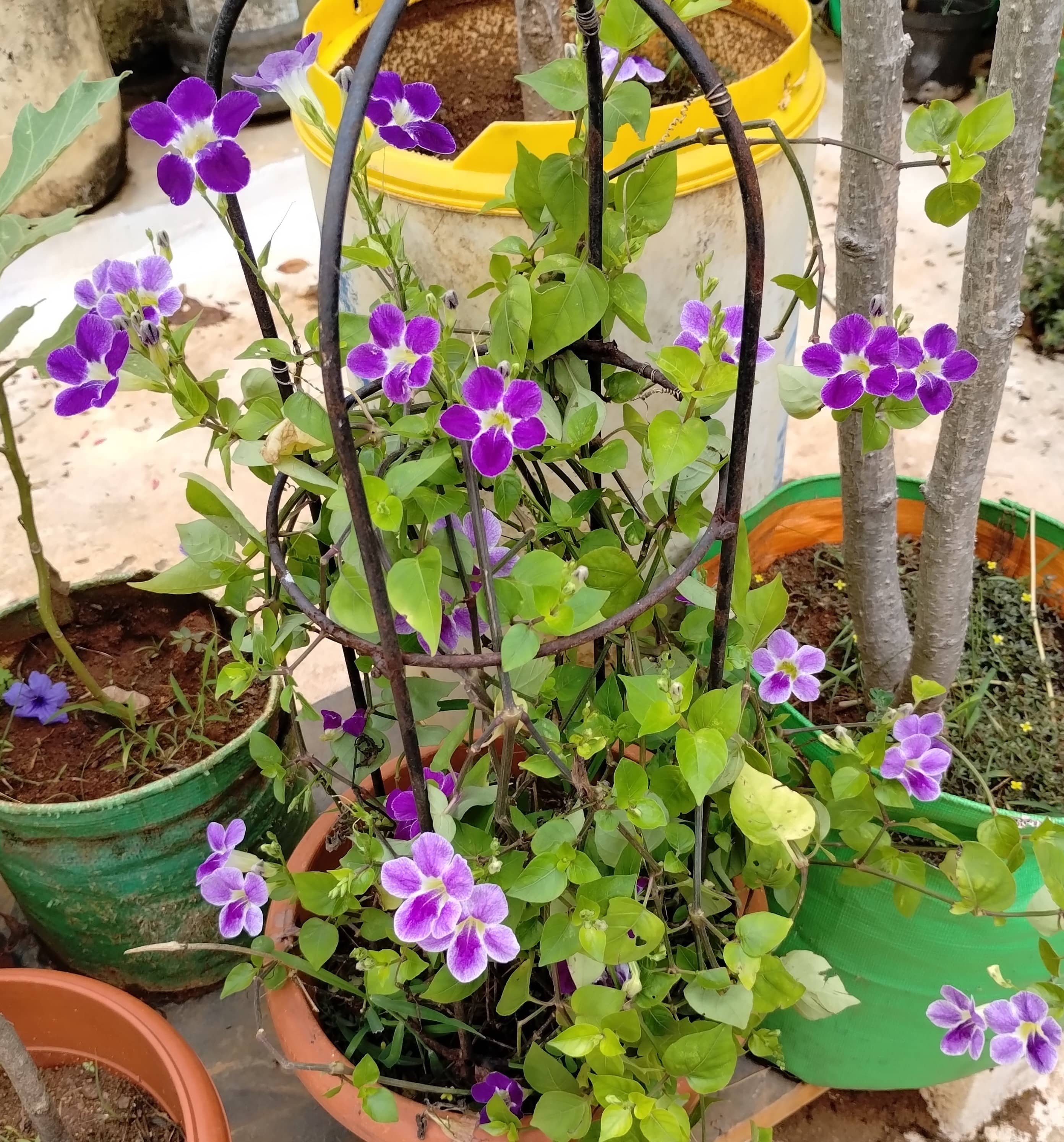
Thunbergia (King's Mantle)
Thunbergia erecta
Thunbergia erecta, popularly known as the "King's Mantle" or "Bush Clock Vine," is a sophisticated and regal tropical shrub that brings a touch of aristocratic elegance to any garden. A member of the Acanthaceae family, this evergreen species is native to the coastal regions of western Africa, fr...
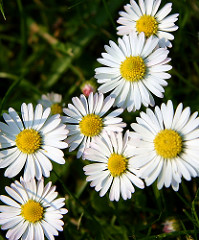
Daisy
Bellis perennis
The Common Daisy, botanically designated as *Bellis perennis* (and including related garden favorites like the English Daisy or Lawn Daisy), is an exceptionally cheerful, highly resilient herbaceous perennial. Belonging to the family Asteraceae (the daisy or sunflower family, tribe Astereae), thi...
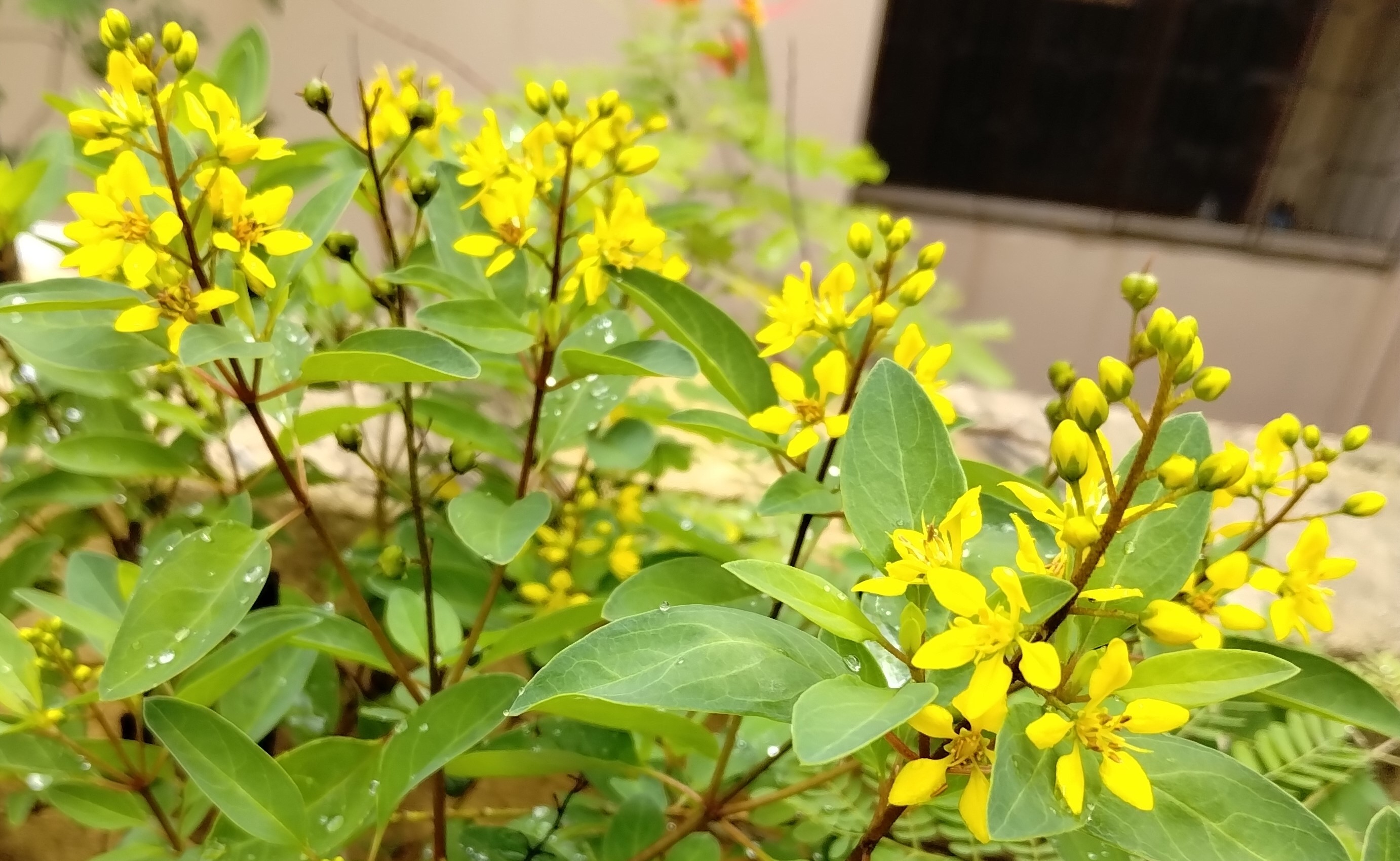
Golden Thryallis
Galphimia gracilis
The Golden Thryallis, botanically designated as *Galphimia gracilis* (previously confused with *Thryallis glauca*, commonly known as Gold Shower, Rain-of-Gold, or Slender Goldshower), is an exceptionally cheerful, fast-growing tropical evergreen shrub. Belonging to the family Malpighiaceae (the a...
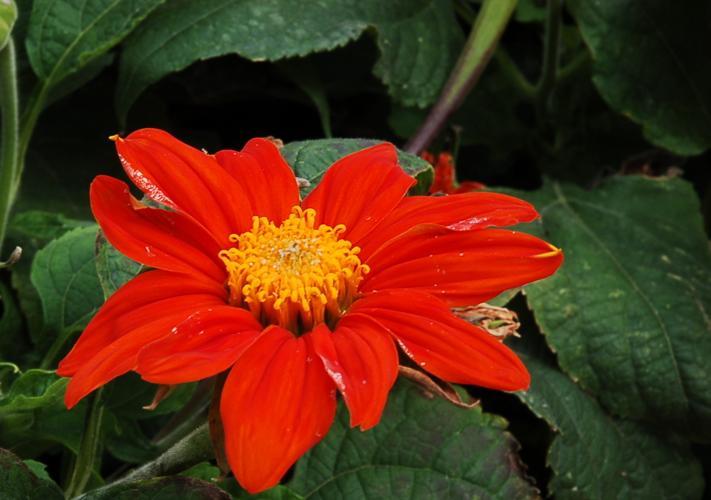
Orange Dahlia
Dahlia × hortensis
The Orange Dahlia, botanically designated under the genus *Dahlia* (particularly hybrids of *Dahlia pinnata*), is an exceptionally spectacular, highly vibrant tuberous perennial. Belonging to the family Asteraceae (the daisy or sunflower family, tribe Coreopsideae), this high-color classic is nat...