
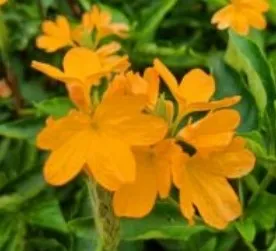
Crossandra Firecracker
Crossandra infundibuliformis
How to Identify Crossandra Firecracker
NON-TOXIC. Safe for dogs and cats, making it a highly reliable pet-safe alternative for glossy-leaved tropical houseplants.
Care & Growing Guide
Seasonal Blooming & Hardiness
Seasonal Blooming Calendar:
- Peak Bloom: Summer (typically June through September).
- Planting Time: Sow seeds directly outdoors in early spring after the last frost, or transplant nursery starts in late spring.
Bloom Timeline
About Crossandra Firecracker
The Firecracker Flower, scientifically known as Crossandra infundibuliformis and popularly called Aboli or Kanakambaram in India, is a beautiful tropical evergreen shrub belonging to the Acanthaceae family. Native to the shady forest understories of southern India and Sri Lanka, particularly the Western Ghats, this warm-climate plant is celebrated for its radiant, asymmetrical blossoms and glossy foliage. It is widely cultivated across tropical regions as a landscape ornamental and globally as a highly desirable indoor houseplant, prized for its ability to produce rich, warm color in shaded conditions.
This compact, bushy shrub typically grows 1 to 3 feet tall and wide, making it highly suitable for container cultivation. It features lustrous, dark green leaves that are ovate to lanceolate with distinctively wavy margins, providing an attractive, rich backdrop for the flowers year-round. The flowers are arranged in upright, terminal spikes featuring overlapping green bracts. Each blossom measures about 1 to 1.5 inches across, showcasing a unique, asymmetrical, fan-shaped corolla with 5 rounded, overlapping lobes. The blooms shine in vivid, luminous shades of apricot-orange, salmon, coral-pink, or golden yellow.
The botanical design of the flower is represented by the floral formula EBr % ⚥ K(5) C(5) A2 G(2). This indicates that the bloom is ebracteate (although supported by overlapping bracts on the spike), zygomorphic (bilaterally symmetrical), and bisexual. It features a calyx of 5 fused sepals, a corolla of 5 fused petals forming a slender funnel-shaped tube that flares into an asymmetrical, fan-shaped limb, 2 fertile stamens (reduced from the 4 typical of Acanthaceae), and a syncarpous gynoecium of 2 fused carpels with a superior ovary.
Crossandra is a tropical warmth-lover, thriving outdoors only in USDA hardiness zones 10 and 11, and requiring protection from temperatures below 55°F. It prefers bright, indirect light or partial shade, as direct, hot sunlight can scorch its leaves, making it one of the few flowering shrubs that blooms reliably in shaded garden beds. It requires rich, loamy, moist but exceptionally well-draining soil and high relative humidity. A major horticultural challenge is susceptibility to root rot in soggy conditions, so watering must be consistent but moderated.
The genus name Crossandra comes from the Greek words for 'fringe' and 'male,' referring to the plant's uniquely fringed anthers, while the common name 'Firecracker Flower' refers to its seed pods, which explode with a sharp cracking sound when exposed to water, scattering seeds. Known as ಕನಕಾಂಬರ (Kanakambara) in Kannada and Kanakambaram in Tamil and Telugu, these flowers have immense cultural value in South India. They are woven with jasmine into traditional hair garlands worn by women and are used as auspicious temple offerings representing prosperity.
For pet-owning families, the Firecracker Flower is a highly recommended addition. It is classified as completely NON-TOXIC to cats and dogs. Its glossy leaves and bright blossoms can be kept inside the home or in low borders without any concern of toxicity to curious pets. This pet-friendly status makes it an excellent choice for replacing toxic indoor plants like peace lilies or amaryllis. To explore more about pet-safe houseplants, check our Pet Guard catalog.
Crossandra is occasionally confused with the Shrimp Plant (Justicia brandegeeana) or certain Ruellia species due to its spiked flowering habit. However, it is easily distinguished by its asymmetrical, 5-lobed flat fan-shaped blossoms, its highly glossy, wavy leaves, and its explosive seed-dispersal mechanism. It makes an elegant companion plant for other tropical shade-lovers; we recommend pairing it with Balsam or Anthurium. To see other members of the Acanthaceae family, visit our Flower Identifier.
Floral Formula & Features
Ebracteate (no bracts, though has overlapping floral bracts), bilaterally symmetrical (zygomorphic), bisexual, 5 fused sepals, 5 fused petals forming funnel with fan-shaped limb, 2 stamens (reduced from typical 4 in Acanthaceae), 2 fused carpels with superior ovary
- Scientific Name & Classification: Crossandra infundibuliformis (Acanthaceae). Commonly known as Firecracker Flower, Aboli, and Kanakambaram.
- Identification Markers: Evergreen shrub with glossy, dark green wavy leaves. Flowers are fan-shaped, 5-lobed, arranged in upright terminal spikes.
- Floral Formula (EBr % ⚥ K(5) C(5) A2 G(2)): Bilaterally symmetrical, bisexual flower. Corolla of 5 fused petals forming funnel with asymmetrical fan limb, and 2 stamens.
- Growing Requirements: Thrives in bright indirect light or dappled shade; requires warm temperatures and high humidity. Sensitive to soggy, poorly-drained soil (Zones 10-11).
- Cultural Significance: Known as Kanakambara in Kannada; symbol of prosperity. Exploding seeds give rise to 'Firecracker' moniker.
- Safety & Toxicity: NON-TOXIC. Safe for dogs and cats, making it a highly reliable pet-safe alternative for glossy-leaved tropical houseplants.
- Common Look-alikes: Often confused with Shrimp Plant, but distinguished by asymmetrical fan-shaped flowers, very glossy wavy foliage, and explosive seed dispersal.
- Internal Links: Pairs beautifully as lower-story shrub beneath Balsam or Anthurium; find more tropical favorites in our Flower Identifier.
Names in Different Languages
Botanical Classification: Crossandra Firecracker belongs to the Acanthaceae family. Learn how to identify its floral symmetry, stamen arrangement, and structural formulas in our Botanical Family Classification Guide.
Toxicity & Safety
Frequently Asked Questions
What is Floral Formula?
A floral formula is a symbolic representation of a flower's structure using letters, numbers, and special symbols. It provides a concise way to describe the arrangement and number of floral parts.
This formula describes the flower's symmetry, sepals, petals, stamens, and carpels in a standardized format.
Formula Sequence
- Bract: Br or Ebr
- Bracteole: Brl or Ebrl
- Symmetry: % (Radial) or ⊕ (Bilateral)
- Sex: ♀ (Female), ♂ (Male), or ⚥ (Bisexual)
- Calyx/Sepal: K<number> (Free or Fused)
- Corolla/Petal: C<number> (Free or Fused)
- Androecium: A<number> (Free or Fused)
- Gynaecium: G<number> (Superior or Inferior Ovary)
Symbol Meanings
- Numbers: Indicate quantity of parts
- Parentheses (): Parts are fused together
- Plus (+): Parts in different whorls
- Underline: Superior ovary position
- Overline: Inferior ovary position
- ∞: Numerous parts (too many to count)
Understanding floral formulas helps botanists quickly identify and classify flowers based on their structural characteristics.
Similar Flowers
Discover flowers that share botanical characteristics
Same Family
4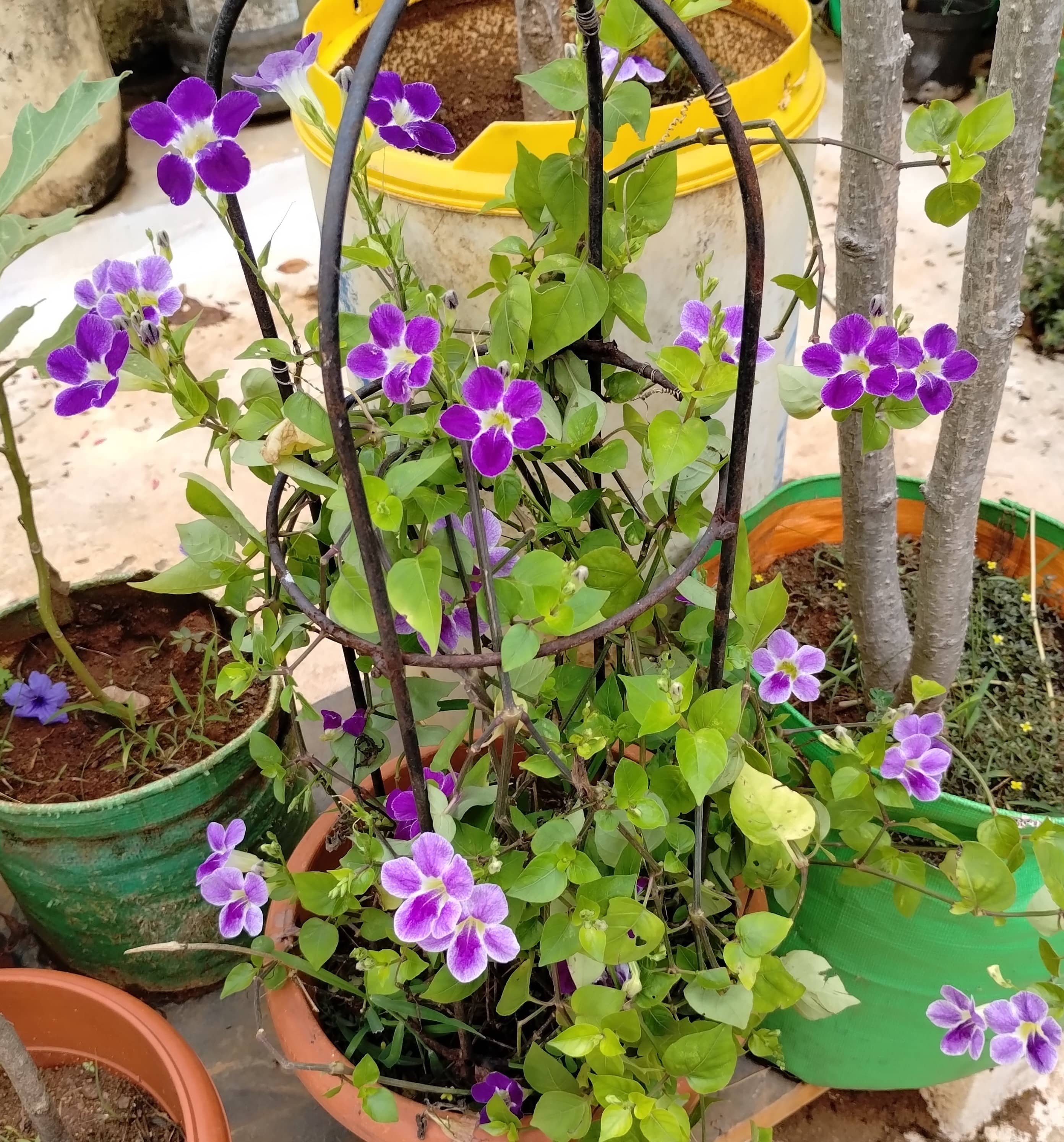
Thunbergia (King's Mantle)
Thunbergia erecta
Thunbergia erecta, popularly known as the "King's Mantle" or "Bush Clock Vine," is a sophisticated and regal tropical shrub that brings a touch of aristocratic elegance to any garden. A member of the Acanthaceae family, this evergreen species is native to the coastal regions of western Africa, fr...
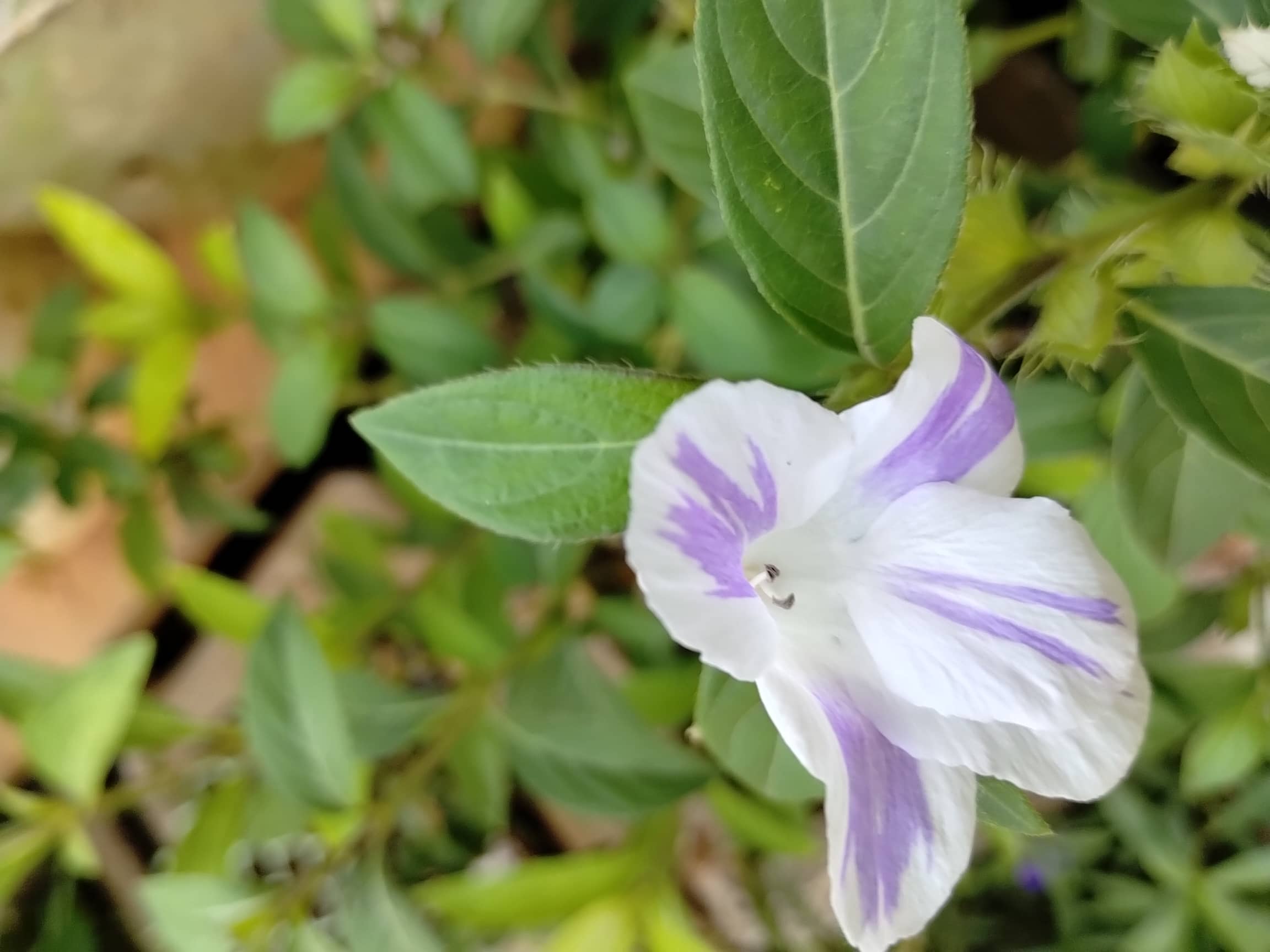
December
Barleria Cristata, Barleria prionitis
The December Flower, botanically classified under the genus Barleria within the family Acanthaceae (the acanthus family), is a highly attractive, fast-growing evergreen tropical shrub. Native to the sunny forest edges, dry riverbanks, and open scrublands of tropical Asia—spanning India, Myanmar,...
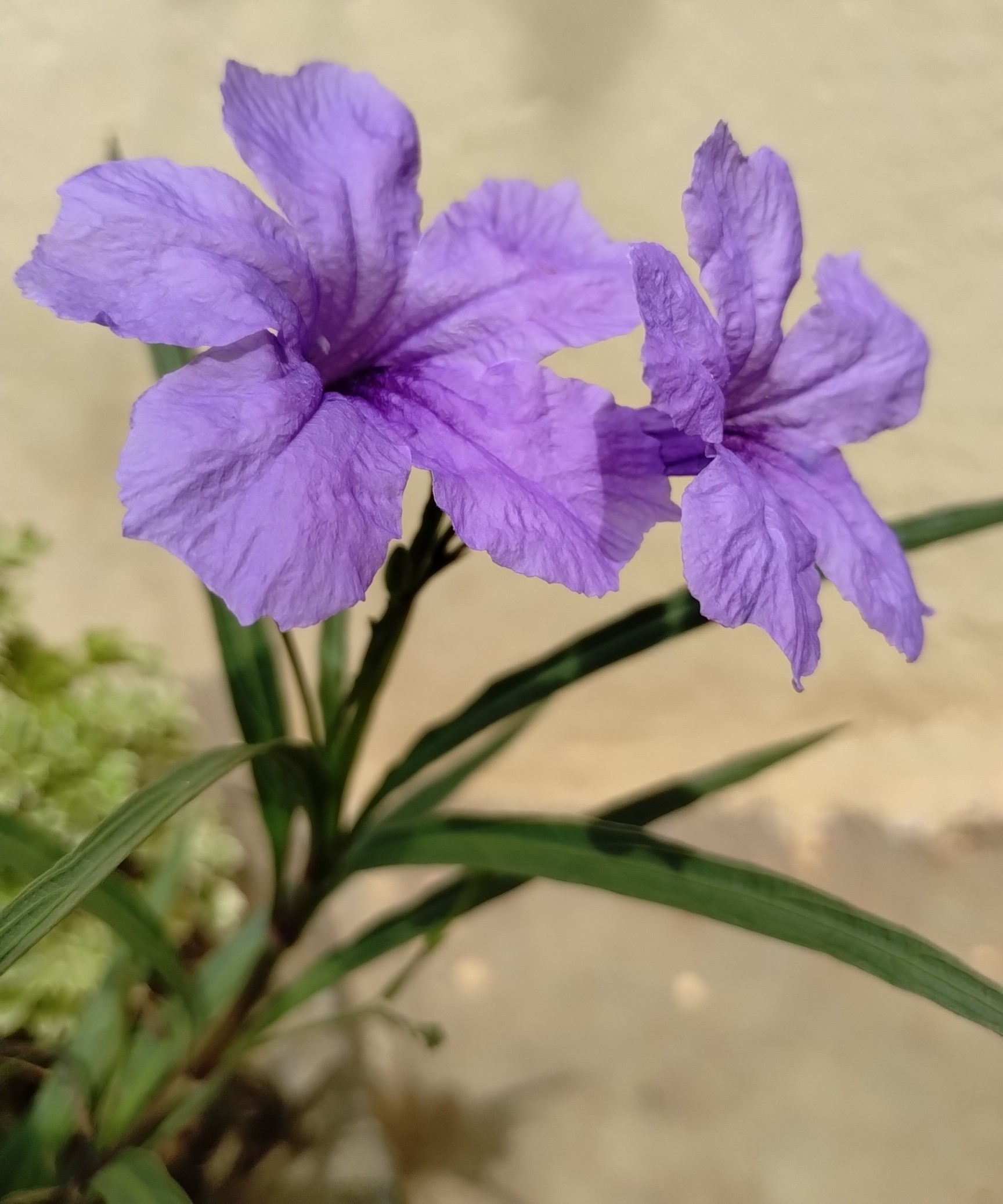
Mexican Petunia
Ruellia simplex
The Mexican Petunia, botanically classified as Ruellia simplex (and historically referred to as Ruellia brittoniana), is an exceptionally vigorous, upright herbaceous perennial belonging to the Acanthaceae (acanthus) family. Native to the warm, moisture-rich woodlands, riverbanks, and wet meadows...
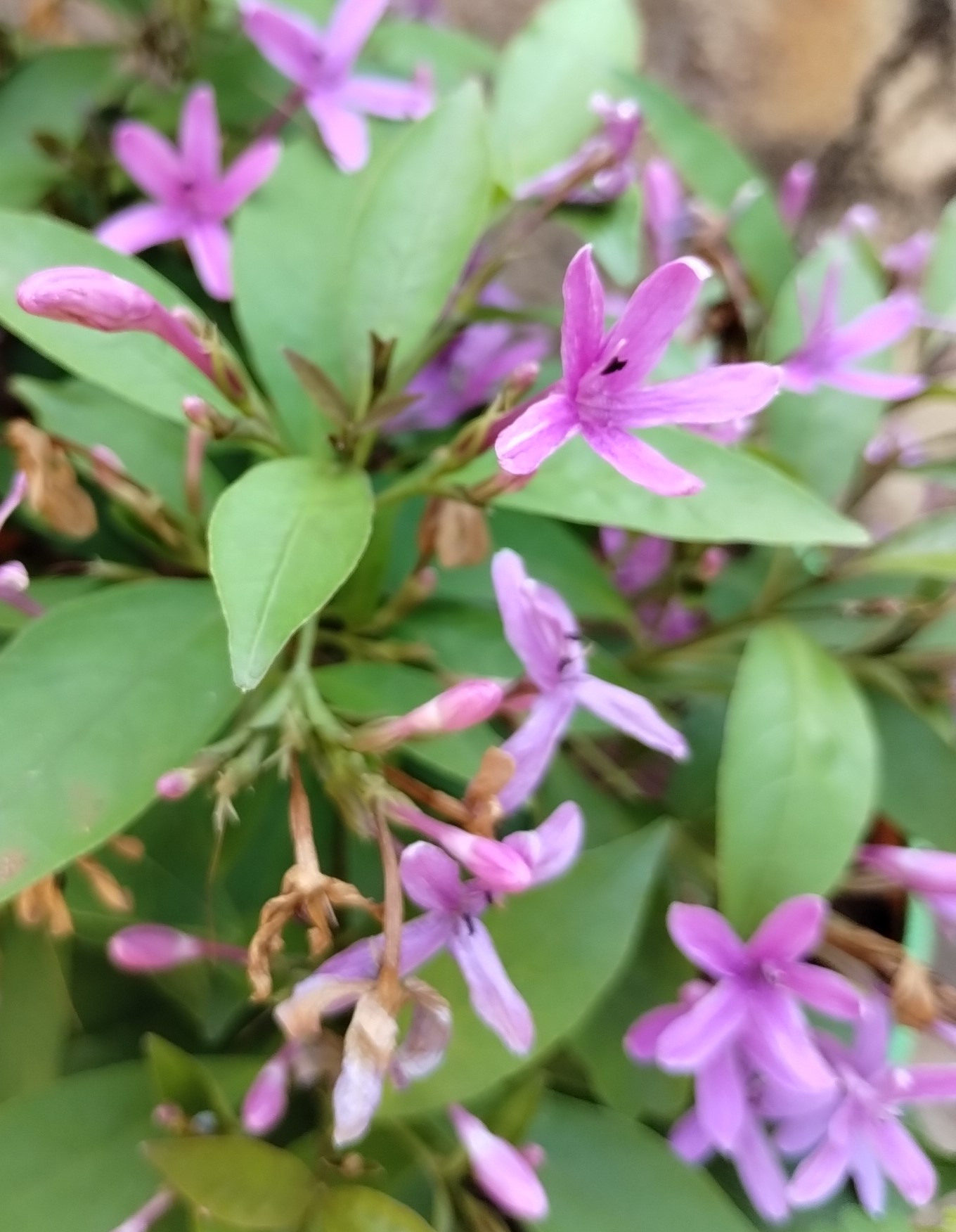
Pseuderanthemum
Pseuderanthemum
Pseuderanthemum, a highly diverse genus within the Acanthaceae family, encompasses a variety of stunning tropical shrubs and subshrubs native to the dense rainforests of Polynesia, Melanesia, and parts of Asia. Unlike many tropicals, they are predominantly cultivated globally for their spectacula...
Similar Characteristics
4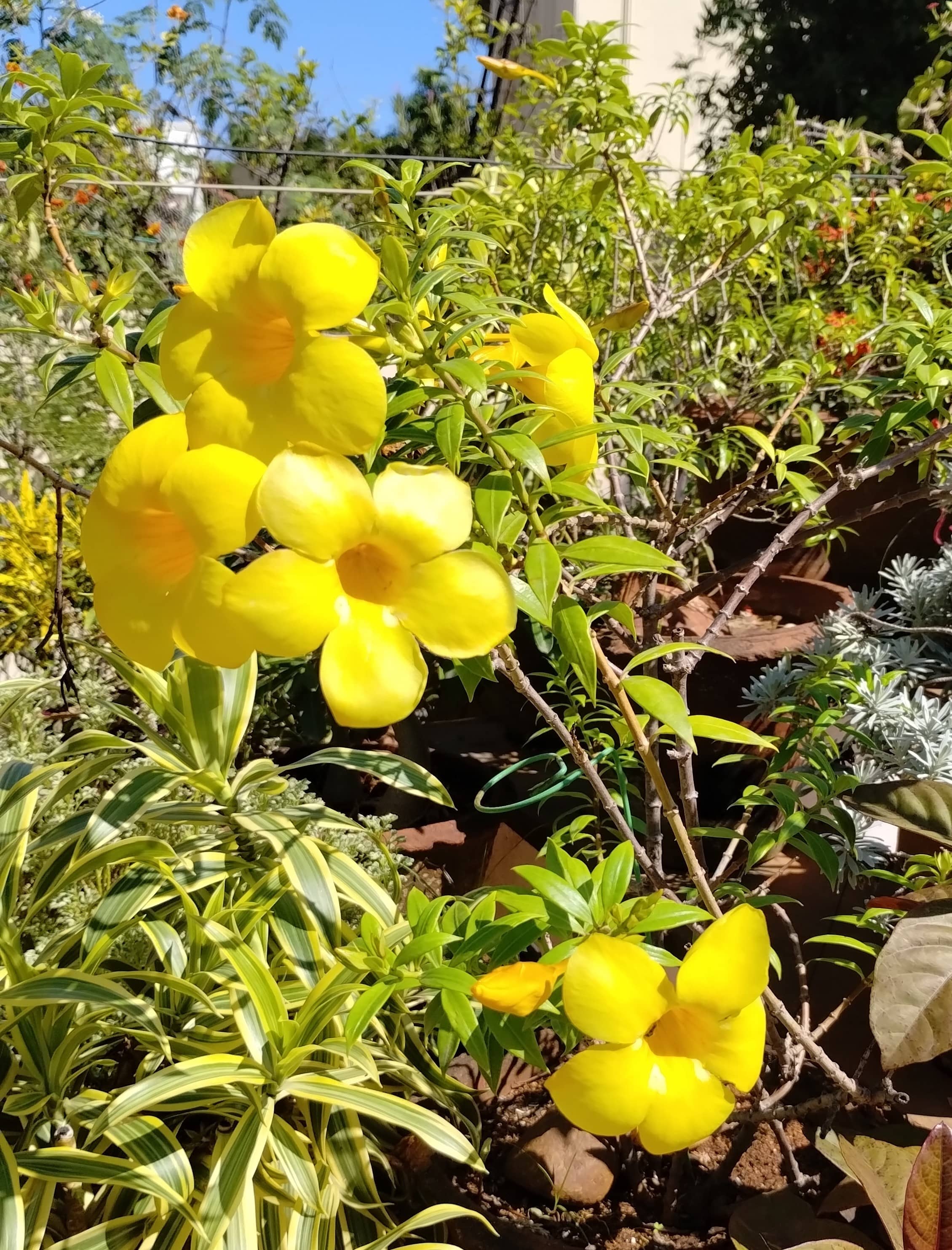
Allamanda
Allamanda cathartica
The Allamanda, botanically designated as Allamanda cathartica and commonly known as the Golden Trumpet, Common Trumpet Vine, or Yellow Bell, is a spectacular tropical evergreen perennial. Belonging to the family Apocynaceae (the dogbane family), this vigorous climbing vine or sprawling shrub is n...
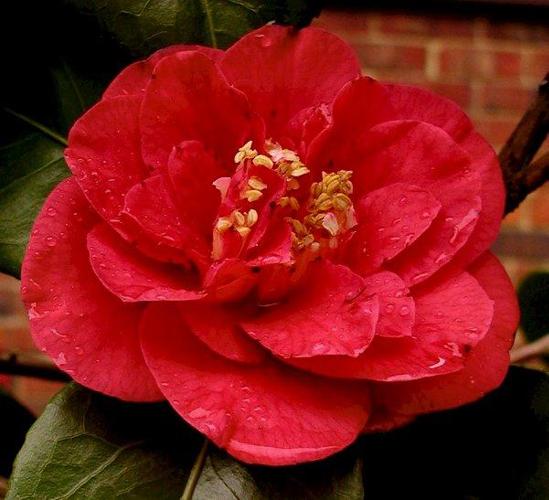
Camellia
Camellia japonica
The Camellia, botanically designated under the genus Camellia and belonging to the family Theaceae (the tea family, tribe Theeae), is an exceptionally elegant, long-lived, and slow-growing evergreen shrub or small tree. Native to the cool, humus-rich woodland understories, shaded mountain slopes,...
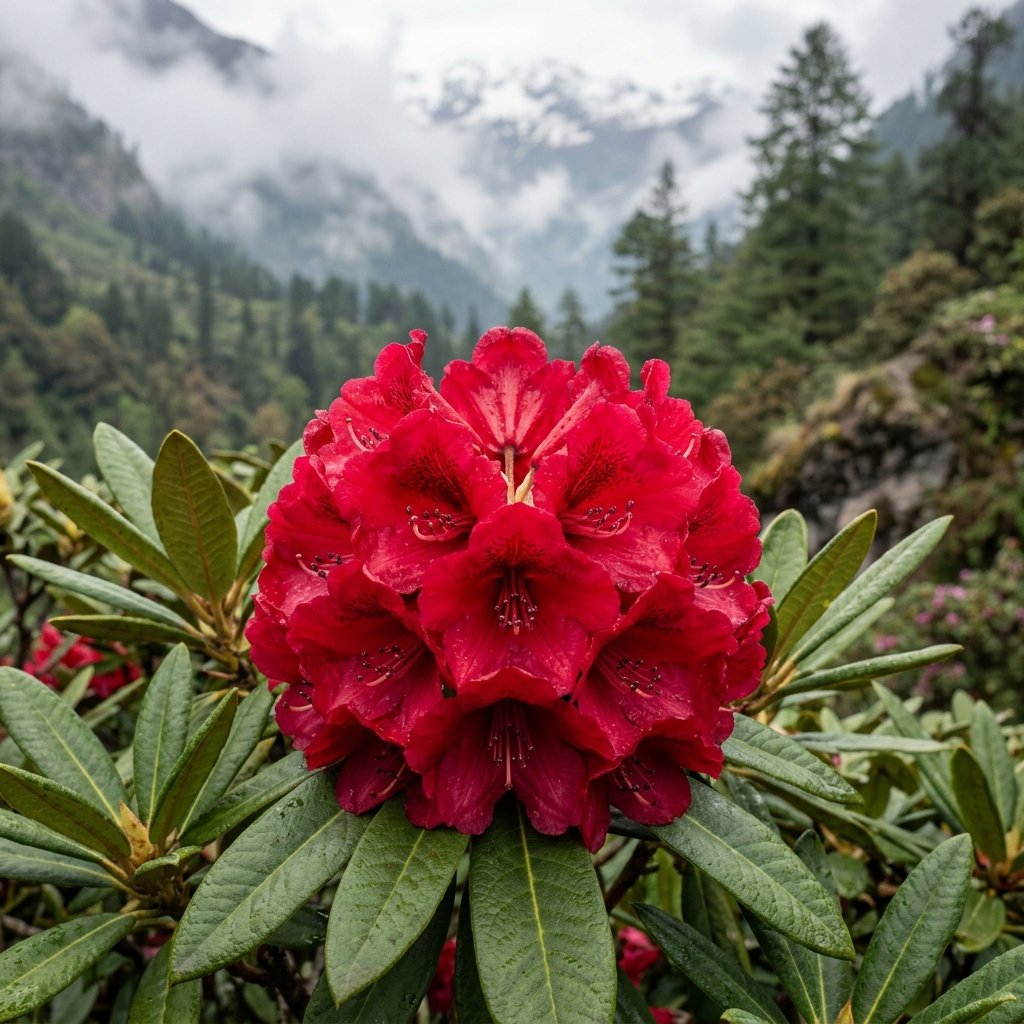
Rhododendron (Burans)
Rhododendron arboreum
Rhododendron, botanically classified within the grand genus *Rhododendron* (exemplified by the majestic tree species *Rhododendron arboreum*) and celebrated across the Himalayas as Burans or the Rose Tree, is an exceptionally magnificent, woody evergreen flowering tree or large shrub. Belonging t...
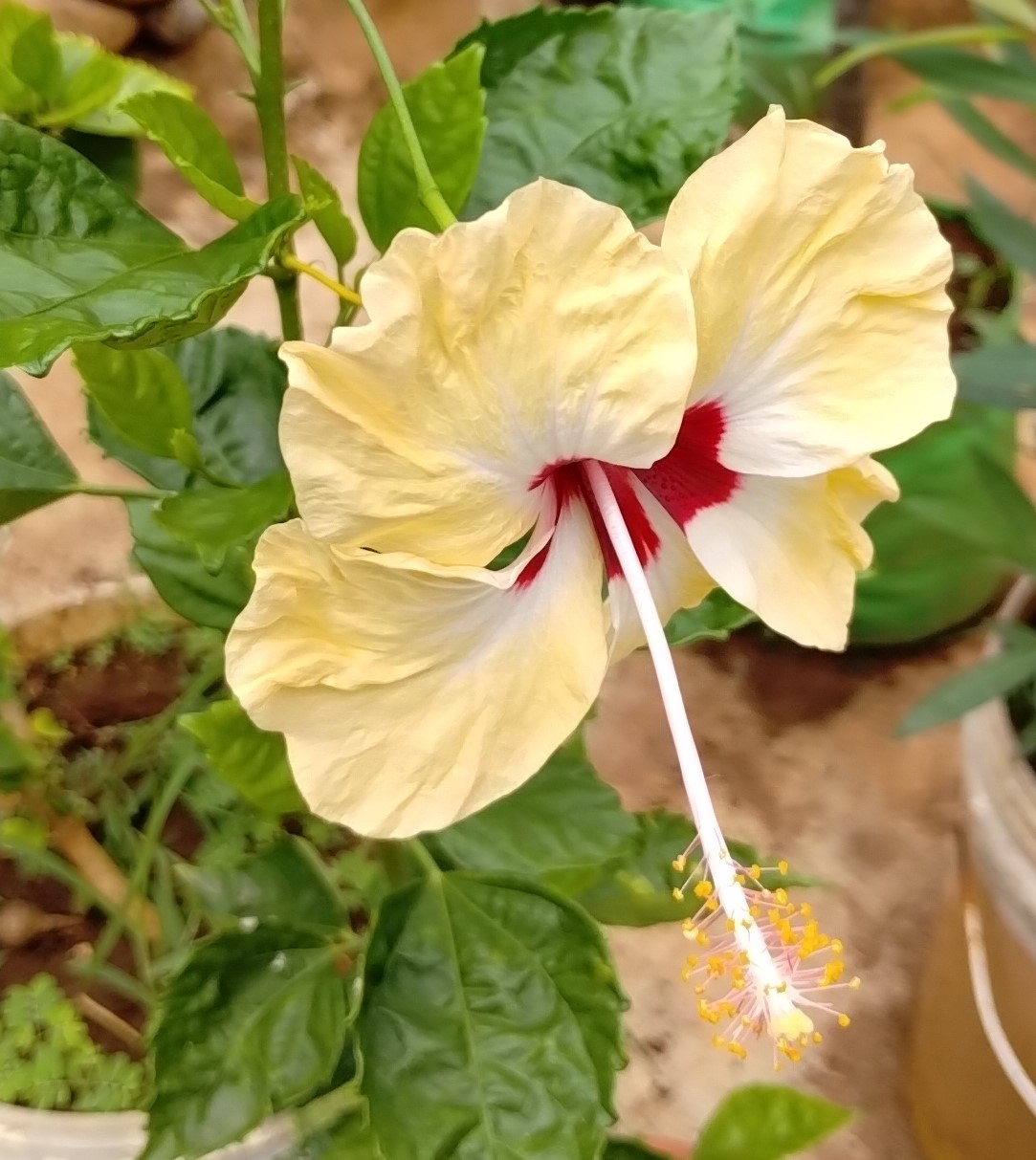
Hibiscus
Hibiscus rosa-sinensis
The Hibiscus, botanically classified as Hibiscus rosa-sinensis and popularly known as the Chinese Hibiscus, China Rose, or Shoe Flower, is a spectacular evergreen flowering shrub belonging to the Malvaceae (mallow) family. Believed to have originated in the warm, humid tropical regions of East As...