
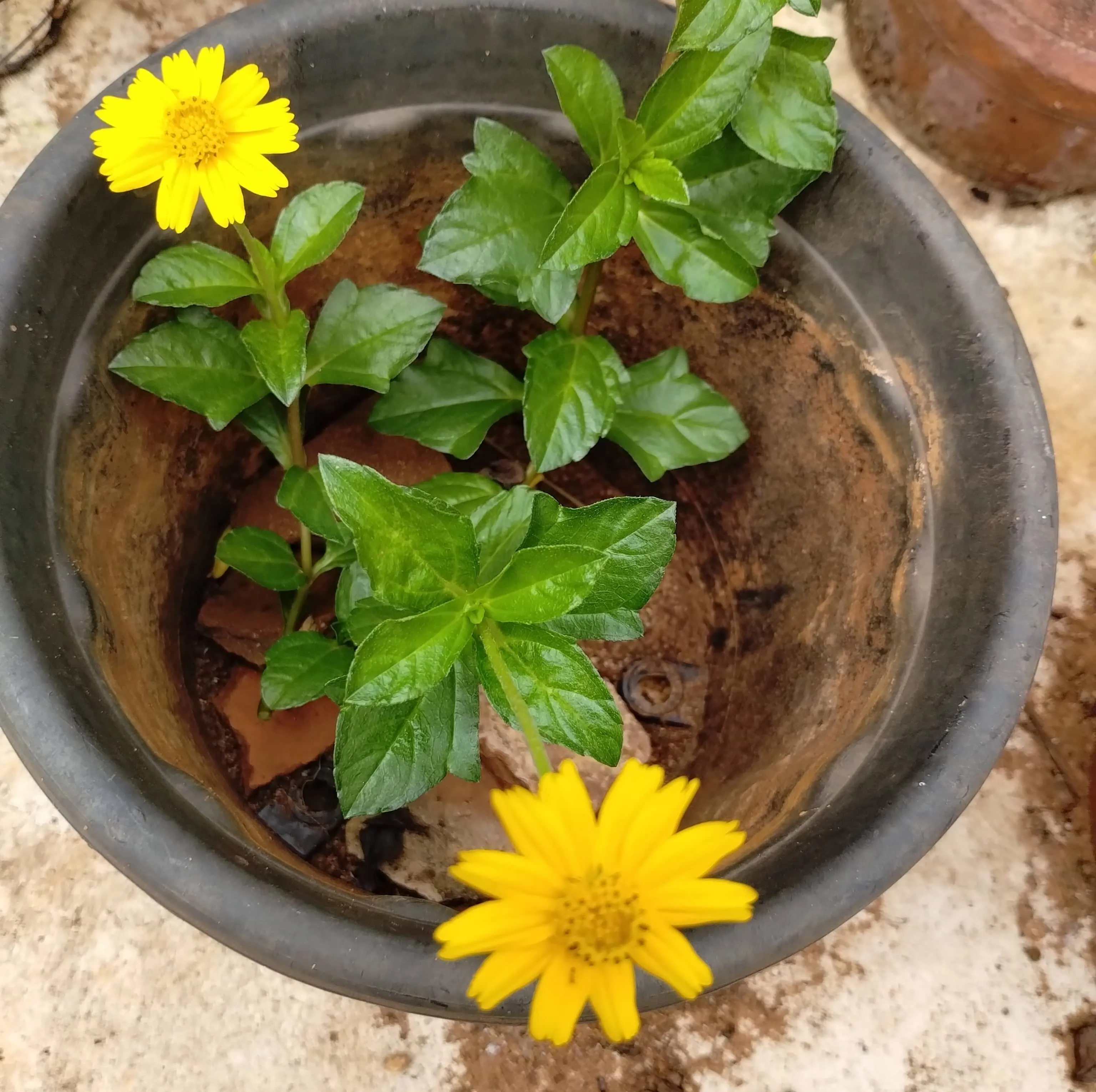
Wedelia Trilobata
Sphagneticola trilobata
How to Identify Wedelia Trilobata
NON-TOXIC. 100% safe for cats, dogs, and horses. Provides a tough, durable soil-binding groundcover that poses zero chemical poisoning threats to household pets.
A detailed guide to identifying Wedelia / Creeping Daisy (Sphagneticola trilobata / Wedelia trilobata) by its key botanical features:
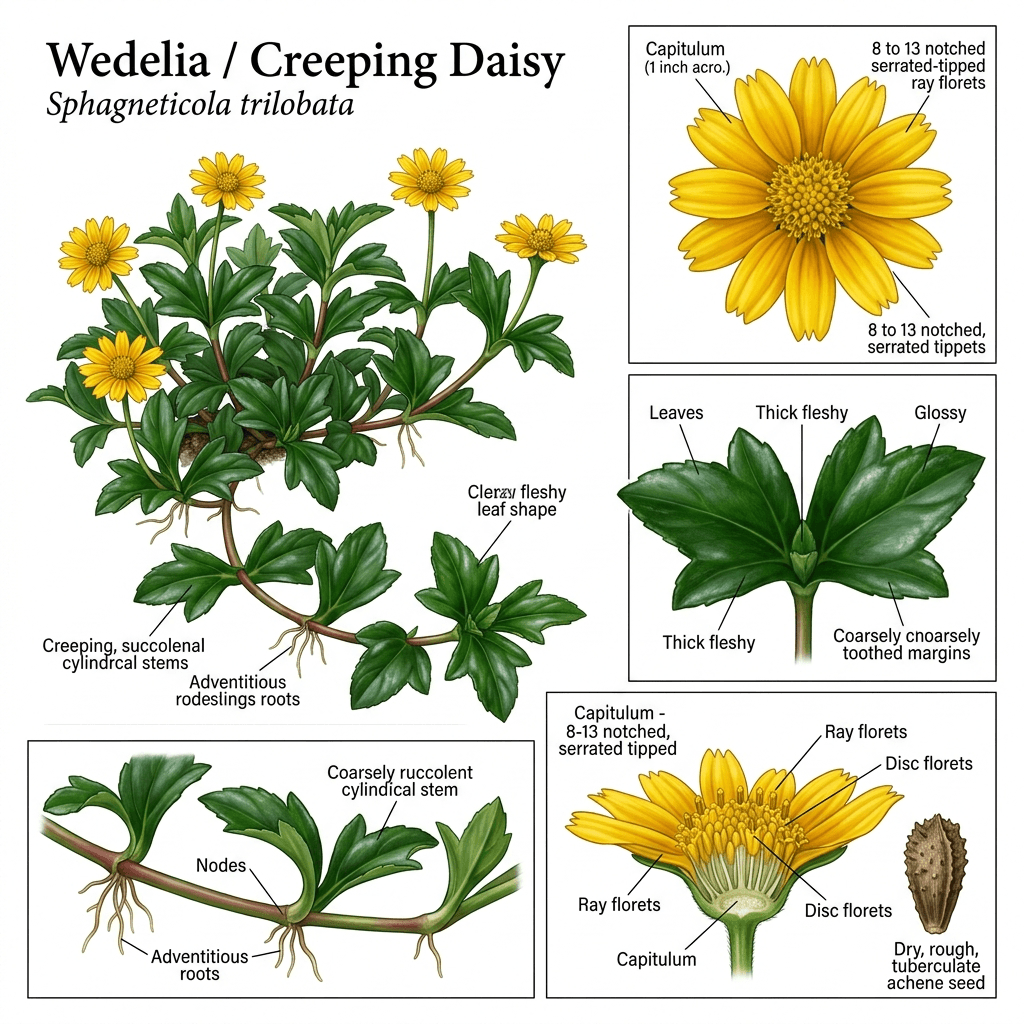
- Bright Golden-Yellow Flower Heads: Solitary, composite daisy-like heads (capitula) measuring 0.75 to 1.25 inches across, borne on erect stalks (peduncles) held 2 to 4 inches above the leafy mat. Each head displays 8 to 13 flat, broad, golden-yellow ray florets with distinct 3-toothed or notched tips surrounding a compact center of tiny, fertile yellow disc florets.
- Distinctive Three-Lobed (Trilobate) Foliage: Thick, fleshy, glossy dark-green leaves arranged in opposite pairs along the stems. Most mature leaves are distinctly three-lobed with a large central lobe and two smaller lateral lobes, featuring coarsely serrated or toothed margins and a slightly scabrous (rough) hairy surface.
- Trailing Succulent Stems with Rooting Nodes: Vigorous, creeping, multi-branched cylindrical stems that are fleshy, green to purplish-red, and run prostrately along the soil. Stems develop adventitious roots and erect new shoots at virtually every leaf node that contacts soil or moist substrate.
- Tubular Florets with Syngenesious Stamens: Close inspection reveals disc florets with five fused corolla lobes and five syngenesious stamens (anthers united into a tube surrounding the bifid style), typical of tribe Heliantheae in the sunflower family.
- Rough Tuberculate Achene Fruits: After blooming, small, dark brown, 3- to 4-angled dry achenes (0.15 to 0.2 inches long) develop with a tuberculate (bumpy) surface and a tiny crown of pappus scales, capable of floating on water.
Growth Forms & Distinguishing Relatives
Wedelia is classified within the sunflower tribe Heliantheae, distinguished by trailing habit and closely related species:
- By Habit & Landscape Selection:
- Standard Creeping Singapore Daisy (Sphagneticola trilobata): Vigorous, ground-hugging tropical groundcover spreading indefinitely by rooting runners, forming dense 6- to 10-inch weed-suppressing floral carpets.
- Erect / Bushy Form: When grown in partial shade or crowded borders, vegetative shoots grow semi-erect up to 18 to 24 inches before arching and cascading.
- By Related Species Distinction:
- True False Daisy / Bhringraj (Eclipta prostrata): Distinguished by its white, much smaller daisy heads (1/4 inch across) and narrow, unlobed lanceolate leaves; non-invasive medicinal wetland herb.
- Chinese Wedelia (Sphagneticola calendulacea / Wedelia chinensis): Native Asian relative with narrower, unlobed or faintly serrated linear-oblong leaves and smaller pale yellow blooms; prized in traditional Ayurveda and Siddha.
- Lawn Dandelion (Taraxacum officinale): Distinguished by its rosette of basal runcinate leaves and leafless hollow flower scapes with parachute pappuses, lacking trailing rooting runners.
Care & Growing Guide
Wedelia (Creeping Daisy) Care & Growing Guide:
- Light: Full direct sunlight to light dappled shade (at least 4 to 6 hours daily). Full sun produces the densest floral carpet and most profuse yellow daisy blooms, though plants tolerate moderate shade.
- Watering: Highly versatile. While exceptionally drought-resistant once established with deep rooting stolons, it thrives in consistently moist soils and withstands seasonal waterlogging and temporary pond-side flooding.
- Soil & pH: Thrives across virtually any soil type, from heavy clay and coastal sand to calcareous, rocky, or saline soils with a wide pH range (5.5 to 8.0). Excellent for seaside erosion control.
- Temperature & Hardiness: Perennial in USDA Hardiness Zones 9 through 11; grown as an annual or container groundcover in colder zones. Foliage burns below 30°F (-1°C), but roots resprout vigorously in spring.
- Fertilization: Requires minimal to no fertilizer. In overly fertile soil, plants produce excessive lush green foliage with fewer flower heads. A light top-dressing of organic compost in spring is sufficient.
- Pruning & Containment: Highly vigorous and invasive in tropical zones; trim borders with edgers or weed trimmers regularly to prevent it from escaping into natural waterways or smothering nearby garden beds.
Seasonal Blooming & Hardiness
Seasonal Blooming Calendar (US Hardiness Zones 9-11 as perennial / Tropical & Subtropical):
- Peak Bloom: Late spring through autumn (typically May through November).
- Year-Round Potential: In frost-free tropical, subtropical, and coastal climates, Wedelia flowers continuously all 12 months without a dormant break.
- Trimming Window: Edge and shear back aggressively in late winter or early spring to rejuvenate aging mats and stimulate vibrant new blooming shoots.
Bloom Timeline
About Wedelia Trilobata
Wedelia Trilobata, botanically classified as Sphagneticola trilobata and commonly known as the Creeping Daisy, Singapore Daisy, Trailing Daisy, or Creeping Oxeye, is an exceptionally fast-growing, mat-forming perennial herbaceous groundcover. Belonging to the family Asteraceae (the daisy or sunflower family, tribe Heliantheae), this high-vitality plant is native to the wet, coastal, and tropical lowlands of Mexico, Central America, the Caribbean, and northern South America.
This robust trailing herb stands 6 to 12 inches (15 to 30 cm) tall and spreads indefinitely, forming extremely dense, lush carpets. It climbs and spreads by means of trailing, succulent green or reddish stems that root rapidly and aggressively at every node touching the soil. It carries oppositely arranged, bright dark green, and fleshy leaves measuring 2 to 4 inches (5 to 10 cm) long. The leaves are deeply three-lobed (trilobate) with coarsely toothed margins and a slightly glossy, rough-textured surface.
It is celebrated for its highly constant, year-round production of bright, cheerful, golden-yellow daisy-like flower heads (capitula) measuring 0.75 to 1 inch across. Individual heads feature 8 to 13 notched, flat ray florets surrounding a central core of dense, yellow tubular disc florets. These flowers rise elegantly on upright stems above the dense foliage mat. The flowers are followed by small, dry, seed-like achenes that can float in water, facilitating rapid dispersal.
The radially symmetrical reproductive morphology of the central disc florets is represented by the family-specific floral formula EBr ⊕ ⚿ K0 C(5) A(5) G̅(2). This formula states that the flowers are ebracteate (lacking bracts), actinomorphic, and bisexual. The calyx is reduced to small, inconspicuous scales (K0). The corolla consists of 5 fused petals forming a tubular mouth. The androecium contains 5 stamens with anthers fused into a tight cylinder (syngenesious) surrounding the style, and the gynoecium contains 2 fused carpels with an inferior ovary.
The historical genus name Wedelia honors Georg Wolfgang Wedel (1645-1721), a distinguished German professor of botany and chemistry. Famed in Sanskrit as Pītabhranga (पीतभ्रंग, 'yellow bhringraj') and in Hindi as Pilabhangara (पीला भंगरा) or Bhringra (भंगरा), this plant is listed by the IUCN as one of the world's 100 worst invasive alien species because its dense monocultures rapidly smother native plants and disrupt delicate tropical wetland ecosystems.
For pet owners and veterinarians, Wedelia Trilobata represents a highly reassuring, non-toxic garden groundcover. Sphagneticola trilobata is classified as completely NON-TOXIC to dogs, cats, and horses by major global animal poison control databases. If a dog or cat runs over its mats or occasionally chews on its succulent leaves, there is no threat of chemical poisoning. However, physical contact with its stiff, rough foliage hairs and milky sap can occasionally cause mild contact skin irritation in highly sensitive pets. For safety tips, visit our general Pet Guard page.
Wedelia is occasionally confused with lawn dandelions or other wild yellow daisies. It is easily distinguished by its trailing, woody green stems that root at the nodes and its thick, fleshy, deeply three-lobed leaves. It is an outstanding choice for securing sunny banks and dry retaining walls underneath taller climbing species like Bougainvillea or Allamanda. To explore more tropical groundcovers, browse our Flower Identifier.
Floral Formula & Features
Ebracteate (no bracts), Actinomorphic (radially symmetrical), bisexual, no calyx (pappus may be present), 5 fused petals (ray or disc florets), 5 stamens with fused anthers forming tube around style (syngenesious), 2 fused carpels with inferior ovary typical of Asteraceae
- Scientific Name & Classification: Sphagneticola trilobata (Asteraceae). Globally famed as Creeping Daisy, Singapore Daisy, Trailing Daisy, and Wedelia Trilobata.
- Identification Markers: Trailing fleshy stems that root at nodes, opposite thick three-lobed leaves, and 1-inch golden-yellow daisy-like flowers with 8-13 notched petals.
- Floral Formula (EBr ⊕ ⚿ K0 C(5) A(5) G̅(2)): Radially symmetrical, bisexual disc florets with reduced calyx, 5 fused petals, 5 syngenesious stamens, and 2 fused carpels with inferior ovary.
- Growing Requirements: Full direct sun (for maximum flowering) to deep tropical shade; highly adaptable to clay, sandy, saline, or waterlogged soils. Frost-sensitive (Zones 9-11).
- Cultural Significance: Honors German botanist Georg Wolfgang Wedel. Famed in Sanskrit as 'Pītabhranga.' Highly invasive weed listed in the world's top 100 worst invasive alien species.
- Safety & Toxicity: NON-TOXIC. 100% safe for cats, dogs, and horses. Provides a tough, durable soil-binding groundcover that poses zero chemical poisoning threats to household pets.
- Common Look-alikes: Confused with lawn Dandelions, but easily distinguished by its trailing succulent runners that root on contact with the soil and its thick lobed leaves.
- Internal Links: Serves as a wonderful, durable, weed-smothering ground carpet under towering tropical trellis climbers like Bougainvillea or Allamanda; find more in our Flower Identifier.
Names in Different Languages
Botanical Classification: Wedelia Trilobata belongs to the Asteraceae family. Learn how to identify its floral symmetry, stamen arrangement, and structural formulas in our Botanical Family Classification Guide.
Toxicity & Safety
Frequently Asked Questions
What is Floral Formula?
A floral formula is a symbolic representation of a flower's structure using letters, numbers, and special symbols. It provides a concise way to describe the arrangement and number of floral parts.
This formula describes the flower's symmetry, sepals, petals, stamens, and carpels in a standardized format.
Formula Sequence
- Bract: Br or Ebr
- Bracteole: Brl or Ebrl
- Symmetry: % (Radial) or ⊕ (Bilateral)
- Sex: ♀ (Female), ♂ (Male), or ⚥ (Bisexual)
- Calyx/Sepal: K<number> (Free or Fused)
- Corolla/Petal: C<number> (Free or Fused)
- Androecium: A<number> (Free or Fused)
- Gynaecium: G<number> (Superior or Inferior Ovary)
Symbol Meanings
- Numbers: Indicate quantity of parts
- Parentheses (): Parts are fused together
- Plus (+): Parts in different whorls
- Underline: Superior ovary position
- Overline: Inferior ovary position
- ∞: Numerous parts (too many to count)
Understanding floral formulas helps botanists quickly identify and classify flowers based on their structural characteristics.
Similar Flowers
Discover flowers that share botanical characteristics
Same Family
4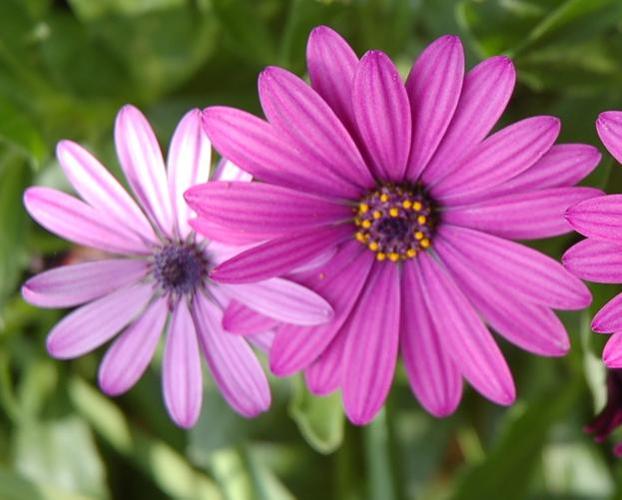
African Daisy (Osteospermum)
Dimorphotheca ecklonis
Osteospermum, commonly known as the African Daisy or Cape Daisy, is a genus of flowering plants that represents the sheer brilliance of the South African floral kingdom. Belonging to the Calenduleae tribe within the massive Asteraceae family, these daisies are celebrated for their sophisticated,...
Daisy
Bellis perennis
The Common Daisy, botanically designated as *Bellis perennis* (and including related garden favorites like the English Daisy or Lawn Daisy), is an exceptionally cheerful, highly resilient herbaceous perennial. Belonging to the family Asteraceae (the daisy or sunflower family, tribe Astereae), thi...
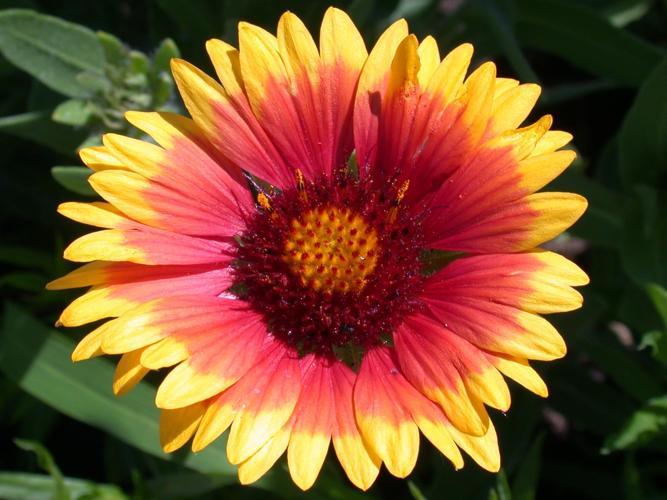
Gaillardia
Gaillardia
Gaillardia, botanically classified within the genus Gaillardia in the Asteraceae (sunflower) family and popularly known as the Blanket Flower or Indian Blanket, is a group of exceptionally cheerful, sun-loving annuals and short-lived perennials. Native to the dry prairies, sandy plains, and pine...
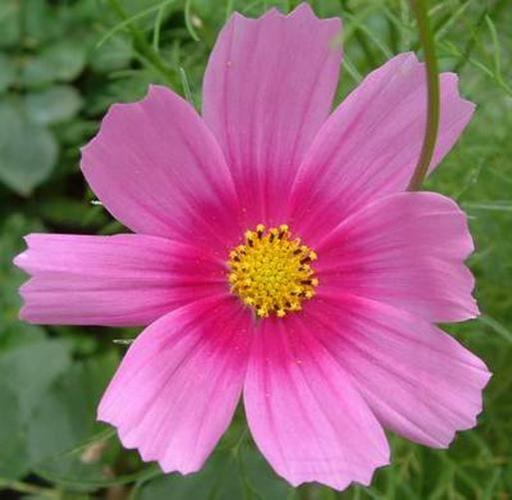
Mexican Aster
Cosmos bipinnatus
The Mexican Aster, botanically designated as Cosmos bipinnatus and commonly referred to as Garden Cosmos or simply Cosmos, is an exceptionally graceful, fast-growing, and heavy-blooming annual. Belonging to the family Asteraceae (the daisy or composite family), this beautiful plant is native to t...
Similar Characteristics
4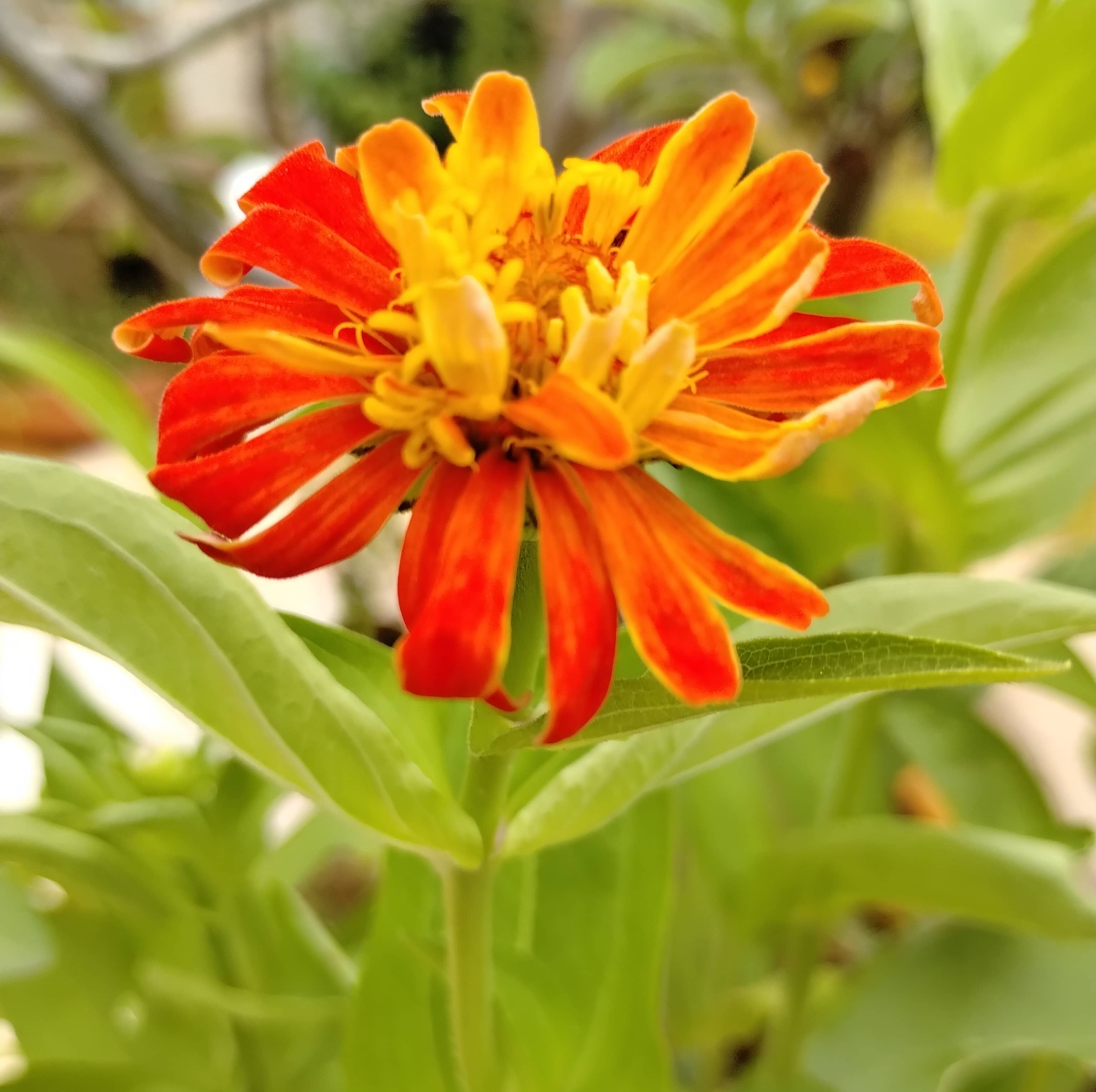
Zinnia
Zinnia elegans
Zinnias (Zinnia elegans), belonging to the Heliantheae tribe within the massive Asteraceae family, are among the most colorful, resilient, and popular warm-season annual flowers in modern horticulture. Native to the scrublands and dry grasslands of Mexico and Central America, these sun-loving pla...

Sunflower
Helianthus annuus
The Sunflower, botanically classified as Helianthus annuus and commonly known as the Common Sunflower, is an exceptionally iconic, robust, and fast-growing annual plant. Belonging to the family Asteraceae (the daisy, aster, or composite family), this famous wildflower is native to the fertile pra...
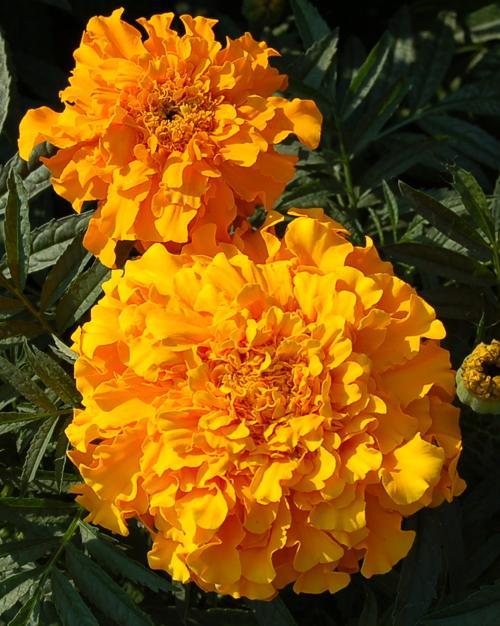
Marigold
Tagetes erecta
The Marigold, botanically classified under the genus Tagetes within the highly diverse Asteraceae (daisy or composite) family, is a cheerful, robust, and exceptionally popular herbaceous annual flower. Native to the warm, sun-drenched grasslands, mountain valleys, and open meadows of Mexico and C...
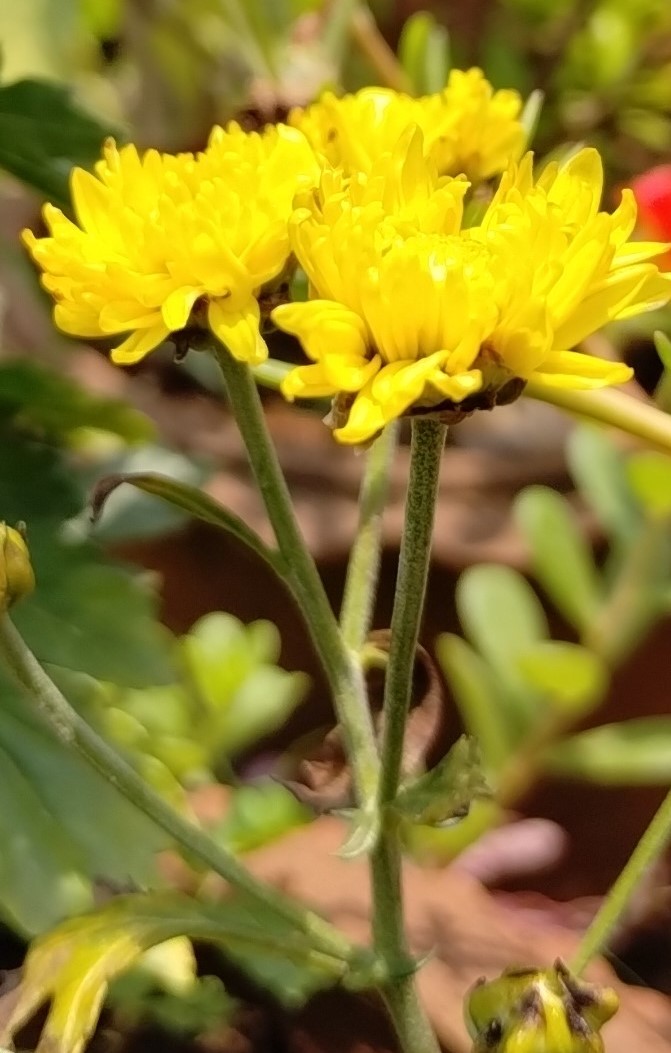
Chrysanthemum
Chrysanthemum morifolium
The Chrysanthemum, botanically classified as Chrysanthemum morifolium and affectionately known as the 'Mum,' is a magnificent, late-season flowering perennial belonging to the Asteraceae (sunflower) family. Native to East Asia, primarily China, where it has been cultivated and revered for over 3,...