
Tree Poppy
Dendromecon rigida
How to Identify Tree Poppy
TOXIC TO PETS. Contains bitter isoquinoline alkaloids that trigger drooling, stomach upset, and lethargy if chewed or swallowed.
Care & Growing Guide
Seasonal Blooming & Hardiness
Seasonal Blooming Calendar:
- Peak Bloom: Late summer to autumn (August through October).
- Planting Time: Sow seeds directly outdoors in early spring after the last frost, or transplant nursery starts in late spring.
Bloom Timeline
About Tree Poppy
The Tree Poppy, scientifically known as Dendromecon rigida and commonly referred to as the Bush Poppy or California Tree Poppy, is a rare, spectacular evergreen shrub belonging to the Papaveraceae (poppy) family. Endemic to the dry, rocky chaparral slopes and coastal sage scrub of California and Baja California, Mexico, this hardy native plant is one of the very few woody, shrubby members of the poppy family. It is celebrated for its ability to produce an abundance of glowing, golden blossoms that create a striking contrast against its silvery, blue-gray foliage, making it a prized choice for native and water-wise gardens.
This woody shrub typically grows 3 to 8 feet tall and wide with an open, airy, rounded growth habit. It features stiff, leathery, lanceolate leaves that have a distinctive blue-green or silvery-gray hue and finely toothless margins. The flowers are produced singly at the tips of the branches, measuring 2 to 3 inches across. Each blossom consists of 4 broad, satiny, bright golden-yellow petals that are slightly crinkled, surrounding a dense, central cluster of bright yellow stamens. The flowers emit a delicate, sweet fragrance and seem to glow under bright, sunny skies.
The botanical blueprint of the Tree Poppy is represented by the floral formula EBr ⊕ ⚥ K2 C4 A∞ G(2). This denotes that the flower is ebracteate, radially symmetrical (actinomorphic), and bisexual. It features a calyx of 2 free sepals that fall off early as the flower buds open (deciduous sepals), a corolla of 4 free petals arranged in a cross formation, numerous free stamens that form a dense ring, and a syncarpous gynoecium of 2 fused carpels forming a single superior ovary with parietal placentation.
Thriving in Mediterranean climates, the Tree Poppy is outdoors hardy in USDA zones 8 through 11. It requires full, direct sun and poor, rocky, or sandy, exceptionally well-draining soil. It is highly intolerant of wet soils or heavy clay, which can quickly cause root rot, and once established, it requires little to no summer watering. A fascinating ecological characteristic is that it is a fire-follower; its seeds possess a hard coat that germinates best after being exposed to the heat and smoke of wildfires, blooming prolifically in post-fire landscapes.
The genus name Dendromecon is derived from the Greek words 'dendron,' meaning tree, and 'mecon,' meaning poppy, directly describing its unique woody, tree-like growth habit, while 'rigida' references its stiff, leathery foliage. It is known as Amapola arbórea in Spanish and Shuyingsu in Chinese. Culturally, the Tree Poppy stands as a symbol of native resilience, golden warmth, and the wild, untamed beauty of the western American chaparral.
Gardeners with pets must exercise caution when incorporating this native shrub. Like many members of the Papaveraceae family, Dendromecon rigida is TOXIC to dogs, cats, and horses. The plant contains various bitter isoquinoline alkaloids throughout its tissues, which can cause gastrointestinal upset, salivation, lethargy, and mild neurological symptoms if ingested in significant quantities. It is highly recommended to plant this shrub in areas where pets have limited access. For safety tips and alternative native options, consult our Pet Guard directory.
The Tree Poppy is often confused with the California Poppy (Eschscholzia californica) or the Matilija Poppy (Romneya coulteri). However, it is easily distinguished by its evergreen woody shrub structure and stiff blue-gray leaves (California Poppy is a low herbaceous annual with feathery leaves), and its bright yellow flowers (Matilija Poppy has massive white flowers). It pairs beautifully on dry banks with other West Coast natives; we recommend pairing it with California Poppy or Corn Poppy. Explore more poppy varieties in our Flower Identifier.
Floral Formula & Features
Ebracteate (no bracts), Actinomorphic (radially symmetrical), bisexual, 2 free sepals that fall early, 4 free petals in cross formation, numerous free stamens, 2 fused carpels with superior ovary typical of Papaveraceae
- Scientific Name & Classification: Dendromecon rigida (Papaveraceae). Commonly known as Bush Poppy, Tree Poppy, and California Tree Poppy.
- Identification Markers: Evergreen woody shrub with rigid leathery blue-gray foliage. Large 2–3 inch satiny yellow 4-petaled poppy blossoms at branch tips.
- Floral Formula (EBr ⊕ ⚥ K2 C4 A∞ G(2)): Radially symmetrical, bisexual flower. Features 2 deciduous sepals, 4 free petals in a cross, and infinite free stamens.
- Growing Requirements: Full sun; extremely drought-tolerant chaparral native. Thrives in dry, poor rocky slopes with excellent drainage; resents summer water (Zones 8-11).
- Cultural Significance: Genus name means 'poppy tree' in Greek; fire-follower that sprouts after wildfires. Symbol of chaparral endurance.
- Safety & Toxicity: TOXIC TO PETS. Contains bitter isoquinoline alkaloids that trigger drooling, stomach upset, and lethargy if chewed or swallowed.
- Common Look-alikes: Confused with California Poppy or Matilija Poppy, but distinguished by its woody branching perennial shrub habit and leathery evergreen foliage.
- Internal Links: Drought-tolerant landscaping matches beautifully alongside California Poppy or Corn Poppy; find more xeriscape tips in our Flower Identifier.
Names in Different Languages
Botanical Classification: Tree Poppy belongs to the Papaveraceae family. Learn how to identify its floral symmetry, stamen arrangement, and structural formulas in our Botanical Family Classification Guide.
Toxicity & Safety
Always keep toxic plants out of reach of children and pets. Consult a veterinarian or medical professional immediately if ingestion is suspected.
Frequently Asked Questions
What is Floral Formula?
A floral formula is a symbolic representation of a flower's structure using letters, numbers, and special symbols. It provides a concise way to describe the arrangement and number of floral parts.
This formula describes the flower's symmetry, sepals, petals, stamens, and carpels in a standardized format.
Formula Sequence
- Bract: Br or Ebr
- Bracteole: Brl or Ebrl
- Symmetry: % (Radial) or ⊕ (Bilateral)
- Sex: ♀ (Female), ♂ (Male), or ⚥ (Bisexual)
- Calyx/Sepal: K<number> (Free or Fused)
- Corolla/Petal: C<number> (Free or Fused)
- Androecium: A<number> (Free or Fused)
- Gynaecium: G<number> (Superior or Inferior Ovary)
Symbol Meanings
- Numbers: Indicate quantity of parts
- Parentheses (): Parts are fused together
- Plus (+): Parts in different whorls
- Underline: Superior ovary position
- Overline: Inferior ovary position
- ∞: Numerous parts (too many to count)
Understanding floral formulas helps botanists quickly identify and classify flowers based on their structural characteristics.
Similar Flowers
Discover flowers that share botanical characteristics
Same Family
4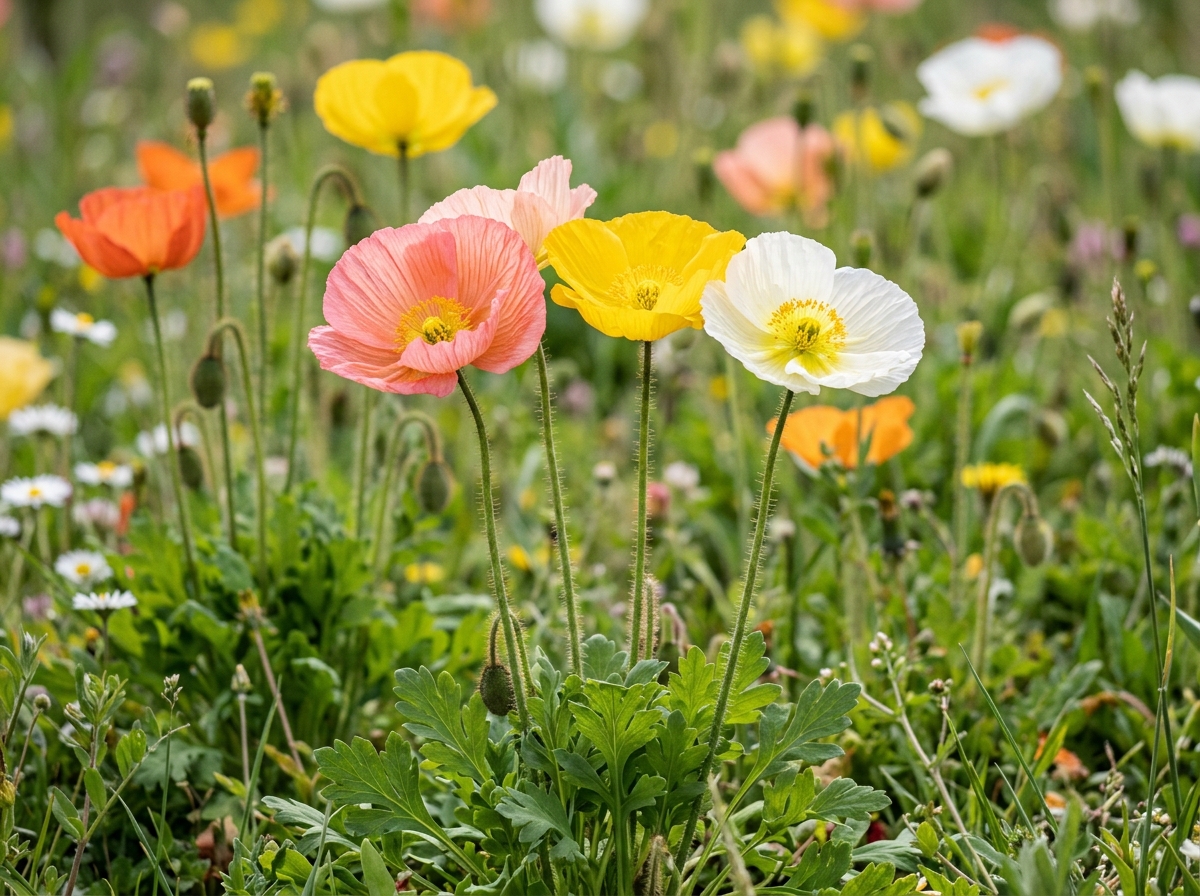
Iceland Poppy
Papaver nudicaule
Iceland Poppy (*Papaver nudicaule*), despite its common name, is native to subpolar regions of Asia and North America rather than Iceland. Beloved for its papery, bowl-shaped blossoms that appear in glowing pastel shades of yellow, orange, salmon, pink, rose, and white, the Iceland Poppy is one o...
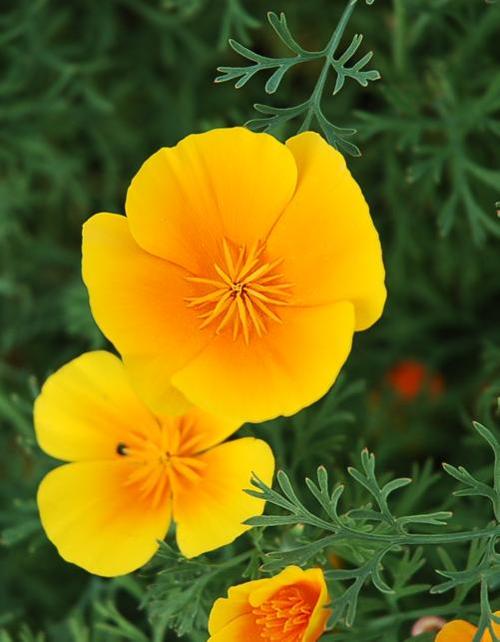
California poppy
Eschscholzia californica
Eschscholzia californica, famously known as the California Poppy or Golden Poppy, is a brilliant wildflower that serves as a luminous symbol of the American West. Belonging to the Papaveraceae (Poppy) family, this resilient species is celebrated for its silky, cup-shaped blossoms that range from...
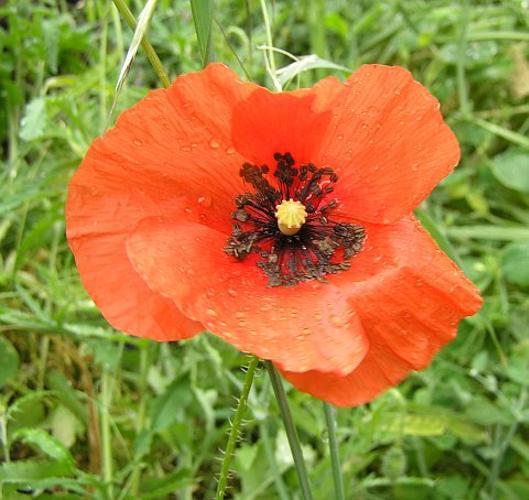
Corn Poppy
Papaver rhoeas
The Corn Poppy, botanically designated as Papaver rhoeas and commonly known as the Field Poppy, Flanders Poppy, or Red Poppy, is an exceptionally iconic, breezy, and resilient annual wildflower. Belonging to the family Papaveraceae (the poppy family, tribe Papavereae), this historically rich plan...
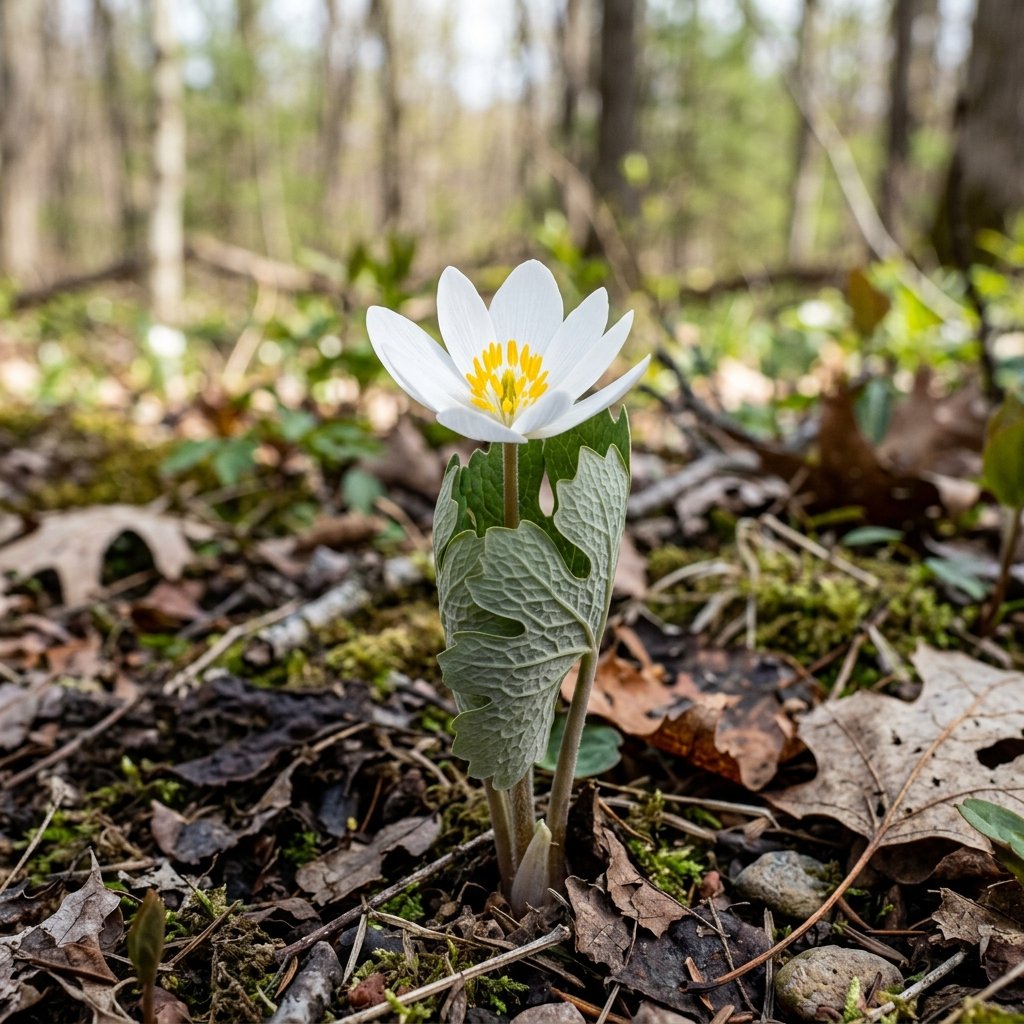
Bloodroot
Sanguinaria canadensis
Bloodroot (*Sanguinaria canadensis*) is one of the earliest and most enchanting spring wildflowers of eastern North American forests, producing pure white, star-like flowers with golden yellow centers that emerge in March and April, often pushing up through the last of the winter snow. It is the...
Similar Characteristics
4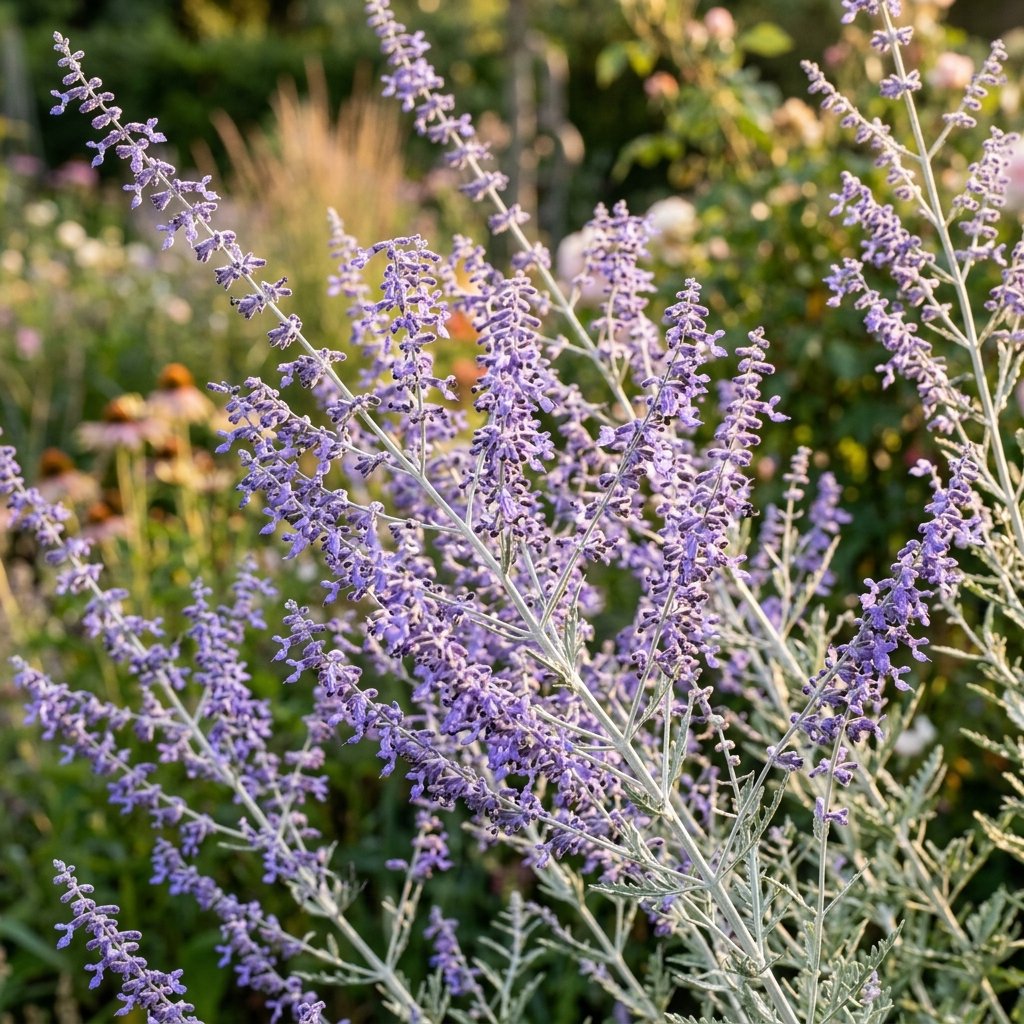
Russian Sage
Salvia yangii
Russian Sage, botanically reclassified as *Salvia yangii* (long celebrated under its classic horticultural synonym *Perovskia atriplicifolia*), is an exceptionally drought-tolerant, graceful, and cloud-like deciduous perennial subshrub. Belonging to the mint family Lamiaceae (tribe Mentheae), thi...
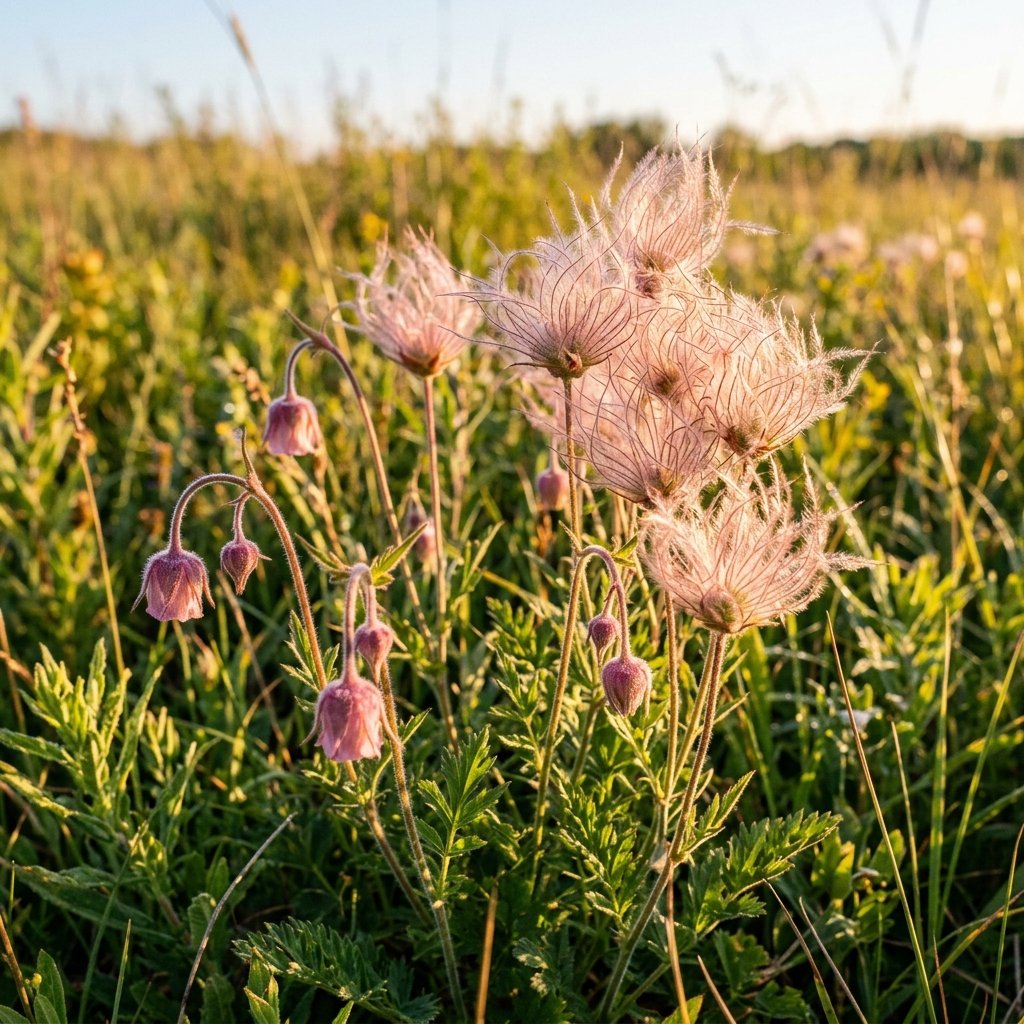
Prairie Smoke
Geum triflorum
Prairie Smoke (*Geum triflorum*) is one of the most enchanting and uniquely beautiful native wildflowers of the North American Great Plains and Rocky Mountain foothills, earning its evocative common name not from its flowers but from its spectacular seed heads — when a colony of Prairie Smoke goe...
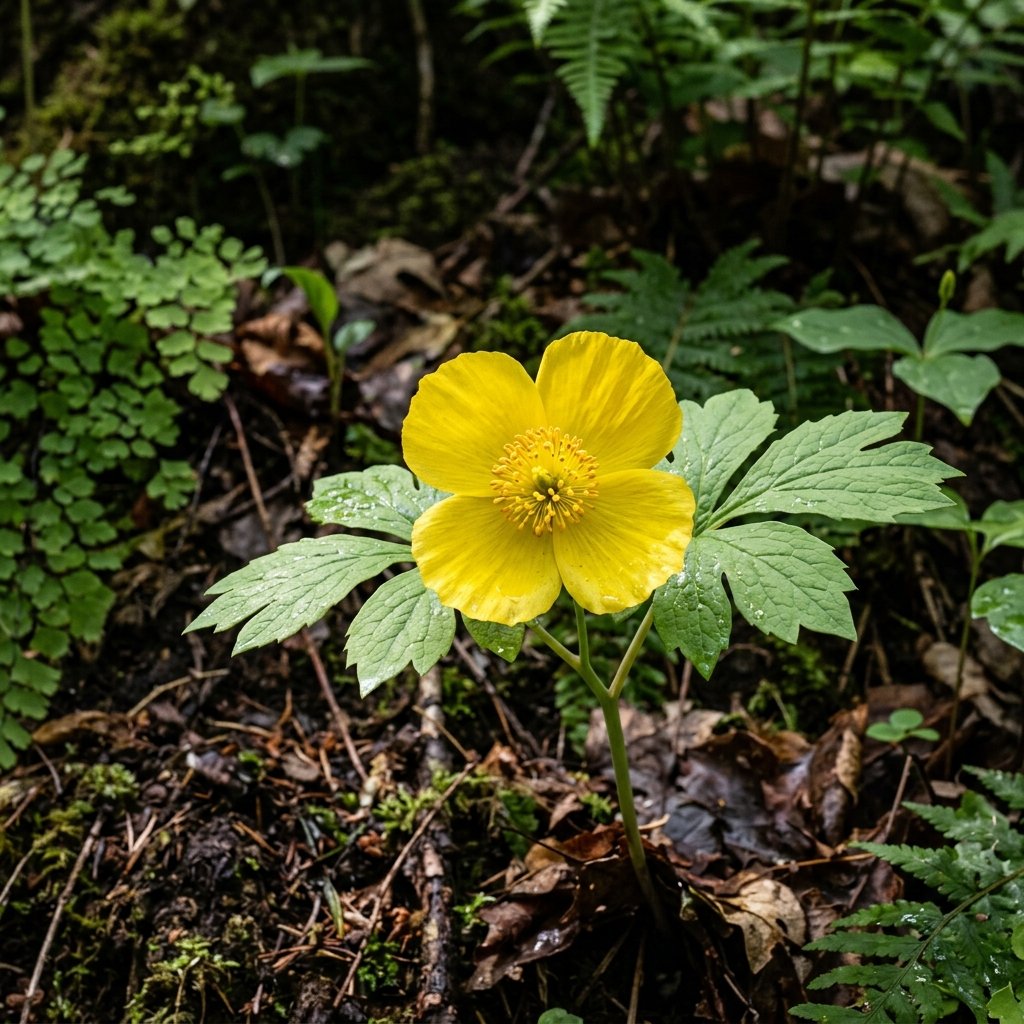
Wood Poppy
Stylophorum diphyllum
Wood Poppy (*Stylophorum diphyllum*), also known as the Celandine Poppy or Yellow Wood Poppy, is one of the showiest and most reliable native wildflowers for the shaded woodland garden, producing large, bright butter-yellow poppy flowers 1.5 to 2 inches across above a rosette of deeply lobed, blu...
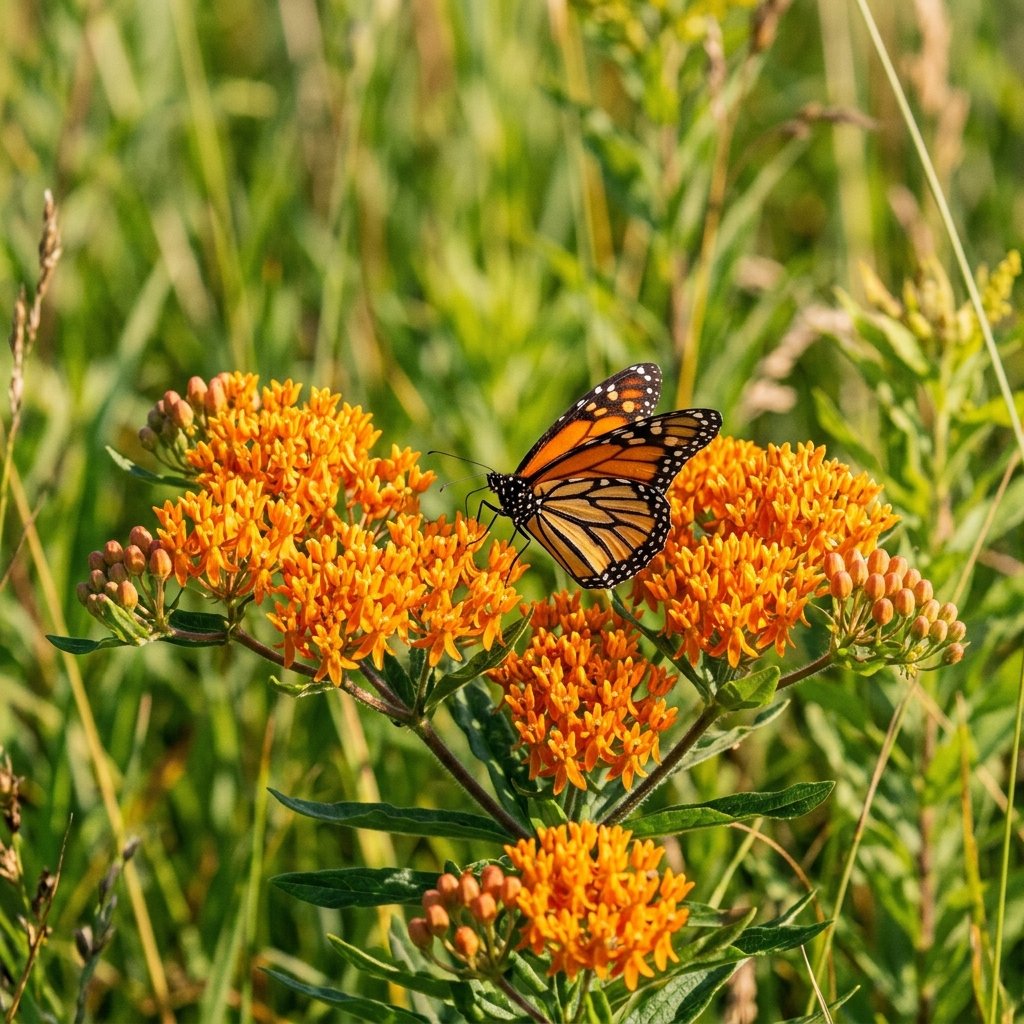
Butterfly Weed
Asclepias tuberosa
Butterfly Weed (*Asclepias tuberosa*) is arguably the most vivid and ecologically vital native wildflower of the American prairie and meadow, blazing in brilliant shades of fiery orange and golden-yellow in midsummer and serving as one of the most important nectar and host plants for the endanger...