
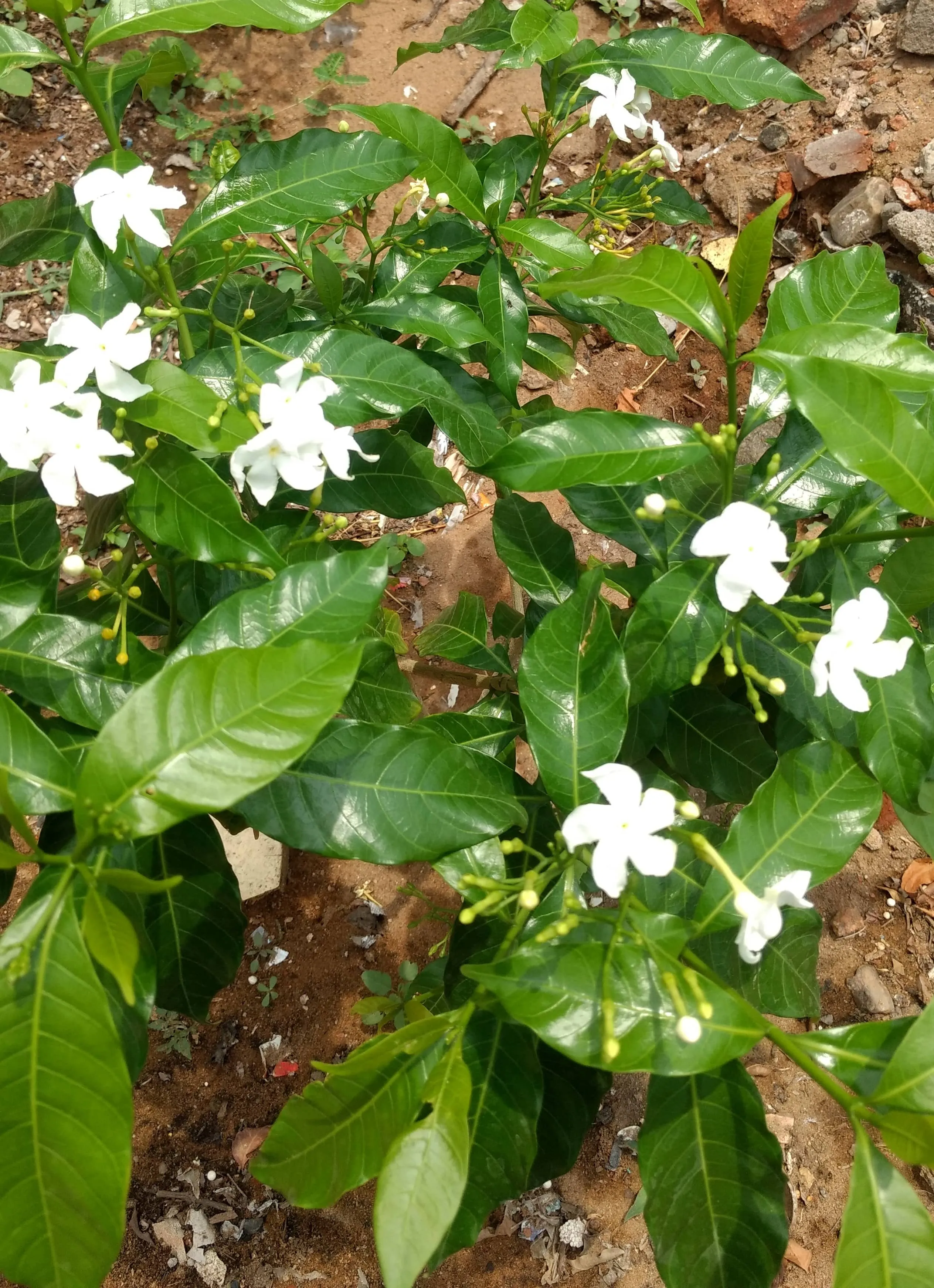
Pinwheel
Tabernaemontana divaricata
How to Identify Pinwheel
TOXIC. Stems and leaves exude a thick, milky latex sap rich in alkaloids that cause drooling, vomiting, and irritation in cats and dogs.
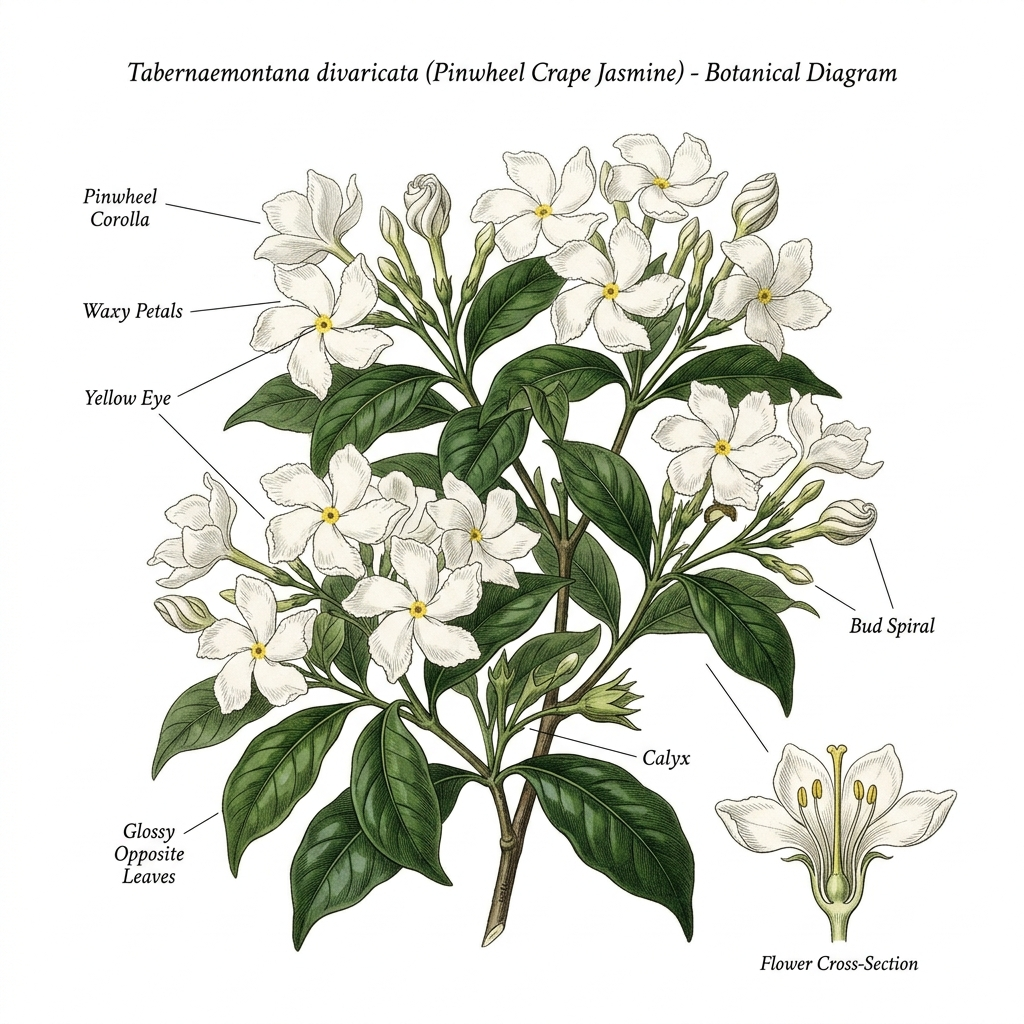
A detailed guide to identifying Pinwheel Crape Jasmine (Tabernaemontana divaricata) by its key botanical features:
- Pinwheel Corolla Shape: Pure white 5-petaled flowers with a distinct spiraled or pinwheel (propeller) arrangement, with crinkled or wavy petal margins that resemble crepe paper.
- Glossy Opposite Foliage: Deep emerald-green, oblong-lanceolate leaves with a highly reflective, glossy upper surface and prominent pale veins, arranged in neat opposite pairs.
- Milky White Latex: Stems, petioles, and leaves readily exude a thick, white milky latex sap whenever broken or clipped (a hallmark trait of Apocynaceae).
- Spirally Twisted Buds: Unopened flower buds are tightly coiled into an elegant spiral spearhead shape prior to unfolding.
- Shrubby Evergreen Habit: Densely branching woody evergreen shrub reaching 5 to 8 feet in height, blooming in fragrant clusters at twig junctions.
Types & Cultivars of Crape Jasmine
- By Flower Form:
- Single Pinwheel (Standard Form): Features five clean, spreading petals forming the classic propeller shape with a faint golden-yellow eye at the throat.
- Double Crape Jasmine ('Flore Pleno'): Dense, ruffled pom-pom blooms packed with multiple layers of crinkled petals resembling miniature white roses or gardenias.
- By Foliage & Habit:
- Dwarf Crape Jasmine: Compact mounding shrubs reaching only 2 to 3 feet in height, ideal for edging and low containers.
- Variegated Crape Jasmine: Features eye-catching cream-white and pale green marbling across glossy foliage.
Care & Growing Guide
Pinwheel Crape Jasmine Care & Growing Guide:
- Light: Full sun to bright partial shade (at least 4 to 6 hours of sunlight daily). Morning sun with light afternoon shade prevents petal scorching in arid regions.
- Soil: Rich, organic, loamy, well-draining soil with an acidic to neutral pH (5.6 to 6.8). Tolerates sandy or clay loam if drainage is excellent.
- Watering: Water thoroughly when the top 1 to 2 inches of soil feel dry. Once established, it possesses moderate drought tolerance, but blooms best with consistent moisture.
- Pruning & Maintenance: Prune lightly after heavy flowering flushes to shape the shrub and stimulate fresh bloom-bearing stems. Always wear gloves when pruning to avoid contact with the sticky milky sap.
Seasonal Blooming & Hardiness
Seasonal Blooming Calendar (US Hardiness Zones 9b-11 / Tropical & Subtropical):
- Peak Bloom: Late spring through autumn (typically May through November); blooms year-round in frost-free tropical climates.
- Planting Time: Plant container specimens or rooted stem cuttings in spring or early monsoon after all threat of cold weather has passed.
- Cold Sensitivity: Frost-tender (Zones 9b-11). Foliage experiences damage below 40°F (4°C); must be overwintered indoors as a patio plant in cooler temperate regions.
Bloom Timeline
About Pinwheel
Pinwheel, botanically classified as Tabernaemontana divaricata and widely celebrated as Crape Jasmine, Crepe Jasmine, or Chandni, is an exceptionally elegant, evergreen flowering tropical shrub belonging to the Apocynaceae (dogbane) family. Native to the warm, humid, low-elevation woodland plains of India, Bangladesh, Sri Lanka, and tropical Southeast Asia, this hardy and resilient shrub is universally admired for its waxy, starch-white flowers that bloom abundantly throughout the entire year, creating a luminous glow under the night sky.
Growing as a compact, beautifully branched woody shrub that typically reaches heights of 3 to 6 feet in domestic gardens (and up to 15 feet in the wild), Tabernaemontana divaricata features large, opposite, glossy deep-green leaves that are elliptical and measure 3 to 6 inches in length. In warm, tropical climates, the shrub is constantly adorned with clusters of star-shaped, five-petaled white flowers. The delicate petals feature a distinct crinkled, crepe-like texture and are arranged in a charming propeller or pinwheel shape, emitting a sweet fragrance.
The reproductive architecture of the Crape Jasmine is represented by the botanical floral formula ⊕ ⚥ K(5) C(5) A5 G(2). This formula indicates that the flower is radially symmetrical (actinomorphic) and bisexual. The calyx consists of 5 small sepals fused at the base, while the corolla is composed of 5 petals fused into a slender tube that flares into 5 spreading, pinwheel-like lobes. The androecium contains 5 fertile stamens enclosed inside the corolla tube, surrounding a superior ovary made of 2 distinct carpels.
Horticulturally, Pinwheel is a highly adaptable, low-maintenance shrub that thrives in bright, full sun to partial afternoon shade, which helps prevent leaf scorch in hot summers. It prefers moderately fertile, organic-rich, neutral to slightly acidic soils (pH 6.0 to 7.0) with sharp drainage, requiring moderate watering to keep the soil evenly moist but never waterlogged. It is remarkably heat-tolerant once established but has low cold hardiness, surviving outdoors as a perennial in USDA zones 9 through 11.
The genus name Tabernaemontana honors Dr. Jacobus Theodorus Tabernaemontanus, a highly celebrated 16th-century German physician and 'father of German botany' who authored pioneering herbals. Famed on the Indian subcontinent as Chandni (चांदनी) in Hindi (meaning moonlight) and Nandiyavattai (நந்தியாவட்டை) in Tamil, it represents serene purity and peace. Its milk-white blooms are traditionally harvested for evening temple offerings and used in Ayurvedic skin cooling preparations.
For households with cherished domestic pets, it is extremely important to practice careful garden safety with the Crape Jasmine. Tabernaemontana divaricata contains a dense, milky-white latex sap rich in organic indole alkaloids (such as coronaridine) that are classified as TOXIC to cats, dogs, and horses if ingested. If chewed, the sap causes immediate oral irritation, heavy drooling, vomiting, and potential heart rate irregularities. To ensure a safe backyard environment for your pets, please check out our detailed safety guidelines in the Pet Guard library.
Pinwheel is occasionally confused with true Jasmine or Gardenias due to its fragrant white flowers. It is easily distinguished because Crape Jasmine exudes a thick, milky white sap when its stems are broken and its petals form a clear propeller shape, whereas true jasmines do not produce latex. It pairs beautifully in borders with bright Ixora or trailing Spanish Jasmine. To discover more evergreen tropical garden shrubs, visit our Flower Identifier.
Floral Formula & Features
Actinomorphic, bisexual, 5 fused sepals, 5 fused petals forming tubular propeller corolla, 5 stamens enclosed inside tube, 2 carpels with superior ovary
- Scientific Name & Classification: Tabernaemontana divaricata (Apocynaceae). Famed as Crape Jasmine, Pinwheel, Chandni, and East Indian Rosebay.
- Identification Markers: Glossy, opposite deep-green leaves and clusters of starch-white, crepe-textured flowers arranged in a distinct propeller or pinwheel shape.
- Floral Formula (⊕ ⚥ K(5) C(5) A5 G(2)): Radially symmetrical, bisexual flowers with 5 fused sepals, 5 fused petals forming a pinwheel corolla, and a superior ovary.
- Growing Requirements: Full sun to partial shade; prefers moderately fertile, well-draining neutral-to-acidic soil. Highly heat-tolerant (Zones 9-11).
- Cultural Significance: Genus honors German botanist Jacobus Tabernaemontanus. Famed in India as Chandni, symbolizing serene moonlight, purity, and peace.
- Safety & Toxicity: TOXIC. Stems and leaves exude a thick, milky latex sap rich in alkaloids that cause drooling, vomiting, and irritation in cats and dogs.
- Common Look-alikes: Confused with Gardenias or true Jasmine, but distinguished by the milky latex sap and waxy five-petaled propeller shape.
- Internal Links: Serves as an elegant evergreen hedge when planted alongside red Ixora or climbing Spanish Jasmine; explore more in our Flower Identifier.
Names in Different Languages
Botanical Classification: Pinwheel belongs to the Apocynaceae family. Learn how to identify its floral symmetry, stamen arrangement, and structural formulas in our Botanical Family Classification Guide.
Toxicity & Safety
Always keep toxic plants out of reach of children and pets. Consult a veterinarian or medical professional immediately if ingestion is suspected.
Frequently Asked Questions
What is Floral Formula?
A floral formula is a symbolic representation of a flower's structure using letters, numbers, and special symbols. It provides a concise way to describe the arrangement and number of floral parts.
This formula describes the flower's symmetry, sepals, petals, stamens, and carpels in a standardized format.
Formula Sequence
- Bract: Br or Ebr
- Bracteole: Brl or Ebrl
- Symmetry: % (Radial) or ⊕ (Bilateral)
- Sex: ♀ (Female), ♂ (Male), or ⚥ (Bisexual)
- Calyx/Sepal: K<number> (Free or Fused)
- Corolla/Petal: C<number> (Free or Fused)
- Androecium: A<number> (Free or Fused)
- Gynaecium: G<number> (Superior or Inferior Ovary)
Symbol Meanings
- Numbers: Indicate quantity of parts
- Parentheses (): Parts are fused together
- Plus (+): Parts in different whorls
- Underline: Superior ovary position
- Overline: Inferior ovary position
- ∞: Numerous parts (too many to count)
Understanding floral formulas helps botanists quickly identify and classify flowers based on their structural characteristics.
Similar Flowers
Discover flowers that share botanical characteristics
Same Family
4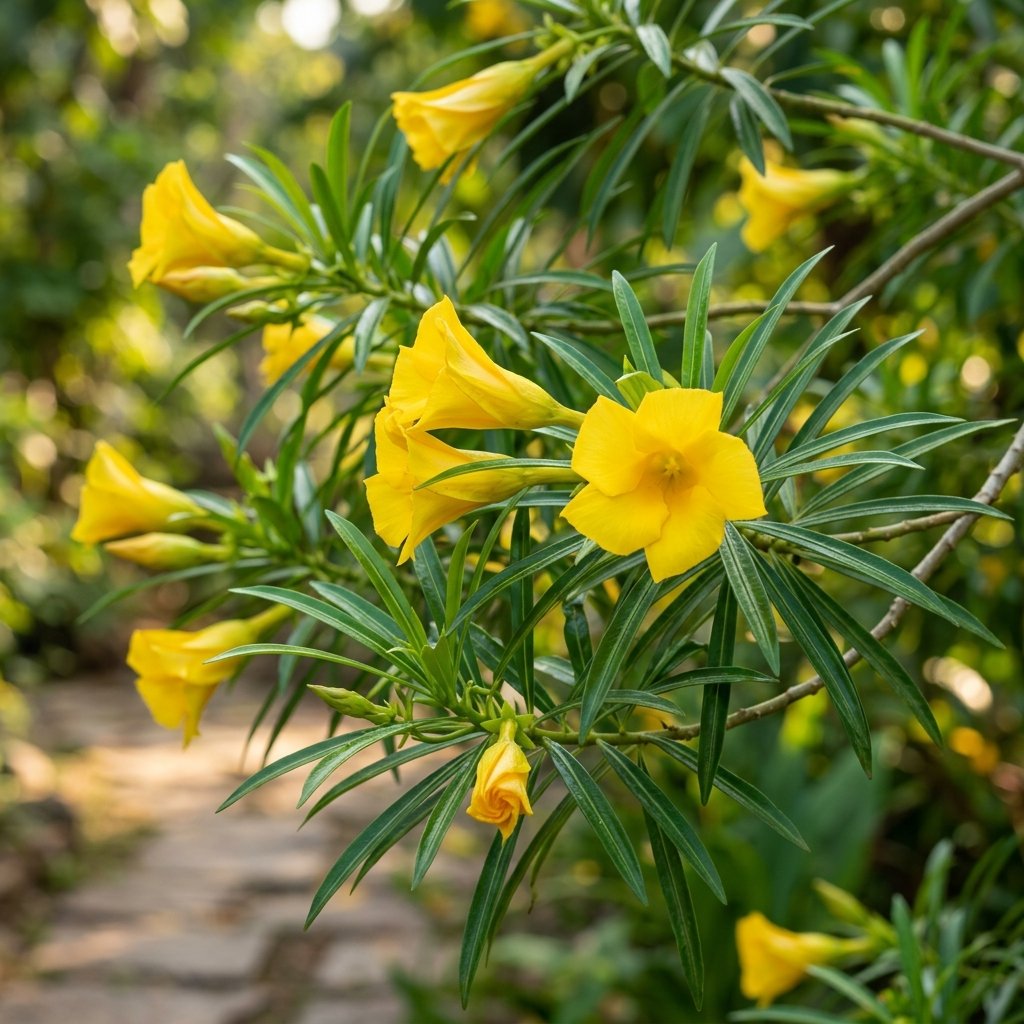
Yellow Oleander (Thevetia)
Cascabela thevetia
Yellow Oleander, botanically classified as *Cascabela thevetia* (formerly *Thevetia peruviana*) and famously celebrated in Indian culture as Pila Kaner, Lucky Nut, or the Be-still Tree, is a highly ornamental, heat-loving evergreen large shrub or small tree. Belonging to the dogbane family Apocyn...
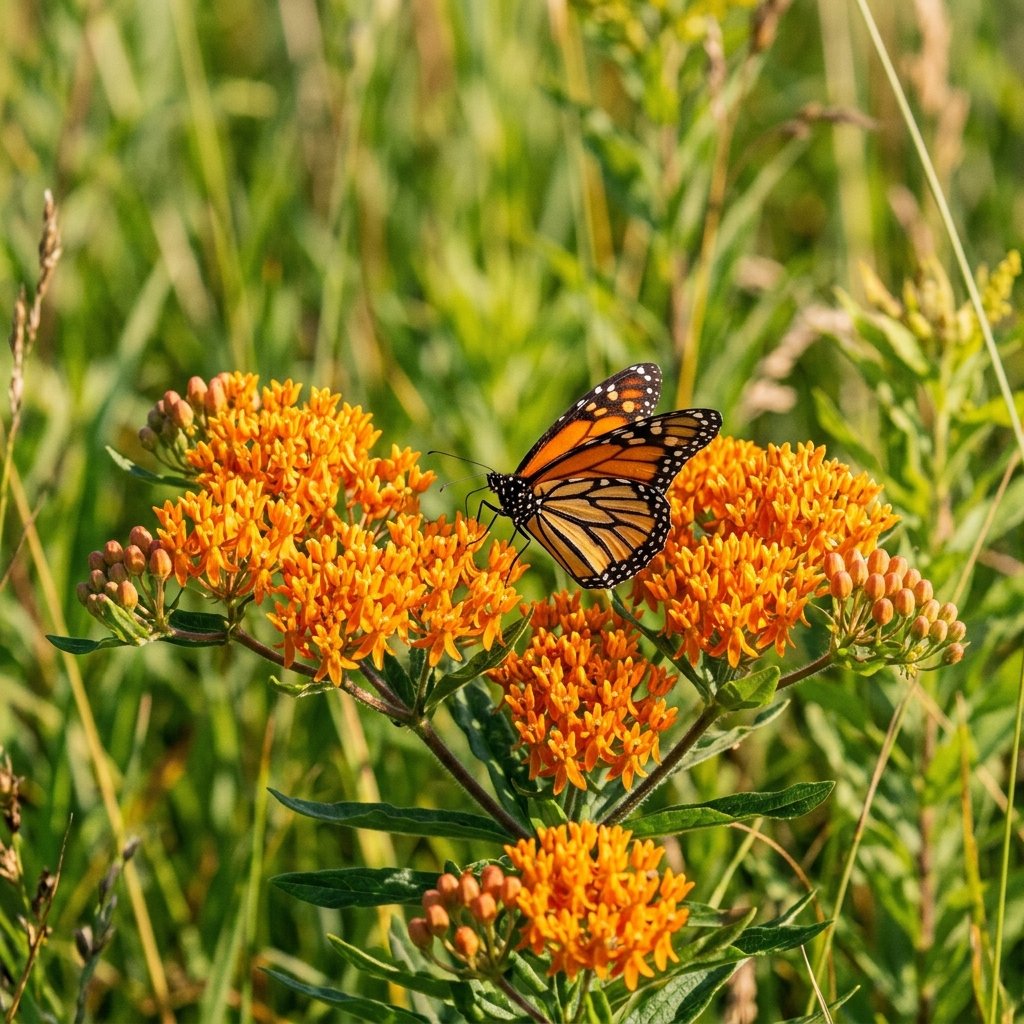
Butterfly Weed
Asclepias tuberosa
Butterfly Weed (*Asclepias tuberosa*) is arguably the most vivid and ecologically vital native wildflower of the American prairie and meadow, blazing in brilliant shades of fiery orange and golden-yellow in midsummer and serving as one of the most important nectar and host plants for the endanger...
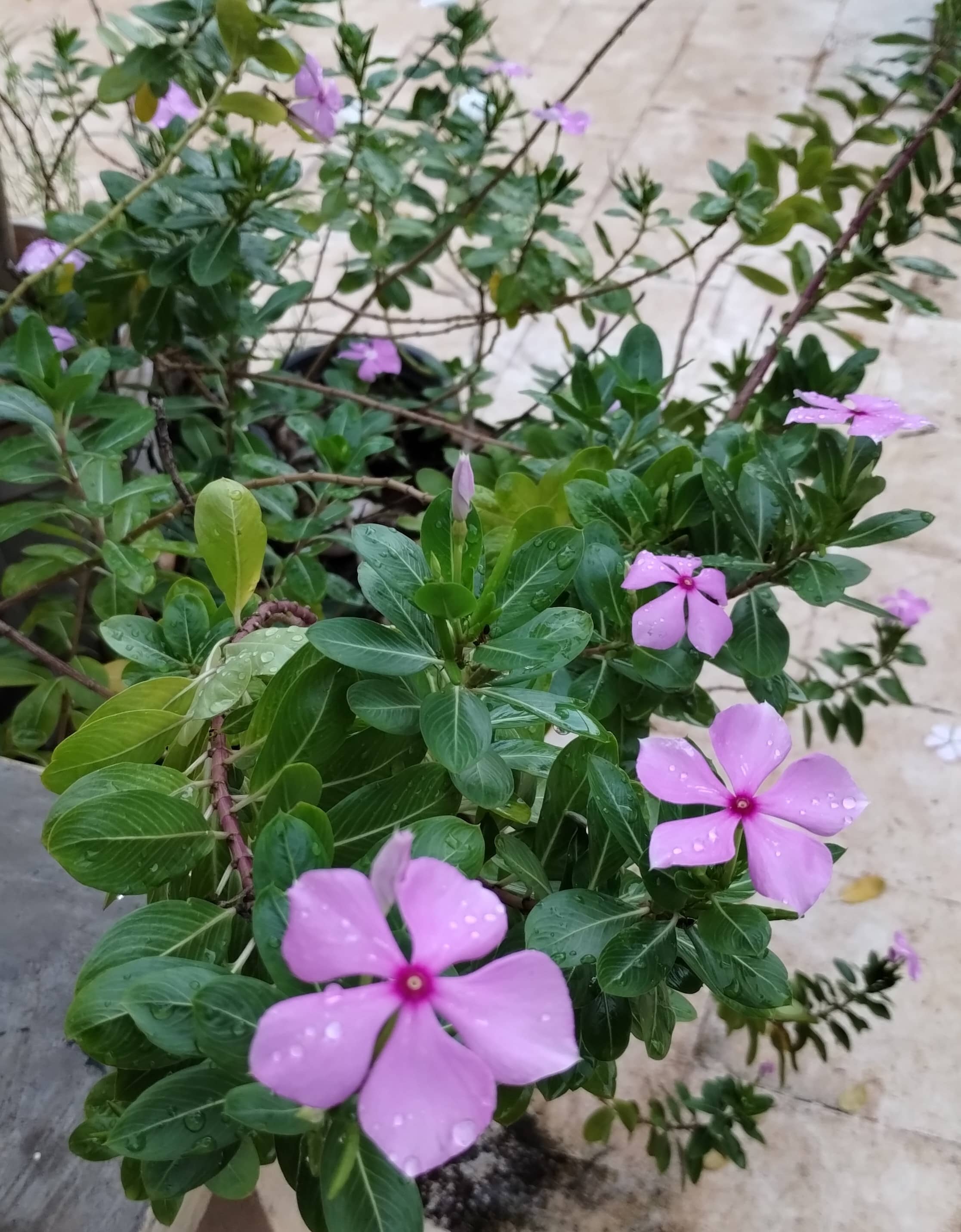
Vinca Rosea
Catharanthus roseus
Vinca Rosea (Catharanthus roseus), widely known as the Madagascar Periwinkle, is a plant of profound duality—equally celebrated as a resilient ornamental and a life-saving pharmaceutical powerhouse. Native to the dry forests of Madagascar but now naturalized across tropical regions worldwide, thi...
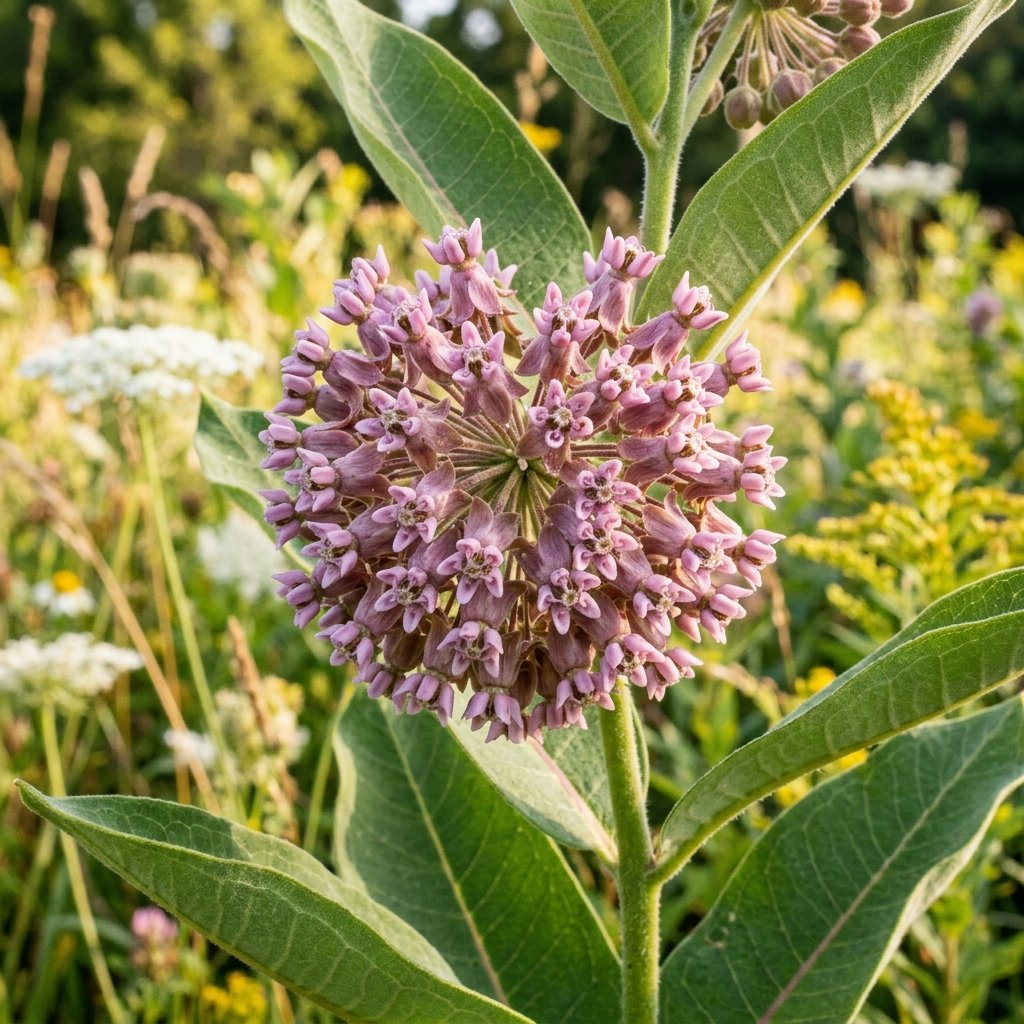
Common Milkweed
Asclepias syriaca
Common Milkweed (*Asclepias syriaca*) is the quintessential wildflower of eastern North American roadsides, meadows, and prairies — a robust, upright perennial producing large, globe-shaped clusters of dusky pink to mauve flowers with an intoxicating sweet fragrance in midsummer, followed by the...
Similar Characteristics
4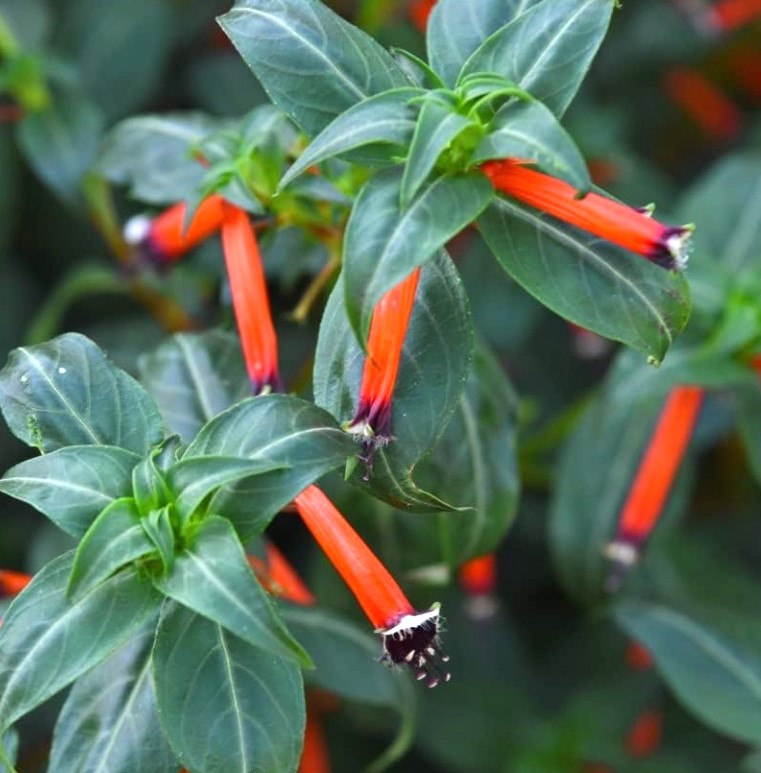
Cuphea Cigar
Cuphea ignea
The Cigar Flower, botanically known as Cuphea ignea and often referred to as the Firecracker Plant or Mexican Cigar Plant, is a charming, continuous-blooming tender evergreen subshrub belonging to the Lythraceae family. Native to the warm, rocky, sun-drenched hillsides and open valleys of Mexico...
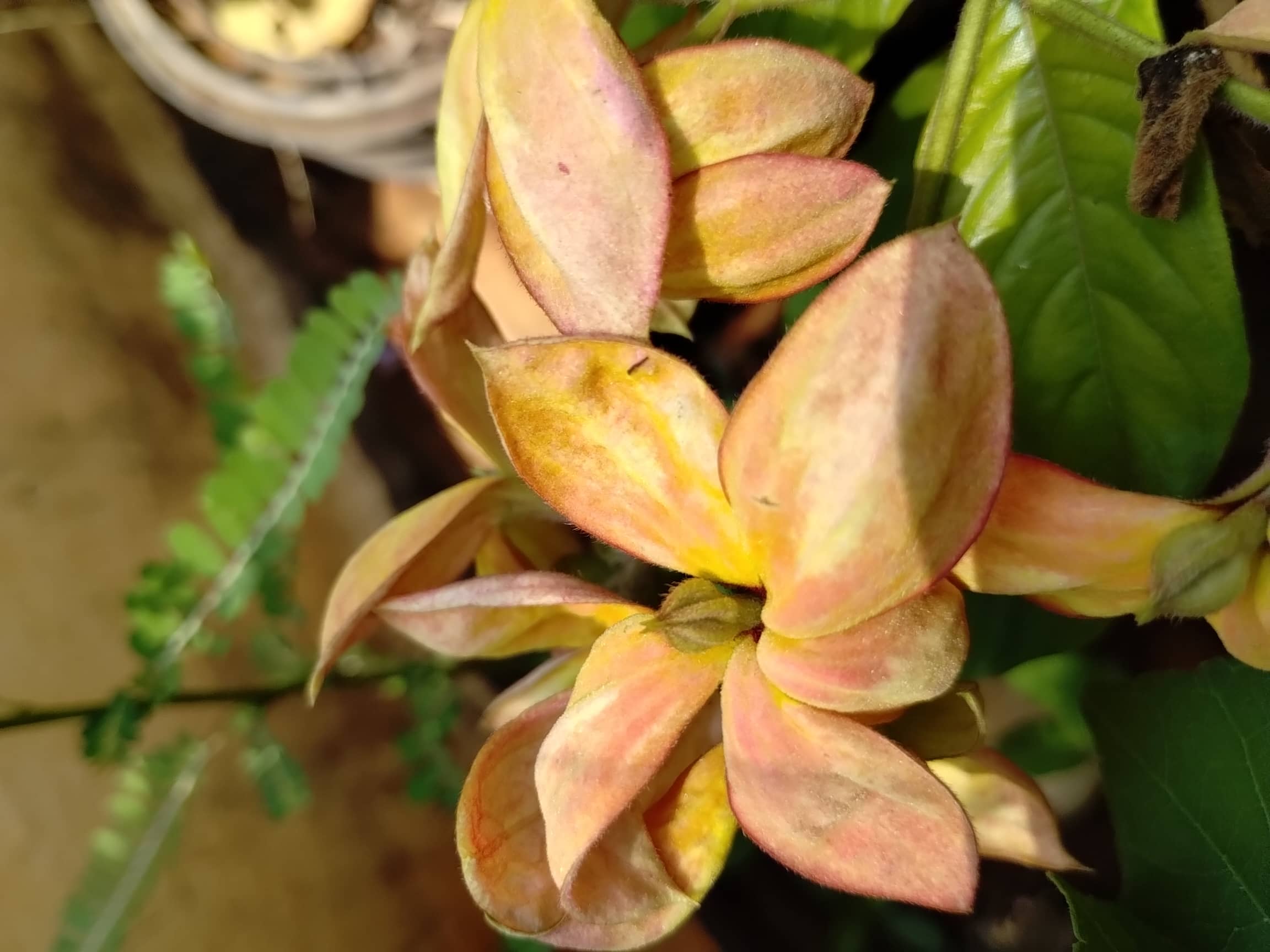
Mussaenda
Mussaenda erythrophylla
Mussaenda, botanically designated as Mussaenda erythrophylla and commonly known as the Ashanti Blood, Red Flag Bush, or Bangkok Rose, is an exceptionally striking, high-impact tropical evergreen shrub or sprawling semi-climber. Belonging to the family Rubiaceae (the coffee or madder family, tribe...
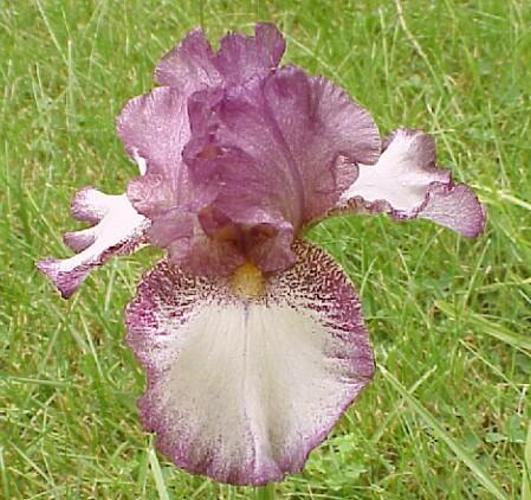
Bearded Iris
Iris germanica
The Bearded Iris, botanically designated under the genus *Iris* (particularly *Iris germanica*), is an exceptionally elegant, highly popular hardy perennial. Belonging to the family Iridaceae (the iris family, tribe Irideae), this spectacular garden favorite is native to the dry, sunny slopes and...
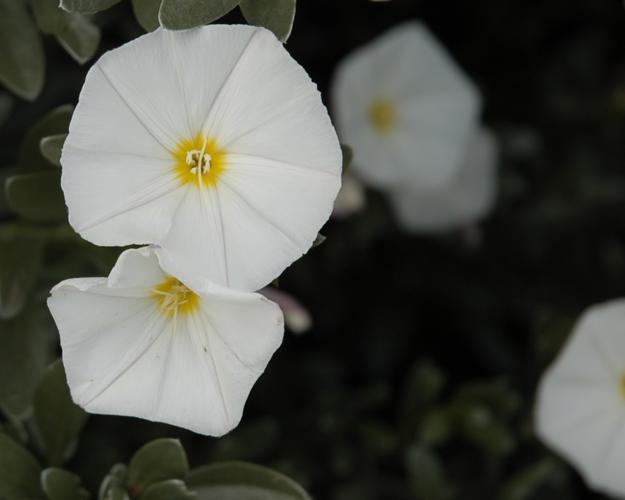
Silverbush
Convolvulus cneorum
The Silverbush, botanically classified as Convolvulus cneorum and widely referred to as the Silvery Bindweed or Bush Morning Glory, is an exceptionally elegant, compact evergreen shrub belonging to the Convolvulaceae (morning glory) family. Unlike its sprawling, climbing vine cousins, this specie...