
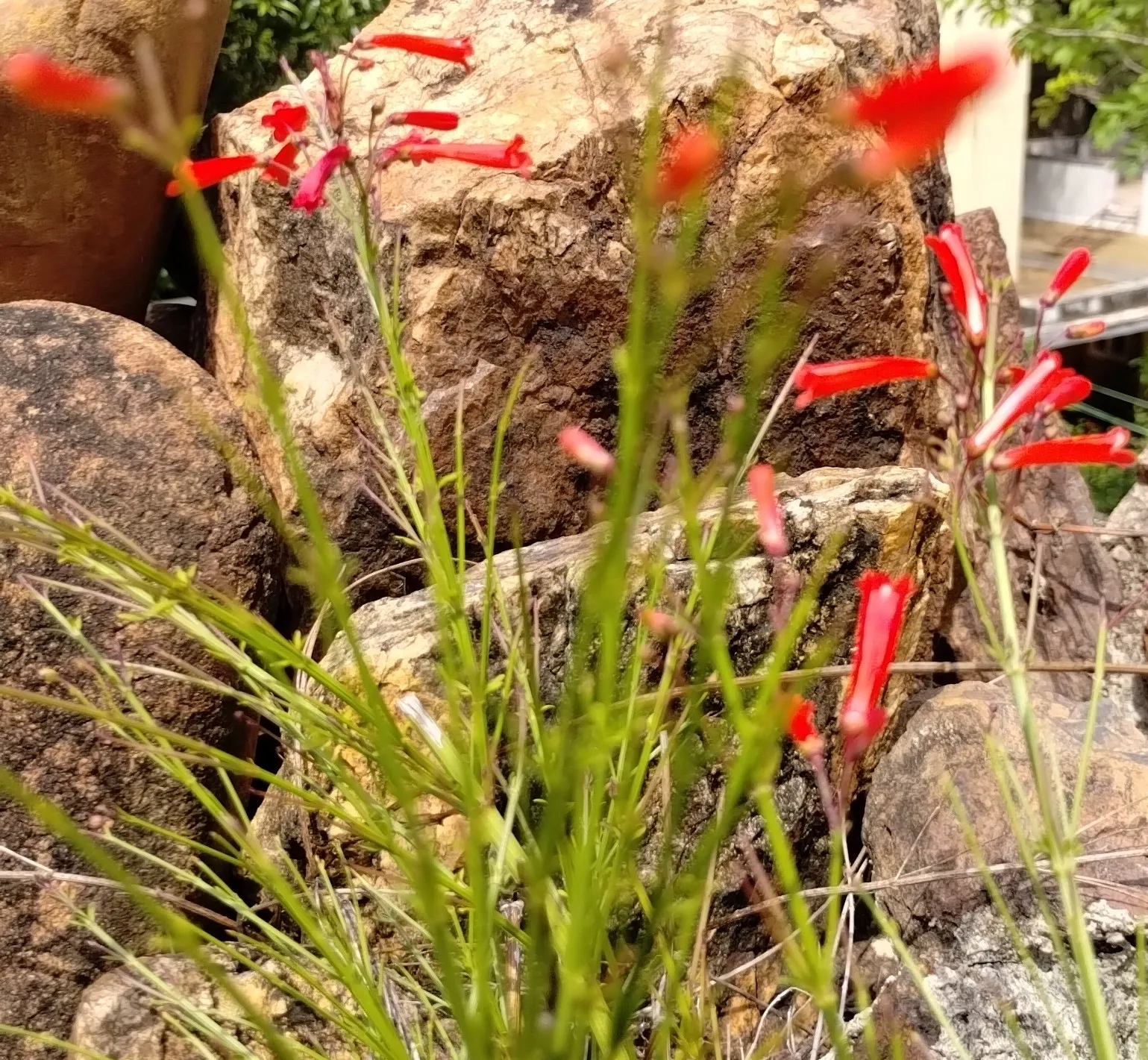
Russelia (Coral Fountain)
Russelia equisetiformis
How to Identify Russelia (Coral Fountain)
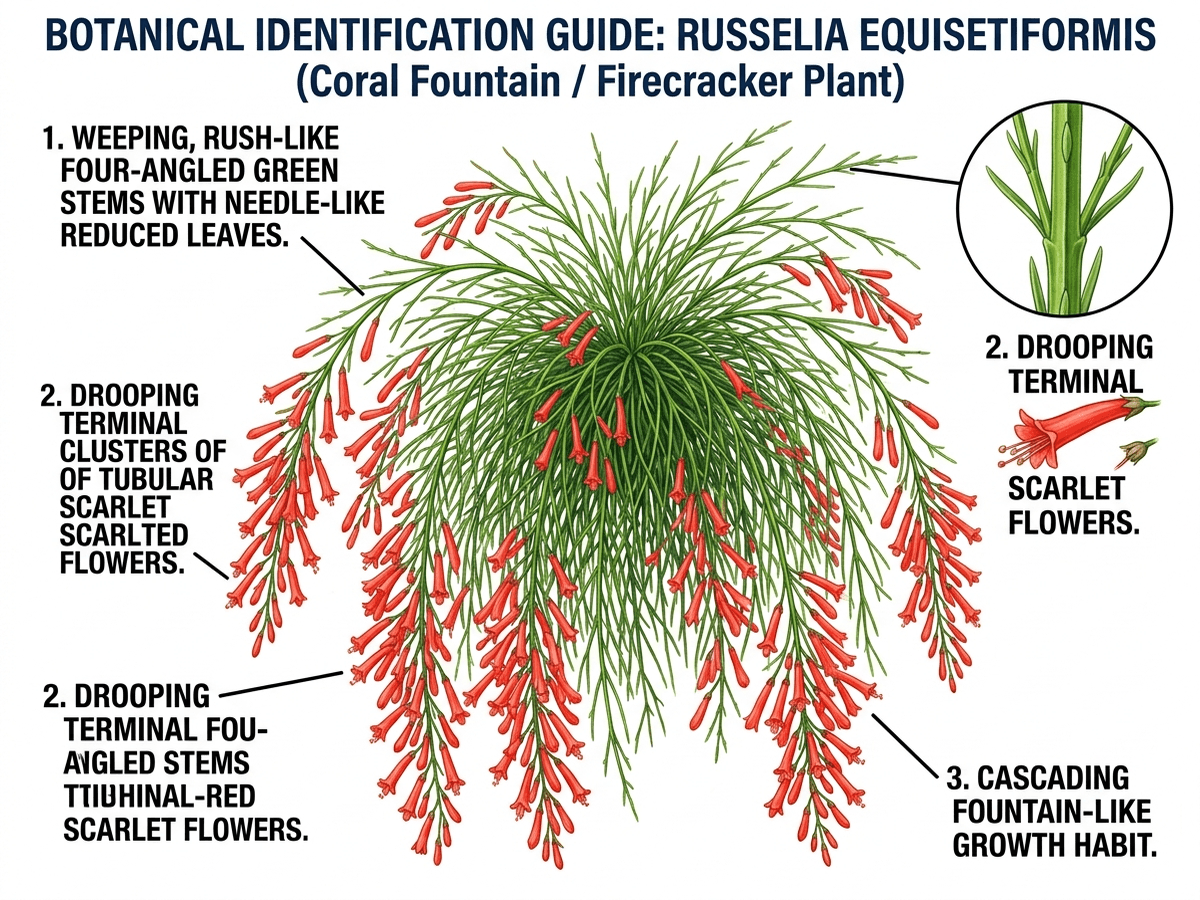
NON-TOXIC. 100% safe for cats, dogs, and horses, providing a safe, bird-friendly addition to modern warm-climate landscapes.
A detailed guide to identifying Russelia (Coral Fountain / Firecracker Plant) by its key botanical features:
- Weeping Rush-like Stems: Thin, green, four-angled stems that arch outward and downward in dense, cascading mounds, resembling weeping horsetails.
- Reduced Needle-like Foliage: Inconspicuous, small, narrow foliage that blends seamlessly into the green weeping stems.
- Tubular Scarlet Blossoms: Explosive clusters of 1-inch, bright coral-red tubular flowers that bloom continuously along the stem tips.
- Fountain Growth Habit: Forms spreading 2 to 5 ft weeping clumps that cascade dramatically over walls, slopes, and containers.
Care & Growing Guide
Russelia (Coral Fountain) Care & Growing Guide:
- Light: Full direct sun (at least 6 hours daily) to trigger the heaviest, most dazzling floral displays.
- Soil: Thrives in poor, sandy, rocky, or gravelly soils. Sharp drainage is required to prevent root rot.
- Watering: Moderate watering during initial establishment; highly drought and salt-tolerant once established.
- Hardiness: Perennial in USDA Zones 9-11; protect from heavy freezing temperatures.
Seasonal Blooming & Hardiness
Seasonal Blooming Calendar:
- Peak Bloom: Spring to early summer (typically April through June).
- Planting Time: Sow seeds directly outdoors in early spring after the last frost, or transplant nursery starts in late spring.
Bloom Timeline
About Russelia (Coral Fountain)
Russelia, botanically designated as Russelia equisetiformis and popularly celebrated as the Coral Fountain or Firecracker Plant, is a spectacular, weeping tropical subshrub belonging to the Plantaginaceae (plantain) family. Native to the warm, sun-drenched woodlands and dry limestone rocky cliffs of Mexico and Guatemala, this exceptionally resilient evergreen perennial is universally cherished for its dramatic cascading growth habit. It is highly valued in hot-climate landscapes for its ability to produce a continuous, explosive waterfall of bright, tubular scarlet blossoms.
Growing in dense, multi-branched weeping clumps that reach heights of 2 to 5 feet and spread up to 6 feet, Russelia equisetiformis features thin, green, four-angled stems that resemble weeping rushes or horsetails. The foliage is heavily reduced, with leaves that are small, inconspicuous, and narrow (often needle-like or scale-like), seamlessly blending into the weeping green stems. From late spring until the first heavy winter frost, the plant is constantly adorned with drooping terminal clusters of tubular, coral-red blossoms that measure 1 inch in length.
The reproductive architecture of the Coral Fountain is represented by the botanical floral formula % ⚥ K(5) C(5) A4 G(2). This formula indicates that the flowers are bilaterally symmetrical (zygomorphic) and bisexual. The calyx is composed of 5 small sepals fused at the base, while the corolla is composed of 5 petals fused into a long, slender tubular shape that flares slightly into 2 distinct lips. The androecium contains 4 fertile stamens of unequal lengths (didynamous) attached directly inside the corolla tube, surrounding a 2-carpellate superior ovary.
Horticulturally, Russelia is an incredibly tough, adaptable subshrub that performs magnificently in intense, full morning and afternoon sun, which triggers the heaviest, most dazzling floral displays. It is highly tolerant of poor, sandy, rocky, or gravelly soils, requiring sharp drainage to prevent root rot in cold seasons. Once established, it is remarkably drought and salt-tolerant, making it a favorite for coastal gardens and warm urban plantings in USDA hardiness zones 9 through 11, though frost will kill the foliage back.
The genus name Russelia honors Dr. Alexander Russell, a highly respected 18th-century Scottish physician and naturalist who authored influential texts on Aleppo's natural history. The specific epithet equisetiformis literally translates to 'horsetail-like,' highlighting the plant's structural resemblance to the primitive Equisetum plant. Famed on the Indian subcontinent as Rasili (रसीली) in Hindi and Cheervali (செர்வாலி) in Tamil, it serves as a botanical symbol of flowing energy, bright tropical cheer, and playful exuberance.
For families with curious household pets, the Coral Fountain is an exceptionally safe and highly rewarding choice. Russelia equisetiformis is classified as completely NON-TOXIC to cats, dogs, and horses by major global veterinary safety databases, including the ASPCA. Its sap and foliage contain no harmful chemical irritants or bitter alkaloids, making it a completely worry-free choice for borders where pets play. To design a pet-safe garden that welcomes local wildlife, check out our specialized Pet Guard safety directory.
Russelia is occasionally confused with other red tubular flowers like the Firecracker Vine or Cuphea. It is easily distinguished because the Coral Fountain grows on tall, weeping, leafless rush-like stems that form a cascading mound, whereas Cuphea forms low, upright woody shrubs with distinct broad green leaves. It looks spectacular trailing over retaining walls alongside trailing Wild Pansy or colorful Phlox. To discover more weeping tropical perennials, visit our Flower Identifier.
For more botanical profiles and flower identification features, see our guides on Rangoon creeper and Pincushion.
Floral Formula & Features
Zygomorphic, bisexual, 5 fused sepals, 5 fused petals forming tubular corolla, 4 didynamous stamens, 2 fused carpels with superior ovary
- Scientific Name & Classification: Russelia equisetiformis (Plantaginaceae). Famed as Coral Fountain, Firecracker Plant, and Rasili.
- Identification Markers: Dense weeping mounds of slender, rush-like green stems with reduced leaves. Explodes in cascading clusters of tubular scarlet flowers.
- Floral Formula (% ⚥ K(5) C(5) A4 G(2)): Bilaterally symmetrical, tubular corolla of 5 fused petals, 4 didynamous stamens, and a superior ovary.
- Growing Requirements: Full sun; thrives in poor, rocky, or sandy well-drained soils. Exceptionally drought and salt-tolerant (Zones 9-11).
- Cultural Significance: Genus name honors Scottish naturalist Dr. Alexander Russell. Equisetiformis references resemblance to prehistoric horsetails.
- Safety & Toxicity: NON-TOXIC. 100% safe for cats, dogs, and horses, providing a safe, bird-friendly addition to modern warm-climate landscapes.
- Common Look-alikes: Confused with Cuphea Ignea (Cigar Flower), but distinguished by its weeping, weeping stems and lack of broad foliage.
- Internal Links: Looks stunning trailing over rock walls alongside low-growing Wild Pansy or creeping Phlox; explore options in our Flower Identifier.
Names in Different Languages
Botanical Classification: Russelia (Coral Fountain) belongs to the Plantaginaceae family. Learn how to identify its floral symmetry, stamen arrangement, and structural formulas in our Botanical Family Classification Guide.
Toxicity & Safety
Frequently Asked Questions
What is Floral Formula?
A floral formula is a symbolic representation of a flower's structure using letters, numbers, and special symbols. It provides a concise way to describe the arrangement and number of floral parts.
This formula describes the flower's symmetry, sepals, petals, stamens, and carpels in a standardized format.
Formula Sequence
- Bract: Br or Ebr
- Bracteole: Brl or Ebrl
- Symmetry: % (Radial) or ⊕ (Bilateral)
- Sex: ♀ (Female), ♂ (Male), or ⚥ (Bisexual)
- Calyx/Sepal: K<number> (Free or Fused)
- Corolla/Petal: C<number> (Free or Fused)
- Androecium: A<number> (Free or Fused)
- Gynaecium: G<number> (Superior or Inferior Ovary)
Symbol Meanings
- Numbers: Indicate quantity of parts
- Parentheses (): Parts are fused together
- Plus (+): Parts in different whorls
- Underline: Superior ovary position
- Overline: Inferior ovary position
- ∞: Numerous parts (too many to count)
Understanding floral formulas helps botanists quickly identify and classify flowers based on their structural characteristics.
Similar Flowers
Discover flowers that share botanical characteristics
Same Family
3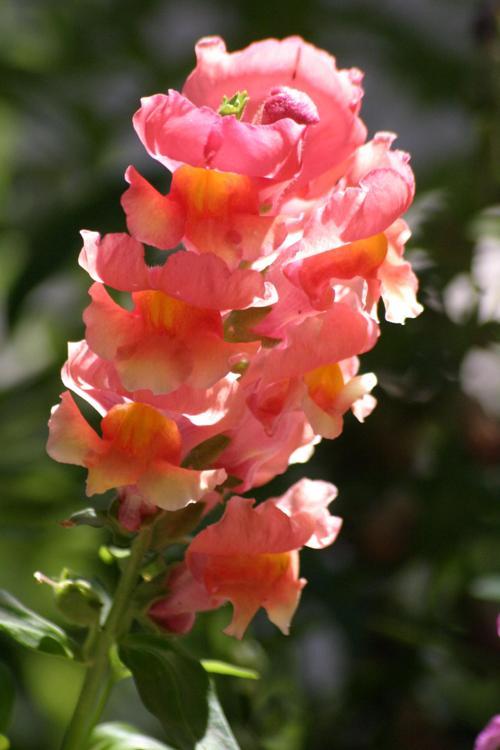
Antirrhinum
Antirrhinum
The Snapdragon, botanically designated as Antirrhinum majus and belonging to the family Plantaginaceae (the plantain family, formerly grouped under Scrophulariaceae), is an exceptionally charming and iconic herbaceous perennial. Native to the rocky screes, ancient ruins, and coastal cliffs of the...
Foxglove
Digitalis purpurea
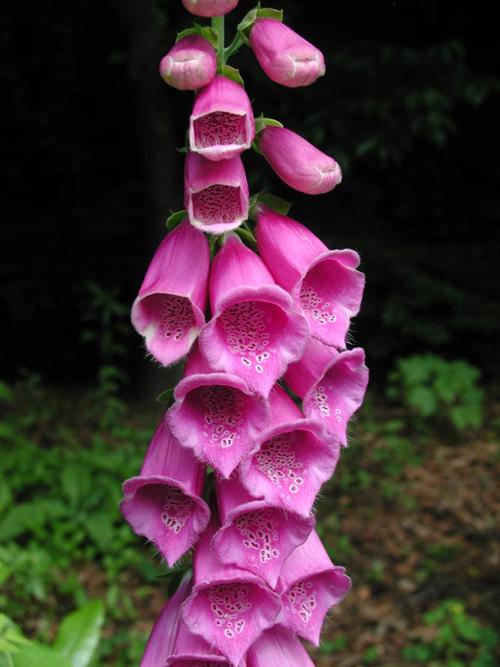
Digitalis purpurea, commonly known as Foxglove, is a majestic and iconic biennial plant belonging to the Plantaginaceae family. Native to the cool, temperate woodlands, hedgerows, and mountainous clearings of western and southwestern Europe, this striking species has naturalized throughout North...
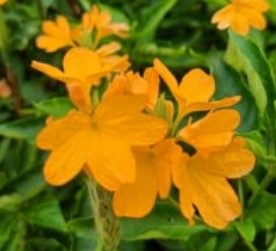
Crossandra Firecracker
Crossandra infundibuliformis
The Firecracker Flower, scientifically known as Crossandra infundibuliformis and popularly called Aboli or Kanakambaram in India, is a beautiful tropical evergreen shrub belonging to the Acanthaceae family. Native to the shady forest understories of southern India and Sri Lanka, particularly the...
Similar Characteristics
4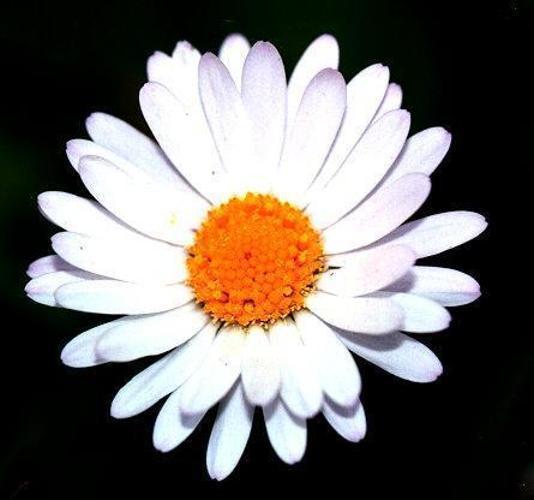
Oxeye Daisy
Leucanthemum vulgare
The Oxeye Daisy, botanically classified as Leucanthemum vulgare and historically celebrated as the Moon Daisy or Dog Daisy, is an exceptionally cheerful, rhizomatous herbaceous perennial belonging to the Asteraceae (daisy or composite) family. Native to the sweeping fields, dry pastures, and sunn...
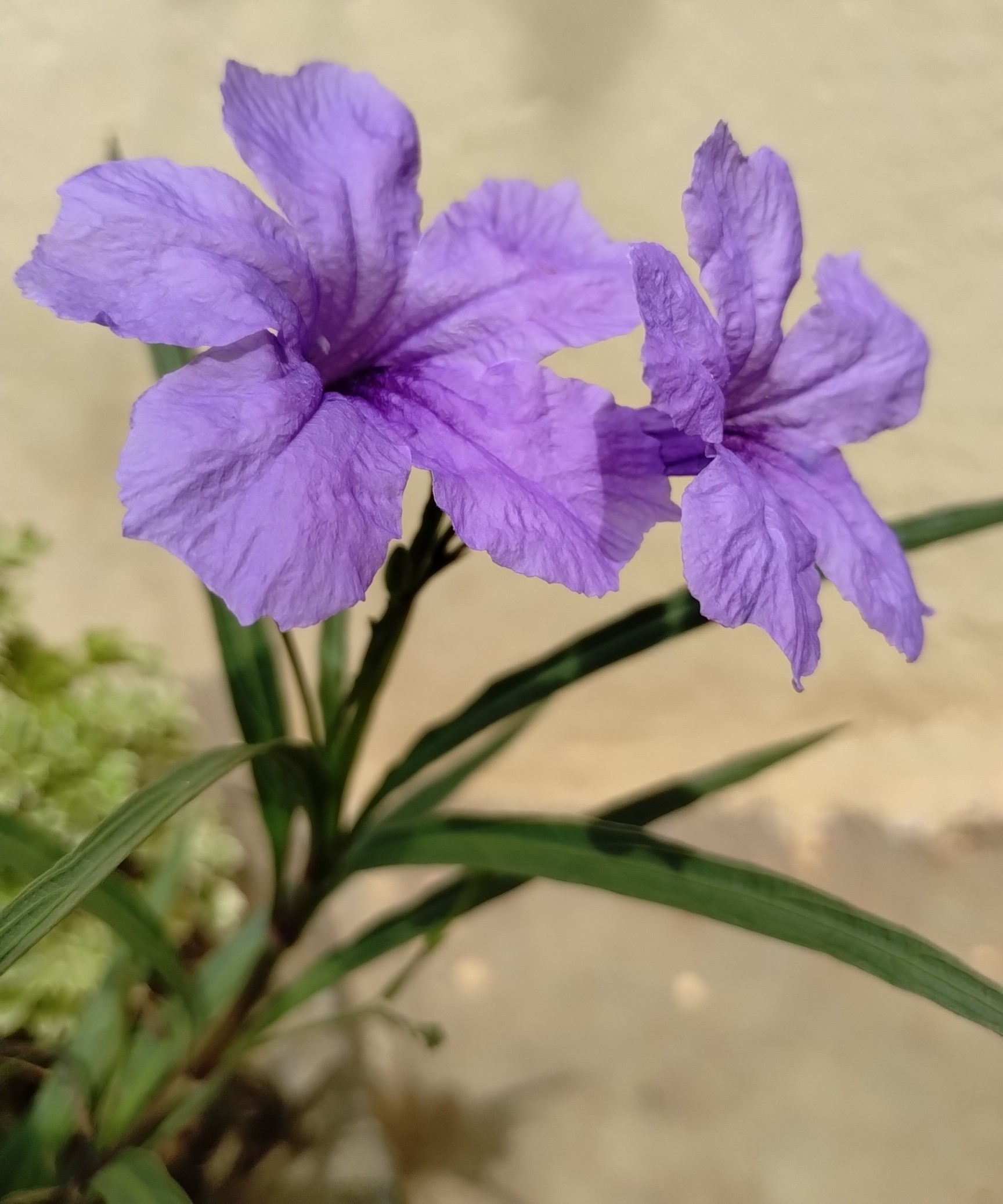
Mexican Petunia
Ruellia simplex
The Mexican Petunia, botanically classified as Ruellia simplex (and historically referred to as Ruellia brittoniana), is an exceptionally vigorous, upright herbaceous perennial belonging to the Acanthaceae (acanthus) family. Native to the warm, moisture-rich woodlands, riverbanks, and wet meadows...
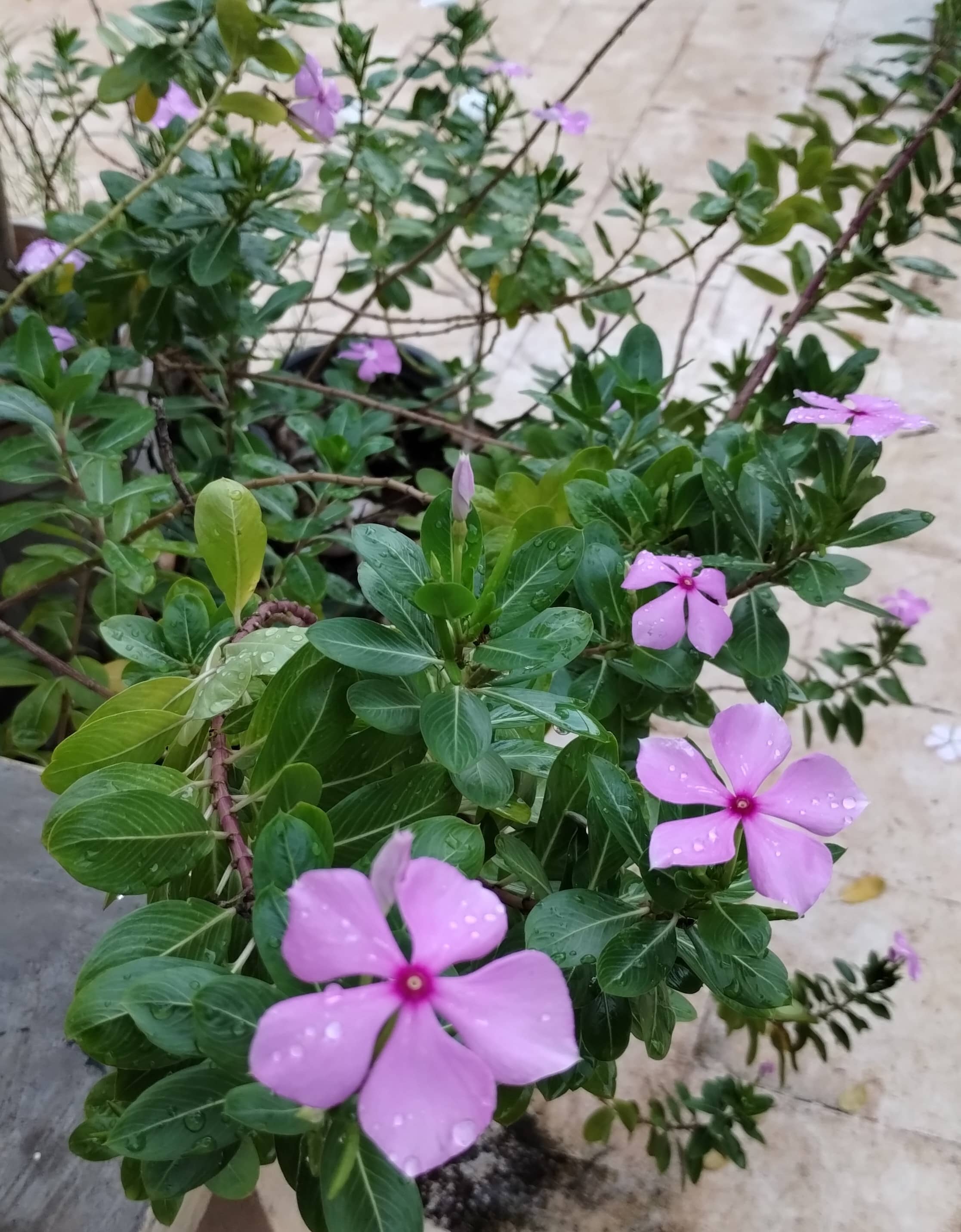
Vinca Rosea
Catharanthus roseus
Vinca Rosea (Catharanthus roseus), widely known as the Madagascar Periwinkle, is a plant of profound duality—equally celebrated as a resilient ornamental and a life-saving pharmaceutical powerhouse. Native to the dry forests of Madagascar but now naturalized across tropical regions worldwide, thi...
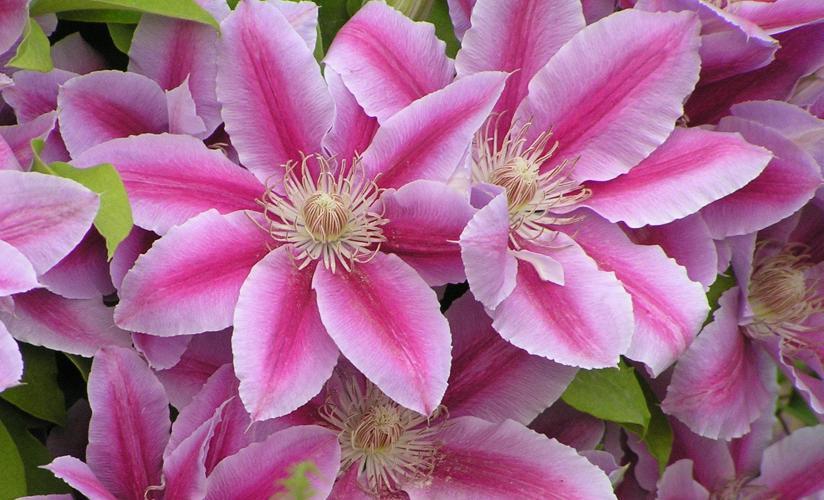
Clematis
Clematis
The Clematis, belonging to the genus Clematis within the family Ranunculaceae (the buttercup family), is a spectacular genus of perennial climbing vines widely hailed as the 'Queen of the Climbers.' Native to the temperate woodlands, rocky hillsides, and river hedgerows across the Northern Hemisp...