
Rhododendron (Burans)
Rhododendron arboreum
How to Identify Rhododendron (Burans)
TOXIC TO PETS & LIVESTOCK. Contains dangerous grayanotoxins (andromedotoxin) that trigger severe cardiac arrhythmia and vomiting. Read our Azalea Pet Guard Profile.
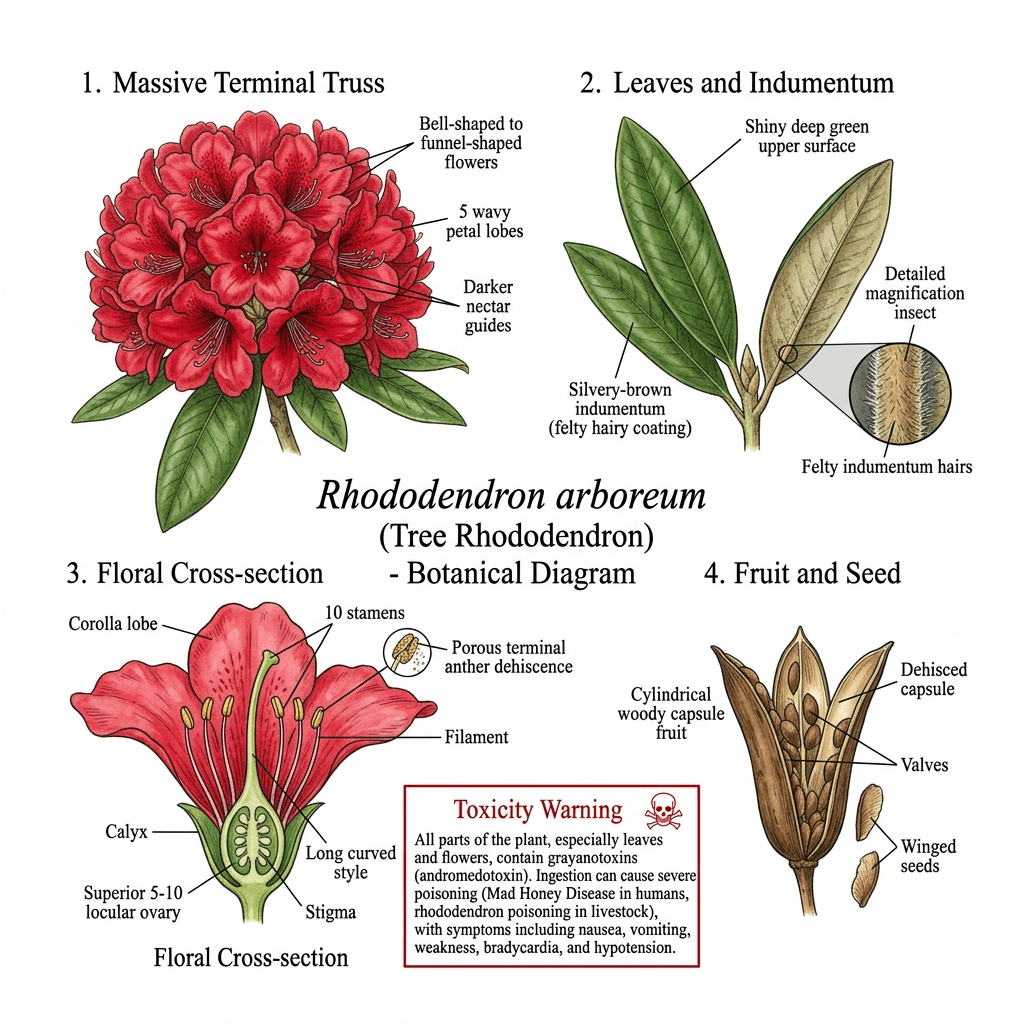
A botanical field guide to identifying Rhododendron (Rhododendron arboreum / Burans) by its structural traits:
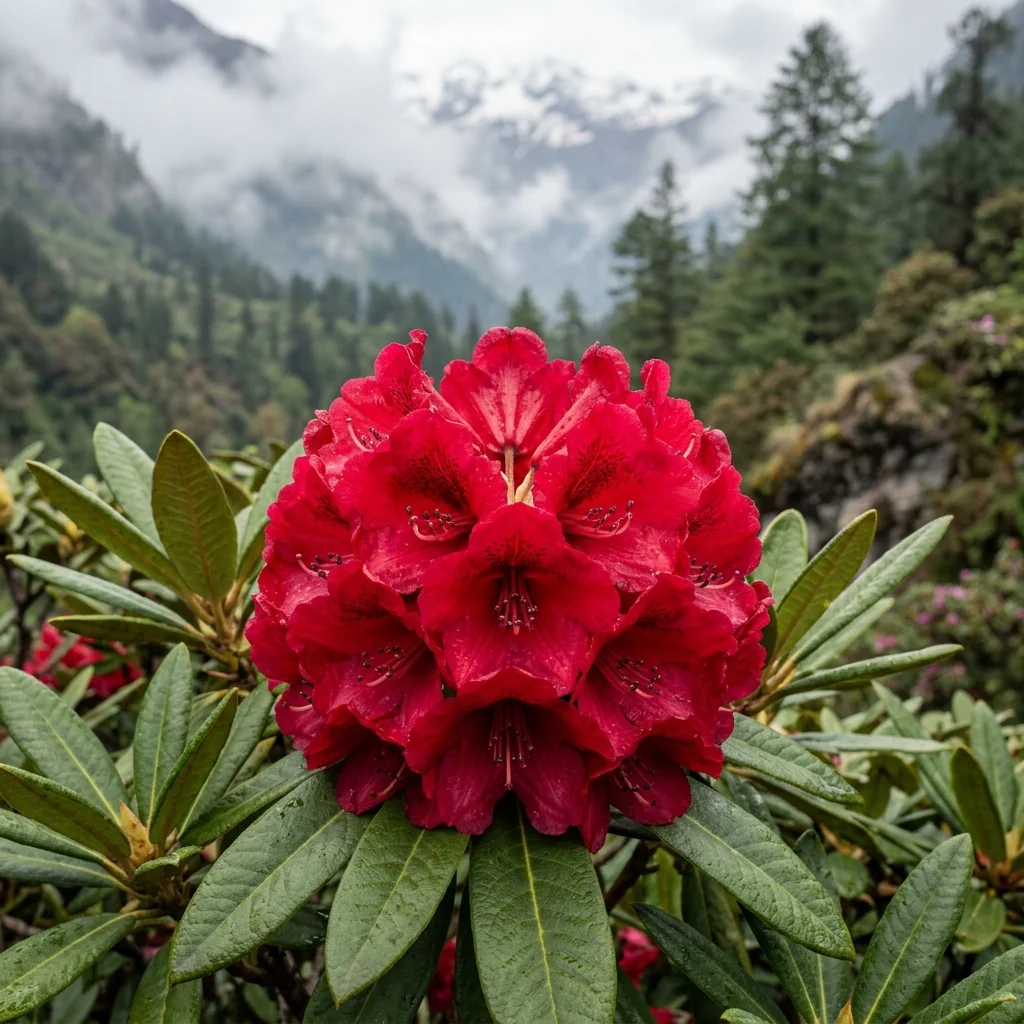
- Massive Terminal Trusses: Large, dense dome-shaped inflorescences holding 10 to 25 bell-shaped blossoms clustered closely at the tips of woody branches.
- Bell-Shaped Campanulate Flowers: Vibrant blood-red, scarlet, pink, or white flowers (1.5 to 2.5 inches wide) with 5 wavy petal lobes and dark speckled nectar guides in the throat.
- Ten Stamens with Porous Anthers: Ten prominent curved stamens whose anthers release pollen grains through apical pores rather than lengthwise slits.
- Leathery Foliage with Indumentum: Thick, stiff, evergreen oblong leaves (4 to 8 inches long) with glossy deep green tops and a felt-like coating of silvery-brown microscopic hairs (indumentum) underneath.
- Woody Cylindrical Capsules: Persistent 5 to 10-valved woody seed pods that split lengthwise in autumn, remaining visible on branches over winter.
Botanical Forms & Regional Variations
- By Growth Habit:
- Arborescent (Tree) Form: Massive single-trunk mountain trees reaching 20 to 40 feet tall in high-altitude Himalayan cloud forests.
- Lepidote (Scaly Alpine) Shrub: Low-growing, dwarf mounded shrubs adapted to rocky subalpine tundra and windswept alpine zones.
- By Flower Color Clines:
- Deep Crimson / Blood Red: Typical of high-altitude Himalayan Rhododendron arboreum (subsp. arboreum).
- Pink, Violet, and White Cultivars: Common in hybrid garden rhododendrons cultivated for temperate woodland estates.
Care & Growing Guide
Rhododendron (Burans) Care & Growing Guide:
- Light: Dappled shade to morning sunlight with afternoon shade. Intense afternoon heat will scorch the large leathery leaves and fade blossoms prematurely.
- Soil: Strictly acidic (pH 4.5 to 5.5), rich in organic peat or leaf mold, and exceptionally well-draining. Highly susceptible to phytophthora root rot in heavy waterlogged soils.
- Watering: Keep the soil consistently moist but never soggy. Shallow surface roots dry out quickly; apply a 2-3 inch mulch of pine needles or oak leaves to conserve moisture and regulate root temperature.
- Fertilization & Maintenance: Feed with an acid-loving plant fertilizer (rhododendron/azalea blend) after flowering in late spring. Deadhead spent floral trusses carefully to prevent seed energy drain without snapping developing shoot buds.
Seasonal Blooming & Hardiness
Seasonal Blooming Calendar (Cool Temperate & Mountain Zones):
- Peak Bloom: Early to mid-spring (March through May in the Northern Hemisphere; February to April along Himalayan slopes).
- Foliage & Buds: Large terminal flower buds form in late summer and persist through winter before swelling and opening in early spring.
- Life Cycle: Long-lived, slow-growing woody evergreen perennial shrub or tree capable of thriving for centuries.
Bloom Timeline
About Rhododendron (Burans)
Rhododendron, botanically classified within the grand genus Rhododendron (exemplified by the majestic tree species Rhododendron arboreum) and celebrated across the Himalayas as Burans or the Rose Tree, is an exceptionally magnificent, woody evergreen flowering tree or large shrub. Belonging to the heath family Ericaceae (tribe Rhodoreae), this legendary mountain genus comprises over 1,000 diverse species, with primary epicenters of wild diversity nestled in the montane cloud forests and subalpine slopes of the Himalayas, Southeast Asia, East Asia, and the Appalachian mountains of North America.
Ranging in size from compact 3-foot alpine shrubs to towering 40-foot forest canopy trees, Rhododendrons are characterized by their thick, leathery, and dark emerald-green leaves. The oblong-to-lanceolate foliage measures 3 to 8 inches in length, featuring smooth, slightly rolled margins and a glossy upper surface. A distinctive morphological hallmark of many wild Rhododendrons is the indumentum—a dense, velvety, felt-like undercoating of microscopic hairs or scales on the leaf undersides that varies in color from silvery-white to rich cinnamon-rust, protecting the plant against alpine chill and desiccating mountain winds.
During early to mid-spring, Rhododendrons produce one of nature's most spectacular floral spectacles: massive, rounded terminal trusses (inflorescences) composed of 10 to 25 tightly clustered blossoms. Individual flowers measure 1.5 to 3 inches across and display a flared bell-shaped (campanulate) to funnel-shaped form. Petal colors span a breathtaking palette, dominated by glowing scarlet-crimson and blood-red in high-altitude Rhododendron arboreum, transitioning to soft rose-pink, violet-purple, sunny yellow, and pure snow white in various montane species. The throat of the upper petals is delicately adorned with darker ruby or purple nectar guide speckles.
The actinomorphic to slightly zygomorphic floral morphology is represented by the family-specific floral formula ⊕ ⚥ K(5) C(5) A10 G(5-10). This indicates a bisexual flower with a small, saucer-like calyx of 5 short green sepals. The corolla consists of 5 fused petals flaring into a 5-lobed bell. Ten distinct stamens arise from the flower base, featuring elongated curved filaments and anthers that release pollen through specialized apical pores rather than longitudinal slits. The superior ovary possesses 5 to 10 locules with a long, stout style and a swollen, lobed stigma, maturing into an elongated woody capsule that splits to liberate thousands of tiny winged seeds.
In Himalayan culture, Burans holds immense ecological, cultural, and herbal significance. It is revered as the national flower of Nepal and the state tree of the Indian Himalayan state of Uttarakhand. In traditional mountain villages, fresh crimson petals are processed into a vibrant, cooling floral squash, jelly, and herbal tea celebrated for cardiovascular health, digestive wellness, and seasonal refreshment.
For pet owners and veterinarians, Rhododendron demands extreme caution: ALL PARTS OF THE PLANT ARE TOXIC. Rhododendrons contain potent polycyclic neurotoxins known as grayanotoxins (specifically andromedotoxin). Ingestion of leaves, stems, nectar, or flowers by dogs, cats, horses, or livestock can cause intense salivation, vomiting, diarrhea, tremors, profound bradycardia, hypotension, and life-threatening cardiac collapse. Furthermore, honey produced by bees foraging on wild rhododendron nectar is historically known as 'mad honey' and can cause human neurotoxicity. To review detailed clinical toxicology protocols and pet-safe garden alternatives, visit our Azalea & Rhododendron Pet Guard Profile.
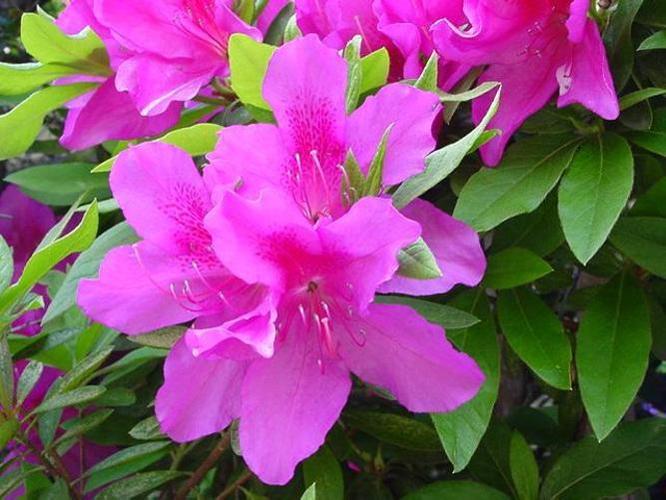
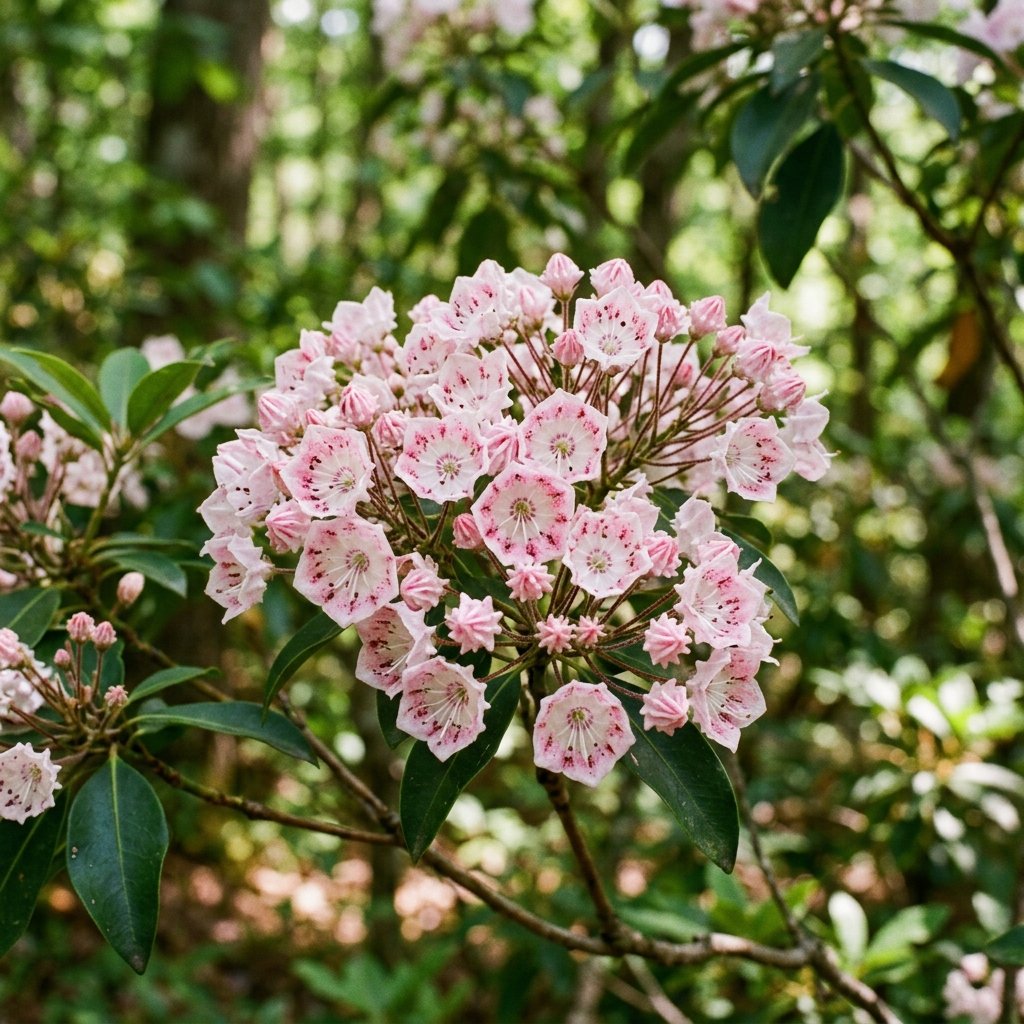
Rhododendrons are frequently compared to Azaleas (which belong to the same genus Rhododendron). Rhododendrons are easily identified by their larger, thicker, evergreen leathery leaves, massive multi-flowered trusses, and 10 stamens per bloom, whereas deciduous azaleas have smaller, thinner, hairy leaves and typically only 5 stamens. In acid-loving shade landscapes, they combine magnificently with Mountain Laurel, Camellia, Hydrangea, and Magnolia. Browse our Flower Identifier to discover more spectacular flowering shrubs.
For more detailed botanical identification guides and shade shrub profiles, explore our comprehensive features on Azalea, Mountain Laurel, and Camellia.
Floral Formula & Features
Actinomorphic to slightly zygomorphic, bisexual, calyx of 5 short sepals, corolla of 5 fused petals forming a campanulate or funnel-shaped tube with 5 spreading lobes, 10 stamens with filaments unequal and anthers opening by terminal pores, superior ovary with 5-10 locules and axile placentation, woody septicidal capsule
- Scientific Name & Classification: Rhododendron arboreum and Rhododendron spp. (Ericaceae). Famed as Burans, Tree Rhododendron, and Rose Tree.
- Identification Markers: Thick leathery evergreen leaves with velvety felty indumentum on undersides, massive rounded terminal trusses of 10-25 bell-shaped scarlet-crimson flowers, and 10 stamens with porous anther openings.
- Floral Formula (⊕ ⚥ K(5) C(5) A10 G(5-10)): Bisexual, bell-shaped flowers with 5 small sepals, 5 fused petals, 10 stamens opening via apical pores, and a 5 to 10-locular superior ovary.
- Growing Requirements: Partial dappled shade to morning sun; cool, moist, acidic soil (pH 4.5 to 5.5) enriched with organic leaf mold; requires excellent drainage and protection from scorching heat (Zones 5-9; arboreum in 8-10).
- Cultural Significance: National flower of Nepal; state tree of Uttarakhand, India; harvested traditionally in the Himalayas to craft celebrated seasonal crimson floral squashes and medicinal wellness teas.
- Safety & Toxicity: TOXIC TO PETS & LIVESTOCK. Contains dangerous grayanotoxins (andromedotoxin) that trigger severe cardiac arrhythmia and vomiting. Read our Azalea Pet Guard Profile.
- Common Look-alikes: Distinguished from Azaleas by having 10 stamens (azaleas usually have 5) and thicker, larger evergreen leaves with fuzzy indumentum on the underside.
- Internal Links: Thrives in acidic woodland borders alongside companion shrubs like Azalea, Mountain Laurel, Camellia, and Hydrangea; explore hundreds of species in our Flower Identifier.
Names in Different Languages
Toxicity & Safety
Always keep toxic plants out of reach of children and pets. Consult a veterinarian or medical professional immediately if ingestion is suspected.
Pet Safety Guide: For detailed toxicity symptoms, first-aid measures, and safe garden alternatives, see our full Pet Guard Profile for Rhododendron (Burans).
Frequently Asked Questions
What is Floral Formula?
A floral formula is a symbolic representation of a flower's structure using letters, numbers, and special symbols. It provides a concise way to describe the arrangement and number of floral parts.
This formula describes the flower's symmetry, sepals, petals, stamens, and carpels in a standardized format.
Formula Sequence
- Bract: Br or Ebr
- Bracteole: Brl or Ebrl
- Symmetry: % (Radial) or ⊕ (Bilateral)
- Sex: ♀ (Female), ♂ (Male), or ⚥ (Bisexual)
- Calyx/Sepal: K<number> (Free or Fused)
- Corolla/Petal: C<number> (Free or Fused)
- Androecium: A<number> (Free or Fused)
- Gynaecium: G<number> (Superior or Inferior Ovary)
Symbol Meanings
- Numbers: Indicate quantity of parts
- Parentheses (): Parts are fused together
- Plus (+): Parts in different whorls
- Underline: Superior ovary position
- Overline: Inferior ovary position
- ∞: Numerous parts (too many to count)
Understanding floral formulas helps botanists quickly identify and classify flowers based on their structural characteristics.
Similar Flowers
Discover flowers that share botanical characteristics
Similar Characteristics
4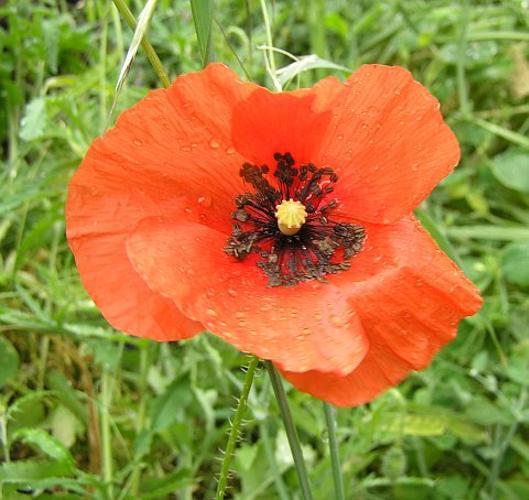
Corn Poppy
Papaver rhoeas
The Corn Poppy, botanically designated as Papaver rhoeas and commonly known as the Field Poppy, Flanders Poppy, or Red Poppy, is an exceptionally iconic, breezy, and resilient annual wildflower. Belonging to the family Papaveraceae (the poppy family, tribe Papavereae), this historically rich plan...
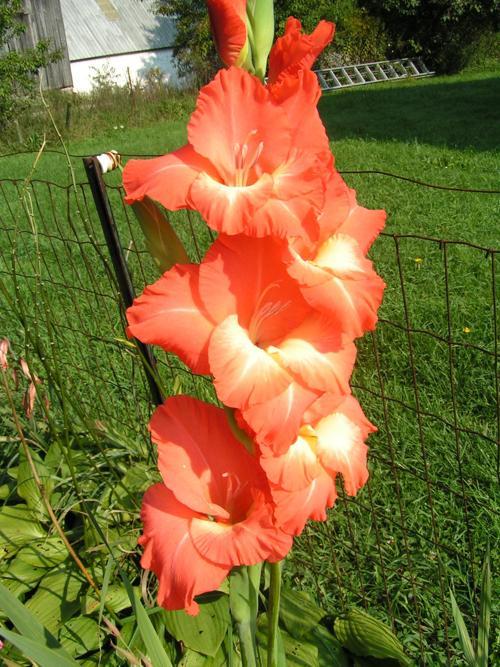
Gladiolus
Gladiolus
The Gladiolus, botanically designated as Gladiolus and commonly known as the Sword Lily or simply Glad, is a spectacular cormous perennial belonging to the family Iridaceae (the iris family). Native primarily to the warm, sun-drenched grasslands, savannas, and shrubby valleys (fynbos) of South Af...
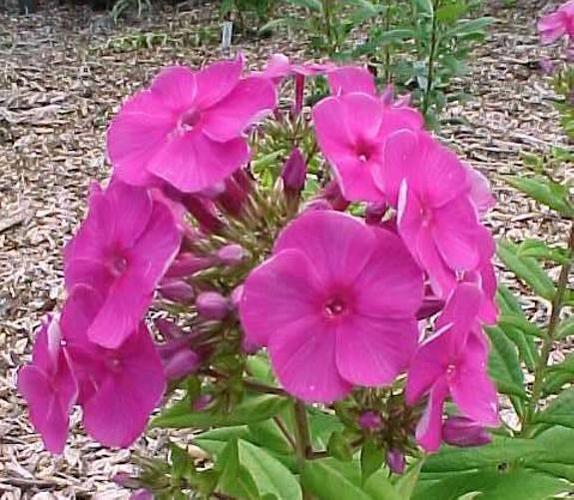
Phlox
Phlox paniculata
The genus Phlox, a cornerstone of the North American garden, encompasses a diverse array of species ranging from low-growing ground covers to towering, stately perennials. Derived from the Greek word for 'flame,' the name perfectly captures the vibrant, fiery intensity of their clustered blossoms...
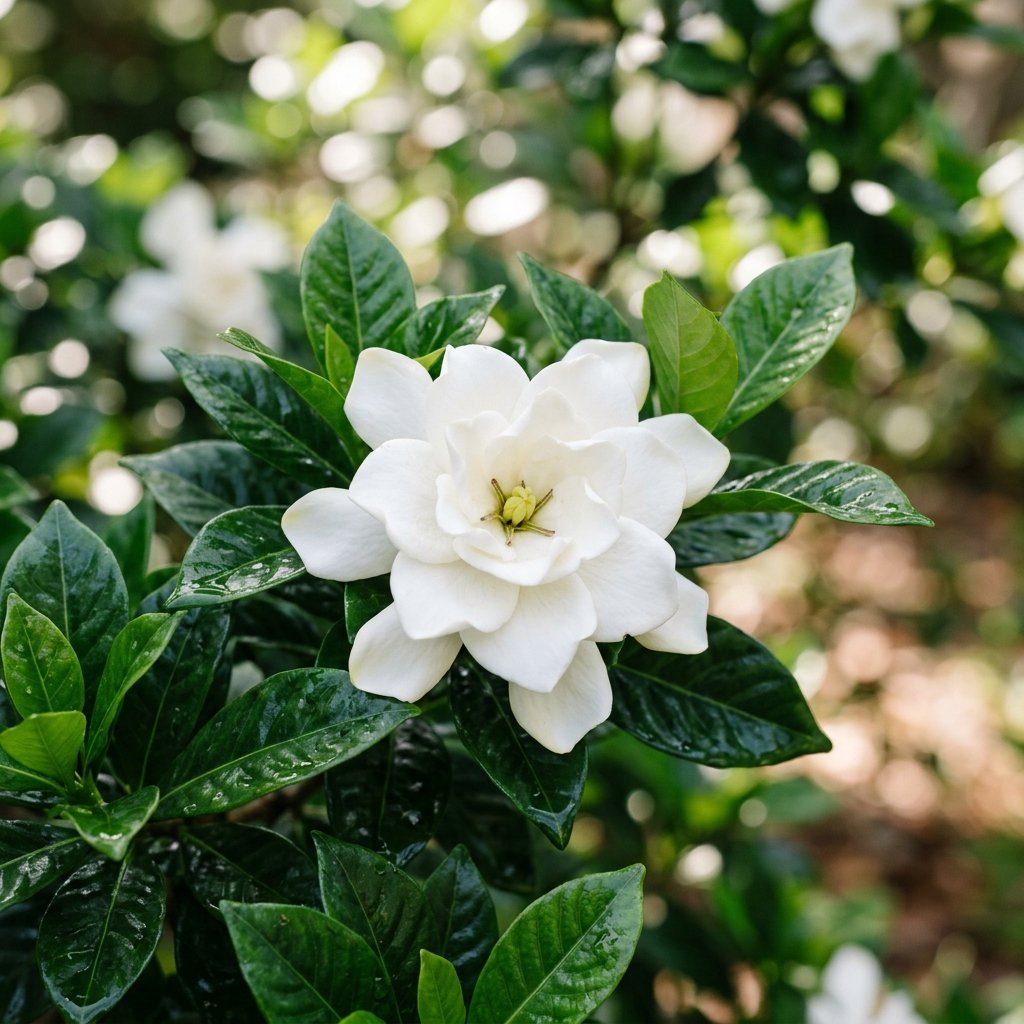
Gardenia
Gardenia jasminoides
Gardenia, botanically classified as Gardenia jasminoides and commonly known as Cape Jasmine, is an exceptionally popular evergreen shrub in the coffee family, Rubiaceae. Native to the subtropical regions of East Asia, it is celebrated worldwide for its waxy, creamy-white blossoms and sweet, intox...