
Is Plumeria (Frangipani) Toxic to Dogs and Cats? (Vet Safety Guide)
Plumeria spp.
Plumeria (Plumeria spp.), universally known as Frangipani or Champa, is an exquisite tropical ornamental tree famous for clusters of intensely fragran...
Scan & Verify This Plant Specimen
Snap or upload a photo to verify botanical authenticity and test toxicity for cats, dogs, and birds.
Drop Plumeria (Frangipani) photo here to verify
or click to browse • Supports JPG, PNG, WEBP • Paste with Ctrl+V
Symptoms to Watch For
Current risk level for cats based on ingestion severity.
Information provided by BioLens Veterinary Database. In case of emergency, always consult a professional.
If your pet ate this plant:
Professional First Aid Summary:
Gently rinse your cat's mouth with clean water and wash sap off paws and fur with mild pet shampoo. Contact your veterinarian or pet poison hotline if vomiting persists beyond 2 hours.
In-Depth Botanical Safety Analysis
Scientific evaluation and toxicological breakdown of Plumeria (Frangipani)
Plumeria (Plumeria spp.), universally known as Frangipani or Champa, is an exquisite tropical ornamental tree famous for clusters of intensely fragrant, spiraled flowers. Despite its popularity in landscapes, Plumeria is moderately toxic to cats and dogs.
The danger comes from the sticky, milky white latex sap present in all parts of the plant, especially branches, leaves, and bark. According to veterinary toxicologists and the ASPCA, this milky latex contains irritating iridoids and cardiotonic glycosides. When a dog or cat chews into stems or leaves, contact with the sap causes immediate burning oral pain, excessive drooling (ptyalism), vomiting, diarrhea, and local skin irritation. While fatalities are rare due to the bitter taste deterring large ingestion, prompt first aid is critical.
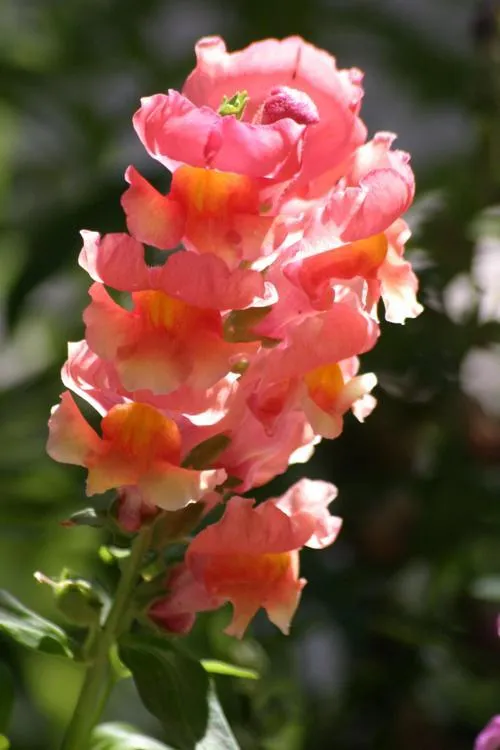
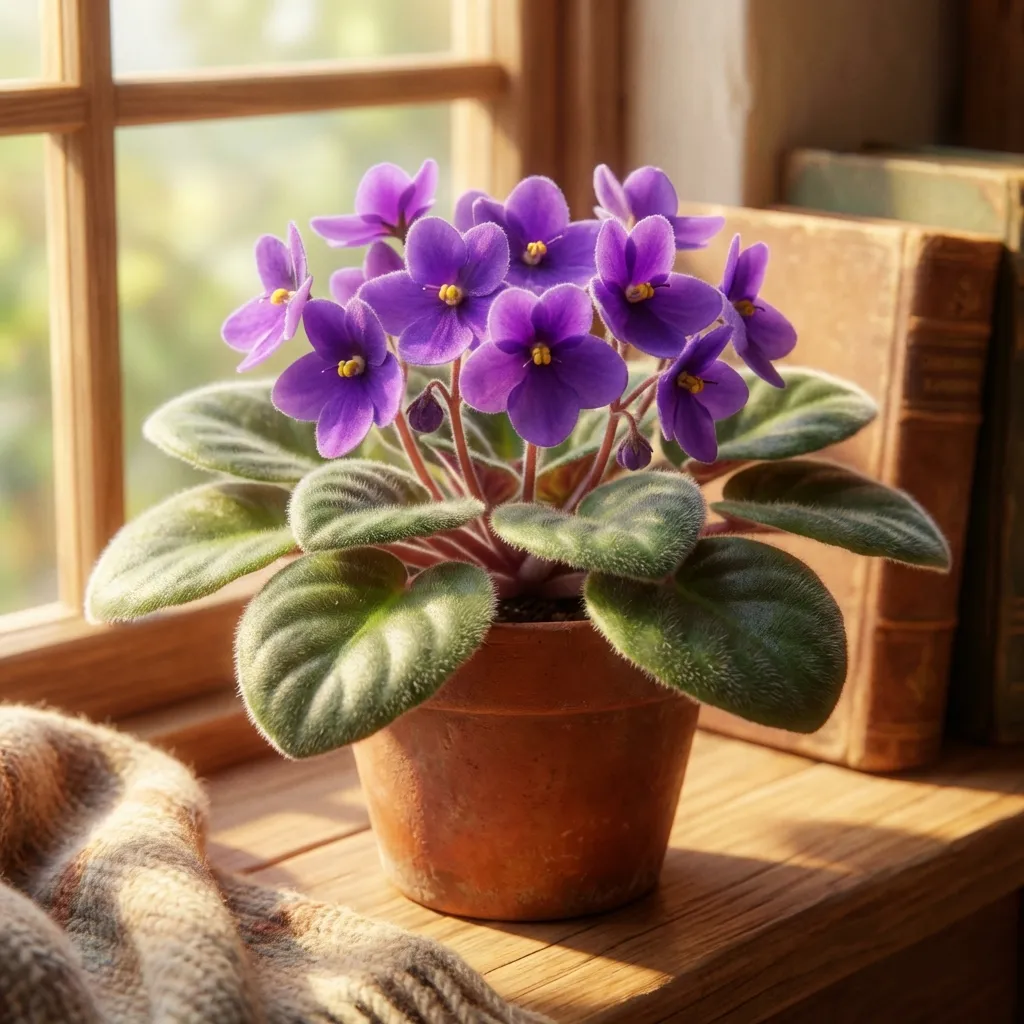
If you want fragrant tropical blooms without the hazard, replace Plumeria with certified pet-safe alternatives like the Snapdragon or African Violet. For complete botanical characteristics, visit our Botanical Profile for Plumeria.
Toxic Parts
Recommended Pet-Safe Alternatives
Global Names & Multilingual Search
Specific Safety FAQs for Plumeria (Frangipani)
Is Plumeria toxic to dogs?
Yes. Plumeria (Frangipani) is moderately toxic to dogs. The white milky latex sap in the bark, leaves, and stems contains irritating glycosides that cause vomiting, drooling, and diarrhea.
Is Plumeria toxic to cats?
Yes. Plumeria is moderately toxic to cats. Chewing into the plant exposes them to irritating sap that causes mouth burning, hypersalivation, vomiting, and skin irritation.
Are Plumeria flowers poisonous if eaten by pets?
While the flowers contain lower concentrations of irritants than the stems and bark, they still contain milky sap and can trigger mild-to-moderate stomach upset and nausea.
What is the emergency first aid for Plumeria sap exposure?
Immediately wipe or wash the milky sap off your pet's fur, mouth, and paws with lukewarm water to prevent further absorption or contact dermatitis. Offer fresh water and contact your vet if vomiting persists.
20 Dangerous Garden Plants: Cat Toxicity & Safety Guide
Felines are highly sensitive to houseplants and flowers. Learn which 20 common species cause severe or fatal reactions in cats, including lilies, and discover safe, cat-friendly garden alternatives.