
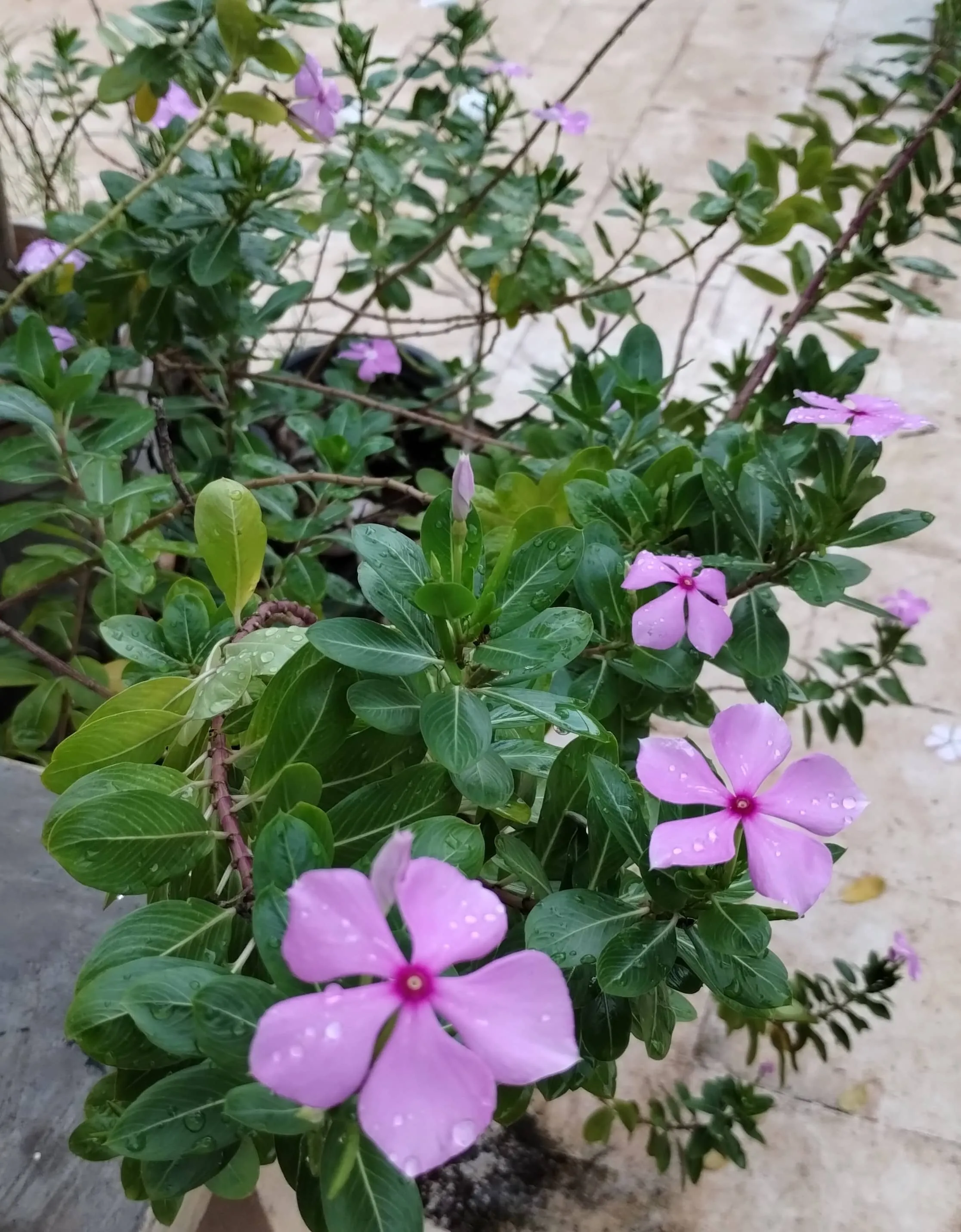
Vinca Rosea
Catharanthus roseus
How to Identify Vinca Rosea
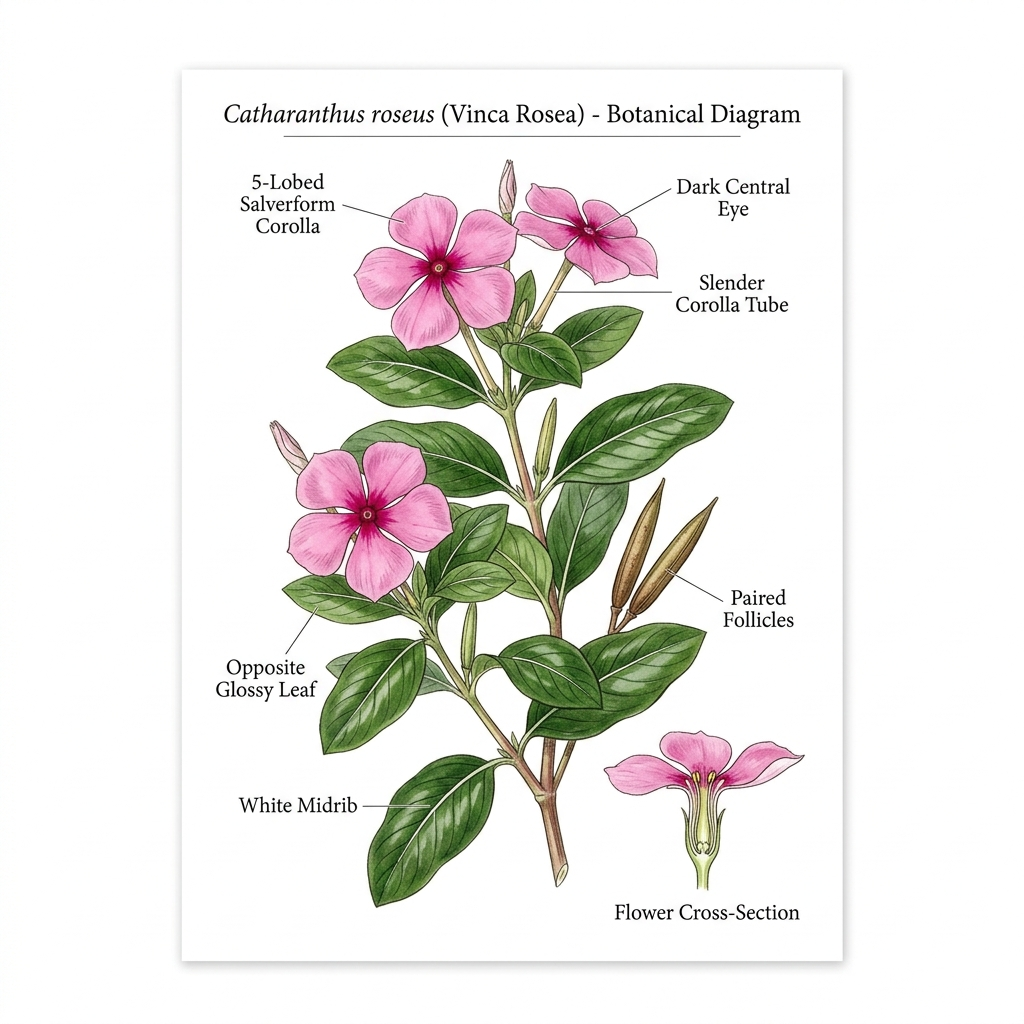
A detailed guide to identifying Vinca Rosea (Catharanthus roseus / Madagascar Periwinkle) by its key botanical features:
- 5-Lobed Salverform Corolla: Symmetrical, pinwheel-like flat flowers with 5 rounded, overlapping petals expanding from a slender, cylindrical corolla tube (1 to 2 inches wide).
- Contrasting Central Eye: Blossoms feature a distinctly pigmented red, magenta, yellow, or white central ring surrounding the throat opening.
- Glossy Leaves with White Midrib: Opposite, oblong-to-elliptic dark green leaves with an exceptionally shiny, waxy surface and a striking pale cream-to-white central vein.
- Paired Cylindrical Follicles: Seed pods form in neat upright pairs of slender green capsules (follicles) that split open when ripe to disperse grooved black seeds.
- Erect Shrubby Habit: Upright, well-branched herbaceous perennial reaching 1 to 2 feet in height, exuding faint watery/milky sap when stems are snapped.
Varieties & Color Series of Vinca Rosea
- By Flower Coloration & Eye Types:
- Rose & Magenta Types (Standard Wild Form): Classic rich rose-pink petals with a deep ruby-red or dark magenta central throat.
- Pure White with Red Eye (Polka Dot): Crisp snow-white petals accented with an intensely contrasting crimson eye.
- Alba (Pure White): Monochromatic pure white flowers with a pale green or yellowish center.
- Lavender & Apricot Cultivars (e.g., 'Cora', 'Pacifica' series): Modern hybrid selections offering pastel peach, soft lilac, and deep burgundy shades.
- By Growth Habit:
- Upright Bedding Series (e.g., 'Titan', 'Pacifica'): Sturdy, erect mounded plants 14-18 inches tall, bred for maximum heat and wet-soil disease resistance.
- Cascading / Trailing Series (e.g., 'Mediterranean'): Low, spreading forms with horizontal branches ideal for hanging baskets and window boxes.
Care & Growing Guide
Vinca Rosea (Madagascar Periwinkle) Care & Growing Guide:
- Light: Full sun to partial shade (at least 6 hours of direct sun daily). Highly sun-loving; blossoms most abundantly in intense heat and bright exposure.
- Soil: Average, well-draining sandy or loamy soil with a slightly acidic to neutral pH (6.0 to 7.0). Requires excellent drainage; avoid cold, soggy clay.
- Watering: Water moderately when establishing; once rooted, it is remarkably drought-tolerant. Allow soil surface to dry thoroughly between waterings to prevent root rot.
- Feeding & Maintenance: Light monthly feeding with a balanced liquid fertilizer during active blooming. Self-cleaning blooms require no tedious deadheading.
Seasonal Blooming & Hardiness
Seasonal Blooming Calendar (US Hardiness Zones 9b-11 as perennial; Zones 2-9 as annual bedding plant):
- Peak Bloom: Late spring through autumn until the first killing frost (typically May through November); blooms continuously year-round in frost-free tropical climates (hence named 'Sadabahar').
- Planting Time: Sow seeds indoors 10-12 weeks before last frost, or transplant nursery starts outdoors in late spring once night temperatures stay above 60°F (15°C).
- Cold Hardiness: Very frost-sensitive (Zones 9b-11). Will not tolerate frost or cold wet soils below 50°F (10°C).
Bloom Timeline
About Vinca Rosea
Vinca Rosea (Catharanthus roseus), widely known as the Madagascar Periwinkle, is a plant of profound duality—equally celebrated as a resilient ornamental and a life-saving pharmaceutical powerhouse. Native to the dry forests of Madagascar but now naturalized across tropical regions worldwide, this evergreen subshrub belongs to the Apocynaceae (Dogbane) family. In the garden, it is beloved for its unwavering performance in the face of extreme heat and drought, earning its Hindi name 'Sadabahar,' meaning 'always in bloom.' Scientifically, it gained global prominence as the source of vinca alkaloids, specifically Vincristine and Vinblastine, which revolutionized modern oncology.
Morphologically, the Madagascar Periwinkle is a visual delight of symmetry and glossy textures. It typically grows as an upright or spreading plant, reaching 1 to 2 feet in height. Its leaves are dark green, oval-shaped, and feature a characteristic white or prominent light-green mid-rib that contrasts sharply with the glossy surface. The flowers are salverform, meaning they have a narrow tube that opens into five flat, spreading petals. While the original wild species is a delicate rose-pink, cultivated varieties now offer a stunning spectrum of pure white, lavender, apricot, and deep scarlet, often with a darker 'eye' at the center.
Cultivating Vinca Rosea is exceptionally rewarding for gardeners in hot, sunny climates. It thrives in full sun, requiring at least 6 hours of direct light to produce its best floral display, though it can tolerate partial shade in the hottest regions. Its most impressive trait is its drought tolerance; once established, it can survive long periods without supplemental watering. It prefers well-drained, slightly acidic soil and is remarkably resistant to pests and diseases. However, it is sensitive to overwatering and 'cool feet,' making it ideal for rock gardens, sunny borders, and container displays in USDA zones 9 through 11.
The cultural and medicinal impact of the Periwinkle cannot be overstated. In traditional Ayurvedic and Chinese medicine, extracts have been used for centuries to manage blood sugar levels in diabetic patients. In Western medicine, the discovery of its anti-cancer properties remains one of the greatest triumphs of ethnobotany. Despite these benefits, gardeners must exercise caution: the very alkaloids that fight disease make the entire plant highly toxic to pets and humans if ingested. It should be handled with care, particularly in homes with curious cats or dogs, as ingestion can lead to severe gastrointestinal and neurological distress.
When identifying the Madagascar Periwinkle, it is frequently confused with its cousin, Vinca minor (Common Periwinkle). The key distinction lies in their growth habit and environmental preference. While Catharanthus roseus is an upright, sun-loving tropical plant, Vinca minor is a low-growing, trailing groundcover that thrives in the shade and cooler climates. Additionally, the Madagascar Periwinkle's leaves are significantly more glossy and have that distinct white mid-rib, making it easy for BioLens users to identify it correctly in a sunny garden setting.
Floral Formula & Features
Ebracteate, Actinomorphic, bisexual, 5 fused sepals, 5 fused petals, 5 free stamens, 2 fused carpels.
- Cultural Significance: Known as 'Sadabahar' in Hindi (eternal spring) and 'Nithyakalyani' in Tamil, symbolizing endurance and continuous life.
- Identification: Glossy, oval-shaped dark green leaves with a prominent midrib; five-petaled flowers reaching 1-2 inches in diameter.
- Growing Conditions: Prefers well-drained soil, full sun to partial shade (4-6 hours), and is exceptionally drought-tolerant once established.
- Look-alikes: Often confused with Vinca minor (Common Periwinkle), which is a trailing groundcover that prefers shade and cooler climates.
- Medicinal Role: Source of vital chemotherapy drugs Vincristine and Vinblastine used to treat leukemia and Hodgkin's lymphoma.
- Toxicity: Highly toxic to pets and humans if ingested; causes neurological symptoms and severe gastrointestinal distress.
Names in Different Languages
Botanical Classification: Vinca Rosea belongs to the Apocynaceae family. Learn how to identify its floral symmetry, stamen arrangement, and structural formulas in our Botanical Family Classification Guide.
Toxicity & Safety
Always keep toxic plants out of reach of children and pets. Consult a veterinarian or medical professional immediately if ingestion is suspected.
Pet Safety Guide: For detailed toxicity symptoms, first-aid measures, and safe garden alternatives, see our full Pet Guard Profile for Vinca Rosea.
Frequently Asked Questions
What is Floral Formula?
A floral formula is a symbolic representation of a flower's structure using letters, numbers, and special symbols. It provides a concise way to describe the arrangement and number of floral parts.
This formula describes the flower's symmetry, sepals, petals, stamens, and carpels in a standardized format.
Formula Sequence
- Bract: Br or Ebr
- Bracteole: Brl or Ebrl
- Symmetry: % (Radial) or ⊕ (Bilateral)
- Sex: ♀ (Female), ♂ (Male), or ⚥ (Bisexual)
- Calyx/Sepal: K<number> (Free or Fused)
- Corolla/Petal: C<number> (Free or Fused)
- Androecium: A<number> (Free or Fused)
- Gynaecium: G<number> (Superior or Inferior Ovary)
Symbol Meanings
- Numbers: Indicate quantity of parts
- Parentheses (): Parts are fused together
- Plus (+): Parts in different whorls
- Underline: Superior ovary position
- Overline: Inferior ovary position
- ∞: Numerous parts (too many to count)
Understanding floral formulas helps botanists quickly identify and classify flowers based on their structural characteristics.
Similar Flowers
Discover flowers that share botanical characteristics
Same Family
4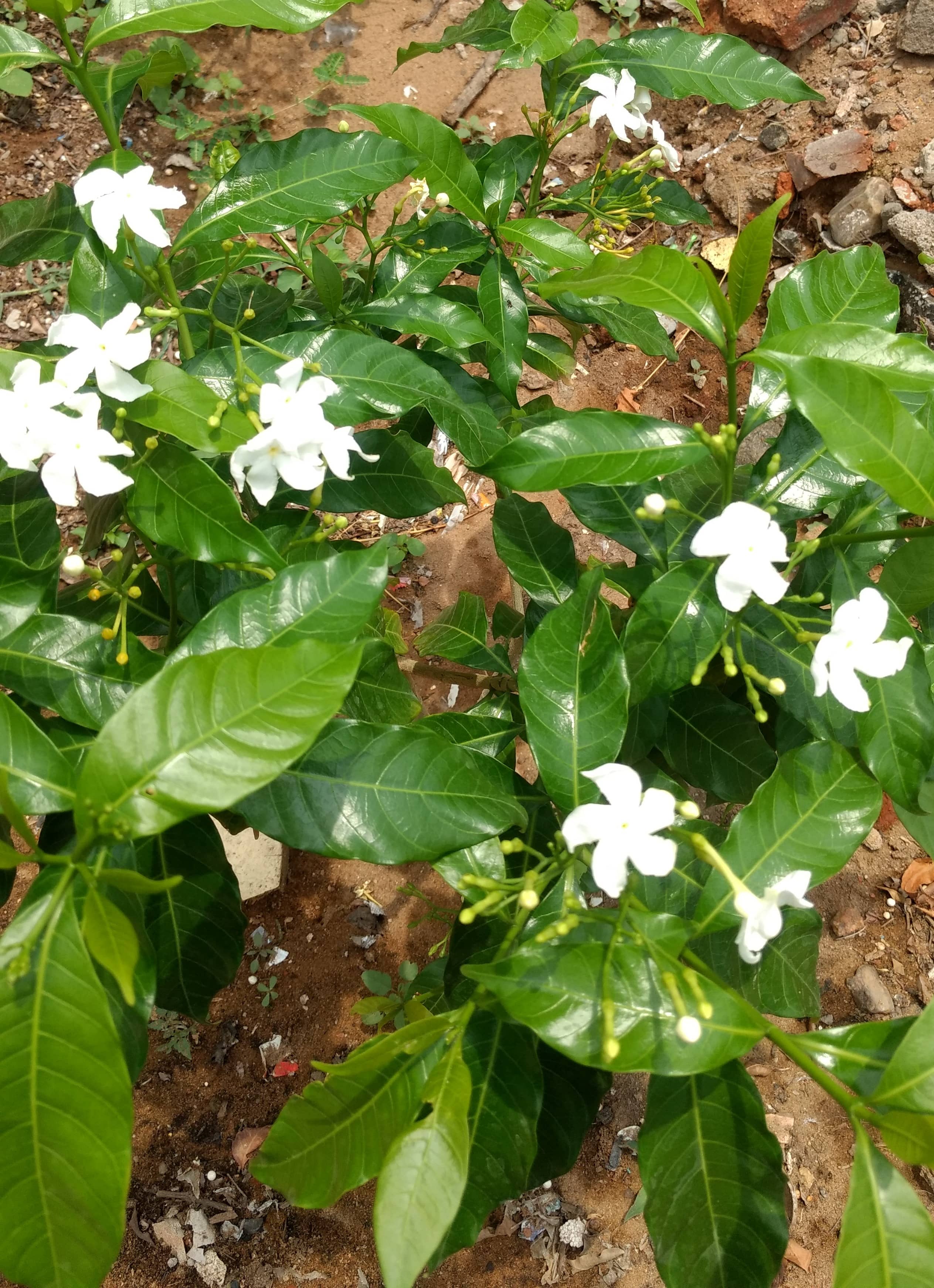
Pinwheel
Tabernaemontana divaricata
Pinwheel, botanically classified as Tabernaemontana divaricata and widely celebrated as Crape Jasmine, Crepe Jasmine, or Chandni, is an exceptionally elegant, evergreen flowering tropical shrub belonging to the Apocynaceae (dogbane) family. Native to the warm, humid, low-elevation woodland plains...
Allamanda
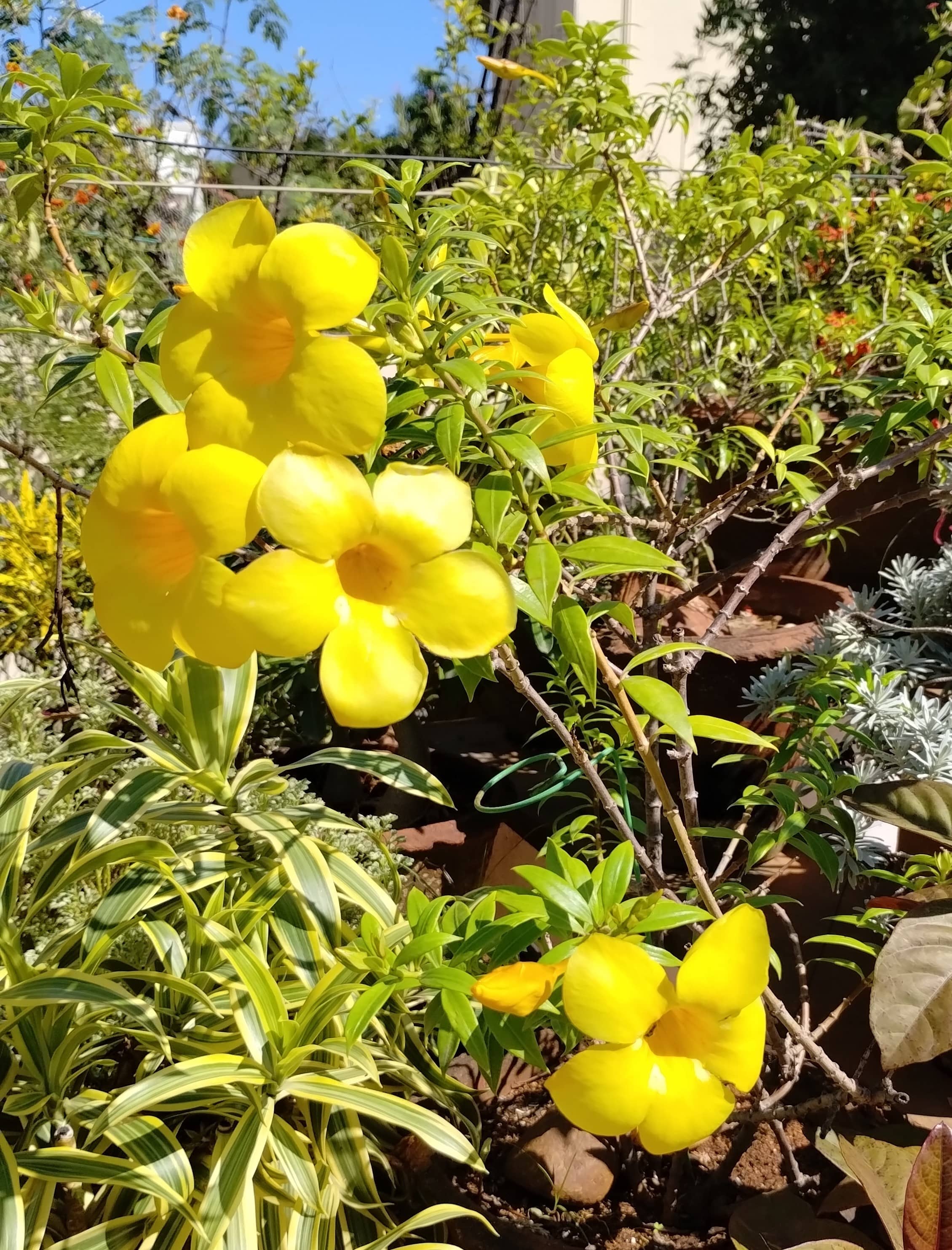
Allamanda cathartica
The Allamanda, botanically designated as Allamanda cathartica and commonly known as the Golden Trumpet, Common Trumpet Vine, or Yellow Bell, is a spectacular tropical evergreen perennial. Belonging to the family Apocynaceae (the dogbane family), this vigorous climbing vine or sprawling shrub is n...
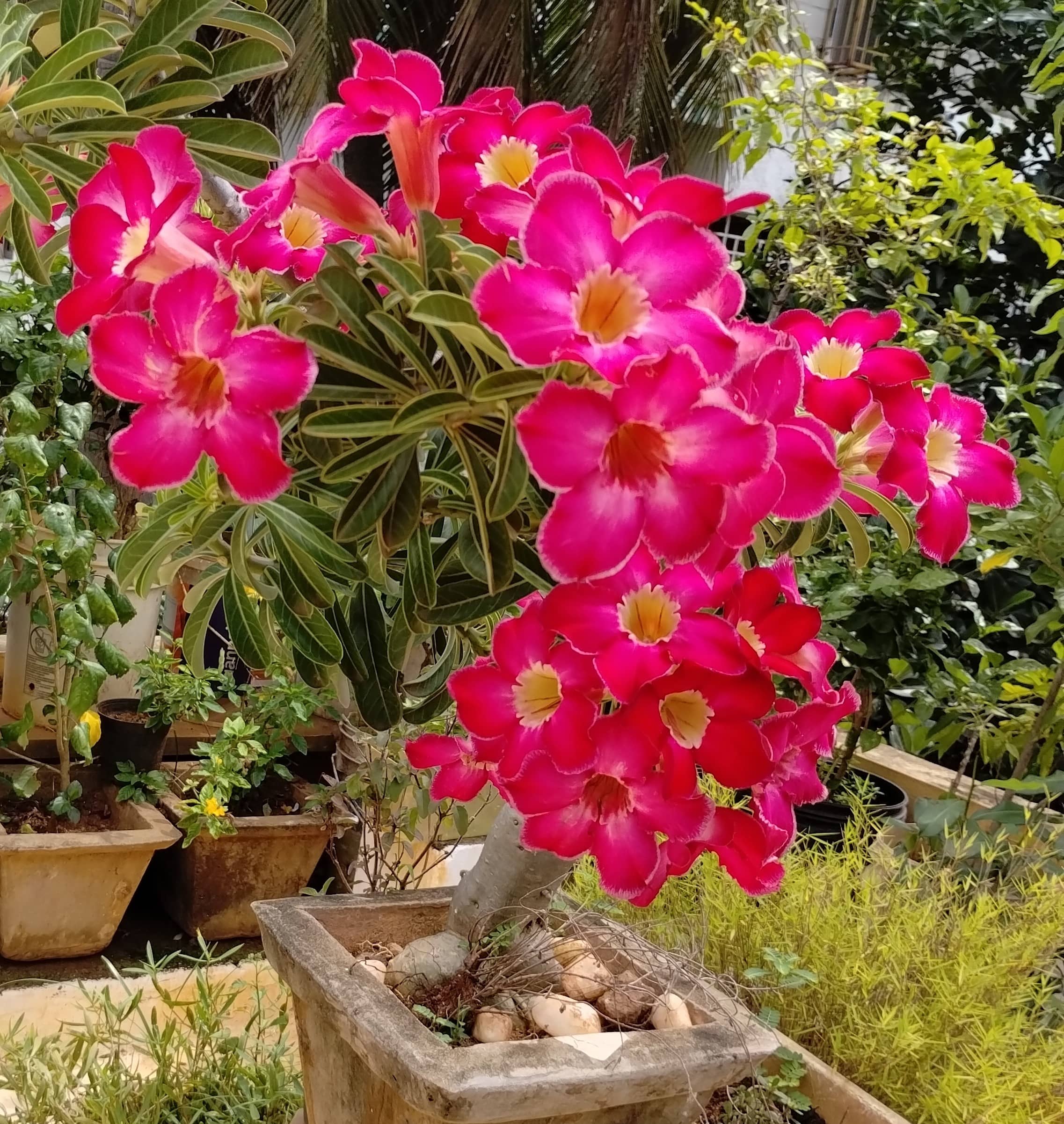
Desert Rose
Adenium obesum
The Desert Rose (Adenium obesum), a member of the Apocynaceae (Dogbane) family, is one of the most sculptural and striking succulent shrubs in the botanical world. Native to the arid regions of sub-Saharan Africa and the Arabian Peninsula, this plant has developed extraordinary adaptations to sur...
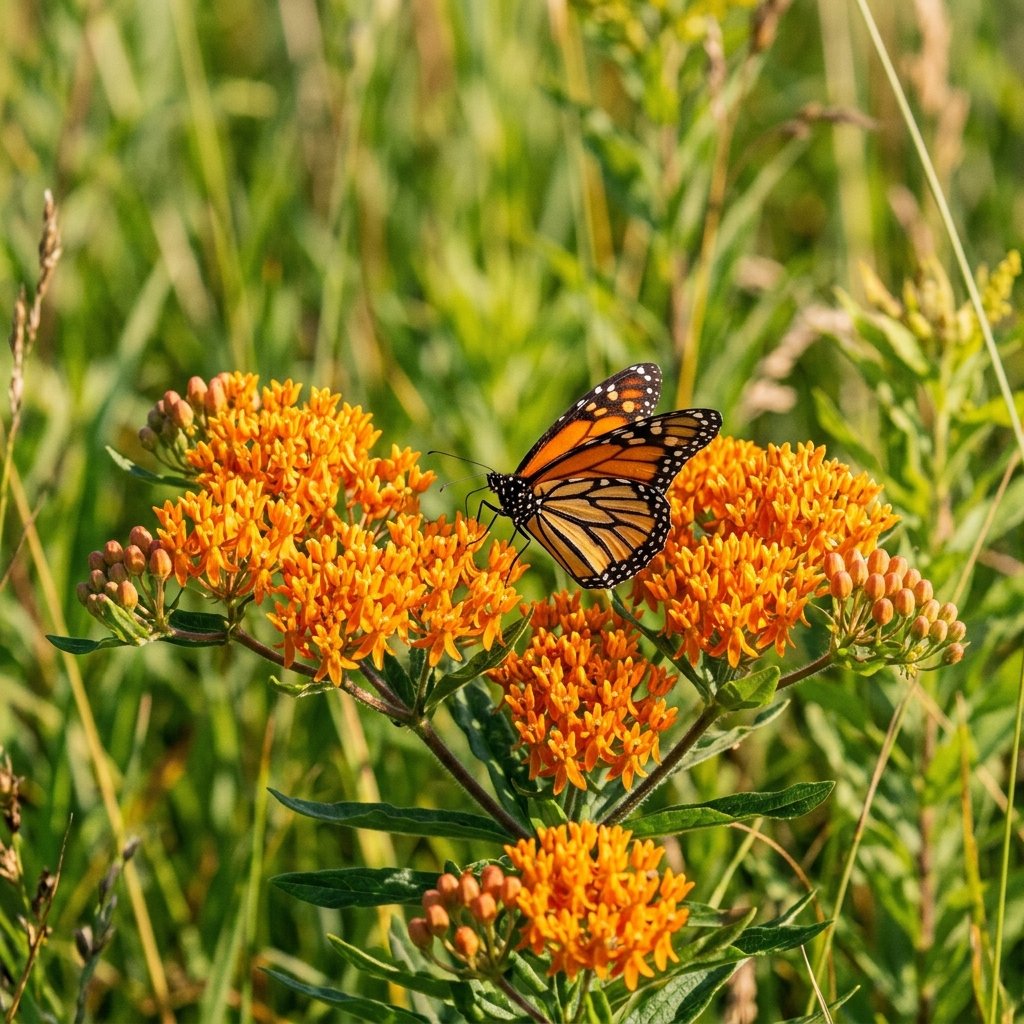
Butterfly Weed
Asclepias tuberosa
Butterfly Weed (*Asclepias tuberosa*) is arguably the most vivid and ecologically vital native wildflower of the American prairie and meadow, blazing in brilliant shades of fiery orange and golden-yellow in midsummer and serving as one of the most important nectar and host plants for the endanger...
Similar Characteristics
4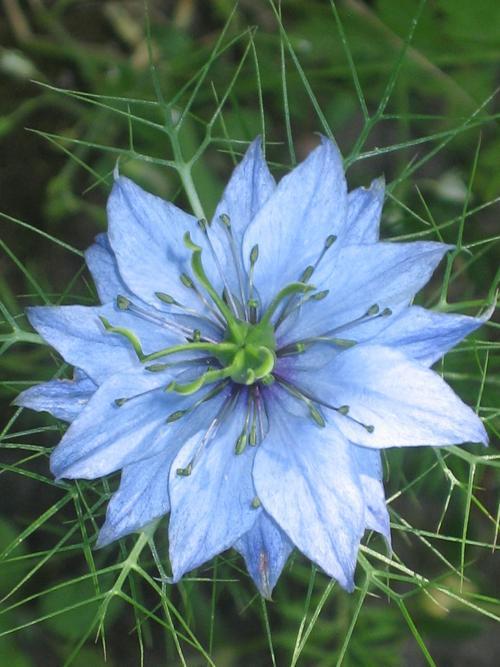
Love in a mist
Nigella damascena
The Love-in-a-mist, botanically designated as Nigella damascena and belonging to the family Ranunculaceae (the buttercup family), is a beloved, old-fashioned hardy annual flower. Native to the sunny hills, open meadows, and coastal fields of southern Europe, North Africa, and southwestern Asia—es...
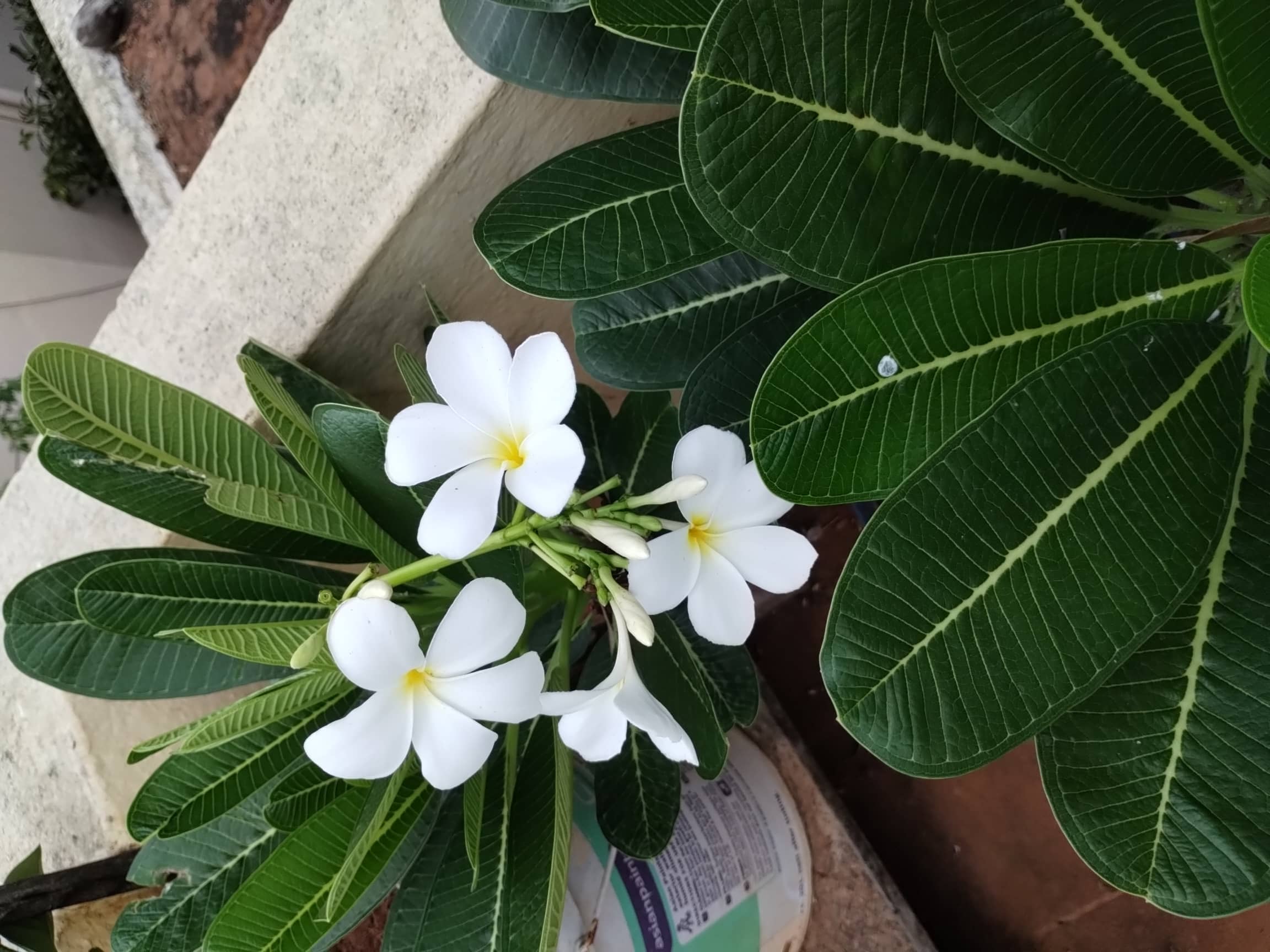
Plumeria
Plumeria Rubra
Plumeria, universally known as the Frangipani, is a genus of deciduous shrubs and small trees that serve as the quintessential symbol of tropical paradise. Belonging to the Apocynaceae (Dogbane) family, these plants are native to Mexico, Central America, and the Caribbean, but they have been embr...
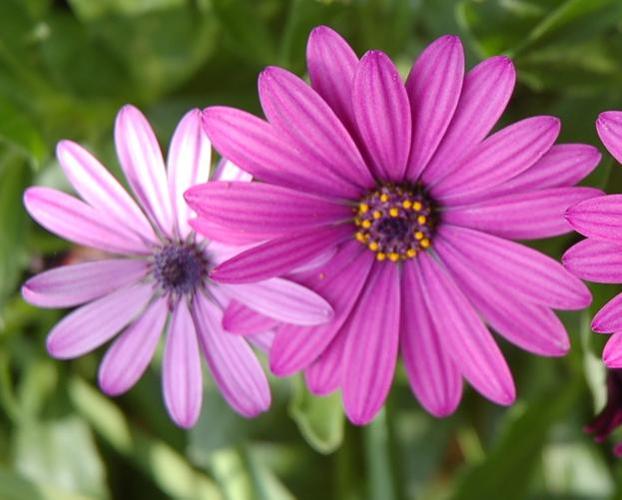
African Daisy (Osteospermum)
Dimorphotheca ecklonis
Osteospermum, commonly known as the African Daisy or Cape Daisy, is a genus of flowering plants that represents the sheer brilliance of the South African floral kingdom. Belonging to the Calenduleae tribe within the massive Asteraceae family, these daisies are celebrated for their sophisticated,...
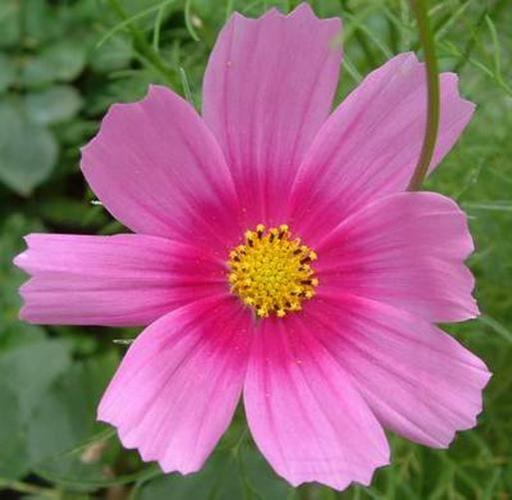
Mexican Aster
Cosmos bipinnatus
The Mexican Aster, botanically designated as Cosmos bipinnatus and commonly referred to as Garden Cosmos or simply Cosmos, is an exceptionally graceful, fast-growing, and heavy-blooming annual. Belonging to the family Asteraceae (the daisy or composite family), this beautiful plant is native to t...