
Touch Me Not
Mimosa pudica
How to Identify Touch Me Not
Care & Growing Guide
Seasonal Blooming & Hardiness
Seasonal Blooming Calendar:
- Peak Bloom: Summer (typically June through September).
- Planting Time: Sow seeds directly outdoors in early spring after the last frost, or transplant nursery starts in late spring.
Bloom Timeline
About Touch Me Not
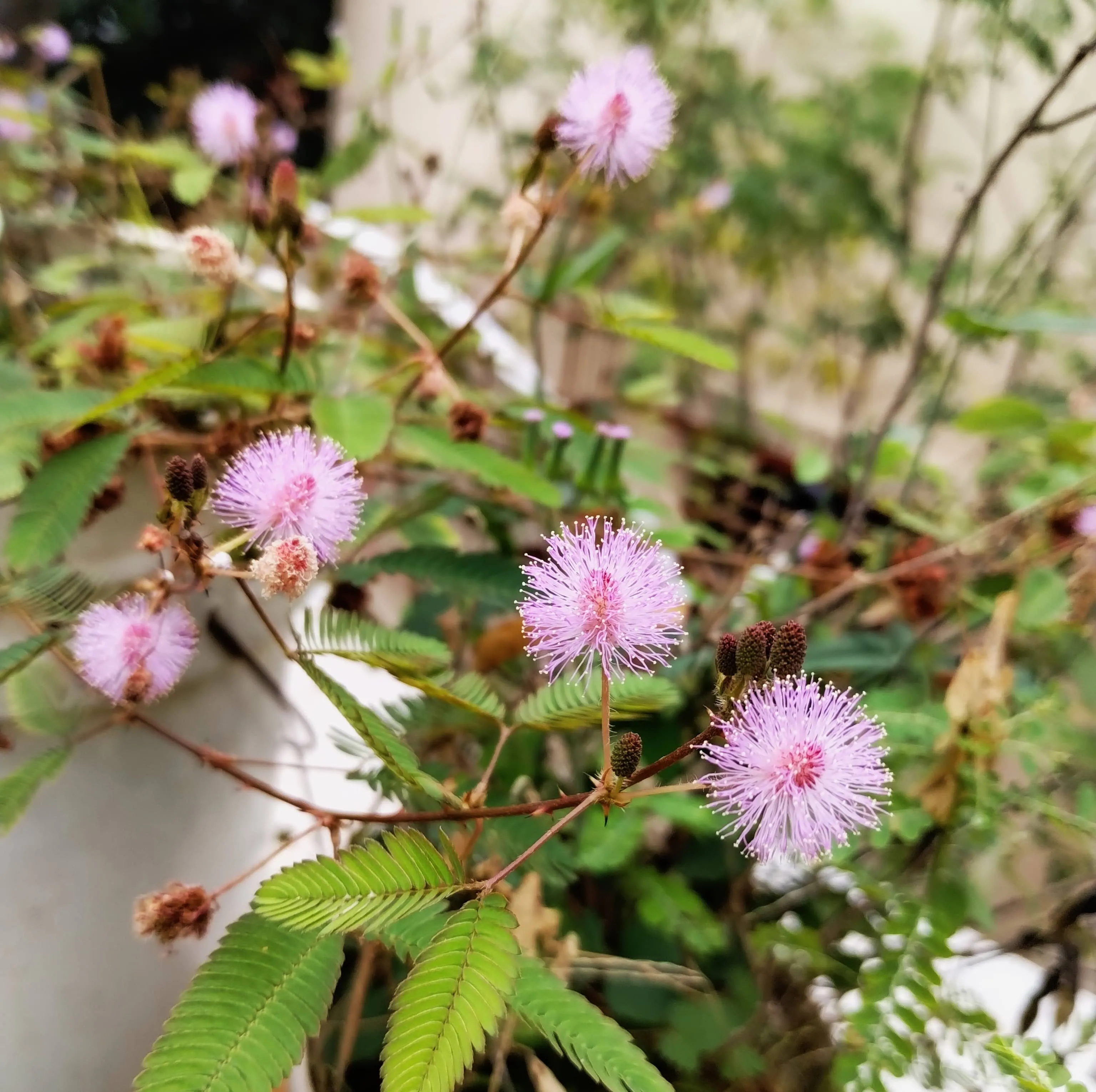
Mimosa pudica, widely known as the "Touch-Me-Not" or "Sensitive Plant," is one of the most intriguing species in the botanical kingdom due to its rapid, touch-sensitive leaf movements. A member of the Fabaceae (Legume) family, this creeping perennial or subshrub is native to the tropical regions of Central and South America but has become naturalized throughout the world's tropics and subtropics. Its fame stems from a fascinating physiological response called thigmonasty—the folding of its delicate, fern-like leaflets inward and the drooping of its petioles within seconds of being touched, shaken, or exposed to heat.
The mechanism behind this rapid movement is a marvel of biological engineering. At the base of each leaflet and petiole are specialized cells called pulvini. When stimulated, these cells undergo a sudden loss of turgor pressure as water rapidly exits the cell vacuoles, causing the plant to "collapse" or fold. Scientists believe this is an evolutionary defense mechanism designed to startle potential herbivores or to reduce the plant's surface area to minimize water loss during harsh conditions. This movement is not permanent; the plant typically recovers its full, open posture within 15 to 30 minutes of the stimulus being removed.
Beyond its interactive foliage, Mimosa pudica produces charming, globular flower heads that resemble tiny pink or lavender pom-poms. These "puffball" blooms are actually dense clusters of numerous small flowers, each featuring long, thread-like stamens that give the head its fluffy appearance. In its native habitat, it can grow as a sprawling ground cover or a small, upright shrub with prickly, reddish-brown stems. The leaves are bipinnate, meaning they are doubly compound, giving the plant a soft, airy texture that contrasts with its sharp, defensive thorns.
Culturally and medicinally, the "Sensitive Plant" holds a significant place in various traditional systems, particularly in Ayurveda and traditional Chinese medicine. Known as Lajjavati in Sanskrit and Chhui-mui in Hindi, it has been used for centuries to treat ailments ranging from wounds and skin inflammations to respiratory issues, thanks to its bioactive compounds like mimosine, tannins, and flavonoids. However, caution is advised as the plant contains mimosine, a non-protein amino acid that can be toxic if ingested in very large quantities, particularly by livestock, though it is generally considered non-toxic for household pets.
In the garden, Mimosa pudica is often grown as a curiosity plant, especially favored by children and science educators for demonstrating plant sensitivity and movement. It is relatively easy to cultivate, thriving in full sun and well-draining, moist soil. While it is a hardy perennial in USDA zones 9-11, it is frequently treated as an annual in cooler climates. Whether grown as a container plant on a sunny windowsill or as a unique addition to a tropical-themed garden, the "Touch-Me-Not" remains a timeless botanical wonder that never fails to spark curiosity and conversation.
For more botanical profiles and flower identification features, see our guides on Monkey Orchid and Thunbergia (King's Mantle).
Floral Formula & Features
Radially symmetrical, bisexual, 5 fused sepals, 5 fused petals, numerous (10-100+) free stamens (showy part of flower), 1 free carpel with superior ovary typical of Mimoseae
- Scientific Name & Classification: Mimosa pudica (Fabaceae). A member of the Mimosoideae subfamily, characterized by rapid thigmonastic movements.
- Identification Markers: Look for bipinnate, fern-like leaves that fold when touched. Flowers are 1-inch, pink pom-pom globes with showy, radiating stamens. Stems are often reddish and prickly.
- Floral Formula (⊕ ⚥ K(4) C(4) A4 G1): Radially symmetrical, bisexual flowers with 4 fused sepals, 4 fused petals, 4 stamens, and a single superior ovary.
- Growing Requirements: Prefers full sun (6+ hours) and high humidity. Soil should be rich and well-draining. Ideal USDA Zones 9-11; keep above 60°F (15°C) for best growth.
- Cultural Significance: Revered in Indian folklore as a symbol of modesty and sensitivity. Extensively used in Ayurvedic medicine for its anti-inflammatory properties.
- Pet Safety & Toxicity: NON-TOXIC. Generally safe for cats and dogs. However, ingestion should be discouraged as it contains mimosine, which can be harmful in large volumes.
- Common Look-alikes: Often confused with Neptunia oleracea (Water Mimosa), which grows in aquatic environments, or Mimosa nuttallii, which has yellow flowers.
Names in Different Languages
Botanical Classification: Touch Me Not belongs to the Fabaceae family. Learn how to identify its floral symmetry, stamen arrangement, and structural formulas in our Botanical Family Classification Guide.
Toxicity & Safety
Frequently Asked Questions
What is Floral Formula?
A floral formula is a symbolic representation of a flower's structure using letters, numbers, and special symbols. It provides a concise way to describe the arrangement and number of floral parts.
This formula describes the flower's symmetry, sepals, petals, stamens, and carpels in a standardized format.
Formula Sequence
- Bract: Br or Ebr
- Bracteole: Brl or Ebrl
- Symmetry: % (Radial) or ⊕ (Bilateral)
- Sex: ♀ (Female), ♂ (Male), or ⚥ (Bisexual)
- Calyx/Sepal: K<number> (Free or Fused)
- Corolla/Petal: C<number> (Free or Fused)
- Androecium: A<number> (Free or Fused)
- Gynaecium: G<number> (Superior or Inferior Ovary)
Symbol Meanings
- Numbers: Indicate quantity of parts
- Parentheses (): Parts are fused together
- Plus (+): Parts in different whorls
- Underline: Superior ovary position
- Overline: Inferior ovary position
- ∞: Numerous parts (too many to count)
Understanding floral formulas helps botanists quickly identify and classify flowers based on their structural characteristics.
Similar Flowers
Discover flowers that share botanical characteristics
Same Family
4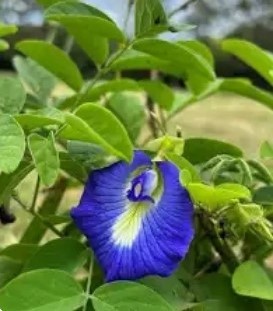
Butterfly Pea
Clitoria ternatea
The Butterfly Pea (Clitoria ternatea), belonging to the Fabaceae (legume) family, is a captivating tropical climbing vine renowned for its vivid, jewel-toned blossoms. Originating in equatorial Asia, including India and Southeast Asia, it has successfully spread to tropical and subtropical zones...
Wisteria
Wisteria
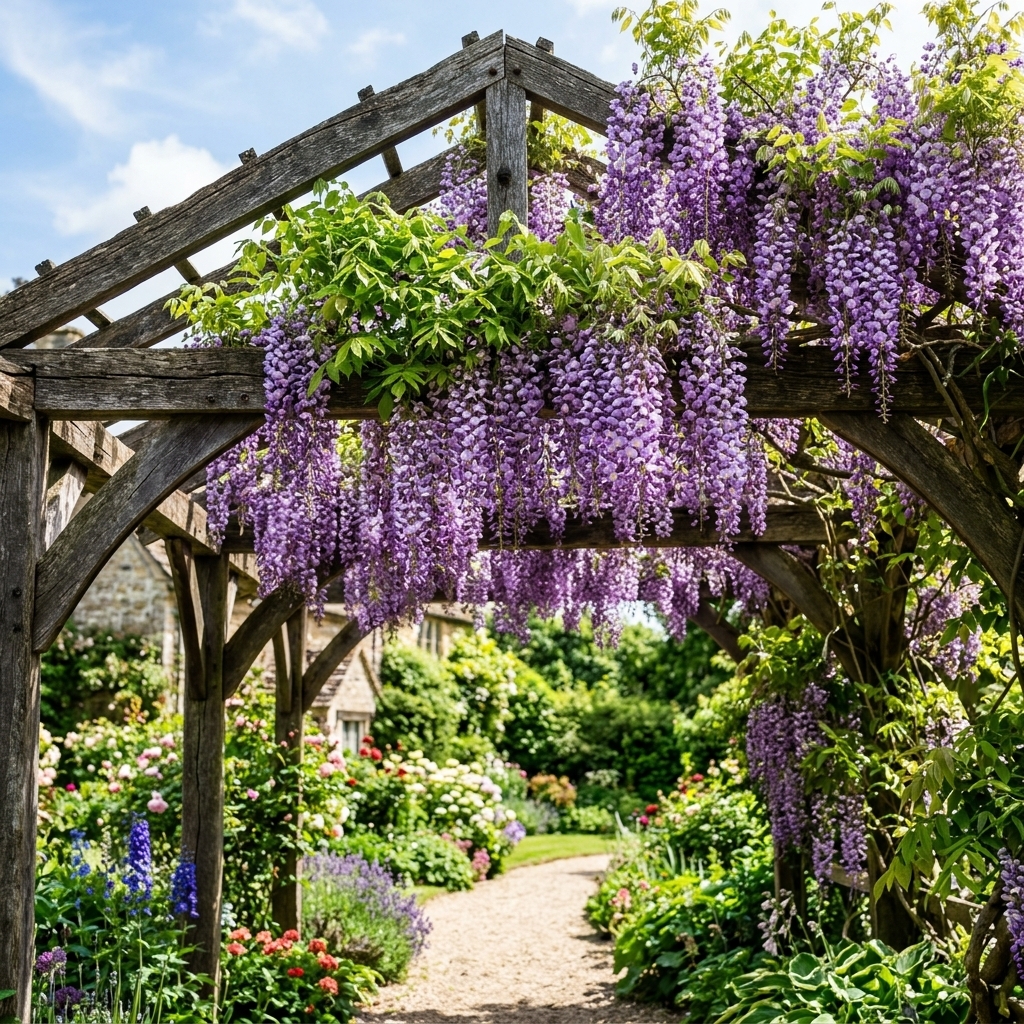
Wisteria, botanically classified within the genus Wisteria and most famously represented by Wisteria sinensis (Chinese Wisteria) and Wisteria floribunda (Japanese Wisteria), is a spectacular genus of woody, climbing deciduous vines in the Fabaceae (pea or legume) family. Native to the damp woodla...
Peacock Flower (Caesalpinia)
Caesalpinia pulcherrima
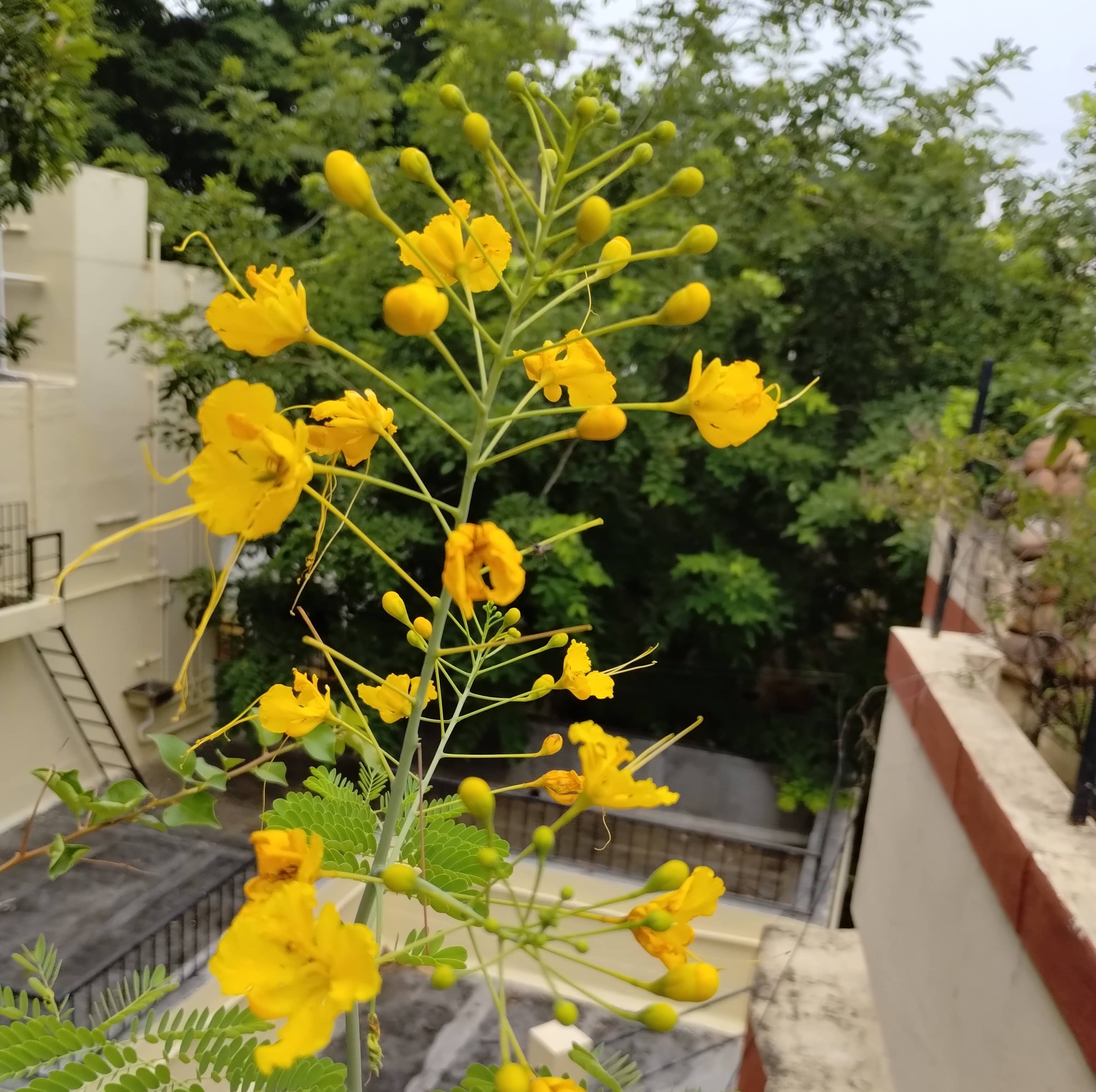
Caesalpinia pulcherrima, famously known as the "Peacock Flower," "Pride of Barbados," or "Red Bird of Paradise," is a breathtakingly vibrant tropical shrub that embodies the fiery spirit of the Caribbean. A member of the Fabaceae (Legume) family, this species is celebrated for its flamboyant, ter...
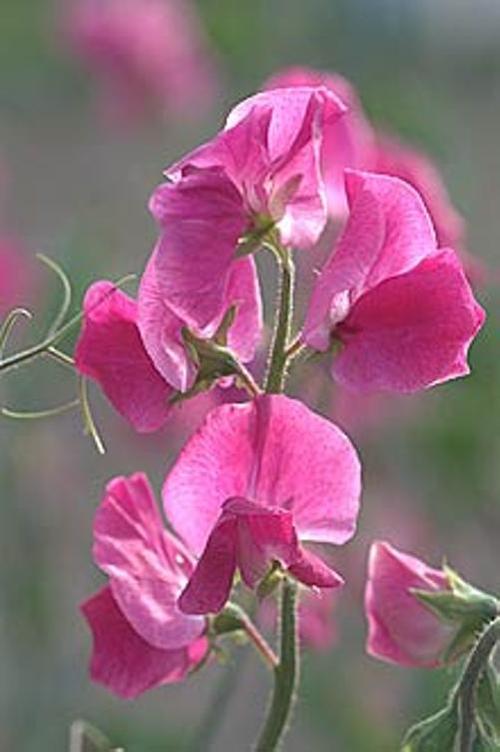
Sweet Pea
Lathyrus odoratus
The Sweet Pea (Lathyrus odoratus) is a highly romanticized, climbing annual vine belonging to the Fabaceae (legume) family. Native to the Mediterranean regions of Sicily, southern Italy, and the Aegean Islands, it became an absolute sensation in Victorian England, where intensive botanical breedi...
Similar Characteristics
4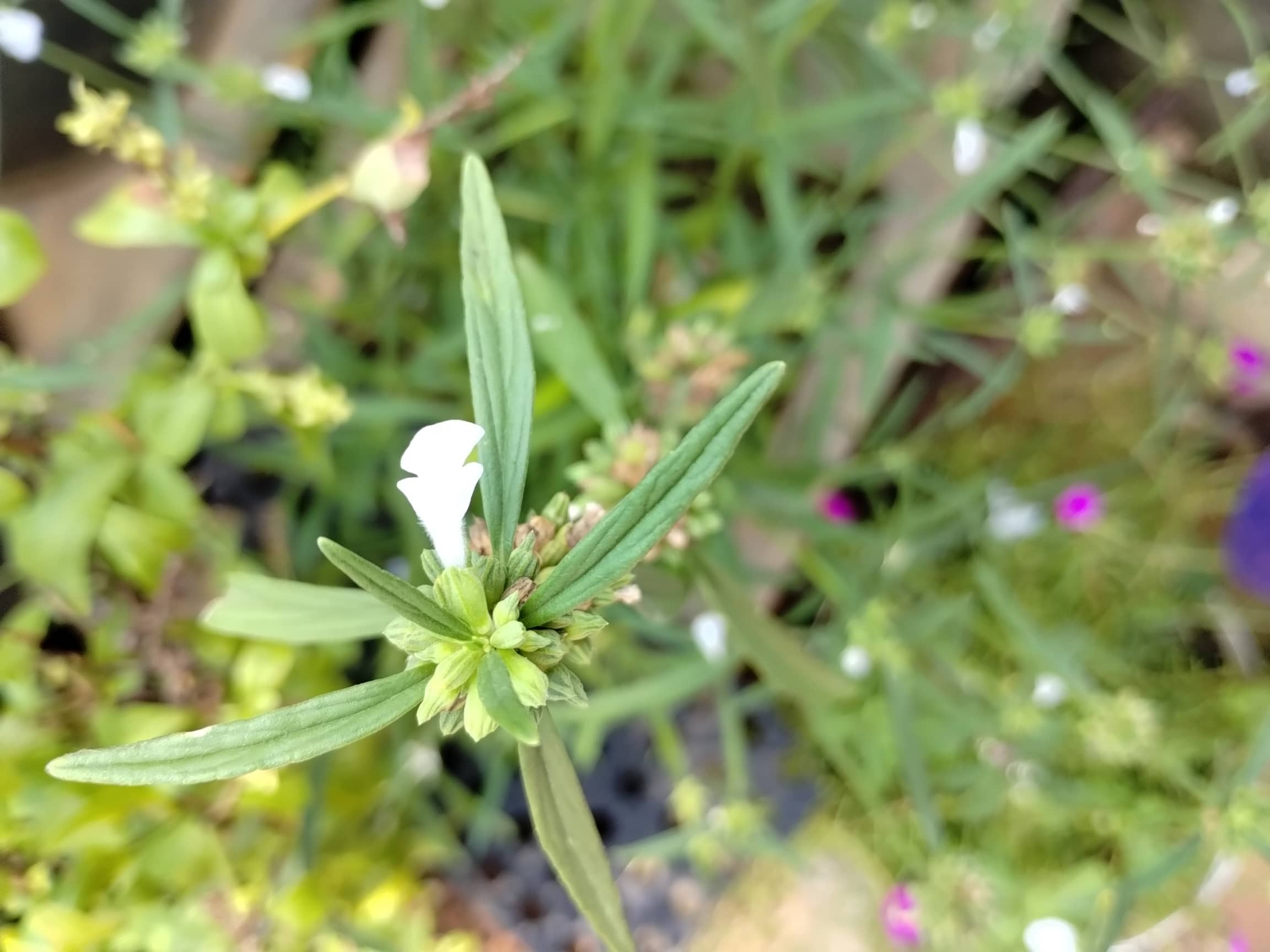
Leucas Aspera
Leucas aspera
Leucas Aspera, botanically classified as Leucas aspera and celebrated in Tamil heritage as Thumbai or in Sanskrit as Dronapushpi, is an exceptionally valuable, resilient, and highly aromatic annual or short-lived perennial herb. Belonging to the family Lamiaceae (the mint family, tribe Leucadeae)...
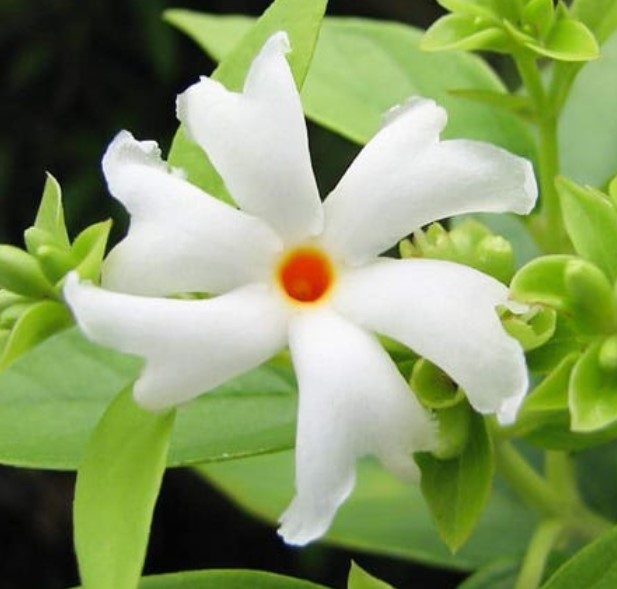
Night Jasmine (Coral Jasmine)
Nyctanthes arbor-tristis
Nyctanthes arbor-tristis, profoundly known as Parijat, Night-Blooming Jasmine, or Coral Jasmine, is a botanical treasure that holds a sacred place in the heart of South Asian culture. Belonging to the Oleaceae (Olive) family, this small tree or large shrub is celebrated not just for its physical...
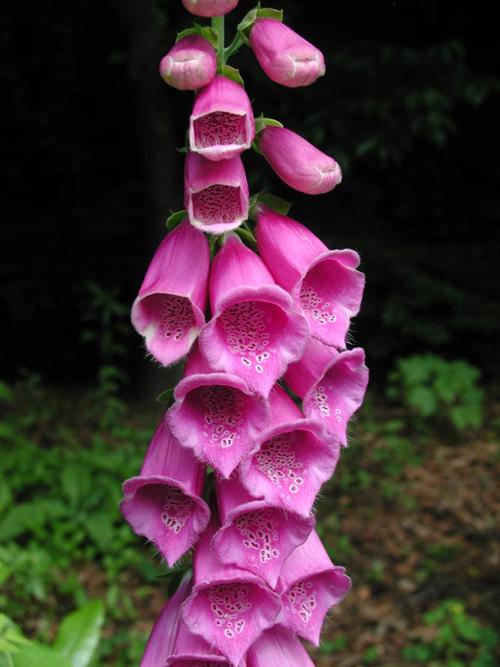
Foxglove
Digitalis purpurea
Digitalis purpurea, commonly known as Foxglove, is a majestic and iconic biennial plant belonging to the Plantaginaceae family. Native to the cool, temperate woodlands, hedgerows, and mountainous clearings of western and southwestern Europe, this striking species has naturalized throughout North...
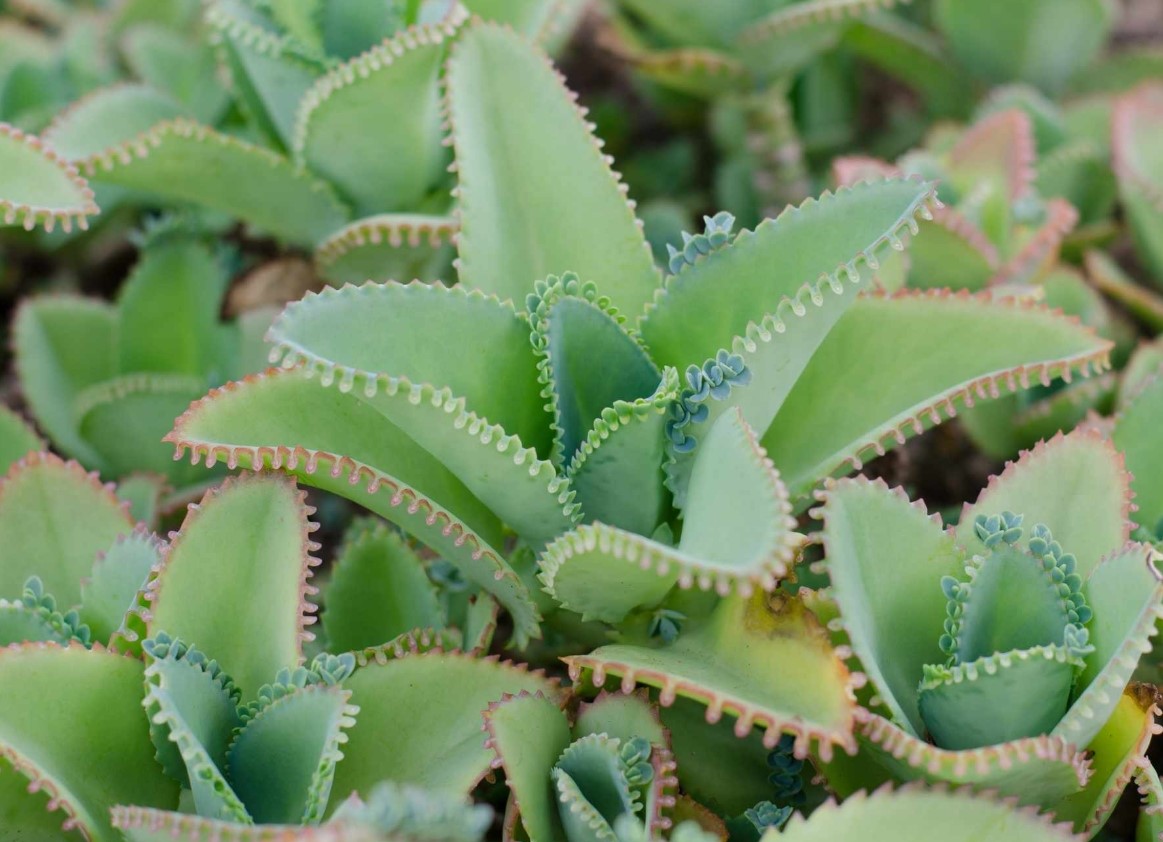
Kalanchoe
Kalanchoe
Kalanchoe, belonging to the Crassulaceae (stonecrop) family, is a highly popular and stunning genus of tropical flowering succulent plants. Comprising approximately 125 distinct species, this genus is predominantly native to the dry, arid, sun-baked landscape of Madagascar, with a few species ori...