
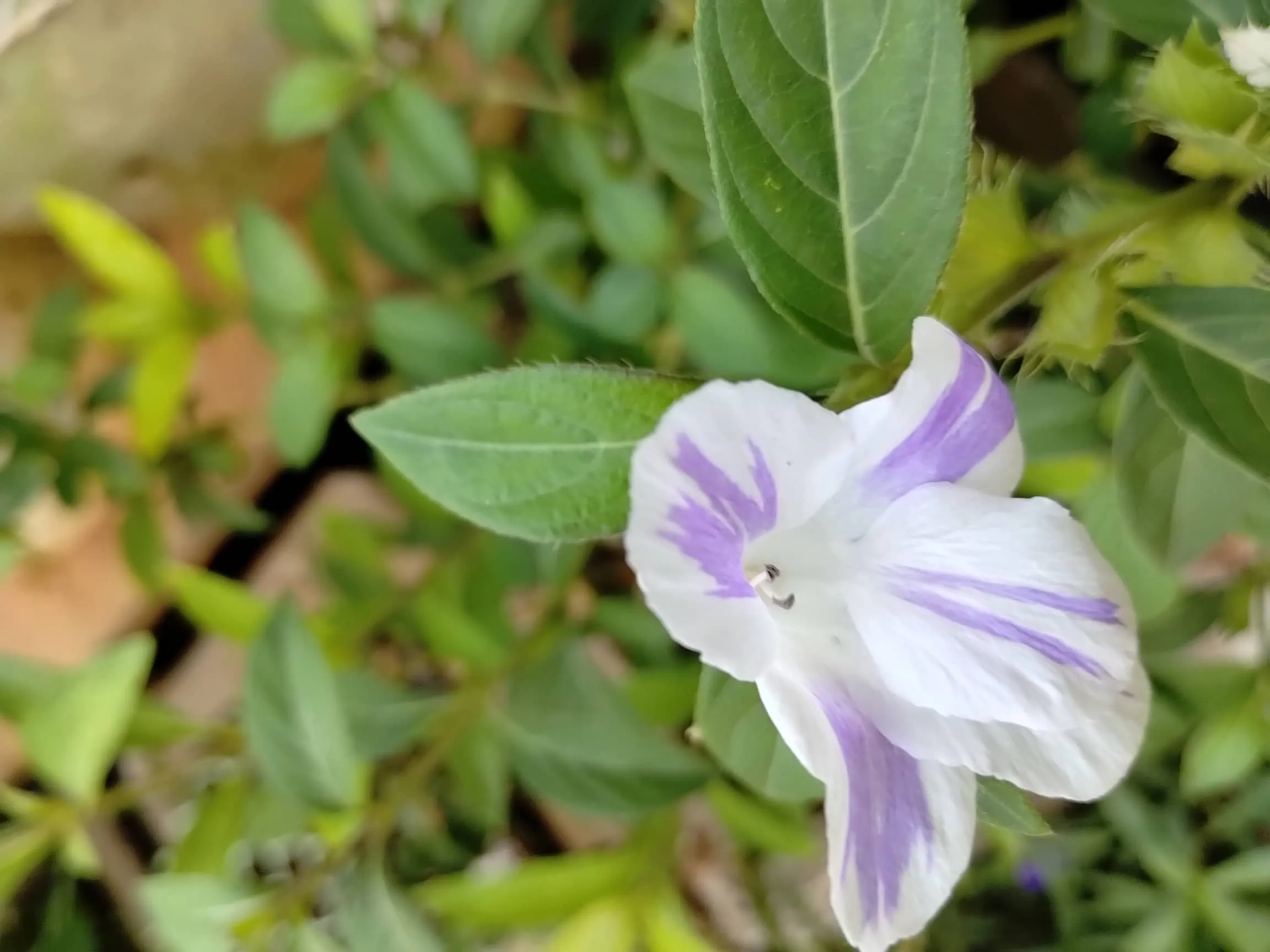
December
Barleria Cristata, Barleria prionitis
How to Identify December
NON-TOXIC & MEDICINAL. 100% safe for cats and dogs. Leaves and roots are extensively utilized in traditional Ayurvedic medicine.
Care & Growing Guide
Seasonal Blooming & Hardiness
Seasonal Blooming Calendar:
- Peak Bloom: Late winter to early spring.
- Planting Time: Sow seeds directly outdoors in early spring after the last frost, or transplant nursery starts in late spring.
Bloom Timeline
About December
The December Flower, botanically classified under the genus Barleria within the family Acanthaceae (the acanthus family), is a highly attractive, fast-growing evergreen tropical shrub. Native to the sunny forest edges, dry riverbanks, and open scrublands of tropical Asia—spanning India, Myanmar, Thailand, and the Philippines—this resilient plant has been cultivated extensively for centuries. It is celebrated worldwide for its ability to produce masses of tubular flowers during the winter months, earning its cheerful common name, the December Flower.
Growing in dense, bushy, multi-stemmed mounds to a height and spread of 2 to 4 feet, Barleria is characterized by dark green, opposite, oval-shaped leaves covered in fine hairs. While it can produce scattered blossoms throughout the year in warm climates, it experiences an explosive flowering peak from December through February. Individual flowers are tubular, measuring 1 to 2 inches long with a 5-lobed corolla in shades of violet-purple, lavender-blue, soft pink, yellow, or pure white, all wrapped inside distinctive, crown-like crested or spiny floral bracts.
The reproductive morphology of the December Flower is represented by the zygomorphic floral formula EBr % ⚥ K(5) C(5) A4 G(2). This formula states that the flowers are ebracteate in structural classification (though enclosed in prominent leaf-like bracts), bilaterally symmetrical (zygomorphic), and bisexual. The calyx is composed of 5 fused sepals, and the corolla features 5 fused petals forming a two-lipped tube with a 4-lobed upper lip and a single-lobed lower lip. The androecium contains 4 fertile stamens in two pairs of unequal lengths (didynamous), surrounding a superior ovary of 2 fused carpels.
Horticulturally, Barleria is an exceptionally tough, low-maintenance, and easy-to-grow plant. It thrives in full, direct sun to light, partial shade, requiring at least 4 to 6 hours of daily sunlight to bloom profusely. It is highly adaptable to a wide variety of soils, from fertile loam to dry, poor, sandy, or gravelly soils, provided they are exceptionally well-drained. It is highly drought-tolerant once established but benefits from regular watering to maintain rich foliage. It is frost-tender and grows as an evergreen perennial in tropical USDA zones 9 through 11.
The genus is named in honor of the prominent 17th-century French botanist Jacques Barrelier, while the specific epithet cristata references the beautifully crested, crown-like floral bracts surrounding the blossoms. Famed in Sanskrit as Kurantaka (कुरंटक) or Vajradanti (वज्रदंती, meaning 'diamond teeth' due to its ancient use in traditional oral health) and in Hindi as Nil Jhinti (नील झिण्टी), it carries immense cultural value in Asia. In southern India, the winter-blooming flowers are sacred, woven into garlands for temple offerings and worn in women's hair.
For pet owners and veterinarians, the December Flower is a highly safe, premium, and functional choice. Barleria cristata is classified as completely NON-TOXIC to cats, dogs, and horses by major global animal safety databases. If a pet plays with or nibbles on the green foliage or waxy tubular blooms, there is absolutely no risk of toxic poisoning. To discover more pet-safe evergreen shrubs and beautiful tropical additions, visit our general Pet Guard catalog. Additionally, in traditional Ayurveda, the leaves and roots are crushed to make soothing pastes for dental pain, coughs, and skin inflammation.
December Barleria is occasionally confused with true violets or bluebells. It is easily distinguished because Barleria is a woody, multi-stemmed shrub rather than a small herbaceous groundcover, and features distinct crested or spiny floral bracts. It is an outstanding choice for hedges, borders, and tropical container gardens; we recommend pairing it with other sun-loving, non-toxic classics like the golden Marigold or trailing Wild Pansy. To explore more tropical landscaping combinations and winter-blooming shrubs, browse our Flower Identifier.
Floral Formula & Features
Ebracteate (lacking structural bracts but surrounded by large leaf-like bracts), zygomorphic (bilaterally symmetrical), bisexual, 5 fused sepals, 5 fused petals forming a two-lipped tube (4 upper lobes + 1 lower lobe), 4 didynamous stamens in 2 pairs, 2 fused carpels with superior ovary typical of Acanthaceae
- Scientific Name & Classification: Barleria cristata / Barleria prionitis (Acanthaceae). Known as December Flower, Bluebell Barleria, and Crested Philippine Violet.
- Identification Markers: Bushy evergreen shrub, opposite dark-green leaves, and tubular 5-lobed flowers in purple, blue, white, or pink wrapped in crested spiny bracts.
- Floral Formula (EBr % ⚥ K(5) C(5) A4 G(2)): Bilaterally symmetrical, bisexual flowers with 5 fused sepals, 5 fused petals forming a two-lipped tube, and 4 didynamous stamens.
- Growing Requirements: Full sun to partial shade; highly adaptable to various well-drained soils. Drought tolerant and heat loving. Prune after winter blooms (Zones 9-11).
- Cultural Significance: Famed Sanskrit name 'Vajradanti' refers to its traditional use in oral care. Highly sacred in winter temple festivals and garlands across southern India.
- Safety & Toxicity: NON-TOXIC & MEDICINAL. 100% safe for cats and dogs. Leaves and roots are extensively utilized in traditional Ayurvedic medicine.
- Common Look-alikes: Confused with true violets or bluebells, but easily distinguished by its upright woody shrub growth habit and distinctive spiny or crested floral bracts.
- Internal Links: Creates a beautiful year-round hedge beside other sun-loving, non-toxic selections like the golden Marigold or Wild Pansy; find more in our Flower Identifier.
Names in Different Languages
Botanical Classification: December belongs to the Acanthaceae family. Learn how to identify its floral symmetry, stamen arrangement, and structural formulas in our Botanical Family Classification Guide.
Toxicity & Safety
Frequently Asked Questions
What is Floral Formula?
A floral formula is a symbolic representation of a flower's structure using letters, numbers, and special symbols. It provides a concise way to describe the arrangement and number of floral parts.
This formula describes the flower's symmetry, sepals, petals, stamens, and carpels in a standardized format.
Formula Sequence
- Bract: Br or Ebr
- Bracteole: Brl or Ebrl
- Symmetry: % (Radial) or ⊕ (Bilateral)
- Sex: ♀ (Female), ♂ (Male), or ⚥ (Bisexual)
- Calyx/Sepal: K<number> (Free or Fused)
- Corolla/Petal: C<number> (Free or Fused)
- Androecium: A<number> (Free or Fused)
- Gynaecium: G<number> (Superior or Inferior Ovary)
Symbol Meanings
- Numbers: Indicate quantity of parts
- Parentheses (): Parts are fused together
- Plus (+): Parts in different whorls
- Underline: Superior ovary position
- Overline: Inferior ovary position
- ∞: Numerous parts (too many to count)
Understanding floral formulas helps botanists quickly identify and classify flowers based on their structural characteristics.
Similar Flowers
Discover flowers that share botanical characteristics
Same Family
4
Crossandra Firecracker
Crossandra infundibuliformis
The Firecracker Flower, scientifically known as Crossandra infundibuliformis and popularly called Aboli or Kanakambaram in India, is a beautiful tropical evergreen shrub belonging to the Acanthaceae family. Native to the shady forest understories of southern India and Sri Lanka, particularly the...
Thunbergia (King's Mantle)
Thunbergia erecta
Thunbergia erecta, popularly known as the "King's Mantle" or "Bush Clock Vine," is a sophisticated and regal tropical shrub that brings a touch of aristocratic elegance to any garden. A member of the Acanthaceae family, this evergreen species is native to the coastal regions of western Africa, fr...
Pseuderanthemum
Pseuderanthemum
Pseuderanthemum, a highly diverse genus within the Acanthaceae family, encompasses a variety of stunning tropical shrubs and subshrubs native to the dense rainforests of Polynesia, Melanesia, and parts of Asia. Unlike many tropicals, they are predominantly cultivated globally for their spectacula...
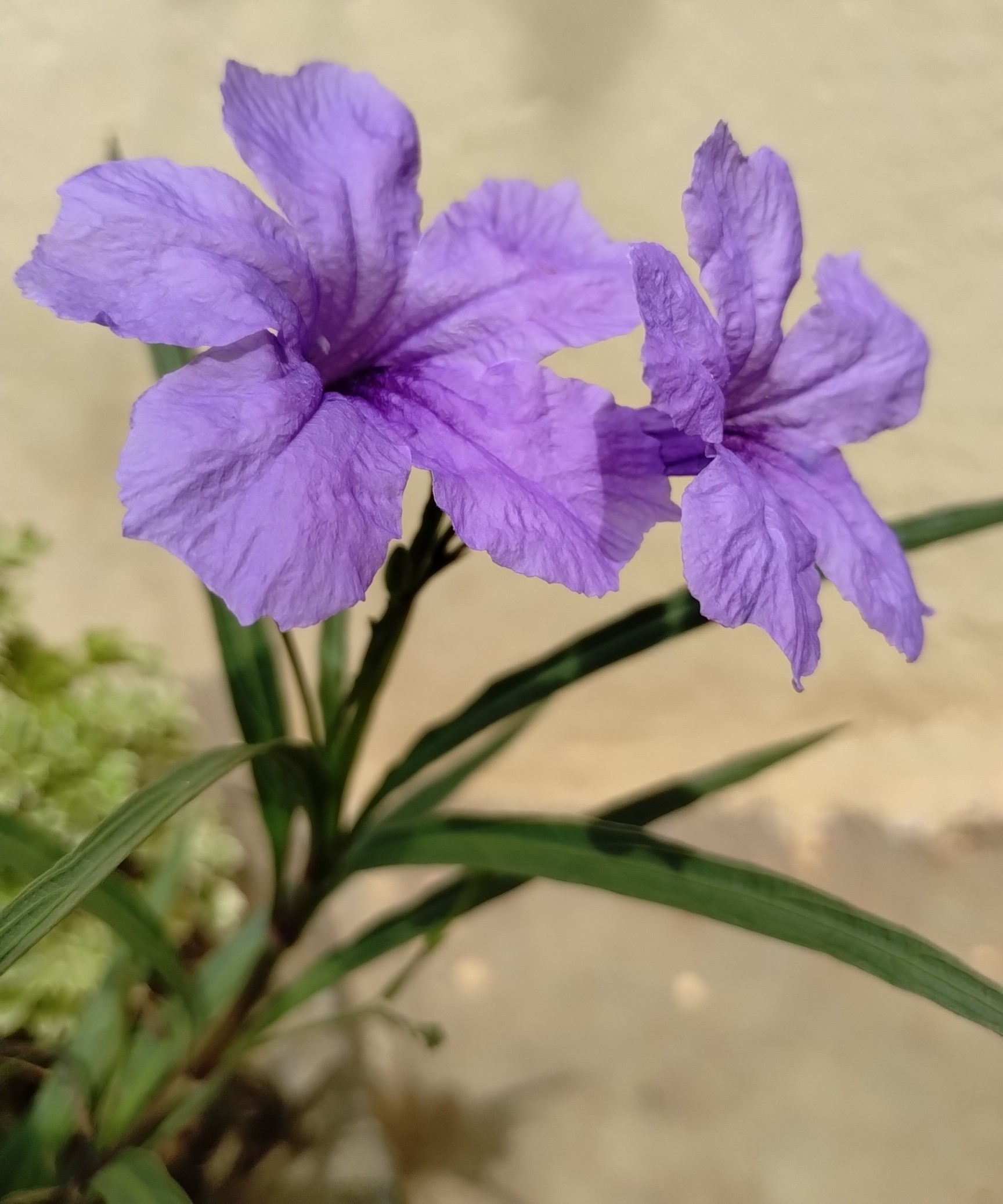
Mexican Petunia
Ruellia simplex
The Mexican Petunia, botanically classified as Ruellia simplex (and historically referred to as Ruellia brittoniana), is an exceptionally vigorous, upright herbaceous perennial belonging to the Acanthaceae (acanthus) family. Native to the warm, moisture-rich woodlands, riverbanks, and wet meadows...
Similar Characteristics
4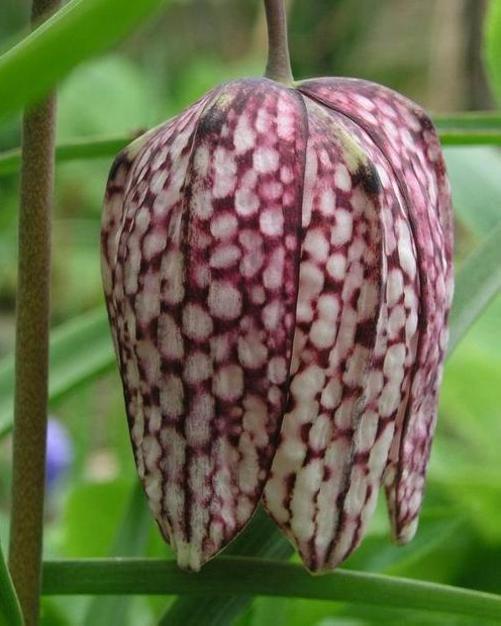
Fritillaria
Fritillaria
The Fritillaria, botanically designated as Fritillaria within the Liliaceae (lily) family, is an extraordinarily elegant and exotic genus of spring-flowering bulbous perennials. Native to the temperate latitudes of the Northern Hemisphere—spanning the grassy floodplains of Europe, the Mediterrane...
AngelWing Jasmine (Star Jasmine)
Jasminum laurifolium, Jasminum nitidum
The Angelwing Jasmine, botanically classified as Jasminum nitidum (and often associated with Jasminum laurifolium), is an exceptionally beautiful and intensely fragrant evergreen sprawling shrub. Native to the warm, tropical lowlands, coastal woodlands, and river valleys of the Indian Subcontinen...
Thunbergia (King's Mantle)
Thunbergia erecta
Thunbergia erecta, popularly known as the "King's Mantle" or "Bush Clock Vine," is a sophisticated and regal tropical shrub that brings a touch of aristocratic elegance to any garden. A member of the Acanthaceae family, this evergreen species is native to the coastal regions of western Africa, fr...
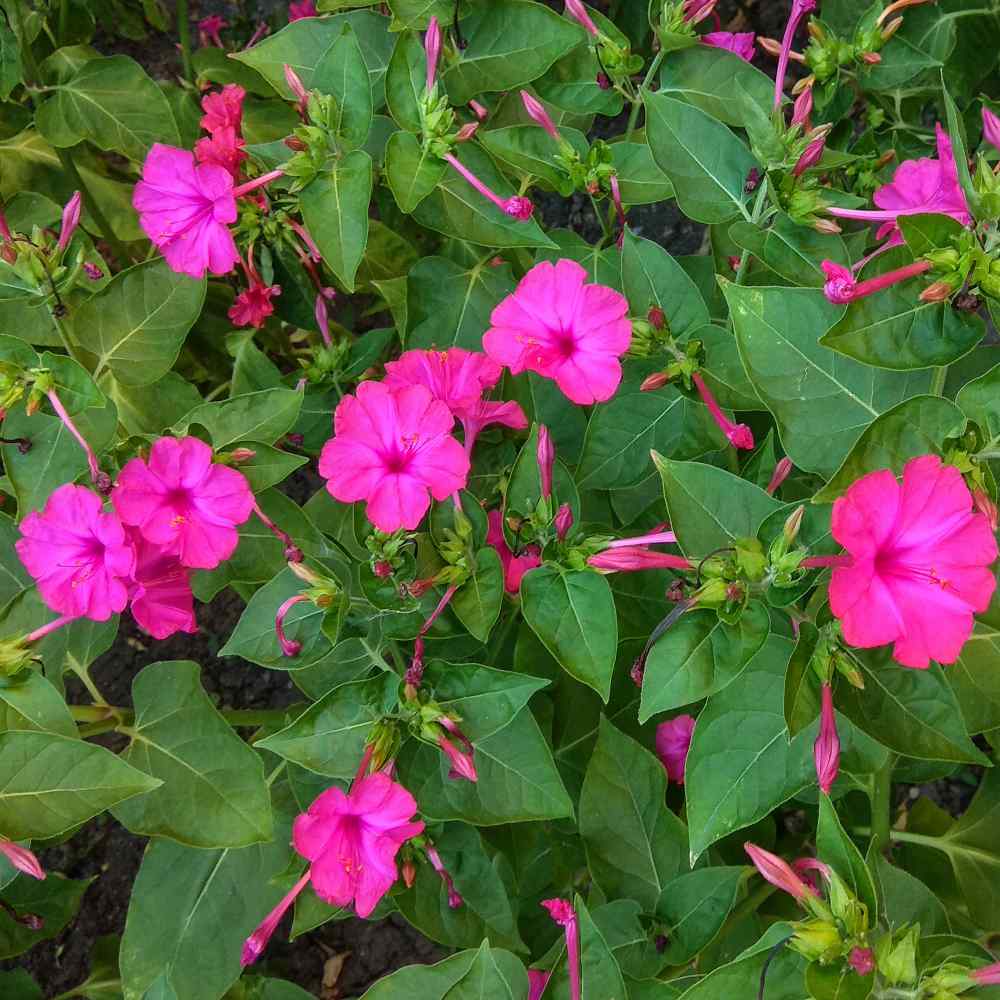
Four o'clock
Mirabilis jalapa
The Four o'clock, scientifically named Mirabilis jalapa and known as the Marvel of Peru or Beauty of the Night, is a highly popular, bushy perennial belonging to the Nyctaginaceae (four o'clock) family. Native to the tropical regions of South America, particularly the Andes of Peru, it was introd...