
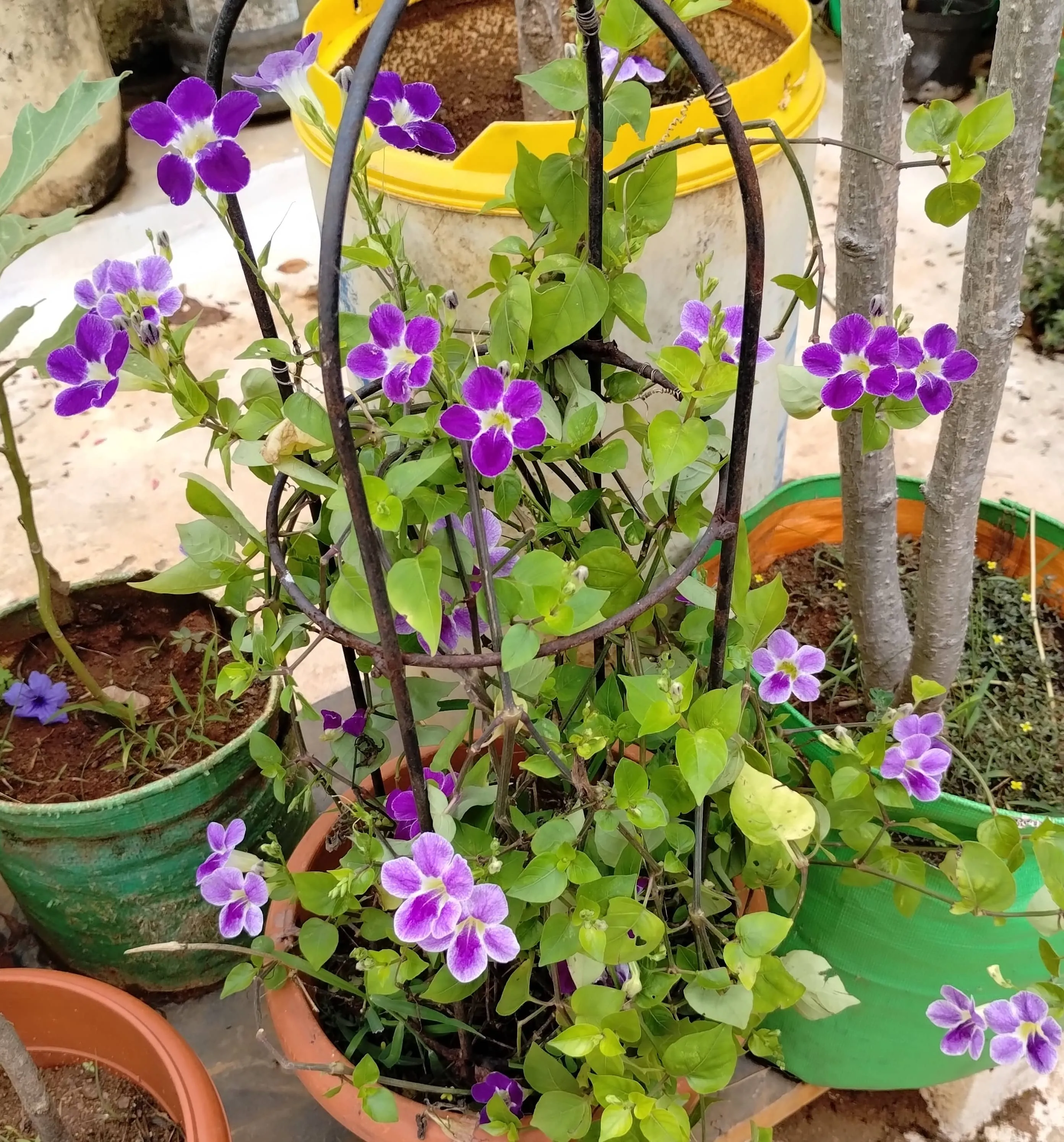
Thunbergia (King's Mantle)
Thunbergia erecta
How to Identify Thunbergia (King's Mantle)
NON-TOXIC. Safe for cats and dogs. Human Safety: Generally considered non-toxic and safe for handling, though not intended for consumption.
Care & Growing Guide
Seasonal Blooming & Hardiness
Seasonal Blooming Calendar:
- Peak Bloom: Spring to early summer (typically April through June).
- Planting Time: Sow seeds directly outdoors in early spring after the last frost, or transplant nursery starts in late spring.
Bloom Timeline
About Thunbergia (King's Mantle)
Thunbergia erecta, popularly known as the "King's Mantle" or "Bush Clock Vine," is a sophisticated and regal tropical shrub that brings a touch of aristocratic elegance to any garden. A member of the Acanthaceae family, this evergreen species is native to the coastal regions of western Africa, from Senegal to Angola. Unlike many of its relatives in the Thunbergia genus that are vigorous twiners and climbers, Thunbergia erecta grows as a dense, mounding shrub, typically reaching 4 to 6 feet in height and width. Its common name, King's Mantle, perfectly encapsulates the way its deep, royal-purple flowers can "drape" over a landscape like a luxurious velvet cloak.
The blossoms of the King's Mantle are a masterclass in color contrast and floral architecture. Each flower is a funnel-shaped trumpet, measuring about 1 to 2 inches across, with five overlapping lobes of an intense, velvety indigo-purple. The true magic lies within the flower's throat, which is a brilliant, glowing canary-yellow that fades into a creamy white at the base. This striking yellow "eye" serves as a biological beacon for pollinators, particularly large bees and butterflies, who are drawn to the nectar hidden deep within the tube. The flowers appear solitary or in small clusters in the leaf axils, blooming prolifically from late spring through autumn, and often year-round in frost-free, tropical environments.
The foliage of Thunbergia erecta provides a dense and glossy backdrop that enhances the vibrancy of its purple blooms. The leaves are small, typically 1 to 2 inches long, ovate to elliptical, and arranged oppositely along the stems. They are a deep, lustrous green with slightly wavy or smooth margins, giving the plant a refined, manicured appearance even when not in bloom. Its multi-stemmed growth habit is naturally sprawling and somewhat arching, making it an excellent choice for creating flowering hedges, informal screens, or as a structural anchor in a mixed tropical border.
Cultivation of the King's Mantle is relatively straightforward for gardeners in warm climates. It thrives in full sun but appreciates some light afternoon shade in exceptionally hot regions to prevent the dark-colored flowers from scorching or fading too quickly. It prefers fertile, well-draining soil that is rich in organic matter and slightly acidic to neutral. While it is remarkably resilient once established, regular watering during the active growing season ensures a continuous flush of blooms. Gardeners should note that it is hardy in USDA zones 10-11; in zone 9, it may experience dieback during cold snaps but will often resprout from the roots once the weather warms.
In addition to its undeniable beauty, Thunbergia erecta is prized for its versatility in landscape design. It responds exceptionally well to pruning, which allows it to be kept as a compact, 3-foot shrub or allowed to sprawl gracefully into a larger specimen. It is also a popular choice for large containers on sunny patios, where its arching branches can spill over the edges. Furthermore, its non-toxic nature makes it a safe and welcoming choice for gardens frequented by curious pets and children. Whether used as a royal centerpiece or a flowering foundation plant, the King's Mantle remains a timeless favorite for creating a lush, tropical atmosphere.
For more botanical profiles and flower identification features, see our guides on Touch Me Not and Primrose (Cowslip).
Floral Formula & Features
Bilaterally symmetrical, bisexual, 5 fused sepals forming calyx, 5 fused petals forming trumpet-shaped corolla, 4 stamens (didynamous), 2 fused carpels with superior ovary typical of Acanthaceae
- Scientific Name & Classification: Thunbergia erecta (Acanthaceae). Named after Swedish botanist Carl Peter Thunberg, known as the "father of South African botany."
- Identification Markers: Look for trumpet-shaped, royal-purple flowers with bright yellow throats. Leaves are small, dark green, oval, and arranged oppositely on woody, arching stems.
- Floral Formula (↓ ⚥ K(5) [C(5) A4] G(2)): Zygomorphic (bilateral symmetry), bisexual, with 5 fused sepals (often reduced), 5 fused petals, 4 stamens, and a 2-carpellate superior ovary.
- Growing Requirements: Thrives in USDA Zones 10-11. Requires full sun to partial shade and moist, well-drained soil. Responds well to regular pruning to maintain a dense, bushy form.
- Cultural Significance: Symbolizes royalty, elegance, and exotic beauty. Often featured in premium tropical resort landscaping and botanical conservatories.
- Safety & Toxicity: NON-TOXIC. Safe for cats and dogs. Human Safety: Generally considered non-toxic and safe for handling, though not intended for consumption.
- Common Look-alikes: Frequently confused with Ruellia (Mexican Petunia), which has similar purple flowers but lacks the yellow throat and woody shrub habit.
Names in Different Languages
Botanical Classification: Thunbergia (King's Mantle) belongs to the Acanthaceae family. Learn how to identify its floral symmetry, stamen arrangement, and structural formulas in our Botanical Family Classification Guide.
Toxicity & Safety
Frequently Asked Questions
What is Floral Formula?
A floral formula is a symbolic representation of a flower's structure using letters, numbers, and special symbols. It provides a concise way to describe the arrangement and number of floral parts.
This formula describes the flower's symmetry, sepals, petals, stamens, and carpels in a standardized format.
Formula Sequence
- Bract: Br or Ebr
- Bracteole: Brl or Ebrl
- Symmetry: % (Radial) or ⊕ (Bilateral)
- Sex: ♀ (Female), ♂ (Male), or ⚥ (Bisexual)
- Calyx/Sepal: K<number> (Free or Fused)
- Corolla/Petal: C<number> (Free or Fused)
- Androecium: A<number> (Free or Fused)
- Gynaecium: G<number> (Superior or Inferior Ovary)
Symbol Meanings
- Numbers: Indicate quantity of parts
- Parentheses (): Parts are fused together
- Plus (+): Parts in different whorls
- Underline: Superior ovary position
- Overline: Inferior ovary position
- ∞: Numerous parts (too many to count)
Understanding floral formulas helps botanists quickly identify and classify flowers based on their structural characteristics.
Similar Flowers
Discover flowers that share botanical characteristics
Same Family
4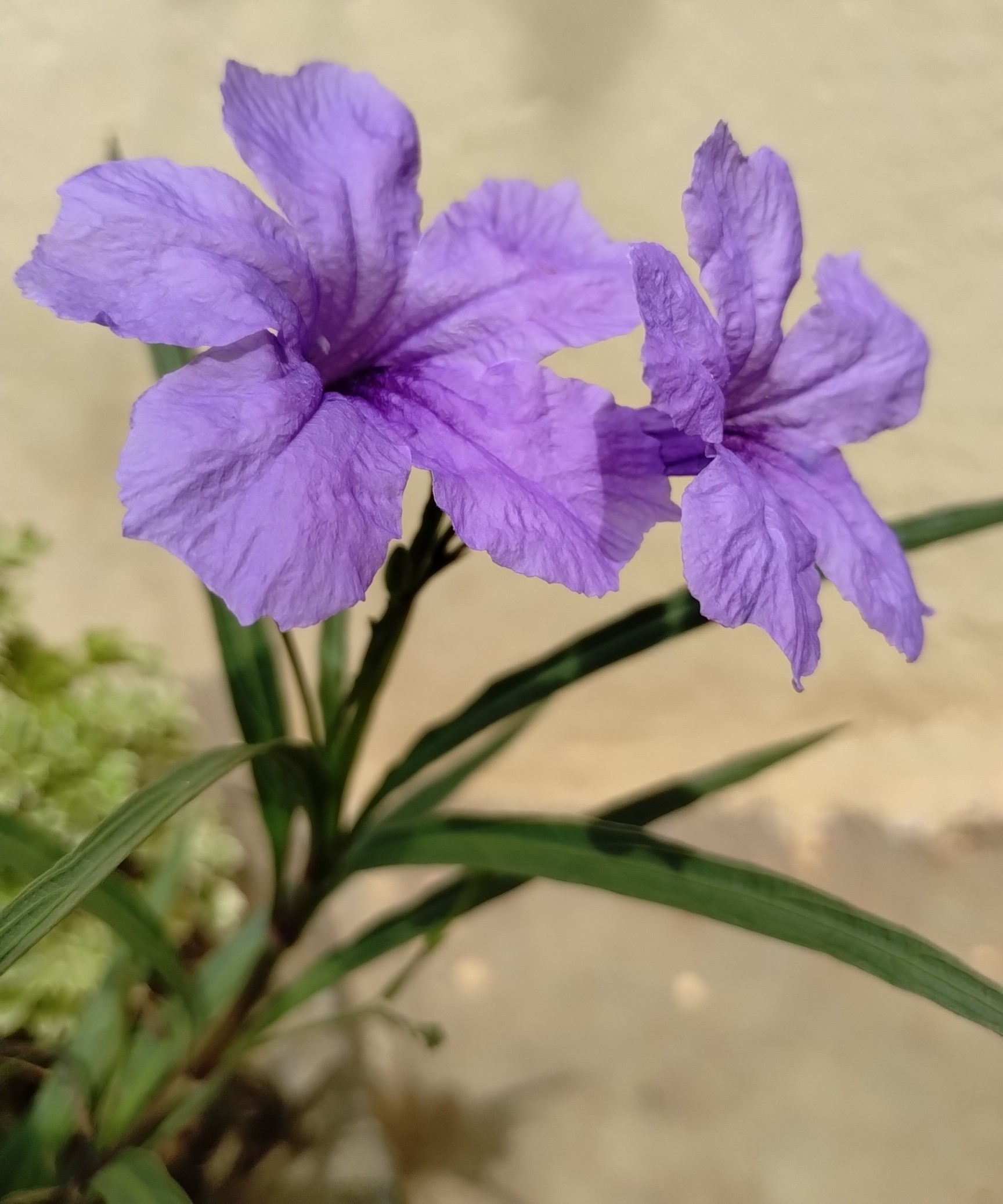
Mexican Petunia
Ruellia simplex
The Mexican Petunia, botanically classified as Ruellia simplex (and historically referred to as Ruellia brittoniana), is an exceptionally vigorous, upright herbaceous perennial belonging to the Acanthaceae (acanthus) family. Native to the warm, moisture-rich woodlands, riverbanks, and wet meadows...
Pseuderanthemum
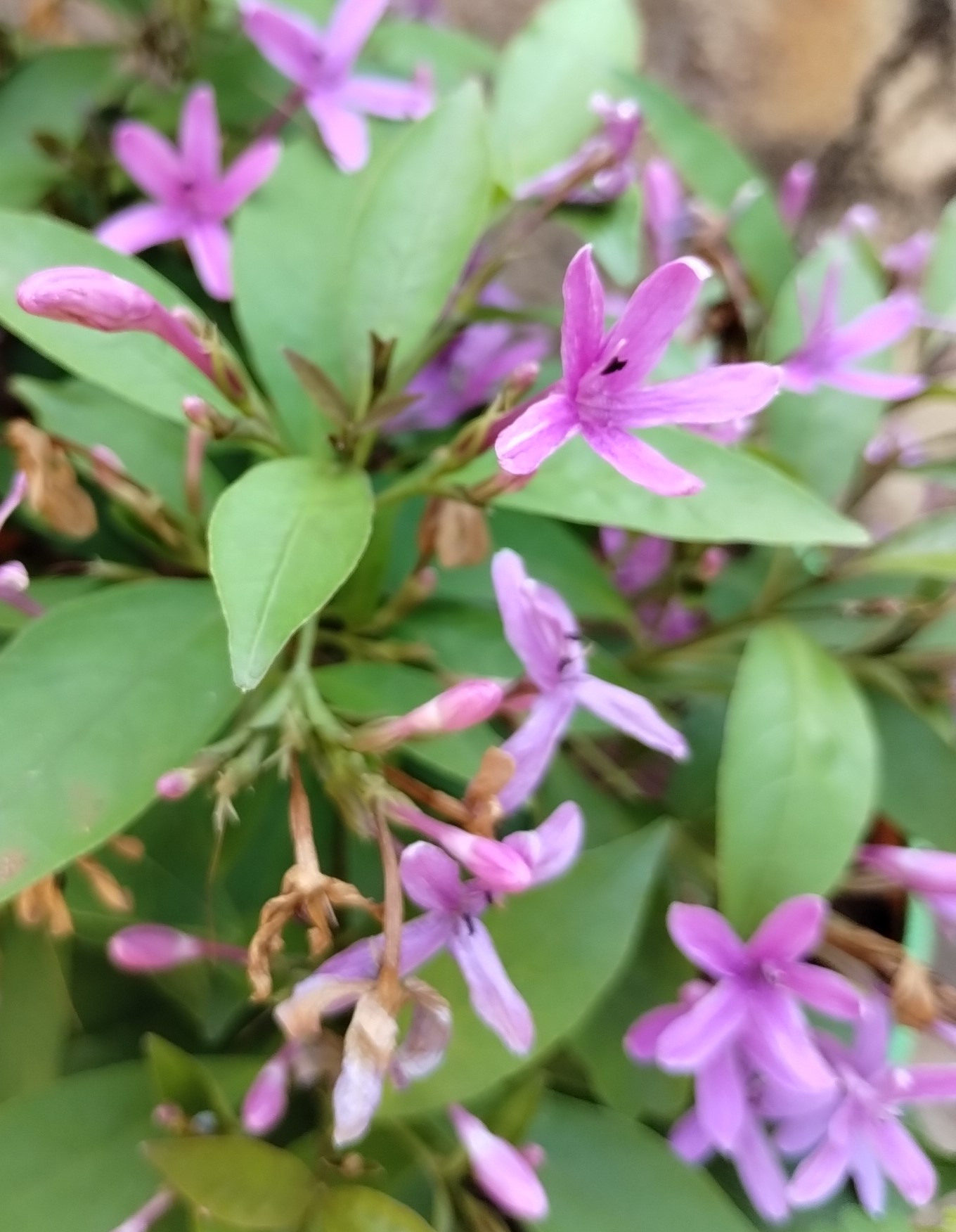
Pseuderanthemum
Pseuderanthemum, a highly diverse genus within the Acanthaceae family, encompasses a variety of stunning tropical shrubs and subshrubs native to the dense rainforests of Polynesia, Melanesia, and parts of Asia. Unlike many tropicals, they are predominantly cultivated globally for their spectacula...
December
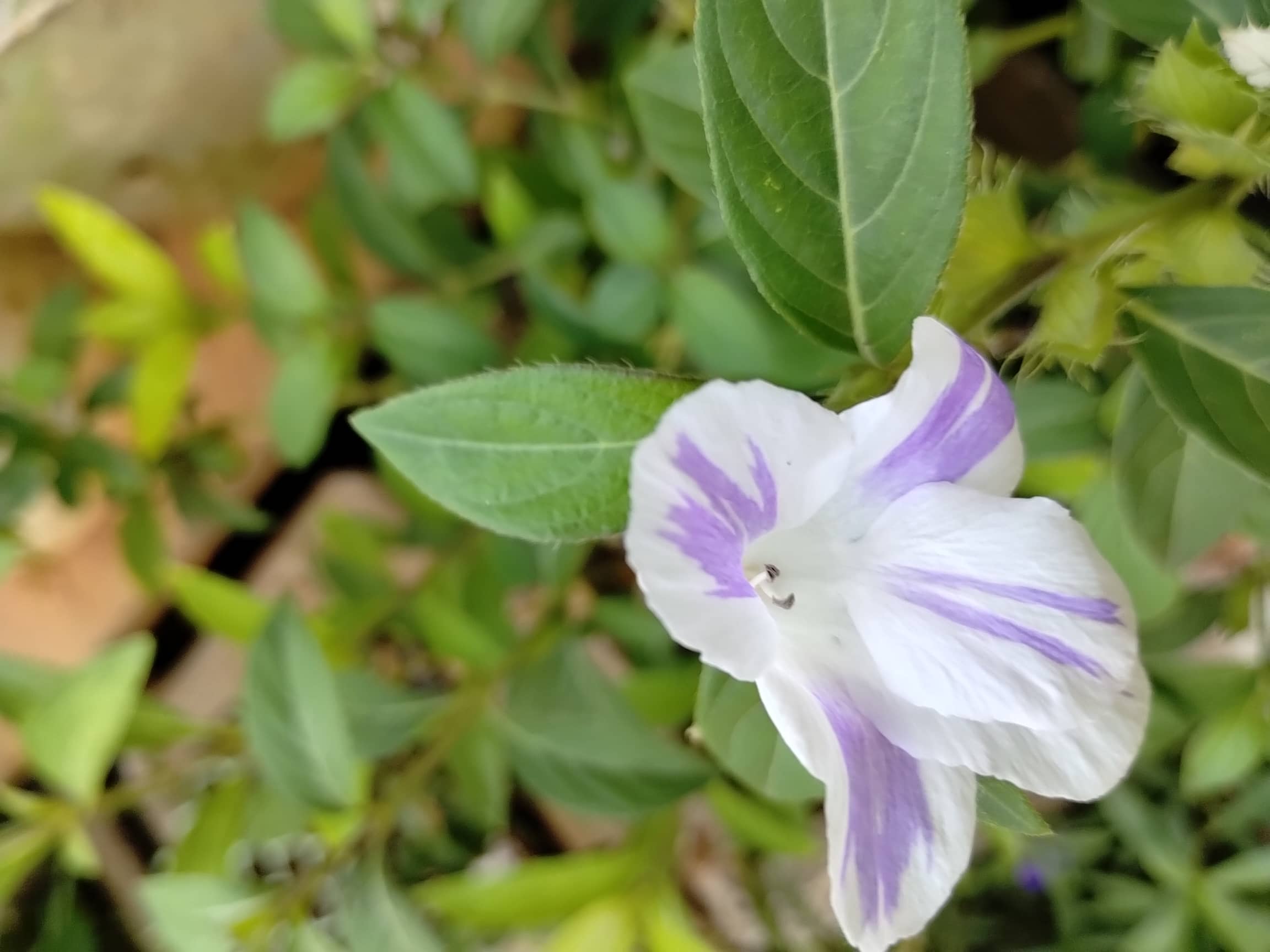
Barleria Cristata, Barleria prionitis
The December Flower, botanically classified under the genus Barleria within the family Acanthaceae (the acanthus family), is a highly attractive, fast-growing evergreen tropical shrub. Native to the sunny forest edges, dry riverbanks, and open scrublands of tropical Asia—spanning India, Myanmar,...
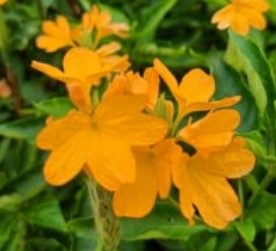
Crossandra Firecracker
Crossandra infundibuliformis
The Firecracker Flower, scientifically known as Crossandra infundibuliformis and popularly called Aboli or Kanakambaram in India, is a beautiful tropical evergreen shrub belonging to the Acanthaceae family. Native to the shady forest understories of southern India and Sri Lanka, particularly the...
Similar Characteristics
4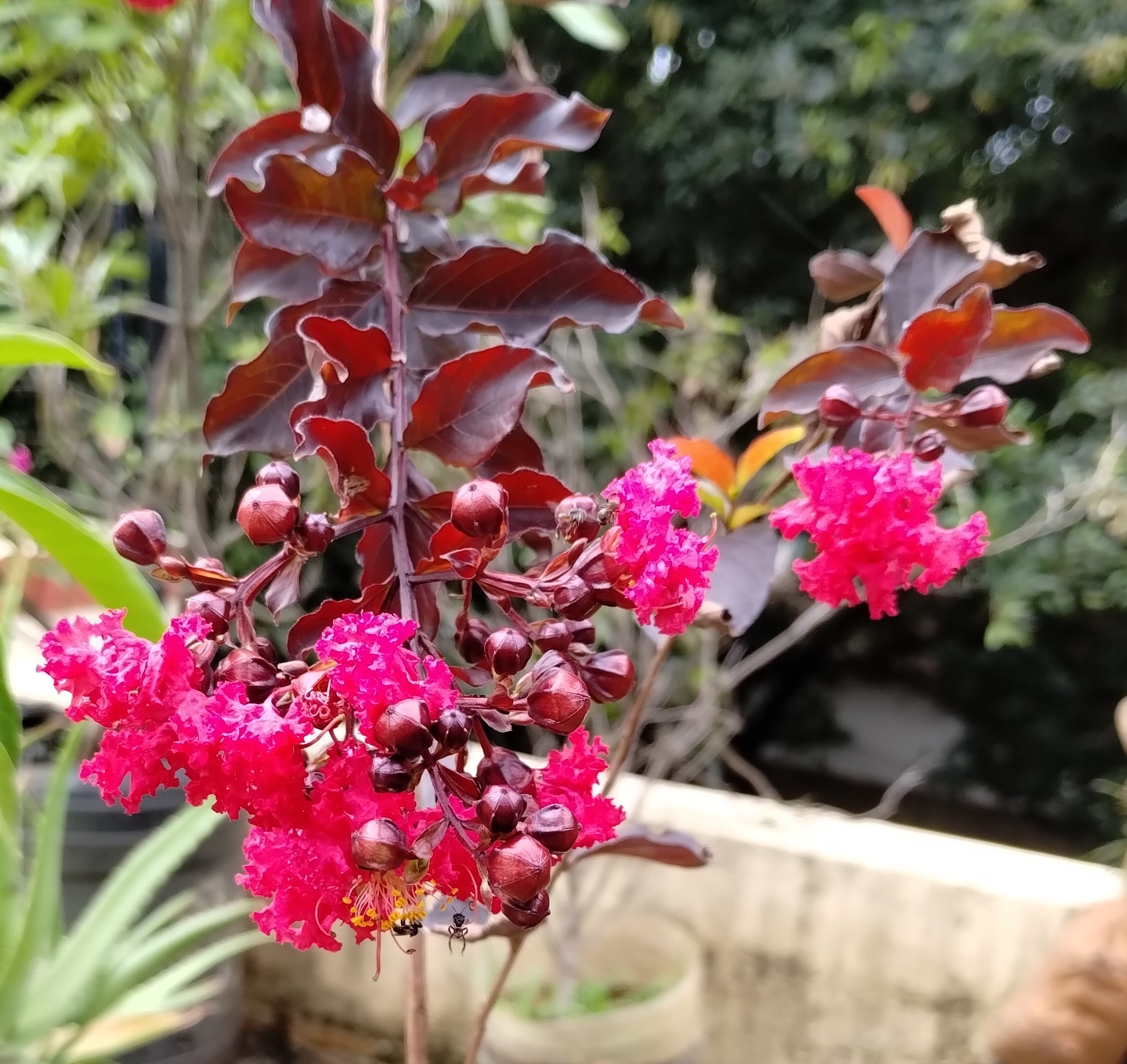
Crepe Myrtle
Lagerstroemia indica
The Crepe Myrtle, scientifically known as Lagerstroemia indica and affectionately called Furush on the Indian subcontinent, is a majestic deciduous shrub or small multi-trunked tree in the Lythraceae family. Native to a vast expanse of Asia—including India, China, Southeast Asia, Japan, and Korea...
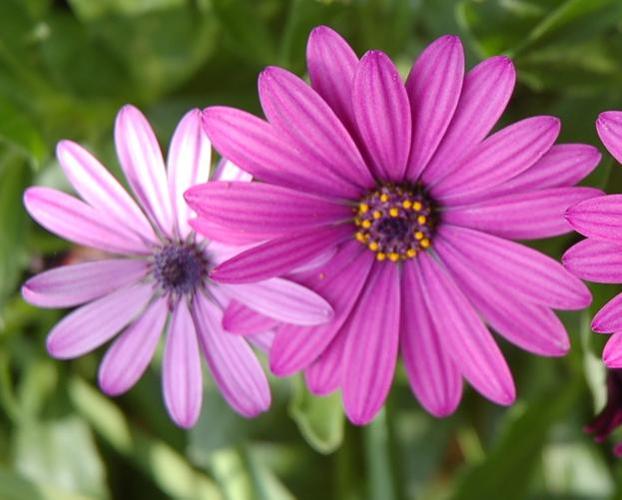
African Daisy (Osteospermum)
Dimorphotheca ecklonis
Osteospermum, commonly known as the African Daisy or Cape Daisy, is a genus of flowering plants that represents the sheer brilliance of the South African floral kingdom. Belonging to the Calenduleae tribe within the massive Asteraceae family, these daisies are celebrated for their sophisticated,...
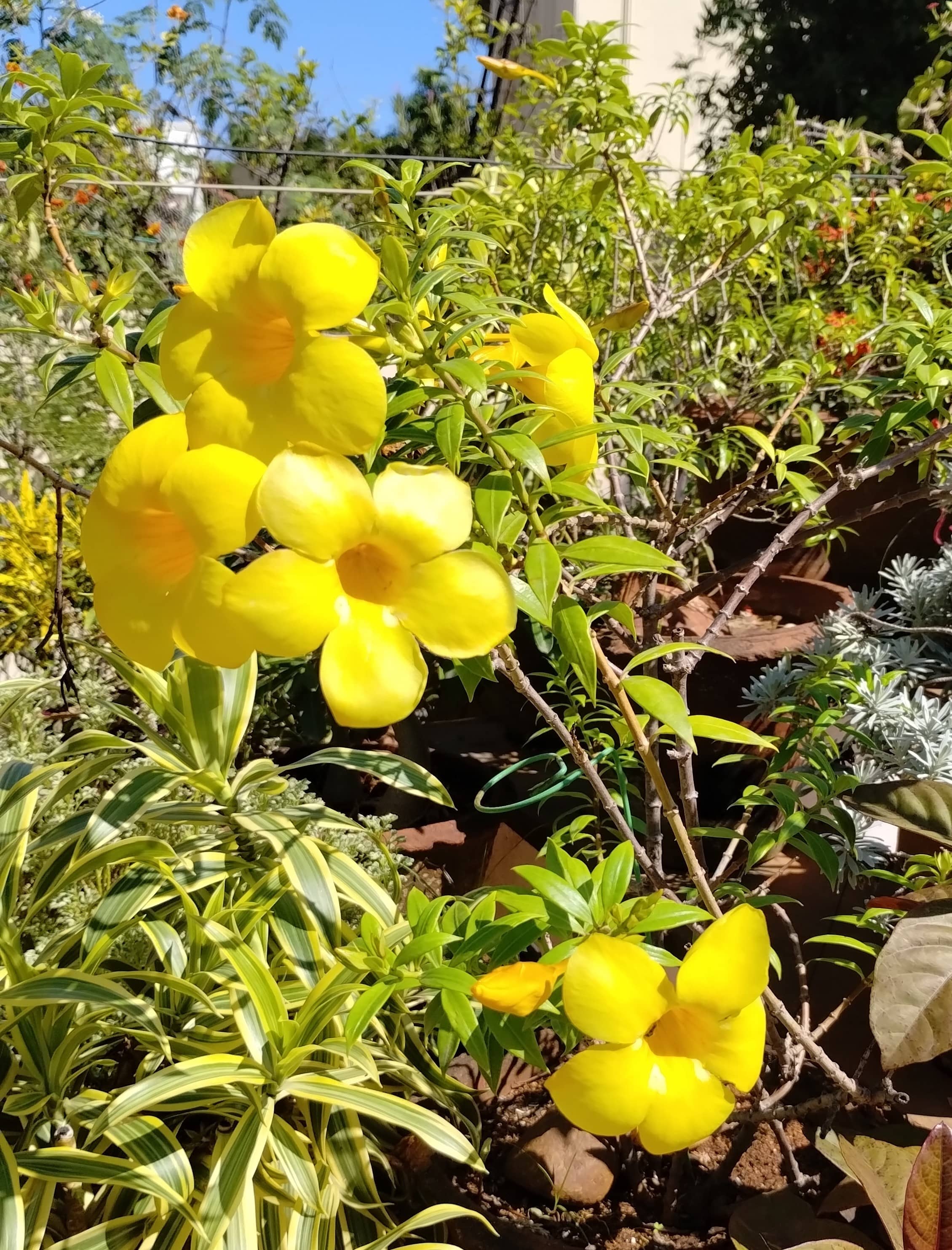
Allamanda
Allamanda cathartica
The Allamanda, botanically designated as Allamanda cathartica and commonly known as the Golden Trumpet, Common Trumpet Vine, or Yellow Bell, is a spectacular tropical evergreen perennial. Belonging to the family Apocynaceae (the dogbane family), this vigorous climbing vine or sprawling shrub is n...
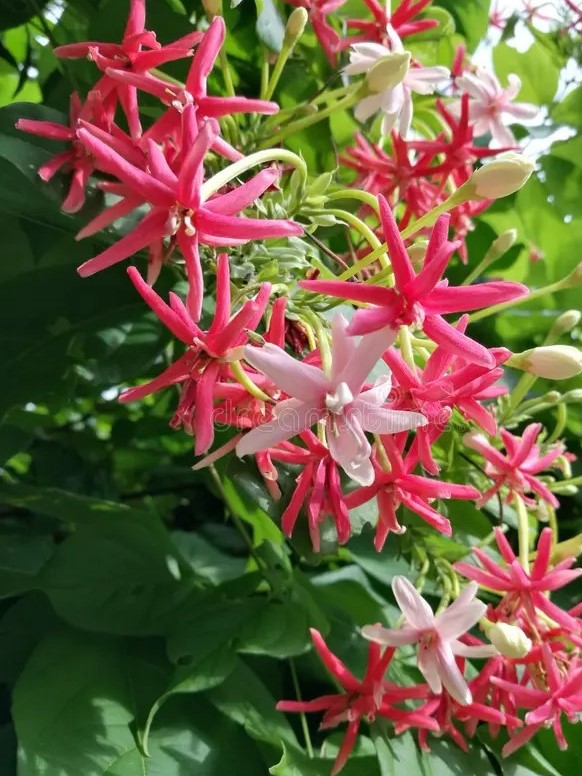
Rangoon creeper
Combretum indicum
Rangoon Creeper, botanically classified as Combretum indicum (historically known as Quisqualis indica), is an enchanting, woody climbing vine belonging to the Combretaceae (combretum) family. Native to the warm, moist tropical forests and riverbanks of South Asia, Southeast Asia, and the Pacific...