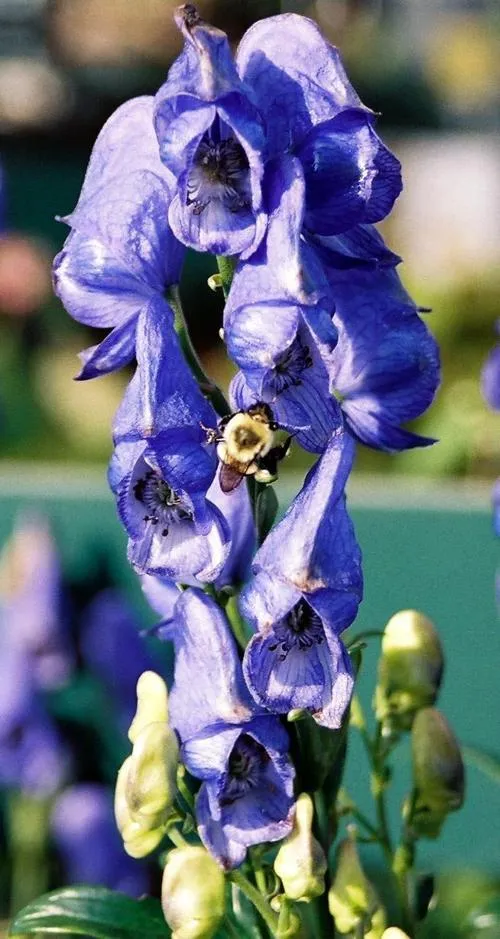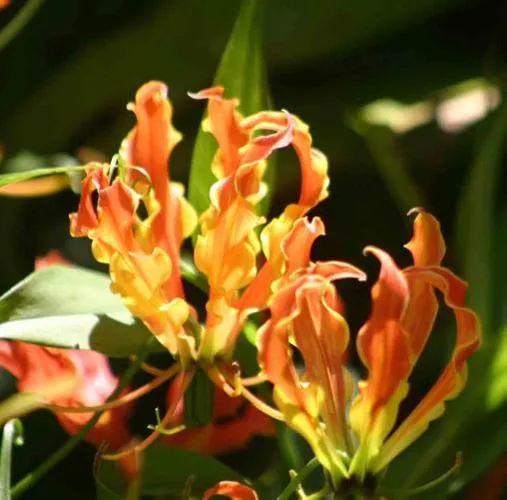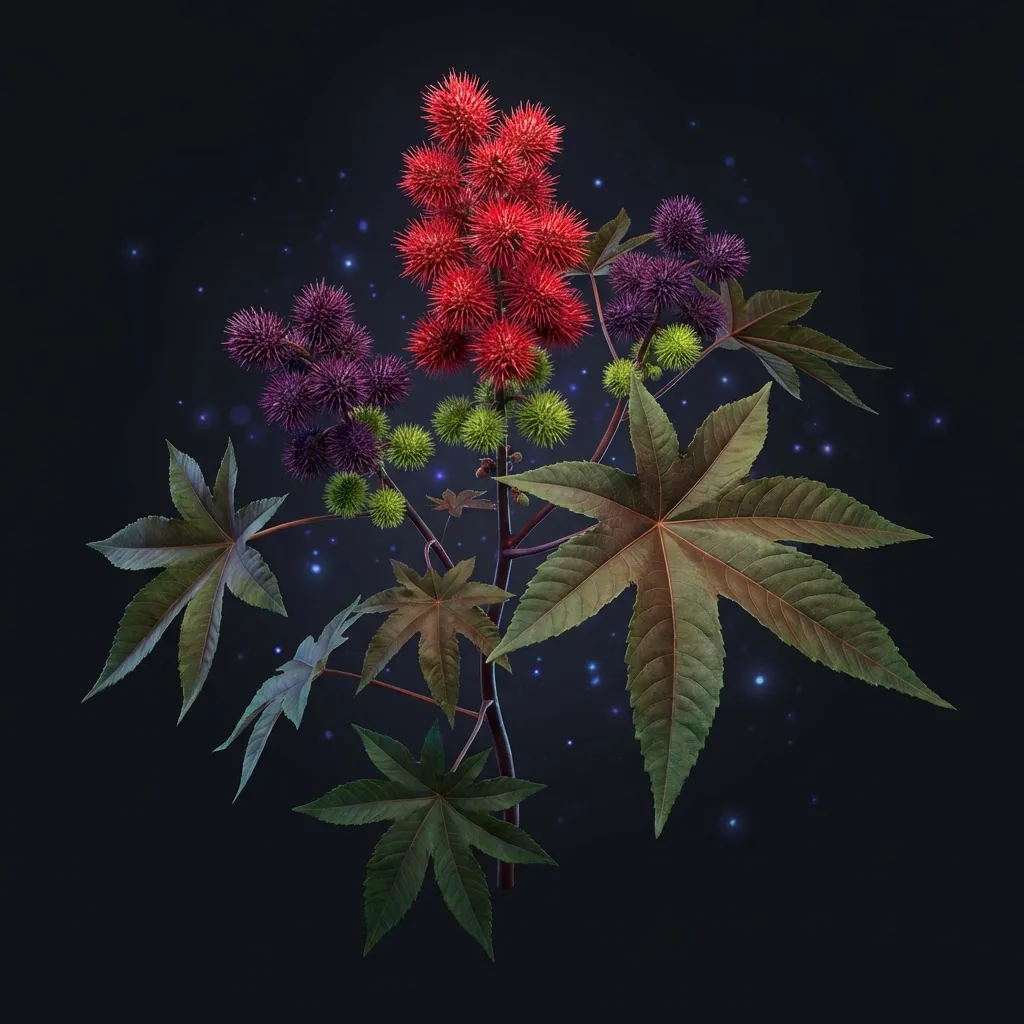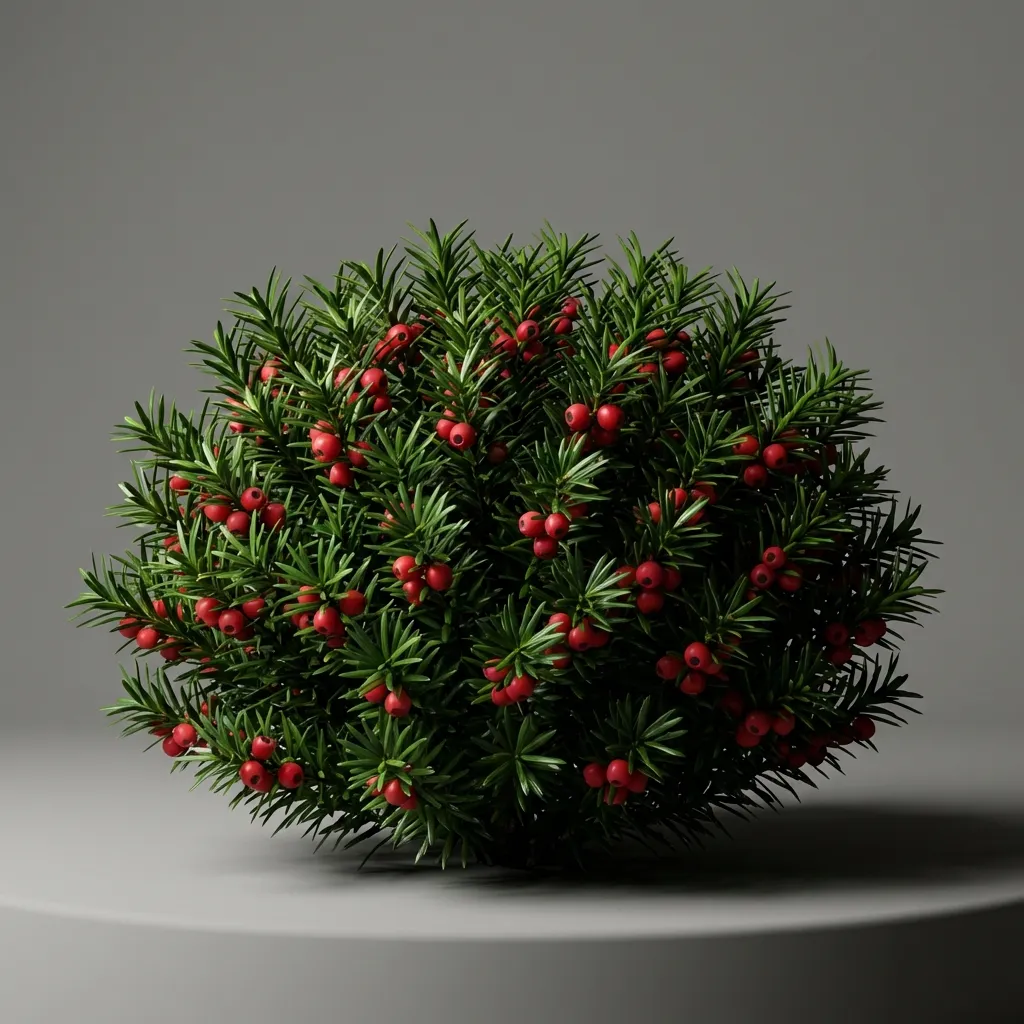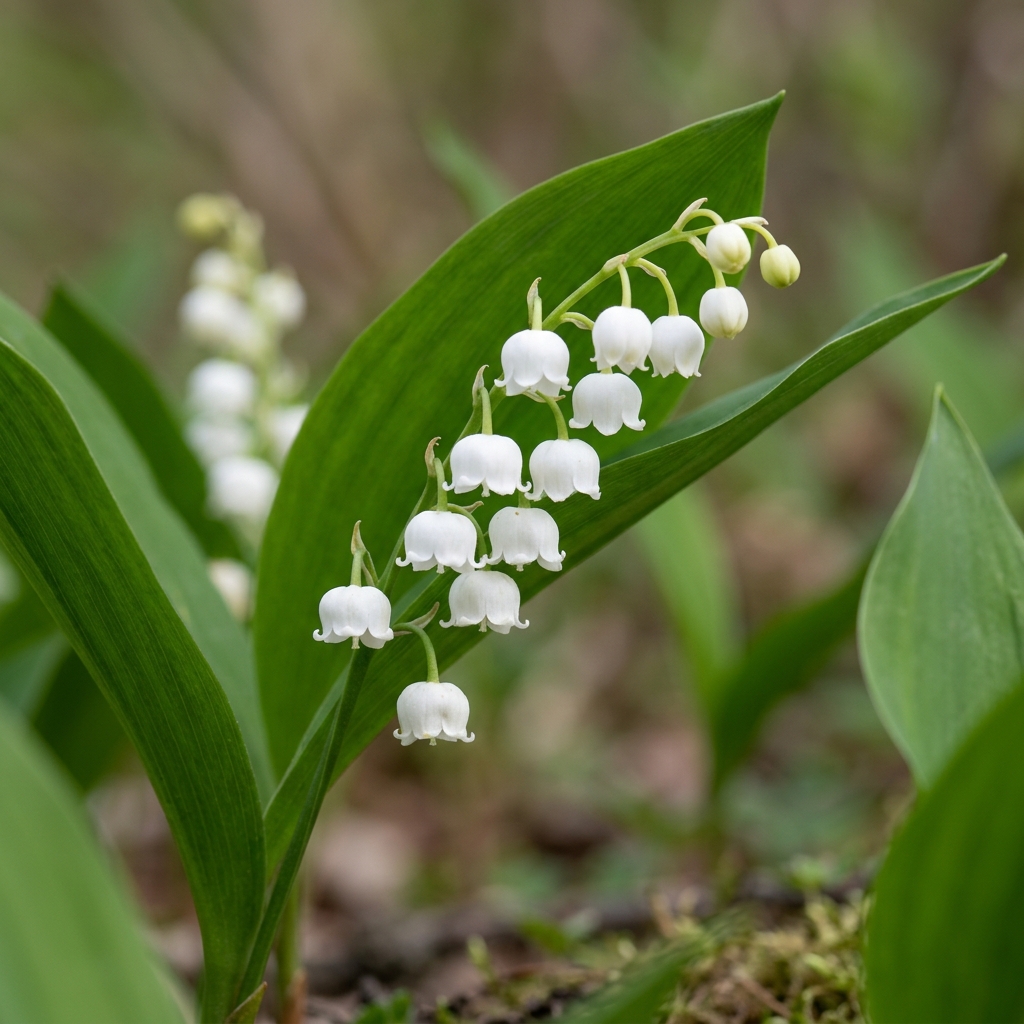
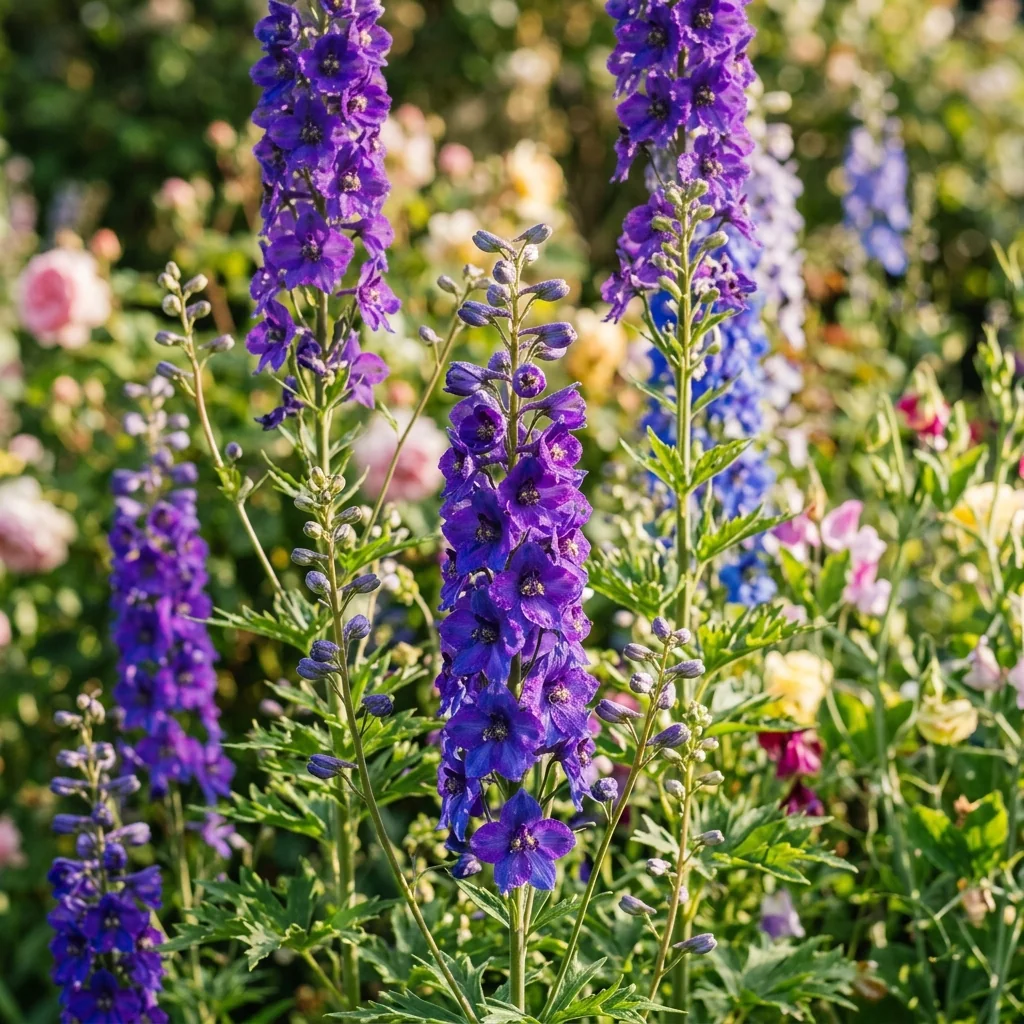
Larkspur (Delphinium spp.) plant and flower identification photo Actual Plant Specimen
Lethal Toxicity

Is Larkspur Safe for Dogs and Cats?

Delphinium spp. • Also called: Knight's Spur, Lark's Claw, Delphinium

Larkspur is toxic to both cats (Lethal Risk) and dogs (Lethal Risk). Active compound: Irritant Diterpene Esters & Milky Latex Sap.

Quick Visual ID — Confirm You Have Larkspur:
  • Botanical Identity: Larkspur (Delphinium spp.) — also known as Knight's Spur, Lark's Claw, Delphinium.
  • Primary Hazard Zones: Entire Plant, Seeds, Young Shoots (Irritant Diterpene Esters & Milky Latex Sap).
  • Pet Safety Verdict: Cats — Lethal | Dogs — Lethal.
Pet Toxicity VerdictClick pet to switch view
Cat Safety Active
Lethal Risk
Signs: Vomiting, Muscle Tremors, Respiratory Failure
Showing feline triage below
Dog Safety
Lethal Risk
Signs: Vomiting, Muscle Stiffness, Weakness
Click for canine symptoms & care
AI Plant Verifier Not 100% sure your plant is Larkspur? Snap or upload a photo to verify species & toxicity with AI.
Anatomical Toxicity Breakdown

Larkspur Plant-Part Identification & Toxicity Map

Every part of Larkspur (Delphinium spp.) marked out as Toxic, Mild Irritant, or Non-Toxic for cats and dogs.

Larkspur annotated plant parts toxicity photo
1Flowers,: LETHAL HAZARD
2Leaves: LETHAL HAZARD
3Stems,: LETHAL HAZARD
4Seeds,: HIGHEST TOXIN CONCENTRATION
1

Flowers, Petals & Pollen

LETHAL HAZARD

Ingesting flowers or petals of Larkspur exposes pets to active toxins causing vomiting, muscle tremors, respiratory failure.

2

Leaves & Foliage

LETHAL HAZARD

Chewing or swallowing Larkspur leaves releases active compounds that irritate the mouth and digestive tract.

3

Stems, Stalks & Sap

LETHAL HAZARD

Stems and vascular sap contain active plant toxins and tough indigestible fibers.

4

Seeds, Berries & Roots

HIGHEST TOXIN CONCENTRATION

Seeds/berries contain the highest concentration of active toxins; ingestion requires prompt veterinary assessment.

Interactive Veterinary Triage

"My Pet Just Chewed or Ate Larkspur!" — Instant Action Checker

Select your pet size and the specific part of Larkspur they touched or swallowed for tailored guidance:

Step 1 Select Pet & Size
Step 2 Which Part Did They Touch or Eat?
🔴 IMMEDIATE ER VET REQUIRED (CRITICAL)

High-Risk Exposure: Cat + Flowers, Petals & Pollen

Ingesting flowers or petals of Larkspur exposes pets to active toxins causing vomiting, muscle tremors, respiratory failure. EMERGENCY! Immediately remove any plant material from the mouth. Contact your veterinarian or emergency pet poison control center immediately. Do not induce vomiting without professional guidance.

1Do NOT wait for late-stage clinical symptoms to develop—early decontamination within 1–2 hours dramatically improves prognosis.
2Do NOT induce vomiting at home (especially in cats or with corrosive sap/oxalates) unless explicitly instructed by a veterinarian.
3Call ASPCA Animal Poison Control Center / Pet Poison Helpline ((888) 426-4435) or head to your nearest 24/7 Vet ER immediately.
4Bring a photo or sample of the Larkspur plant and copy the Vet Triage Summary below.

Clinical Symptoms to Watch For in Cats

Vomiting
Muscle Tremors
Respiratory Failure

Post-Ingestion Timeline

0 – 30 Mins
0–30 mins: Early oral irritation, lip licking, drooling, or nausea after chewing Larkspur.
1 – 6 Hours
1–6 hours: Onset of primary symptoms (Vomiting, Muscle Tremors, Respiratory Failure, Muscle Stiffness, Weakness).
12 – 72 Hours
12–72 hours: Potential systemic organ involvement (renal, hepatic, cardiac, or neurological); requires immediate veterinary stabilization.

Veterinary Contraindication Warning — What NOT To Do

🚫 NEVER give hydrogen peroxide, salt water, or oil to a cat—hydrogen peroxide causes fatal hemorrhagic gastritis in felines, and vomiting re-burns the throat with oxalate crystals/sap. Rinse the mouth gently with cool water.

🚨 CRITICAL SOS

Emergency Protocol If Your Pet Ate Larkspur:

1
Do NOT induce vomiting without consulting a veterinarian first.
2
Contact Animal Poison Hotline:
ASPCA Animal Poison Control Center / Pet Poison Helpline
(888) 426-4435
Hours: 24/7, 365 days a year | Fees: Consultation fee may apply
US ASPCA: (888) 426-4435 or Pet Poison Helpline: (855) 764-7661.
3
Note vital details: Estimate which plant part (Entire Plant, Seeds, Young Shoots), how much they ate, and when ingestion occurred.
4
Monitor closely for these symptoms:Vomiting, Muscle Tremors, Respiratory Failure.
5
Go to the nearest emergency veterinary clinic immediately if severe symptoms or rapid changes in behavior occur.
Professional First Aid Summary:

EMERGENCY! Immediately remove any plant material from the mouth. Contact your veterinarian or emergency pet poison control center immediately. Do not induce vomiting without professional guidance.

Detailed Monograph

In-Depth Botanical & Veterinary Safety Analysis

Scientific evaluation and toxicological breakdown of Larkspur (Delphinium spp.)

Larkspurs (Delphinium spp.) are highly popular cottage garden annuals and perennials cherished for their tall, vertical flower spikes. However, they are extremely toxic and potentially lethal to cats, dogs, and horses. All parts of the plant contain toxic diterpene alkaloids (primarily delphinine), with the highest concentrations found in fresh young shoots and mature seeds. Ingestion of even a small amount causes neuromuscular blockade, muscle stiffness, drooling, severe vomiting, respiratory paralysis, convulsions, and cardiac arrest, which can be fatal within hours. If you suspect your pet has ingested larkspur, seek emergency veterinary care immediately. For safe, pet-friendly cottage garden height, plant non-toxic alternatives like Snapdragons or Gladiolus.
To explore detailed botanical identification, growth requirements, and care tips, visit our comprehensive Botanical Profile for Larkspur.

Global Names & Multilingual Search

Hindi: लार्कस्पर (Larkspur) Tamil: லார்க்ஸ்பர் (Lārkspur) Telugu: లార్క్స్పర్ (Lārkspur) Spanish: espuela de caballero
View Botanical Care Profile
Hindiलार्कस्पर (Larkspur)
Tamilலார்க்ஸ்பர் (Lārkspur)
Teluguలార్క్స్పర్ (Lārkspur)
Spanishespuela de caballero

Specific Pet Safety FAQs for Larkspur

Q

Are all parts of the larkspur plant toxic to pets?

A

Yes, every part of the larkspur plant, including the flowers, leaves, stems, roots, and especially the seeds and young spring shoots, is highly toxic and potentially lethal.

Q

What are the first signs of larkspur poisoning in cats and dogs?

A

First symptoms include excessive drooling, mouth irritation, and vomiting, followed rapidly by muscle weakness, stiffness, tremors, difficulty breathing, and potentially fatal cardiac arrhythmias.

Q

What is a pet-safe alternative to larkspur for vertical height?

A

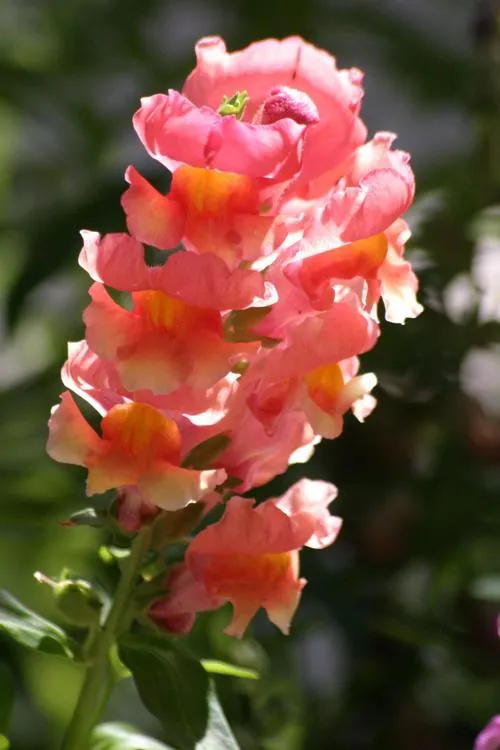
Snapdragons (Antirrhinum majus) are a perfect, 100% non-toxic alternative that provides a similar tall, vertical spike profile in a wide range of colors.

From the Blog

20 Dangerous Garden Plants: Cat Toxicity & Safety Guide

Felines are highly sensitive to houseplants and flowers. Learn which 20 common species cause severe or fatal reactions in cats, including lilies, and discover safe, cat-friendly garden alternatives.