
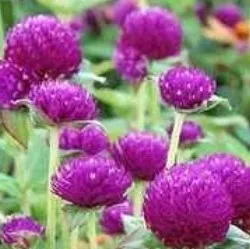
Globe Amaranth (Gomphrena)
Gomphrena globosa
How to Identify Globe Amaranth (Gomphrena)
NON-TOXIC. 100% safe for cats, dogs, and horses. Stiff, papery flowers do not contain harmful chemicals, making them safe for residential spaces.
Care & Growing Guide
Seasonal Blooming & Hardiness
Seasonal Blooming Calendar:
- Peak Bloom: Summer (typically June through September).
- Planting Time: Sow seeds directly outdoors in early spring after the last frost, or transplant nursery starts in late spring.
Bloom Timeline
About Globe Amaranth (Gomphrena)
The Globe Amaranth, botanically designated as Gomphrena globosa and belonging to the family Amaranthaceae (the amaranth family), is an exceptionally tough, durable, and drought-tolerant tropical annual. Native to the sunny, warm, and highly humid forest edges, fields, and coastal plains of Central America—particularly Panama, Guatemala, and Brazil—this resilient flower was cultivated during the early colonial era and has naturalized globally across tropical Asia, Africa, and the Pacific islands. It is celebrated worldwide for its long-lasting, clover-like flower heads.
This low-maintenance annual exhibits a dense, bushy, and highly branched growth habit, reaching a height of 12 to 24 inches with a spread of about 12 inches. The stems are sturdy, wiry, and covered in fine, white, silky hairs. The leaves are opposite, deep green, oval-to-lance-shaped, and measure 2 to 4 inches in length, also covered in fine hairs that give the foliage a soft, velvety texture. From early summer until the first hard frost, it produces continuous globe-shaped flower heads measuring 1 inch in diameter.
Uniquely, the showy, colorful structures that make up the spherical flower head are actually stiff, papery, highly durable bracts in vibrant shades of magenta, deep purple, rose-pink, red, bright orange, and pure white. The true flowers are tiny, yellow, and inconspicuous, tucked safely between the protective bracts. This papery composition allows the flowers to retain their intense color indefinitely after cutting, making Globe Amaranth a premier choice for dried flower arrangements and everlasting bouquets.
The reproductive biology of individual flowers within the head is summarized by the floral formula Br EBr ⊕ ⚥ K5 C0 A5 G(2-3). This formula indicates that each floret is bracteate (possessing papery bracts) and ebracteolate (lacking smaller bracteoles), radially symmetrical (actinomorphic), and bisexual. Uniquely, the perianth consists of 5 free, papery, colorful sepals, and there are no true petals (C0). The androecium consists of 5 stamens with their filaments fused at their bases to form a tube (monadelphous), surrounding a superior ovary of 2 to 3 fused carpels.
The genus name Gomphrena is derived from the classical Latin name used by Pliny for a type of amaranth, while the specific epithet globosa references the round, globe-shaped flower heads. Famed in Sanskrit as Raktamallika (रक्तमल्लिका, meaning 'red jasmine') or Amlana (अम्लान, meaning 'unfading' or 'wiltless') and in Hindi as Gul-e-Makhmal (गुले मख़मल), the plant carries immense cultural and spiritual value. In Nepal, the flowers (known as Supari Phool) are woven into sacred garlands for the Bhai Tika (Brother's Day) festival, symbolizing a sister's wishes for her brother's longevity.
For pet owners and veterinarians, Globe Amaranth represents an exceptionally safe, low-risk, and family-friendly plant selection. Gomphrena globosa is classified as completely NON-TOXIC to cats, dogs, and horses by major global animal safety databases, including the ASPCA. If a curious pet plays with or chews on the hairy leaves or papery blooms, there is absolutely no risk of toxic poisoning. To discover more safe summer-blooming annuals and beautiful pet-friendly landscape designs, visit our general Pet Guard page.
Globe Amaranth is occasionally confused with clover or certain ornamental onions (Alliums). It is easily distinguished because true clover features distinct three-parted (trifoliate) leaves, whereas Gomphrena has hairy, opposite, lance-shaped leaves, and Alliums grow from underground bulbs and release a pungent garlic scent. It makes an outstanding choice for sunny borders, rock gardens, and coastal displays; we recommend pairing it beside other heat-loving favorites like Marigold or Wild Pansy. To explore more heat-tolerant annuals, check our Flower Identifier.
For more botanical profiles and flower identification features, see our guides on Gaura and Golden Thryallis.
Floral Formula & Features
Bracteate (showy papery bracts), ebracteolate (no bracteoles), radially symmetrical (actinomorphic), bisexual, 5 free sepals (papery, colored), no petals, 5 stamens fused at base forming tube, 2-3 fused carpels with superior ovary
- Scientific Name & Classification: Gomphrena globosa (Amaranthaceae). Commonly known as Globe Amaranth, Gomphrena, and Bachelor's Buttons.
- Identification Markers: Bushy branching growth, hairy stems and opposite leaves, and 1-inch clover-like spherical flower heads made of papery magenta, pink, or white bracts.
- Floral Formula (Br EBr ⊕ ⚥ K5 C0 A5 G(2-3)): Radially symmetrical, bisexual flowers with 5 papery sepals, no true petals, 5 fused stamens, and superior ovary.
- Growing Requirements: Full sun (6+ hours); thrives in poor, sandy, well-drained soils. Remarkably heat-tolerant, drought-tolerant, and humidity-resistant (annual).
- Cultural Significance: Known in Sanskrit as 'Amlana' (unfading). Cultivated in Nepal's Bhai Tika festival for making sacred garlands representing brotherly longevity.
- Safety & Toxicity: NON-TOXIC. 100% safe for cats, dogs, and horses. Stiff, papery flowers do not contain harmful chemicals, making them safe for residential spaces.
- Common Look-alikes: Confused with common clover or ornamental Alliums, but distinguished by its hairy, opposite, lance-shaped leaves and dry, everlasting floral bracts.
- Internal Links: Ideal for creating drought-tolerant summer beds alongside other heat-loving, pet-safe selections like Marigold or Wild Pansy; find more in our Flower Identifier.
Names in Different Languages
Toxicity & Safety
Frequently Asked Questions
What is Floral Formula?
A floral formula is a symbolic representation of a flower's structure using letters, numbers, and special symbols. It provides a concise way to describe the arrangement and number of floral parts.
This formula describes the flower's symmetry, sepals, petals, stamens, and carpels in a standardized format.
Formula Sequence
- Bract: Br or Ebr
- Bracteole: Brl or Ebrl
- Symmetry: % (Radial) or ⊕ (Bilateral)
- Sex: ♀ (Female), ♂ (Male), or ⚥ (Bisexual)
- Calyx/Sepal: K<number> (Free or Fused)
- Corolla/Petal: C<number> (Free or Fused)
- Androecium: A<number> (Free or Fused)
- Gynaecium: G<number> (Superior or Inferior Ovary)
Symbol Meanings
- Numbers: Indicate quantity of parts
- Parentheses (): Parts are fused together
- Plus (+): Parts in different whorls
- Underline: Superior ovary position
- Overline: Inferior ovary position
- ∞: Numerous parts (too many to count)
Understanding floral formulas helps botanists quickly identify and classify flowers based on their structural characteristics.
Similar Flowers
Discover flowers that share botanical characteristics
Similar Characteristics
4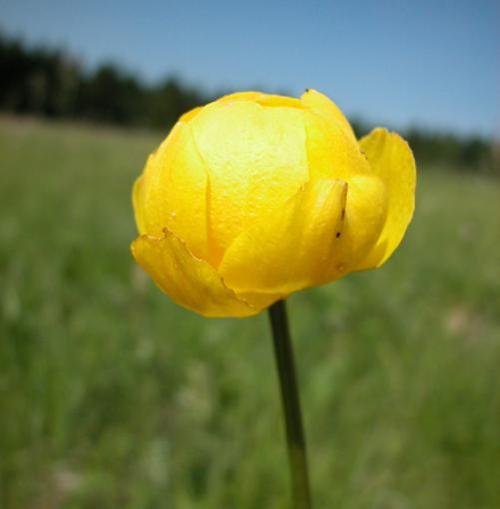
Globe flower
Trollius
The Globe Flower, botanically classified as Trollius and most famous as Trollius europaeus, is a whimsical, moisture-loving herbaceous perennial belonging to the Ranunculaceae (buttercup) family. Native to the cool temperate, alpine, and sub-boreal zones of Europe, northern Asia, and North Americ...
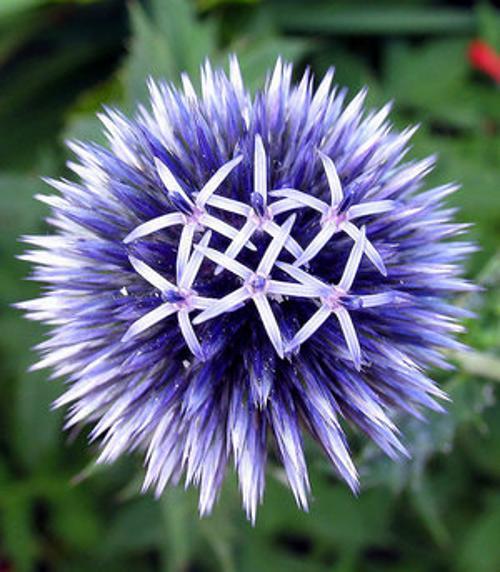
Globe Thistle
Echinops
The Globe Thistle, botanically classified as Echinops ritro or simply Echinops, is a striking, deeply architectural herbaceous perennial plant belonging to the Asteraceae (sunflower or composite) family. Native to the dry, sun-drenched grasslands, stony hillsides, and rocky mountain slopes of cen...
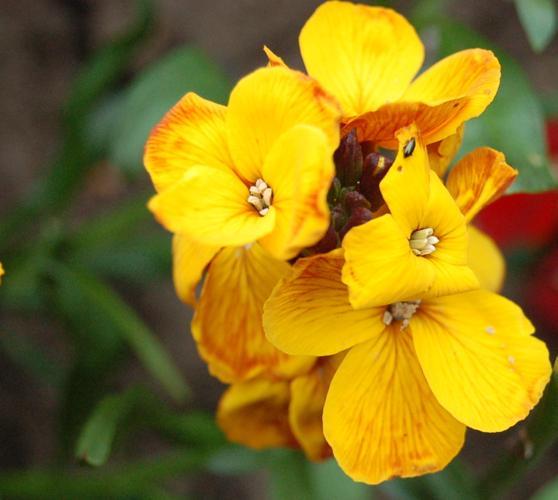
Wallflower
Erysimum cheiri
The Wallflower, botanically known as Erysimum cheiri (formerly classified as Cheiranthus cheiri), is a charming and historic woody-based biennial or short-lived perennial flower belonging to the Brassicaceae (mustard or cabbage) family. Native to the rocky cliffs, coastal regions, and warm sunny...
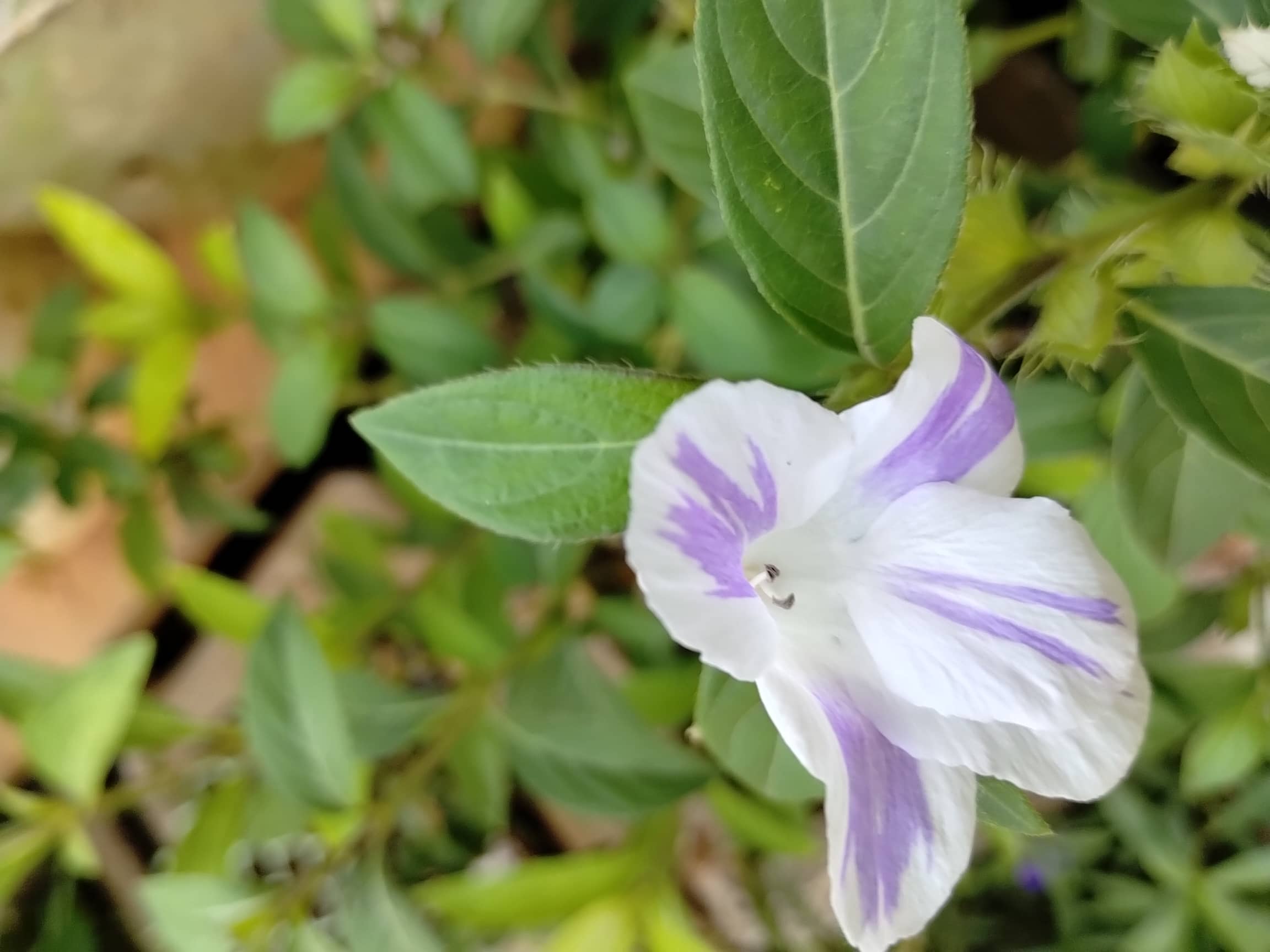
December
Barleria Cristata, Barleria prionitis
The December Flower, botanically classified under the genus Barleria within the family Acanthaceae (the acanthus family), is a highly attractive, fast-growing evergreen tropical shrub. Native to the sunny forest edges, dry riverbanks, and open scrublands of tropical Asia—spanning India, Myanmar,...